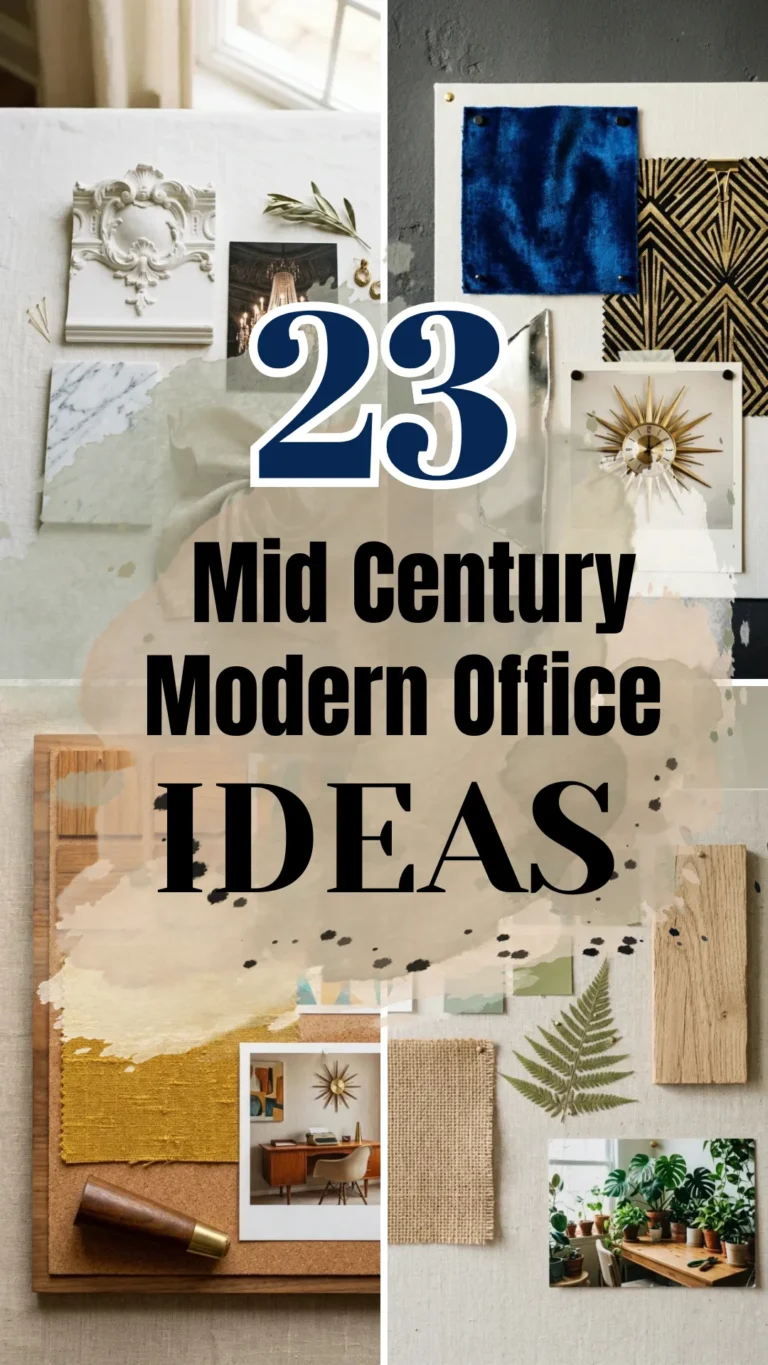

The Mid-Century Modern (MCM) movement, spanning roughly from 1945 to 1969, revolutionized the way we think about interior spaces. It was an era defined by a departure from the ornate and a move toward functionality, clean lines, and a seamless integration with nature. Today, bringing this aesthetic into a home office isn’t just about nostalgia; it’s about creating a workspace that feels sophisticated, organized, and inherently calm. Whether you are a fan of “Mad Men” style or simply appreciate the beauty of organic shapes, these 23 ideas will help you craft a professional sanctuary with enduring charm.
1. Walnut Desks
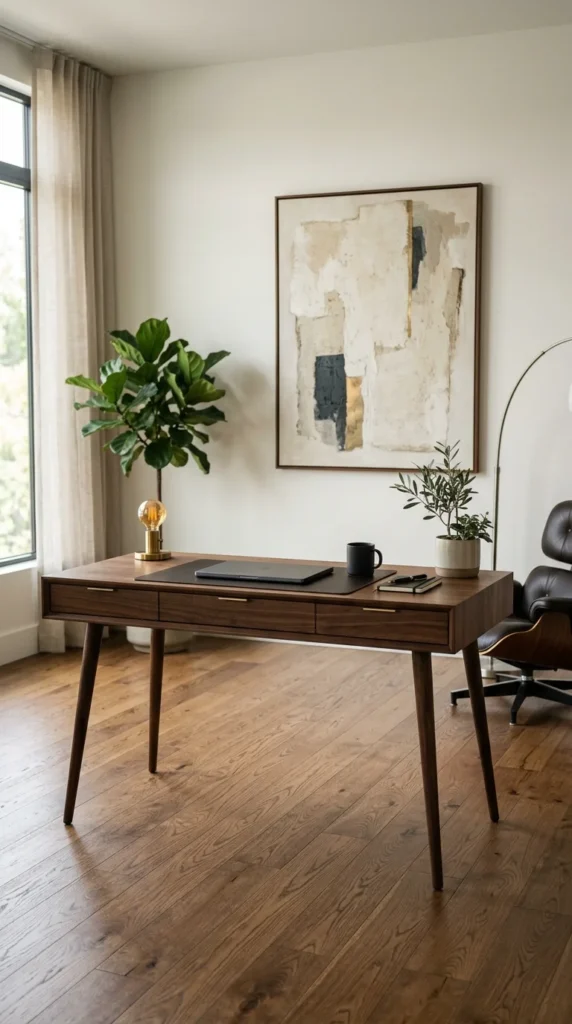
Walnut is the undisputed king of Mid-Century Modern materials. Its deep, rich grain and warm hue provide an immediate sense of gravity and history to an office. When choosing a desk, look for “floating” tops or “tapered legs”—the signature peg-style supports that make heavy furniture look light and airy. A walnut desk serves as a sturdy anchor for the room, offering a natural texture that balances out the industrial feel of modern computers and monitors.
2. Eames Chairs
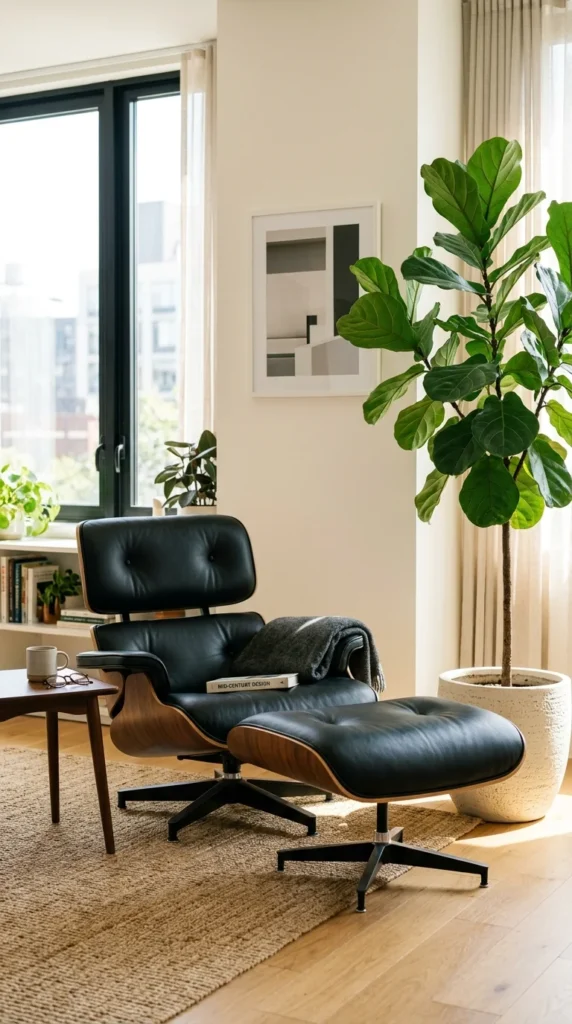
Perhaps no piece of furniture defines the era more than the Eames Lounge Chair. While traditionally seen as a reading chair, placing one in your office creates a dedicated space for “deep thinking” or taking a break from the screen. For the actual desk chair, the Eames Aluminum Group or the Soft Pad Executive chair offers ergonomic support wrapped in timeless chrome and leather, proving that office furniture doesn’t have to look like a plastic contraption.
3. Sputnik Chandeliers
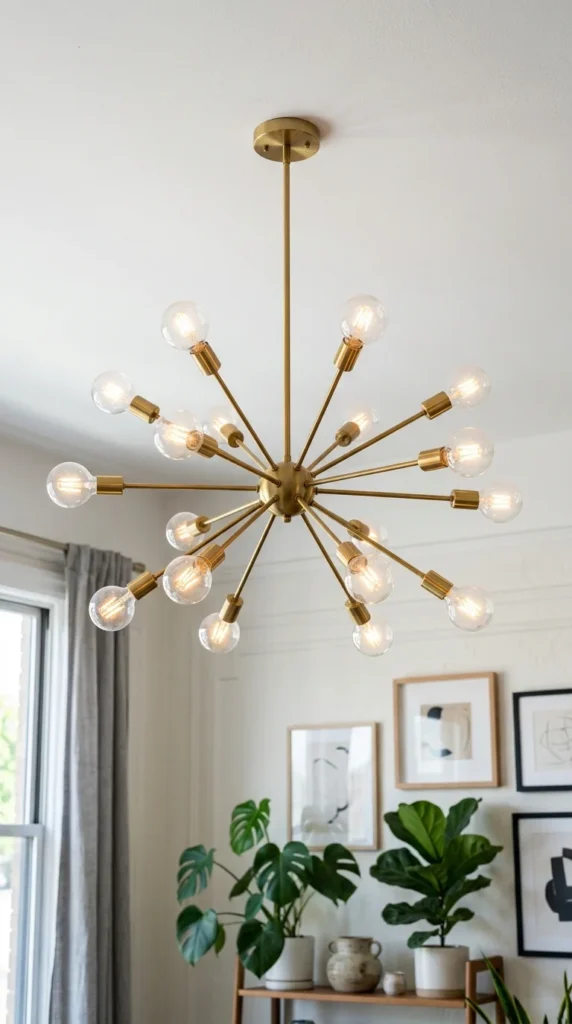
Lighting in the MCM era was influenced by the Space Age. The Sputnik chandelier, with its multi-directional arms and starburst shape, provides excellent overhead lighting while serving as a sculptural centerpiece. In a home office, a brass or matte black Sputnik lamp adds a touch of retro-futurism, breaking up the straight lines of bookshelves and desks with its energetic, explosive silhouette.
4. Geometric Rugs
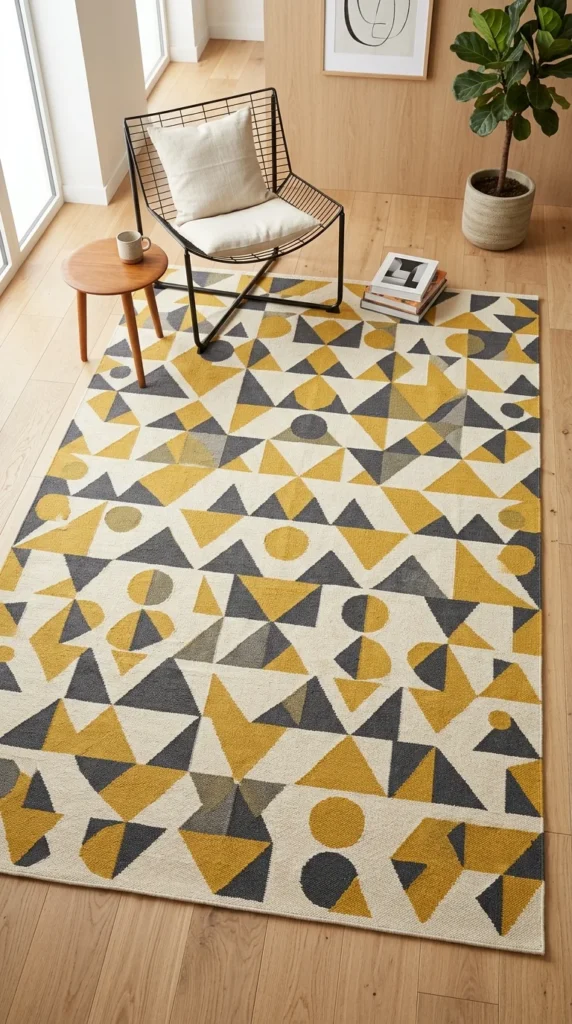
The floor is often an overlooked canvas in office design. A geometric rug is the perfect way to introduce the bold patterns common in the 1950s and 60s. Look for motifs like honeycombs, interlocking circles, or asymmetrical triangles. These patterns help define the “work zone” within a room and provide a soft acoustic buffer, which is essential for those frequent video calls.
5. Tapered Legs
If there is one hallmark of Mid-Century design to memorize, it is the tapered leg. Also known as “compass legs” or “peg legs,” these supports allow furniture to stand off the ground, creating a sense of visual space. In a small home office, choosing furniture with tapered legs prevents the room from feeling cluttered, as you can see more of the floor, making the entire area feel larger and more breathable.
6. Mustard Accents
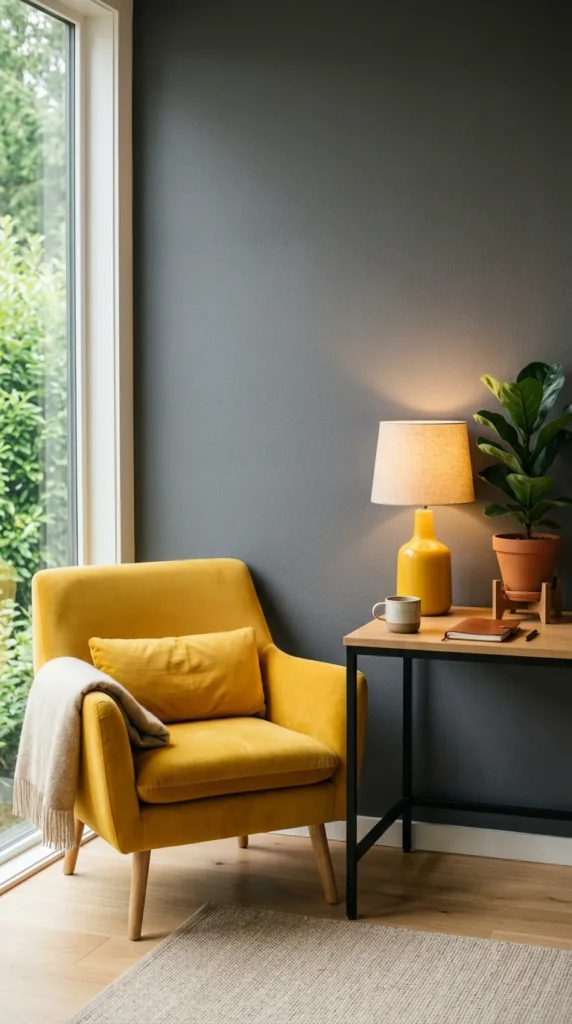
While the base of MCM design is often neutral wood, the accent colors are where the personality shines. Mustard yellow is a quintessential period color that brings warmth and a “pop” of energy to a workspace. You can incorporate this through a velvet desk chair, a throw blanket, or even a set of mustard-colored ceramic organizers. It pairs beautifully with dark woods like teak and walnut.
7. Floating Shelves
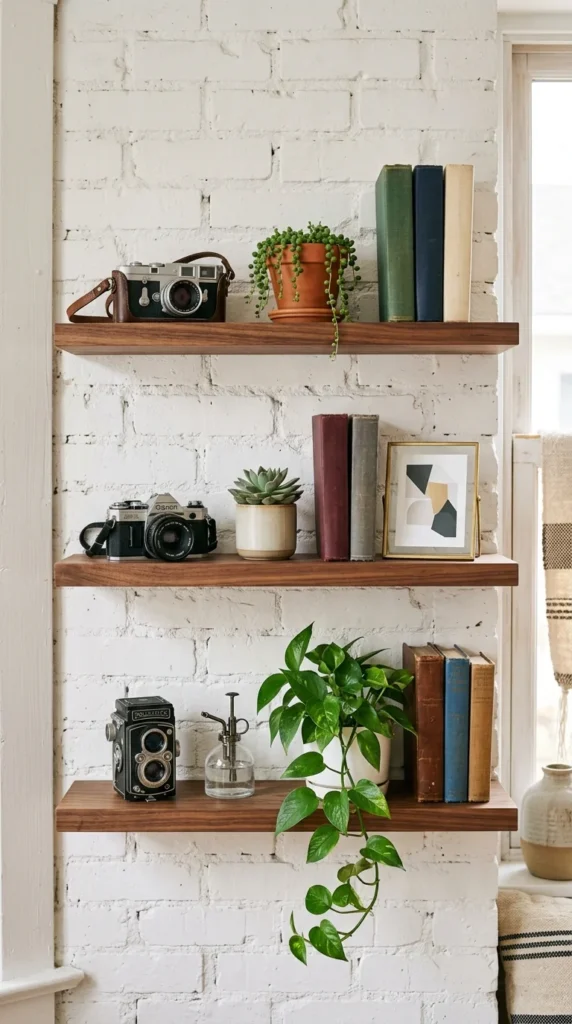
Minimalism is key to the Mid-Century aesthetic, and floating shelves help maintain that clean-lined look. By removing the bulky vertical supports of a traditional bookcase, you allow the wall to breathe. Use these shelves to display “curated clutter”—a mix of professional books and personal artifacts like vintage globes or ceramic sculptures—to give your office a lived-in yet professional feel.
8. Fiddle Figs
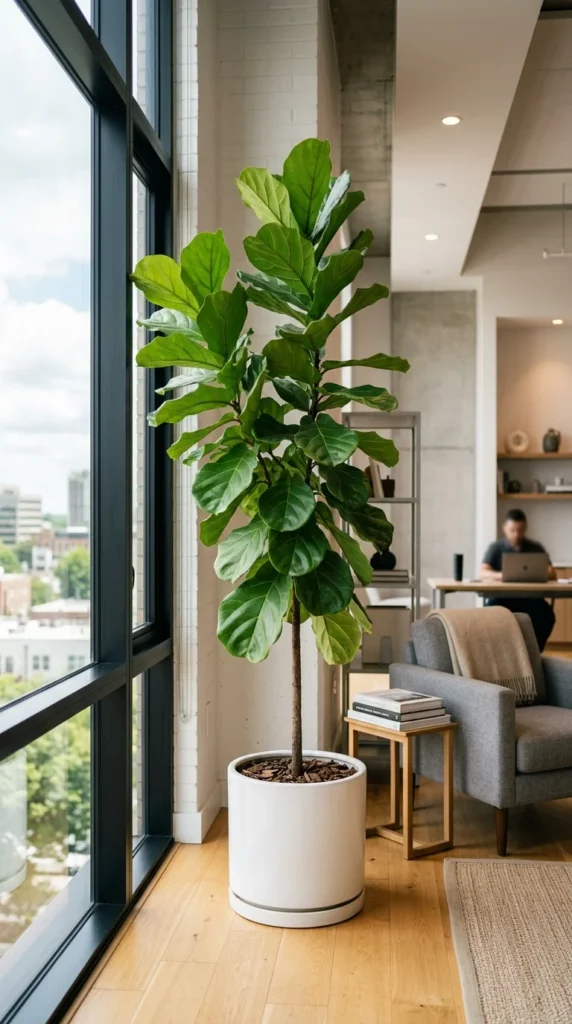
The “Biophilic” design trend actually has deep roots in the Mid-Century Modern era, where designers sought to bring the outdoors in. The Fiddle Leaf Fig, with its large, sculptural leaves, fits perfectly with the organic shapes of the furniture. Other period-appropriate plants include the Snake Plant or the Monstera Deliciosa. These plants not only clean the air but add a necessary splash of vibrant green to the brown and gray tones of the room.
9. Abstract Art
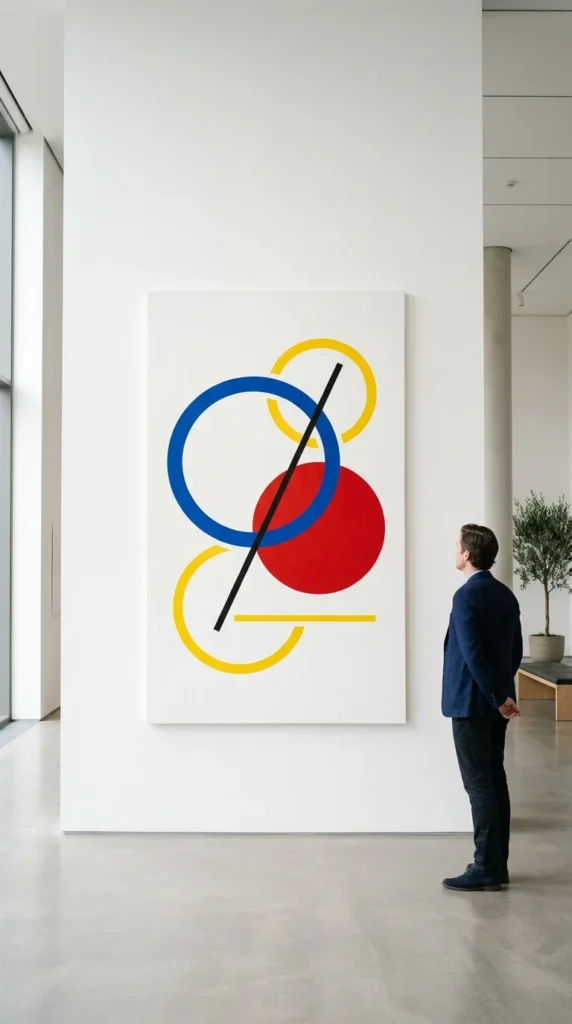
Mid-Century offices were rarely decorated with busy, traditional landscapes. Instead, they favored bold, abstract expressionism. Look for prints or paintings that focus on form, color, and line rather than realistic subjects. A large-scale abstract piece behind your desk serves as a sophisticated backdrop for virtual meetings and provides a visual “rest” for your eyes when you look up from your work.
10. Wood Paneling
Forget the cheap, dark paneling of the 1970s. Mid-Century wood paneling is about texture and craftsmanship. Using vertical wooden slats or a high-quality wood veneer on a single accent wall adds an incredible amount of warmth and “executive” gravitas to an office. It mimics the look of high-end offices from the 1960s and provides excellent natural insulation and soundproofing.
11. Teak Credenzas
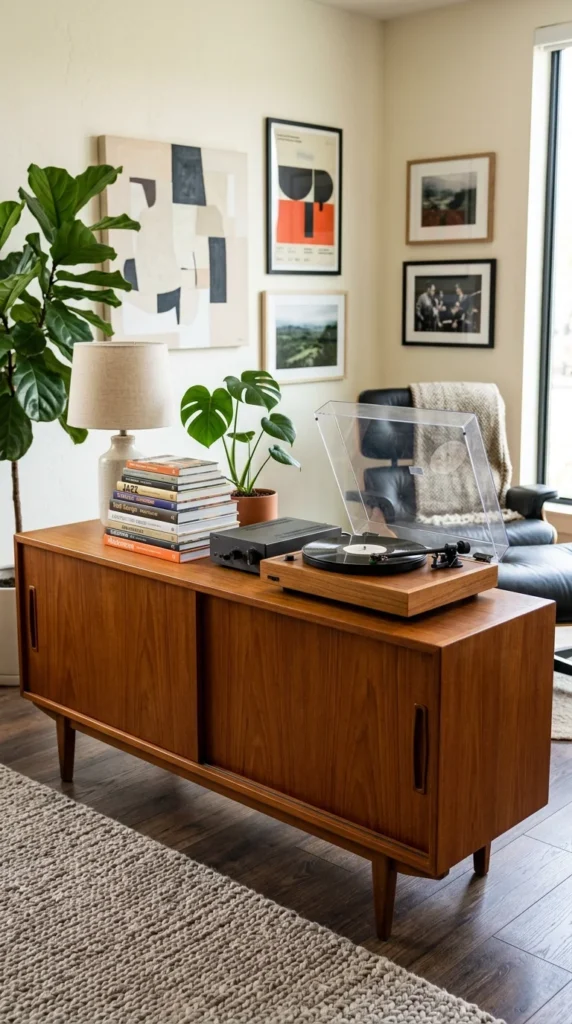
Storage is vital in any office, but a standard metal filing cabinet can ruin the MCM vibe. Enter the credenza. A low-profile teak sideboard offers ample space for printers, paper, and files while keeping them hidden behind elegant sliding doors. The flat top of the credenza also doubles as a secondary workspace or a place to display a collection of mid-century pottery.
12. Sunburst Clocks
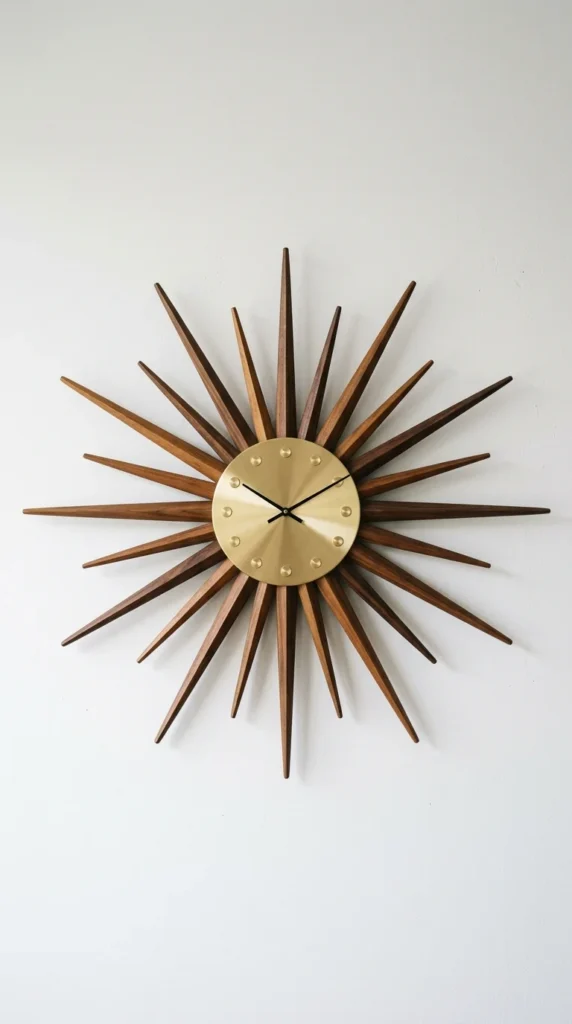
Timekeeping was a form of art in the 1950s. The iconic Sunburst or Ball clock, designed by George Nelson, is a functional piece of wall art. In an office setting, it serves as a reminder of the era’s focus on innovative design. Its radiating lines draw the eye upward and add a sense of movement to an otherwise static wall.
13. Velvet Upholstery
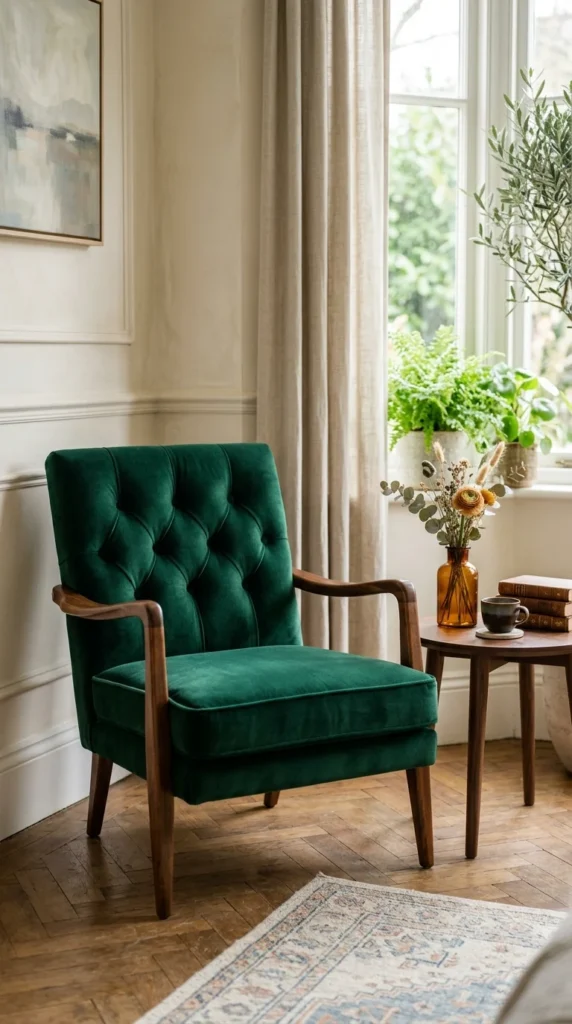
While leather is a standard MCM choice, velvet adds a layer of luxury and softness that balances the hard surfaces of wood and metal. A velvet guest chair or even a velvet-upholstered desk chair in a jewel tone—like emerald green, navy, or burnt orange—provides a tactile richness that makes the office feel more comfortable and inviting for long working hours.
14. Brass Hardware
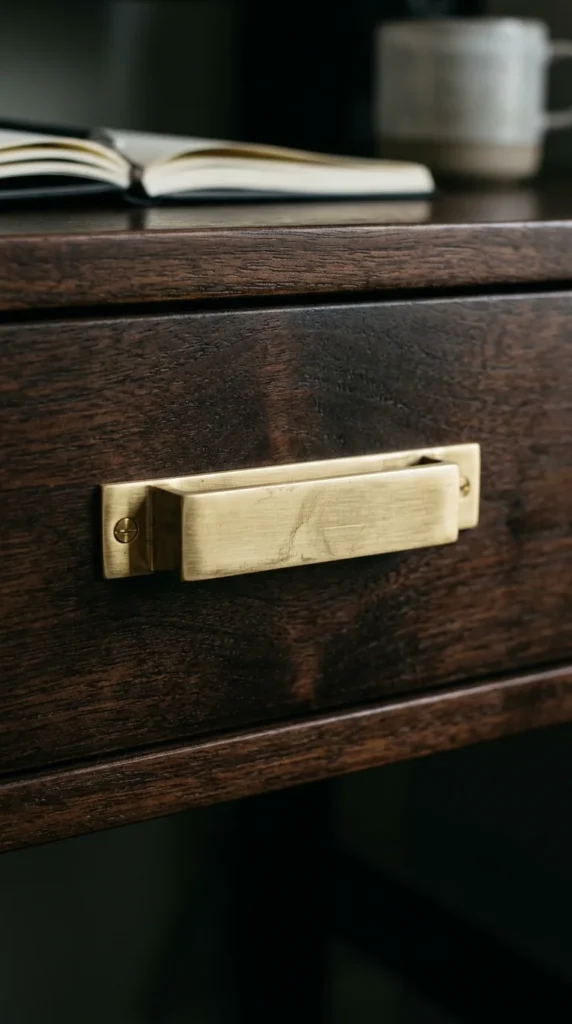
The “gold” of the Mid-Century era was brass. It has a warmer, more muted tone than modern polished gold or chrome. Look for desks, lamps, or storage units that feature brass accents. Small details like brass drawer pulls, brass feet on chairs, or a brass desk tray can tie the entire room together, adding a subtle glimmer of sophistication without being ostentatious.
15. Open Concept
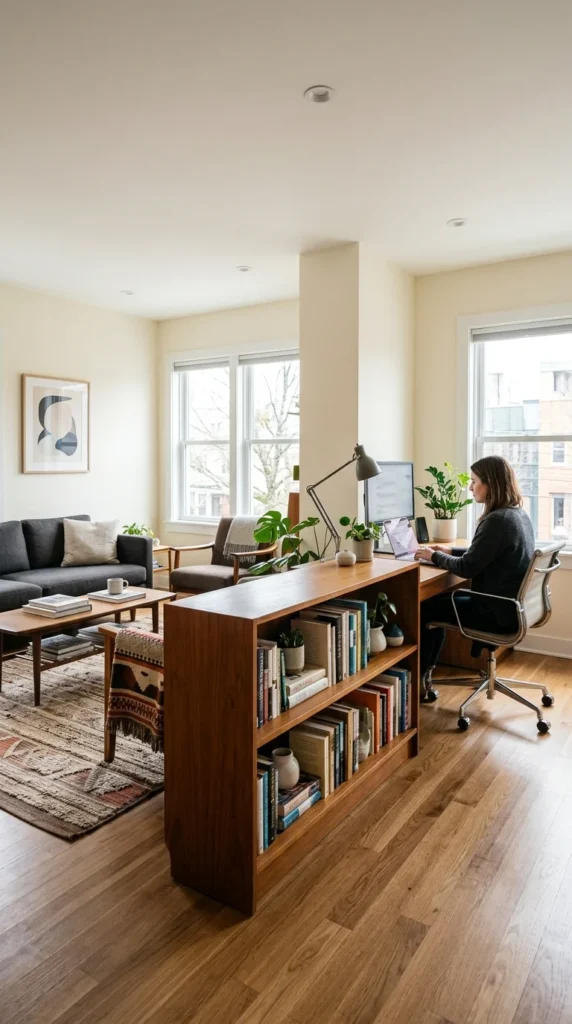
MCM architecture is famous for its open floor plans. Even if your office is a dedicated room, you can mimic this feel by using “see-through” furniture. Open-backed bookshelves (like the famous String shelving system) allow light to pass through, maintaining a sense of flow and preventing the office from feeling like a boxed-in cubicle.
16. Oversized Windows
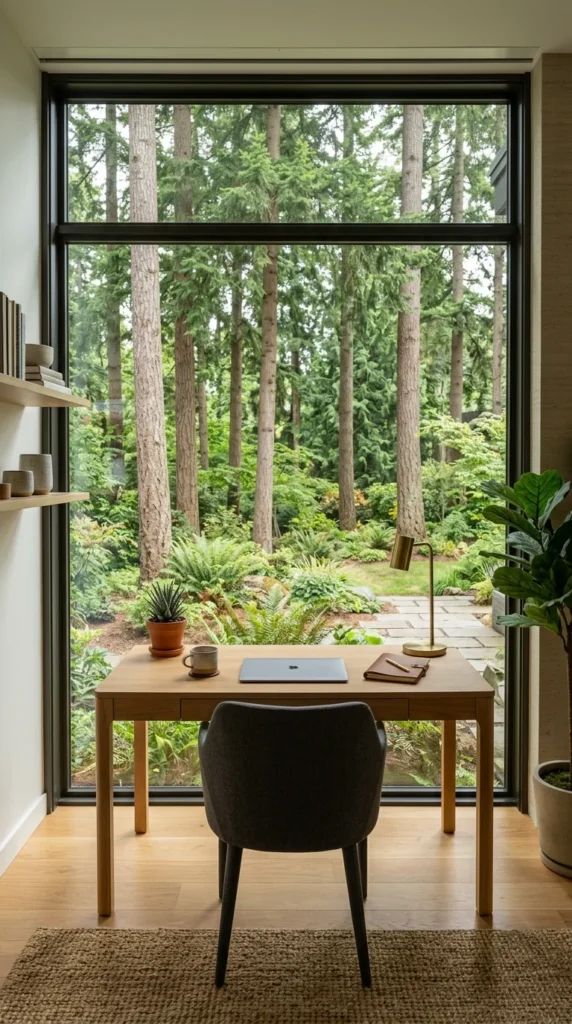
If you have the luxury of choice, place your Mid-Century office in a room with large windows. The movement was obsessed with the “indoor-outdoor” connection. If your windows are standard size, avoid heavy drapes. Instead, use simple linen curtains or wooden slats that allow as much natural light as possible to flood the space, highlighting the wood grains and textures of your furniture.
17. Built-in Bookcases
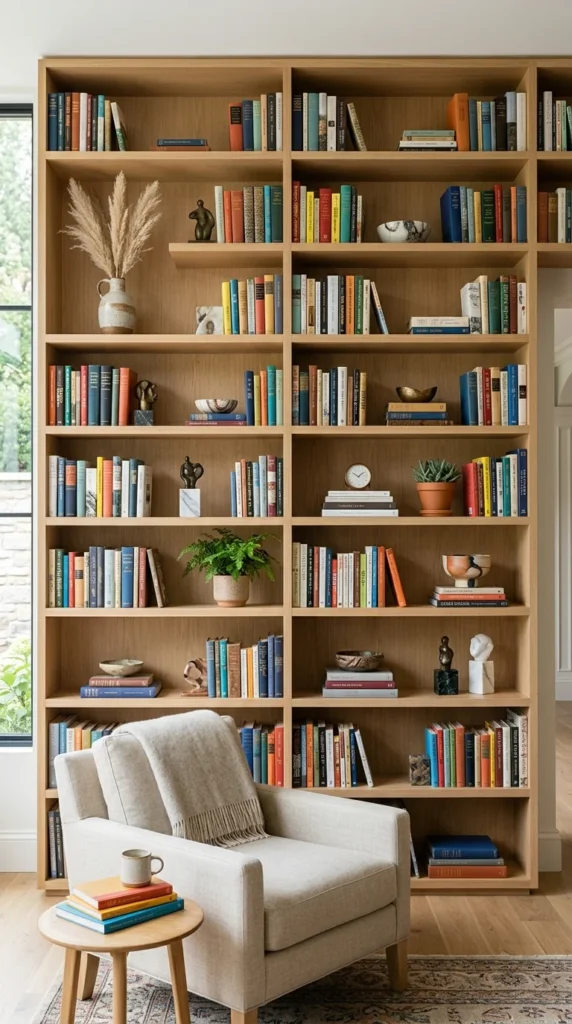
For a truly integrated look, built-in bookcases that span an entire wall are a classic MCM feature. These units provide a structured, architectural feel. To keep it from looking too heavy, leave some “negative space” on the shelves—don’t pack every inch with books. Interspersing books with small sculptures or empty space keeps the look modern and airy.
18. Cork Boards
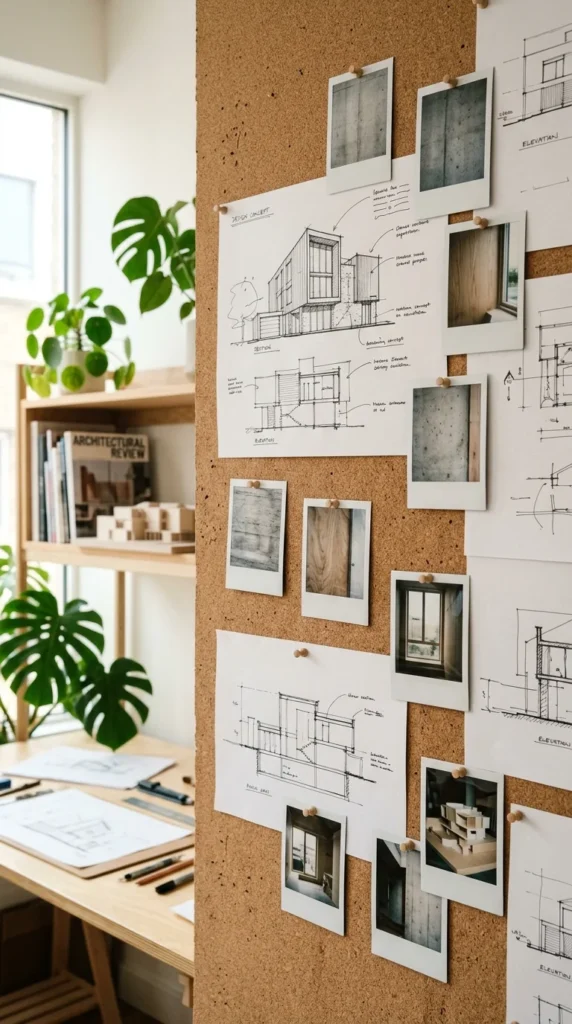
Functionality was a core tenet of the era. A large, floor-to-ceiling cork board or a neatly framed cork section provides a tactile way to organize thoughts and inspiration. In a world of digital screens, having a physical “mood board” pinned to the wall adds a layer of texture and a classic “studio” feel to your workspace.
19. Terrazzo Flooring
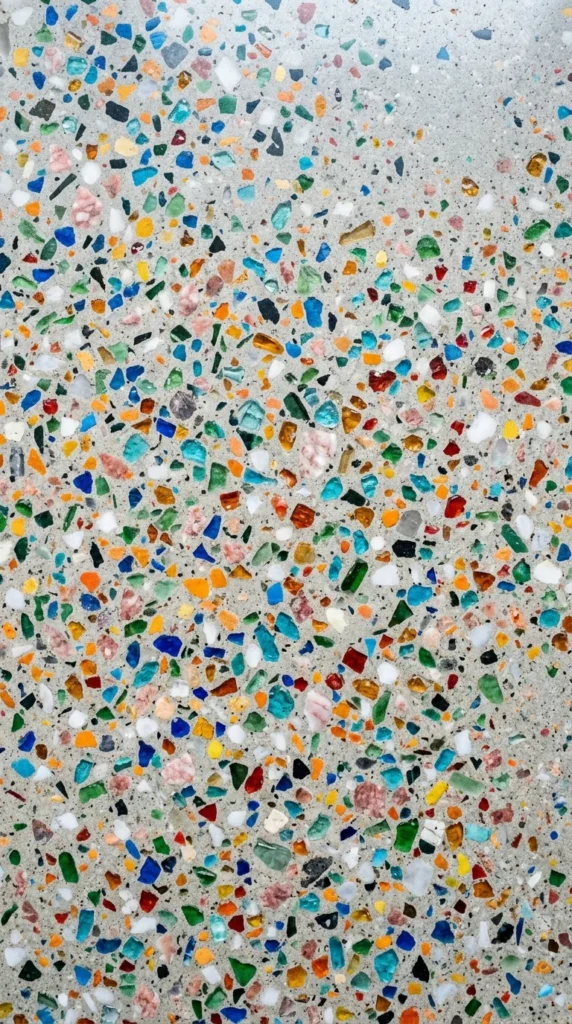
Terrazzo was a staple of Mid-Century commercial and residential design. If you are doing a full renovation, terrazzo flooring is a bold, durable, and incredibly stylish choice. Its speckled pattern is visually interesting but neutral enough to work with various furniture styles. If a new floor isn’t in the budget, a terrazzo-patterned desk mat or coaster set can provide a similar nod to the era.
20. Pop Art
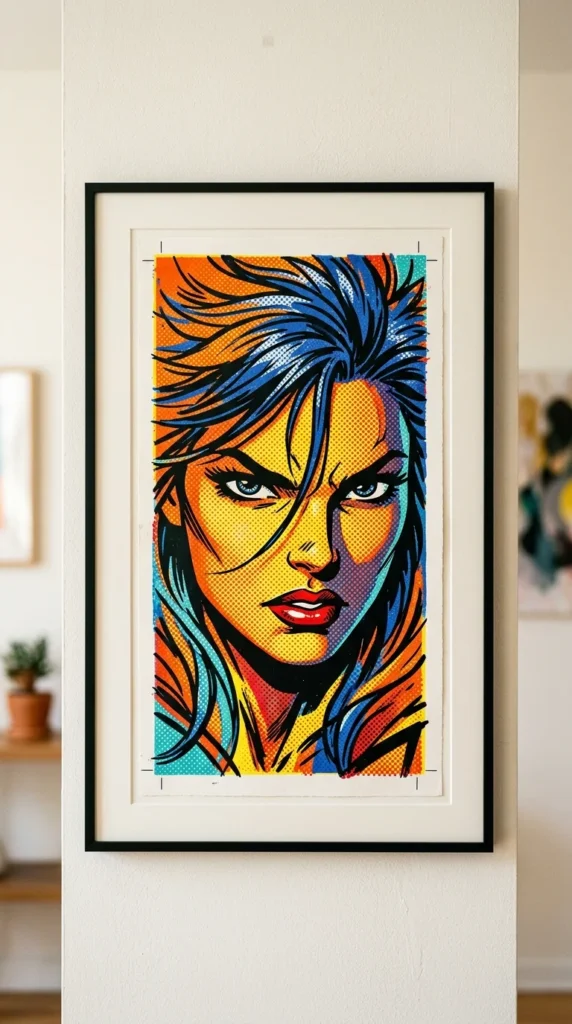
By the late 1960s, Mid-Century Modernism began to merge with the Pop Art movement. Adding a piece of art that uses bold, primary colors and Ben-Day dots (like the style of Roy Lichtenstein) can inject a sense of humor and playfulness into a serious office. It breaks up the “seriousness” of the walnut and leather, reminding you that work can also be creative and fun.
21. Molded Plastic
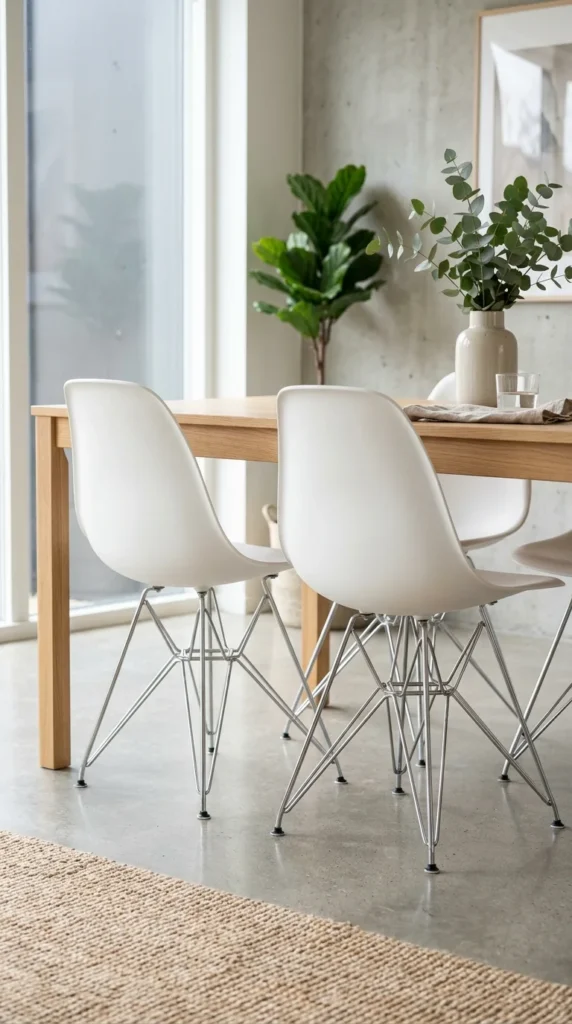
Mid-Century designers were pioneers in using “new” materials like plastic and fiberglass. The molded plastic side chair is an affordable and iconic way to add MCM flair. These chairs are incredibly durable and come in a variety of colors, making them excellent guest seating that is easy to clean and move around.
22. Low-Profile Seating
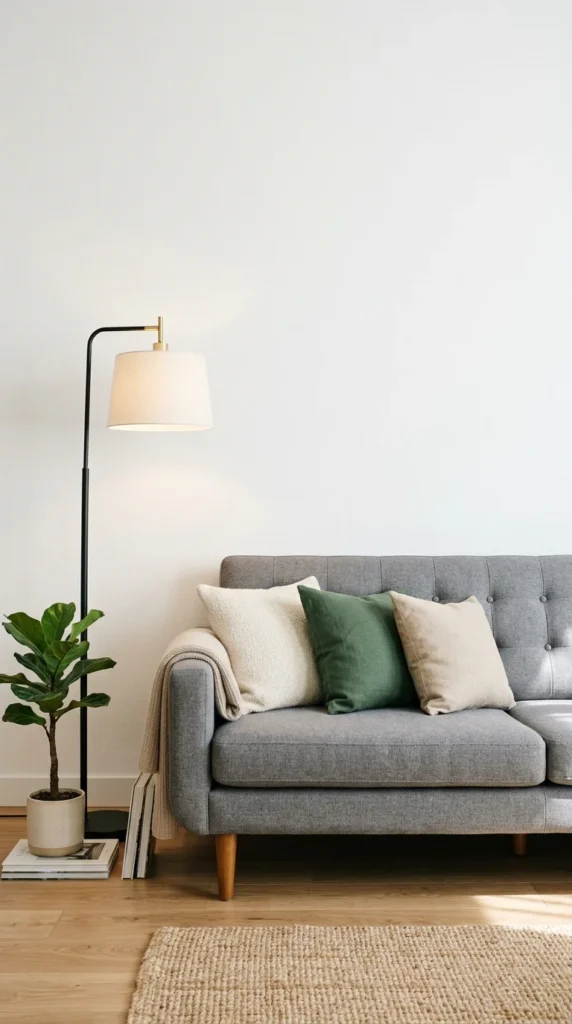
In a larger office, a “break area” with low-profile seating is a must. Furniture in the 50s and 60s sat lower to the ground than today’s standard pieces. A low-slung sofa with button tufting creates a relaxed atmosphere for reading reports or taking a quick coffee break, keeping the sightlines of the room open and unobstructed.
23. Arc Lamps
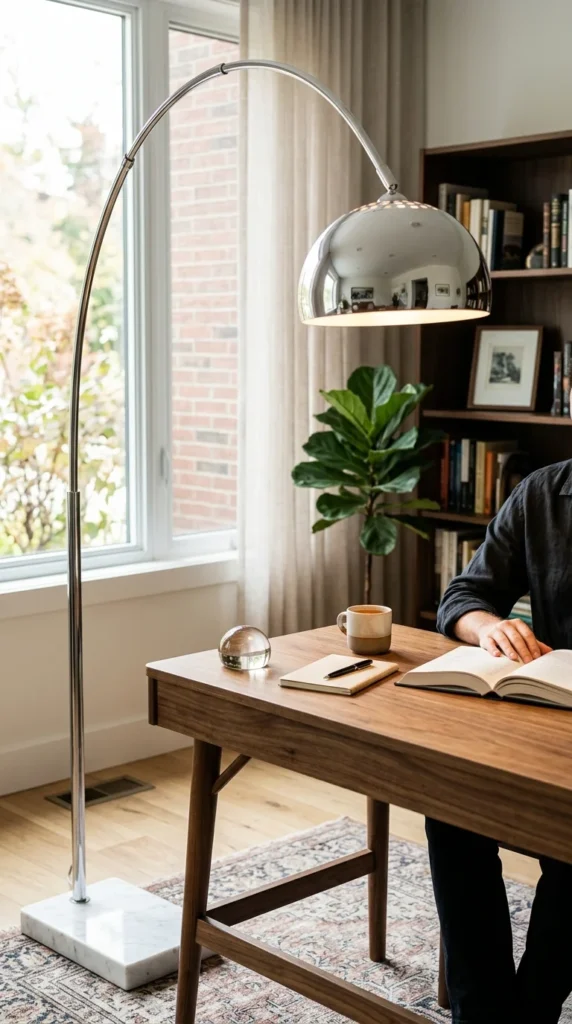
The Arc Lamp is a masterpiece of form and function. With its long, dramatic curve, it can provide overhead lighting for a desk or a lounge area without the need for ceiling wiring. Its silhouette is instantly recognizable and adds a sense of architectural drama to the office corner, serving as both a light source and a piece of modern sculpture.