

The landscape of remote work has evolved far beyond a laptop on a kitchen table. As we move into 2026, the home office is no longer a temporary solution; it is a high-tech sanctuary designed for peak cognitive performance, physical well-being, and seamless digital integration. Whether you are a creative professional, a data analyst, or an entrepreneur, the tools you use define the quality of your output.
Upgrading your daily workflow in 2026 requires a blend of ergonomic precision and “smart” technology that anticipates your needs. Here are 18 essentials that will transform your home office into a powerhouse of productivity.
1. Biometric Desk
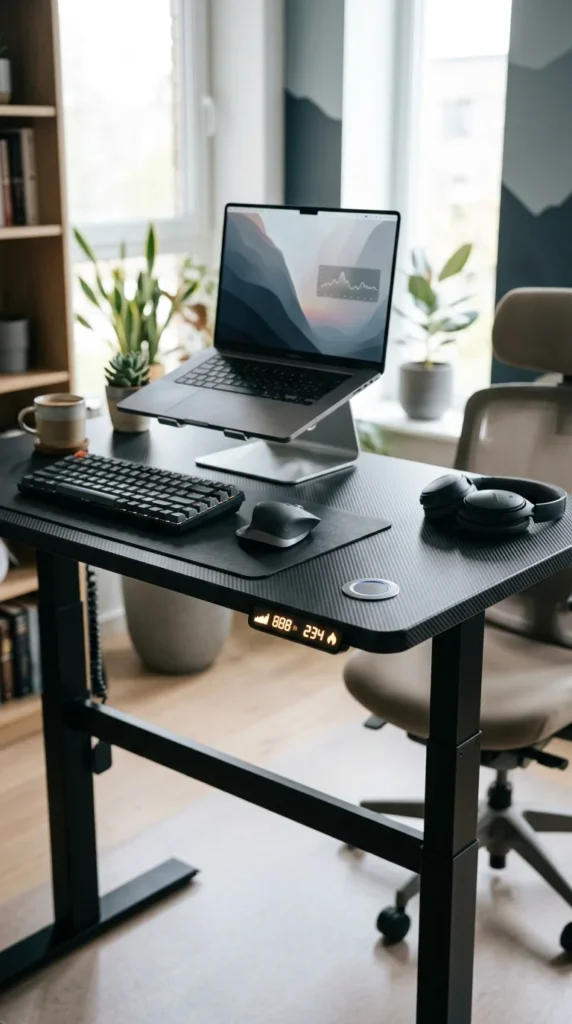
The desk of 2026 is an active participant in your health. A biometric standing desk uses touch-recognition to automatically adjust to your pre-saved height preferences. Beyond simple movement, these desks now feature integrated sensors that track how long you’ve been sitting and gently vibrate or rise to nudge you into a standing position. The surface is often treated with anti-microbial coatings and features built-in wireless charging zones that cover the entire desktop, ensuring your devices never run out of juice.
2. Neural Headphones
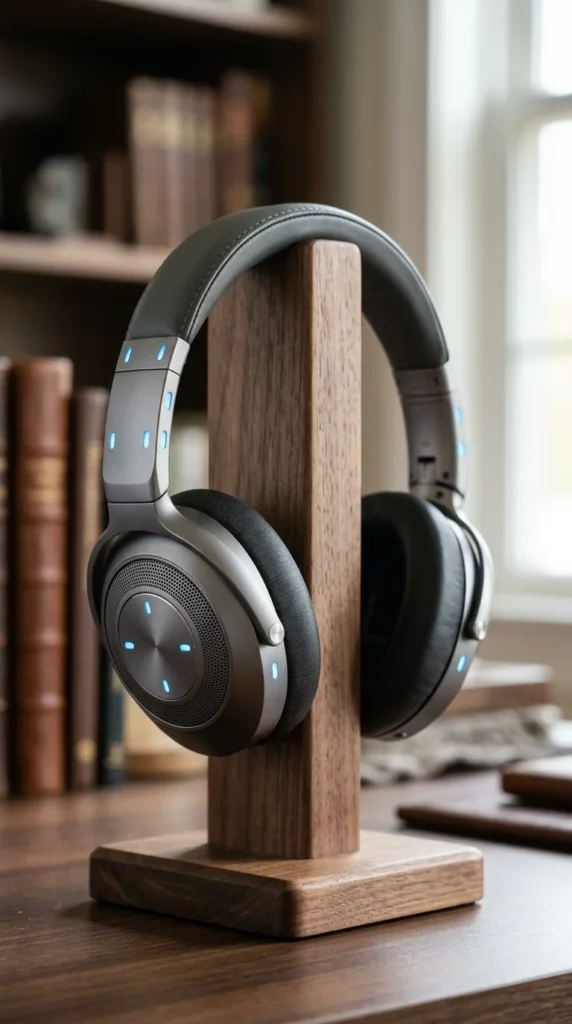
Standard noise-canceling is old news. In 2026, neural-link headphones use EEG sensors to monitor your brainwaves. These devices can detect when you are entering a “flow state” and automatically activate a “Do Not Disturb” signal on your communication apps. They can also play AI-generated “focus music” tailored specifically to your cognitive patterns, helping you drown out household distractions while maintaining mental clarity.
3. Holographic Display
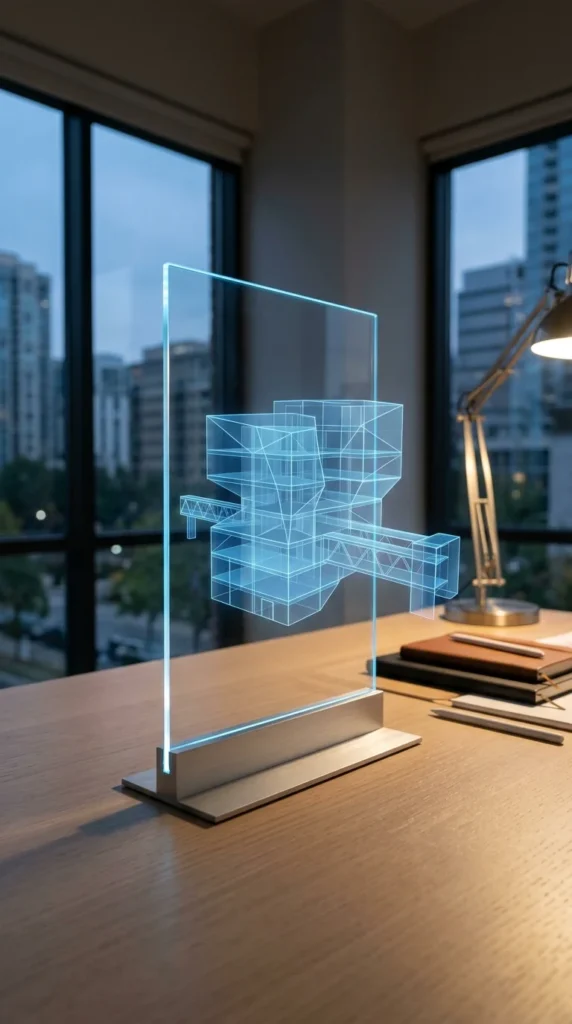
As video conferencing fatigue reached its peak, the holographic display emerged as the solution. Instead of staring at a flat 2D grid of faces, these displays project life-sized, three-dimensional avatars of your colleagues into your workspace. This creates a sense of “presence” that traditional monitors lack, making collaborative sessions feel more natural and engaging. When not in use for meetings, they function as stunning 3D productivity dashboards.
4. Smart Glass

Controlling your environment is key to focus. Smart glass technology, now common in home offices, allows you to tint your windows via a smartphone app or voice command. This eliminates glare on your screen without the need for dusty blinds. Some versions even act as a secondary display, allowing you to project your daily calendar or a relaxing nature scene directly onto the window pane.
5. Vertical Mouse
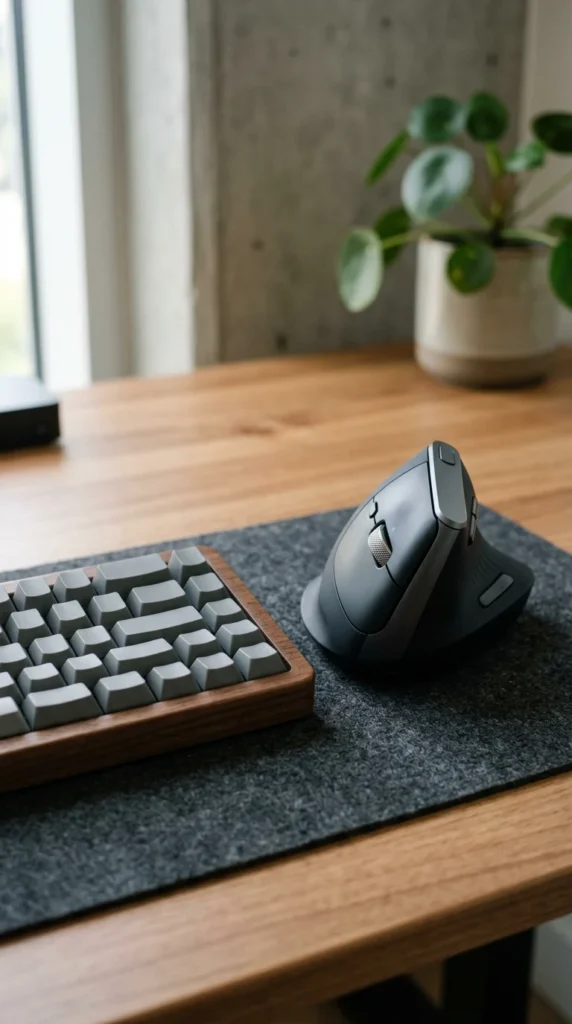
Carpal tunnel syndrome is a relic of the past for those using the latest vertical mice. By keeping your hand in a “natural handshake” position, these devices reduce pressure on the wrist and forearm. The 2026 models feature haptic feedback and customizable gesture controls, allowing you to swipe through virtual desktops with the flick of a thumb, making navigation faster than ever.
6. AI Assistant Hub
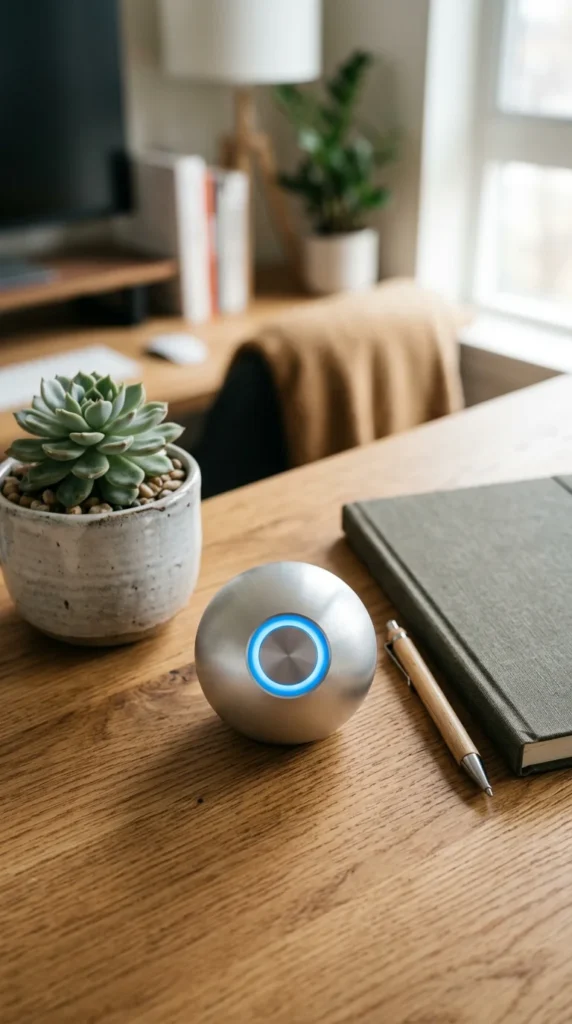
This isn’t just a smart speaker. The 2026 AI Assistant Hub acts as a dedicated project manager. It listens to your calls (with privacy encryption) to automatically generate meeting minutes, create task lists, and schedule follow-ups. It integrates with your entire smart home to dim lights when you start a presentation or order more coffee when it senses your supply is running low.
7. Acoustic Panels

With more people working from home, soundproofing has become a design statement. Modern acoustic panels are made from sustainable, recycled materials and are designed to look like high-end art. They effectively dampen echoes and block out the sounds of the rest of the house, ensuring your professional calls sound like they are being broadcast from a studio.
8. Under-Desk Treadmill
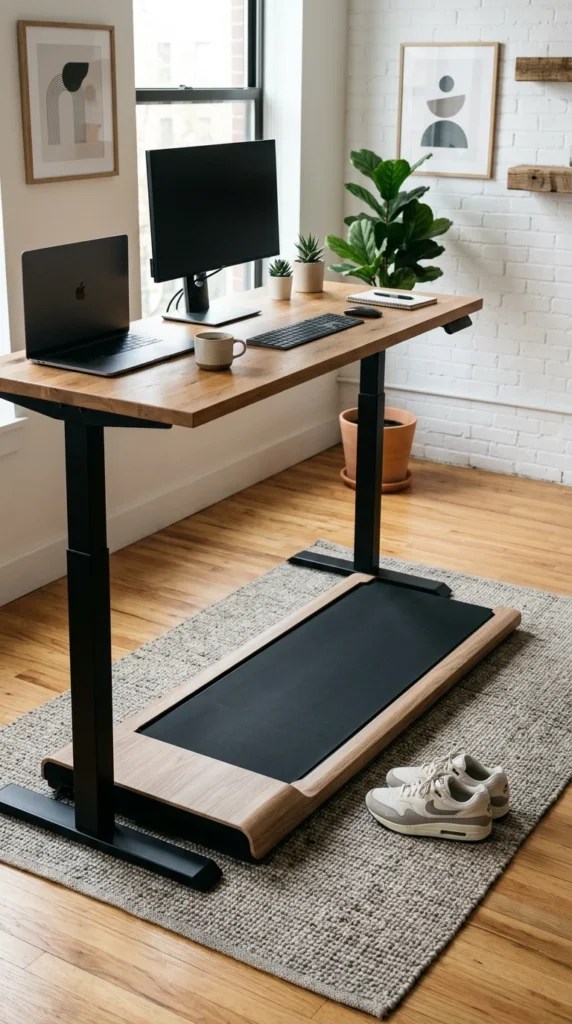
Sedentary work is the enemy of longevity. The 2026 under-desk treadmills are whisper-quiet and ultra-slim, often folding away to the size of a yoga mat. They sync with your fitness tracker to ensure that while you’re answering emails, you’re also hitting your daily step goals. These devices help maintain circulation and energy levels during long afternoon stretches.
9. Air Purifier
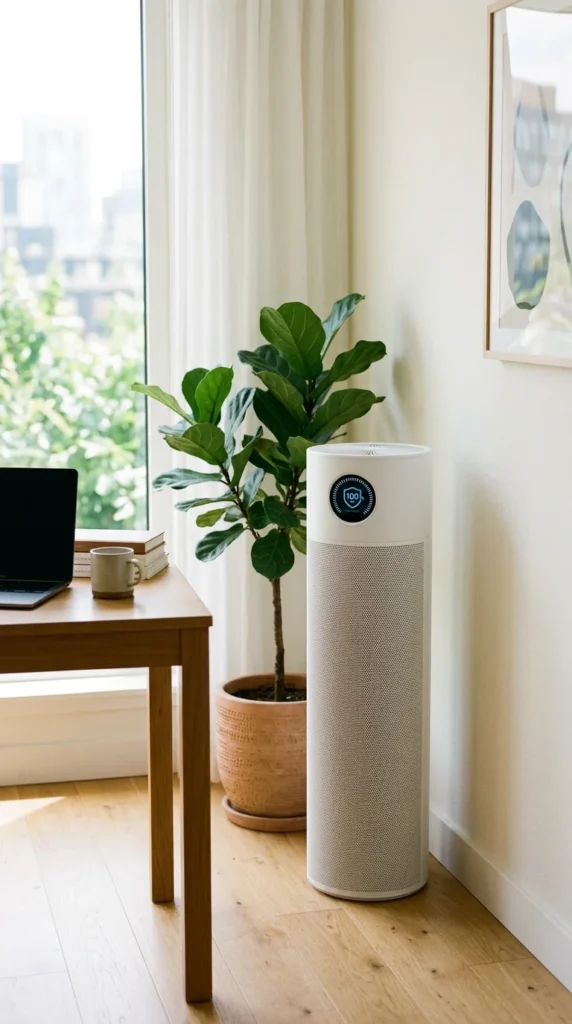
Cognitive function is heavily tied to air quality. Advanced air purifiers now monitor CO2 levels, volatile organic compounds (VOCs), and particulate matter in real-time. In 2026, these units are integrated into the home office ecosystem, increasing airflow and filtration the moment sensors detect a drop in air quality, keeping your brain sharp and preventing the “afternoon slump.”
10. Cable Organizer
The cluttered “cable nest” is a productivity killer. Modern solutions use magnetic tracks and under-desk hidden trays to ensure that every wire is invisible but accessible. With the shift toward universal USB-C and wireless power, these organizers have become more streamlined, often built directly into the furniture itself.
11. Digital Notebook
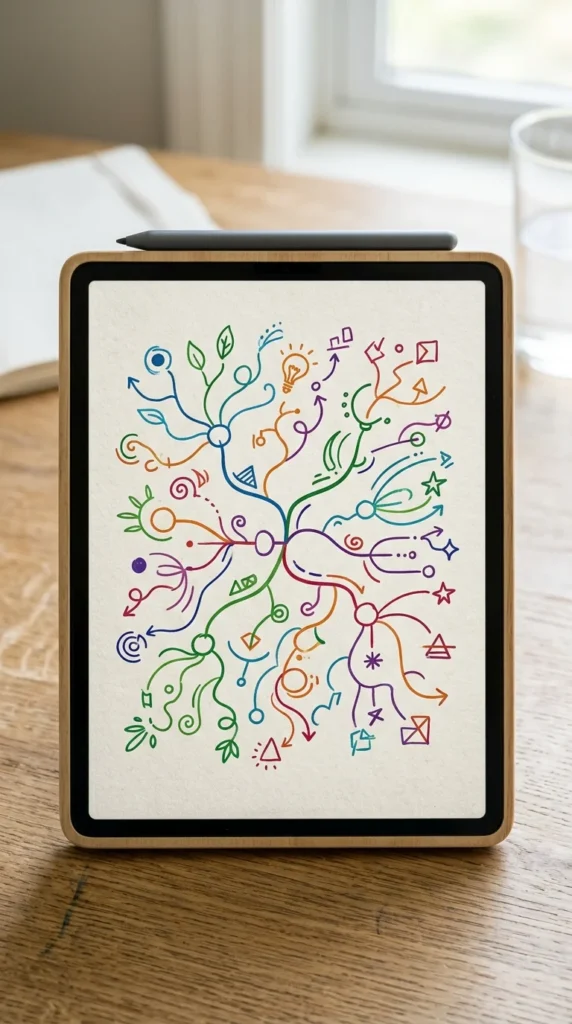
For those who love the feel of pen on paper but need digital organization, the 2026 digital notebook is essential. Using E-ink technology that mimics the friction of real paper, these devices allow you to sketch and take notes that are instantly converted into searchable text and synced to the cloud. They are distraction-free, with no notifications to pull you away from your thoughts.
12. Solar Charger
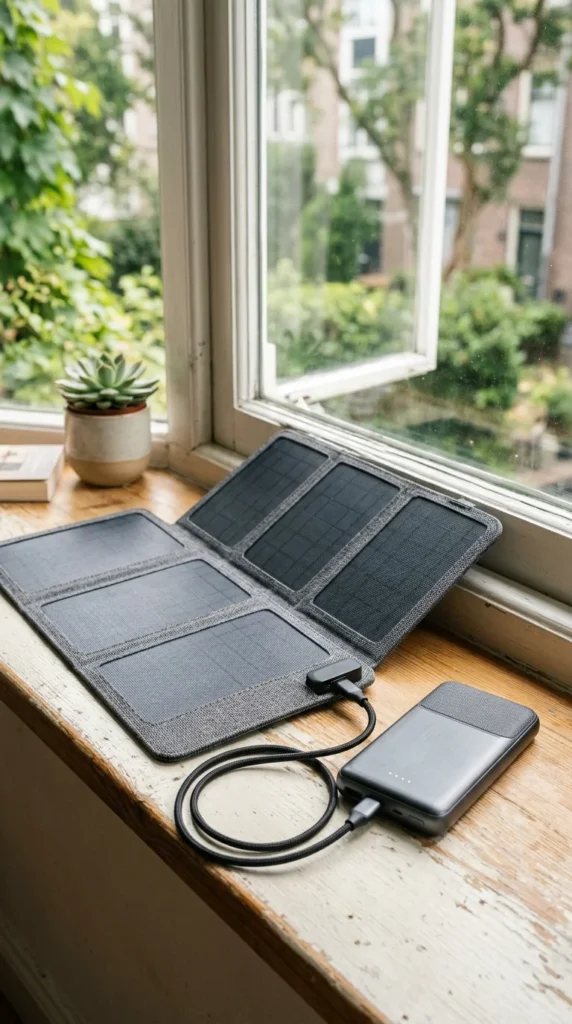
Sustainability meets utility. Small, high-efficiency solar panels designed for windowsills can now power your smaller peripherals like keyboards, mice, and phones. This reduces your carbon footprint and ensures that even during a power outage, your essential communication tools remain functional.
13. Posture Sensor

Bad posture is a silent productivity drain. A wearable posture sensor clips onto your clothing and provides a gentle haptic buzz whenever you start to slouch. Over time, it trains your muscle memory, ensuring you sit and stand with an alignment that prevents back pain and increases lung capacity for better oxygenation.
14. Scent Diffuser

Aromatherapy in 2026 is data-driven. Smart diffusers can be programmed to release specific scents based on your calendar. Peppermint or citrus for high-energy morning sessions, and lavender or sandalwood for deep-focus deep-work blocks. These scents trigger psychological cues that help your brain transition between different types of work.
15. Adjustable Monitor
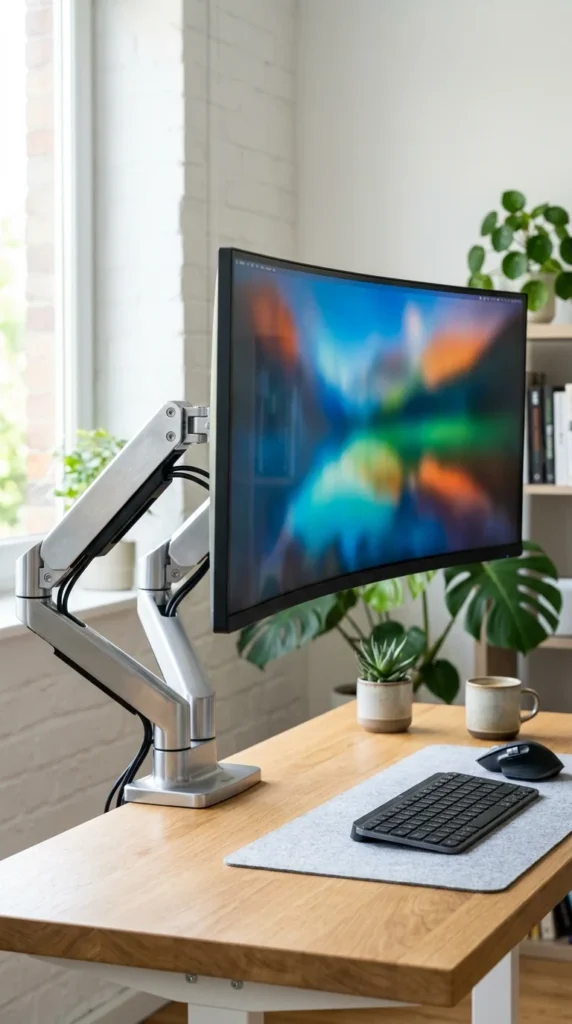
The 2026 monitor is all about flexibility. Mounted on “gravity-defying” arms, these ultra-wide screens can be positioned exactly at eye level to prevent neck strain. Many now feature “Eye-Safe 3.0” technology, which shifts the color spectrum dynamically throughout the day to reduce blue light exposure and protect your circadian rhythm.
16. Wireless Keyboard
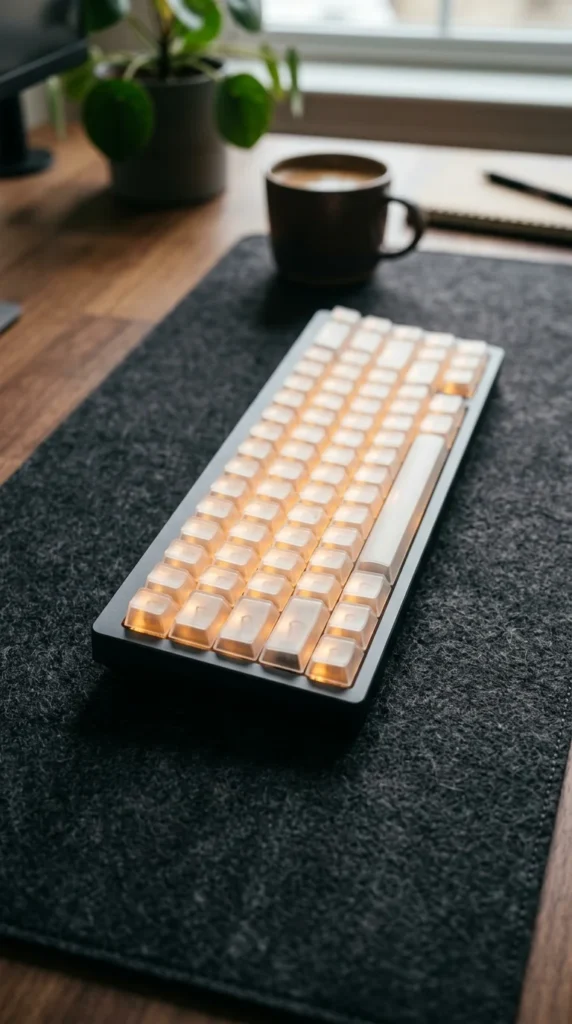
The mechanical keyboard has gone mainstream but with a silent twist. The 2026 models offer the tactile satisfaction of a mechanical switch without the loud clicking that disrupts calls. They are fully programmable, allowing you to map complex macros to a single key, significantly speeding up repetitive software tasks.
17. Ergonomic Footrest
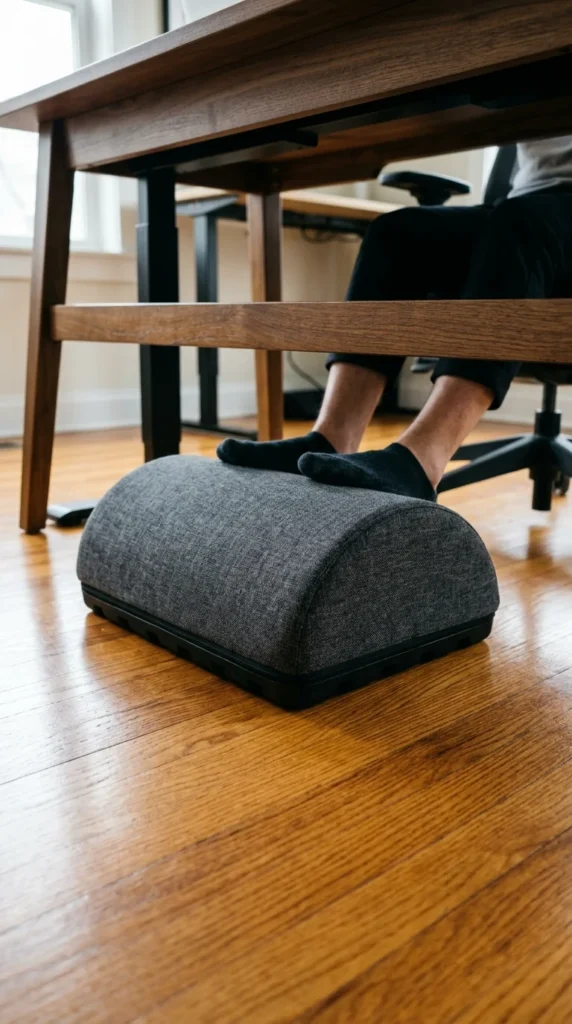
An often overlooked essential, the ergonomic footrest completes the posture puzzle. By elevating the feet slightly, it relieves pressure on the lower back and improves circulation in the legs. Modern versions include heated elements or massage rollers, providing a bit of luxury during a stressful workday.
18. Smart Lighting
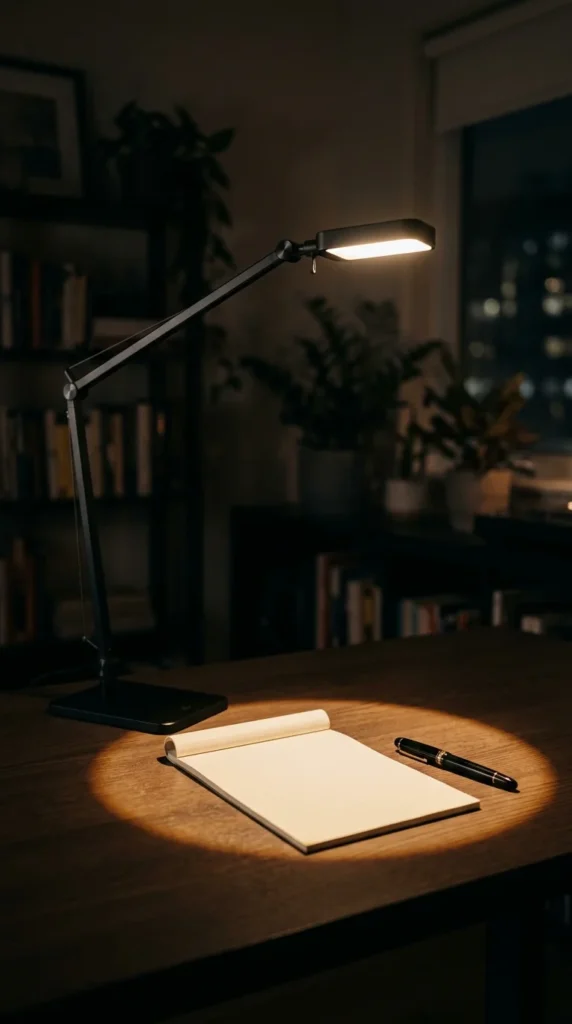
Lighting is the most powerful tool for setting the mood. Smart lighting systems in 2026 sync with your local time to provide “circadian lighting.” In the morning, the light is bright and blue-toned to wake you up; as evening approaches, it shifts to a warm, amber hue to prepare your body for rest. This seamless transition helps maintain a healthy sleep-wake cycle despite being indoors all day.