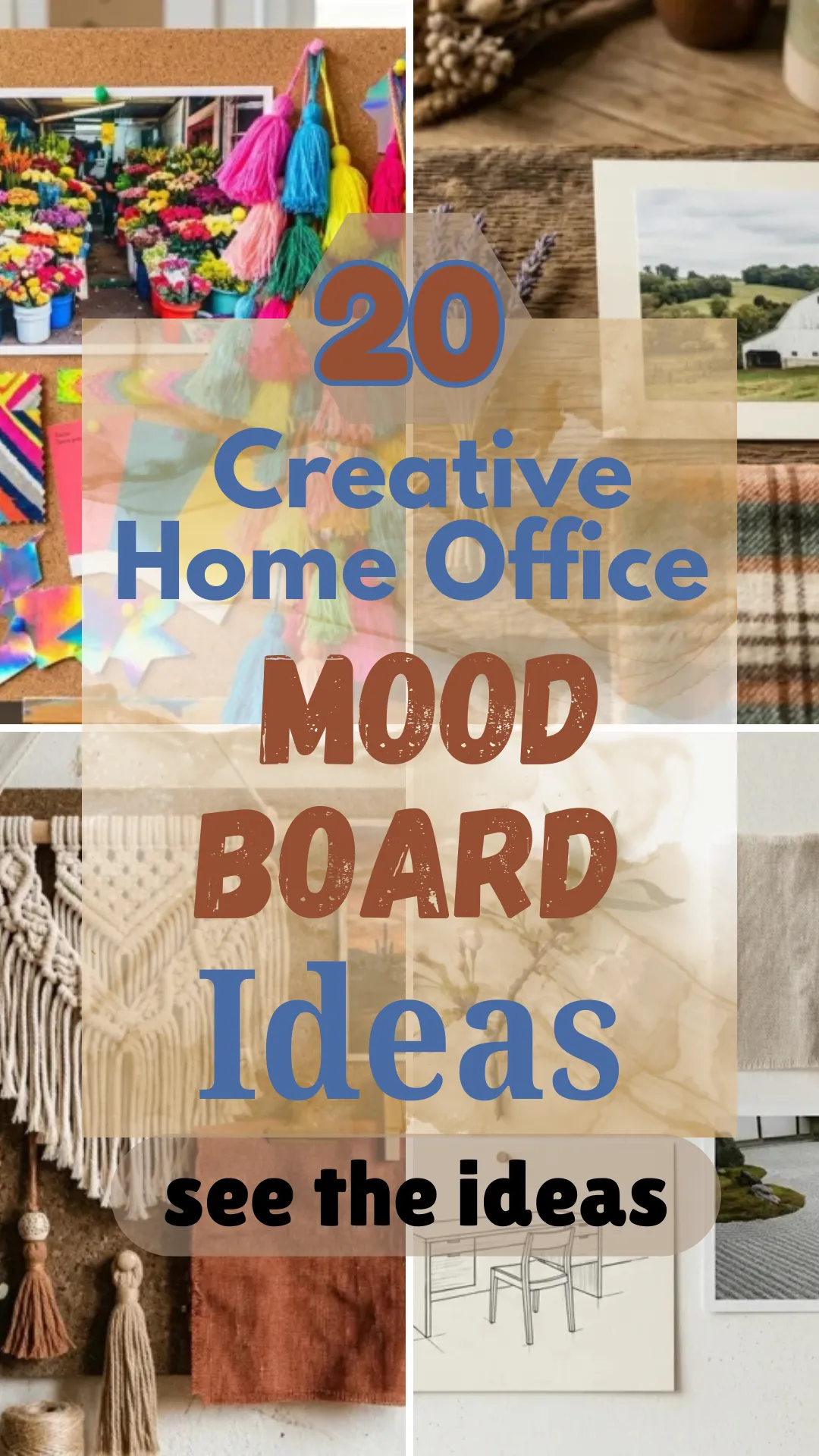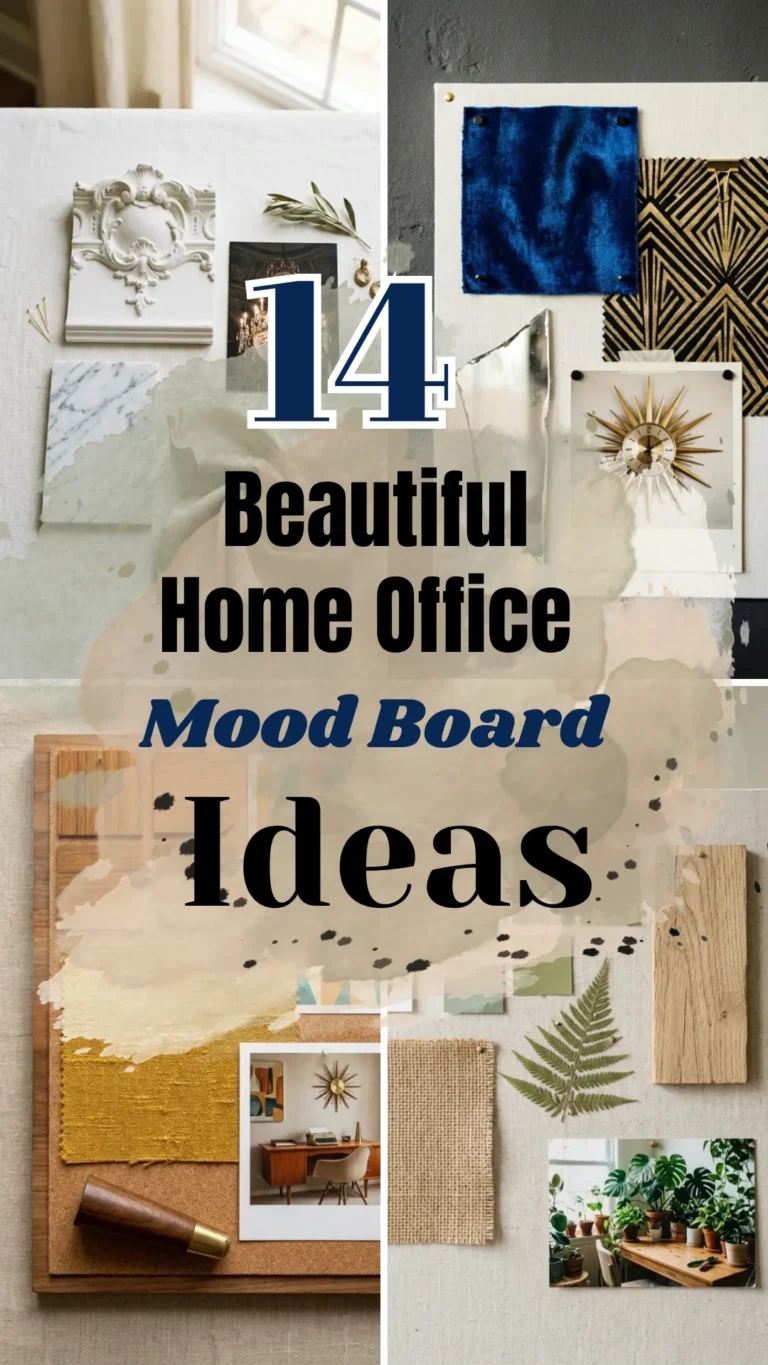

Creating a home office is about more than just finding a desk and a chair; it is about curated intentionality. When you work from home, your environment directly dictates your productivity, your mood, and your creative output. This is where the mood board comes in. A mood board acts as a visual north star, a collection of textures, colors, and vibes that guide your design journey before you even buy a single pencil.
Whether you are starting from a blank slate or refreshing a tired corner, a well-crafted mood board helps you visualize the harmony between different elements. From the tactile feel of a velvet chair to the specific glow of a brass lamp, these 14 mood board ideas will help you translate your abstract dreams into a tangible, beautiful reality.
1. Biophilic Greenery
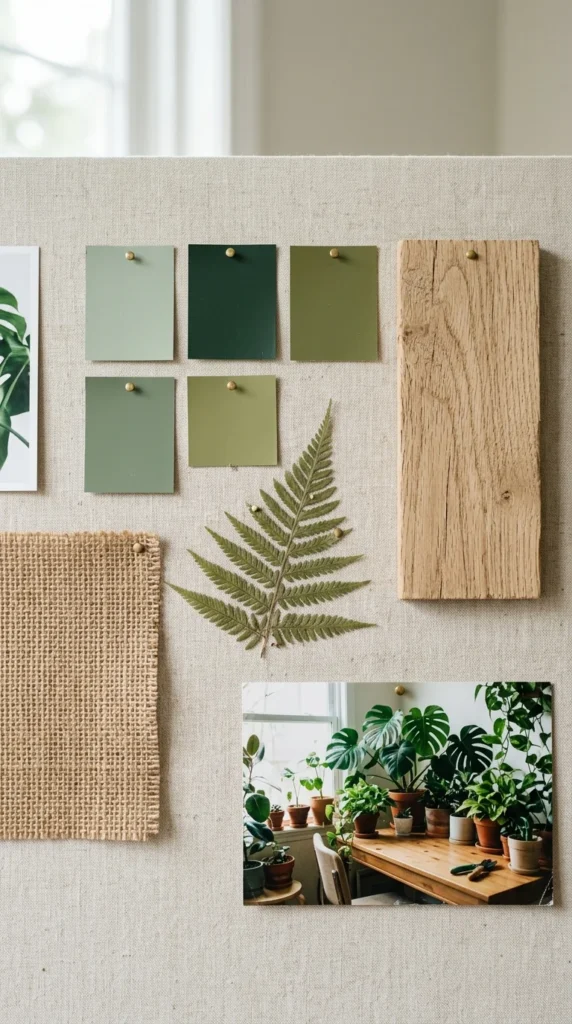
The Biophilic mood board is all about bringing the outdoors in. In an increasingly digital world, grounding your workspace in nature is essential for mental clarity. This board should be anchored by various shades of green—from soft eucalyptus to deep hunter greens. Incorporate textures like natural wood grain, terracotta, and linen. Visual elements should include sketches of leaves or photographs of sunlight filtering through trees. This style isn’t just an aesthetic; it’s a commitment to a workspace that breathes, promoting a sense of calm and reducing stress during high-pressure work hours.
2. Minimalist Scandi
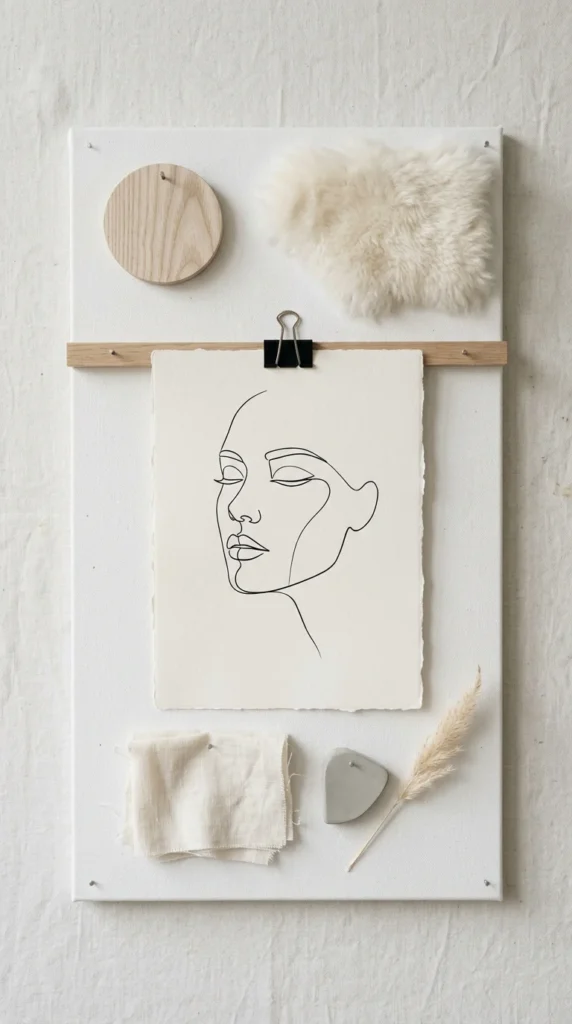
The Scandinavian or “Scandi” approach is rooted in the philosophy of hygge and functionalism. A mood board for this style should feel incredibly “airy.” Use a palette of whites, soft greys, and warm beiges. To prevent it from feeling cold, add tactile elements like a swatch of wool or a piece of light-toned wood. The imagery should focus on clean lines, decluttered surfaces, and the play of natural light. This mood board tells a story of simplicity, suggesting that a clear space leads to a clear mind.
3. Dark Academia
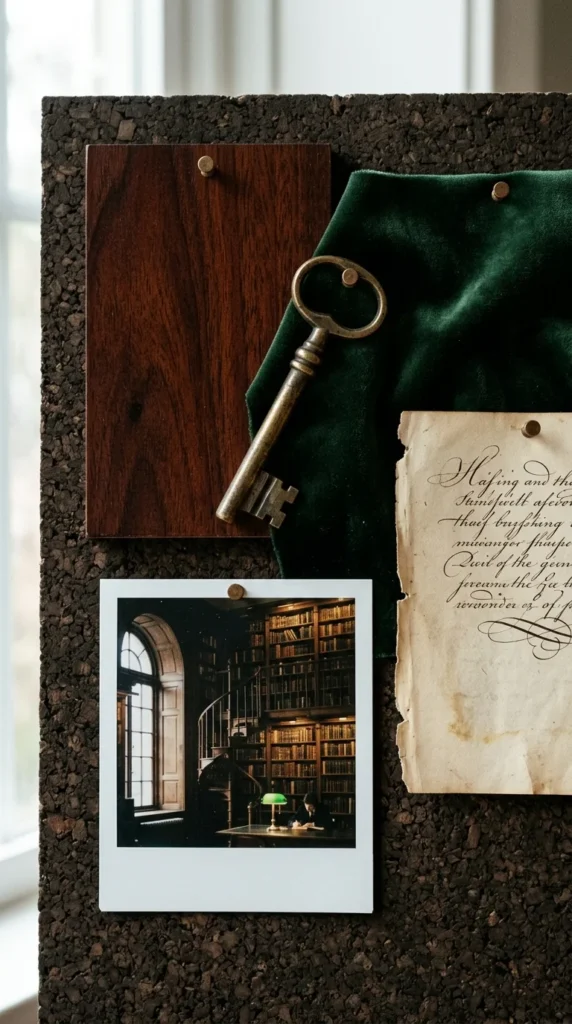
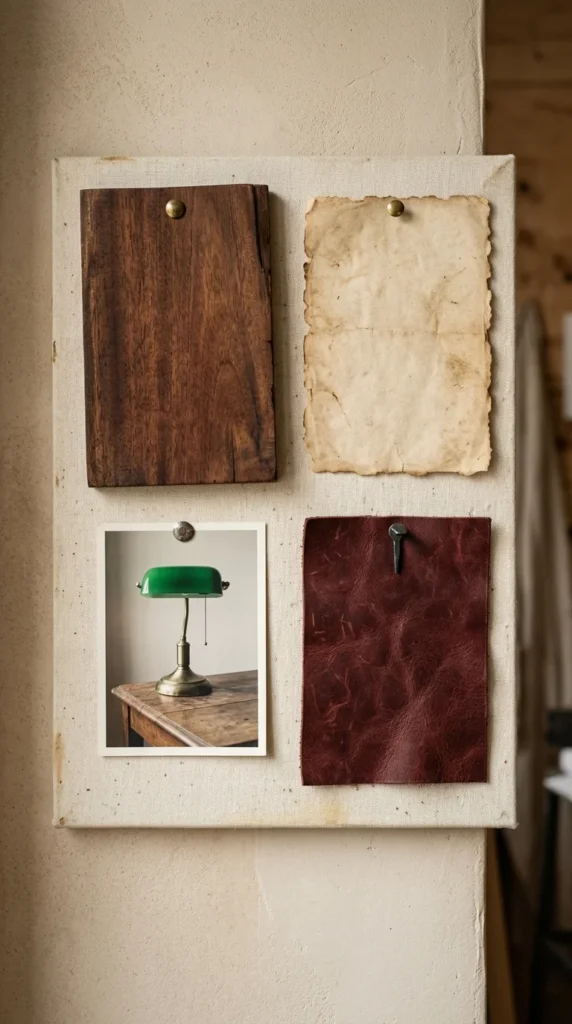
For those who find inspiration in history, literature, and mystery, the Dark Academia mood board is the ultimate choice. This board should be rich and heavy. Think deep burgundies, forest greens, and charcoal blacks. Include “artifacts” like a fountain pen nib, a piece of aged parchment, or a sample of dark leather. The visual goal is to evoke the feeling of an old university library. It’s a mood board for the deep thinkers and the writers, prioritizing a sense of intellectual heritage and cozy seclusion.
4. Coastal Calm
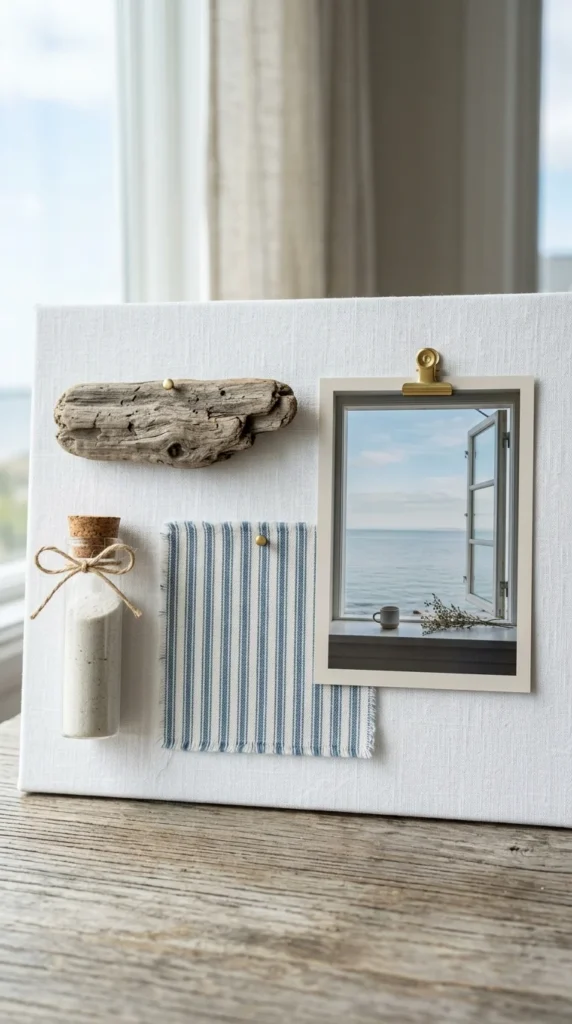
You don’t need to live by the sea to enjoy the serenity of the coast. A Coastal Calm mood board focuses on light, breezy textures and a palette inspired by the shoreline. Use soft blues, sandy tans, and weathered greys. Incorporate materials like seagrass, rattan, and light-washed wood. The imagery should evoke a sense of openness and steady rhythm, like the tide. This style is perfect for those who want their home office to feel like a permanent vacation from the stress of the corporate world.
5. Industrial Loft
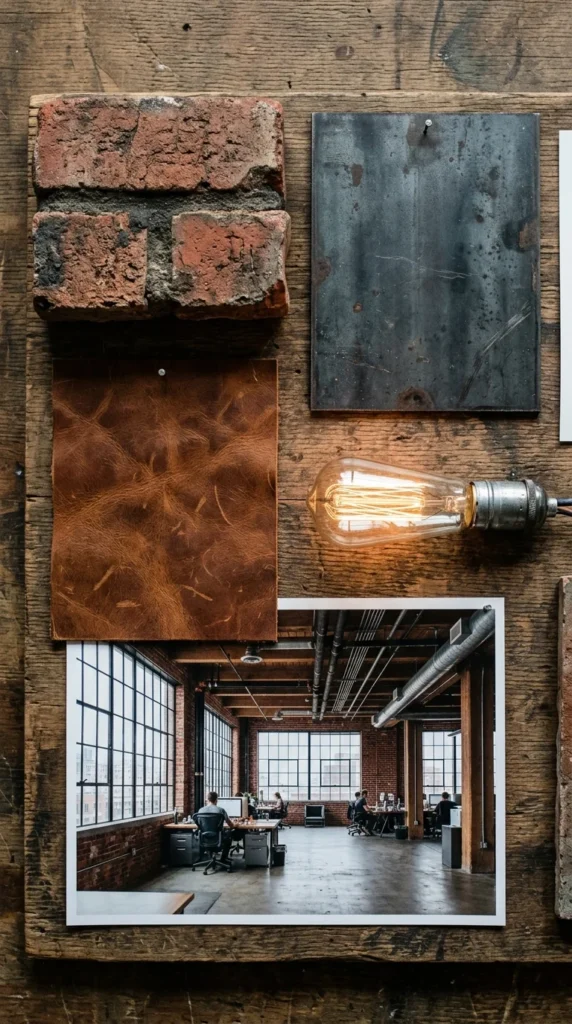
The Industrial mood board is all about raw, “unfinished” beauty. It celebrates the marriage of wood and metal. Your board should include dark iron samples, reclaimed wood textures, and perhaps a swatch of distressed leather. Colors are generally neutral—blacks, greys, and browns—but punctuated by the warmth of exposed brick. Visuals should highlight architectural elements like pulleys, pipes, and gears. This mood board is for the creators and builders who want a space that feels sturdy, resilient, and unpretentious.
6. Mid-Century Modern
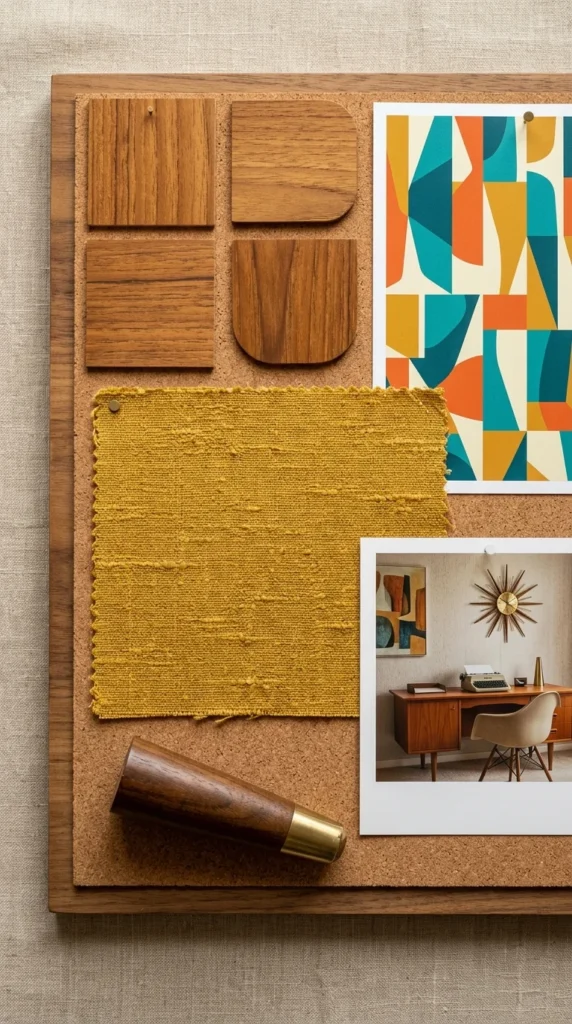
Mid-Century Modern (MCM) is a timeless aesthetic that balances organic shapes with geometric precision. An MCM mood board should be anchored by warm wood tones, specifically teak or walnut. Add pops of “retro” colors like mustard yellow, avocado green, or burnt orange. Include samples of tapered furniture legs or geometric fabric patterns. The imagery should reflect the sleek, optimistic design era of the 1950s and 60s. This board is perfect for those who appreciate vintage charm but want a space that still feels sharp and contemporary.
7. Feminine Chic
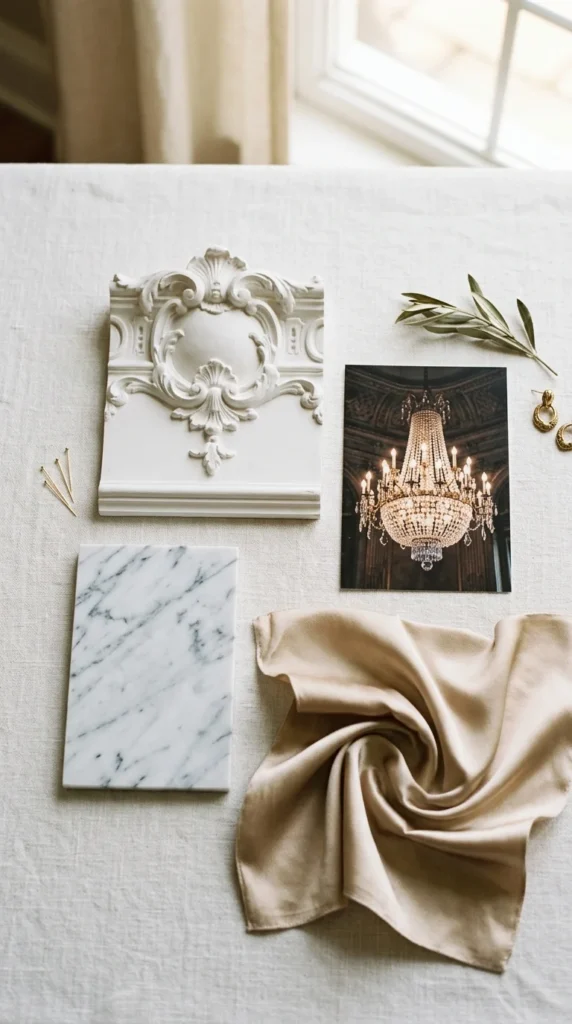
Feminine Chic is about grace, elegance, and soft power. This mood board should be a symphony of pastels, metallic accents, and luxurious textures. Use soft pinks, creams, and whites, accented with touches of gold or rose gold. Materials like marble, velvet, and silk are essential. Visuals might include floral arrangements, elegant typography, or fashion-forward interiors. It creates a workspace that feels sophisticated and nurturing, proving that a professional environment can also be incredibly beautiful.
8. Boho Eclectic
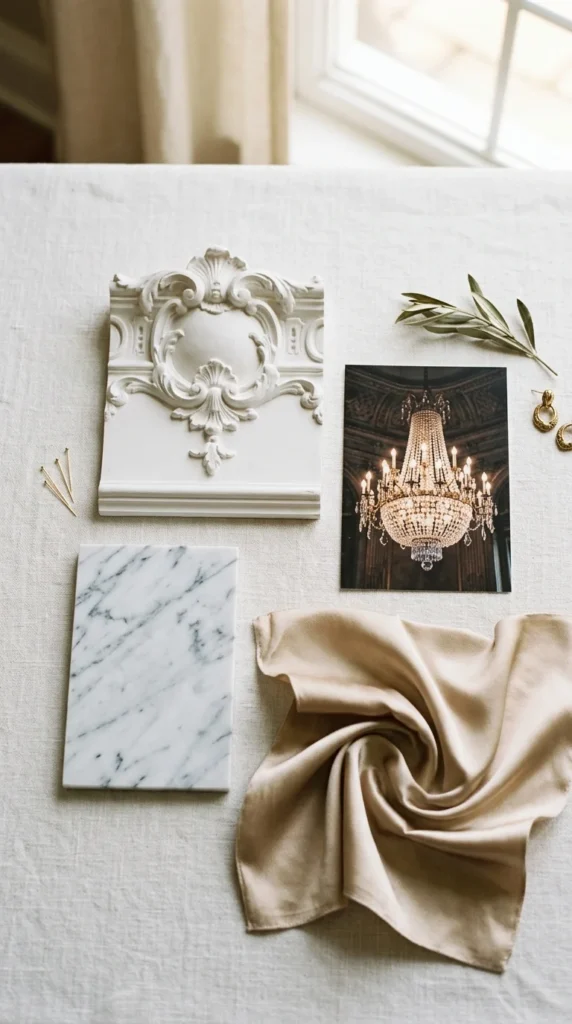
The Boho Eclectic mood board is for the free spirit who hates rules. This board should be a riot of texture and pattern. Include scraps of kilim rugs, macramé cord, and woven baskets. The color palette can be earthy—think terracotta and ochre—but should be layered with vibrant jewel tones. Visuals should show a collected-over-time look, featuring global artifacts and mismatched furniture. This board represents a space that is deeply personal, warm, and brimming with creative energy.
9. High-Tech Modern
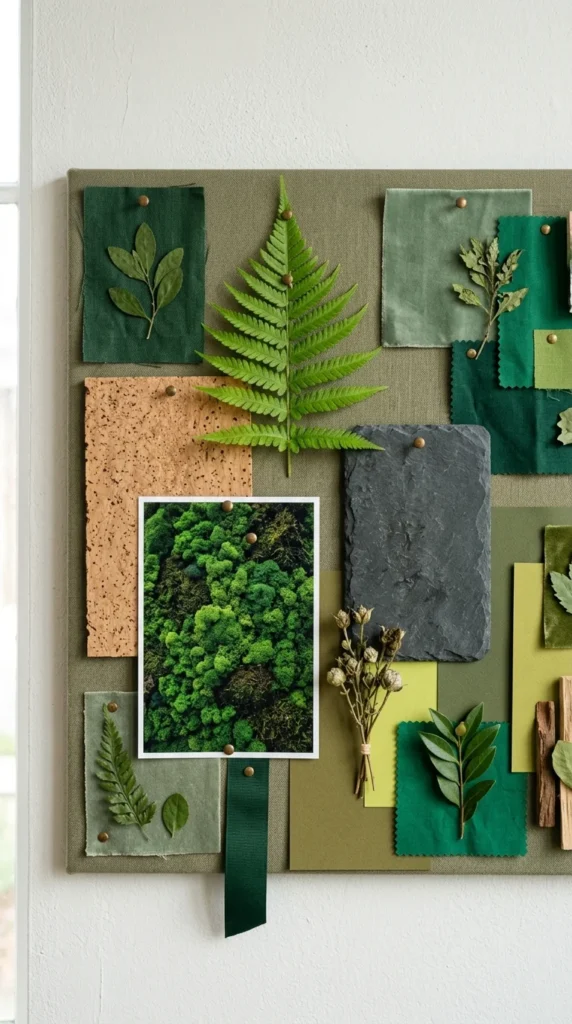
For the gamers, developers, and tech-enthusiasts, the High-Tech Modern mood board focuses on precision and performance. The palette is strictly monochromatic—black, silver, and charcoal—often accented by neon LED lighting. Textures should be smooth: glass, aluminum, and high-quality plastics. The imagery should highlight clean cable management, multi-monitor setups, and futuristic lighting. This board envisions a workspace that feels like a command center, where everything has a place and technology is seamlessly integrated.
10. Rustic Farmhouse
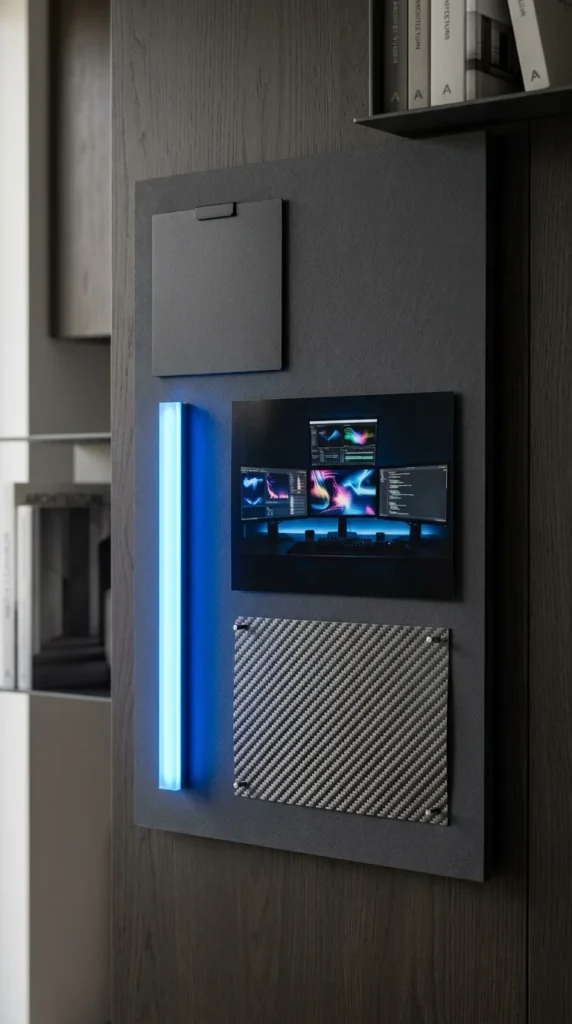
The Rustic Farmhouse mood board brings a sense of “home” into the “office.” It’s built on a foundation of comfort and tradition. Use a palette of whites, grays, and natural wood. Include materials like galvanized steel, wire baskets, and linen. Visual elements should evoke a sense of the countryside—think sliding barn doors, farmhouse sinks, and chalkboard walls. This board is for someone who wants their office to feel lived-in, cozy, and unhurried.
11. Art Deco Luxury
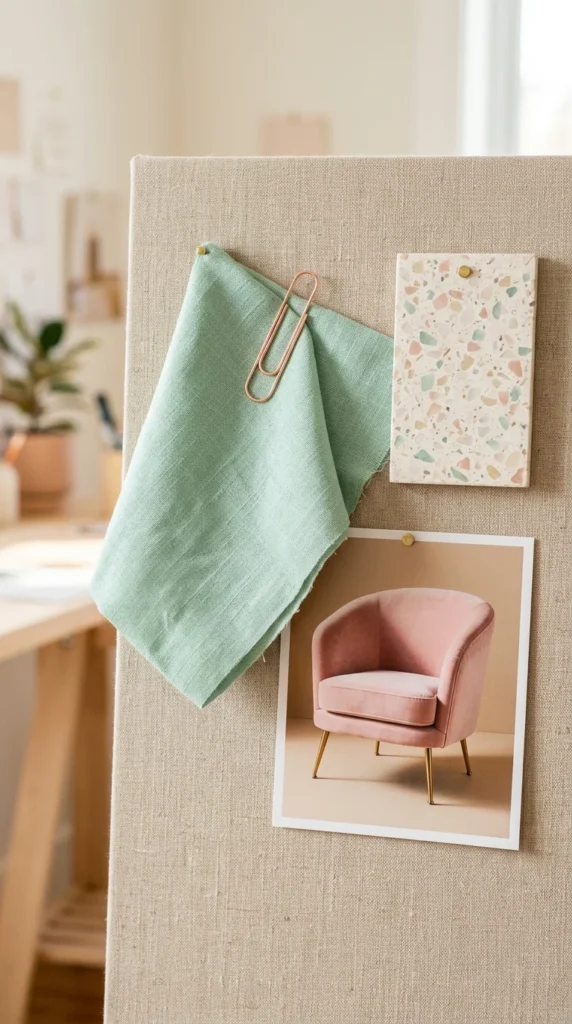
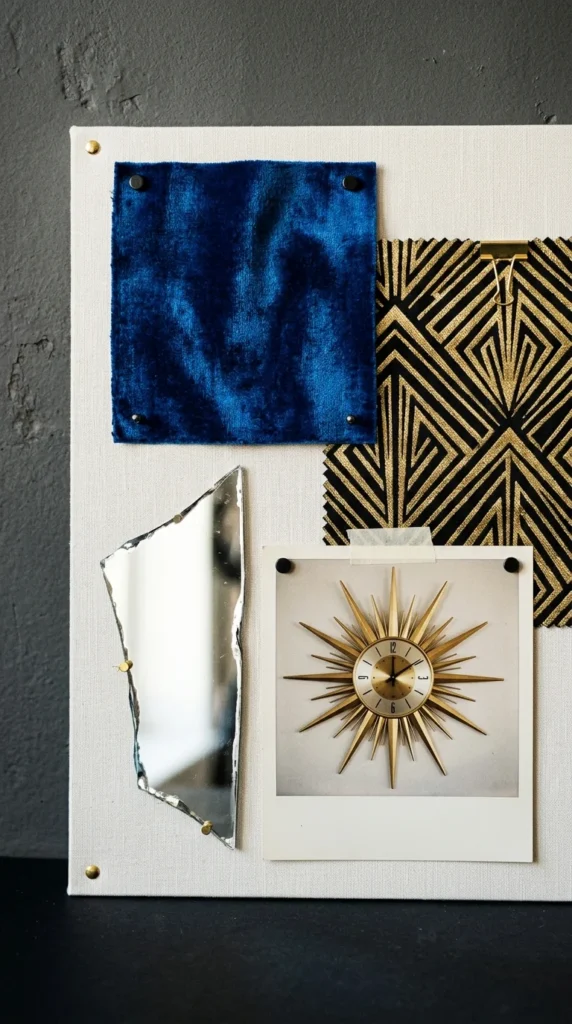
If you want your office to feel like a scene from The Great Gatsby, the Art Deco mood board is for you. This is about opulence and bold geometry. Use a palette of emerald green, navy blue, or black, paired with heavy doses of brass or chrome. Textures should be high-end: velvet, lacquer, and polished stone. Imagery should feature sunburst motifs, stepped silhouettes, and curved furniture. This board creates a space of high drama and undeniable status.
12. Zen Retreat
Inspired by Japanese minimalism, the Zen Retreat mood board aims for total tranquility. This board should be very sparse, focusing on a few high-quality natural materials. Use a palette of warm neutrals: sand, stone, and pale wood. Incorporate elements like bamboo, rice paper, and smooth pebbles. The imagery should focus on empty space and balanced proportions. This is a board for those who need a workspace that acts as a sanctuary from the noise of the outside world.
13. Maximalist Vibrant
The Maximalist mood board is an “explosion” of personality. It rejects the idea that “less is more” and embraces “more is more.” This board should be filled with clashing patterns, bright primary colors, and bold textures like faux fur or glitter. Visuals should include gallery walls, overflowing bookshelves, and unique collectibles. This mood board is for the artist who finds inspiration in chaos and wants their workspace to be a constant source of visual stimulation.
14. Monochrome Edge
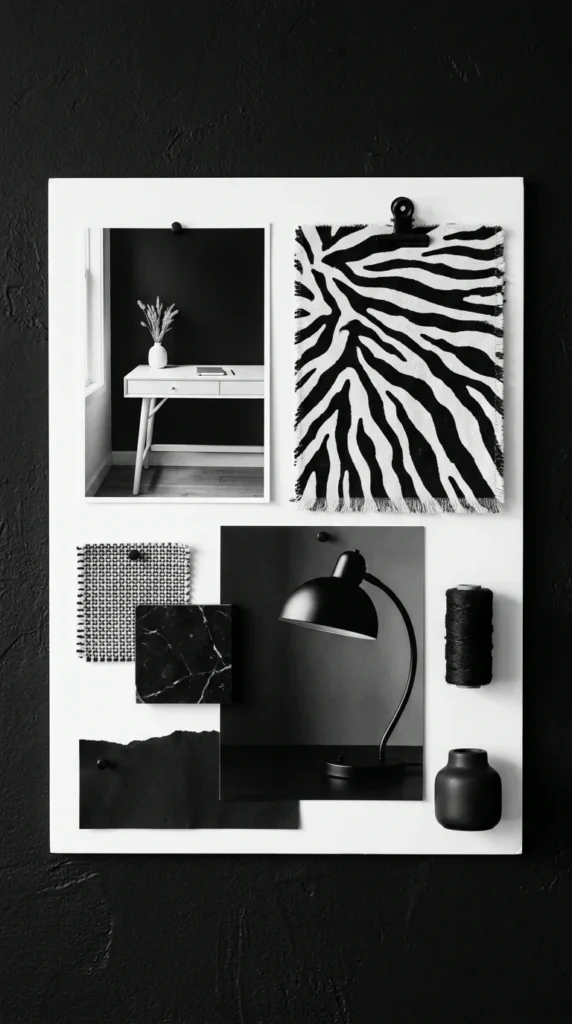
The Monochrome mood board is the ultimate exercise in restraint. By limiting the palette to black and white, you force the focus onto shape and texture. This board should include various finishes—matte black against glossy white, or rough white plaster against smooth black leather. Visuals should be high-contrast and graphic, featuring bold typography or architectural photography. This style is for the person who wants a workspace that is sharp, professional, and timelessly cool.