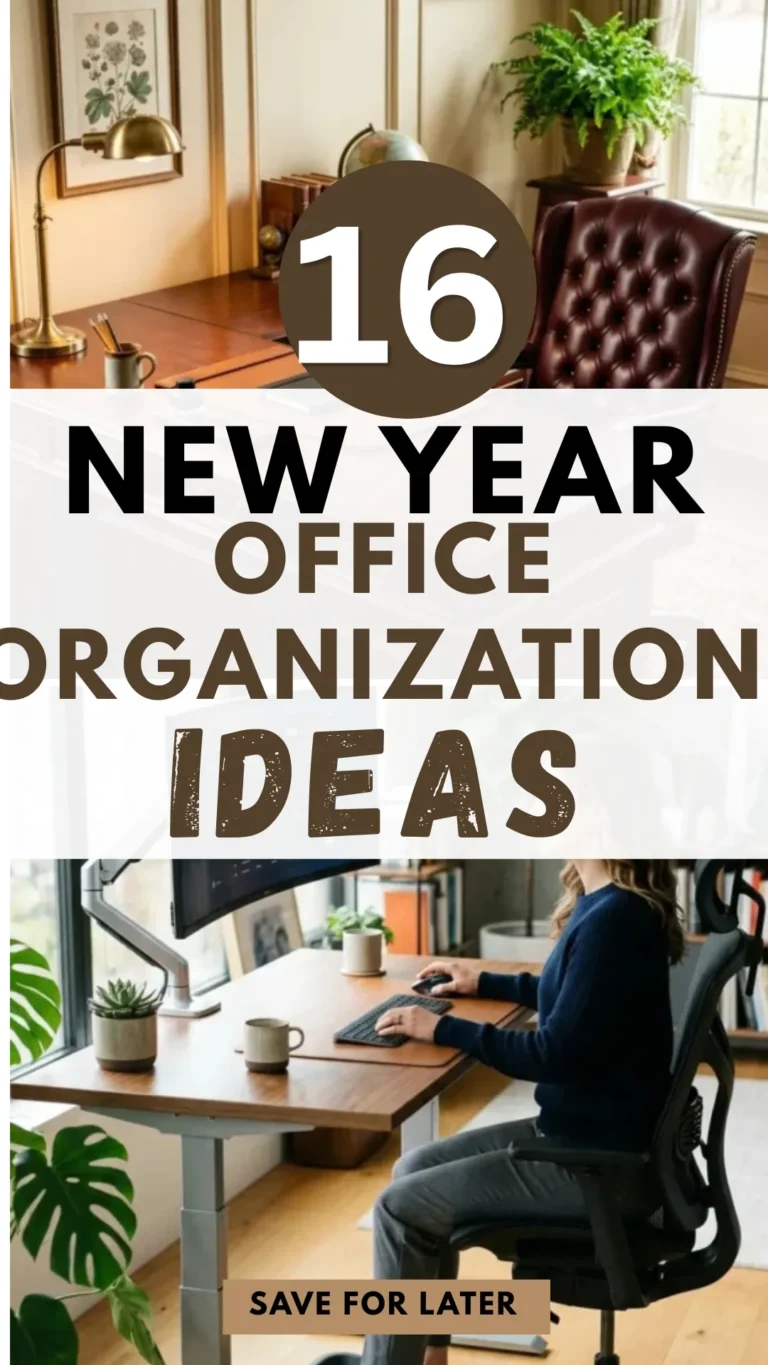

As the calendar turns and the New Year begins, there is a collective urge to reset, refocus, and revitalize our professional lives. The environment in which we work plays a pivotal role in our mental clarity and daily output. A cluttered desk often reflects a cluttered mind, leading to procrastination and increased stress. By implementing strategic organization habits now, you create a foundation for a seamless, successful year ahead. Here are 16 transformative office organization ideas to help you reclaim your workspace and maximize your efficiency.
1. Paper Purge
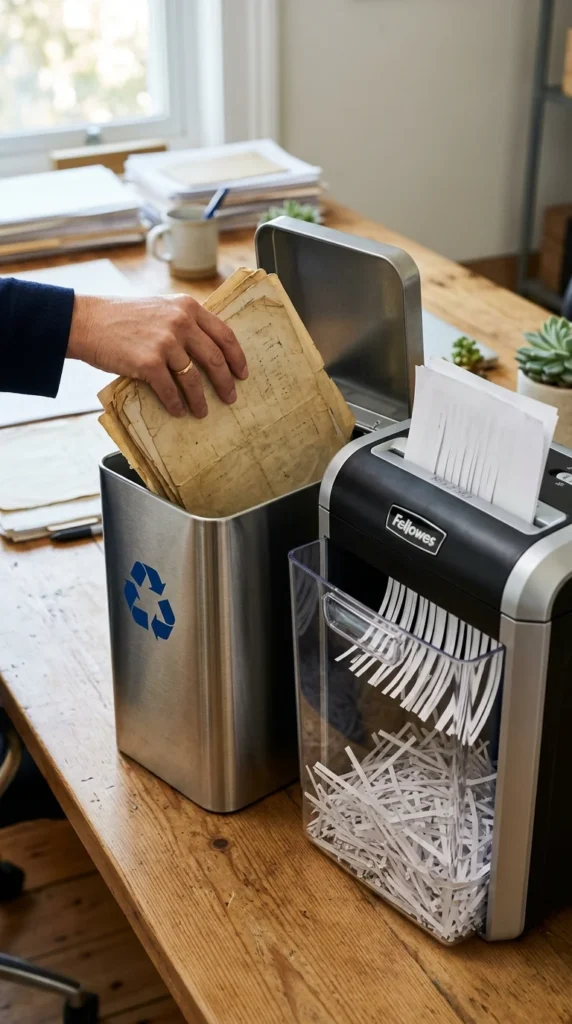
The first step to any successful organization project is a thorough decluttering. Over the course of a year, paper has a way of migrating into piles that we eventually stop “seeing.” Begin your New Year by sorting through every stack on your desk, in your drawers, and on your shelves. Categorize documents into three piles: recycle, shred, and file. If a document hasn’t been touched in twelve months and isn’t required for legal or tax purposes, it’s likely taking up valuable mental and physical real estate. Clearing the physical remnants of last year’s projects allows you to start the new cycle with a literal clean slate.
2. Digital Cleanup

Organization isn’t just about what you can touch; your digital environment is just as critical. Spend an afternoon auditing your computer’s desktop and “Downloads” folder. Create a logical hierarchy of folders for the new year—perhaps categorized by client, project type, or month. Archive your 2023 files into a dedicated “Legacy” folder to keep them out of your daily sightline while ensuring they remain accessible. Don’t forget to unsubscribe from junk emails and organize your inbox into actionable folders to reduce the “notification fatigue” that hampers productivity.
3. Desk Trays

To prevent the “pile-up” phenomenon from returning, invest in a high-quality desk tray system. Vertical storage on your desktop keeps essential documents within reach without sacrificing horizontal workspace. Use a tiered system to prioritize tasks: the top tray for “In-Progress” items, the middle for “To-Be-Filed,” and the bottom for “Reference Material.” This visual hierarchy ensures that you always know exactly where your most urgent work is located, preventing the frantic search for a specific memo or invoice.
4. Cable Management
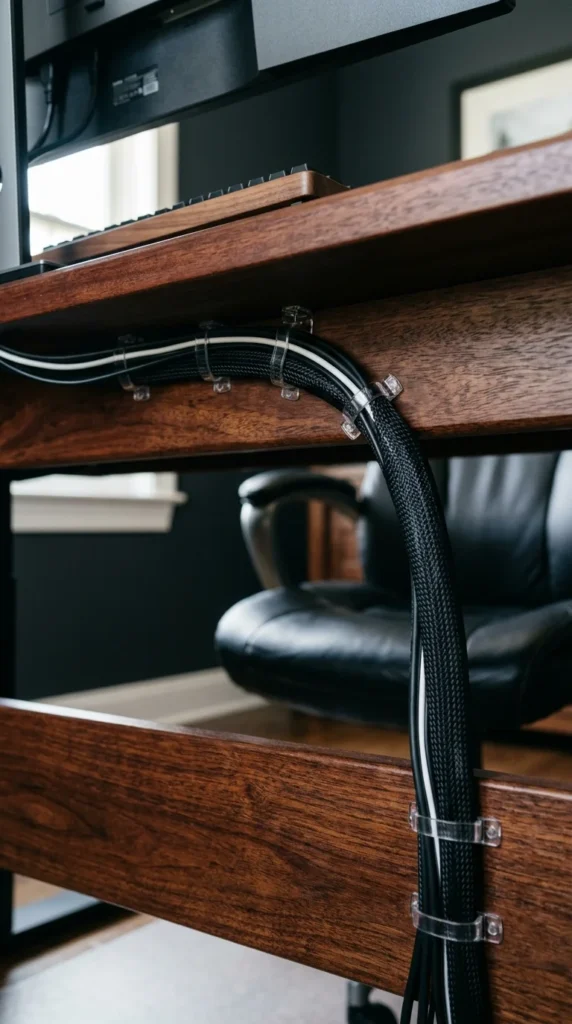
Nothing kills the aesthetic of a modern office faster than a “nest” of tangled wires. Beyond being an eyesore, tangled cables make it difficult to swap out equipment and can even be a fire hazard. Use cable sleeves, Velcro ties, or under-desk cable management trays to tuck away power cords, HDMI cables, and chargers. For the cables that must stay on the desk—like your phone charger or laptop power lead—use weighted cable blocks to prevent them from slipping behind the desk every time you unplug.
5. Vertical Shelving

When you run out of floor or desk space, look up. Vertical shelving is one of the most underutilized organizational tools in the home or corporate office. Floating shelves allow you to store reference books, awards, or decorative items that inspire you without cluttering your primary work surface. Positioning shelves above your monitor or to the side of your desk keeps your “active zone” clear while still keeping your resources within a three-step radius.
6. Labeling System
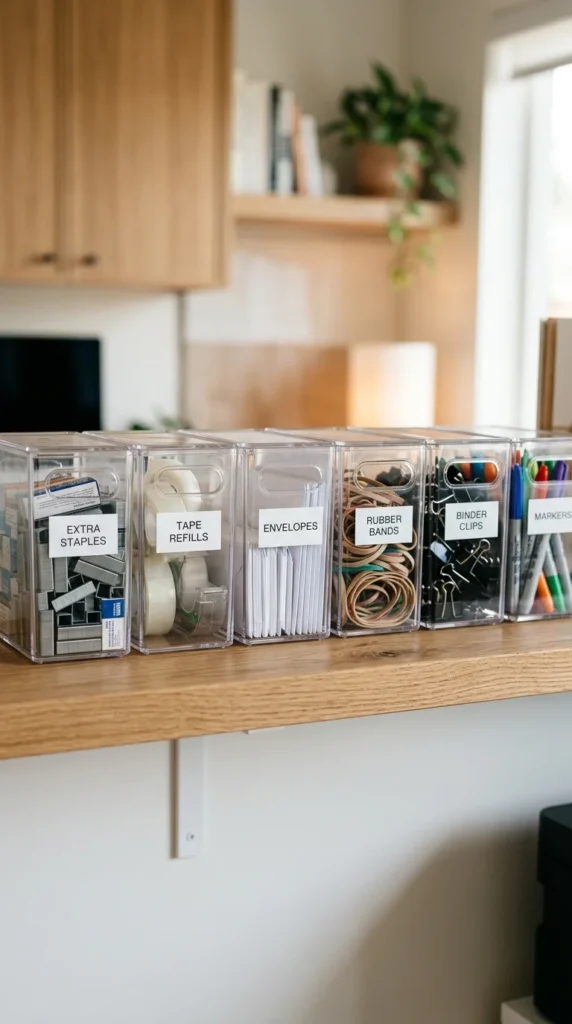
Ambiguity is the enemy of organization. A professional labeling system removes the guesswork from finding supplies or archived files. Use a handheld label maker to mark bins, drawer sections, and file folders. When everything has a clearly defined “home” marked by a label, you are much more likely to return items to their proper place. This is especially helpful in shared office environments where multiple people need to locate and return communal resources.
7. Drawer Dividers
The “junk drawer” is a common office ailment. We often toss pens, rubber bands, and USB drives into a drawer just to get them off the desk. Over time, this becomes a chaotic mess where items go to be forgotten. Drawer dividers—whether made of bamboo, plastic, or mesh—transform a chaotic void into a structured storage system. Categorize your tools by frequency of use; keep your favorite pens and your daily-use notepad in the front compartment for easy access.
8. Task Lighting
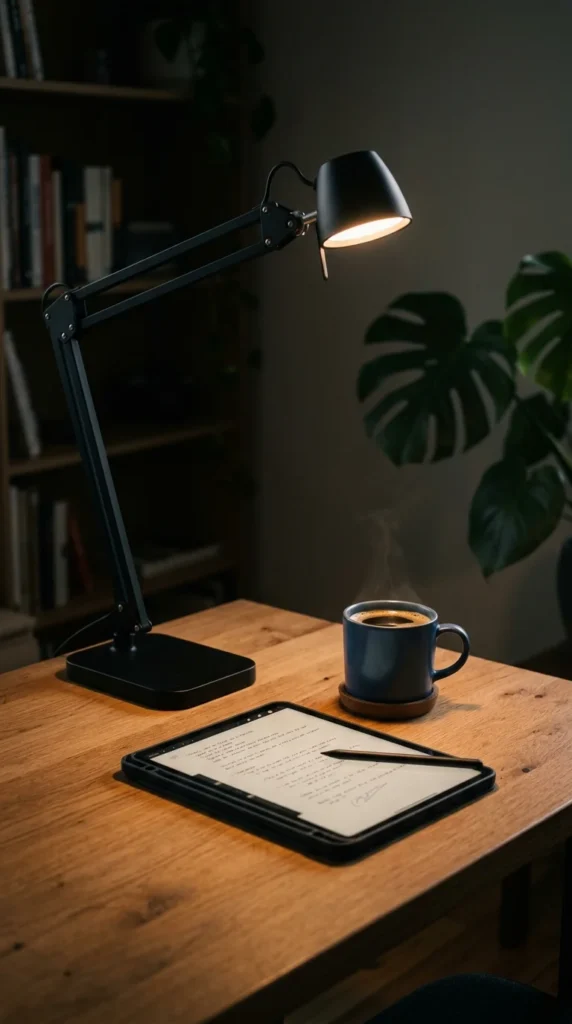
Proper lighting is an organization tool for your focus. A well-lit workspace reduces eye strain and keeps you alert during the mid-afternoon slump. Instead of relying solely on harsh overhead fluorescent lights, incorporate a high-quality task lamp. Look for models with adjustable brightness and color temperatures—cooler light is better for focused work, while warmer light is ideal for reading and administrative tasks. A dedicated light source also helps “zone” your workspace, signaling to your brain that it is time to engage.
9. Ergonomic Alignment
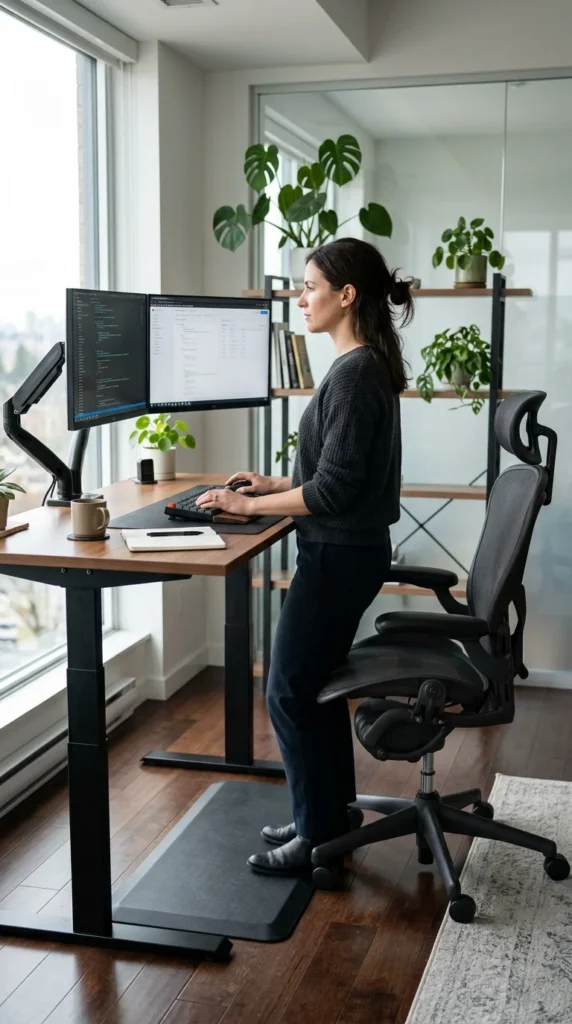
Organization isn’t just about objects; it’s about the physical arrangement of your body in space. An unoptimized desk setup leads to physical discomfort, which quickly erodes productivity. Ensure your monitor is at eye level to prevent neck strain, and your chair supports the natural curve of your spine. If possible, transition to a height-adjustable desk. Being able to switch between sitting and standing throughout the day keeps your energy levels high and your physical workspace feeling dynamic rather than stagnant.
10. Command Center
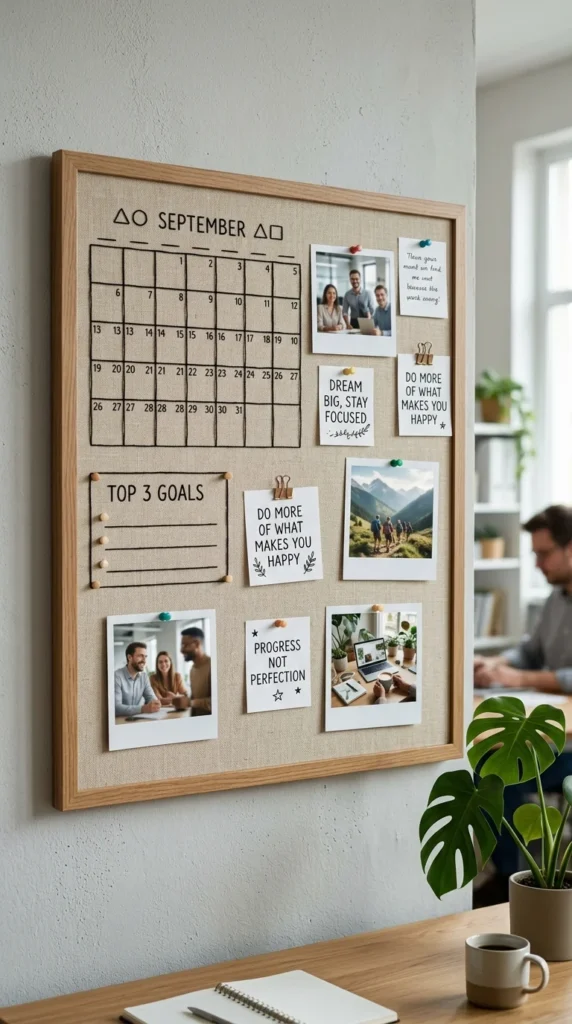
A “Command Center” acts as the brain of your office. This is a centralized location—usually a corkboard, whiteboard, or magnetic board—where you track your most important deadlines, goals, and schedules. By moving these high-level reminders off your computer screen and onto a physical board, you reduce digital clutter and create a constant visual cue for your long-term objectives. Use color-coded pins or markers to differentiate between personal goals, client deadlines, and administrative tasks.
11. Minimalist Personalization
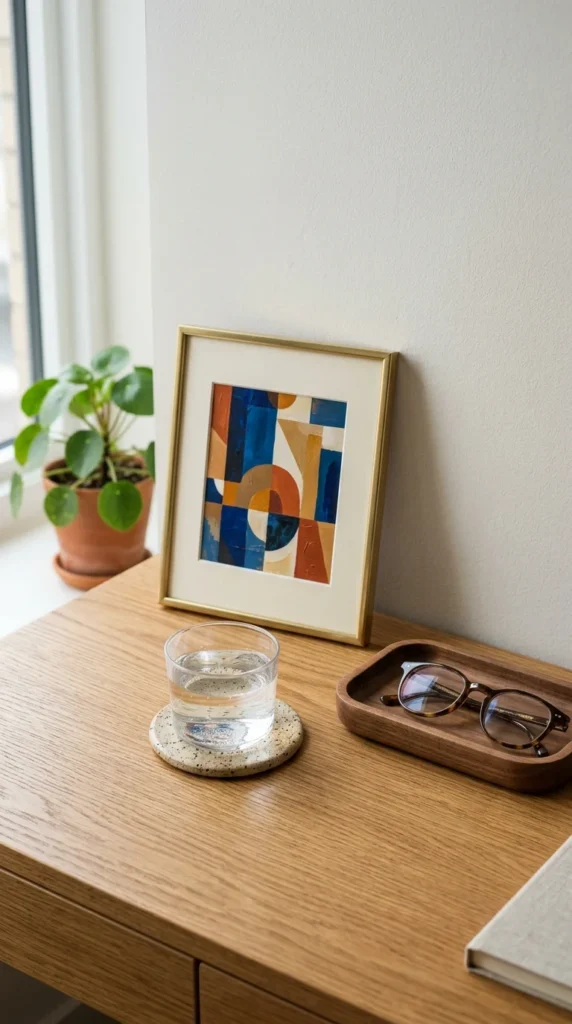
While the goal is to declutter, a sterile office can feel uninspiring. The key is “minimalist personalization.” Choose two or three items that genuinely bring you joy or motivation—a family photo, a small sculpture, or a piece of art—and give them a permanent, dedicated spot. By limiting your personal items, you ensure they stand out and provide inspiration without becoming a distraction or a source of clutter.
12. Analog Planner
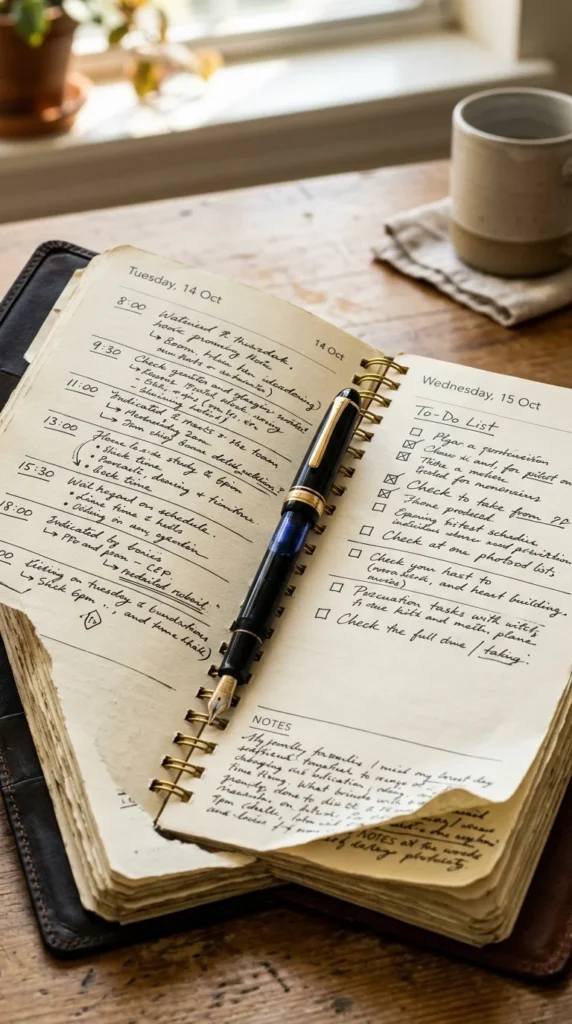
In an age of endless apps and notifications, there is a profound psychological benefit to the analog planner. Writing down your tasks by hand helps with memory retention and provides a tactile sense of accomplishment when you physically cross an item off the list. Set up a station on your desk specifically for your planner. Keeping it open and visible at all times serves as a constant roadmap for your day, preventing you from getting lost in the “scroll” of digital task managers.
13. Office Greenery
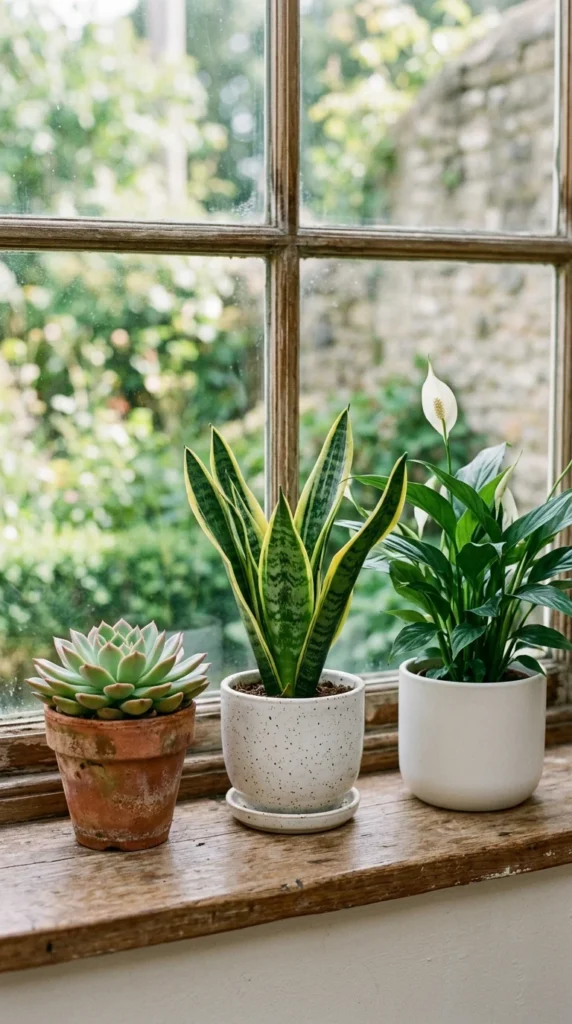
Integrating nature into your workspace is known as biophilic design, and it has been proven to reduce stress and increase productivity. Plants act as natural air purifiers and provide a soft, organic contrast to the hard lines of office furniture and technology. Low-maintenance options like snake plants, pothos, or succulents are perfect for office environments, as they require minimal light and infrequent watering. A touch of green makes the workspace feel alive and refreshed for the New Year.
14. Refreshment Station

Frequent trips to the kitchen can break your deep-work flow. Setting up a small refreshment station within your office keeps you hydrated and energized without the distractions of communal areas. A simple setup with a water carafe, a high-quality mug, and perhaps a small selection of healthy snacks or tea can make your office feel like a premium sanctuary. This encourages you to stay in the “zone” while still attending to your physical needs.
15. Hidden Storage
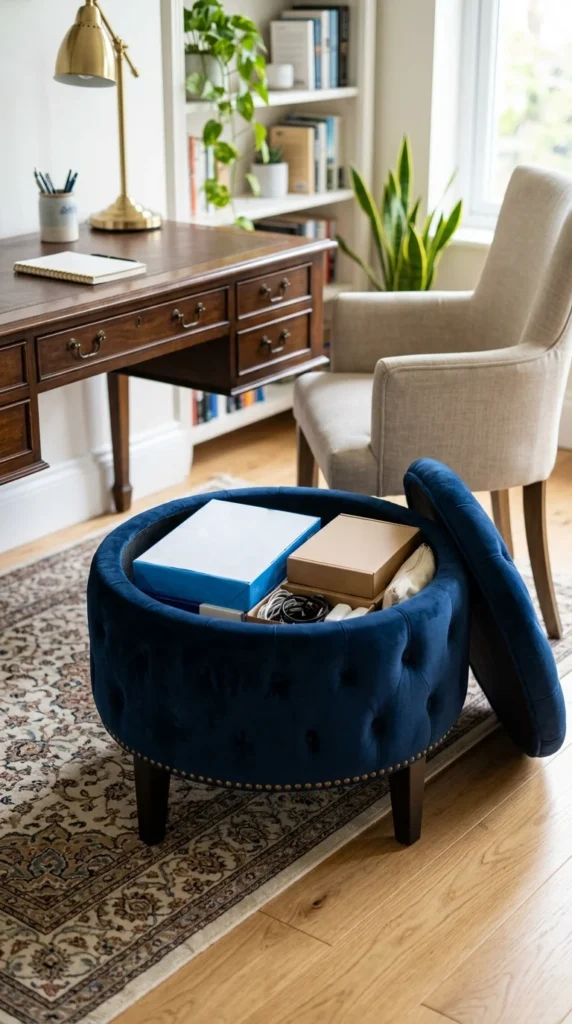
For the items you need but don’t use every day—like extra printer paper, bulky reference manuals, or tech packaging—utilize hidden storage. Storage ottomans, decorative baskets, or cabinets with solid doors allow you to keep these essentials close at hand without them contributing to visual noise. When the eye can rest on clean lines and clear surfaces, the brain can focus more deeply on the task at hand.
16. The “Reset” Routine
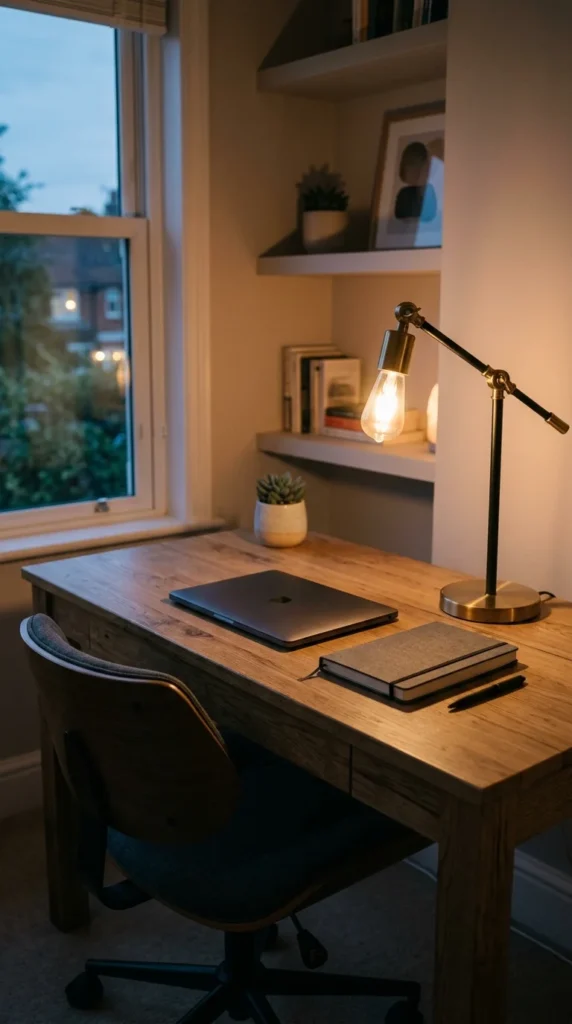
The most effective organization idea isn’t a product, but a habit. Implement an “End-of-Day Reset” routine. Every evening, spend five minutes clearing your desk, filing away the day’s papers, and updating your to-do list for the next morning. This ritual provides a psychological “closing” of the workday, allowing you to fully disconnect during your evening. More importantly, it ensures that when you walk into your office the next morning, you are greeted by a clean, organized space that invites you to do your best work