

A cluttered desk is often the symptom of a cluttered mind. When your workspace is buried under a mountain of tangled cables, loose papers, and a dozen half-used pens, your productivity inevitably takes a hit. The environment we work in has a profound psychological impact on our ability to focus, create, and maintain momentum throughout the day.
Transforming your desk from a chaotic mess into a streamlined hub of efficiency doesn’t require a total office renovation. Often, the right accessories are all you need to reclaim your space. By implementing smart organizational tools, you can ensure that everything has a dedicated home, reducing “visual noise” and allowing you to focus on the task at hand. Here are 21 essential desk accessory ideas to help you declutter and optimize your workspace.
1. Monitor Stands
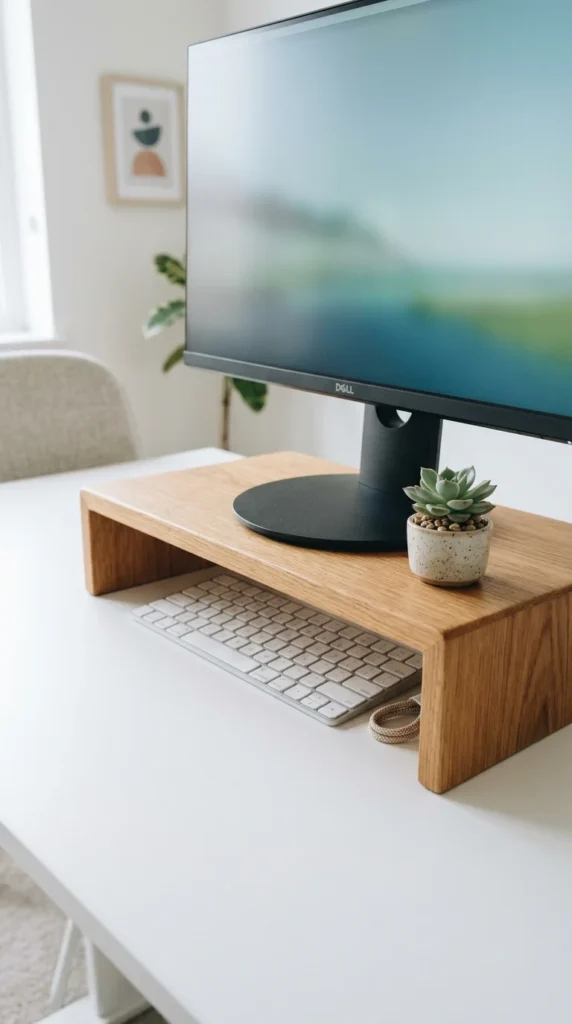
Monitor stands serve a dual purpose: ergonomics and storage. By raising your screen to eye level, you reduce neck strain, but the real magic for decluttering lies underneath. Most stands create a “garage” space where you can slide your keyboard or laptop when they aren’t in use. This instantly clears a significant portion of your desk surface for writing or other tasks.
2. Cable Clips
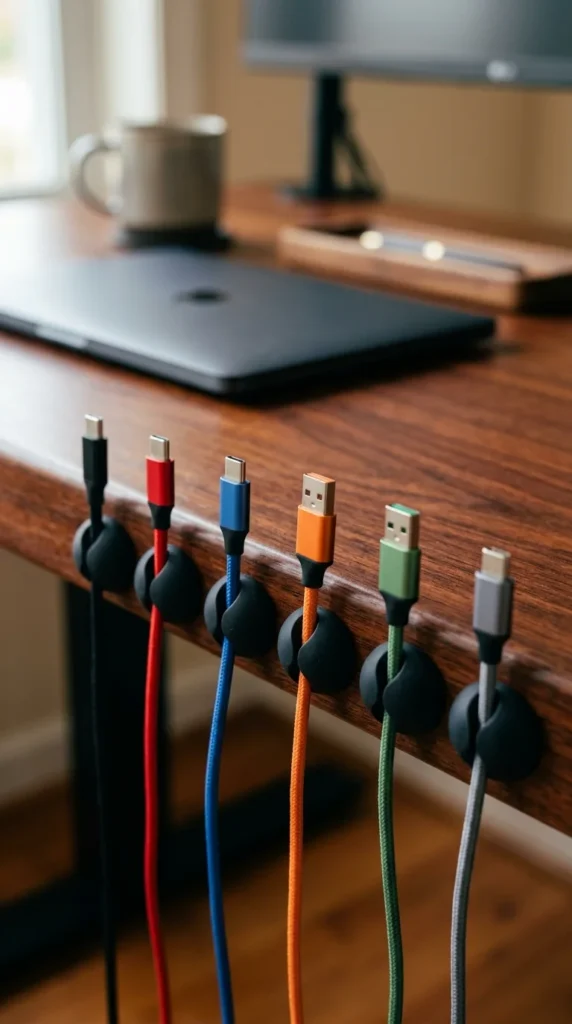
Nothing ruins the aesthetic of a clean desk faster than a “cable nest.” Cable clips are small, inexpensive adhesive tools that grip your charging cords and peripheral wires. By lining them up along the edge of your desk, you prevent them from slipping onto the floor and keep them accessible right where you need them.
3. Desk Pads
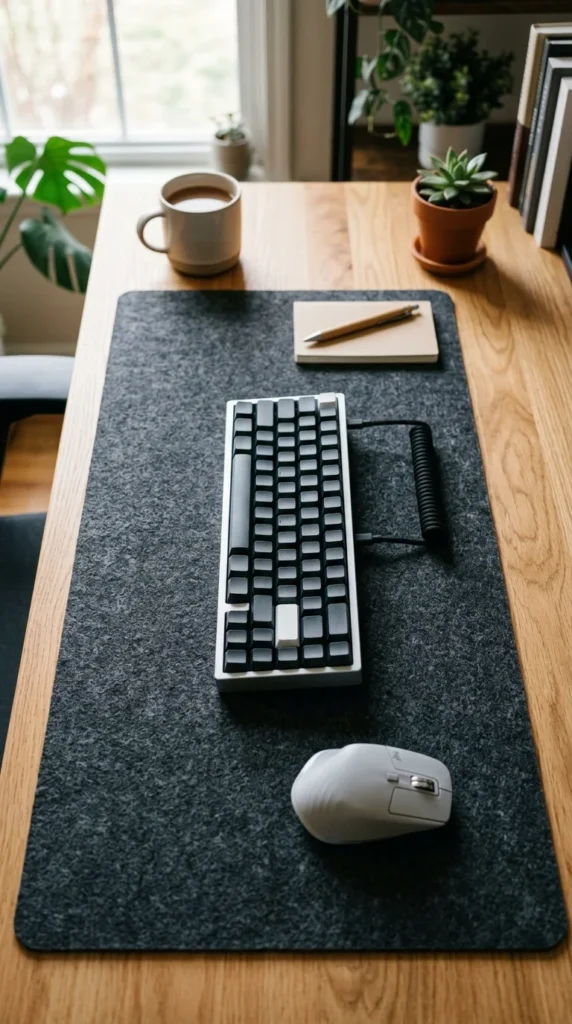
A desk pad, or blotter, acts as an “anchor” for your workspace. It visually defines the area where work happens, which psychologically helps you keep items within those boundaries. Beyond aesthetics, felt or leather pads protect your desk surface and provide a smooth, consistent area for your mouse and keyboard, eliminating the need for a separate mouse pad.
4. Drawer Dividers
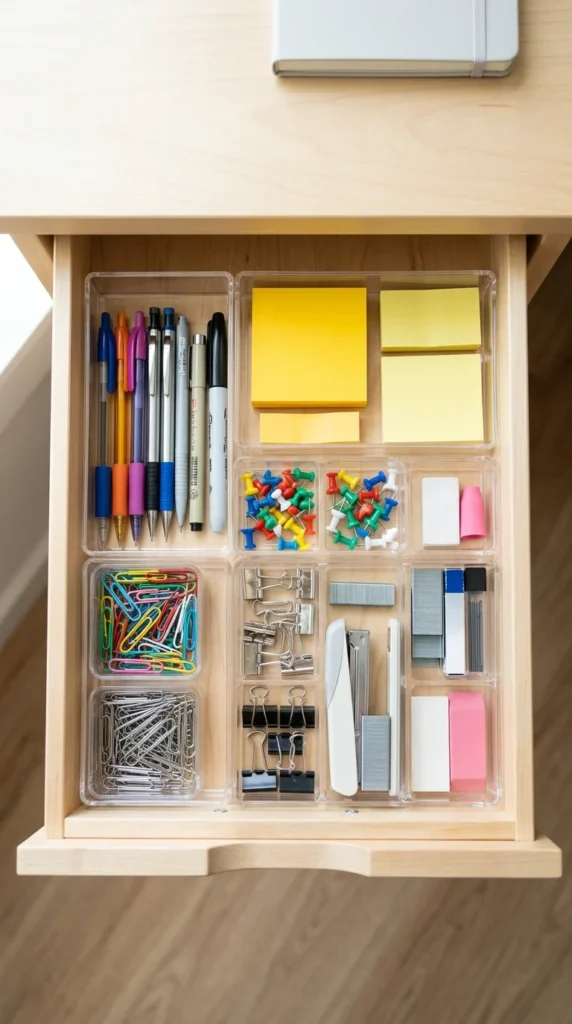
If you have a “junk drawer,” you’re losing time every day digging for supplies. Drawer dividers allow you to categorize small items like thumb drives, stationery, and batteries. When every paperclip has a specific slot, you can find what you need in seconds and see exactly when you’re running low on supplies.
5. Pegboards

When you run out of surface area, look to the walls. Pegboards are the ultimate modular organizational tool. You can customize them with hooks, shelves, and baskets to keep your most-used items within arm’s reach but off the actual desk. This is particularly useful for creatives who use scissors, tape, and various hand tools.
6. Pen Pots

While a drawer is great for bulk storage, a dedicated pen pot is essential for the items you reach for constantly. Choosing a heavy, stable container prevents tipping. For a cleaner look, try a multi-compartment caddy that allows you to separate highlighters from pencils and fountain pens.
7. File Organizers
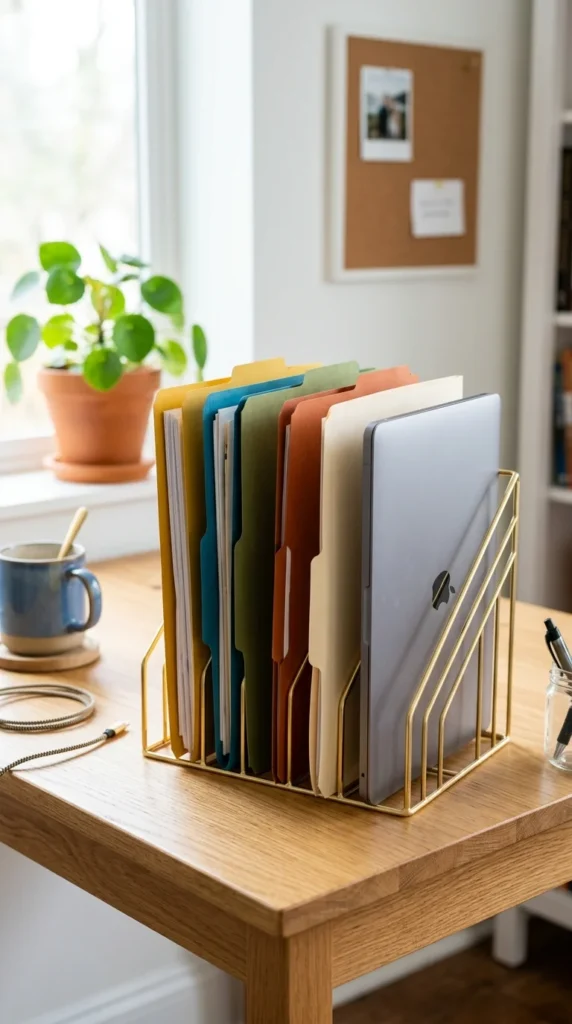
Horizontal piles of paper are where productivity goes to die. Vertical file organizers force you to sort documents as they arrive. By keeping your current projects upright, you can easily read the labels and grab what you need without shuffling through a stack of unrelated mail.
8. Headphone Stands
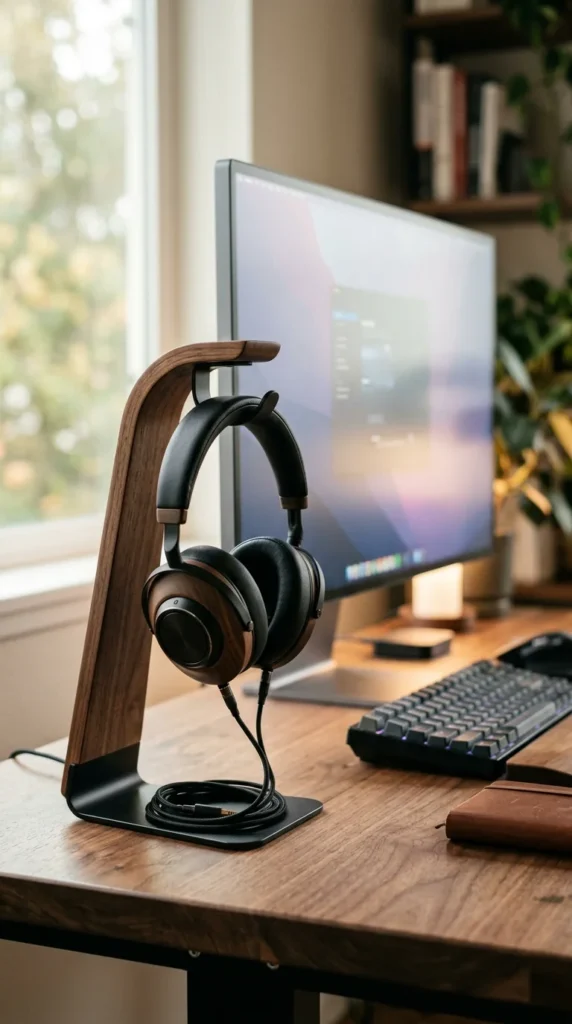
Headphones are bulky and often end up tossed haphazardly on the desk or hanging off the corner of a monitor. A dedicated stand not only protects the headband and earcups of your headset but also turns a piece of tech into a deliberate part of your decor.
9. Charging Stations
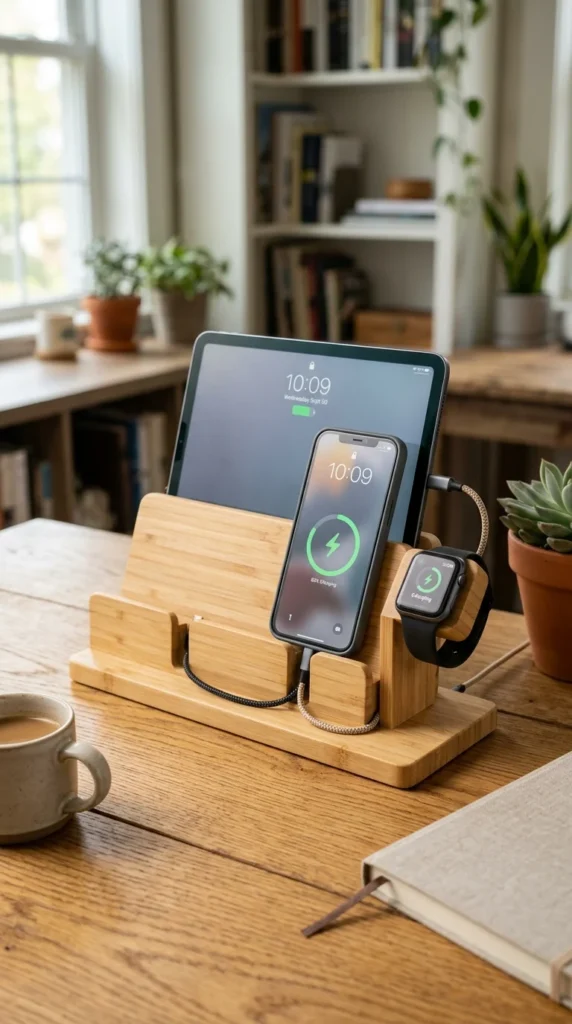
In the age of multiple devices, a charging station is a must. These hubs consolidate your charging cables into one unit, allowing you to power up your phone, tablet, and earbuds in a single, compact footprint. It eliminates the need for multiple wall outlets and a tangle of cords spreading across your desk.
10. Under-Desk Trays
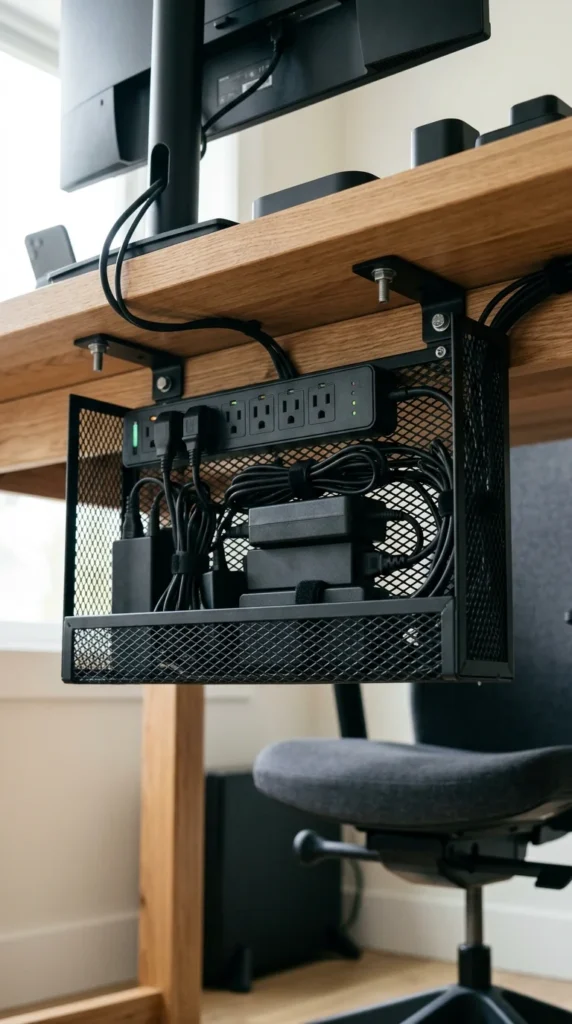
The “secret weapon” of professional organizers is the under-desk cable tray. This hides the bulkiest parts of your tech setup—the power strips and power bricks—directly beneath the desk surface. It keeps the floor clear for easy vacuuming and prevents your feet from getting tangled in wires.
11. Monitor Shelves
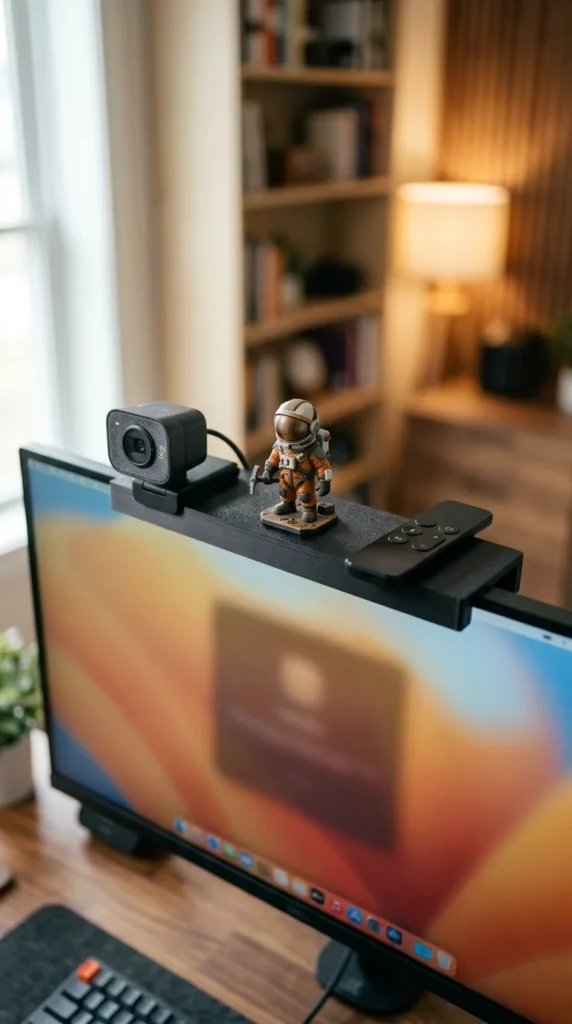
If your desk is particularly small, use the “real estate” on top of your monitor. A clip-on monitor shelf provides a flat surface for lightweight items like webcams, speakers, or small decorative pieces that would otherwise take up valuable space on your desk mat.
12. Keyboard Trays
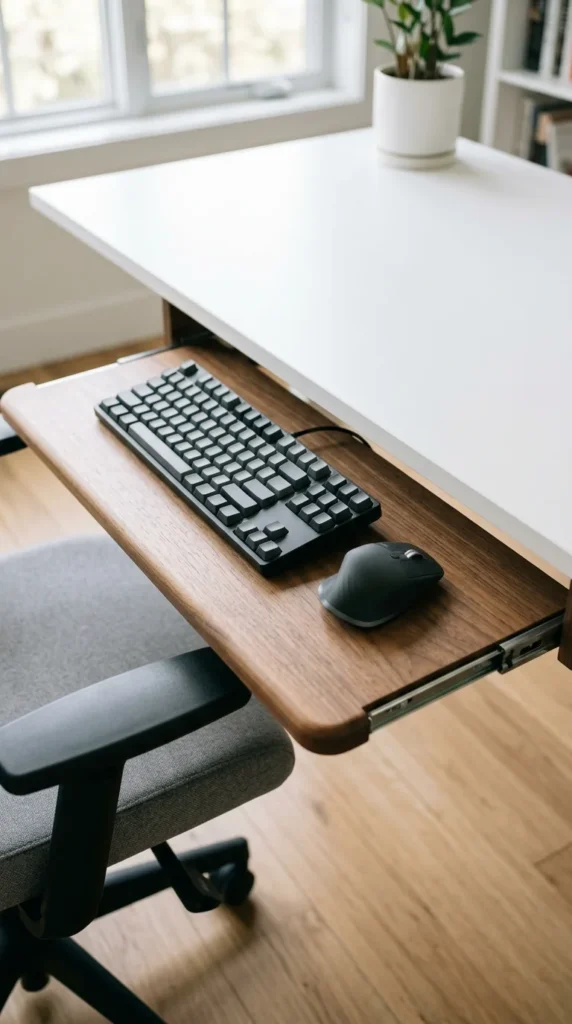
A sliding keyboard tray is an excellent way to reclaim almost the entire surface of your desk. By moving the input devices to a lower level, you improve your typing ergonomics while leaving the main desktop free for notebooks, textbooks, or large-scale projects.
13. Sticky Note Holders

Loose sticky notes have a habit of migrating and getting lost. A weighted sticky note holder keeps your pads in one place. Some designs even include a small tray for a single pen, ensuring that when you need to jot down a quick reminder, both the paper and the pen are exactly where they should be.
14. Document Trays
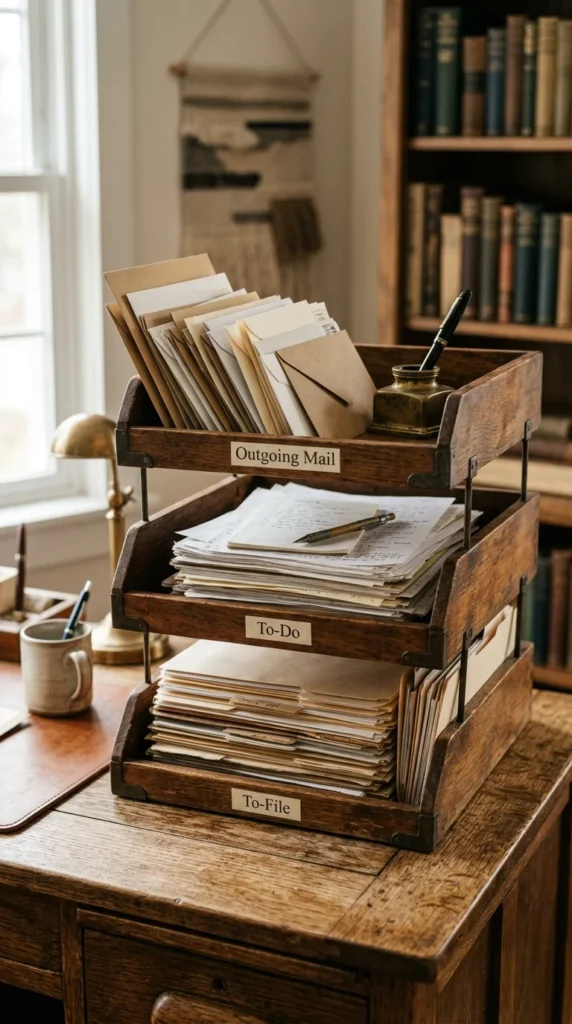
For those who still deal with a significant amount of physical mail or paperwork, document trays are vital. The key is to label each tier. Use a “tiered” approach to prioritize your workflow: “Inbox,” “Action Required,” and “Archive.” This prevents the “paper creep” that often overwhelms a workspace.
15. Cable Sleeves
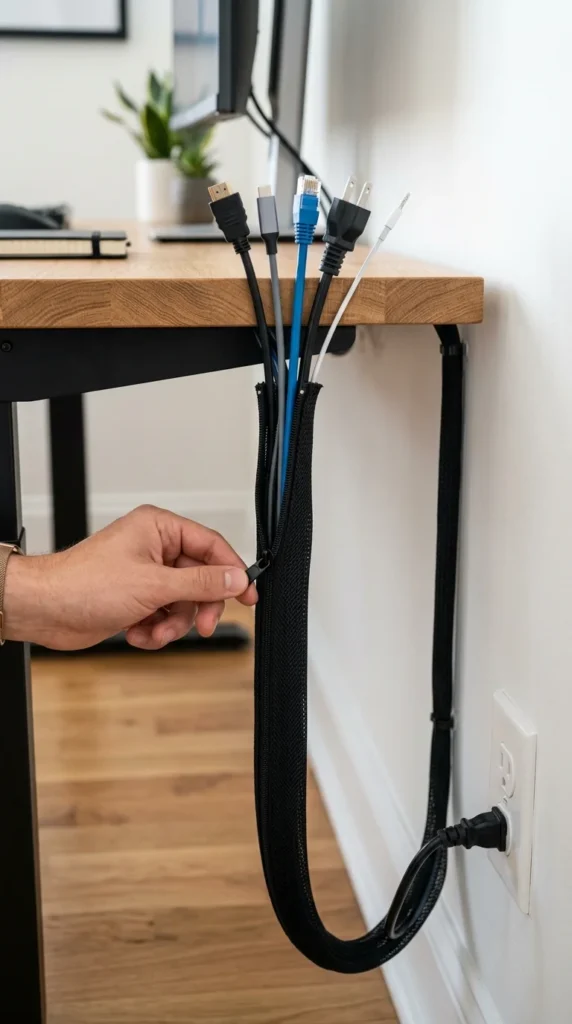
When you have a bundle of cables running from your PC to your monitors and peripherals, cable sleeves can work wonders. These flexible tubes (often made of neoprene or plastic mesh) wrap around multiple wires, turning a messy “waterfall” of cords into one clean, unified line.
16. Desk Shelving

A desktop hutch or mini-shelf unit adds vertical storage without requiring you to drill holes in the wall. These are perfect for storing reference books, journals, or even small baskets for miscellaneous items like extra chargers or office supplies.
17. Magnetic Strips
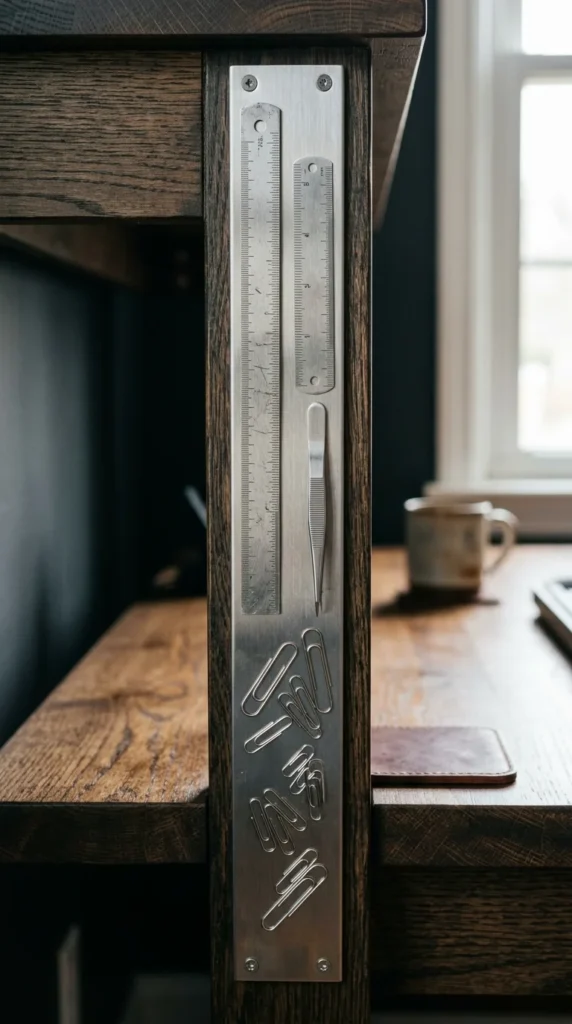
Magnetic strips aren’t just for kitchens. Mounting one to the side of your desk or the wall behind it provides a clever way to store metal objects. It’s an ideal solution for holding small items like bobby pins (for those with long hair), metal rulers, or even small tools used in tech repair.
18. Tech Pouches
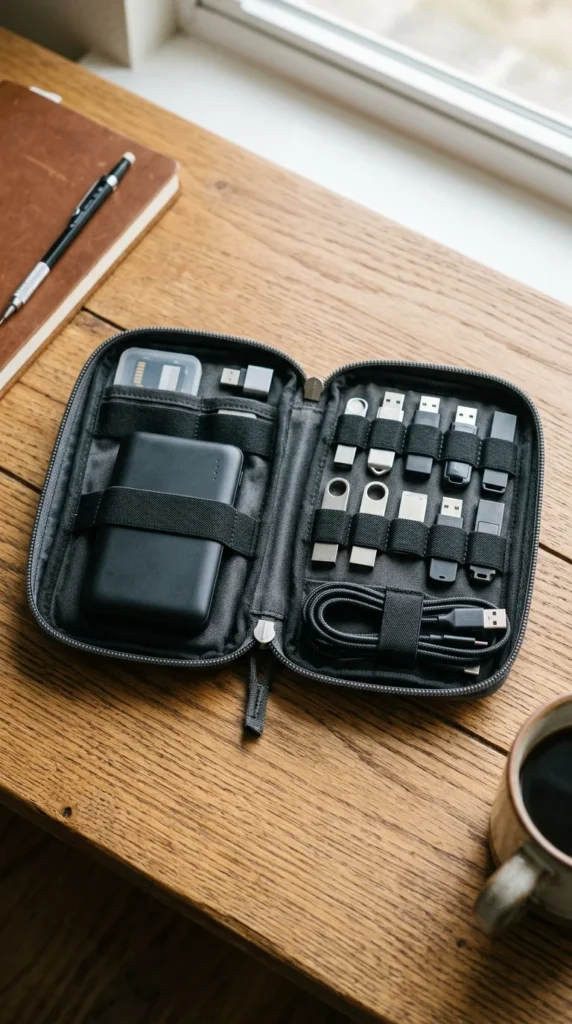
If you move between a home office and a corporate office, a tech pouch is a lifesaver. Instead of scattering your dongles, adapters, and travel mice across your desk, keep them in a dedicated pouch. When you’re at your desk, the pouch stays in a drawer; when you leave, you just grab the whole kit and go.
19. Drawer Units
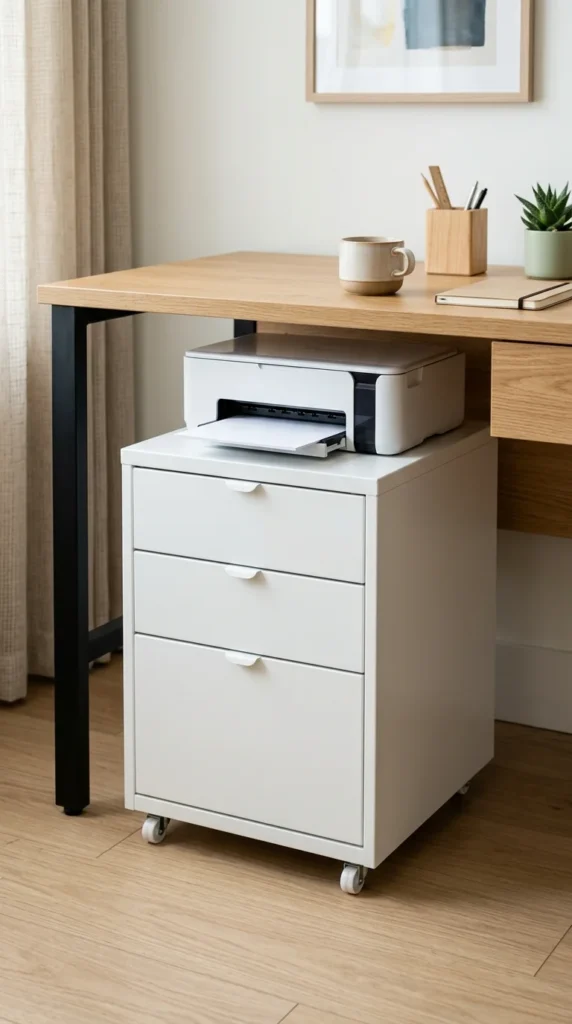
If your desk doesn’t have built-in storage, a mobile drawer unit is the perfect companion. These rolling carts can be tucked under the desk to save space or pulled out to serve as an extra side table. They are excellent for storing larger items like printer paper, spare hardware, or bulky files.
20. Cord Boxes
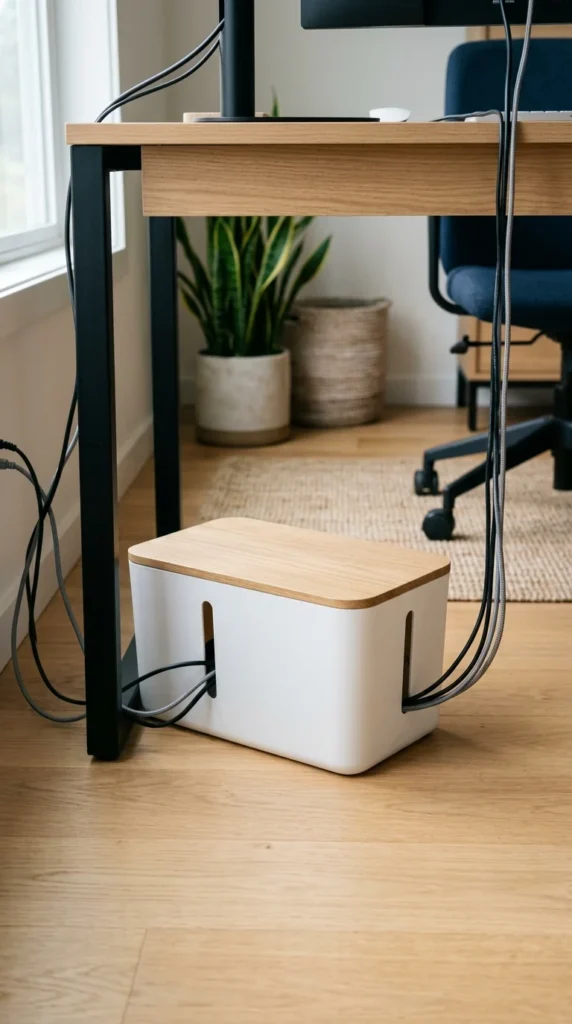
For the cables that must live on the floor, a cord management box is the ultimate aesthetic fix. You place your entire power strip and all its messy plugs inside the box and pop the lid on. The result is a clean, modern-looking box rather than a dusty, tangled mess of plastic and copper.
21. Rotating Caddies
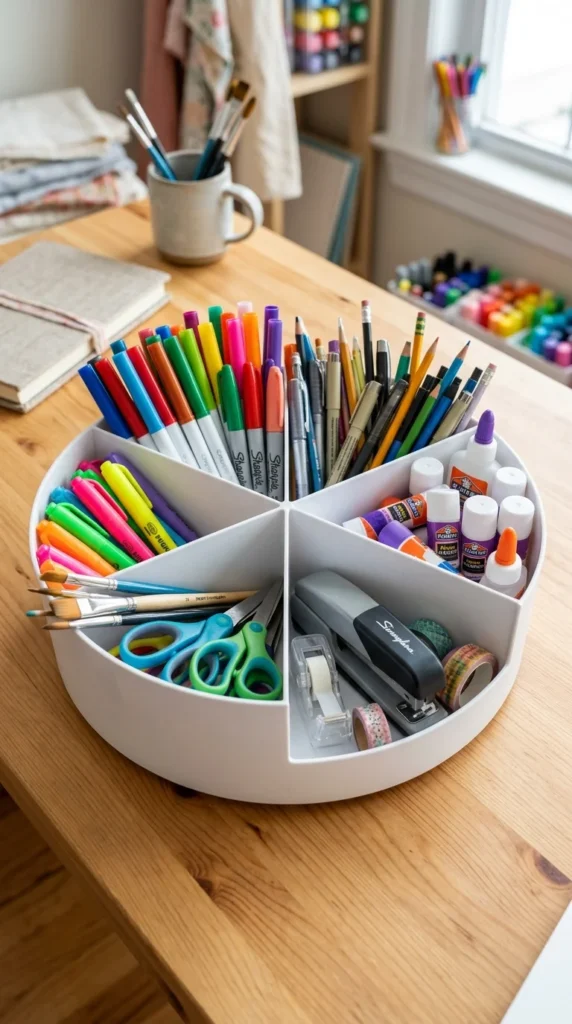
A rotating caddy (or “Lazy Susan”) is perfect for those who use a wide variety of supplies throughout the day. With a quick flick of the wrist, you can access your pens, scissors, remote controls, or snacks. It maximizes a small circular footprint and ensures that nothing gets buried at the back of a deep shelf or drawer.