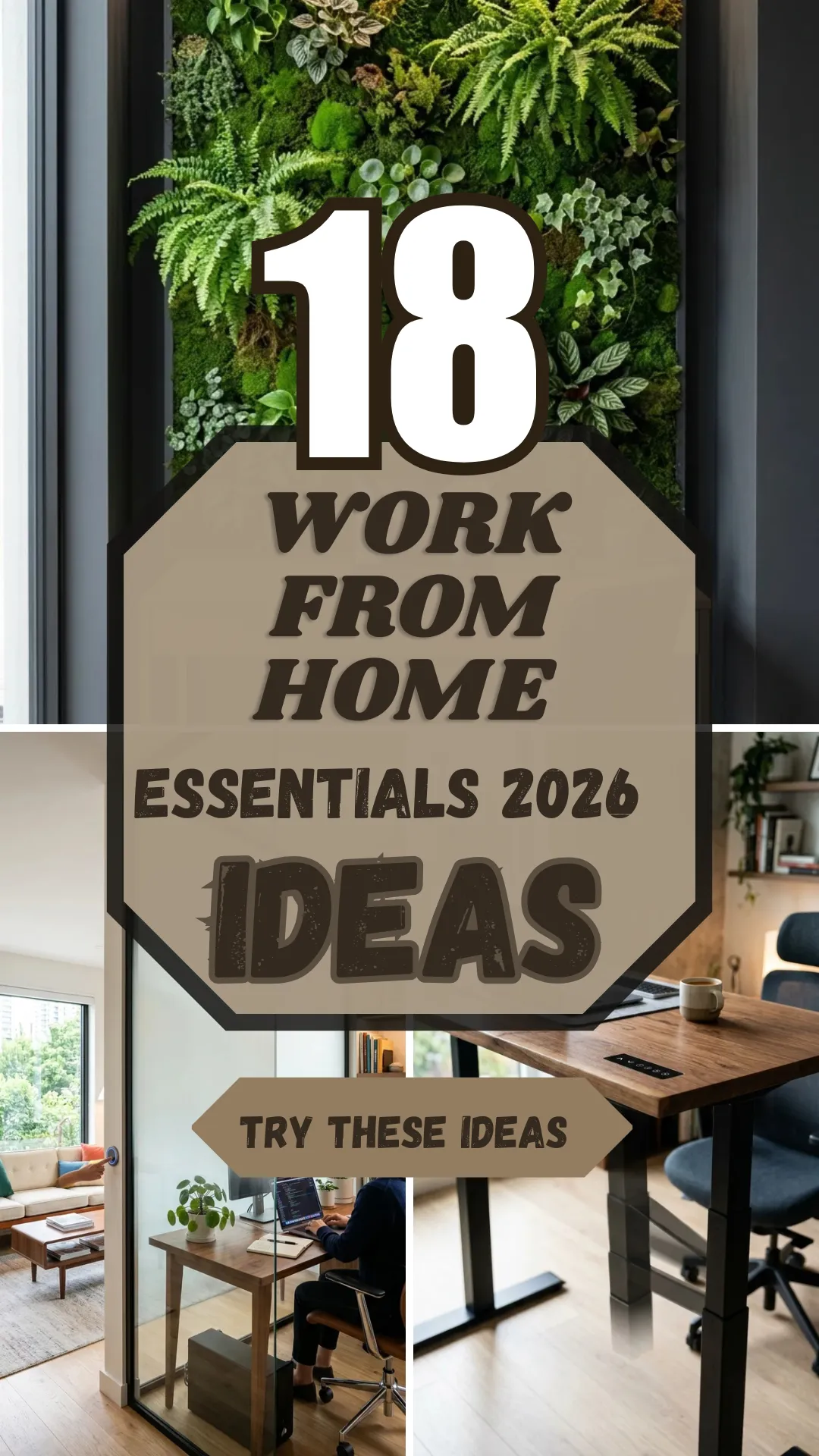
In the modern educational landscape, the environment where a student works is just as important as the curriculum they study. Gone are the days when a simple kitchen table sufficed for homework. Today’s students require a dedicated space that minimizes distractions, maximizes comfort, and fuels creativity. Whether you are a college student tackling a thesis or a high schooler preparing for finals, your physical surroundings directly impact your cognitive load and retention.
Creating a bespoke home office doesn’t require a massive budget or a spare room; it requires intentionality. By blending ergonomics with personal style, you can transform a corner of your bedroom or an unused nook into a powerhouse of productivity. Here are 23 creative ideas to elevate your study game.
1. Floating Desk
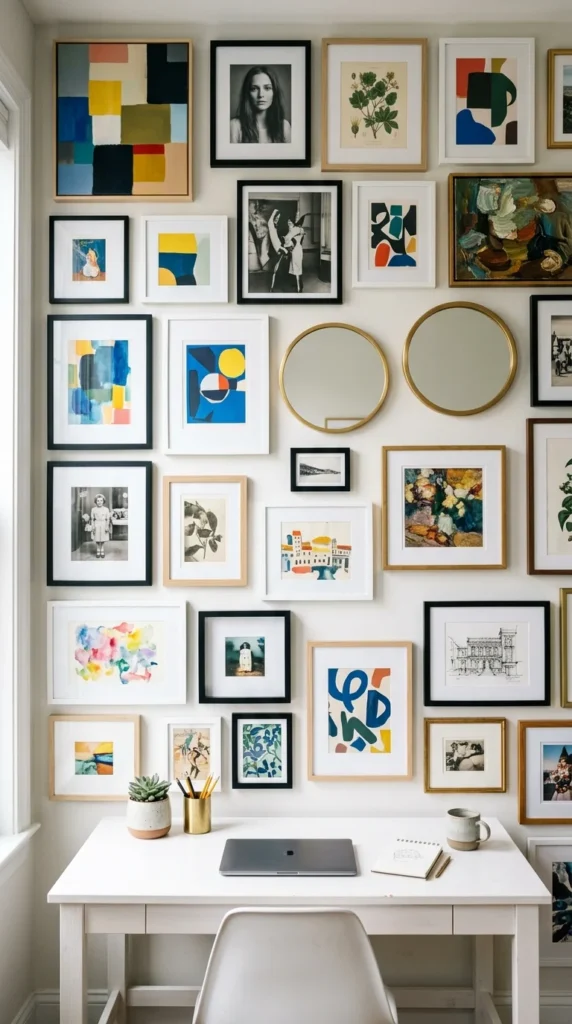
The floating desk is the ultimate solution for small bedrooms or studio apartments. By mounting the workspace directly to the wall, you eliminate the visual clutter of desk legs, making the room feel significantly larger. This setup encourages a “lean” workflow, forcing you to keep only the essentials on the surface. It’s a sleek, modern choice that turns any empty wall into a functional zone of focus.
2. Pegboard Wall
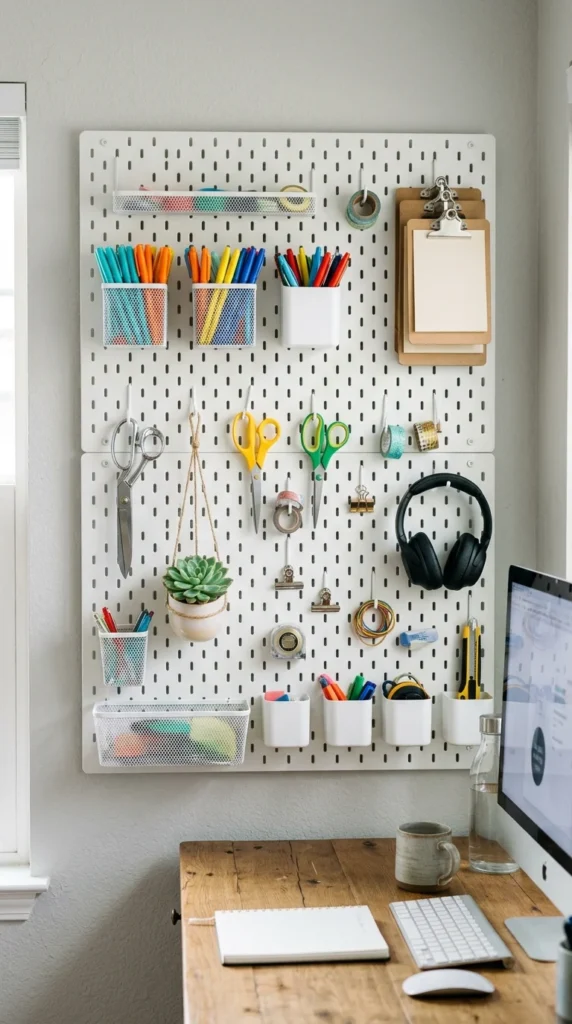
Organizational chaos is the enemy of concentration. A pegboard wall transforms vertical space into a customizable storage hub. Instead of digging through messy drawers for a highlighter or a charging cable, everything is visible and within arm’s reach. The best part is the flexibility; as your project needs change, you can rearrange the hooks and shelves to fit new tools, keeping your desktop clear for deep work.
3. Ergonomic Chair
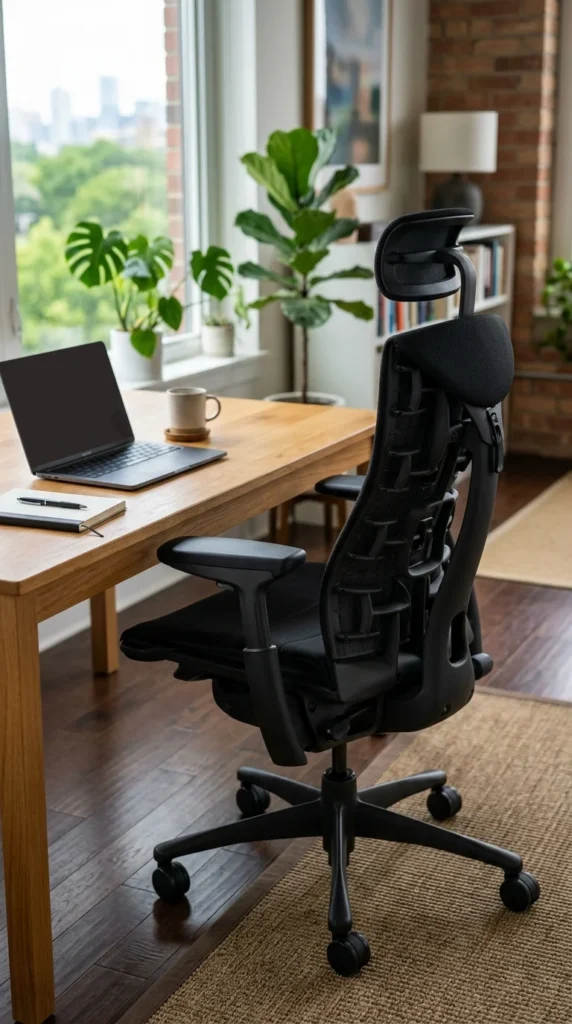
You cannot focus if your back is aching. Investing in a high-quality ergonomic chair is perhaps the most important health decision a student can make. Look for chairs with adjustable lumbar support, seat height, and armrests. A chair that supports the natural curve of your spine prevents the “study slouch,” ensuring that your physical energy is spent on learning rather than managing discomfort.
4. Natural Lighting
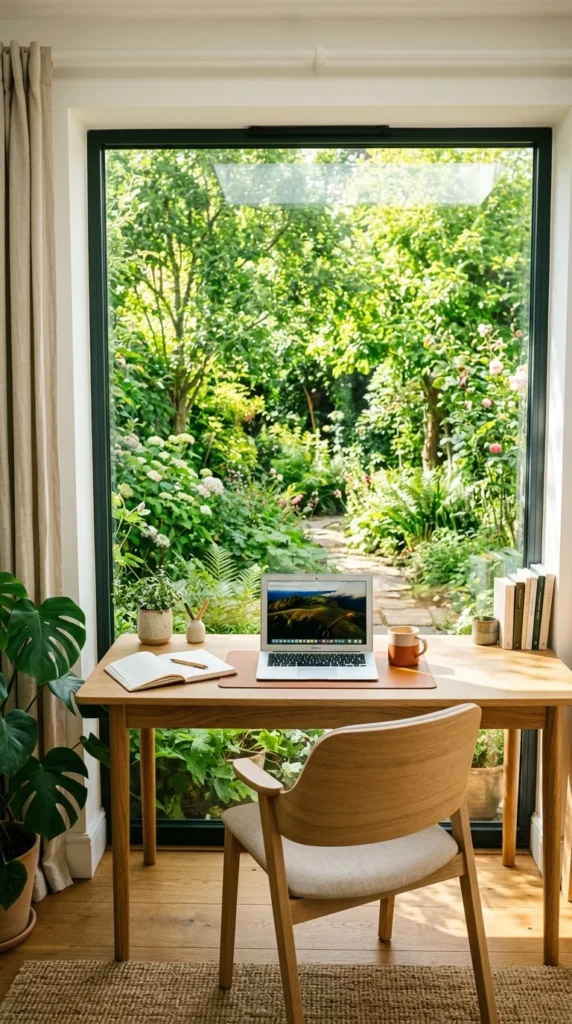
Natural light is a natural performance enhancer. Studies show that exposure to daylight improves mood, reduces eye strain, and regulates sleep-wake cycles. Position your desk perpendicular to a window to avoid glare on your screen while still benefiting from the vitamin D and the connection to the outdoors. If you’re working late, ensure you have a “warm” light source to mimic the evening sun.
5. Vertical Bookshelves
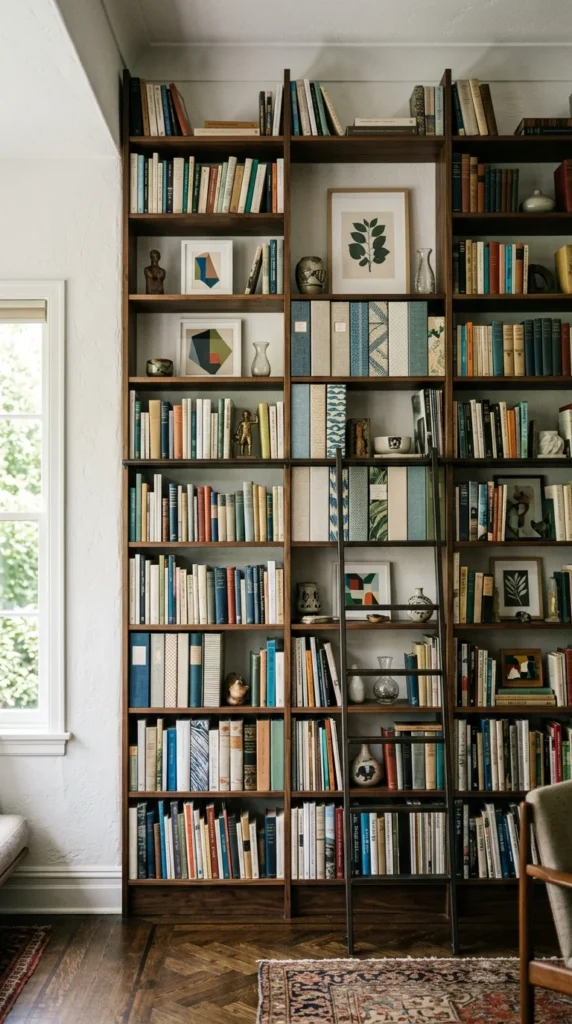
When floor space is at a premium, go vertical. Tall bookshelves allow you to store years of academic resources without cramping your style. Use the lower shelves for daily textbooks and the higher ones for archives or decorative items. This keeps your immediate workspace feeling “light” while ensuring your library is always accessible.
6. Minimalist Aesthetic
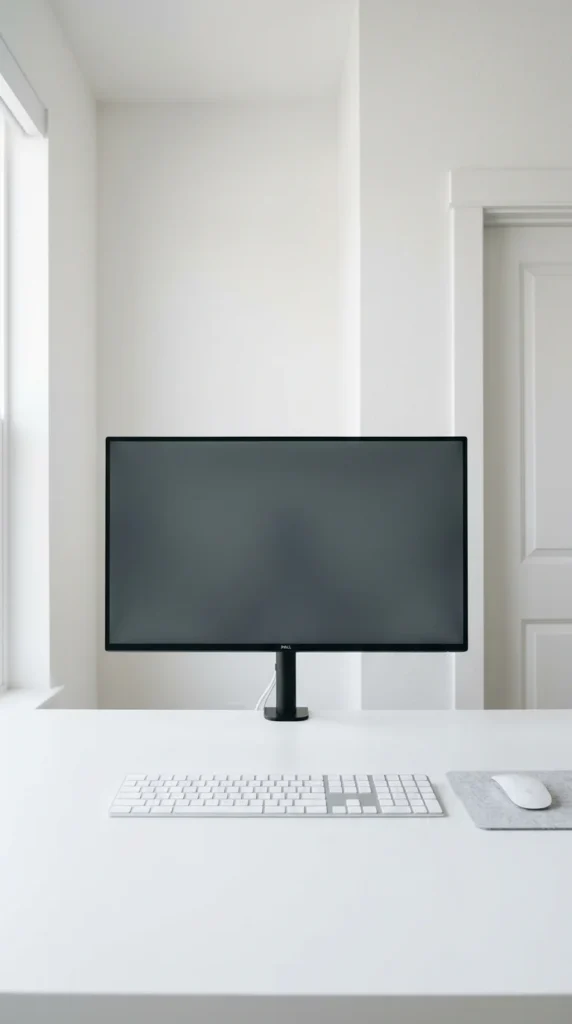
The “less is more” philosophy is incredibly effective for students who get easily overwhelmed. A minimalist office uses a neutral color palette—think whites, greys, and light woods—to create a “blank canvas” for the mind. By removing visual noise, you allow your brain to dedicate all its processing power to the task at hand. It is a sanctuary of calm in a busy academic world.
7. Under-Bed Workspace
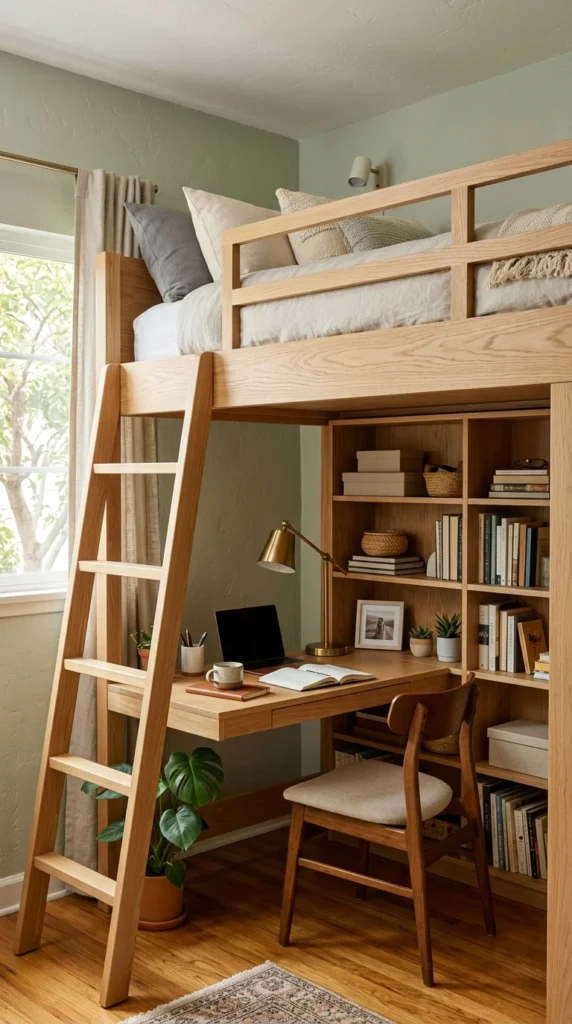
For those living in dorms or small rooms, the loft bed is a game-changer. By elevating the sleeping area, you reclaim the entire footprint of the bed for a private office. This clear separation between the “sleep zone” and the “work zone” helps maintain a healthy work-life balance, as your brain learns to associate the area under the bed strictly with productivity.
8. Mood Lighting
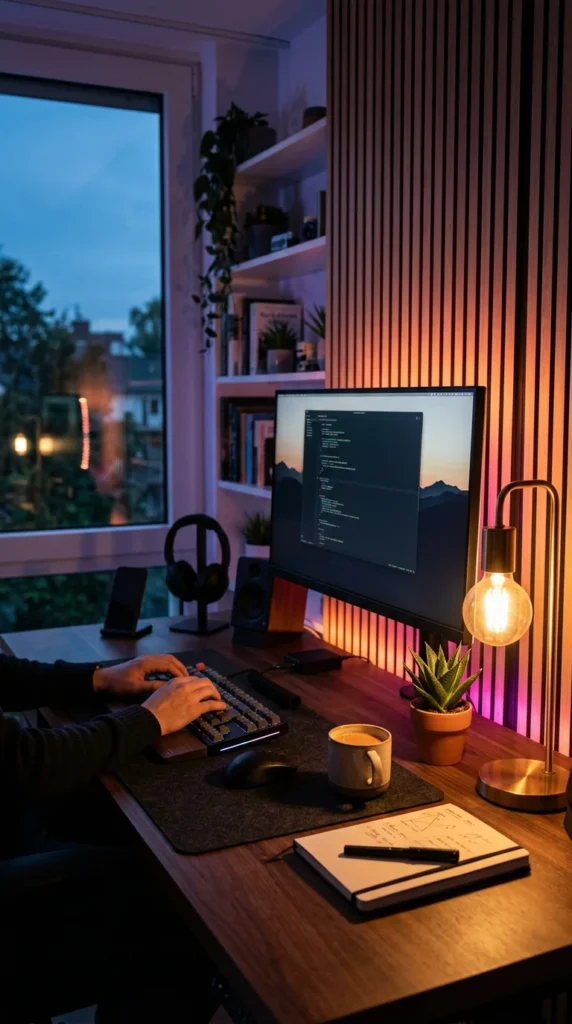
Lighting isn’t just about visibility; it’s about atmosphere. Using LED strips, smart bulbs, or a classic desk lamp with adjustable color temperatures can help set the right “mode.” Cool white light is excellent for morning brainstorming, while warm, dimmable amber tones are perfect for late-night reading sessions, helping you wind down while you finish that final chapter.
9. Cable Management
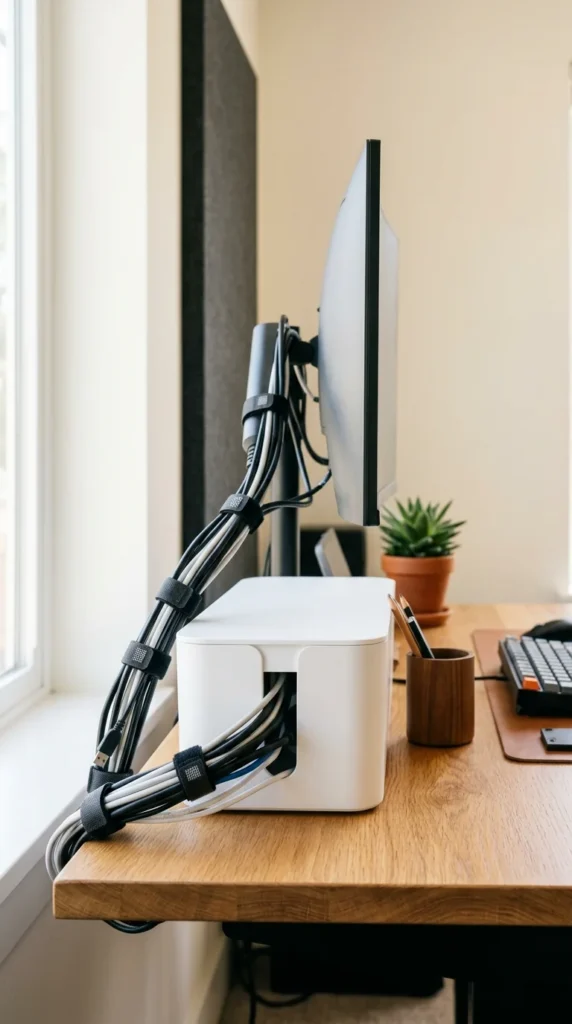
Nothing ruins a beautiful office faster than a “spaghetti” of tangled cables. Using cable sleeves, under-desk trays, or simple zip ties can transform a chaotic mess into a streamlined setup. A clean cable arrangement doesn’t just look better; it prevents the frustration of unplugging the wrong cord and makes cleaning the dust behind your desk much easier.
10. Indoor Plants
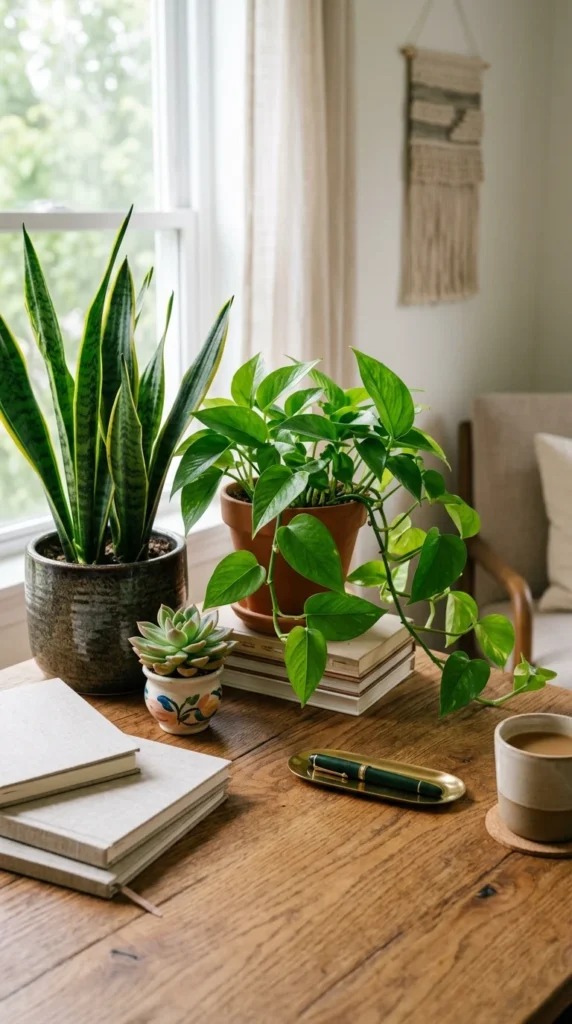
Integrating “biophilic design” by adding indoor plants can significantly boost mental well-being. Plants like peace lilies, snake plants, or aloe vera help purify the air and provide a soothing visual break from digital screens. Looking at greenery for even a few seconds can lower cortisol levels, making your home office a much more relaxing place to tackle difficult subjects.
11. Standing Desk
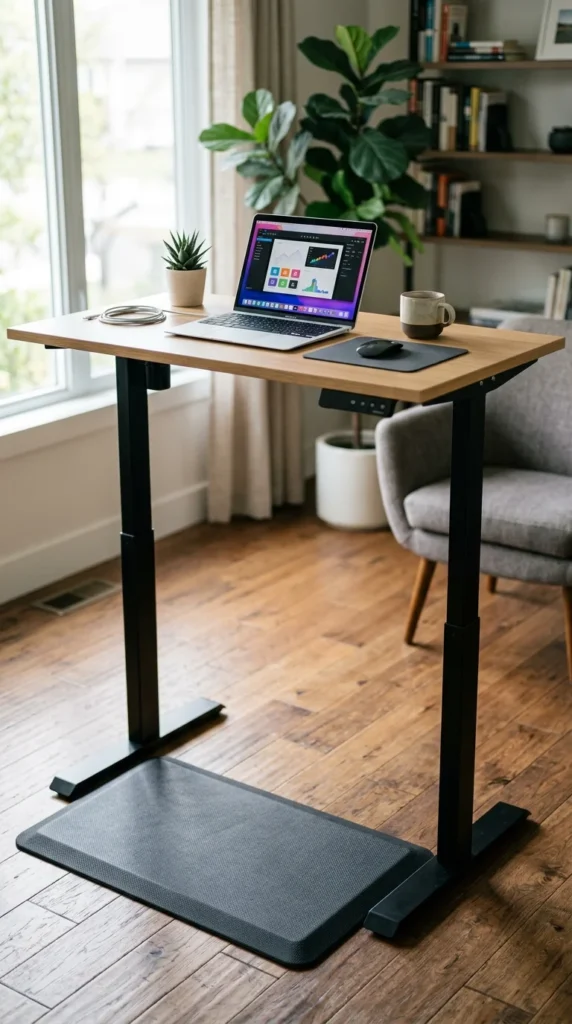
Sitting for eight hours straight is detrimental to both health and focus. A standing desk (or a desk converter) allows you to alternate between sitting and standing throughout the day. This movement increases blood flow to the brain, which can help clear “brain fog” and keep your energy levels consistent during long study marathons.
12. Vision Board
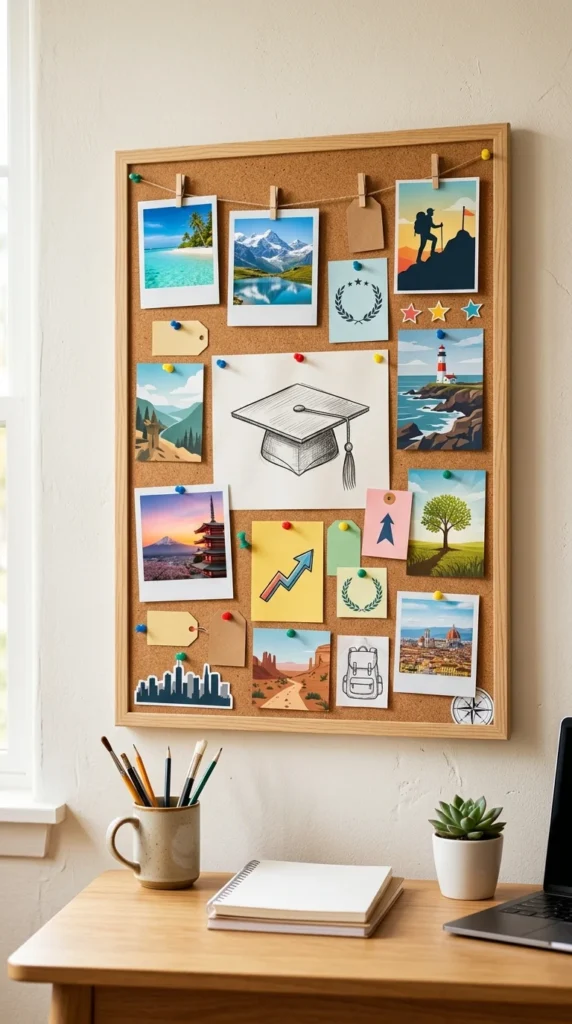
Motivation can be fleeting, especially during midterms. A vision board serves as a physical reminder of why you are working so hard. By pinning up your goals, dream career paths, or even just images that inspire you, you create a visual anchor. When the work gets tough, one look at your board can provide the emotional spark needed to keep going.
13. Acoustic Panels
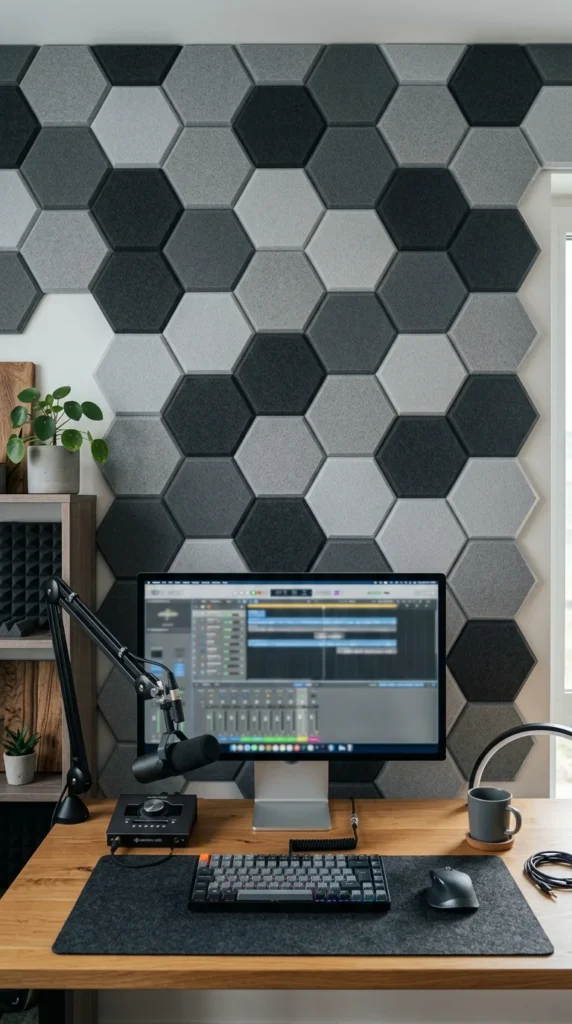
If you live in a noisy household or a loud apartment complex, sound management is crucial. Acoustic panels can be both functional and decorative. They absorb echoes and dampen external noise, creating a “quiet zone” that is essential for deep concentration or attending virtual lectures without background distractions.
14. Monochrome Palette
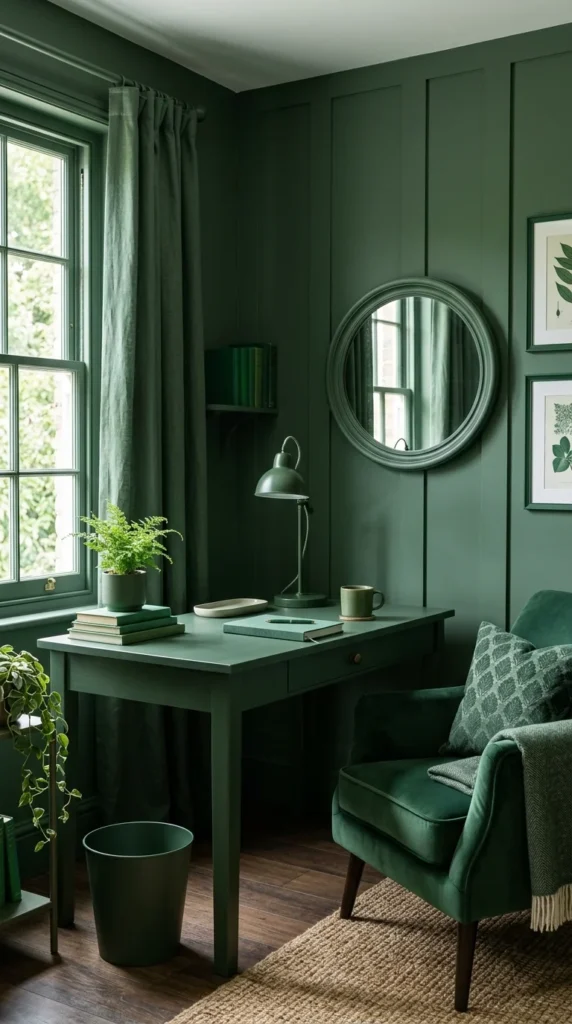
A monochrome color scheme creates a sense of unity and sophistication. When the furniture and decor share the same color family, the boundaries of the room seem to soften, creating a cocoon-like environment. This is particularly effective for students who want a space that feels professional and “grown-up.”
15. Rotating Organizer
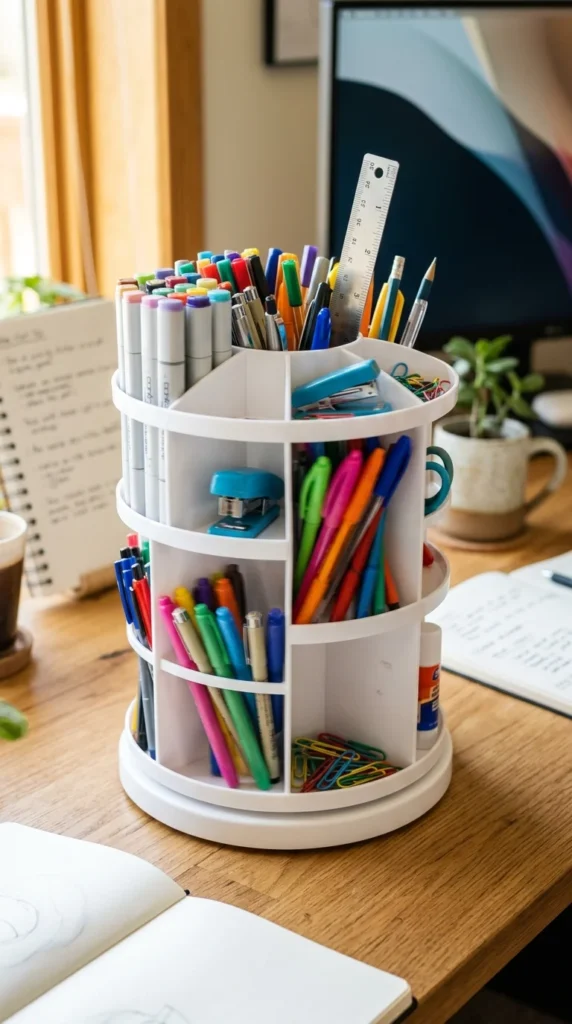
For the creative student who uses various mediums—pens, pencils, brushes, and tools—a rotating organizer is a lifesaver. It keeps everything compact and prevents the “scatter” that happens when you’re in the middle of a project. With a quick flick of the wrist, you have exactly what you need, keeping your momentum going.
16. Comfy Nook
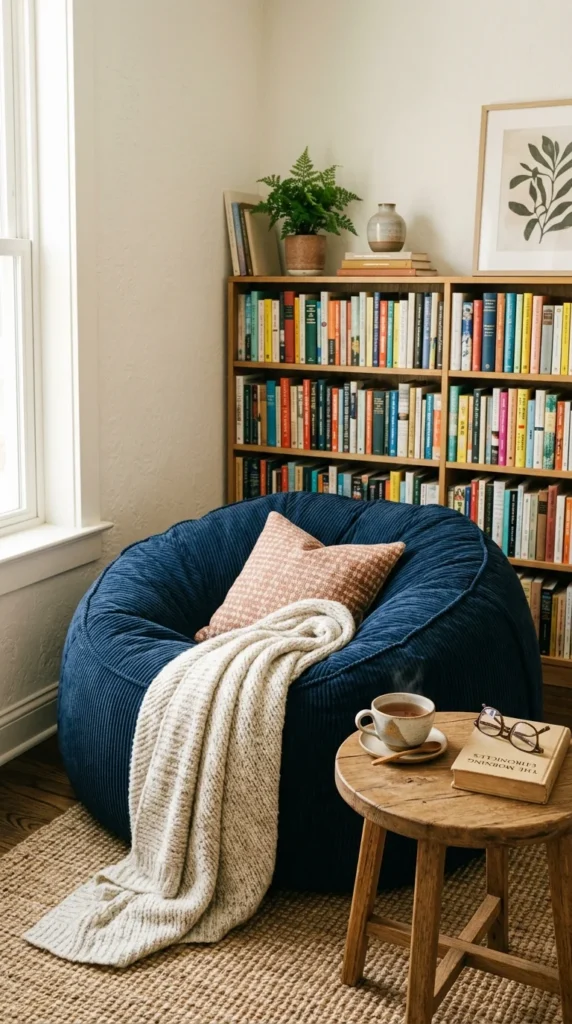
Not all learning happens at a desk. Sometimes, you need to pore over a thick novel or a research paper. Having a dedicated “comfy nook” separate from your main desk allows you to change your posture and environment. This “micro-shift” in location can refresh your brain, making it easier to absorb long-form text without the rigidity of a desk chair.
17. Wall Calendar
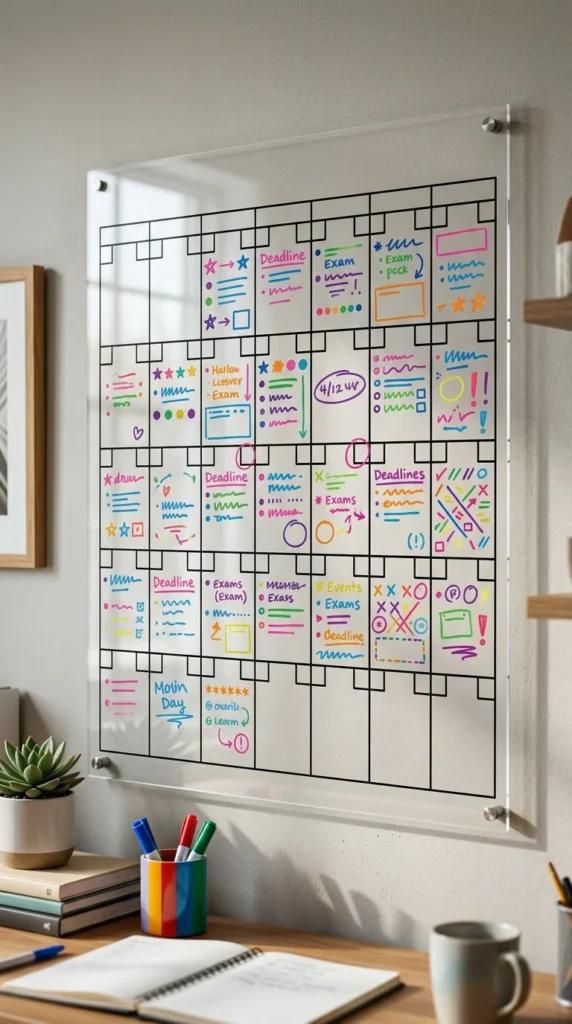
Digital calendars are great, but there is something uniquely effective about a large-scale physical calendar. Having your deadlines, exam dates, and milestones visible at all times helps with long-term planning and prevents “deadline blindness.” It allows you to visualize your month at a glance, helping you pace your study sessions effectively.
18. Dual Monitors
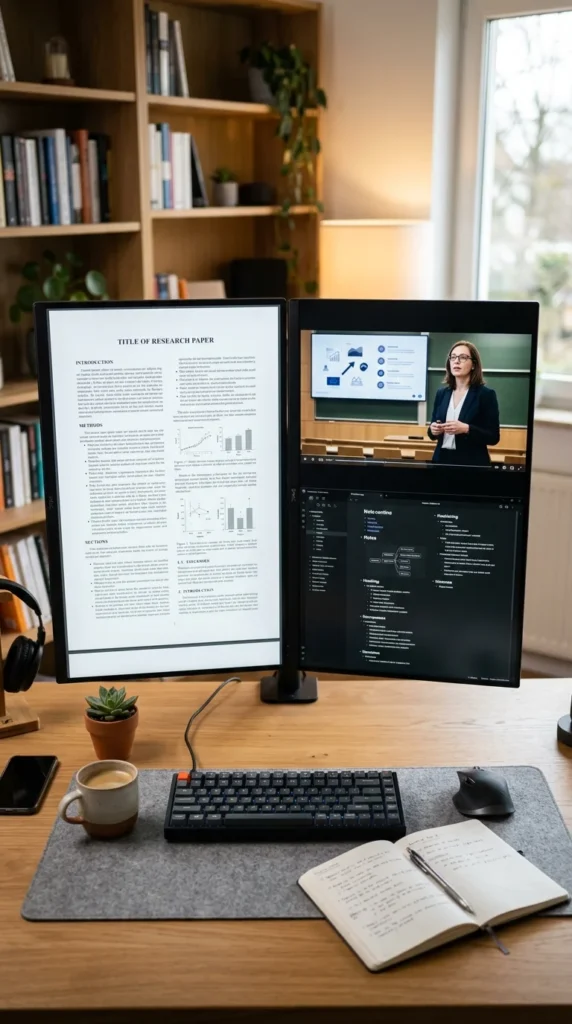
Efficiency skyrockets when you don’t have to constantly flip between tabs. A dual-monitor setup allows you to have your source material on one screen and your essay or notes on the other. For students in STEM or design fields, the extra screen real estate is almost a necessity for managing complex software and data sets.
19. Fold-Away Desk
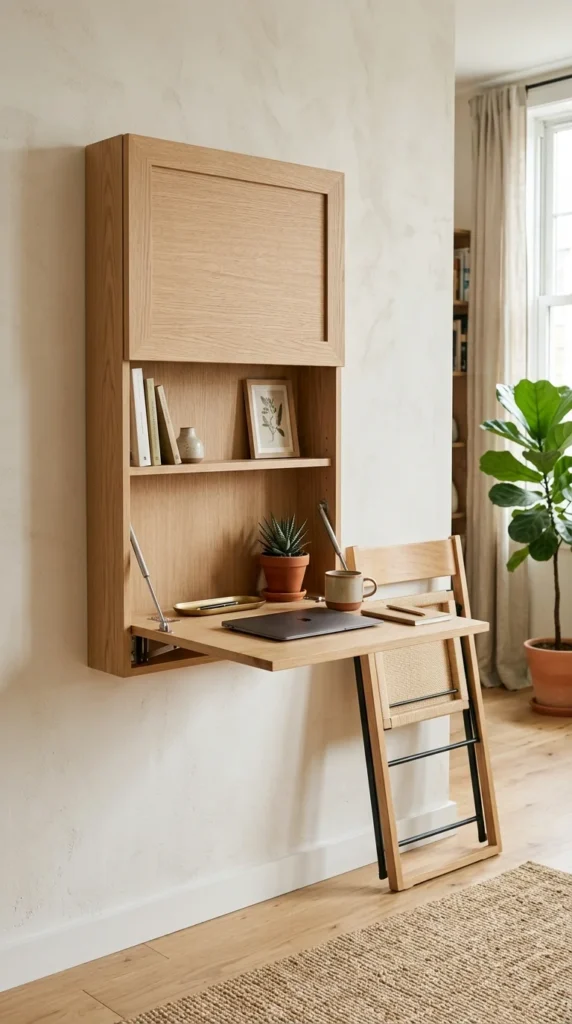
If you live in a truly tiny space, a fold-away desk (or “murphy desk”) is the perfect solution. It allows you to “close” your office at the end of the day, both physically and mentally. This is a great way to reclaim your living space and ensure that your bedroom doesn’t feel like a 24/7 library.
20. Aromatherapy Diffuser
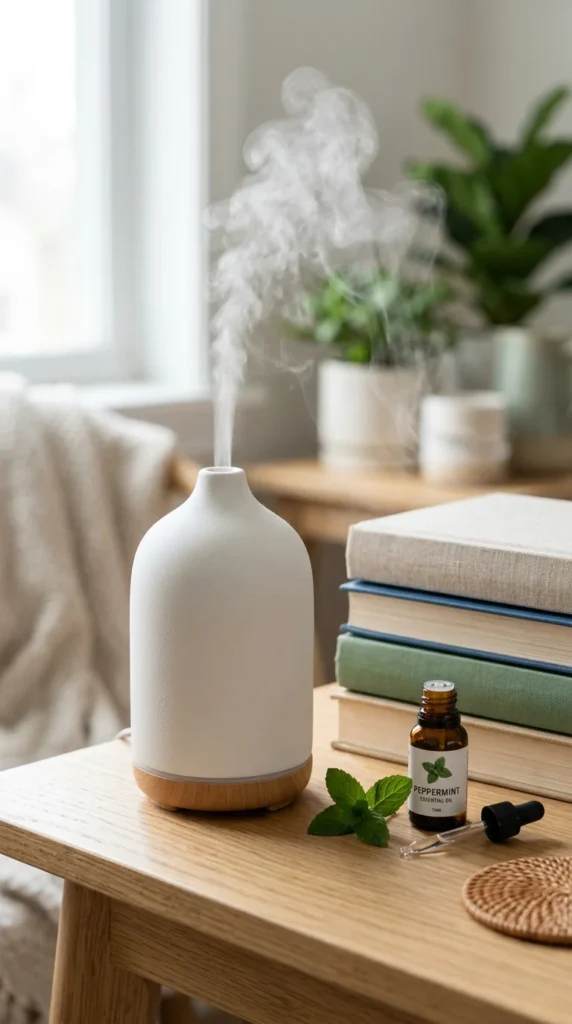
The power of scent shouldn’t be underestimated. Using an aromatherapy diffuser with peppermint or rosemary oils can enhance alertness and memory retention. Alternatively, lavender can help reduce the anxiety associated with test prep. It adds a sensory layer to your environment that can trigger your brain to enter “study mode” as soon as you catch the scent.
21. Textured Rug
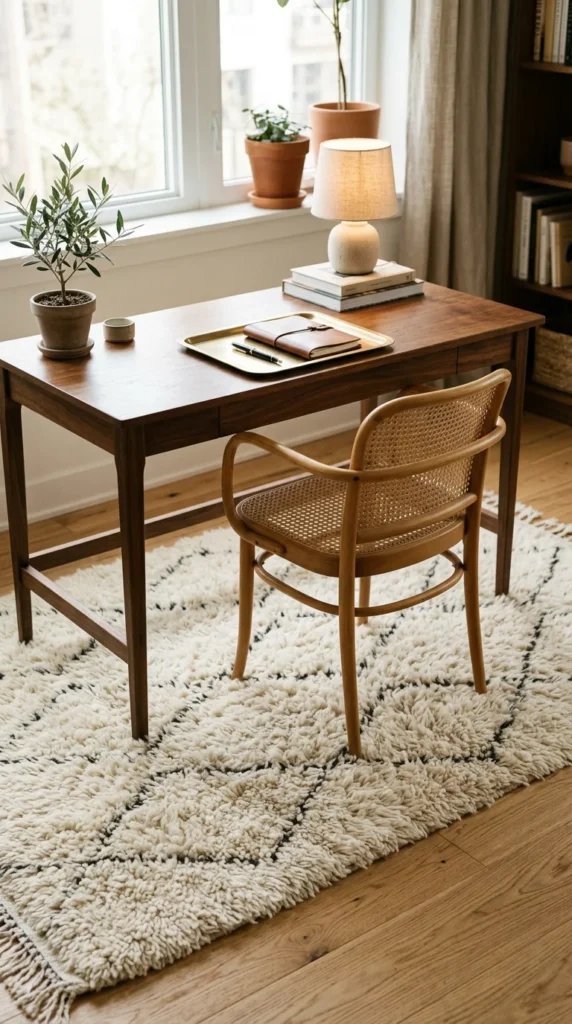
A rug does more than just decorate; it defines the space. In an open-plan room, a textured rug creates a “zone” for your office. It also provides comfort for your feet and helps with sound dampening, making the entire workspace feel more substantial and grounded.
22. Hidden Storage
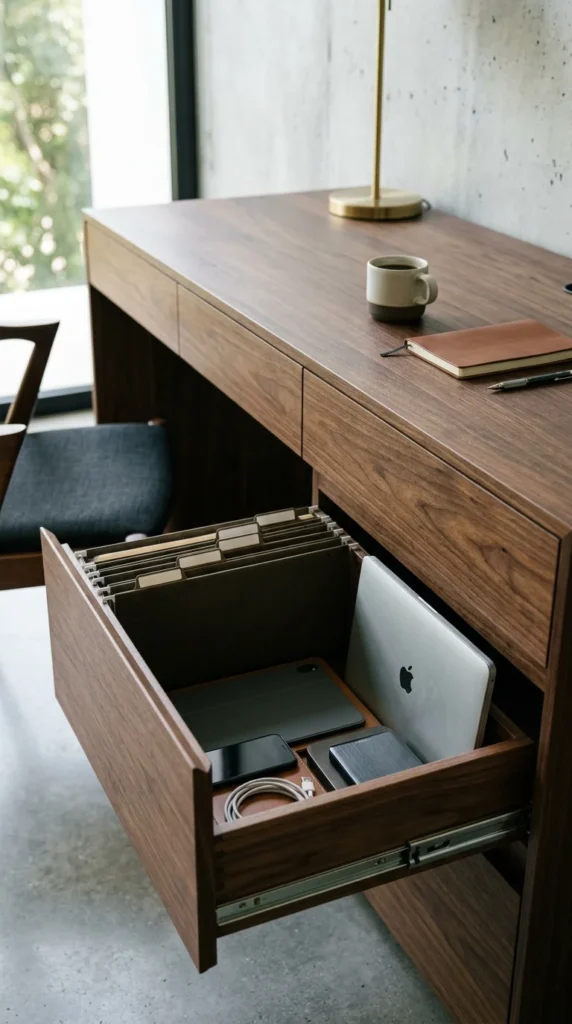
Visual clutter is a major distraction. Desks with hidden storage or “secret” compartments allow you to hide away the items you don’t need every day—like extra paper, old notebooks, or chargers. Keeping the surface “naked” ensures that when you sit down to work, your eyes have nowhere to wander but your task.
23. Personal Touches

Finally, don’t forget to make the space yours. While productivity is the goal, a sterile environment can feel uninviting. Adding a few personal touches—a favorite mug, a photo of loved ones, or a small collectible—makes the office a place you actually want to spend time in. When you feel comfortable and “at home” in your workspace, your capacity for learning and creativity flourishes.