
In an era defined by constant notifications, overflowing inboxes, and the blurring lines between home and work life, the concept of “less is more” has never been more relevant. A minimalist office isn’t just about aesthetics; it is a psychological tool designed to reduce cognitive load and enhance deep work. When your environment is stripped of unnecessary distractions, your mind is free to roam within the confines of the task at hand.
Creating a modern minimalist workspace requires a delicate balance between functionality and emptiness. It’s about choosing pieces that serve a purpose while maintaining a sense of airiness and calm. Here are 23 modern minimalist office ideas to help you reclaim your focus and elevate your productivity.
1. Floating Desks
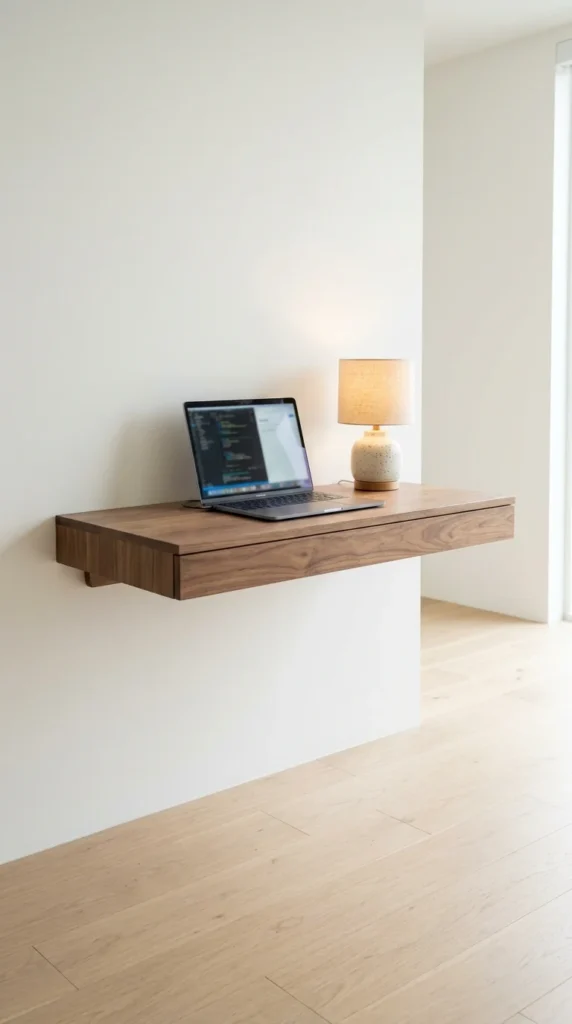
Floating desks are the epitome of minimalist design. By removing the legs, you eliminate visual weight and create an uninterrupted flow of floor space. This makes even the smallest room feel expansive. It encourages you to keep only the essentials on the surface, as there are no drawers to hide clutter, forcing a disciplined approach to organization.
2. Monochromatic Palettes
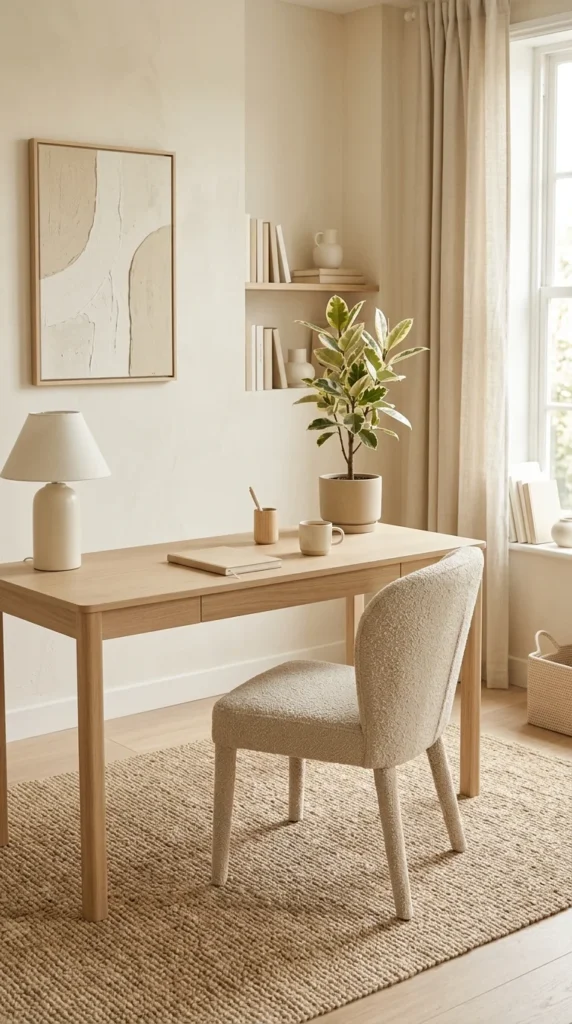
A monochromatic color scheme—whether it’s varying shades of white, grey, or warm beige—minimizes visual noise. When the walls, furniture, and floor exist within the same color family, the boundaries of the room seem to disappear. This lack of contrast allows your eyes to rest, preventing the “visual fatigue” that comes from high-contrast or brightly colored environments.
3. Hidden Cables
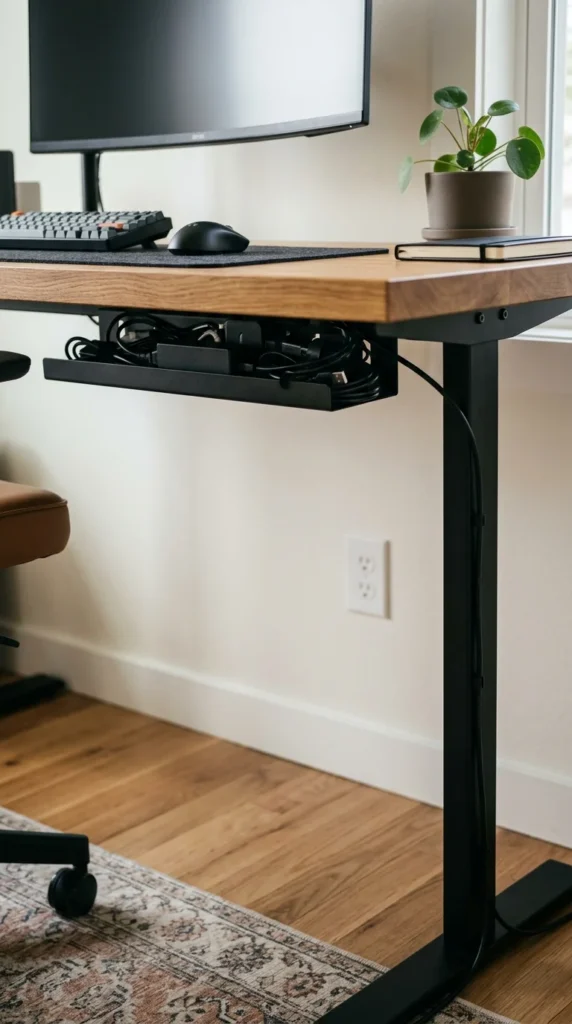
Nothing ruins a minimalist aesthetic faster than a web of tangled black cords. Modern minimalist offices prioritize cable management systems. Using under-desk trays, wireless charging pads, and cord organizers ensures that the focus remains on your work, not the mess of electronics powering it.
4. Ergonomic Seating
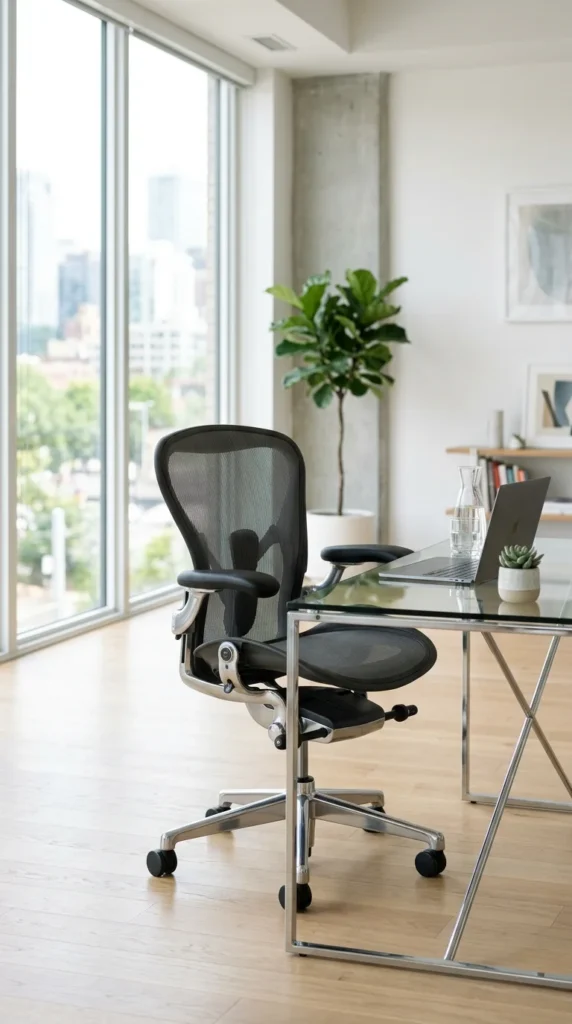
Minimalism doesn’t mean sacrificing comfort. A slim, ergonomic chair provides the necessary support for long hours of focus without the bulky silhouette of traditional executive chairs. Look for designs with breathable mesh or high-quality leather in neutral tones that complement the room’s architecture.
5. Natural Light
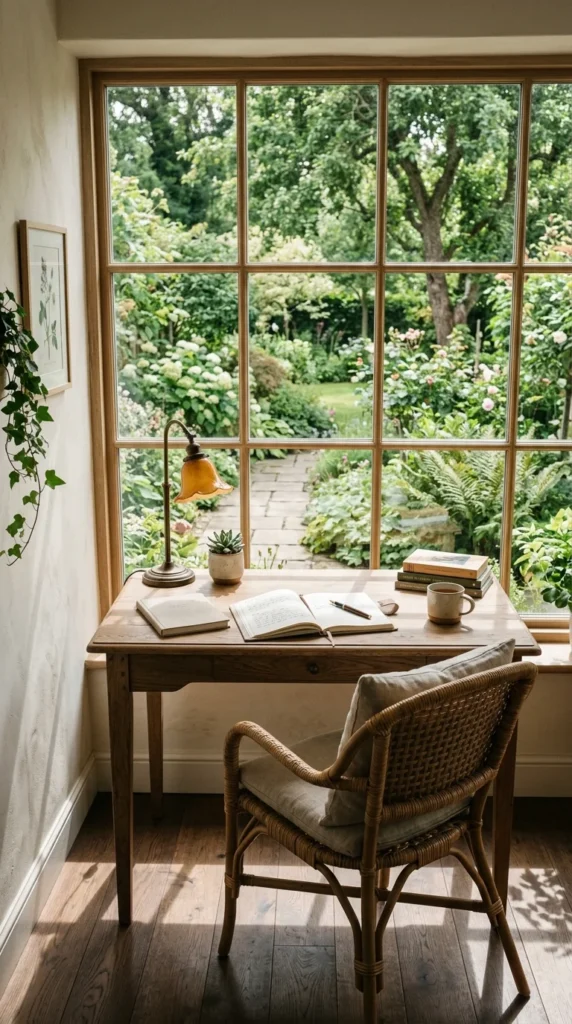
The most effective “accessory” in a minimalist office is natural light. Positioning your desk near a window provides a connection to the outside world, which can boost mood and vitamin D levels. To keep the look clean, use sheer linen curtains or motorized roller shades that disappear when not in use.
6. Indoor Greenery
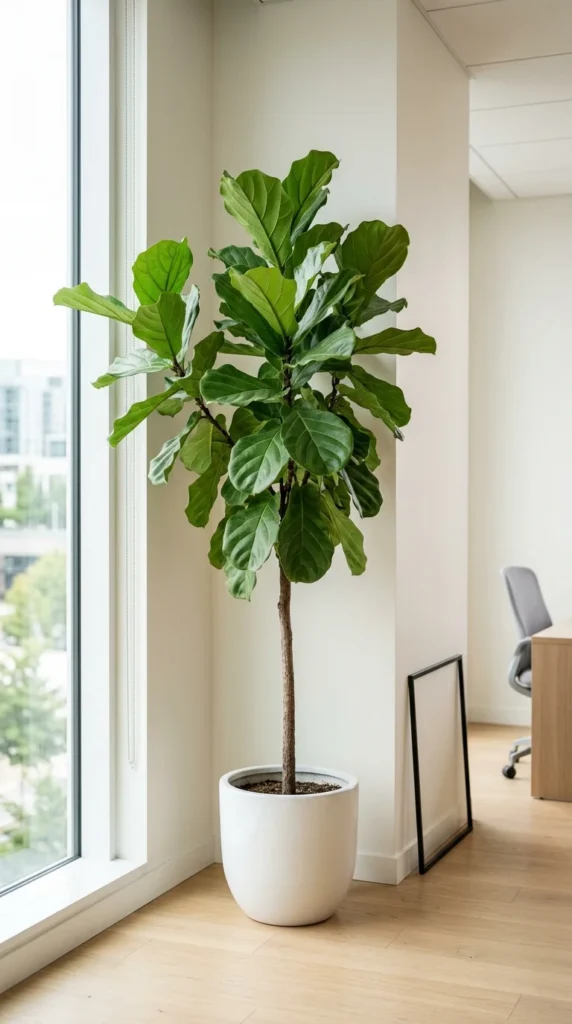
While minimalism avoids clutter, it shouldn’t feel sterile. A single, well-placed plant introduces an organic element that softens sharp lines. Plants like snake plants, monstera, or a simple olive tree add a splash of life and help purify the air, promoting a healthier work environment.
7. Open Shelving
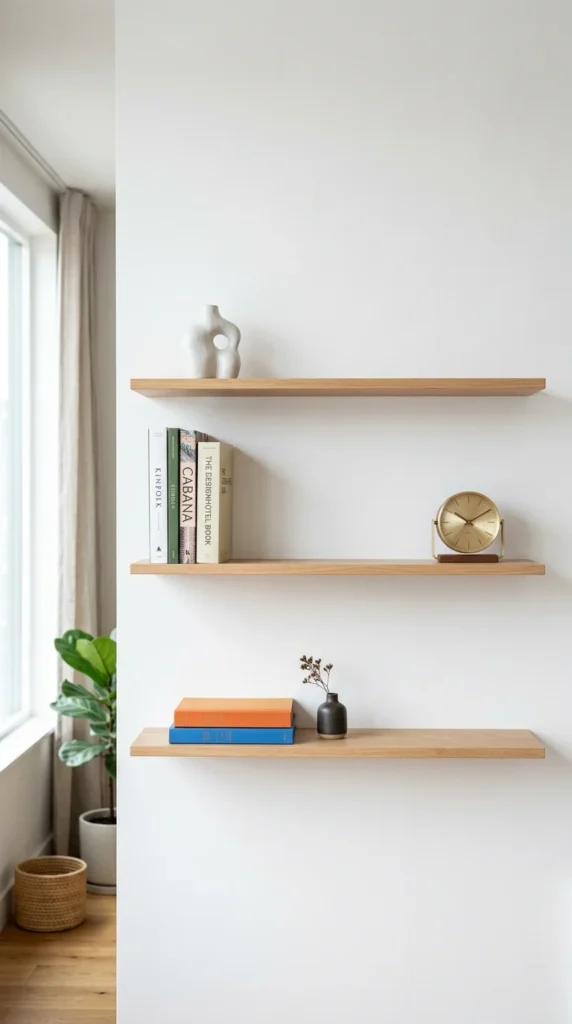
If you need storage, opt for open shelving instead of heavy cabinets. The key to making this work in a minimalist setting is “negative space.” Don’t pack the shelves full; instead, treat them as a gallery where only your most inspiring or necessary items are displayed.
8. Acrylic Furniture
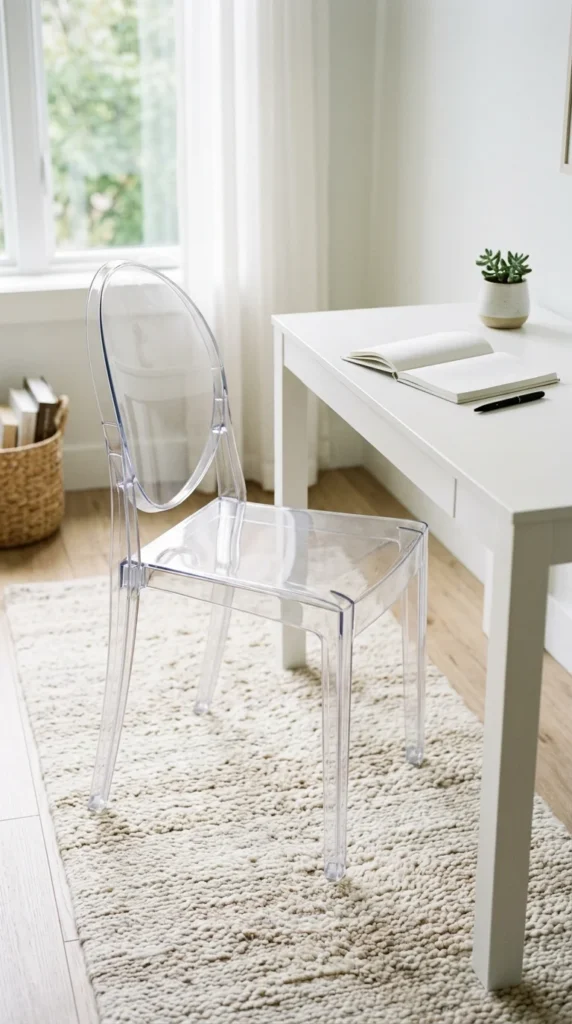
Acrylic or “ghost” furniture is a brilliant trick for minimalist offices. Because these pieces are transparent, they take up zero visual space. They provide the functionality of a chair or side table without contributing to a cramped feeling, making them perfect for compact urban home offices.
9. Wireless Tech
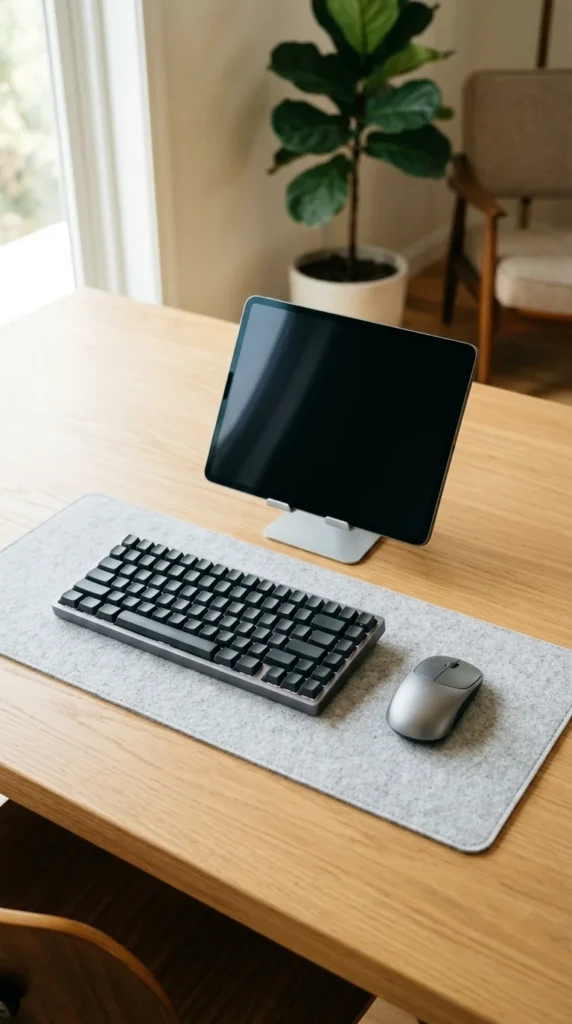
The ultimate goal of a modern desk is to be as wire-free as possible. Invest in high-quality Bluetooth peripherals. A wireless keyboard and mouse set removes the physical tethers to your computer, allowing you to move your equipment around freely and maintain a pristine surface.
10. Concrete Accents
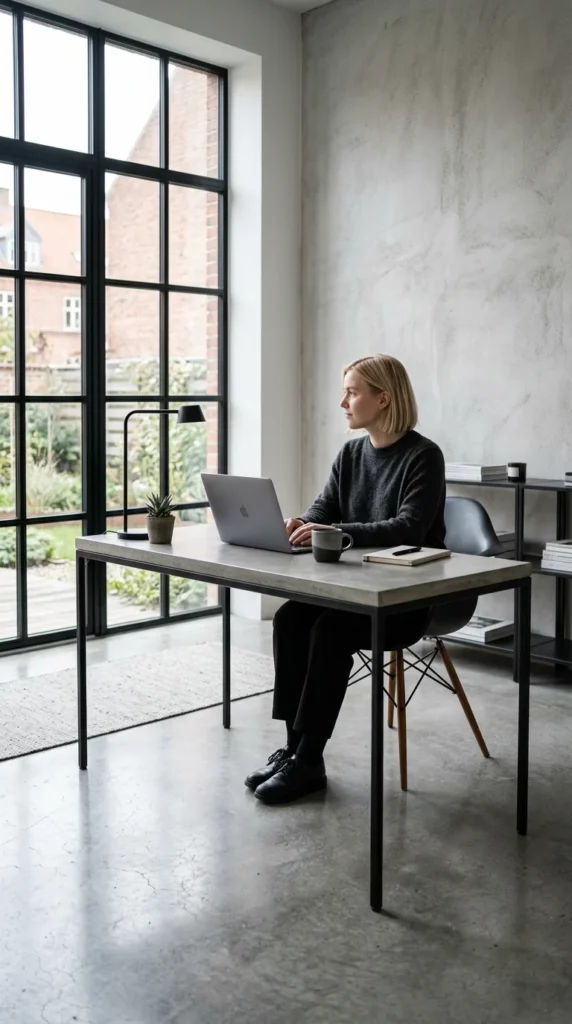
For those who prefer an “urban minimalist” vibe, concrete provides a raw, textured backdrop that feels grounded and professional. A concrete desk or floor offers a neutral grey tone that pairs beautifully with wood or metal accents, creating a space that feels sturdy and permanent.
11. Under-Desk Storage
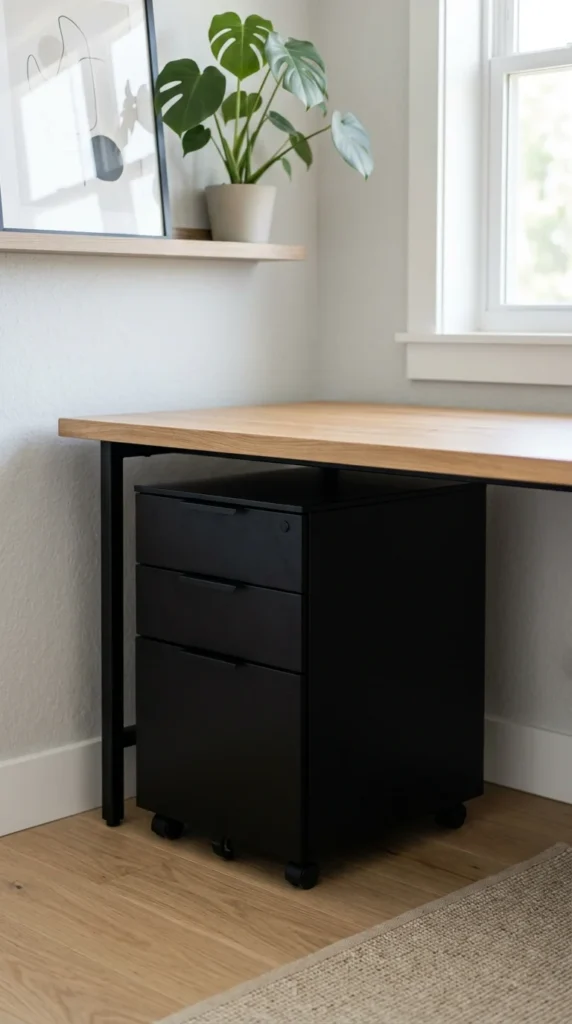
To keep your desktop clear, move your storage downward. A low-profile pedestal or a set of drawers that fits under the desk allows you to keep documents and office supplies within reach but out of sight. This keeps the “horizon line” of your workspace clean and unobstructed.
12. Soft Textures
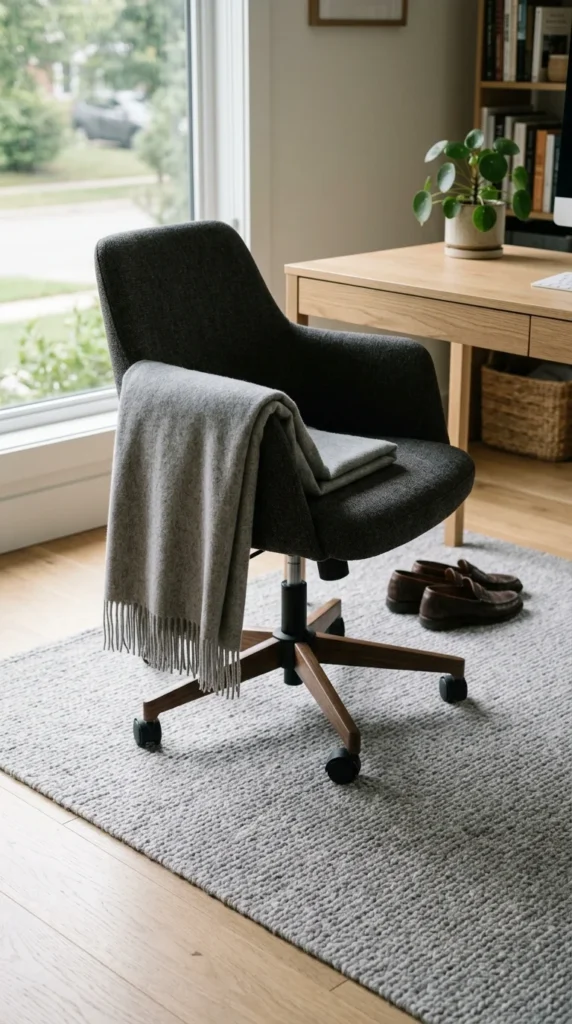
Minimalism can sometimes feel cold. To counteract this, introduce soft textures through rugs, curtains, or a simple throw blanket. These elements absorb sound—reducing echoes during video calls—and add a layer of “hygge” or coziness that makes the office a place you actually want to spend time in.
13. Large Format Art
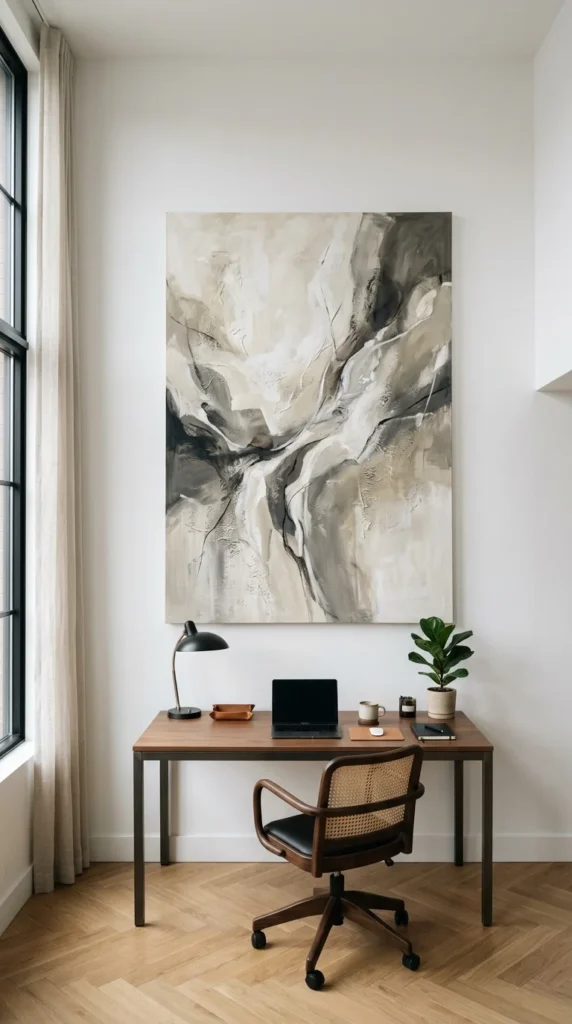
Instead of a gallery wall with dozens of small frames, choose one large piece of art. A singular, oversized canvas creates a focal point and gives the room a sophisticated, curated feel. It provides a “resting place” for your eyes when you look away from your screen.
14. Wooden Elements
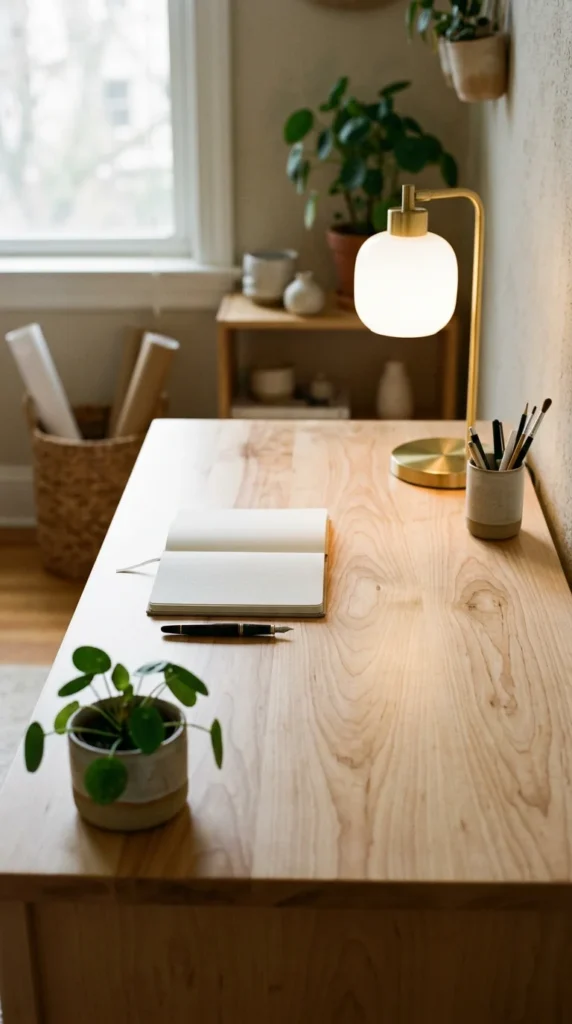
Incorporating natural wood brings warmth and a sense of “Japandi” (Japanese-Scandinavian) style to a minimalist office. Light woods like ash, birch, or oak keep the room feeling bright, while the natural grain provides a subtle visual interest that doesn’t feel cluttered.
15. Task Lighting
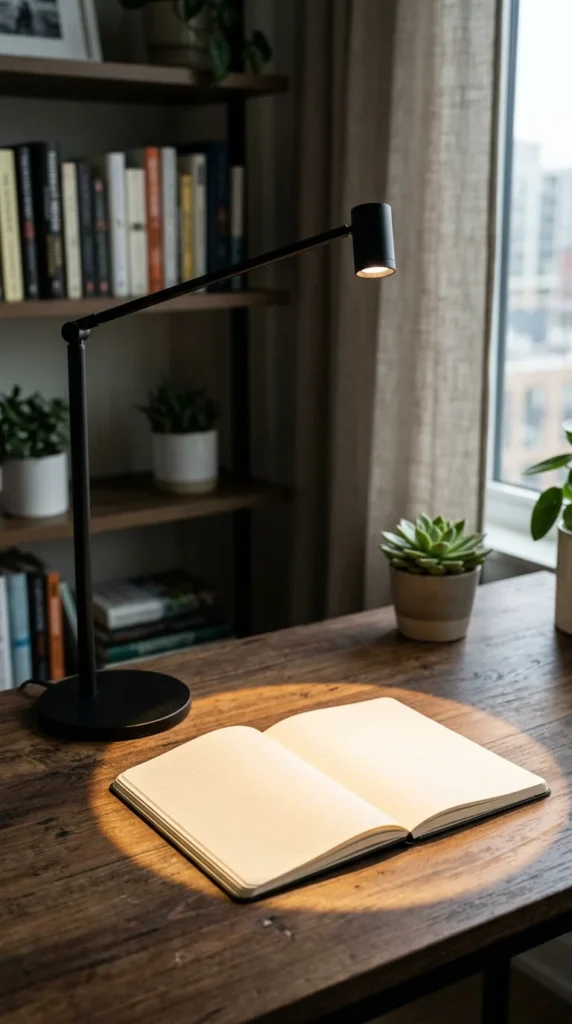
In a minimalist office, lighting should be both functional and sculptural. A slim LED task lamp provides focused light for reading or writing without taking up much space. Look for designs with adjustable brightness and color temperatures to match the time of day.
16. Glass Partitions
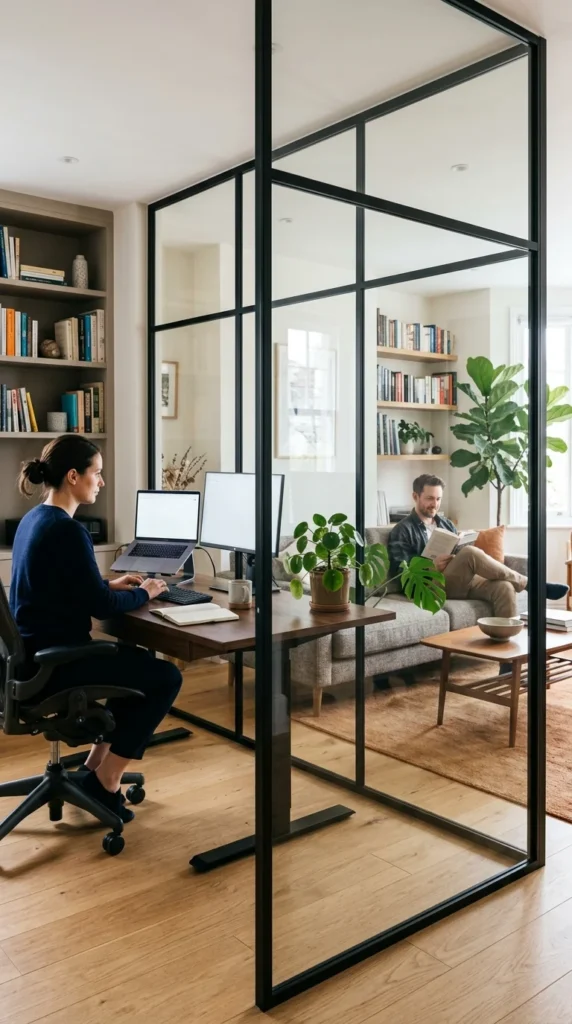
If your office is part of a larger room, use glass partitions to define the space. This provides a physical and acoustic barrier while maintaining a visual connection to the rest of the home. It keeps the “open plan” feeling while signaling to your brain that you are in a dedicated work zone.
17. Built-in Nooks
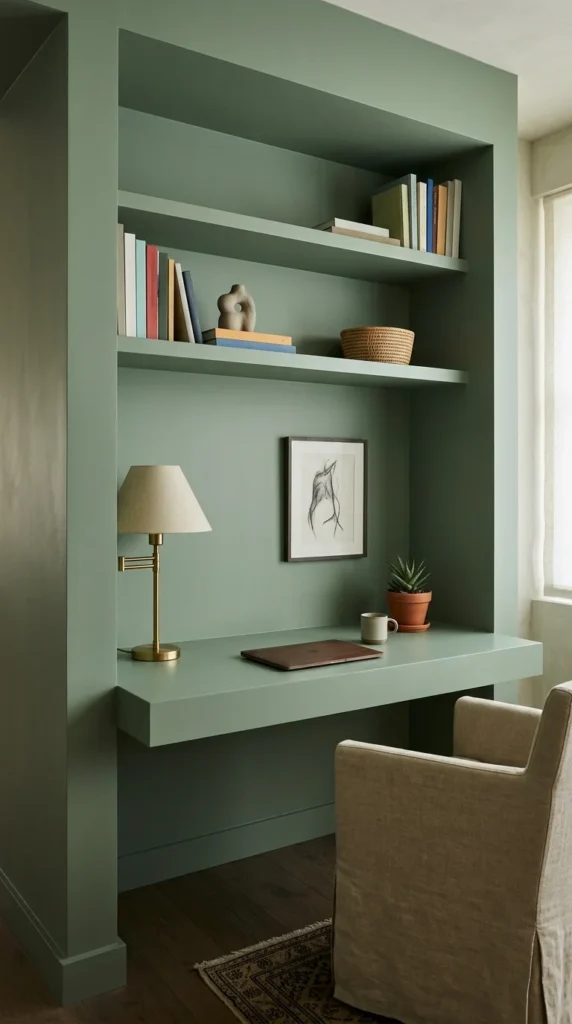
Utilizing architectural alcoves or nooks for your desk is a great way to save space. Built-in desks feel more permanent and organized than freestanding ones. By painting the desk and the nook the same color as the surrounding walls, the entire workspace “disappears” when not in use.
18. Soundproofing
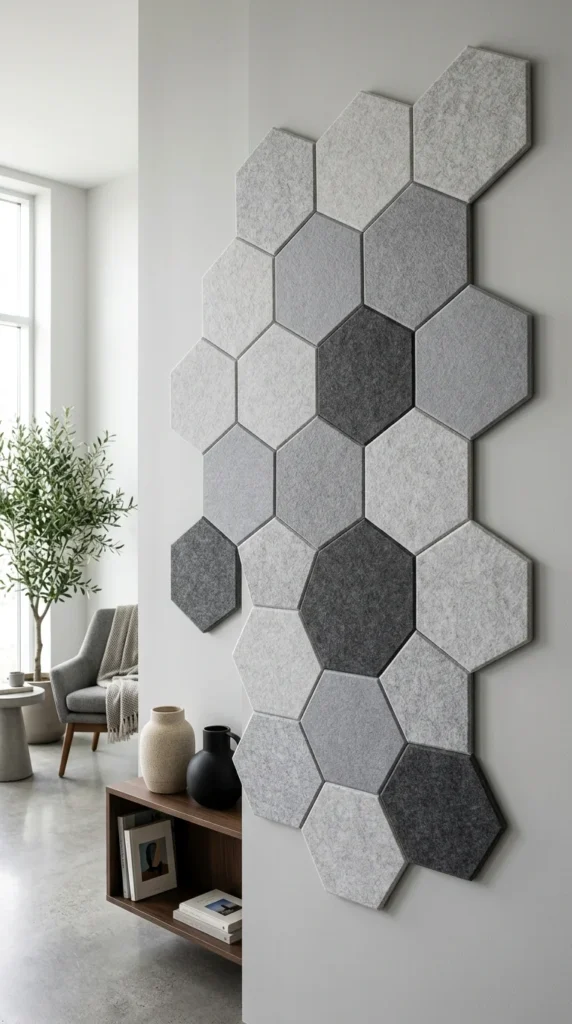
Auditory minimalism is just as important as visual minimalism. To maintain focus, use acoustic panels to dampen echoes. Modern panels come in beautiful geometric shapes and neutral colors, serving as both a functional tool and a subtle wall decoration.
19. Digital Filing

The best way to achieve a minimalist office is to eliminate paper. Move your filing system to the cloud and use a digital tablet for note-taking. Without the need for bulky filing cabinets and paper trays, your physical environment remains light and unburdened.
20. Symmetrical Layouts
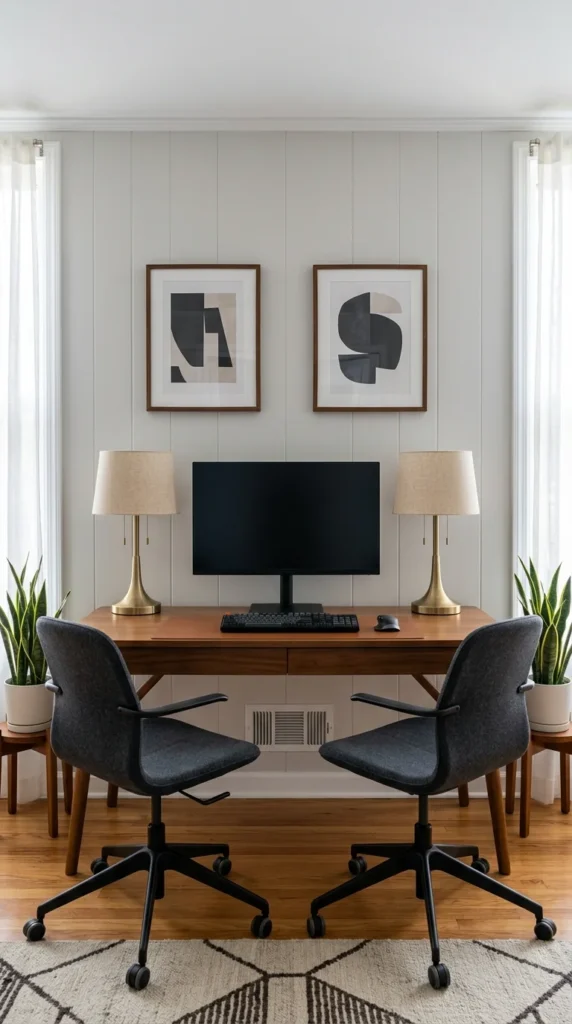
Symmetry is naturally pleasing to the human eye and creates a sense of order and balance. By arranging your furniture and accessories in a symmetrical layout, you create a structured environment that feels stable and calm, which is ideal for high-pressure work.
21. Adjustable Desks
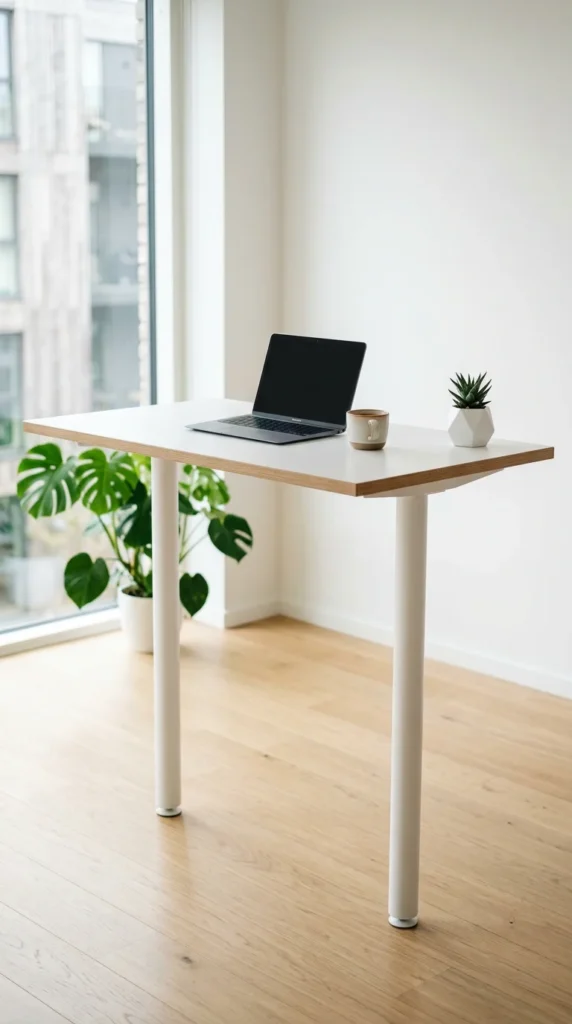
A modern minimalist office should support movement. An adjustable sit-stand desk with a hidden motor allows you to change your posture throughout the day. Look for models with integrated controls and “clean” designs that don’t reveal the mechanical components.
22. Matte Finishes
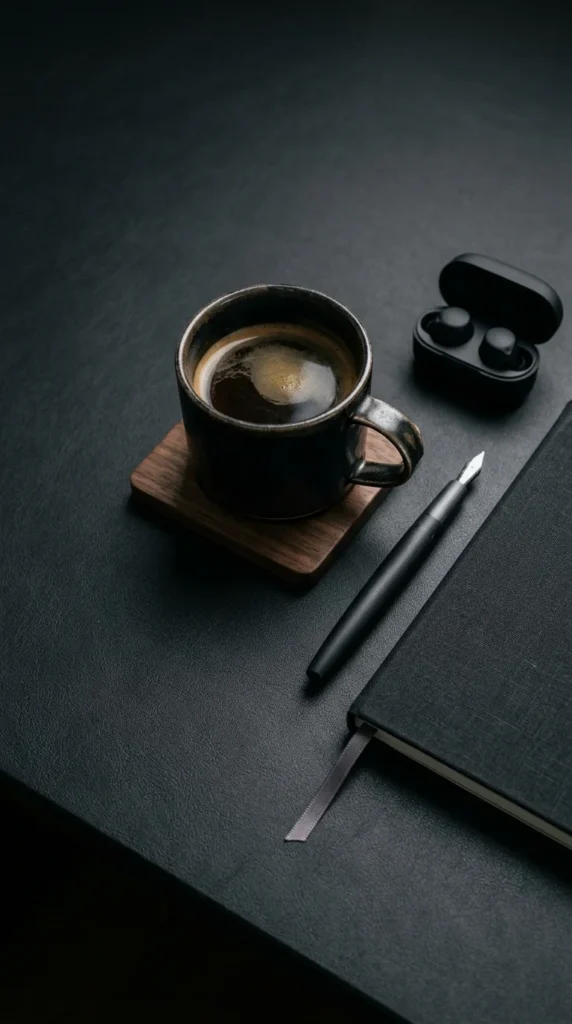
Glossy surfaces can create distracting glares from windows or lamps. Matte finishes on desks and hardware absorb light rather than reflecting it, creating a more “grounded” and less distracting environment. Matte black or soft-touch white surfaces also hide fingerprints better than shiny ones.
23. Negative Space
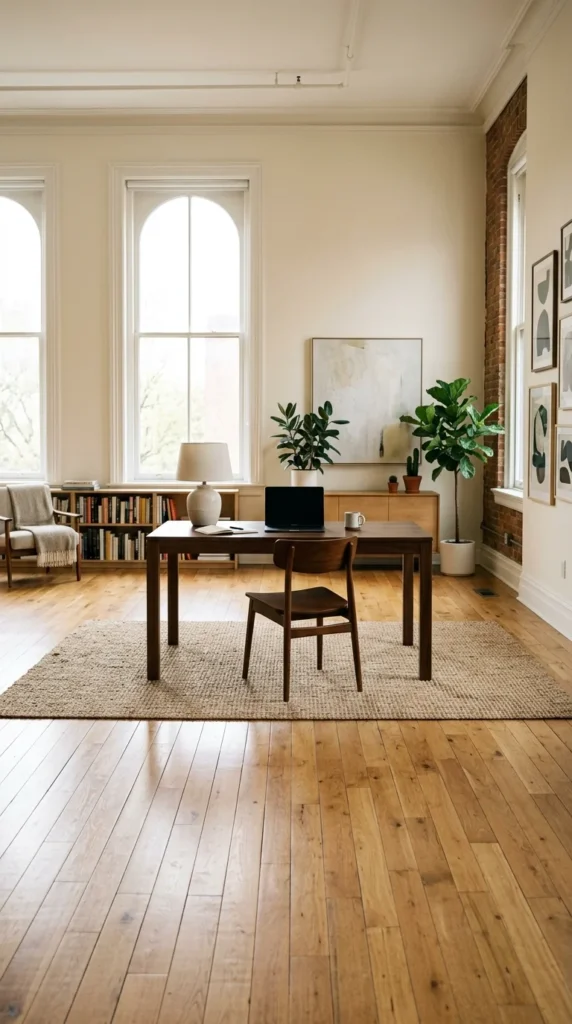
The most important idea in minimalist design is the “art of nothing.” Don’t feel the need to fill every corner of your office. Leaving large areas of the floor or walls empty creates a psychological sense of freedom. It allows your mind to breathe and prevents the feeling of being “boxed in” by your possessions.