
Creating a professional, high-end workspace doesn’t require a corner office in a skyscraper or a five-figure renovation budget. In the era of remote work, the “luxury” aesthetic is more about intentionality, curation, and smart styling than it is about the price tag of your furniture. Whether you are working from a dedicated room or a small nook in your apartment, these 28 budget-friendly ideas will help you elevate your environment to look like a million dollars.
1. Monochromatic Palette
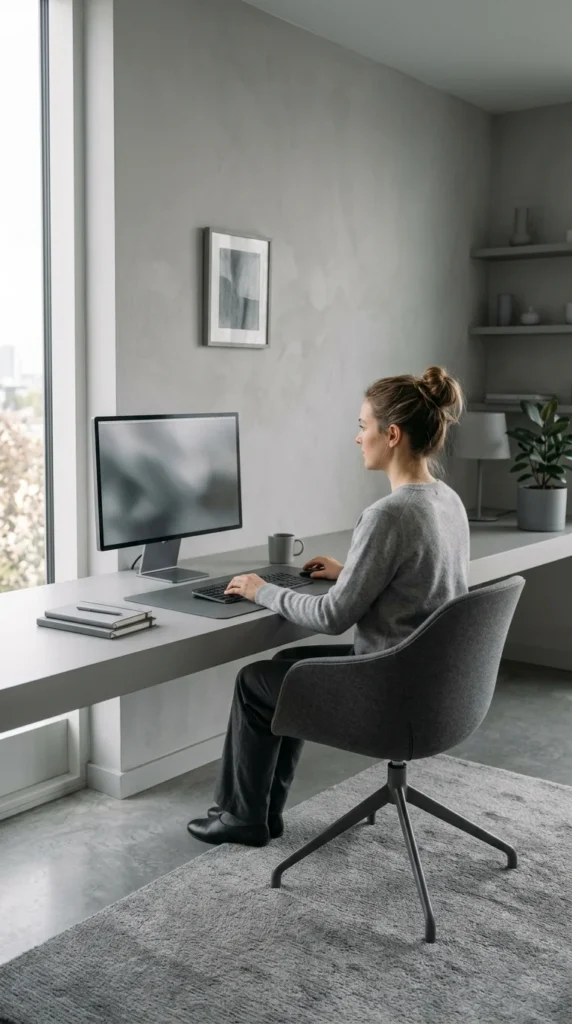
One of the easiest ways to make a space look expensive is to stick to a tight, monochromatic color scheme. When your walls, desk, and even your storage bins share the same hue—be it a moody charcoal, a crisp white, or a calming beige—the space feels architecturally designed rather than pieced together. This visual cohesion eliminates clutter and creates a sophisticated “gallery” feel that mimics high-end interior design.
2. Gold Hardware
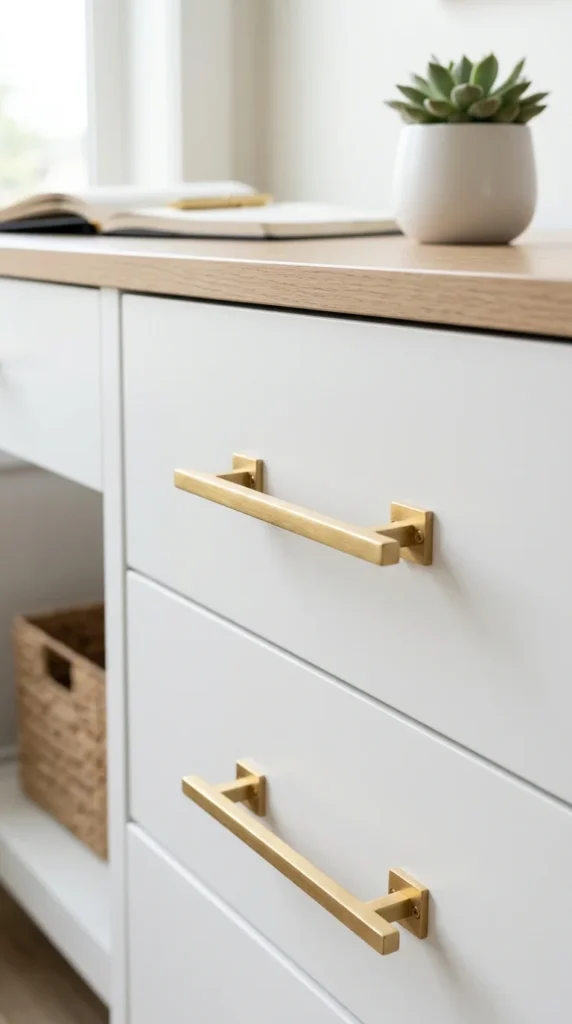
You don’t need to buy a new desk to change its vibe. Replacing standard plastic or silver knobs with brushed brass or gold hardware can instantly elevate a basic piece of furniture. This “jewelry for your furniture” adds a touch of warmth and luxury. Look for hardware at discount hardware stores or online marketplaces to find designer-style handles for just a few dollars each.
3. Statement Lighting
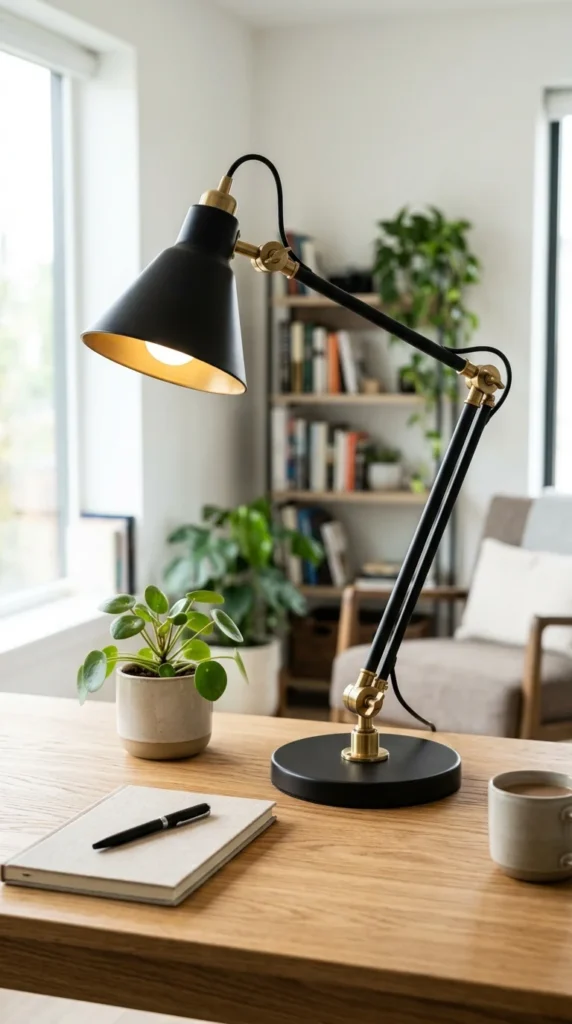
Standard overhead lighting is often harsh and clinical. To make your office look expensive, incorporate a statement desk lamp or a floor lamp with a unique silhouette. Aim for materials like marble bases, matte metals, or pleated shades. Proper “layering” of light—combining ambient, task, and accent lighting—creates depth and an upscale atmosphere that a single ceiling bulb simply cannot achieve.
4. Wall Molding
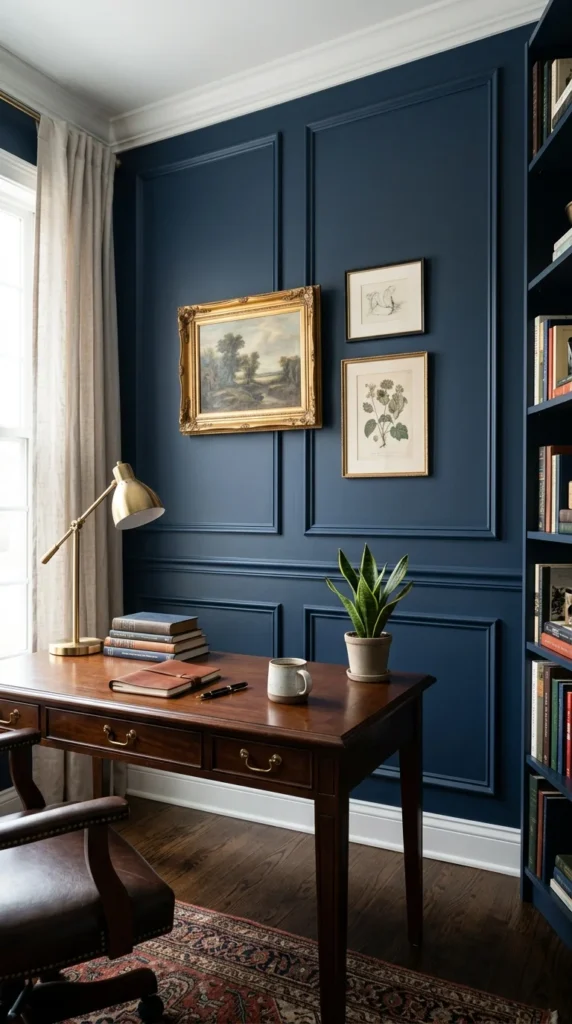
Nothing says “custom built” like wall molding. You can achieve this look on a budget using inexpensive pine molding or even peel-and-stick trim from a hardware store. Adding a simple box frame pattern (wainscoting) to your back wall creates a sense of history and permanence. Paint the molding the same color as the wall for a modern, textured look that looks like it cost thousands in carpentry.
5. Indoor Greenery
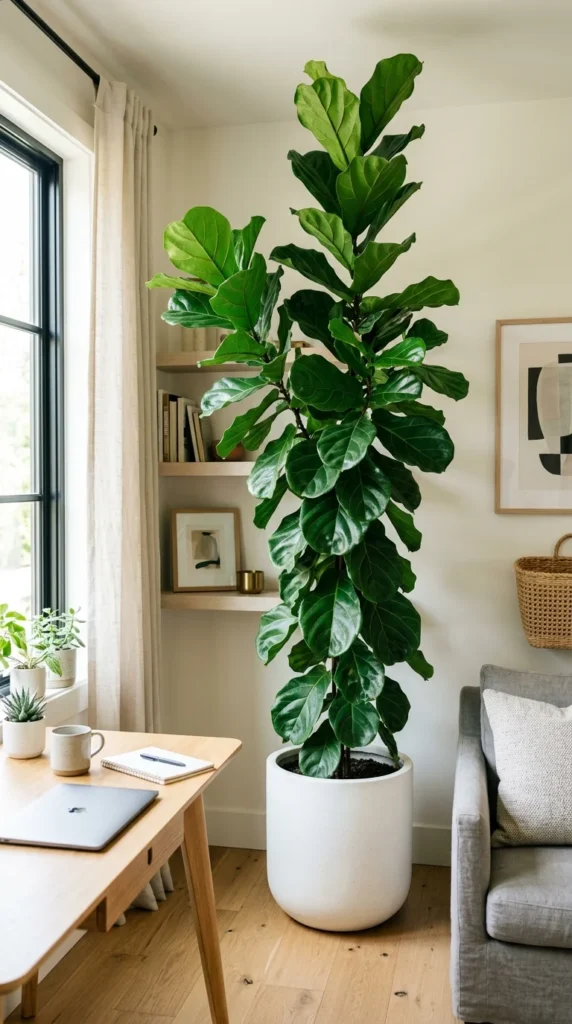
Plants are the ultimate budget-friendly luxury. A large, structural plant like a Fiddle Leaf Fig, a Monstera, or a tall Snake Plant adds life, color, and a sense of “freshness” to the room. If you lack a green thumb, high-quality silk plants can offer the same aesthetic benefit. The key is the container; choose a ceramic, stone, or woven pot to maintain the high-end feel.
6. Desk Blotter
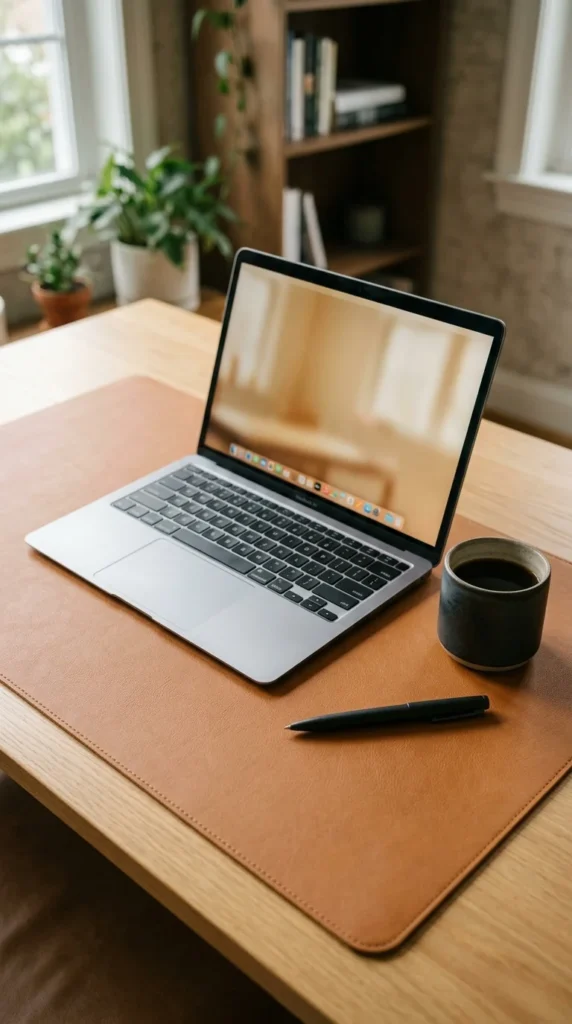
An expansive desk mat, or “blotter,” instantly organizes your workspace and protects your desk surface. Opting for a leather or high-quality felt material adds a layer of texture that feels incredibly premium under your hands. It defines your “work zone” and makes even a cheap laminate desk feel like a bespoke executive surface.
7. Cord Management
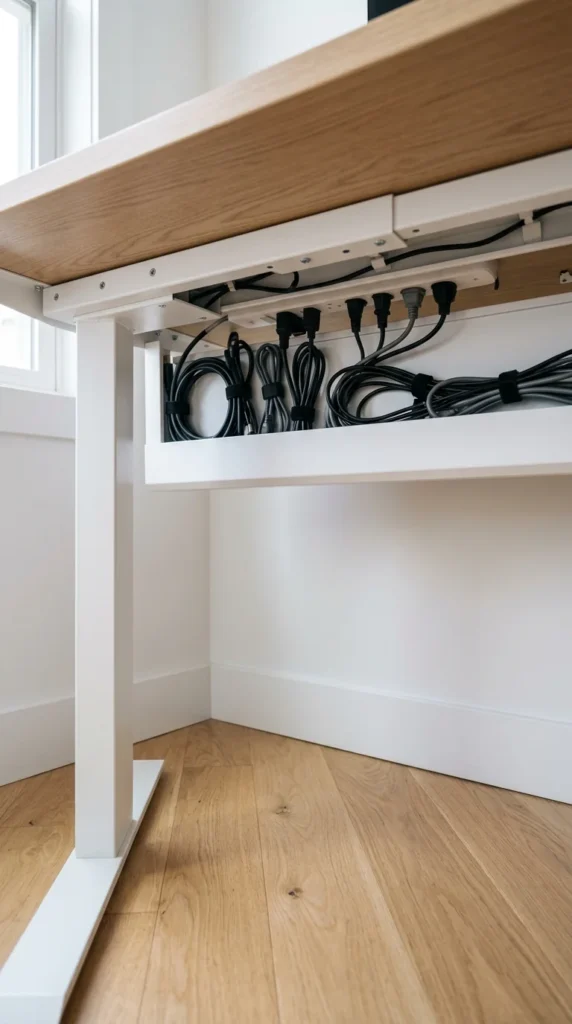
Visual clutter is the enemy of luxury. Visible, tangled wires are a dead giveaway of a DIY setup. Invest in a cheap cable management box or use adhesive clips to run cords along the legs of your desk. When the lines of your furniture are clean and unobstructed by “tech-spaghetti,” the entire room feels more polished and expensive.
8. Floating Shelves
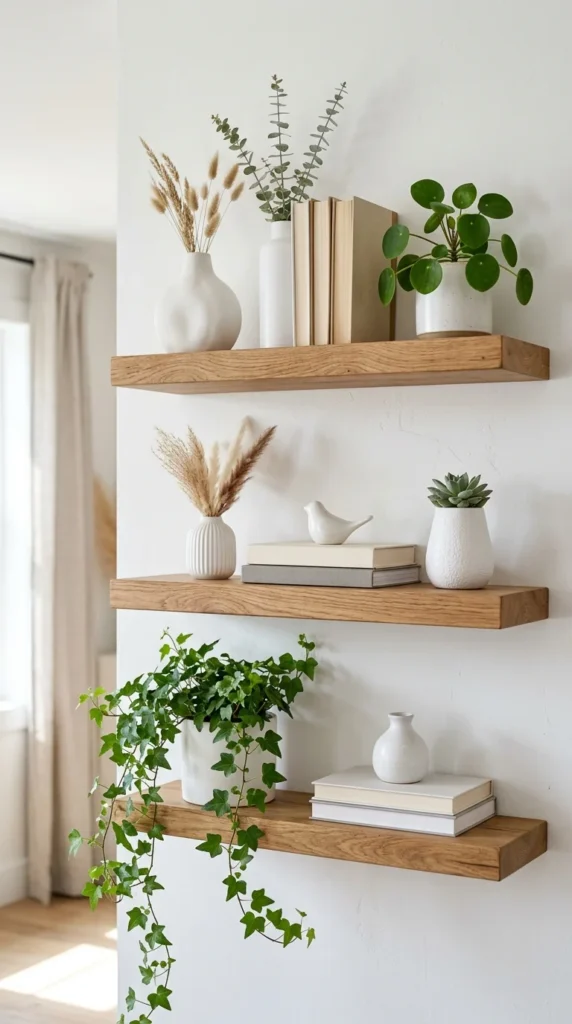
Trade bulky, cheap bookshelves for sleek floating shelves. By removing the “legs” and sides of the shelving, you make the room feel larger and more architectural. Thick, chunky shelves (often called “mantel style”) look more expensive than thin ones. Use them to display a few high-quality items rather than cramming them with every book you own.
9. Framed Art
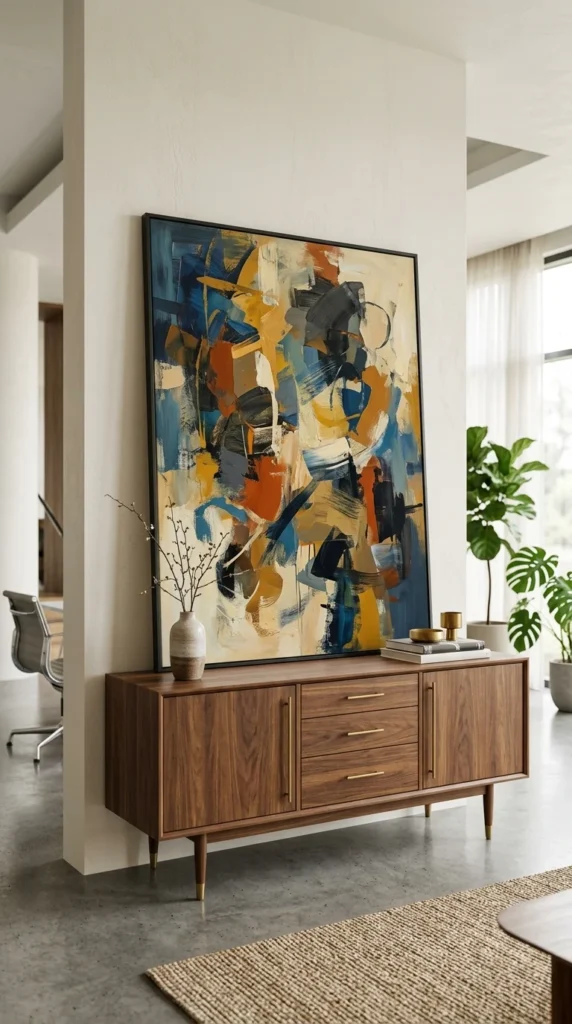
Large-scale art is a hallmark of luxury design. Instead of many small, cluttered frames, choose one or two large pieces. You can create your own abstract art using a large canvas and some leftover house paint, or frame a high-quality digital download. The secret is the framing; a large mat board inside the frame makes any print look like an expensive gallery acquisition.
10. Area Rug
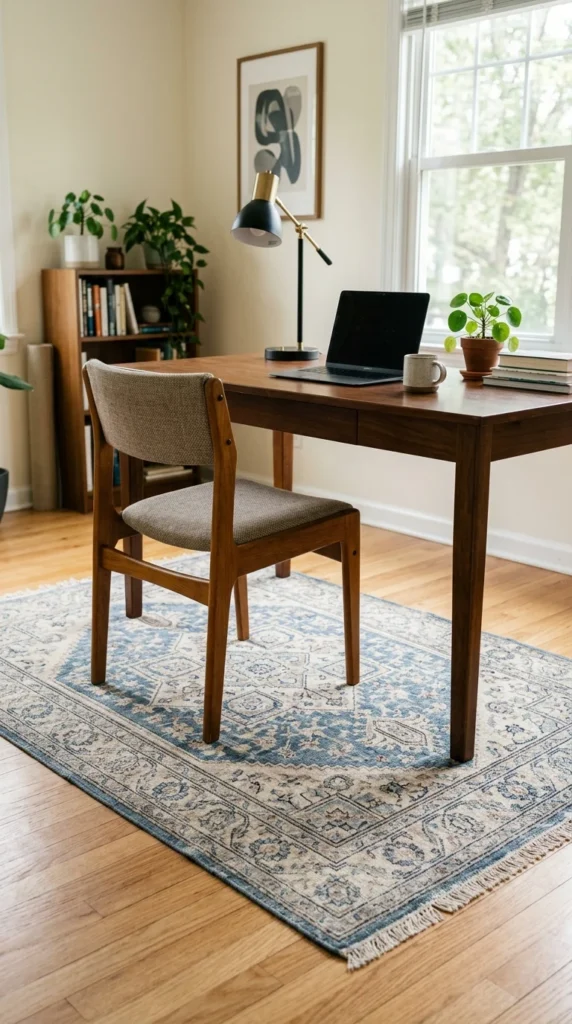
A rug defines the space and adds a layer of comfort. In a home office, a rug can hide ugly carpet or protect hardwood floors while adding a sophisticated pattern. For an expensive look, choose a rug that is large enough for all the legs of your desk and chair to sit on. Low-pile or “distressed” vintage-style rugs are currently very trendy and look far more expensive than they are.
11. Upcycled Furniture
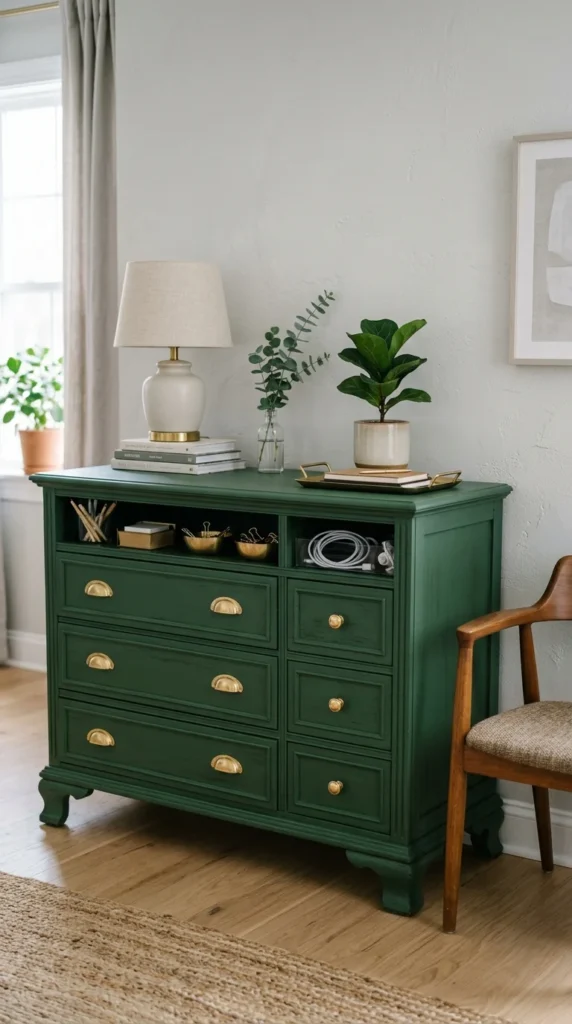
You don’t need to buy “office” furniture. Sometimes, a vintage sideboard or an old dining table makes for a more impressive desk or storage solution than something from a big-box office store. A fresh coat of paint in a sophisticated color (like emerald, navy, or matte black) and some new hardware can turn a thrift store find into a custom statement piece.
12. Texture Layering
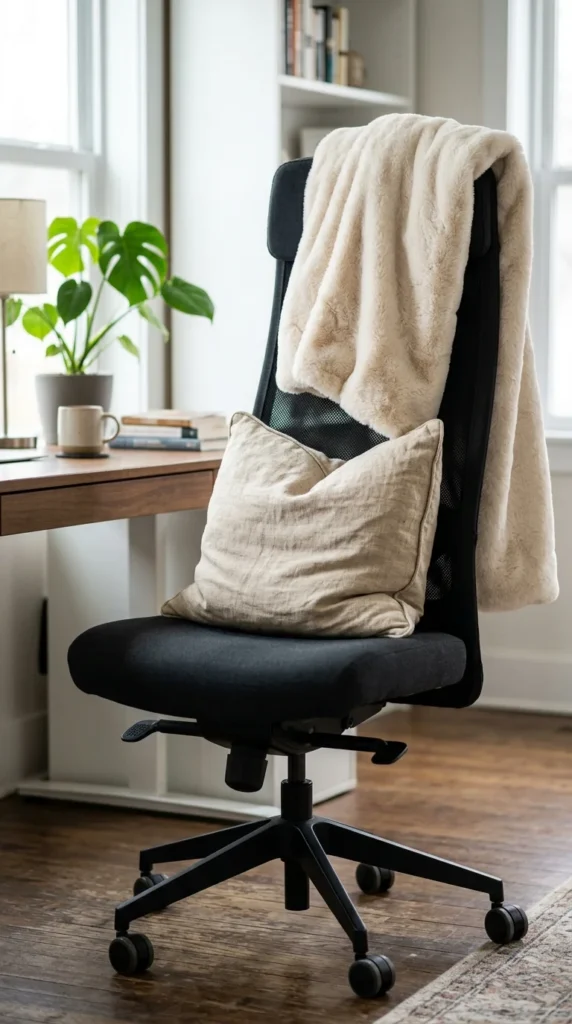
Luxury is a sensory experience. To make your office feel high-end, layer different textures. Combine the hard surface of a wooden desk with a soft sheepskin (or faux-fur) throw on your chair, a linen curtain, and a metal lamp. This variety of materials makes the room feel “designed” and cozy rather than sterile.
13. Mirrored Surfaces
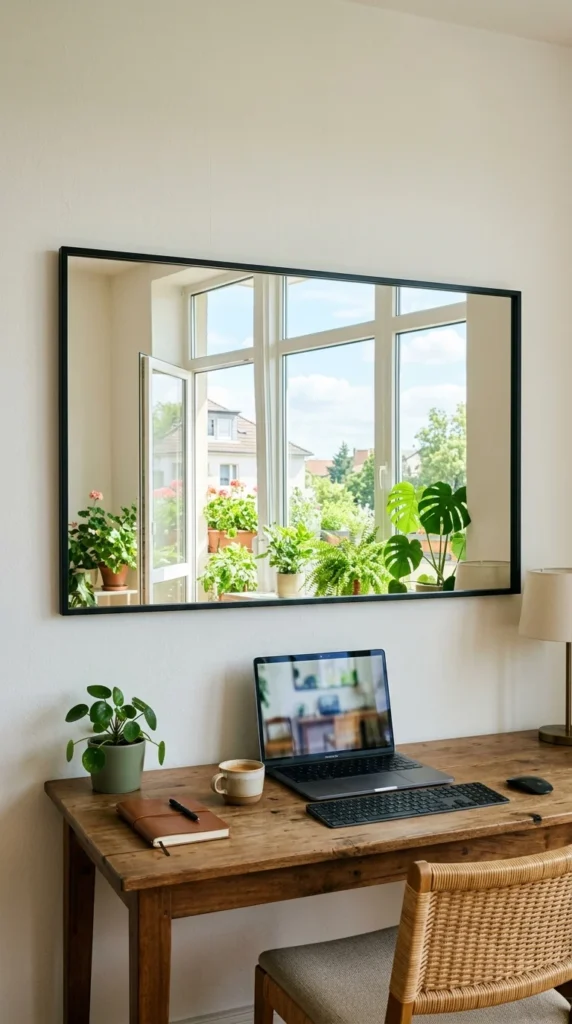
Mirrors are a classic designer trick to make a small space feel like a grand suite. Placing a mirror opposite a window bounces light around the room, making it feel bright and airy. A large, framed mirror leaning against a wall can also serve as a dramatic focal point, adding a sense of depth and luxury to the workspace.
14. Scent Branding
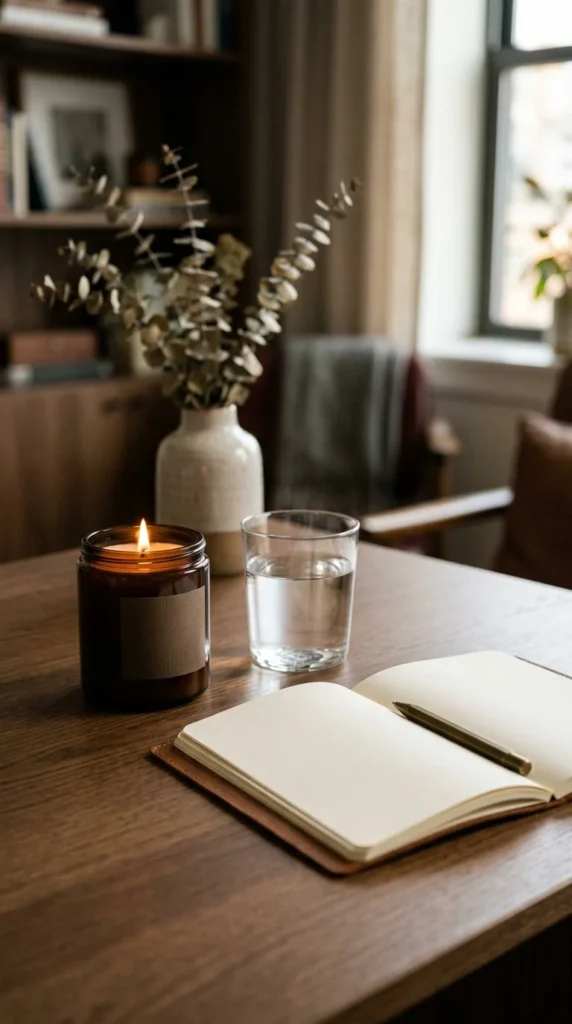
We often forget about the sense of smell when designing a room, but expensive spaces always smell great. A high-quality candle, a reed diffuser, or an essential oil nebulizer can change the “vibe” of your office instantly. Choose sophisticated scents like sandalwood, tobacco, bergamot, or vetiver to mimic the atmosphere of a high-end hotel or executive library.
15. Hidden Storage
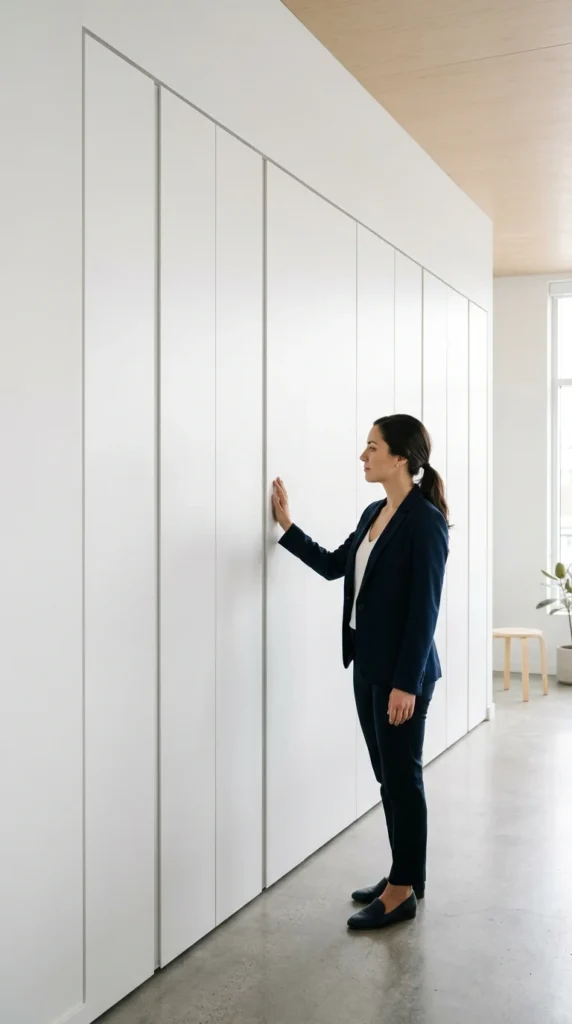
Clutter is the ultimate budget-killer. If you have stacks of paper and plastic bins visible, the room will never look expensive. Use closed storage solutions to hide the mess. If you have open shelves, use matching, high-quality baskets or decorative boxes to conceal the contents. The goal is to see only the items you want to see.
16. Curated Bookshelf
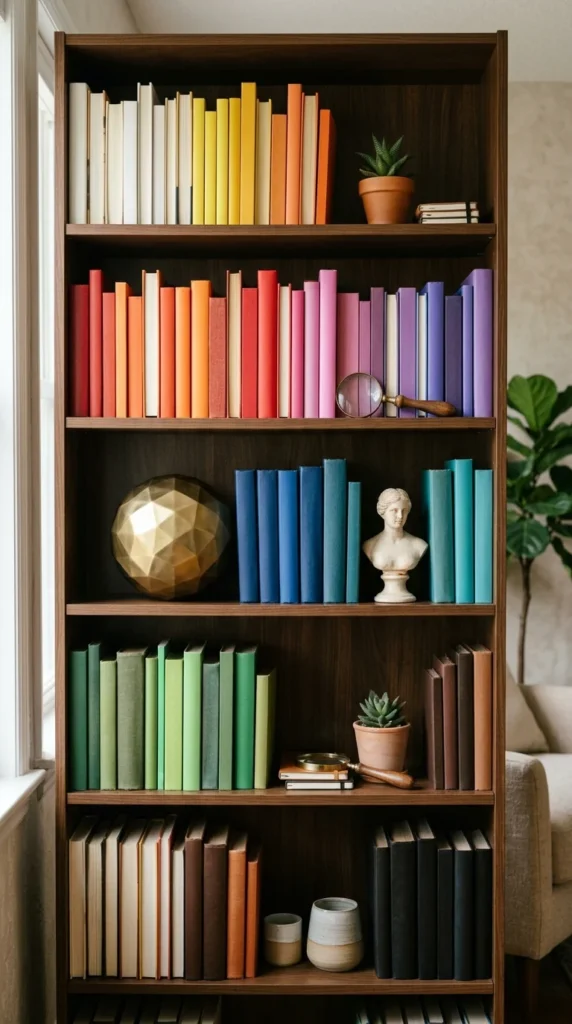
Don’t just shove books onto your shelves. Treat your bookshelf like a curated display. Mix vertical and horizontal stacks of books, and leave “white space” for decorative objects. Turn book spines inward for a neutral, “designer” look, or group them by color for a bold, artistic statement.
17. Ergonomic Chair
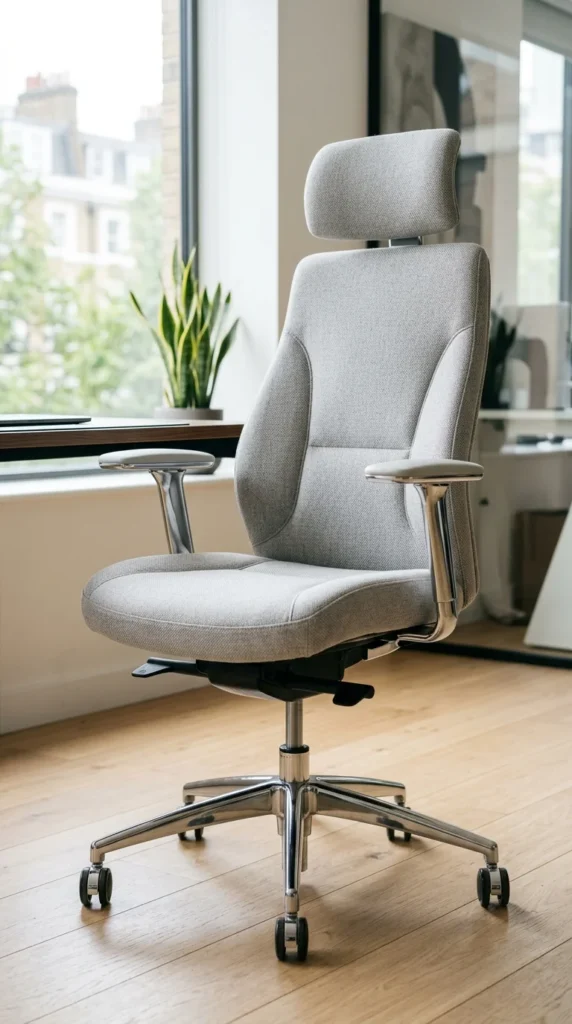
While you want to save money, your chair is the one place where “cheap” looks cheap. However, you don’t need a thousand-dollar chair. Look for “executive” style chairs with fabric or mesh upholstery rather than shiny, cheap-looking faux leather. A chair with a clean silhouette and a modern base will look far more expensive than a bulky “gaming” chair.
18. Natural Light
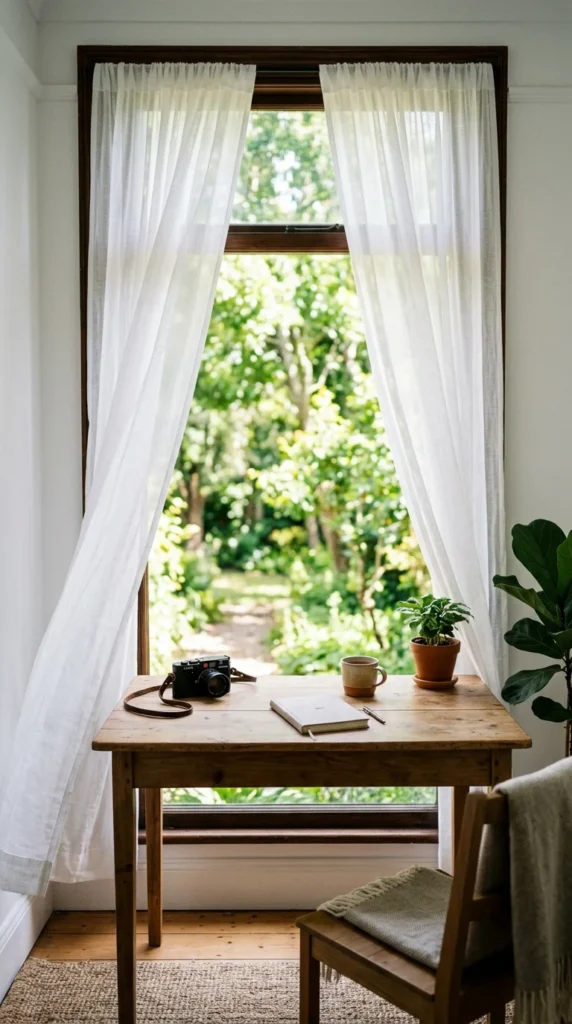
Natural light is the most luxurious feature a room can have. If possible, position your desk near or facing a window. To make the most of it, use sheer curtains that diffuse the light, giving the room a soft, glowing quality. This not only makes the space look better in photos and video calls but also boosts your mood and productivity.
19. Minimalist Tech
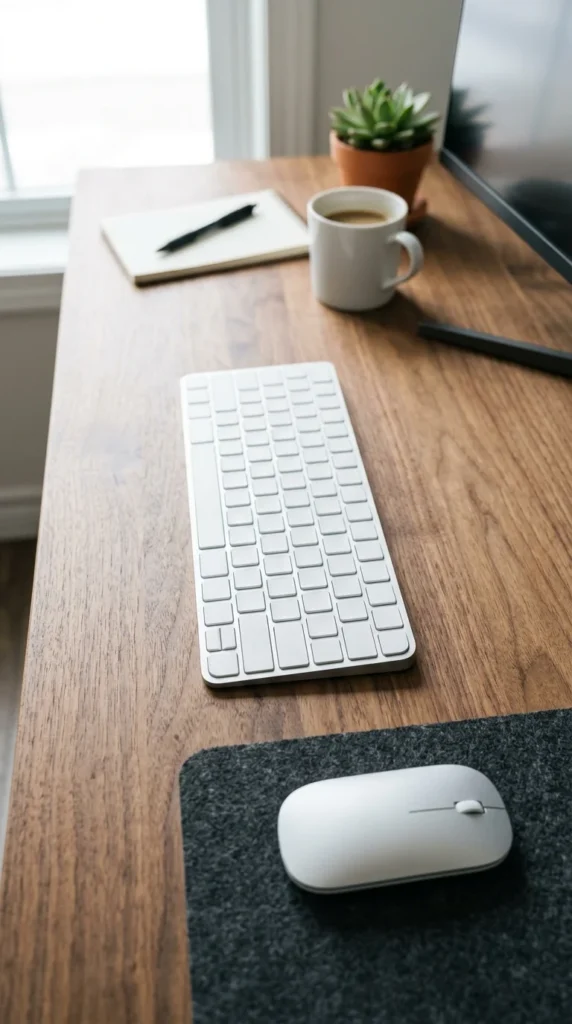
Heavy, clunky technology can weigh down the aesthetic of a room. Whenever possible, opt for wireless peripherals to keep the desk surface clean. If you use a laptop, a simple, sleek metal stand can elevate the screen and the look of your setup. The more “invisible” your tech is, the more the furniture and decor can shine.
20. Accent Wall
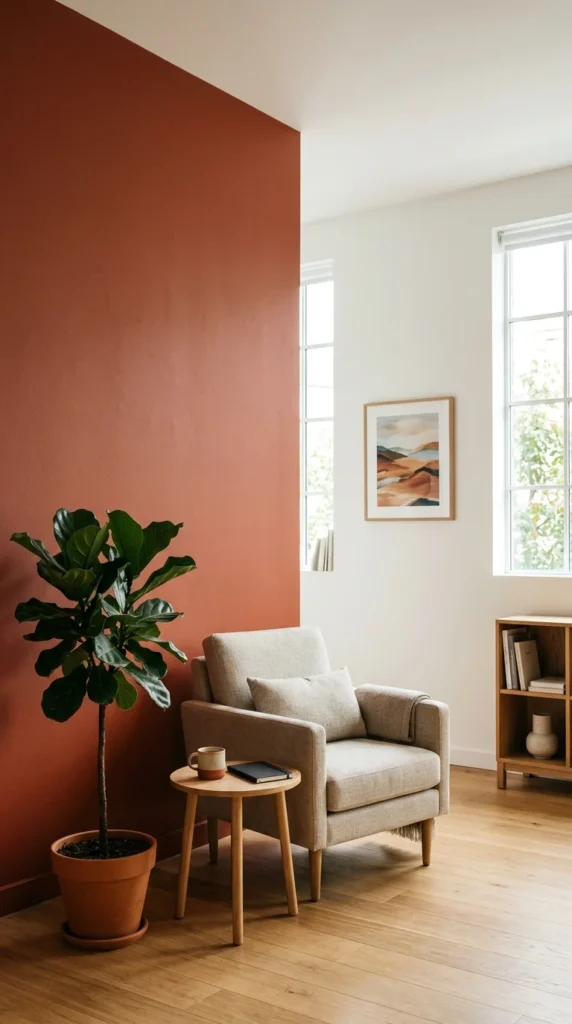
A single gallon of paint can completely transform a room. An accent wall in a bold, dark, or earthy tone adds immediate drama and “interior designer” flair. Dark colors like charcoal, forest green, or navy blue are particularly good for creating a “moody” and expensive-looking study environment.
21. Window Treatments
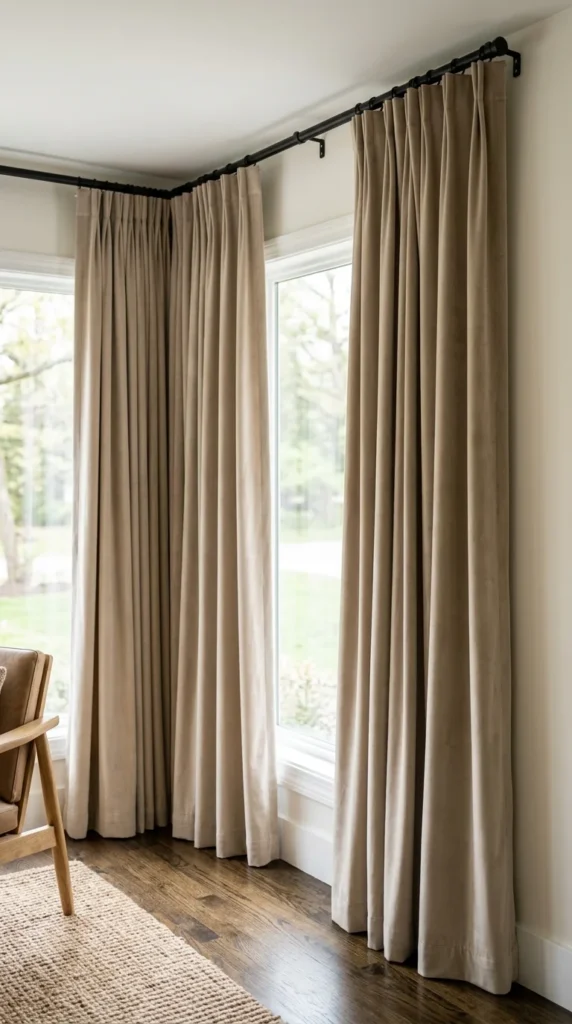
Avoid cheap plastic blinds. Instead, hang curtains as high and wide as possible. Placing the curtain rod just below the ceiling rather than right above the window frame makes the ceilings feel higher and the room feel more grand. Use high-quality fabrics like linen or velvet for a truly upscale appearance.
22. Decorative Trays
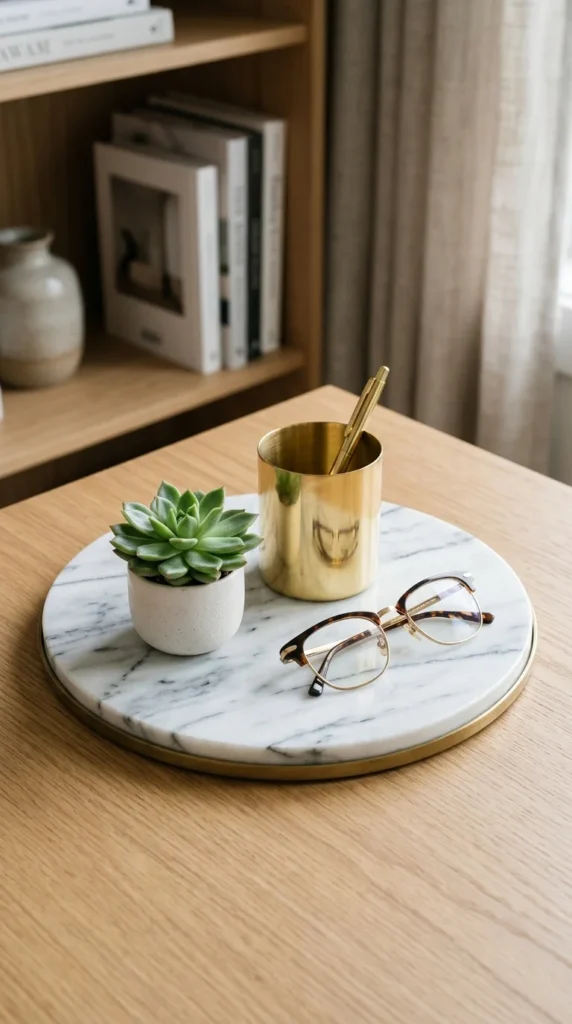
Trays are the secret weapon of organization. By placing your loose items—like pens, post-its, or your phone—on a tray, you turn “clutter” into a “vignette.” A marble, wooden, or metallic tray adds a layer of sophistication and keeps your desk looking tidy and intentional.
23. Uniform Stationery
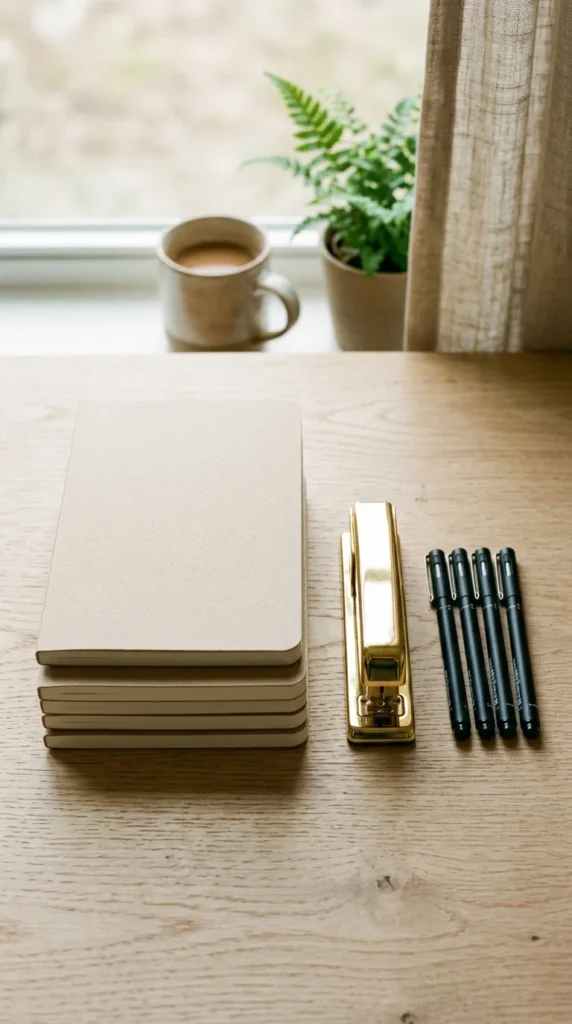
Even your office supplies can contribute to the “expensive” look. Instead of a drawer full of mismatched pens and colorful plastic staplers, try to stick to a theme. Buying a set of matching notebooks or a cohesive set of desk accessories in metal or acrylic makes your daily workflow feel like a curated experience.
24. Ceiling Detail
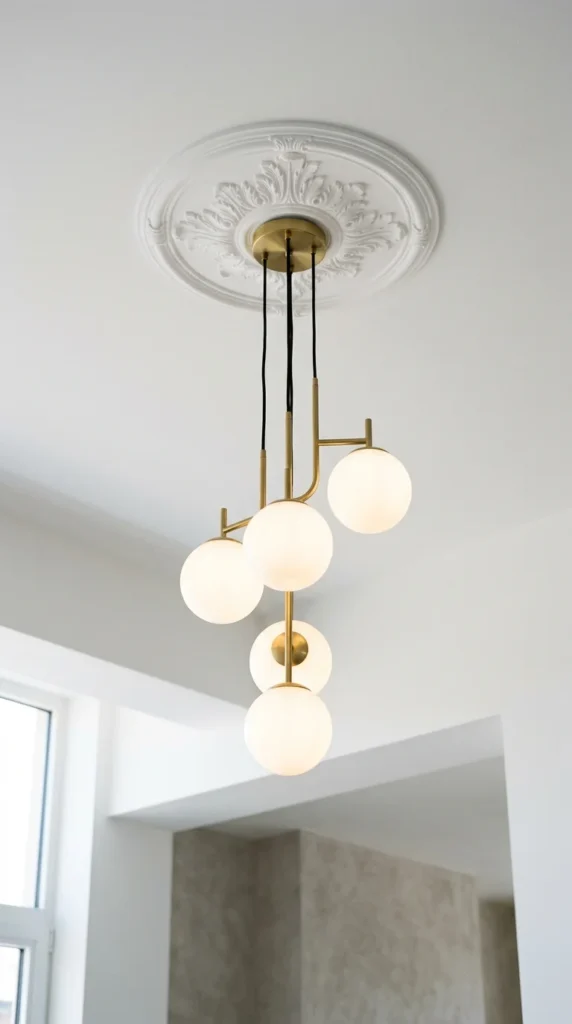
Designers call the ceiling the “fifth wall.” Most people ignore it, but adding a little detail can make a room feel incredibly high-end. This could be as simple as painting the ceiling a slightly different shade, adding a decorative ceiling rose around your light fixture, or even installing temporary “tin” ceiling tiles for a vintage look.
25. Antique Finds
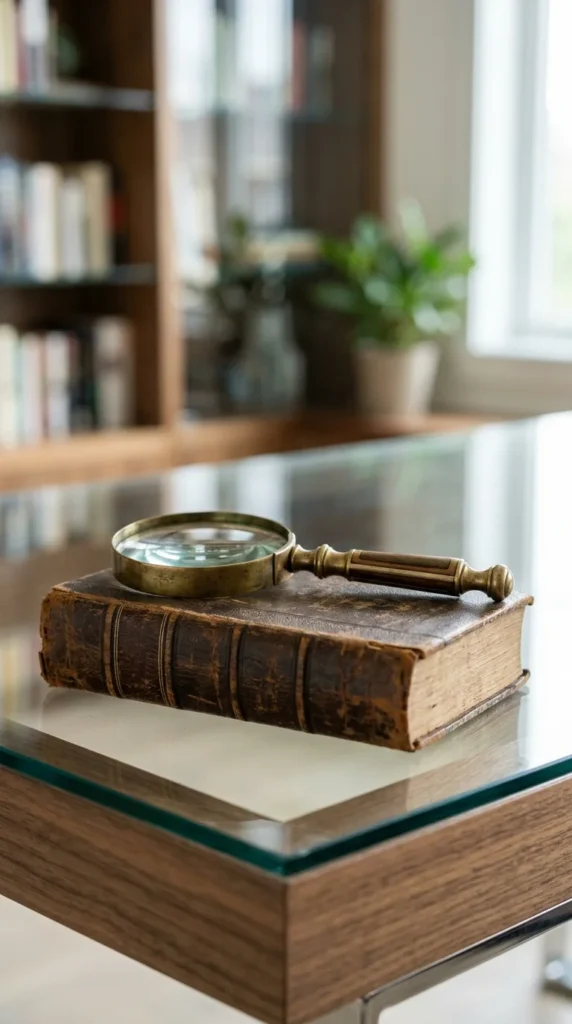
Mixing old and new is a hallmark of high-end design. A single antique item—like an old brass magnifying glass, a vintage globe, or an ornate clock—adds character and “soul” to a modern office. These items suggest a sense of history and worldliness that brand-new items cannot replicate.
26. Smart Organization
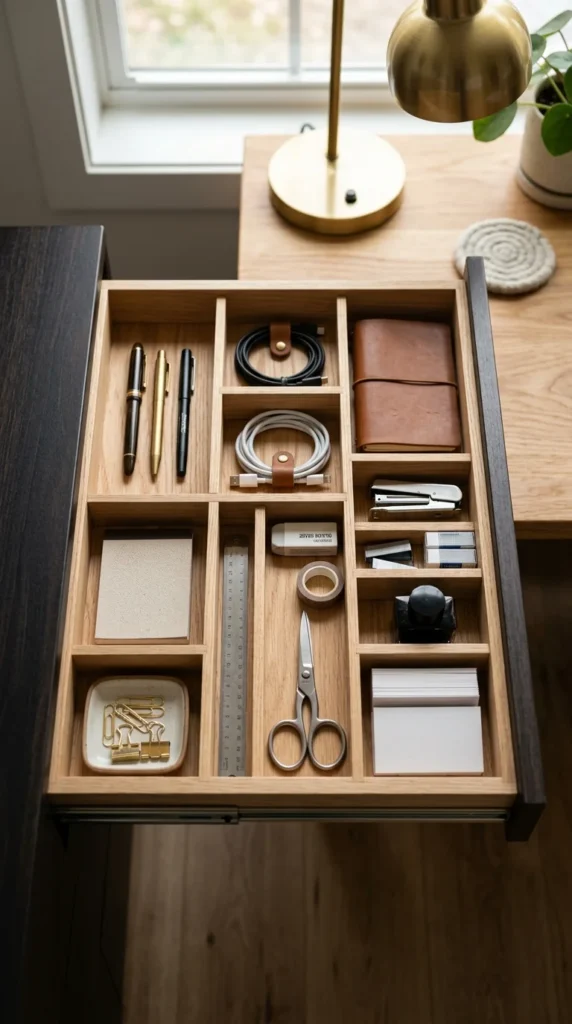
True luxury is about the details that no one else sees. Organizing your drawers with dividers or custom inserts makes you feel more professional every time you open them. When everything has a dedicated place, your workspace stays cleaner, and the “expensive” feeling remains throughout the workday.
27. Glassware
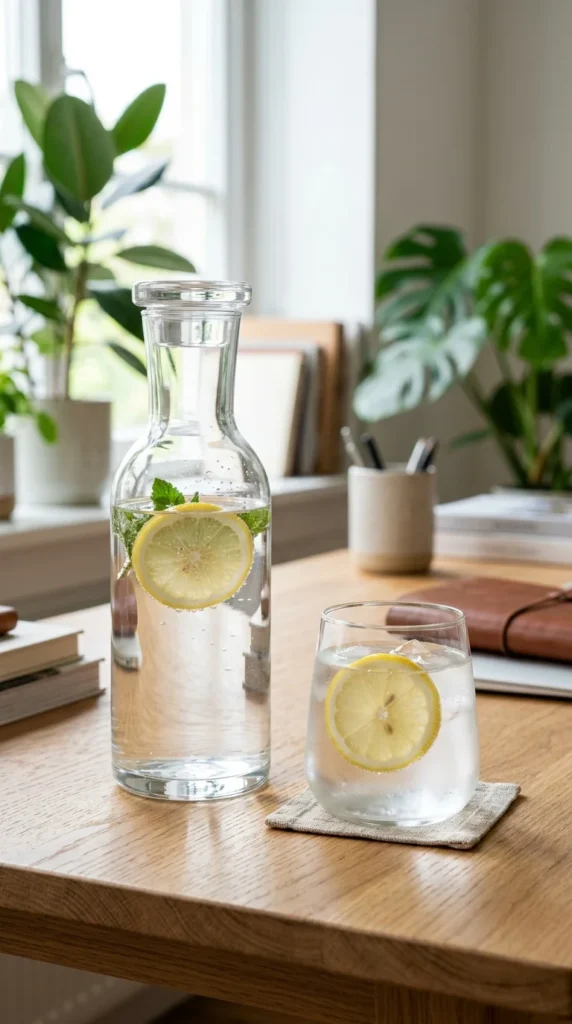
Ditch the plastic water bottle. Using a glass carafe and a real tumbler not only looks more elegant but also encourages you to stay hydrated. This small touch of “hospitality” for yourself makes your home office feel like a high-level executive suite.
28. Personal Touches
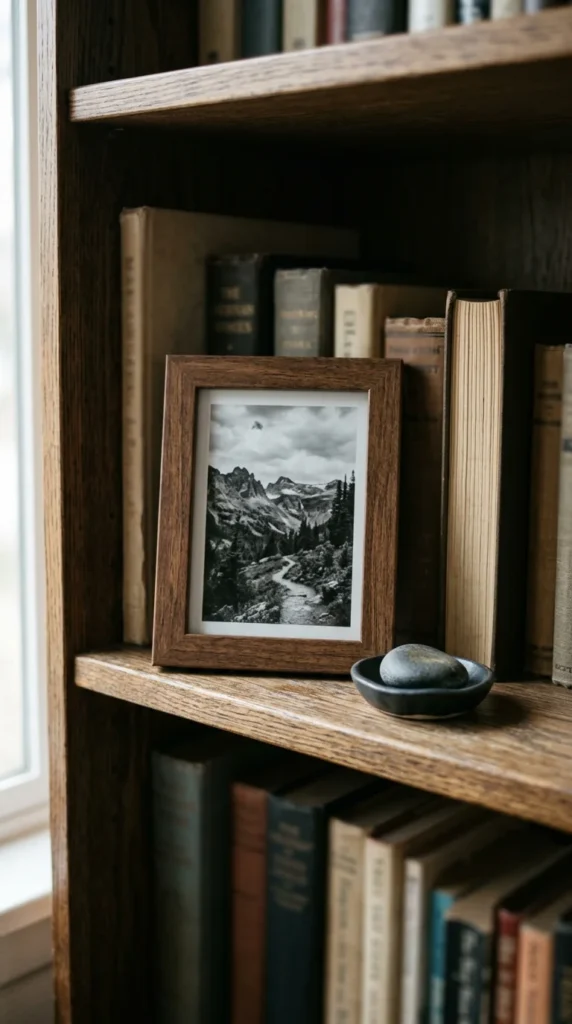
Finally, the most expensive-looking rooms are the ones that look lived-in and loved. Avoid making it look like a furniture showroom by adding personal touches. The key is to be selective; choose a few meaningful photographs in high-quality frames or a souvenir from your travels. When these items are displayed with intention, they add the final layer of “curated luxury” to your workspace.