
Living in a small apartment often feels like a perpetual puzzle. You want the comfort of a sprawling home, but you’re working with the footprint of a postage stamp. However, small-space living has sparked some of the most innovative interior design trends of the last decade. It isn’t about how much space you have; it’s about how you utilize the volume of the room. From the floor to the ceiling, every inch is an opportunity for efficiency and style.
Whether you are in a micro-studio or a compact one-bedroom, these twenty space-saving design ideas will help you reclaim your floor space and live large in a small home.
1. Murphy Beds
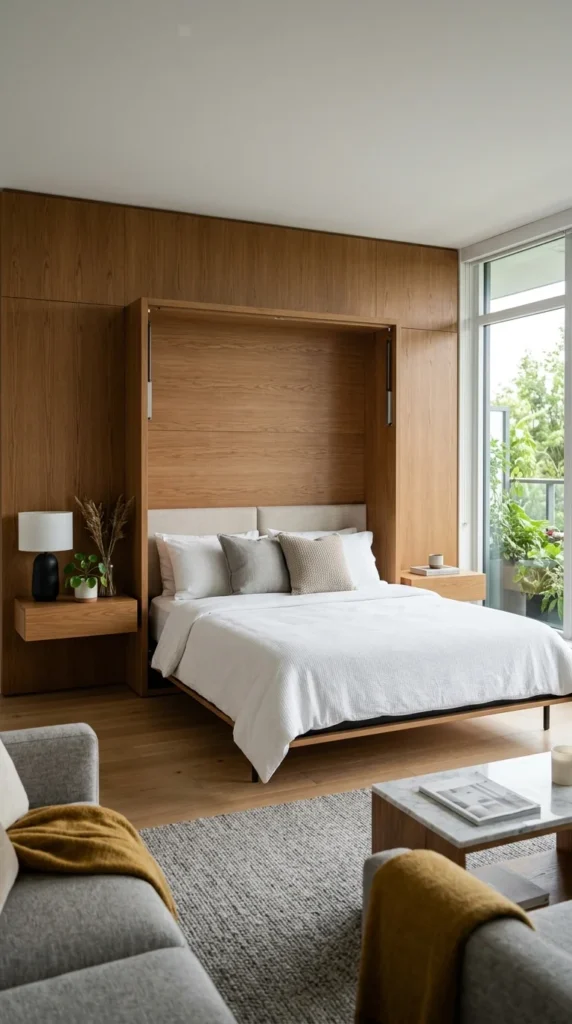
The Murphy bed is the ultimate champion of small-space design. Modern versions have moved far beyond the clunky, squeaky models of the past. Today’s Murphy beds often double as sleek cabinetry or even include a built-in sofa that folds down when the bed is tucked away. By reclaiming the largest piece of furniture in your home during the day, you can transform a bedroom into a home office or an exercise space in seconds.
2. Floating Shelves
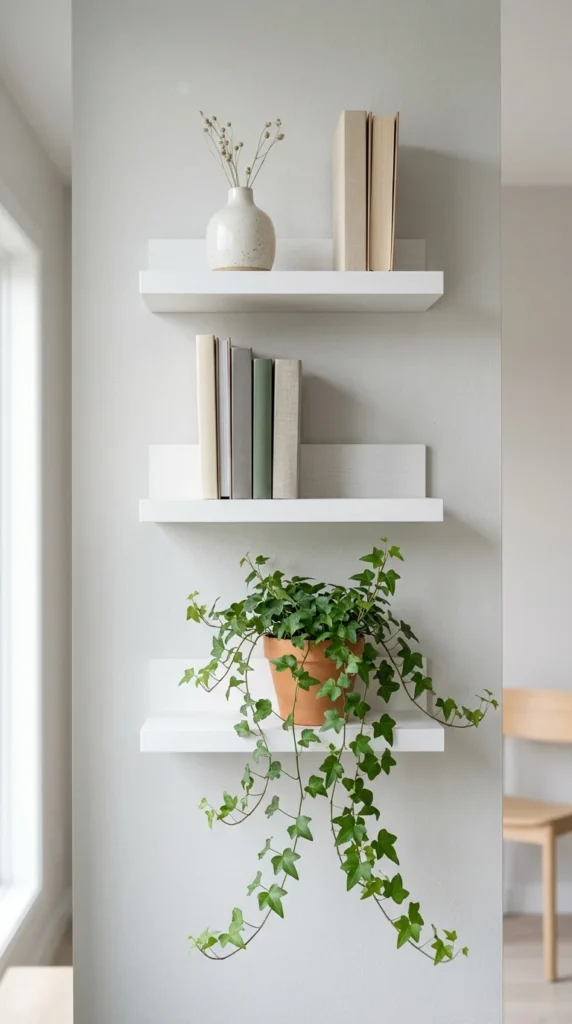
When floor space is at a premium, look to the walls. Floating shelves provide storage and display space without the heavy visual or physical footprint of a traditional bookshelf. By leaving the floor underneath clear, the room feels more open and less cluttered. You can install them in “dead zones,” such as above doorways or in tight corners, to store books, spices, or decorative items.
3. Under-Bed Storage
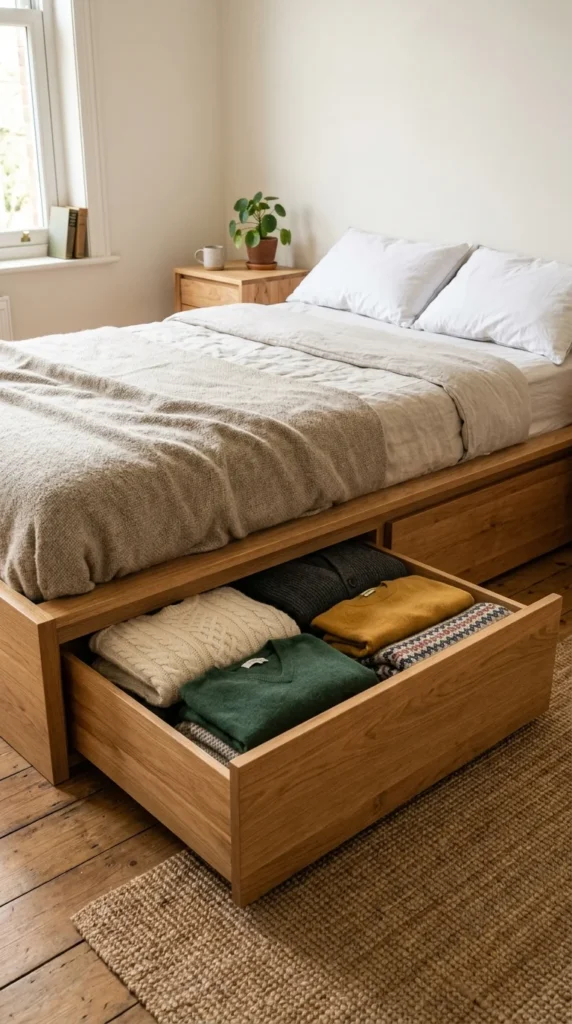
The area under your bed is often a “black hole” of dust bunnies. Instead of letting that space go to waste, utilize bed frames with integrated drawers. If you already have a bed you love, high-quality rolling bins or vacuum-sealed bags can turn that hidden real estate into a secondary closet. It’s the perfect spot for off-season clothing, extra linens, or shoes you don’t wear daily.
4. Nesting Tables
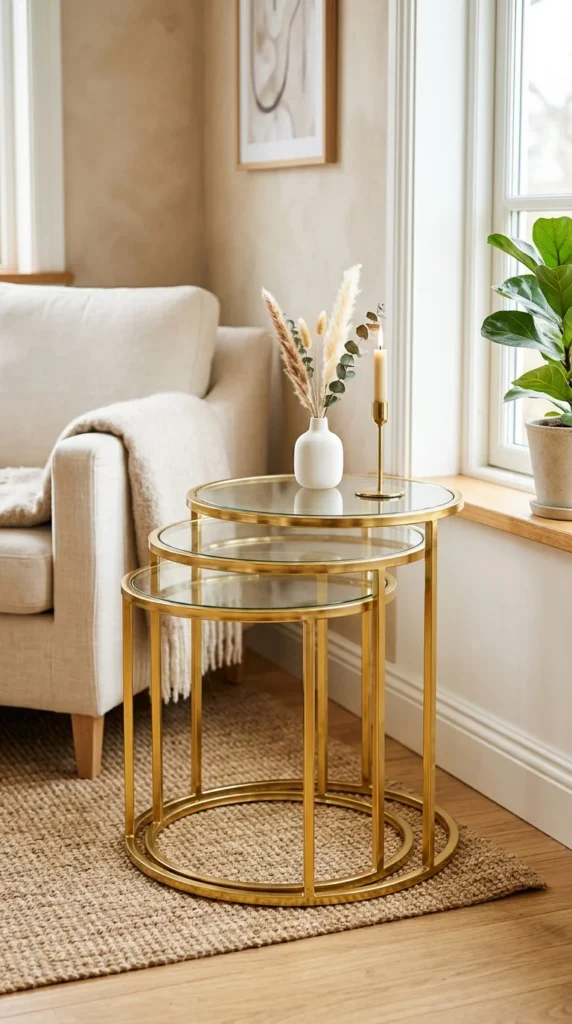
Why have one coffee table that takes up constant space when you can have three that stack into one? Nesting tables are the Swiss Army knife of living room furniture. You can keep them tucked together for daily use and pull them out when guests arrive and need a place to set their drinks. Their versatility makes them essential for entertaining in tight quarters.
5. Vertical Gardens
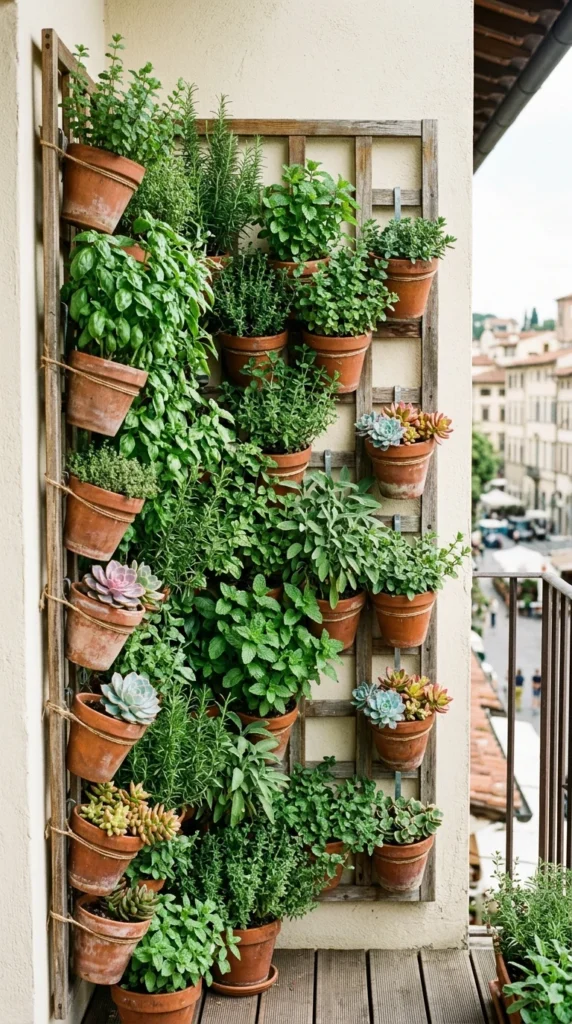
Don’t let a lack of a backyard stop you from being a plant parent. Vertical gardens allow you to grow herbs, succulents, or even small vegetables up your walls. This keeps your windowsills clear and adds a “living wall” aesthetic to your home. Using wall-mounted planters or hanging macramé holders keeps your greenery off the tables and floor, purifying your air without taking up living space.
6. Door Organizers
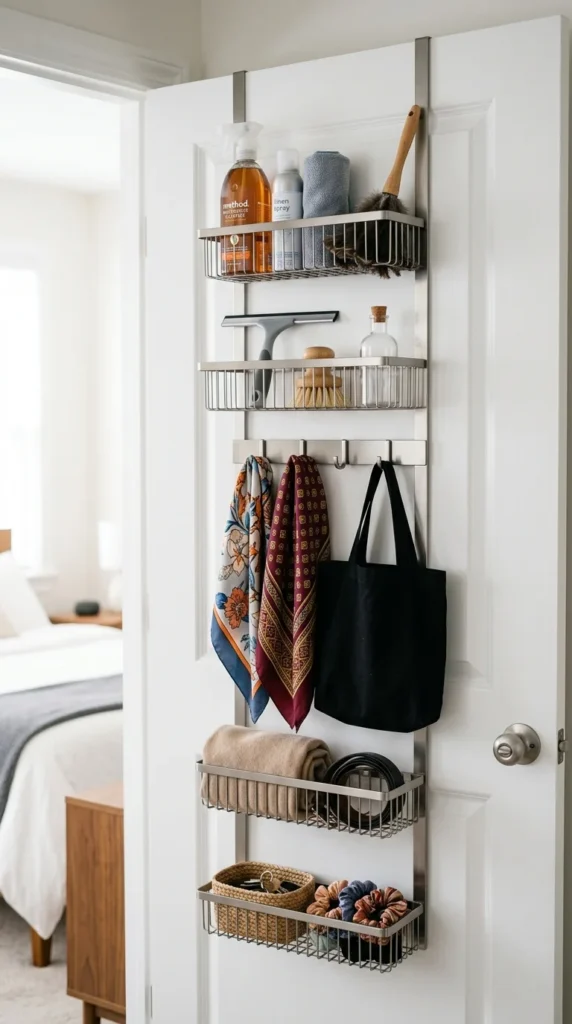
The back of a door is often the most underutilized vertical surface in an apartment. Over-the-door organizers aren’t just for shoes anymore. Use them in the pantry for snacks, in the bathroom for toiletries, or in the hallway for umbrellas and mail. By moving these small items off your counters and into a dedicated door rack, you create a much cleaner visual environment.
7. Storage Ottomans
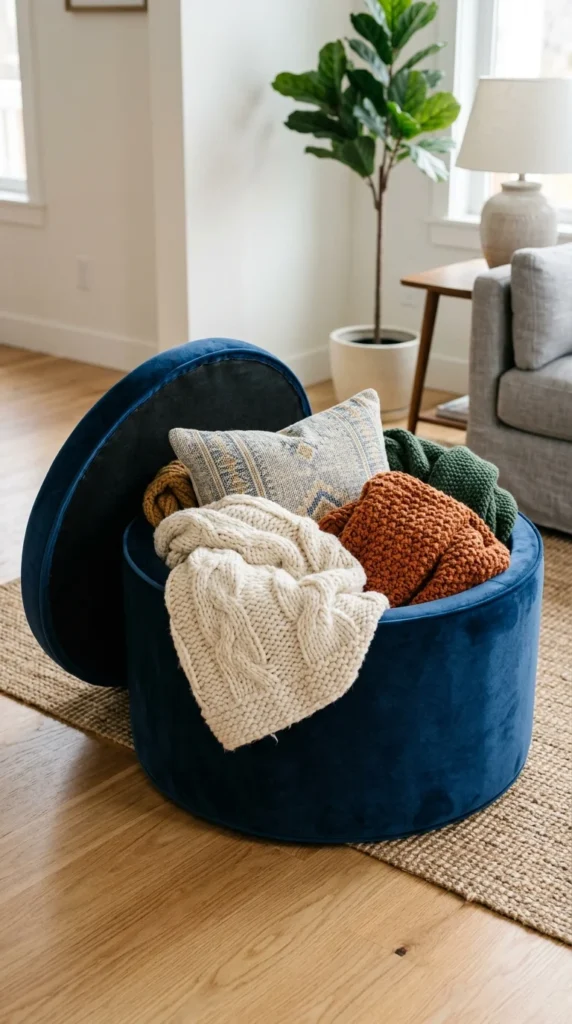
In a small apartment, every piece of furniture should ideally do two things. A storage ottoman serves as a footrest, extra seating for guests, and a hidden trunk all at once. Whether it’s at the foot of your bed or in front of your sofa, it’s a stylish way to hide clutter like remote controls, magazines, or extra throw blankets.
8. Fold-Down Desks
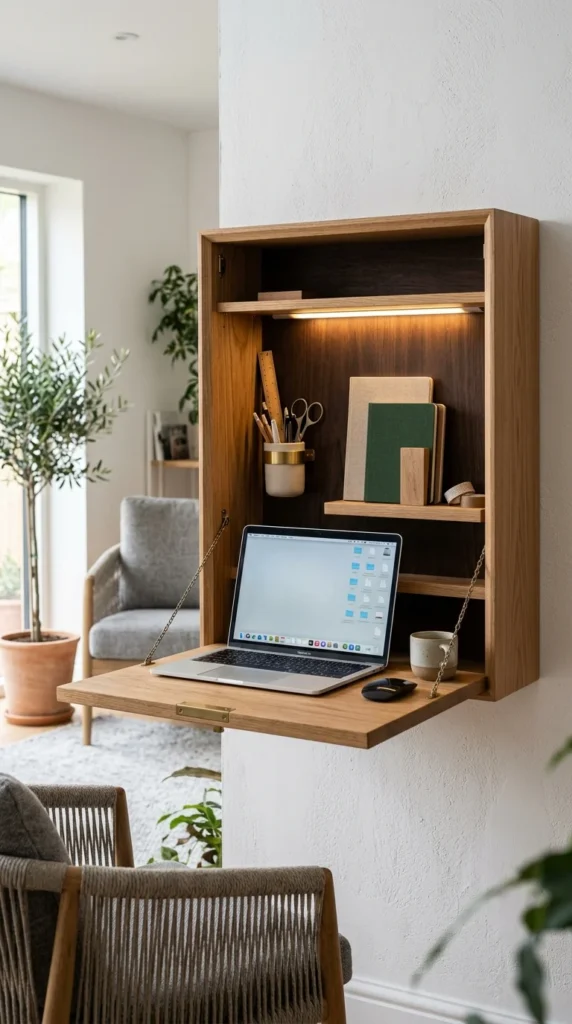
The rise of remote work has made home offices a necessity, but not everyone has a spare room. A fold-down desk (or “secretary desk”) allows you to have a dedicated workspace that disappears at the end of the day. When closed, it looks like a slim cabinet or a piece of wall art. When open, it provides a sturdy surface for a laptop and a morning coffee.
9. Strategic Mirrors
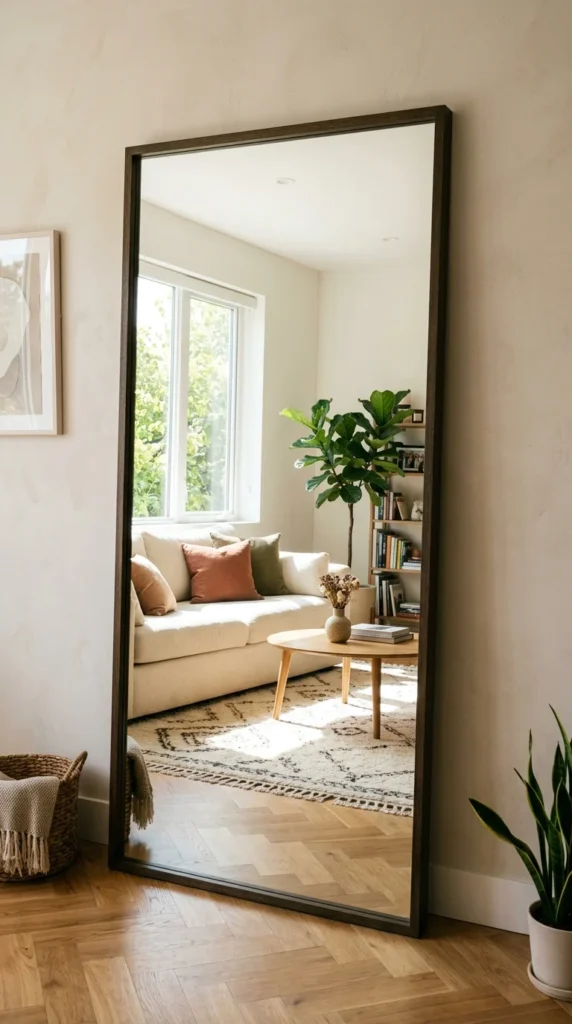
While not a physical storage solution, mirrors are a design “cheat code” for small spaces. By placing a large mirror opposite a window, you bounce natural light throughout the room and create the optical illusion of more square footage. Mirrors break up solid walls and make the boundaries of a room feel less restrictive, instantly making a “cozy” room feel “spacious.”
10. Lofted Beds
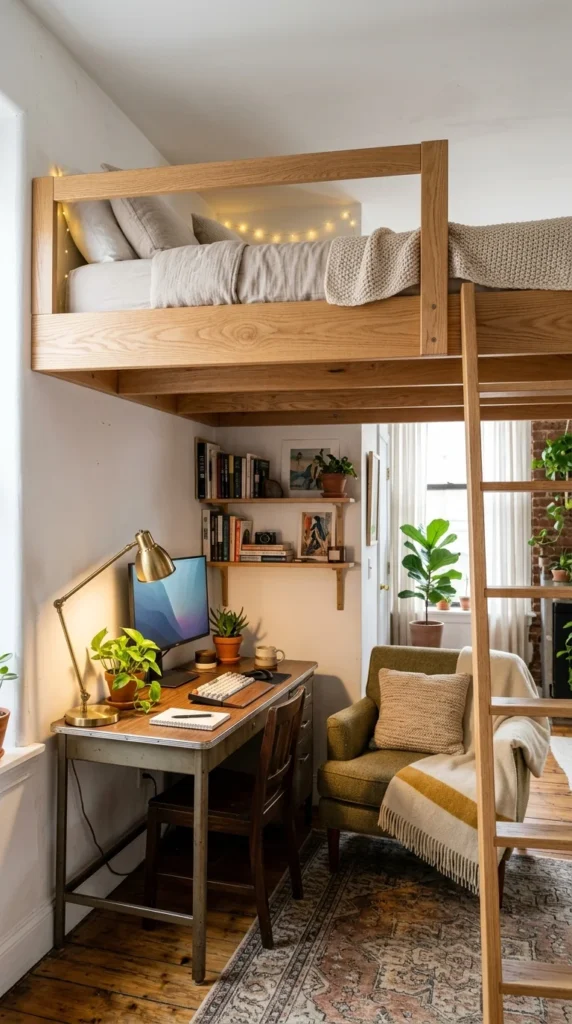
If you have high ceilings, go vertical. Lofting your bed allows you to treat your apartment like a two-story home. By elevating the sleeping area, you free up the entire floor below for a full-sized desk, a walk-in closet, or even a small lounge area. It effectively doubles the usable square footage of that specific zone.
11. Sliding Doors
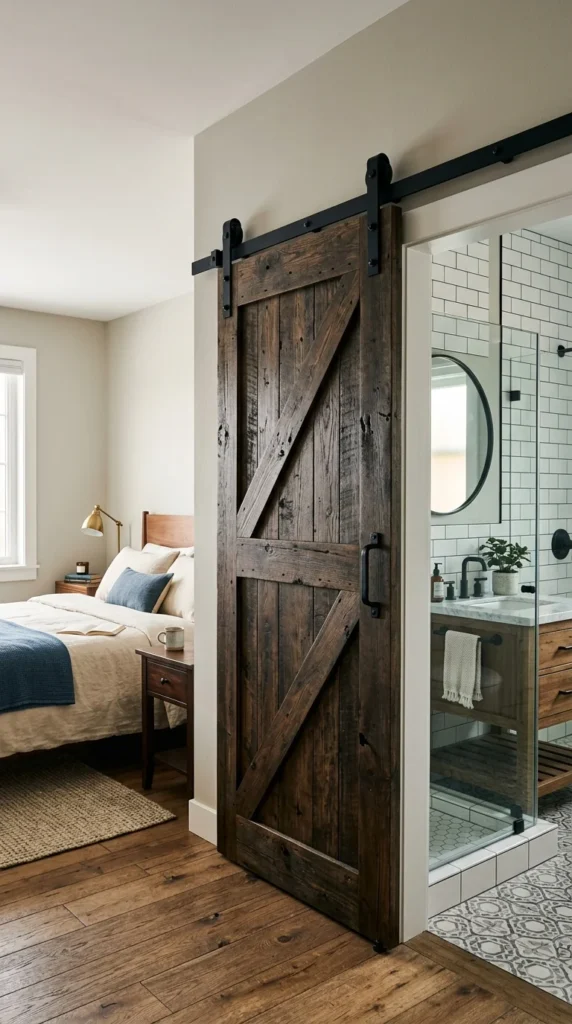
Traditional swinging doors require a significant amount of “clearance” space to open and close. In a small apartment, that’s space where you could have placed a chair or a plant. Replacing standard doors with sliding barn doors or pocket doors saves several square feet of floor space and adds a modern, architectural element to your interior design.
12. Corner Sinks
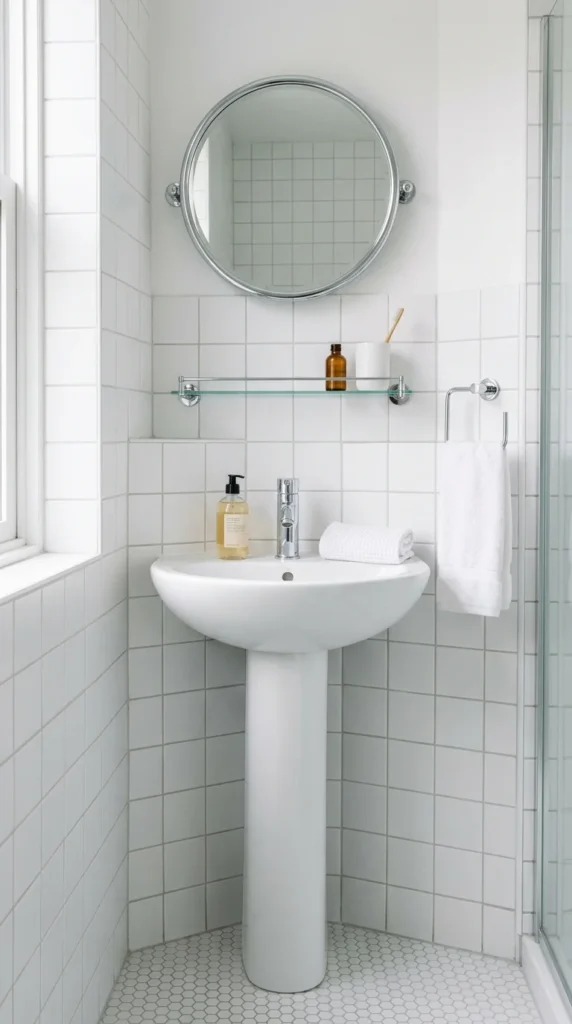
Kitchens and bathrooms are often the cramped “bottlenecks” of small apartments. Standard rectangular sinks can dominate a counter. A corner sink utilizes the often-wasted space where two walls meet, opening up the center of the room for better movement. This is a game-changer for tiny galley kitchens or powder rooms.
13. Modular Pegboards
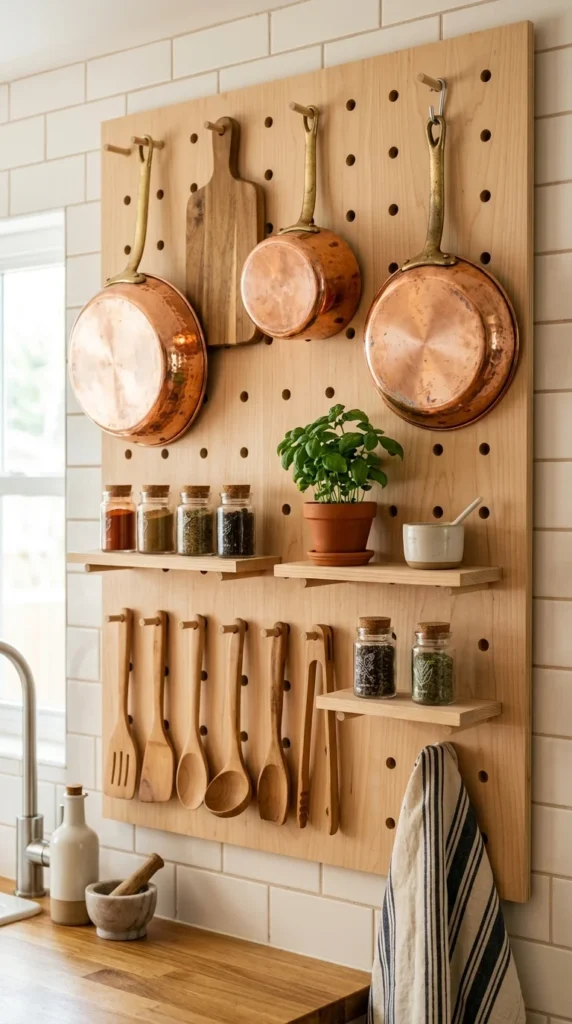
Pegboards are no longer just for garages. A stylishly painted or natural wood pegboard in a kitchen or home office provides completely customizable storage. You can move hooks and shelves around as your needs change. It keeps your tools and utensils within arm’s reach while keeping your drawers empty and your counters clear.
14. Magnetic Strips
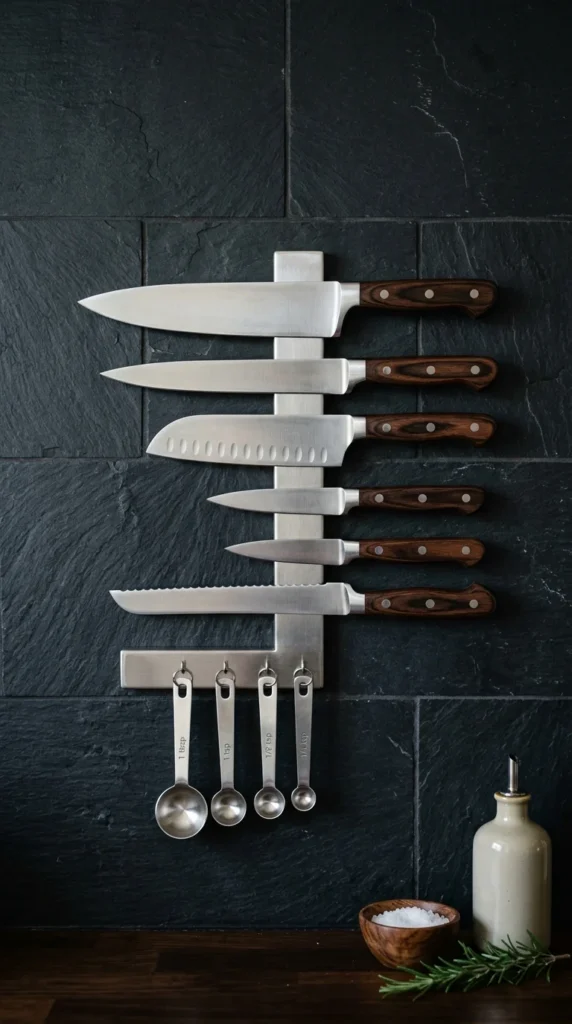
Knife blocks take up valuable counter real estate. A magnetic strip mounted on the backsplash or the side of a cabinet keeps your knives organized, safe, and out of the way. You can also use magnetic strips in the bathroom to hold bobby pins, tweezers, and nail clippers, or in an entryway for keys.
15. Sofa Sleepers
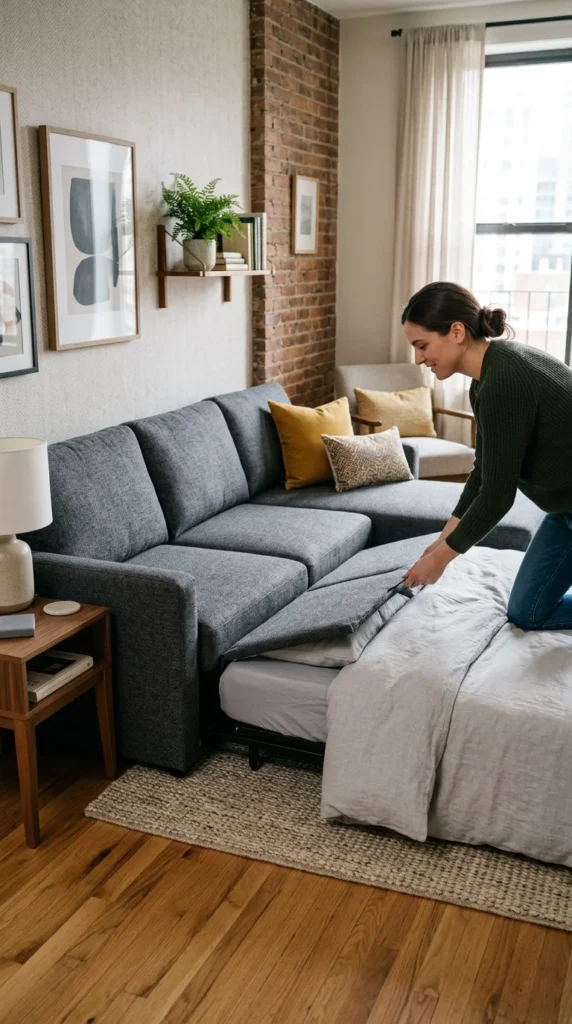
If you frequently host guests but don’t have a guest room, a high-quality sofa sleeper is a must. Modern designs have ditched the uncomfortable bars and thin mattresses for memory foam and sleek frames. This allows your living room to function as a bedroom whenever necessary without the need for an extra permanent bed.
16. Transparent Furniture
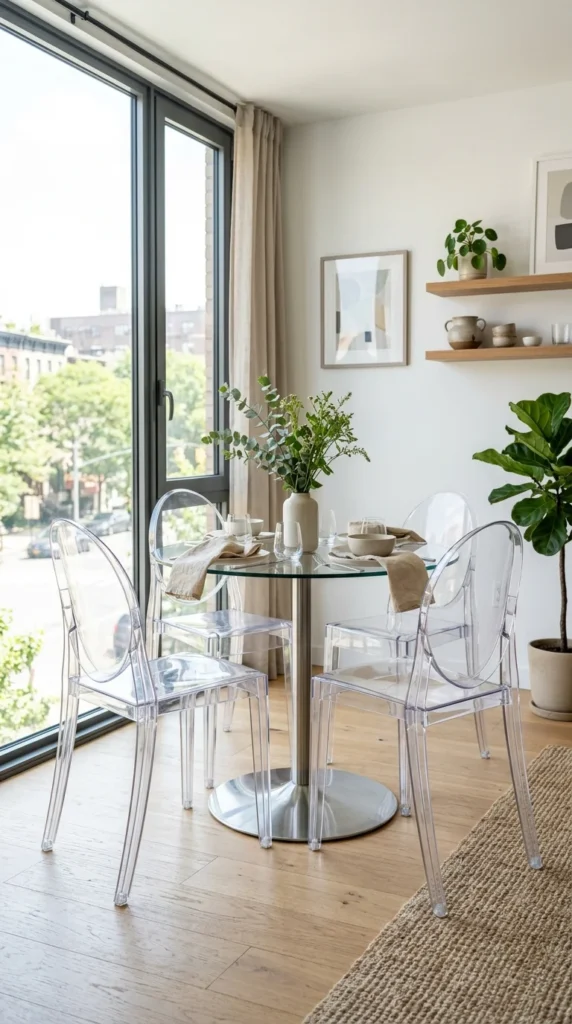
Furniture made of acrylic or glass (often called “ghost” furniture) is a brilliant trick for small spaces. Because you can see right through it, it doesn’t take up any “visual weight.” A room filled with heavy wooden furniture can feel claustrophobic, but transparent pieces keep the sightlines open, making the apartment feel airy and uncluttered.
17. Pull-Out Pantries
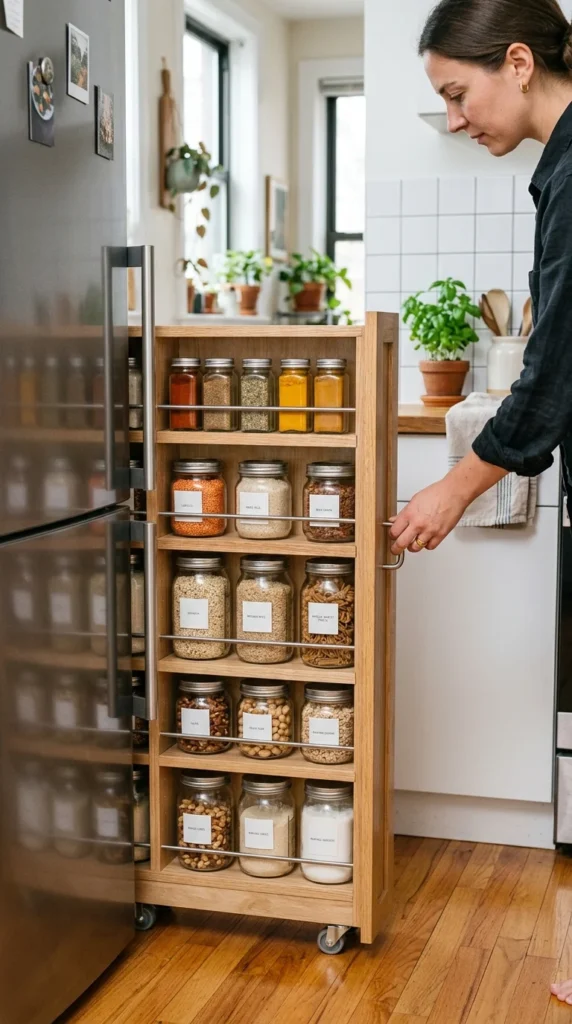
Many kitchens have small, awkward gaps between appliances or cabinets. A slim, rolling pull-out pantry can fit into a space as narrow as six inches. It provides a massive amount of storage for canned goods, spices, and oils, turning a useless gap into a highly functional storage hub.
18. Window Sills
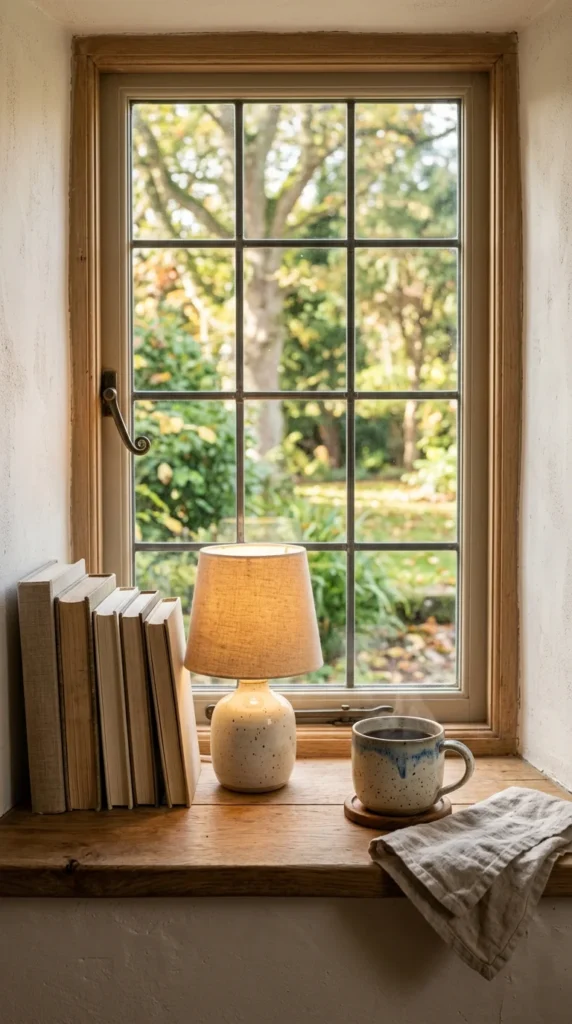
If your apartment has deep window sills, don’t ignore them. They can serve as extra shelving, a makeshift bedside table, or even a small desk if the height is right. By adding a few decorative cushions, a window sill can even become a cozy reading nook, providing a “getaway” spot within your limited square footage.
19. Built-in Nooks
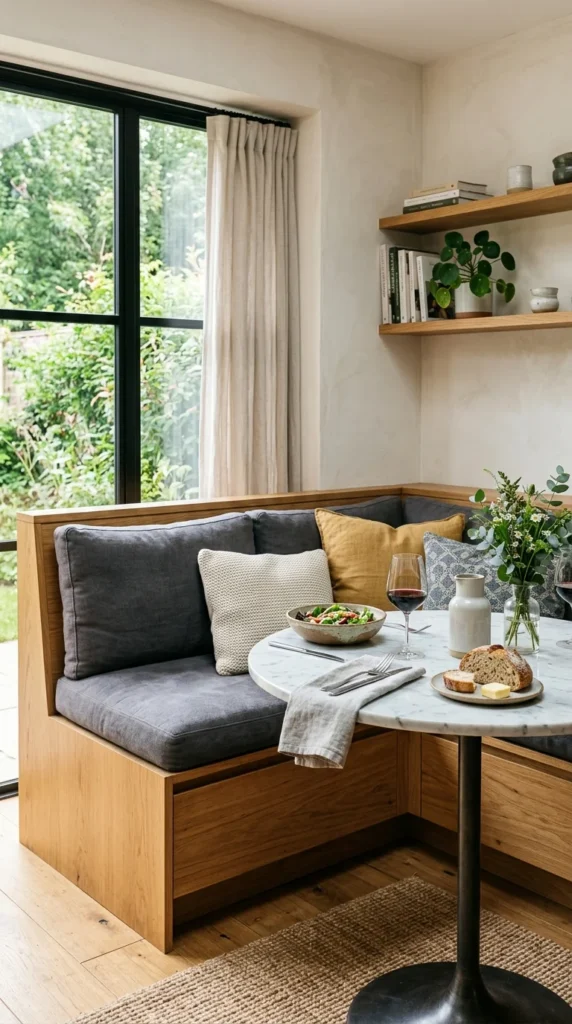
Standard dining tables and chairs can be bulky. A built-in banquette or “breakfast nook” tucked into a corner uses the perimeter of the room, leaving the center open. As a bonus, many built-in benches feature flip-up seats that offer even more hidden storage for bulky kitchen items or linens.
20. Rolling Carts
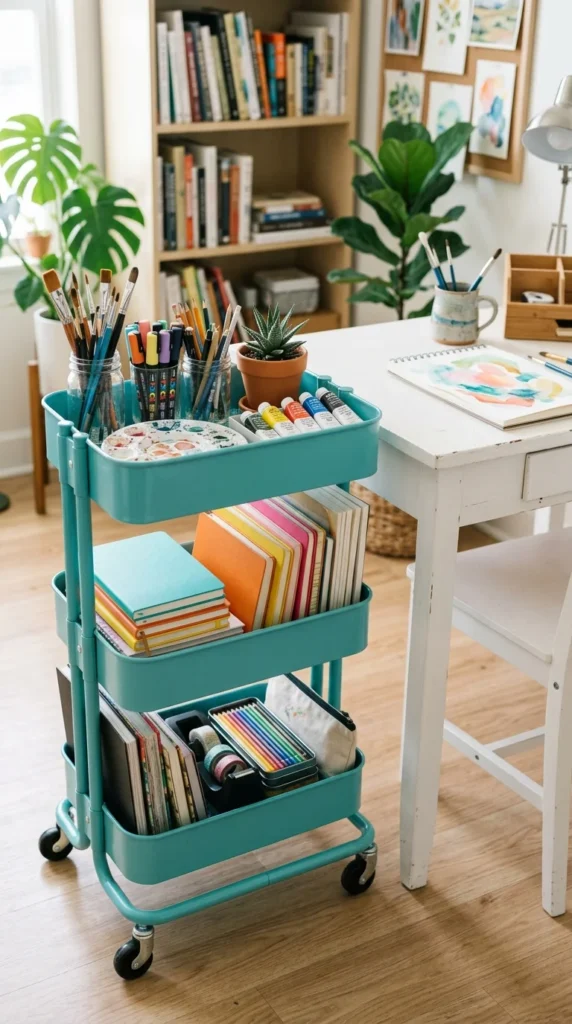
The beauty of a rolling cart is its mobility. It can be a bar cart in the living room one night and a craft station or office supply hub the next day. When you need the floor space, you can simply wheel it into a closet or a corner. Its tiered design maximizes vertical storage while maintaining a small footprint