Creating a space that serves as both a high-productivity home office and a boundless creative sanctuary is a design challenge that pays off in spades. Whether you are a professional freelancer by day and a quilter by night, or a graphic designer who loves scrapbooking, the craft room office combo is the ultimate “power room.” The key to success lies in balancing the rigid organization of a workspace with the fluid, often messy inspiration of a craft studio. Here are 24 transformative ideas to help you blend these two worlds seamlessly.
1. Dual Desks
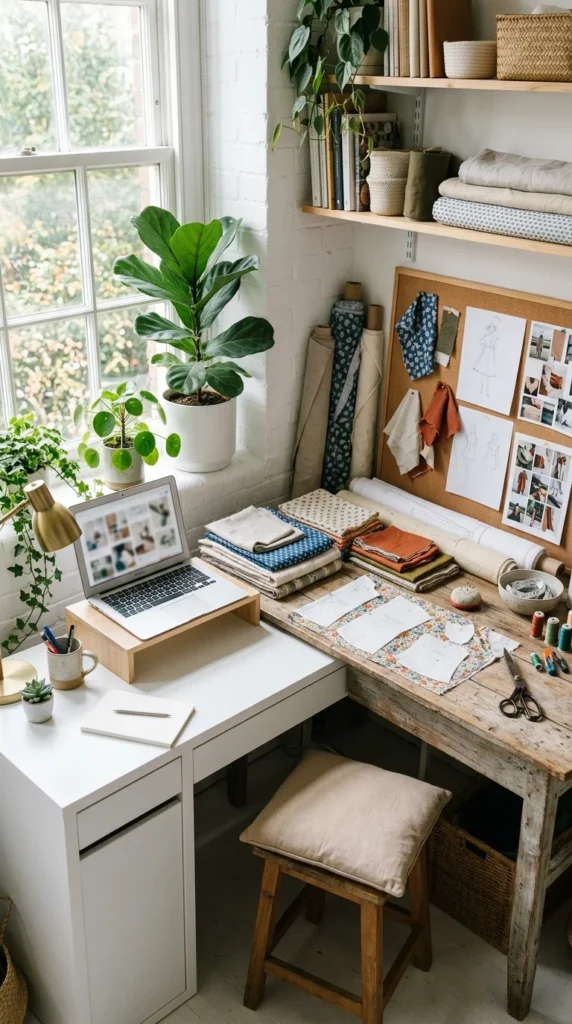
The most effective way to separate work from play is to physically divide the surfaces. Using two separate desks—or one long continuous L-shaped surface—allows you to keep your computer equipment away from glitter, glue, and dust. This layout ensures that when you switch from “work mode” to “create mode,” you don’t have to clear your desk first.
2. Pegboard Walls

Pegboards are the gold standard for vertical storage. In a combo room, they serve a dual purpose: they keep your crafting tools within arm’s reach while doubling as a place to hang office supplies like headphones, chargers, and planners. They keep the desktop clear, which is vital in a multi-functional space.
3. Rolling Carts

Utility carts provide mobile organization that can be tucked away when not in use. You can dedicate one cart specifically to your office supplies and another to your current craft project. If you’re working on a deadline, simply roll the craft cart into a closet to minimize distractions.
4. Cube Shelving
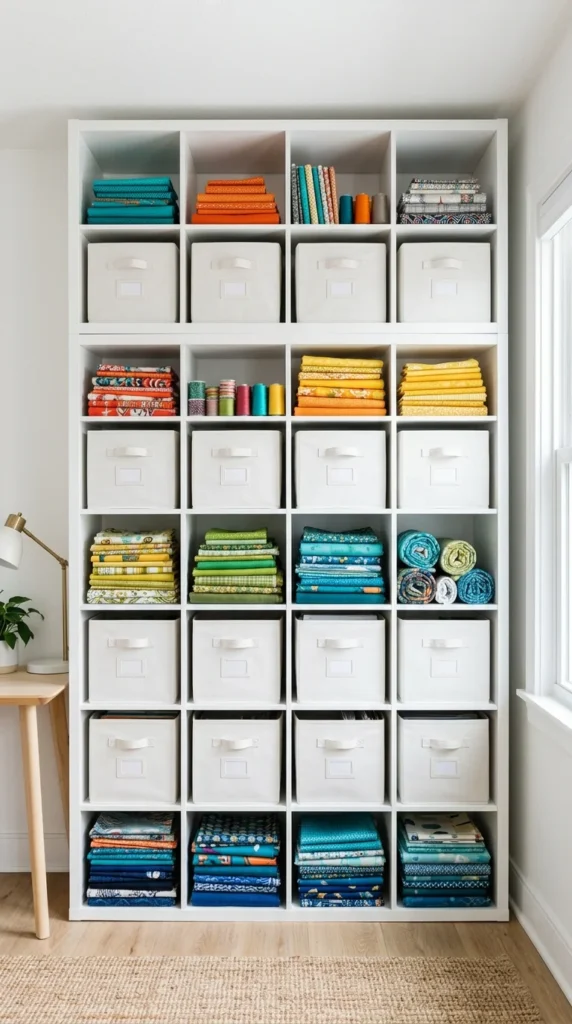
Cube shelving units are incredibly versatile. You can use open cubes to display your most beautiful craft supplies—like glass jars of beads—and use opaque bins or drawers for “uglier” office necessities like tax documents, printer paper, and ink cartridges.
5. Hidden Storage
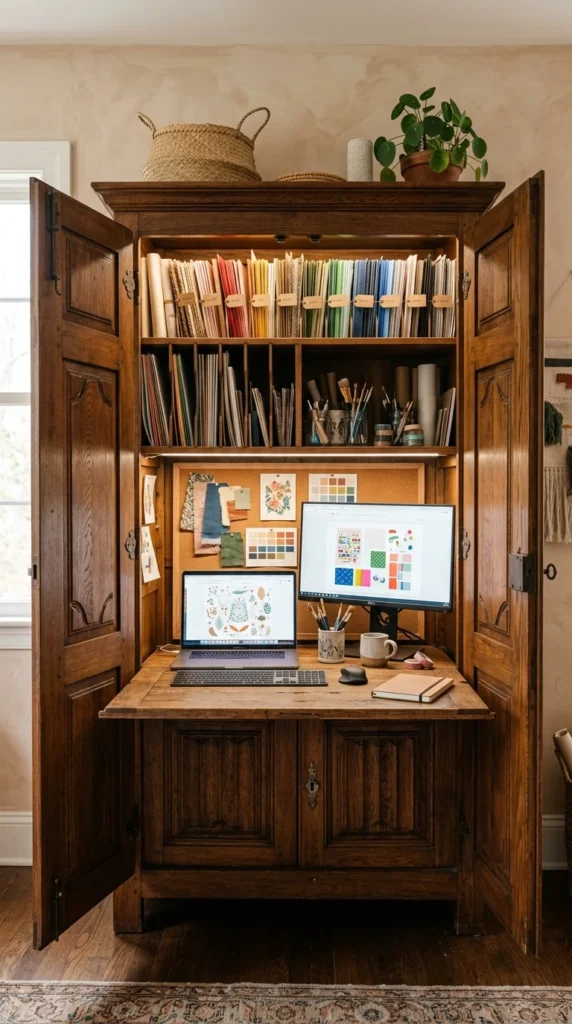
If you prefer a clean, minimalist aesthetic for your office hours, consider a “cloffice” or a hidden workstation. Using a large armoire or a repurposed closet allows you to shut the doors on your creative chaos when you need to focus on a professional video call.
6. Floating Shelves
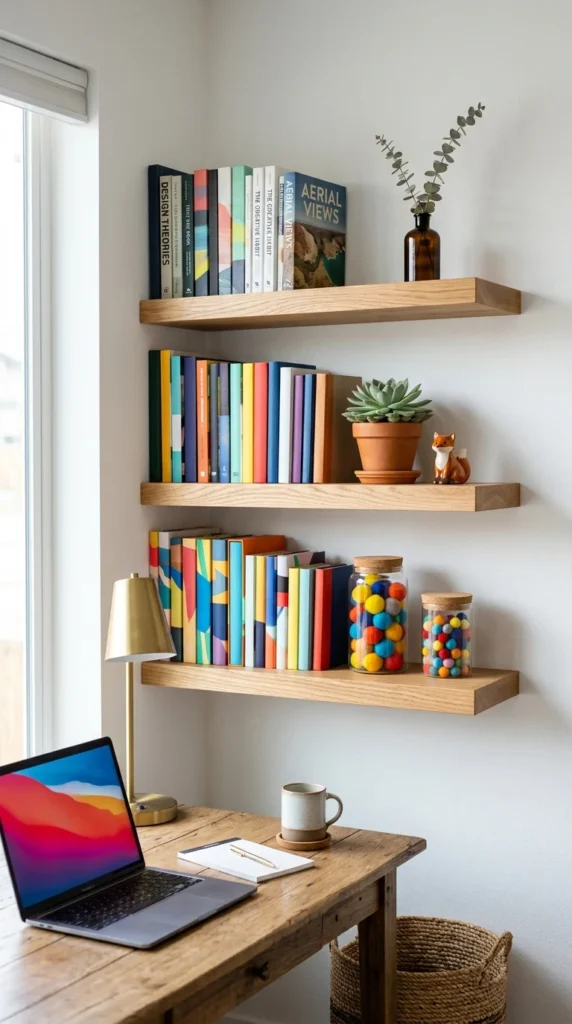
Floating shelves take advantage of vertical space without the visual bulk of a bookcase. They are perfect for storing items you don’t need every day, such as reference books for work or less-frequently used craft kits, keeping your primary work zones airy and light.
7. Color Coding
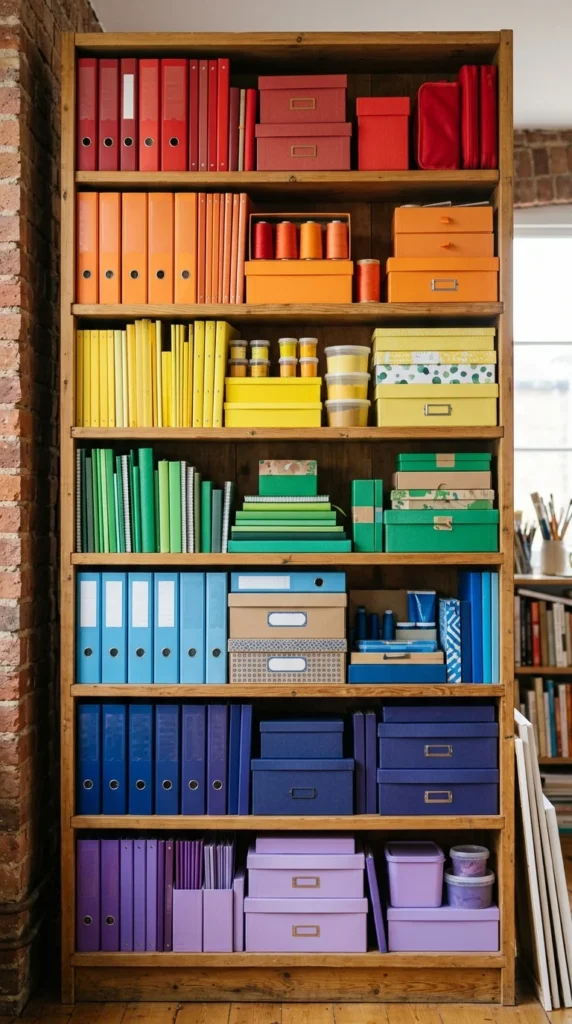
In a room with many small items, visual clutter can be overwhelming. Organizing both your office files and your craft supplies by color creates a cohesive, intentional look. It turns your storage into a piece of art, making the room feel organized even if it is packed with supplies.
8. Zone Lighting
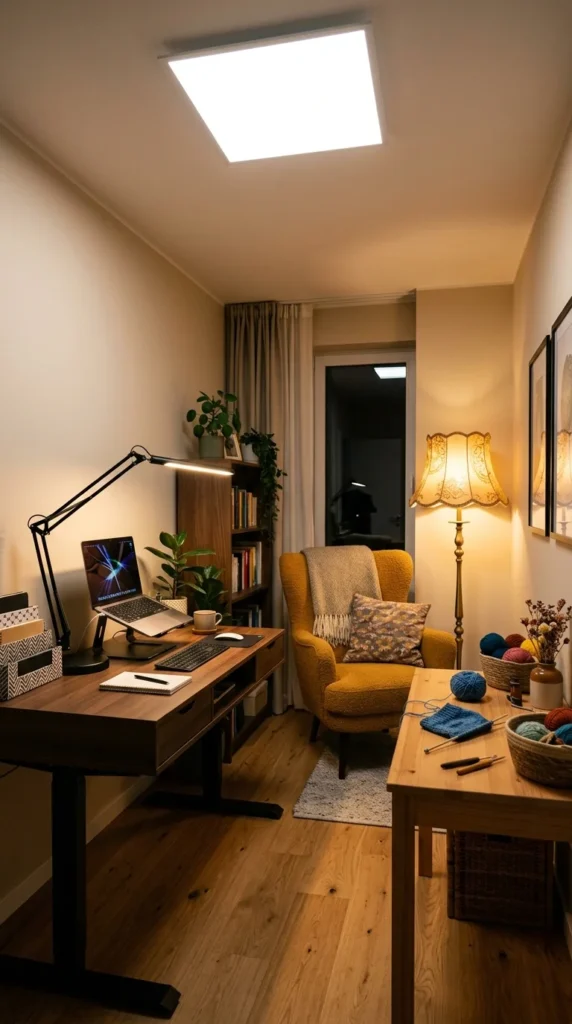
Proper lighting is crucial for both detailed crafting and focused computer work. Use task lighting for your desk and craft table, and consider a ring light if you do video calls. Dimmable ambient lighting helps shift the mood from a high-energy workday to a relaxing evening of crafting.
9. Center Islands
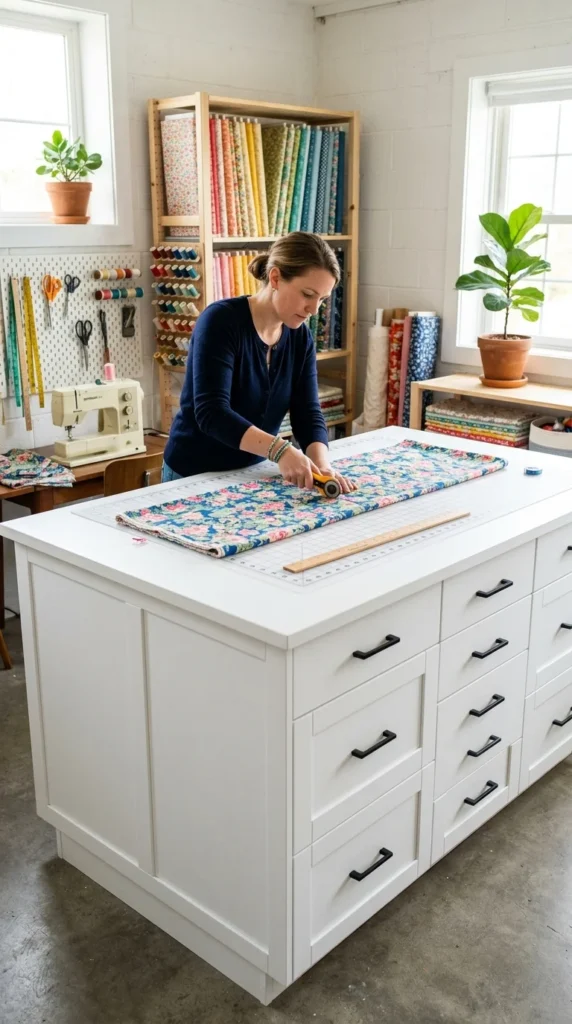
If space allows, a center island is a game-changer. It provides a massive surface for large-scale projects like sewing or gift wrapping, while the perimeter of the room can be dedicated to your office desk and storage. This allows for 360-degree movement and plenty of legroom.
10. Clear Bins
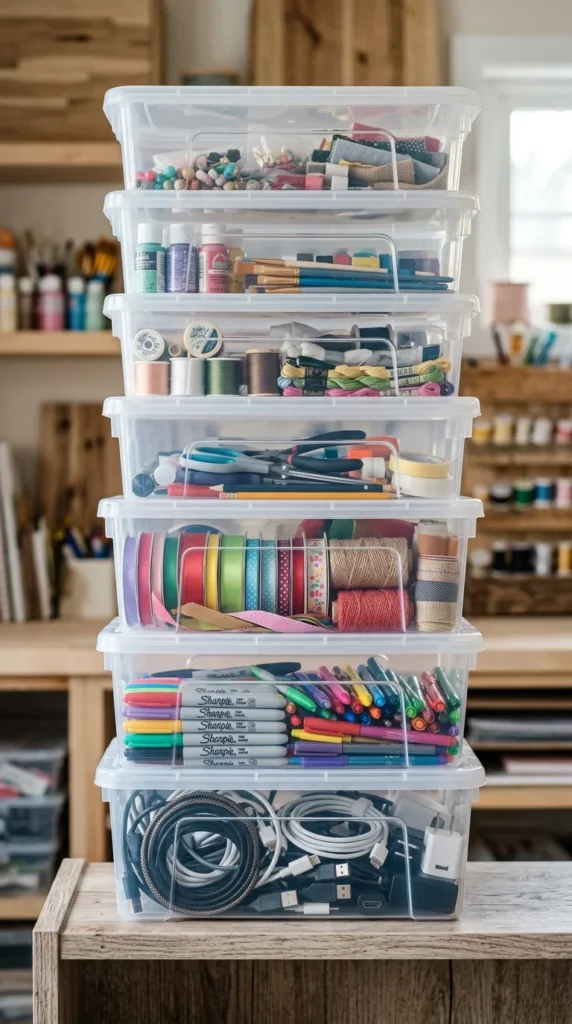
Visibility is the enemy of forgotten supplies. By using clear acrylic bins, you can see exactly what you have at a glance. This works for everything from USB drives and stationery to embroidery floss and rubber stamps, preventing you from buying duplicates.
11. Cork Boards
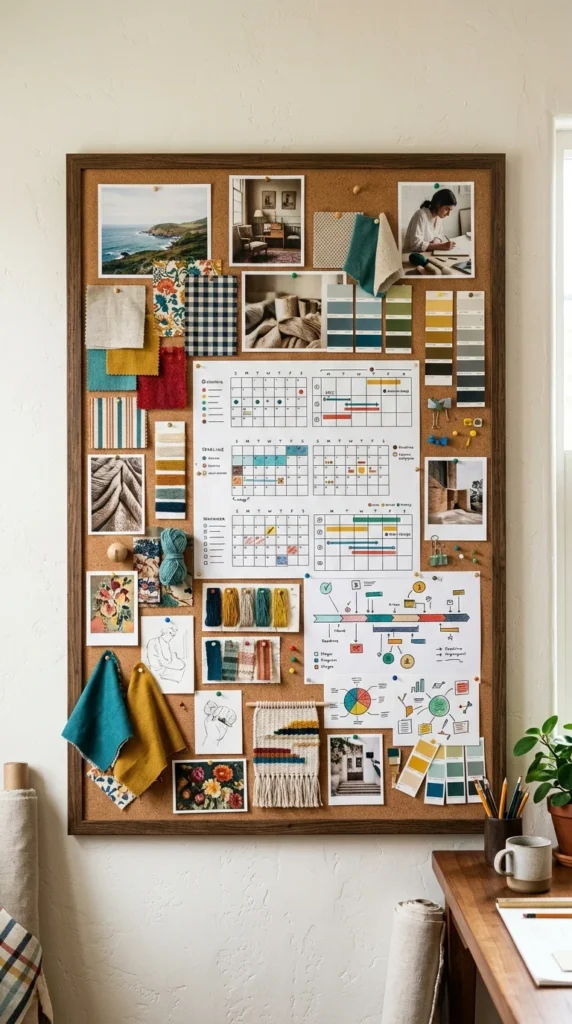
A large cork board acts as a bridge between your two worlds. Use one side for your professional deadlines and meeting schedules, and the other for your “mood board” or craft inspirations. It keeps your desk clear of loose papers and adds a personal touch to the room.
12. Under-Desk Drawers
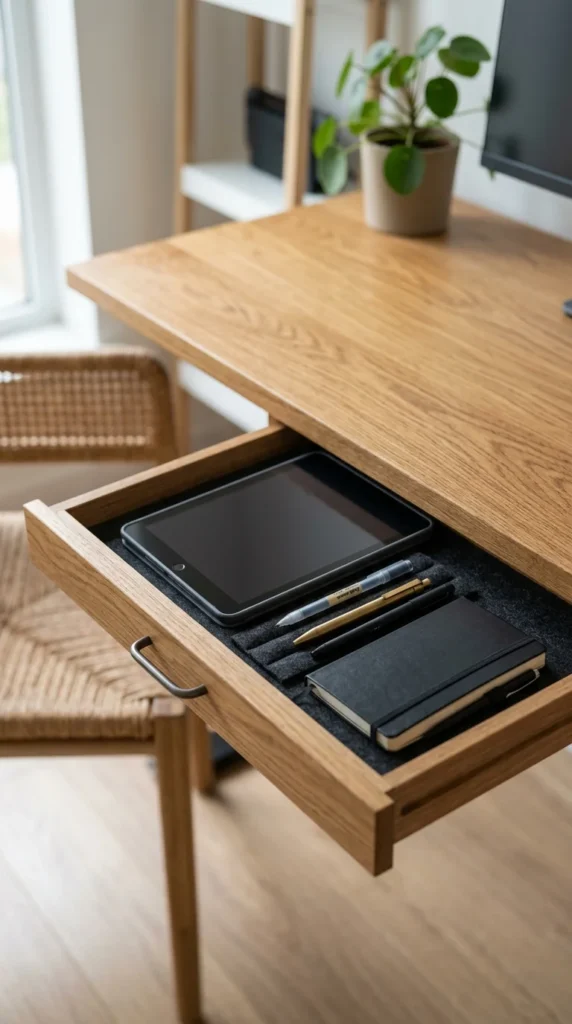
To maintain a clean office look, utilize the space directly beneath your desktop. Slim, pull-out drawers are perfect for storing tech gadgets and office essentials that you want out of sight but within reach, leaving the top of the desk free for your keyboard or a sketchbook.
13. Fold-Down Tables
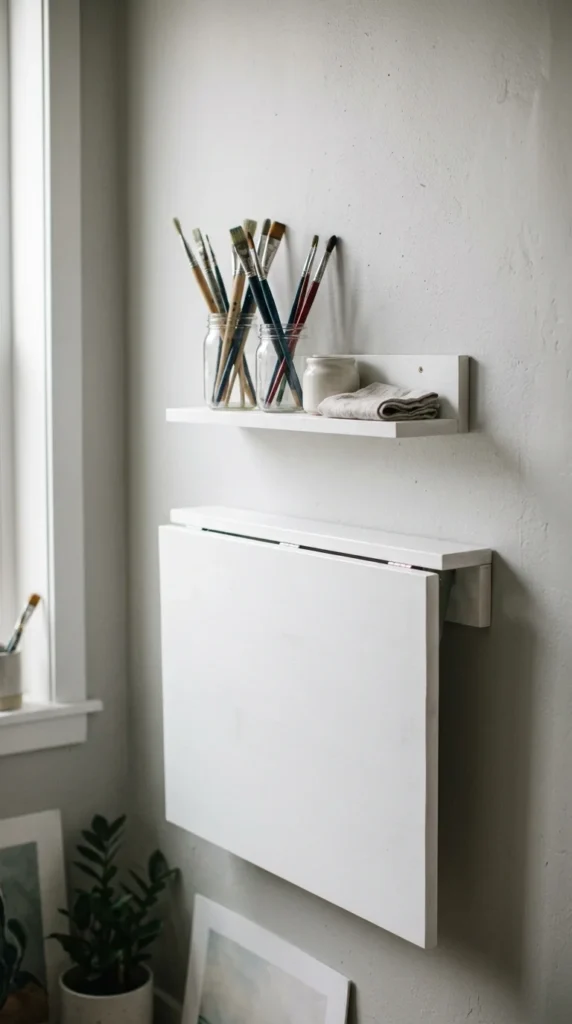
In smaller rooms, a wall-mounted drop-leaf table is a lifesaver. You can keep it folded up during your 9-to-5 to save floor space, then flip it down when you’re ready to spread out your craft supplies. It’s the ultimate space-saving solution for a dual-purpose room.
14. Rods and Hooks
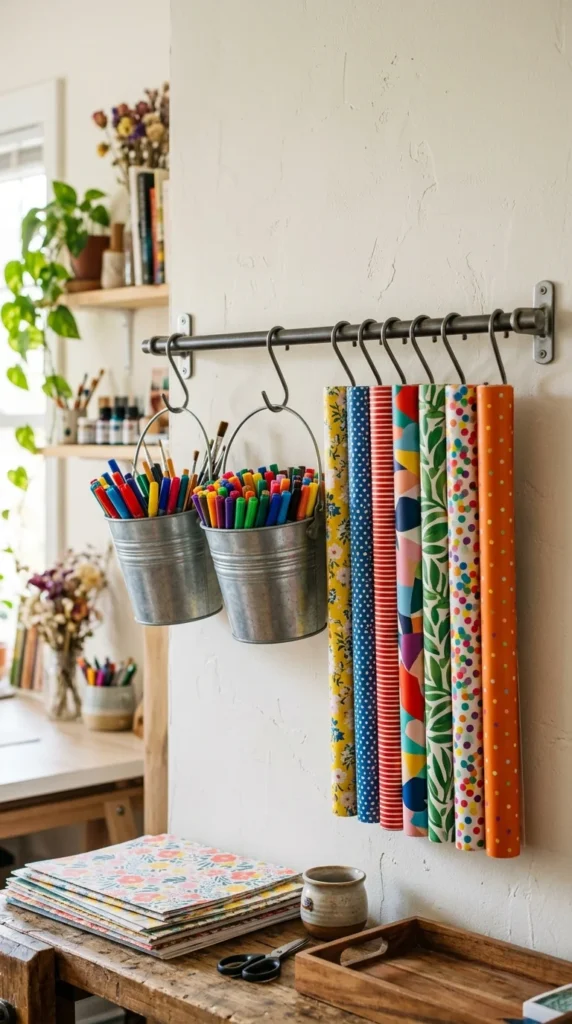
Taking inspiration from a kitchen or a workshop, using rods and hooks is an efficient way to store tools. Hang rolls of ribbon, tape, or even office cables. This keeps these items from tangling in drawers and makes them part of the room’s decor.
15. Corner Nooks
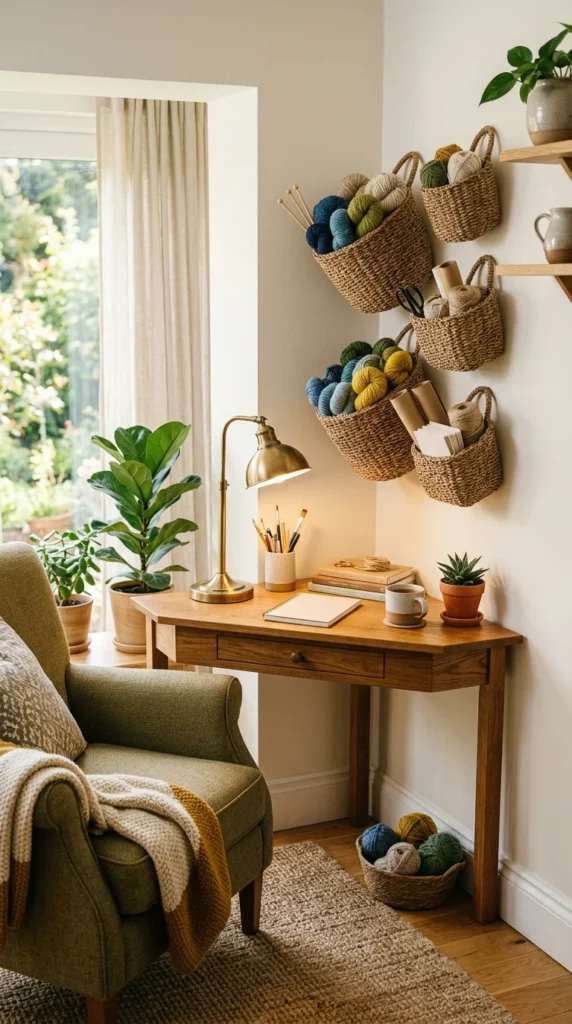
Don’t overlook the corners. A dedicated corner nook can be the perfect spot for a specialized craft station, like a knitting chair or a small painting easel, keeping it distinct from the more formal “office” side of the room.
16. Labeling Systems
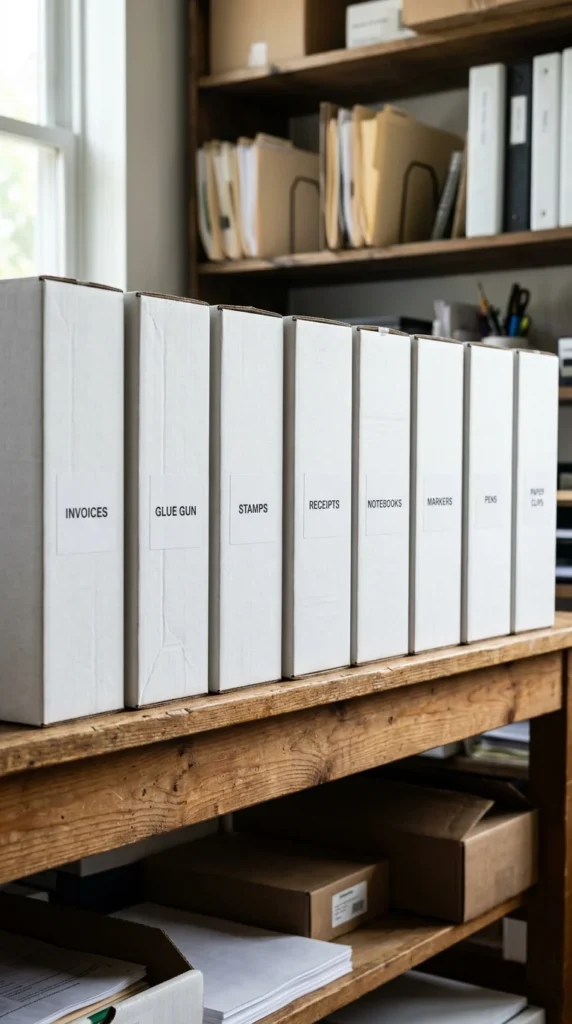
Consistency is key in a shared space. Using a uniform labeling system for both your office files and your craft bins creates a professional, organized atmosphere. It ensures that anyone (including you!) can find exactly what they need in seconds.
17. Comfortable Seating
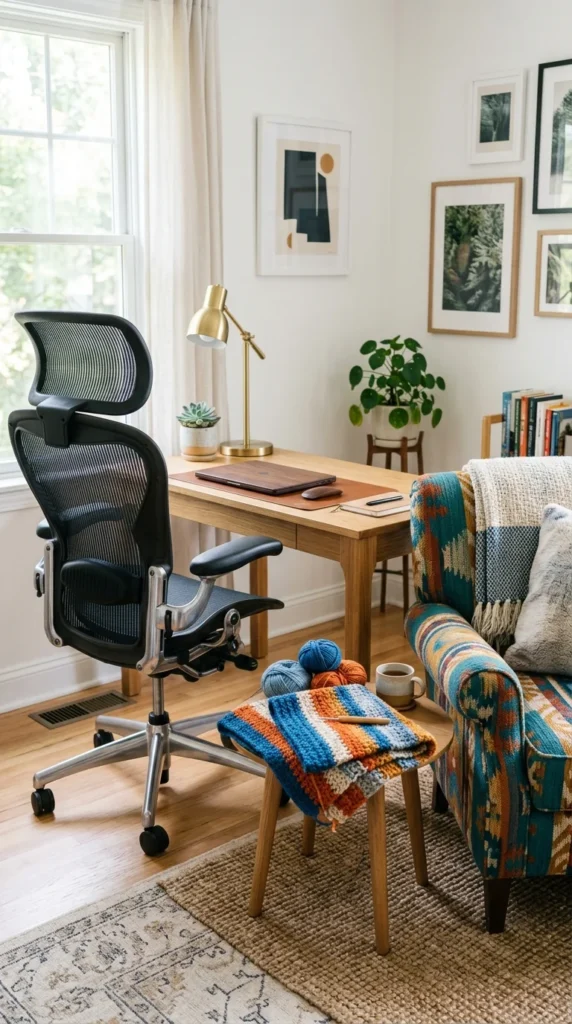
You need different types of comfort for different tasks. An ergonomic chair is a must for computer work to prevent back strain. Conversely, a soft, cozy armchair in the corner offers a perfect spot for hand-crafting or reading through work reports in a more relaxed posture.
18. Natural Light
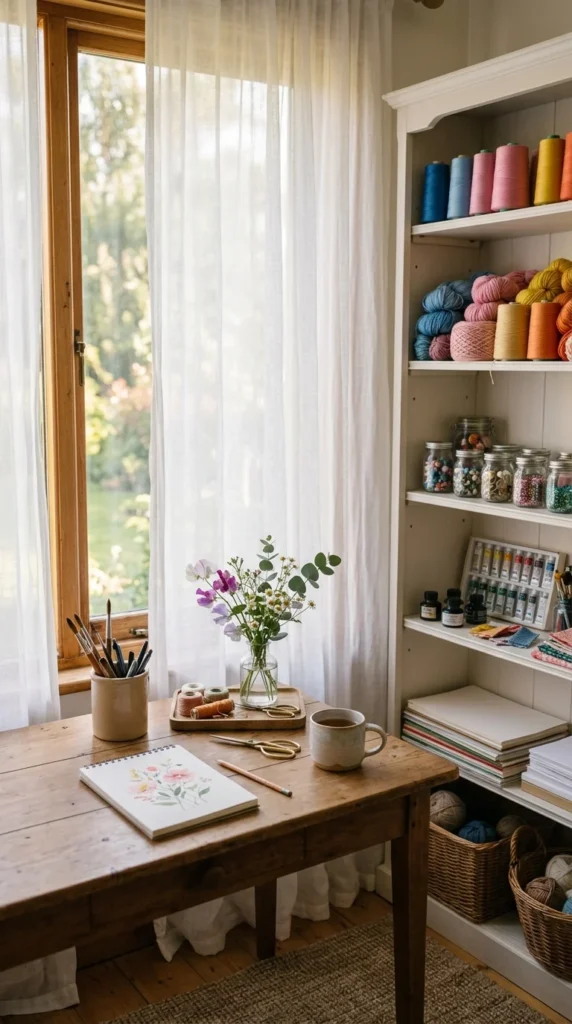
Position your primary workspace near a window. Natural light boosts productivity for office work and provides the best color accuracy for crafting projects. If your room lacks windows, invest in “daylight” bulbs to mimic the sun’s natural spectrum.
19. Magnetic Strips
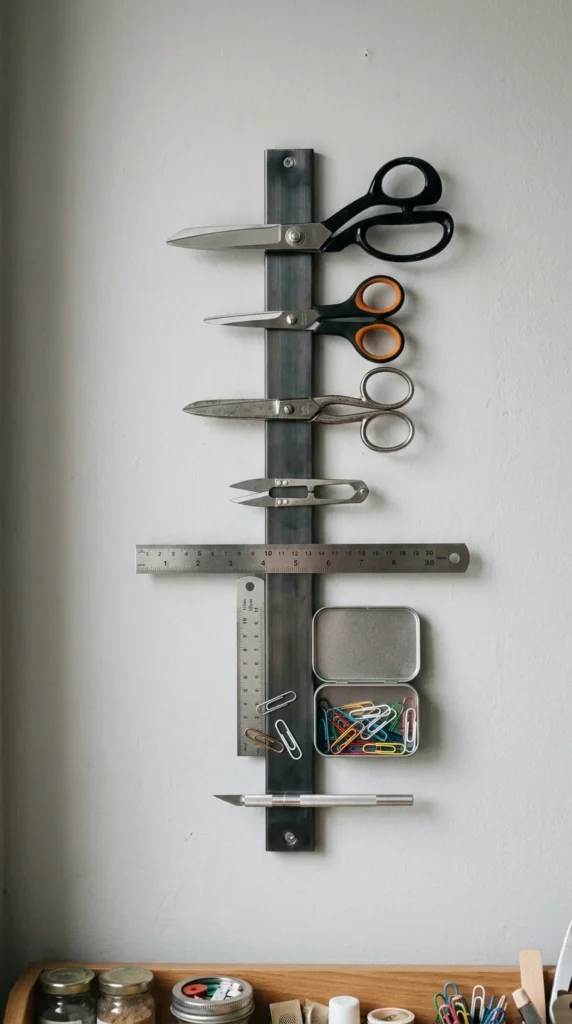
Magnetic strips aren’t just for kitchens. They are incredibly useful for holding metal craft tools like scissors, rotary cutters, and tweezers. You can also use them to hold metal spice tins filled with office supplies like staples or pushpins.
20. Built-in Cabinetry

For a high-end, integrated look, built-in cabinets offer the most storage potential. They can be designed to include specialized pull-out shelves for printers, hidden charging stations for electronics, and deep drawers for bulky craft machines like die-cutters or heat presses.
21. Cable Management
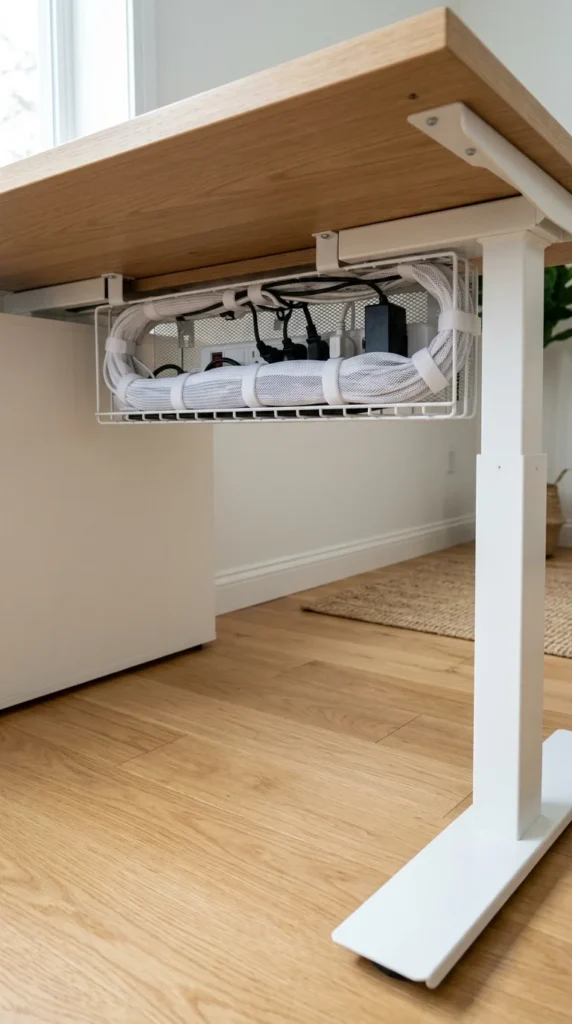
Nothing ruins the vibe of a creative space like a tangle of black wires. Use cable sleeves, under-desk trays, and cord clips to keep your computer, lamp, and machine cords organized. This makes the room safer and much more pleasant to look at.
22. Mood Boards
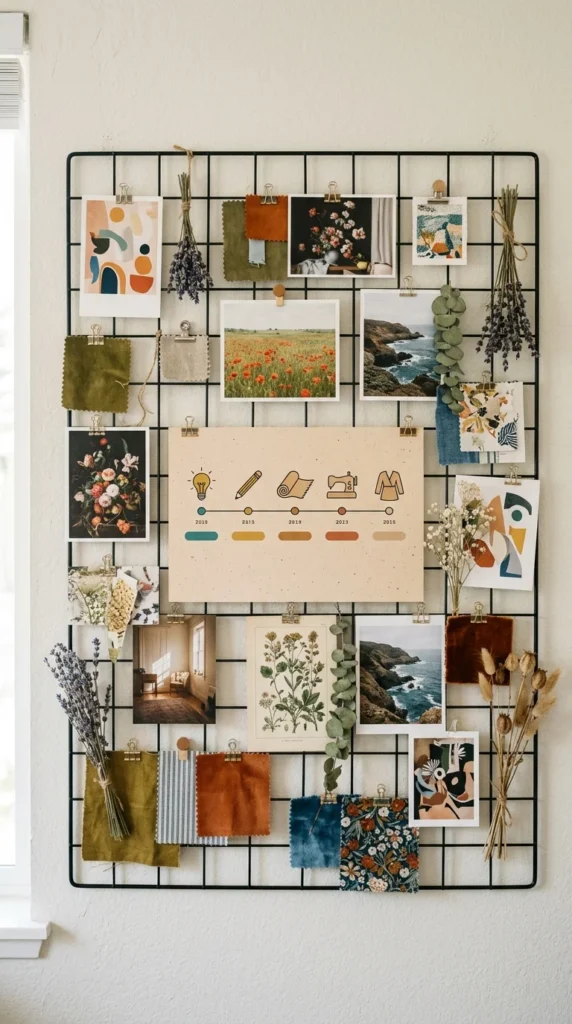
A mood board is a visual representation of your current projects. Using a wire grid or a large frame with clips allows you to rotate your inspiration. It serves as a creative focal point that bridges the gap between your professional goals and your artistic endeavors.
23. Multi-Tiered Trays
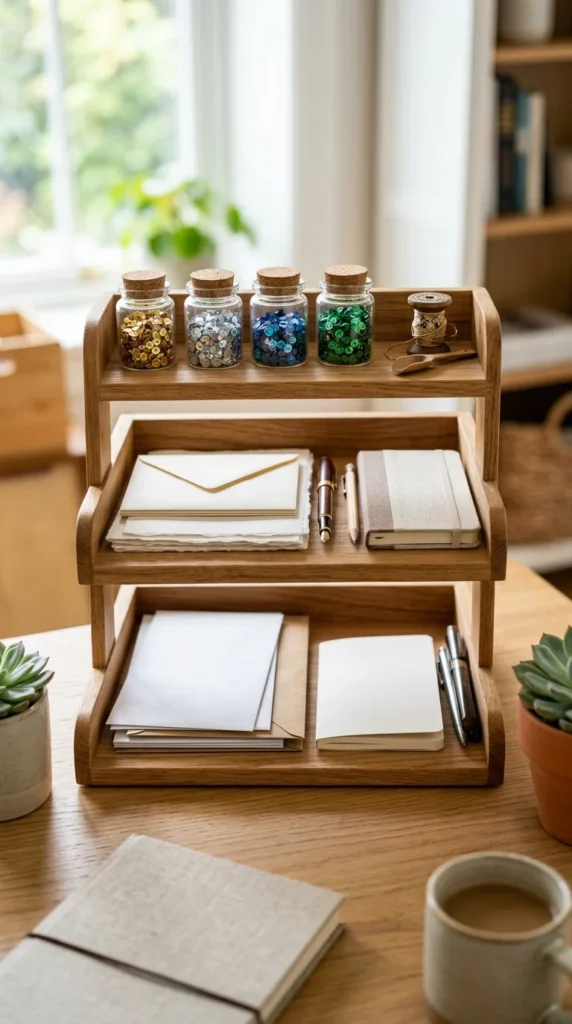
Trays are perfect for corralling small items that tend to wander. Use a tiered tray on your desk to separate “to-do” paperwork from your “to-create” supplies. It keeps the footprint small while maximizing storage on the horizontal surface.
24. Rug Integration
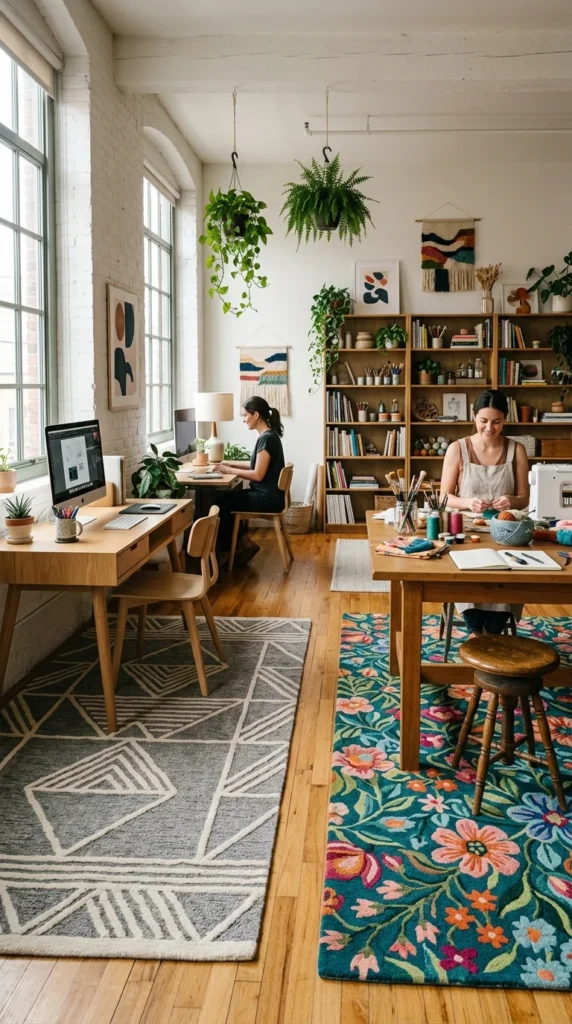
Use area rugs to “zone” your room. A rug under your office desk and a different one under your crafting area create visual boundaries without the need for walls. This psychological trick helps your brain switch gears depending on which “zone” you are standing in, making the combo room work beautifully