
The modern home has undergone a radical transformation. No longer just a place for relaxation, our living spaces now double as corporate hubs, creative studios, and administrative centers. However, not everyone has the luxury of a dedicated spare room to serve as a private office. This is where the art of the “living room corner office” comes into play.
Creating a workspace within your living area requires a delicate balance. It needs to be functional enough to support an eight-hour workday but stylish enough that it doesn’t ruin the aesthetic of your sanctuary. Whether you are dealing with a tiny studio apartment or a spacious open-concept home, these 19 ideas will help you carve out a productive niche that looks like it was always meant to be there.
1. Floating Desks
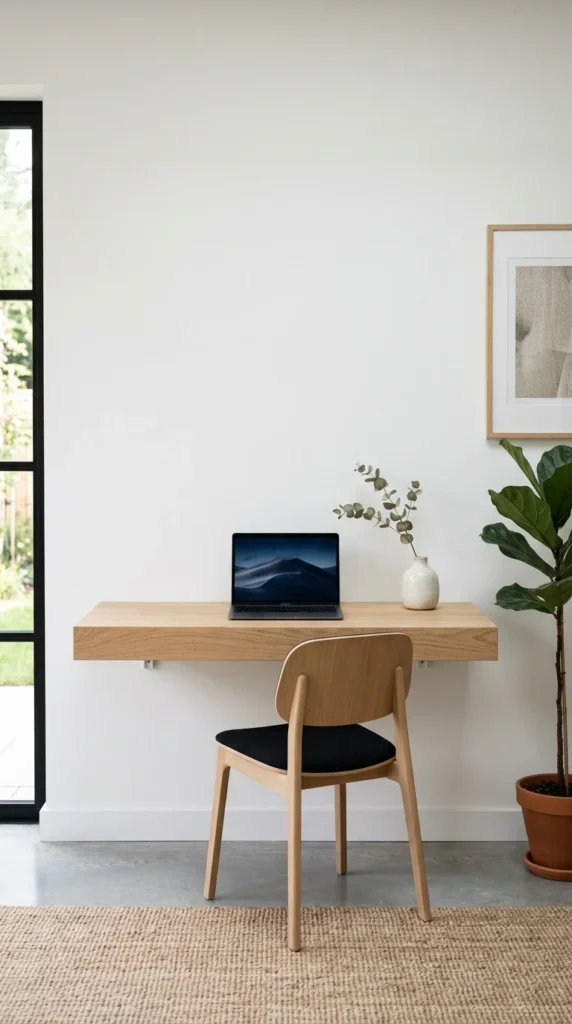
Floating desks are the ultimate space-savers. By mounting the work surface directly to the wall, you eliminate the visual clutter of desk legs, making the corner feel larger and more airy. This is a perfect solution for high-traffic living rooms where floor space is at a premium. You can even find models that fold up when not in use, completely hiding your “office” once the clock hits five.
2. L-Shaped Desks
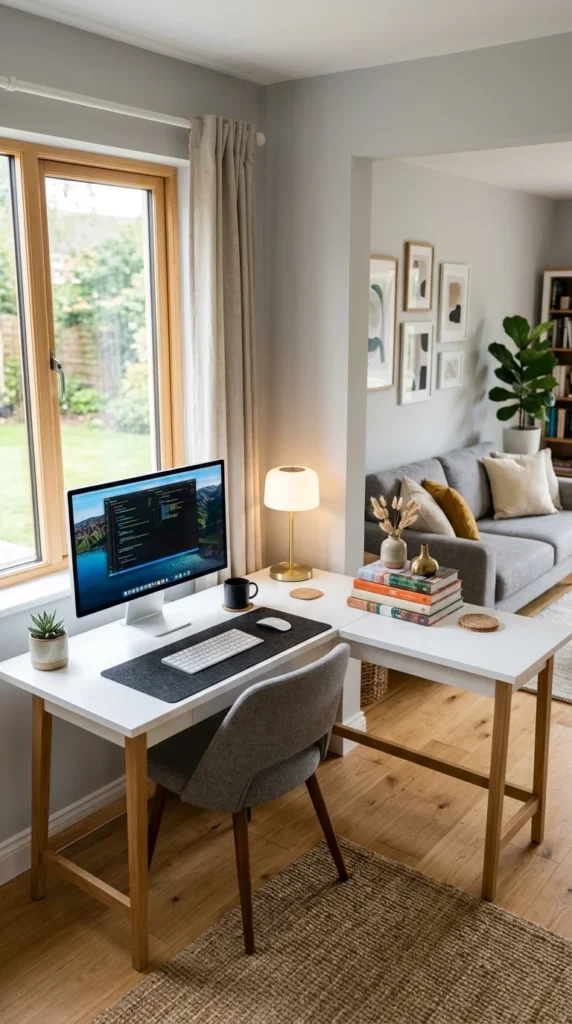
If you require a dual-monitor setup or extra surface area for spreading out documents, an L-shaped desk is the logical choice. By hugging the corner, these desks maximize the utility of often-wasted square footage. Look for designs with thin metal frames to keep the look light and contemporary rather than bulky and corporate.
3. Ladder Shelves
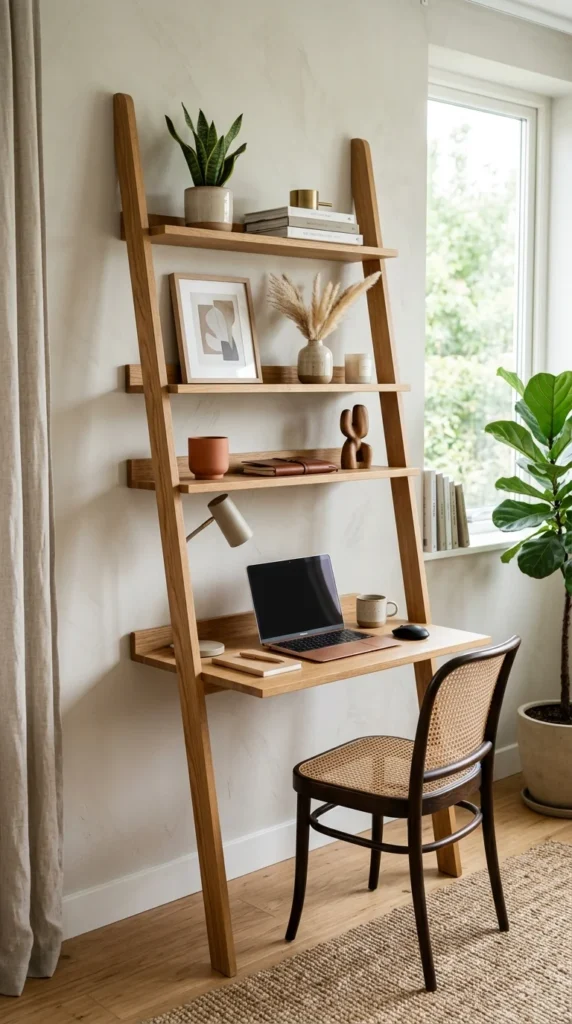
The ladder desk is a darling of interior design because it utilizes vertical space. The tiered shelving above the desk area allows you to blend office supplies with home decor. Placing a few trailing plants or framed photos on the upper shelves helps the desk feel like a cohesive piece of furniture rather than a utility station.
4. Cloffice Style
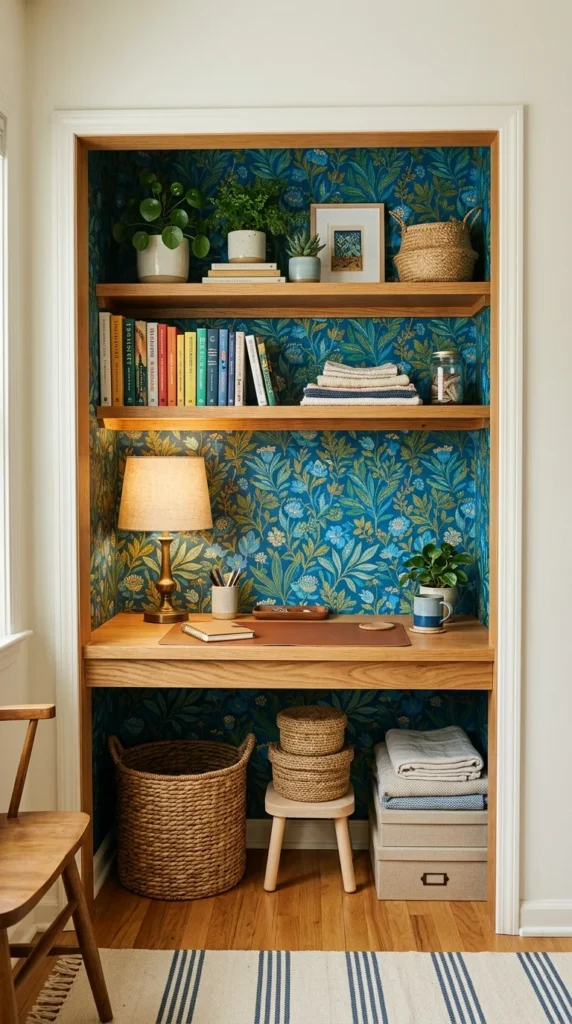
The “cloffice” (closet-office) is a brilliant way to hide your work entirely. By removing the doors of a small reach-in closet or keeping them as folding doors, you can create a recessed office nook. This creates a psychological boundary between “work” and “home” because you can literally close the door on your tasks at the end of the day.
5. Sofa Backing
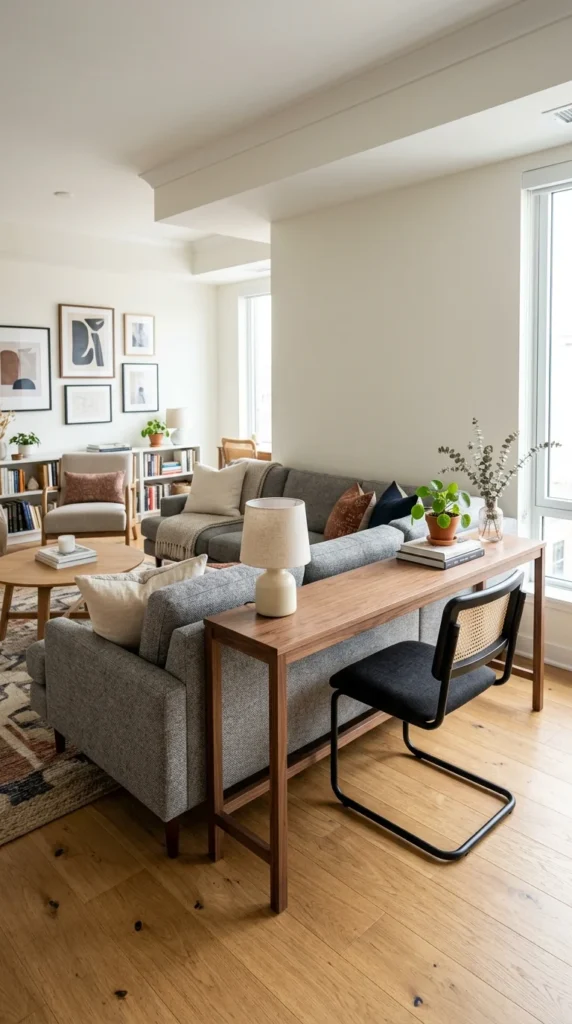
If your sofa isn’t pushed against a wall, the space behind it is prime real estate. A long, thin console table can serve as a desk during the day and a decorative sideboard in the evening. This setup allows you to stay connected to the room’s activities while still having a dedicated surface for your laptop.
6. Window Views
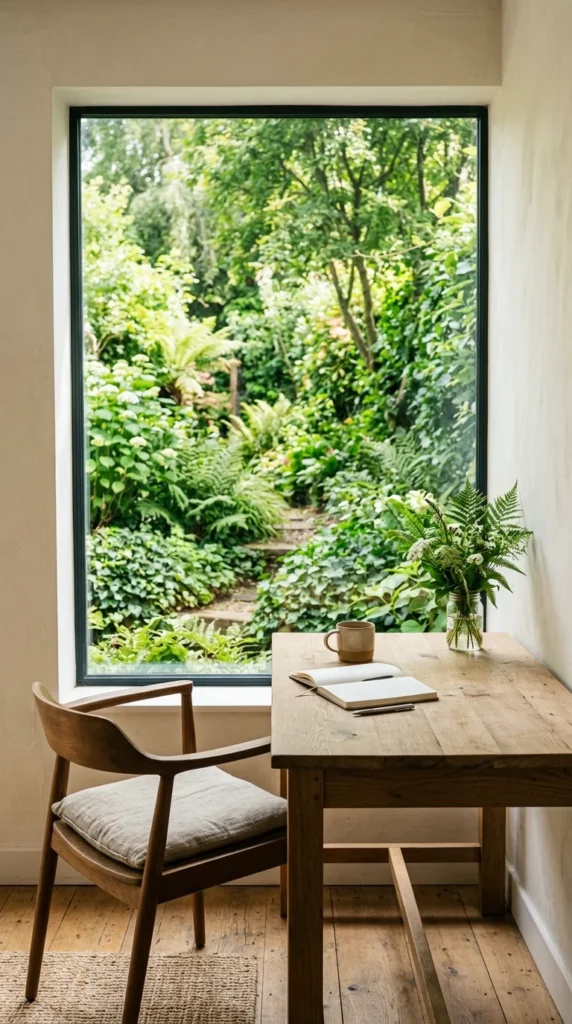
Placing your desk in front of a window is the best way to boost your mood and productivity. Natural light reduces eye strain and provides a much-needed visual break during long meetings. To make it blend with the living room, choose a desk material that matches your window trim or your coffee table.
7. Folding Screens
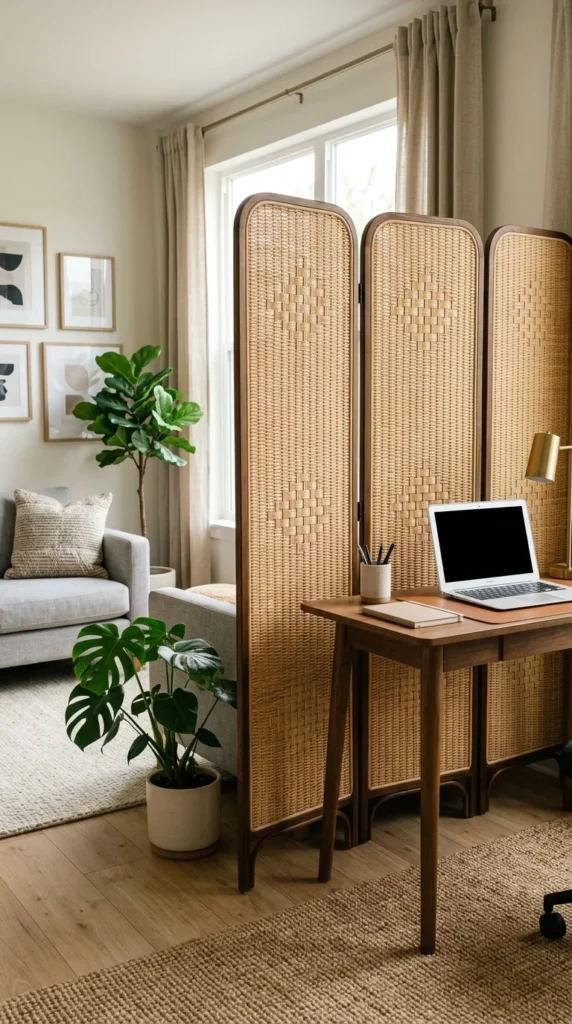
If you find your computer monitors distracting while you’re trying to watch a movie, a decorative folding screen is your best friend. Use a screen made of rattan, fabric, or carved wood to create a “wall” that separates your office corner from your lounging area. It adds texture to the room while providing much-needed privacy.
8. Minimalist Setup
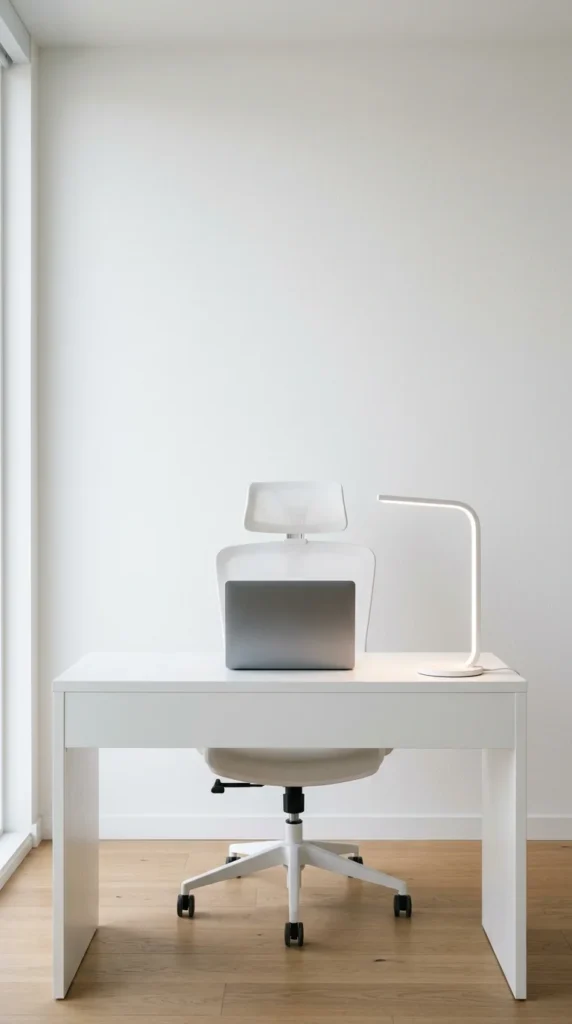
Sometimes, the best way to blend an office into a living room is to make it as invisible as possible. A minimalist approach—using a monochromatic color palette and hidden cable management—ensures the workspace doesn’t draw the eye away from your beautiful living room decor.
9. Antique Charms
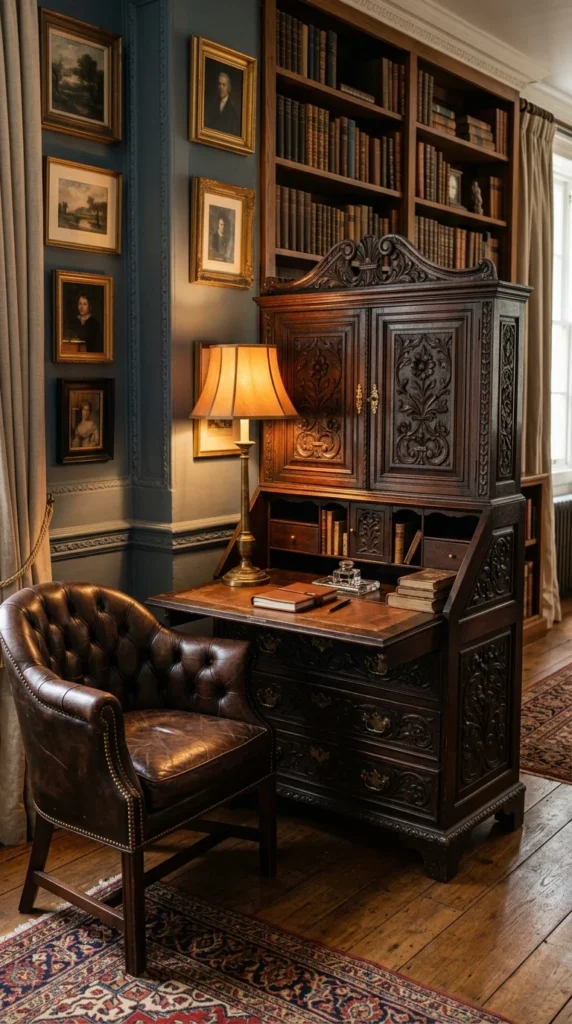
Who says an office has to look modern? An antique desk can serve as a stunning statement piece in your living room. A vintage roll-top or a Victorian writing desk adds character and history to your space. These pieces are often made of high-quality wood that complements traditional or transitional living room styles.
10. Accent Walls
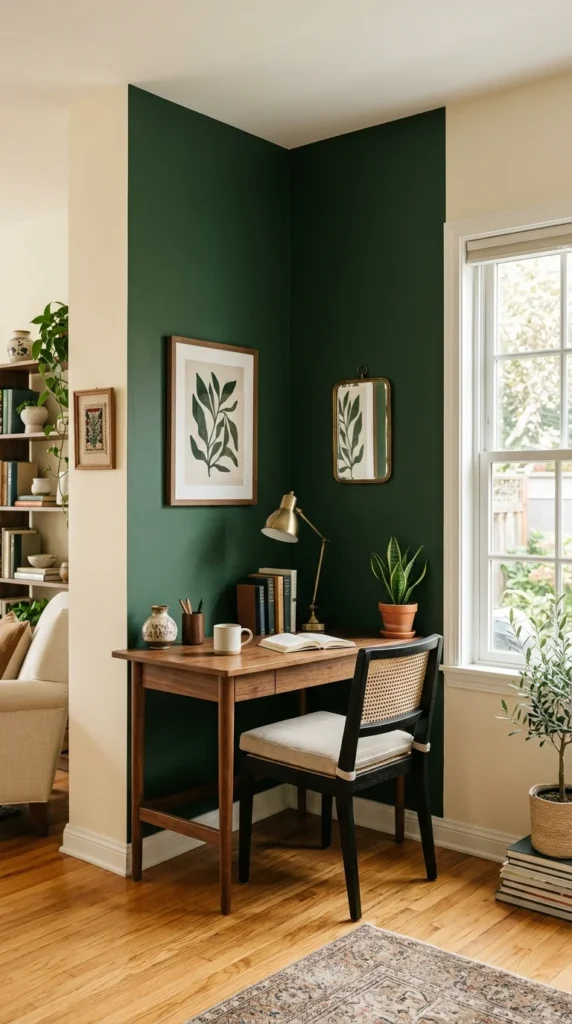
Use paint to define the office zone. By painting the corner where your desk sits a different color than the rest of the room, you create a “zone” without needing any physical dividers. This visual cue helps your brain switch into work mode when you enter the colored area.
11. Indoor Jungles
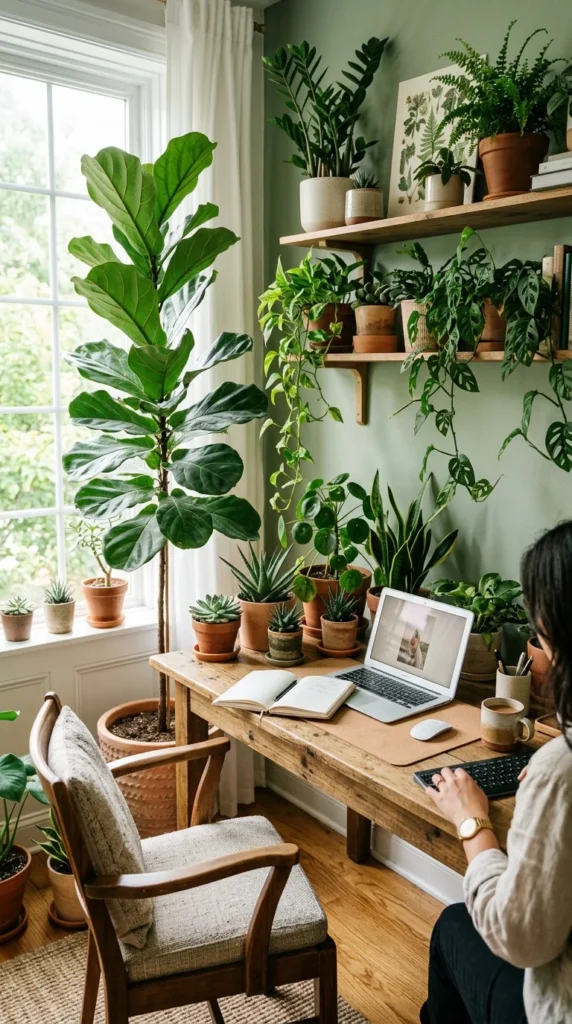
Plants are the ultimate bridge between “office” and “living room.” Surrounding your desk with greenery softens the hard lines of technology. Use hanging planters or a tall floor plant to frame your workspace, making it feel like a refreshing garden sanctuary.
12. Gallery Backdrops
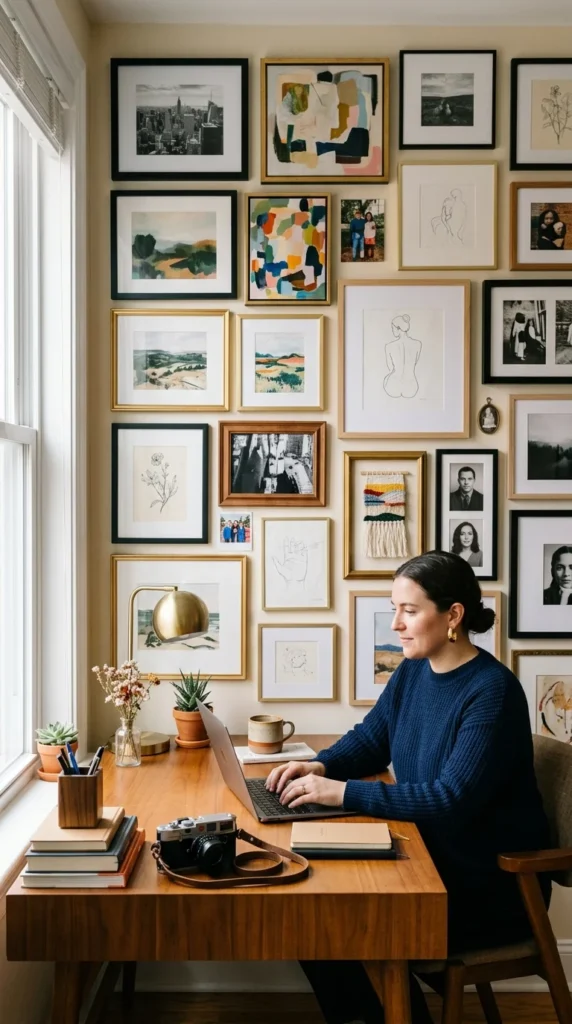
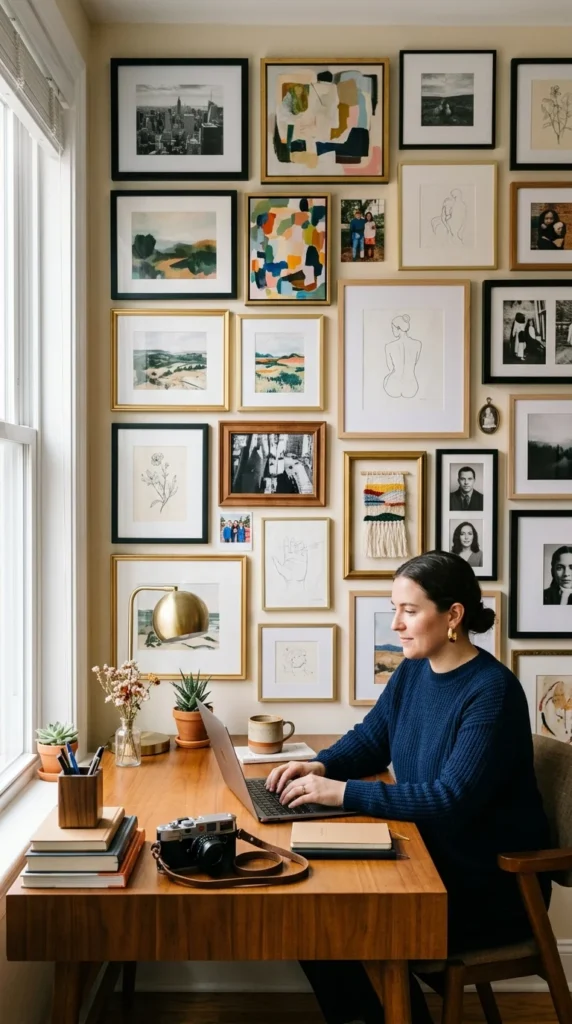
Instead of leaving the wall behind your monitor blank, incorporate your workspace into a gallery wall. By surrounding your computer with art, the desk becomes part of the room’s overall creative expression rather than a standalone functional item.
13. Secretary Desks
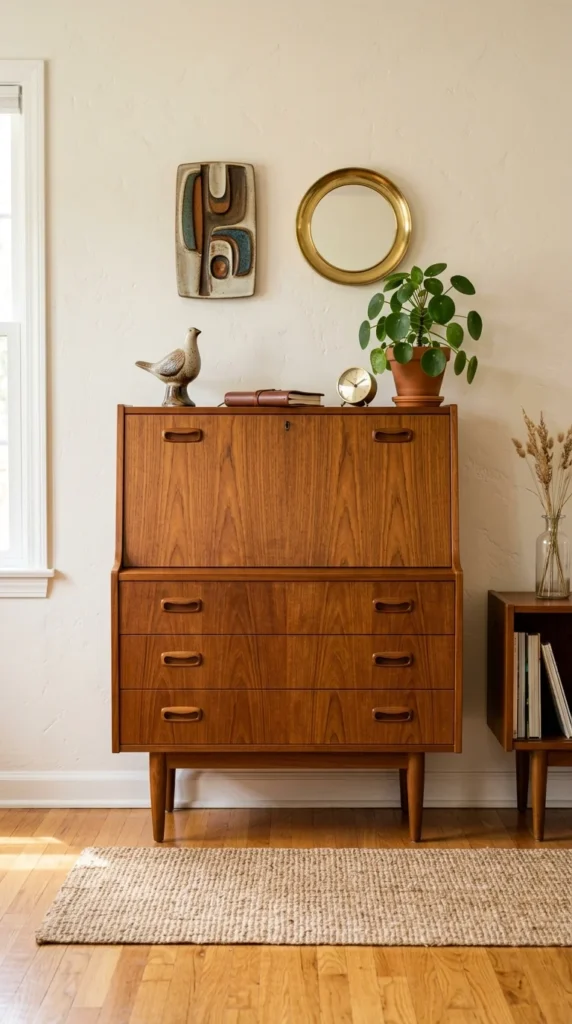
The secretary desk is the original “hideaway” office. With a flip-down top, you can easily transition from a workspace to a tidy living room in seconds. When closed, it looks like a high-end cabinet or chest of drawers, keeping your messy paperwork and wires out of sight.
14. Pegboard Storage
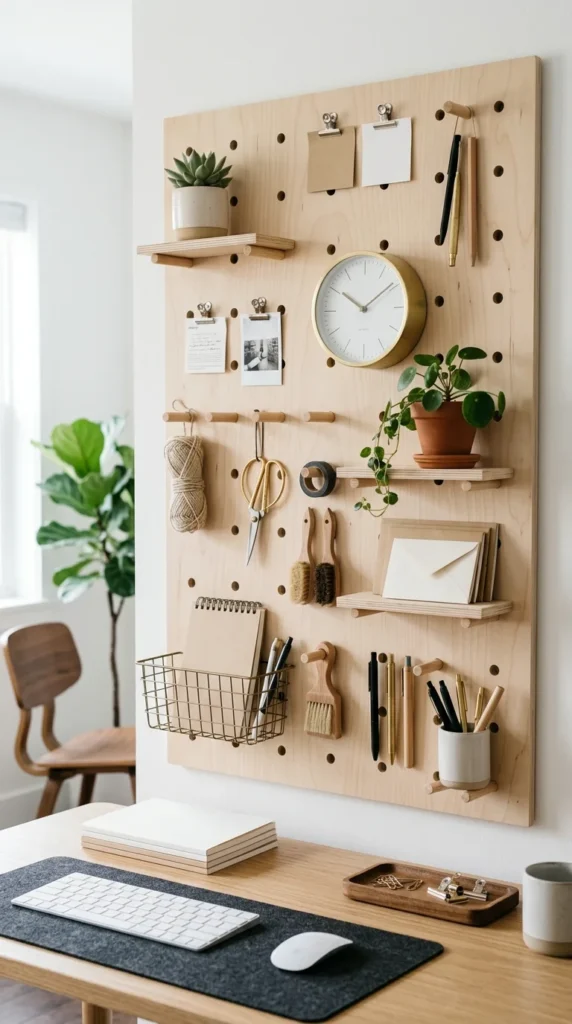
Vertical organization is key in a small corner. A pegboard allows you to keep your desktop clear of clutter while having everything you need within arm’s reach. Choose a wooden or painted pegboard that matches your room’s color scheme to keep it looking intentional and stylish.
15. Hideaway Armoires
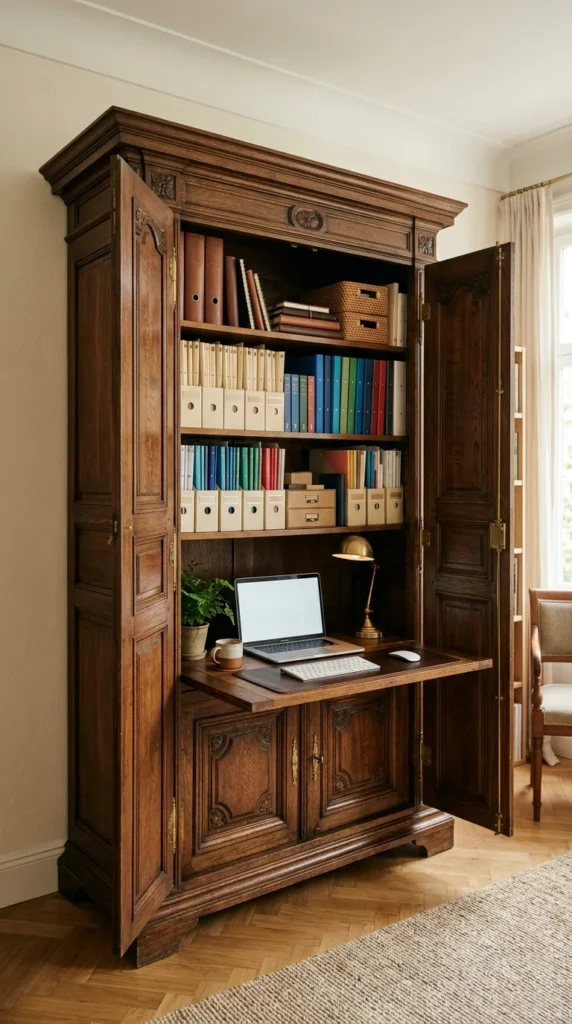
f you have a larger corner to spare, an office armoire is a fantastic investment. These large pieces of furniture can house a full desktop setup, a printer, and filing cabinets. When the doors are closed, it’s just a beautiful piece of furniture that complements your living room’s scale.
16. Rug Zoning
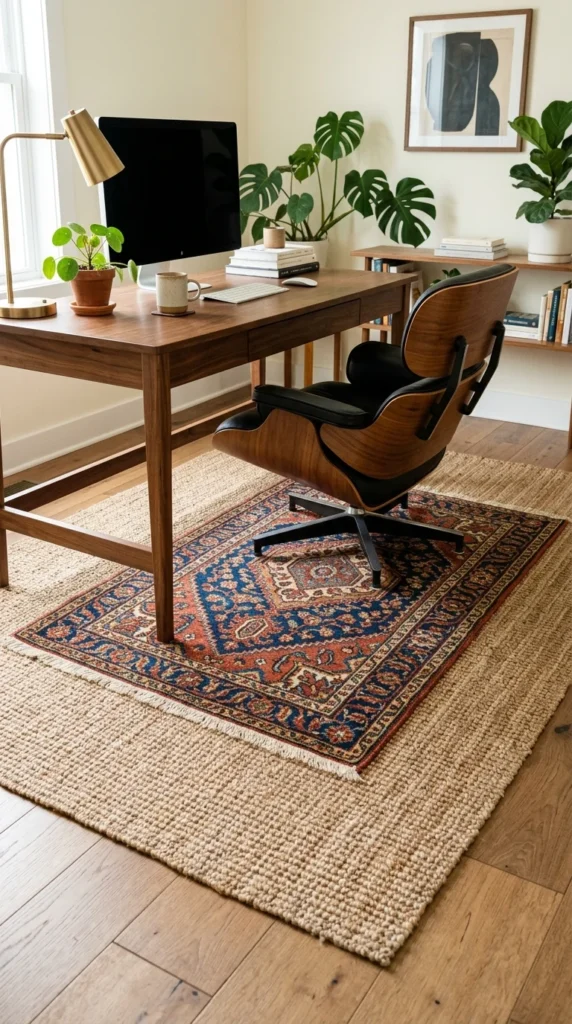
Rugs are powerful tools for “zoning” a room. By placing a small rug under your desk and chair, you create a visual boundary that says “this is the office.” It also protects your living room floor from the scuffs of a rolling office chair.
17. Velvet Chairs
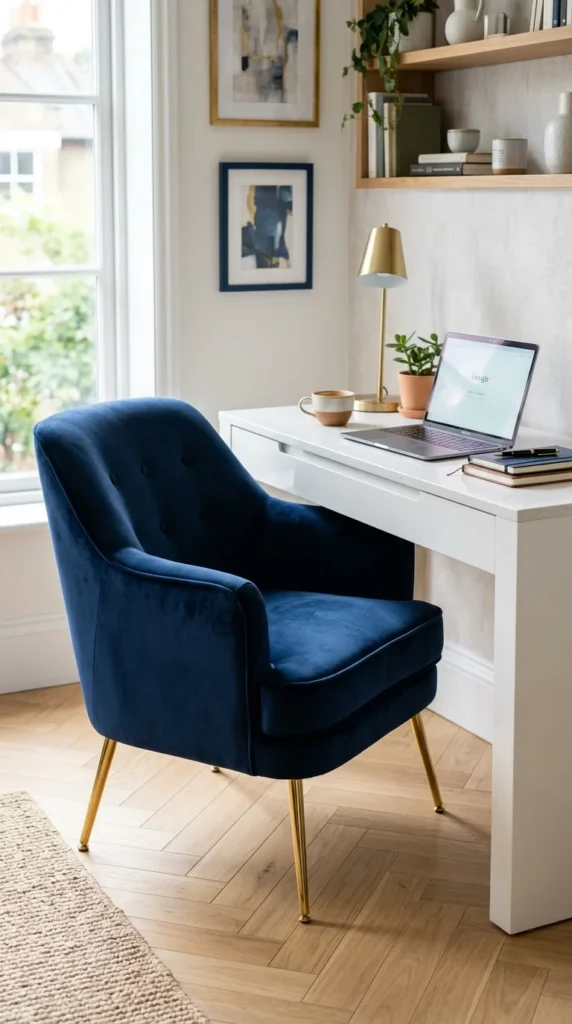
One of the quickest ways to make a home office feel “corporate” is a bulky plastic chair. Instead, opt for a stylish velvet or fabric armchair that offers ergonomic support but looks like it belongs in a high-end lounge. It adds a touch of luxury and comfort to your workday.
18. Tonal Schemes
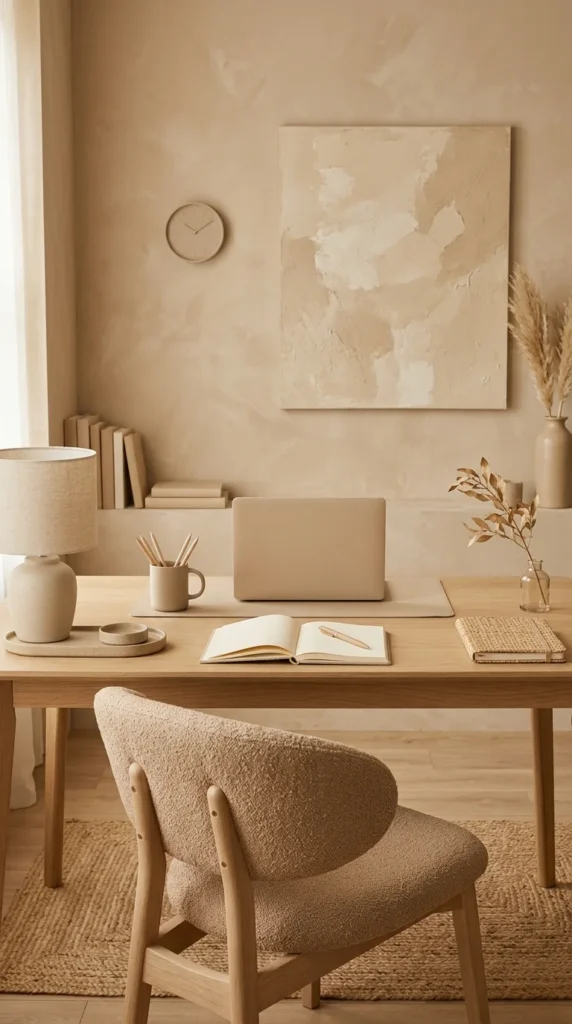
Matching your office furniture exactly to the color of your walls or your sofa creates a “tonal” look that is very easy on the eyes. When the colors blend together, the furniture seems to recede into the room, preventing the corner from feeling cramped or cluttered.
19. Metallic Accents
For a modern, glamorous living room, choose a desk with metallic accents. Gold, brass, or chrome frames reflect light and add a sophisticated touch. Pair a glass-top desk with a metallic frame to keep the workspace looking “light” and let the colors of the room shine through the furniture.