Mastering your daily workflow starts with a visual command center. A desk calendar isn’t just a tool for tracking dates; it is a psychological anchor that keeps your goals, deadlines, and appointments front and center. Whether you are a minimalist seeking zen-like clarity or a creative professional who thrives on color-coded chaos, the way you display your schedule can significantly impact your productivity.
1. Acrylic Boards
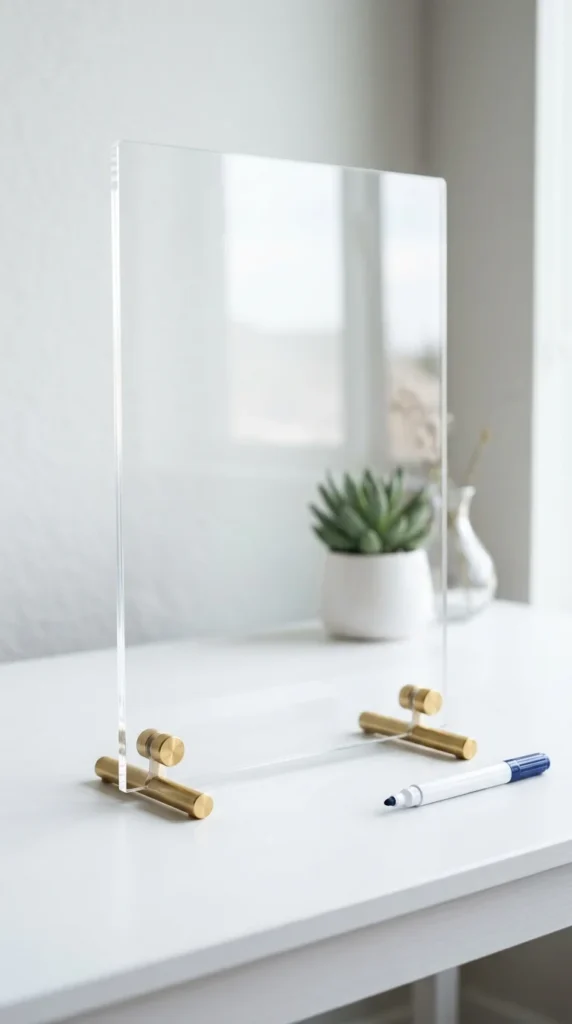
Acrylic calendars offer a sleek, “floating” aesthetic that blends seamlessly into any modern office decor. Because they are transparent, they don’t visually clutter your workspace, making them ideal for small desks. These are typically reusable, allowing you to wipe away the previous month and start fresh, which is both eco-friendly and satisfying for those who love a clean slate.
2. Minimalist Paper

For the purist, nothing beats the tactile experience of high-quality paper. Minimalist paper calendars focus on white space and crisp typography. By stripping away distractions, these organizers allow your written tasks to stand out. They often come as loose sheets or bound pads that lay flat, providing a smooth surface for quick jotting during phone calls or meetings.
3. Wood Blocks

Wood block calendars are “perpetual,” meaning you never have to buy a new one. They serve as a piece of functional sculpture on your desk. The act of manually turning the blocks each morning creates a mindful ritual that signals the start of the workday. This tactile interaction helps ground you in the present moment before diving into digital tasks.
4. Digital Displays
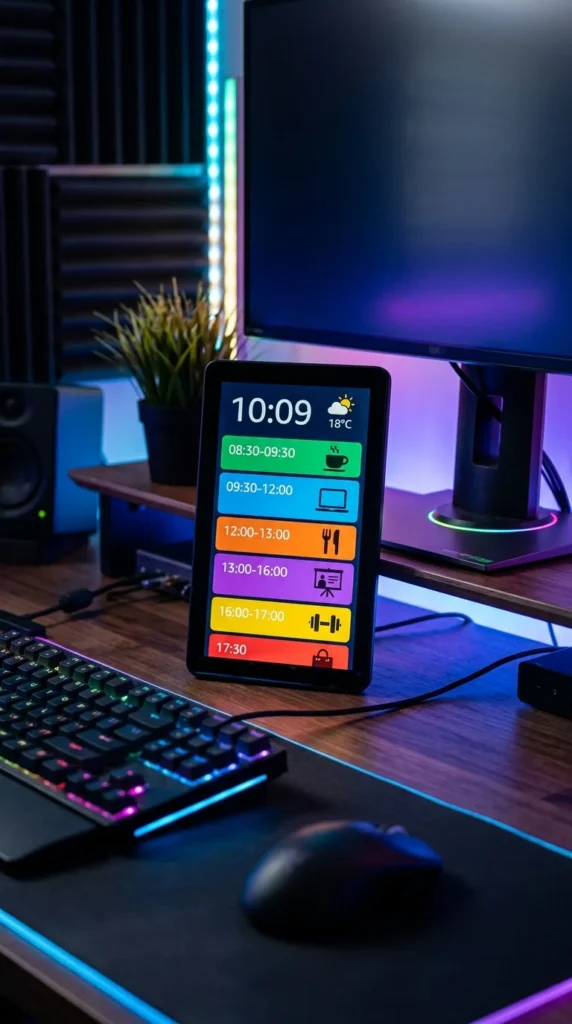
In an age of syncing, a digital desk calendar is the ultimate efficiency tool. These devices can pull data from your Google Calendar, Outlook, and Apple Calendar simultaneously. They provide real-time updates, reminders, and even weather forecasts. If your schedule changes frequently throughout the day, a digital display ensures you are never looking at an outdated version of your itinerary.
5. Perennial Flip

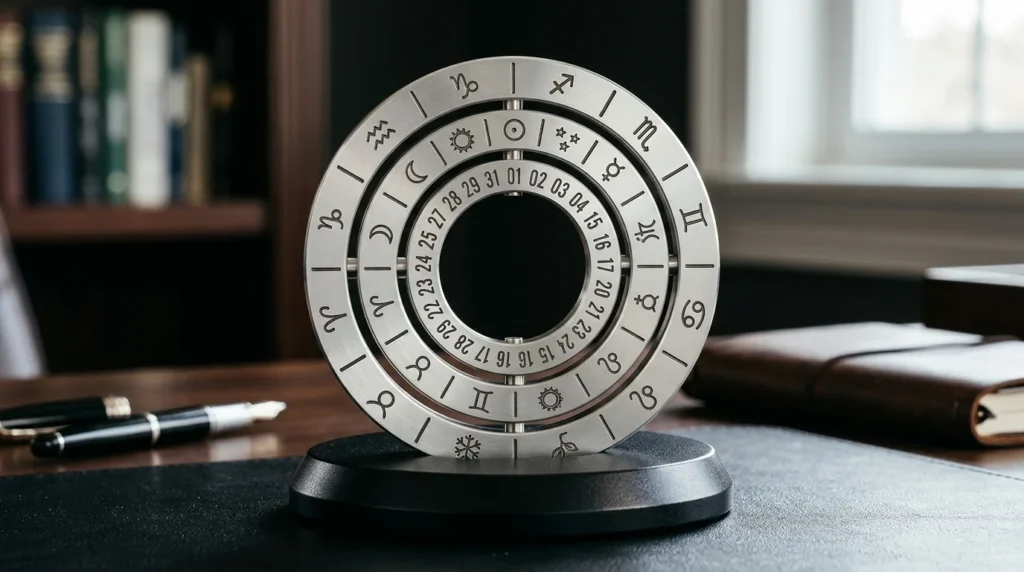
The perennial flip calendar is a classic for a reason. Often made of metal or heavy-duty plastic, these organizers evoke a mid-century modern vibe. They are incredibly durable and require zero batteries or paper refills. They are best suited for those who only need to track the current date at a glance rather than planning out an entire month in advance.
6. Leather Pads
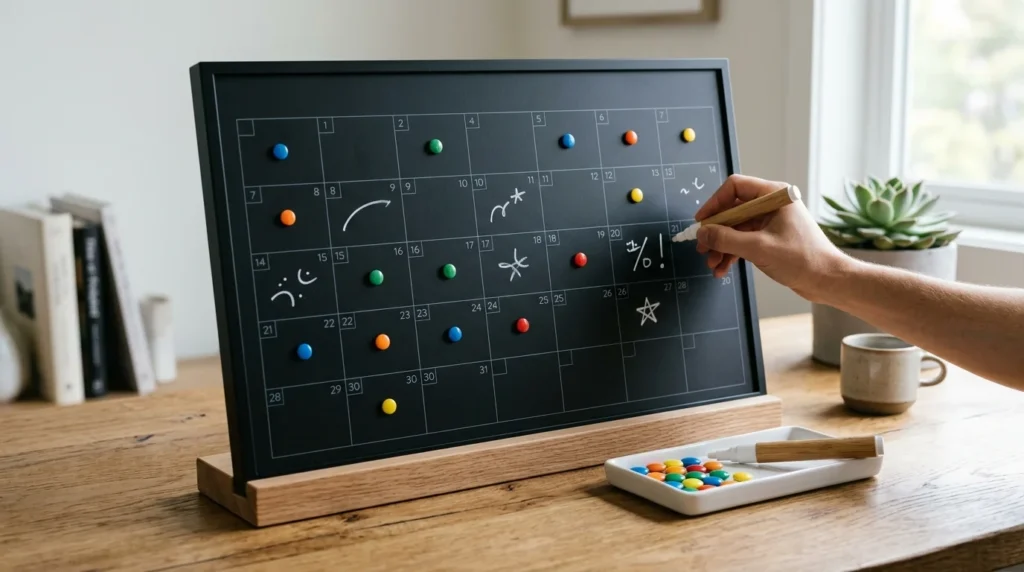
Leather desk pads provide a luxury feel while protecting your desk surface. Many high-end versions include a built-in calendar section or a side pocket for schedule inserts. This setup is perfect for executives or anyone who wants their calendar to feel like a permanent, integrated part of their furniture rather than an after-thought accessory.
7. Clipboards
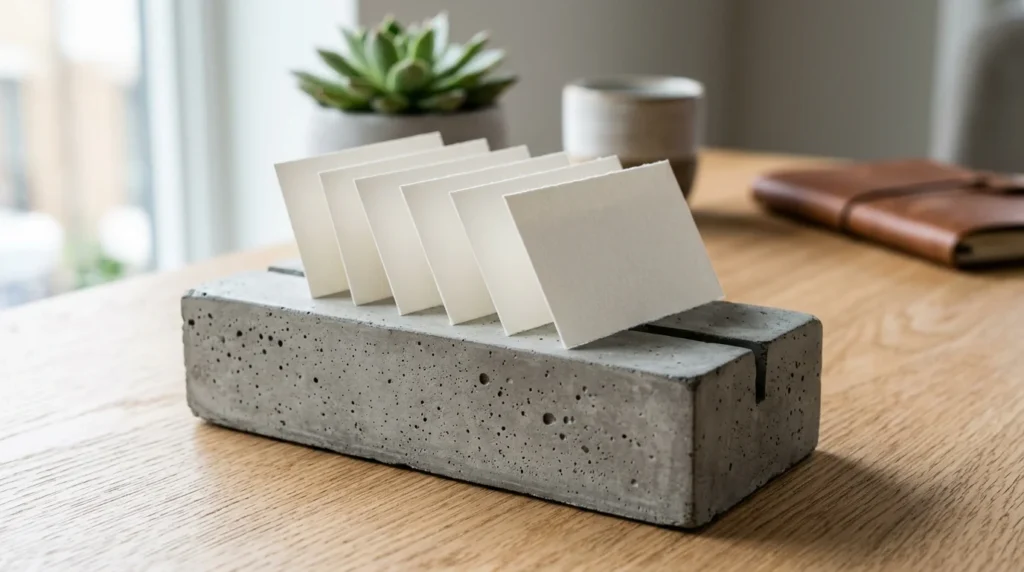
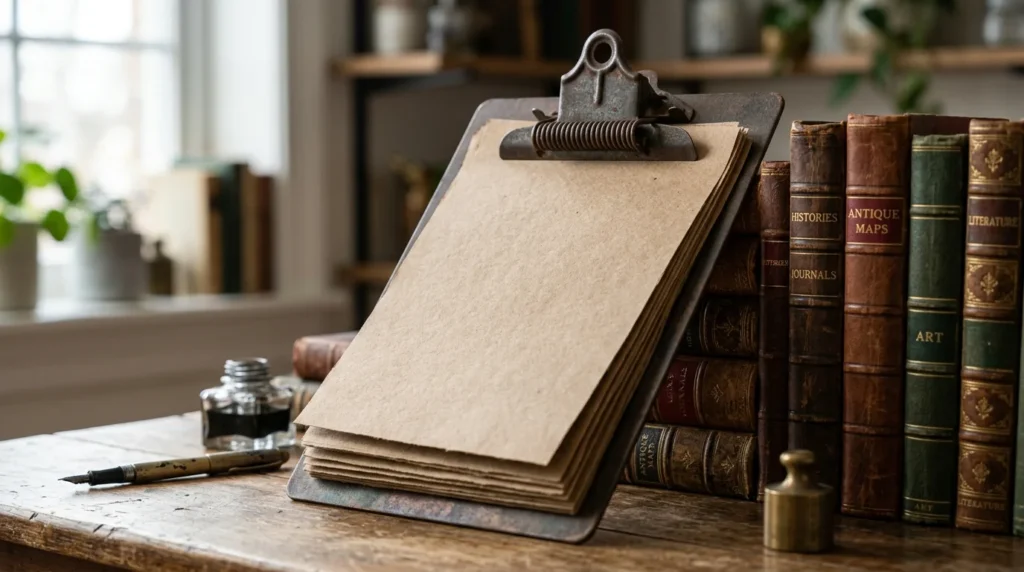
Using a clipboard as a calendar organizer is a fantastic DIY approach that offers maximum flexibility. You can print your own templates, swap them out weekly, or move the entire “organizer” from your desk to a wall hook. It’s an excellent choice for project managers who need to carry their schedule between different workstations or rooms.
8. Geometric Sculptures
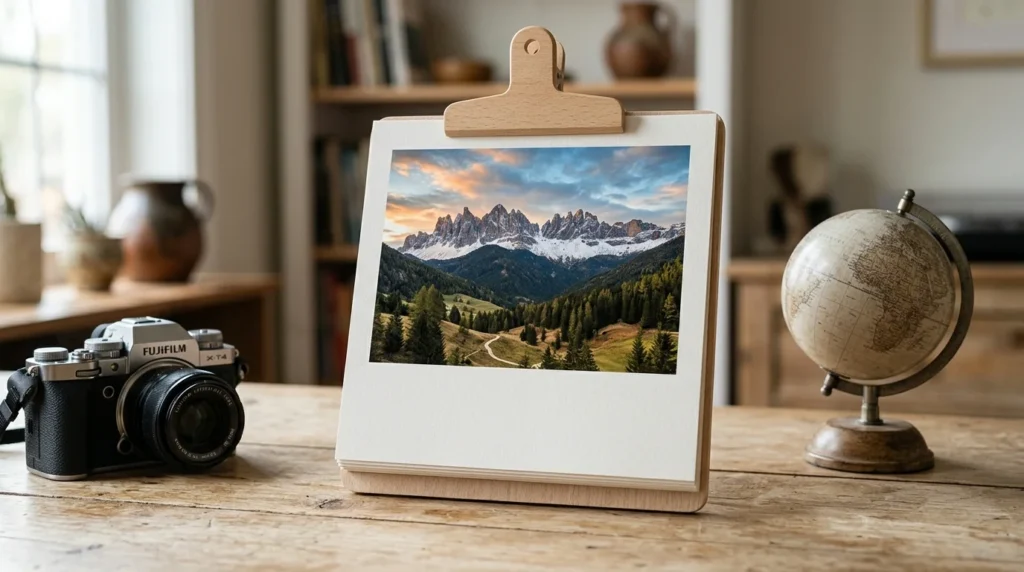
Geometric calendars turn time-tracking into an art form. These 3D objects are conversation starters and work well for those who have a playful or artistic approach to their workspace. While they may offer less room for writing detailed notes, they are perfect for a quick reference of dates and months in a compact, visually stimulating package.
9. Planner Stands

If you already use a traditional paper planner, a dedicated stand can transform it into a desk calendar. By propping your planner up at an angle, you keep your to-do list in your peripheral vision all day. This prevents the “out of sight, out of mind” trap that often happens when a planner is closed or buried under other papers.
10. Glass Dry-Erase
Glass desk organizers are the modern answer to the messy post-it note habit. These long, slim boards sit right in front of your keyboard, providing a perfect spot for rapid logging and temporary scheduling. Because they are made of tempered glass, they don’t stain or “ghost,” remaining pristine through years of use.
11. Corkboard Pin-ups

For those who view their schedule as a mood board, a corkboard organizer is ideal. It allows you to pin up specific dates, invitations, and reminders alongside your monthly view. This tactile and highly visual method is great for people who balance professional deadlines with a busy social life or creative projects.
12. Washi Tape Grids
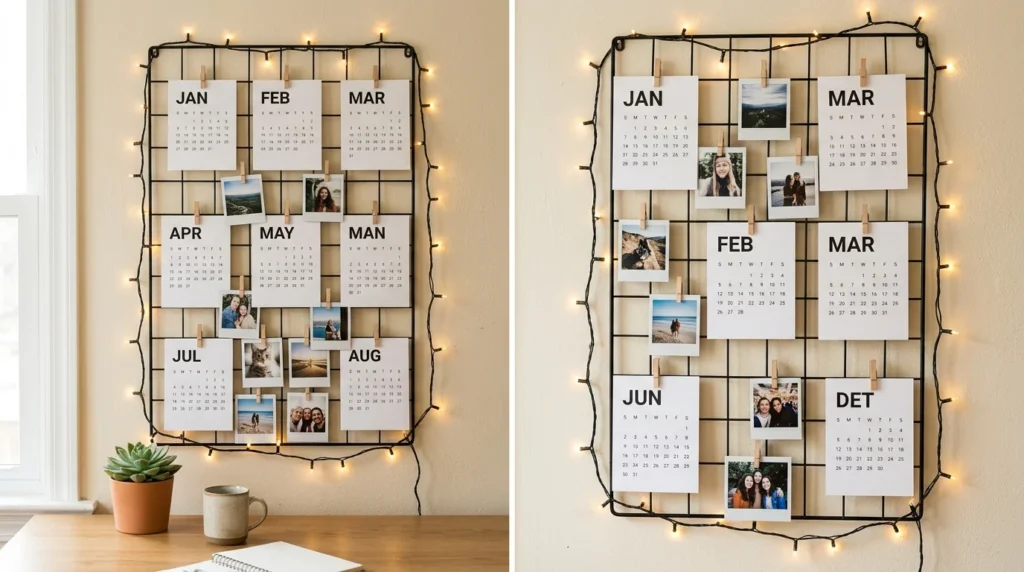
Washi tape allows you to turn your actual desk surface into a giant calendar. This is a brilliant solution for “visual thinkers” who need a large-scale view of their month. Since washi tape is low-tack and removable, you can change the layout or size of your grid whenever your project needs evolve without damaging your furniture.
13. Brass Holders
Brass holders exude elegance and weight. They are designed to hold a single “month card” at a time, forcing you to focus on the immediate future. This is a top-tier choice for a sophisticated home office or a corporate environment where aesthetics are just as important as functionality.
14. Desk Mats

The desk mat calendar is the ultimate space-saver. By combining your mouse pad, desk protector, and calendar into one item, you reduce the number of objects on your desk. These are often made of felt or smooth plastic and provide a cohesive, unified look to your entire workstation.
15. Drawer Organizers
For the ultimate minimalist who wants a “clean desk” policy, the drawer-integrated calendar is the way to go. By keeping your schedule in the top drawer, you keep it accessible but hidden. This is particularly effective for people who find a visible to-do list distracting while they are trying to focus on deep-work tasks.
16. Watercolor Prints
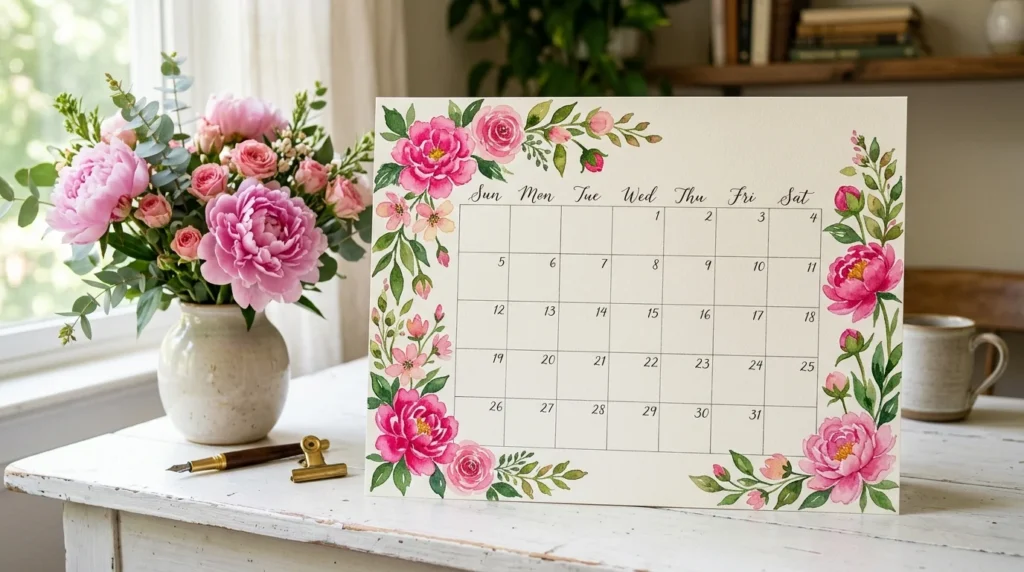
A watercolor calendar adds a splash of tranquility to a stressful workday. These are often designed by independent artists and function as a monthly art rotation. If your work involves a lot of data and spreadsheets, having a soft, artistic calendar can provide a much-needed visual break for your eyes.
17. Magnetic Tiles
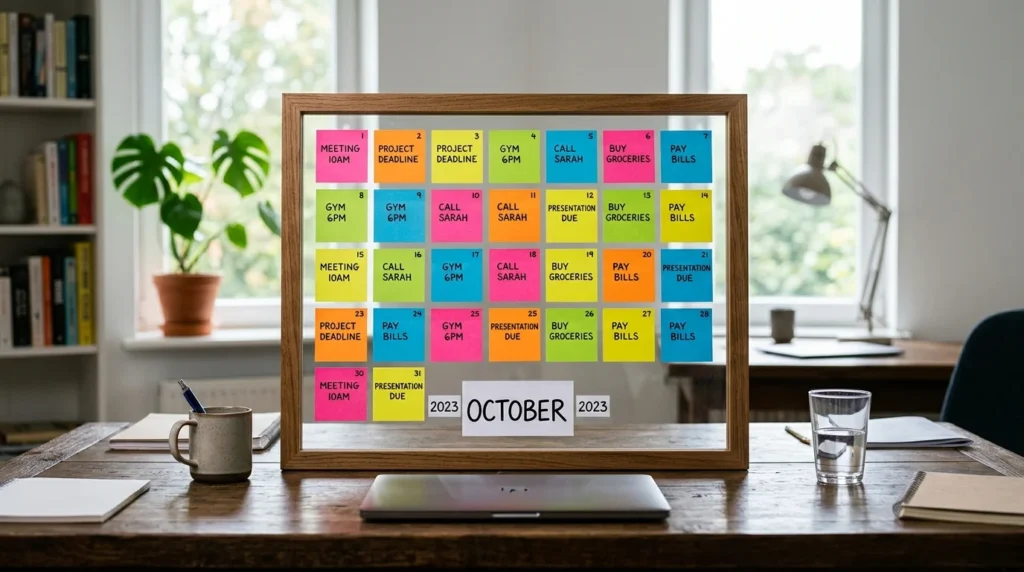
Magnetic tile calendars are the ultimate in modularity. You can move dates around, highlight specific weeks, or even pull a single day’s tile off to take with you. This system is highly interactive and perfect for those who find traditional static calendars too rigid for their changing lifestyles.
18. Vintage Flip
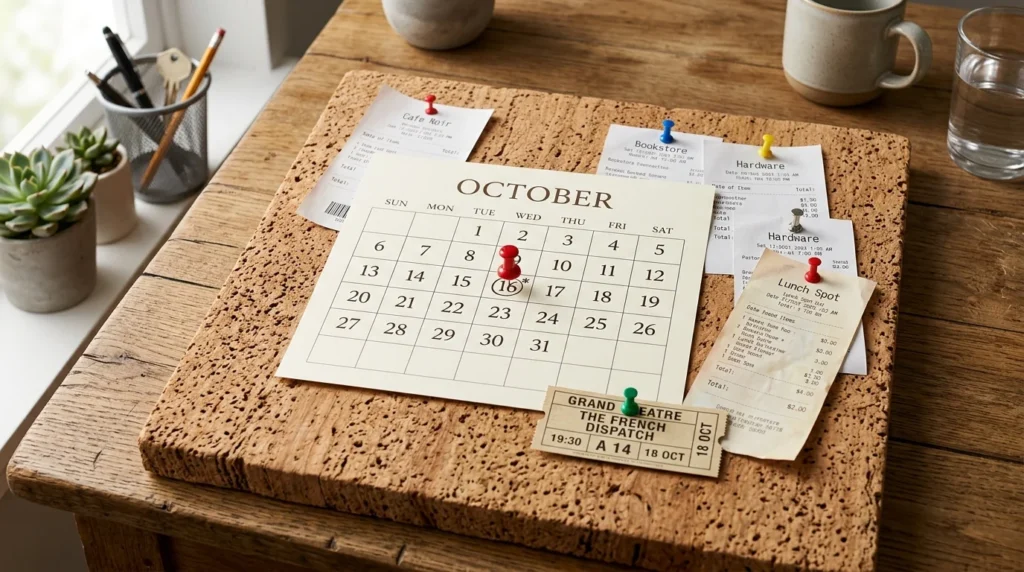
The vintage flip calendar is for those who love the “analog” feel of the past. These mechanical wonders are built to last a lifetime and offer a satisfying “click” every time you change the date. They add character and a sense of history to a workspace, reminding us that time management is a timeless pursuit.
19. Chalkboard Slate
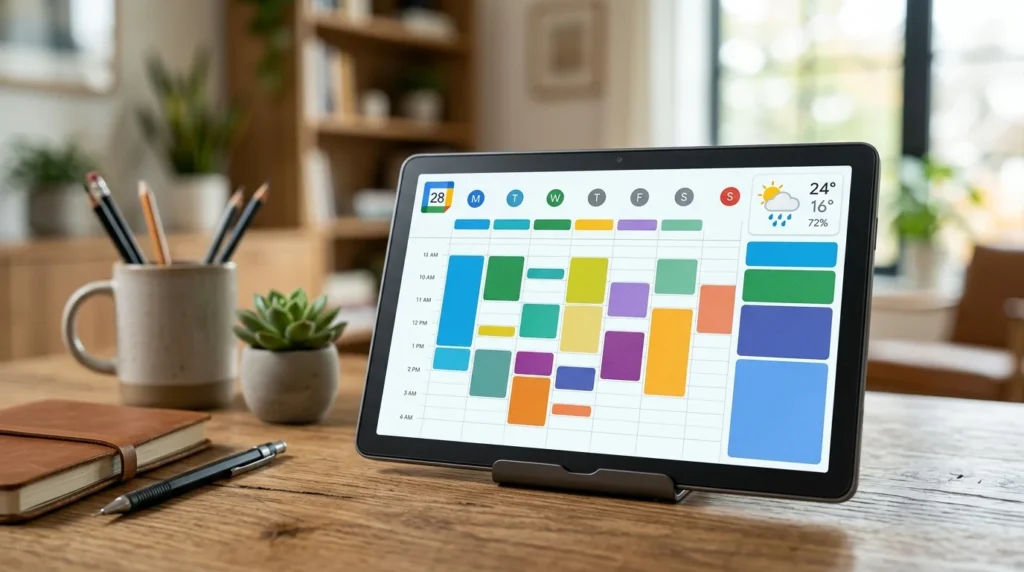
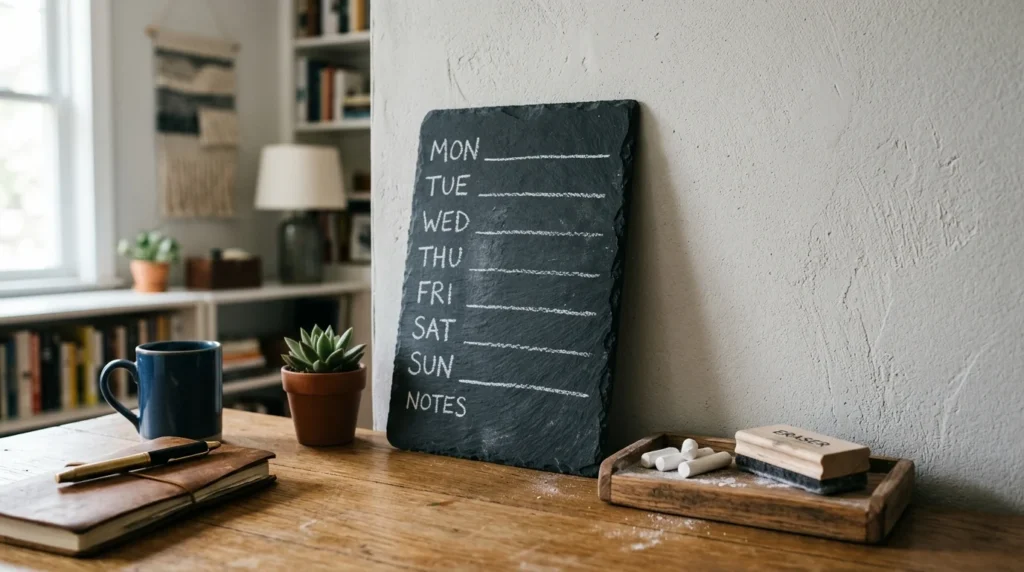
Chalkboard calendars offer a rustic, cafe-inspired look. They are incredibly easy to update and allow for bold, high-contrast writing. Using different colors of chalk for different categories—such as work, personal, and fitness—makes it easy to scan your schedule from across the room.
20. Floating Shelves
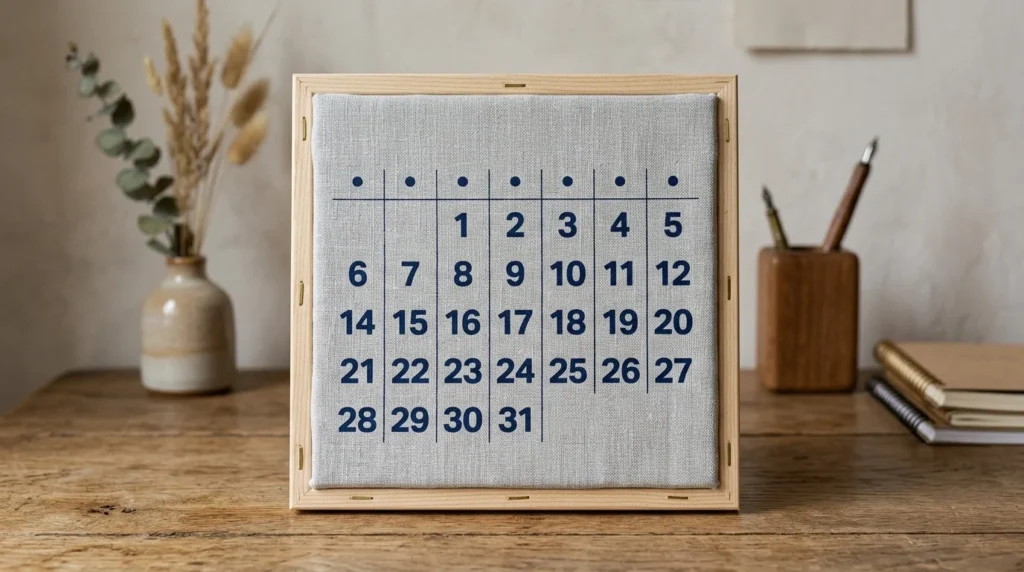
Moving your calendar off the desk and onto a floating shelf frees up valuable “real estate” for your computer and paperwork. This “eye-level” placement ensures that your schedule is always in your line of sight without taking up any physical space on your working surface. It also allows you to see the “year at a glance” if you line up multiple months.
21. Plant-Integrated
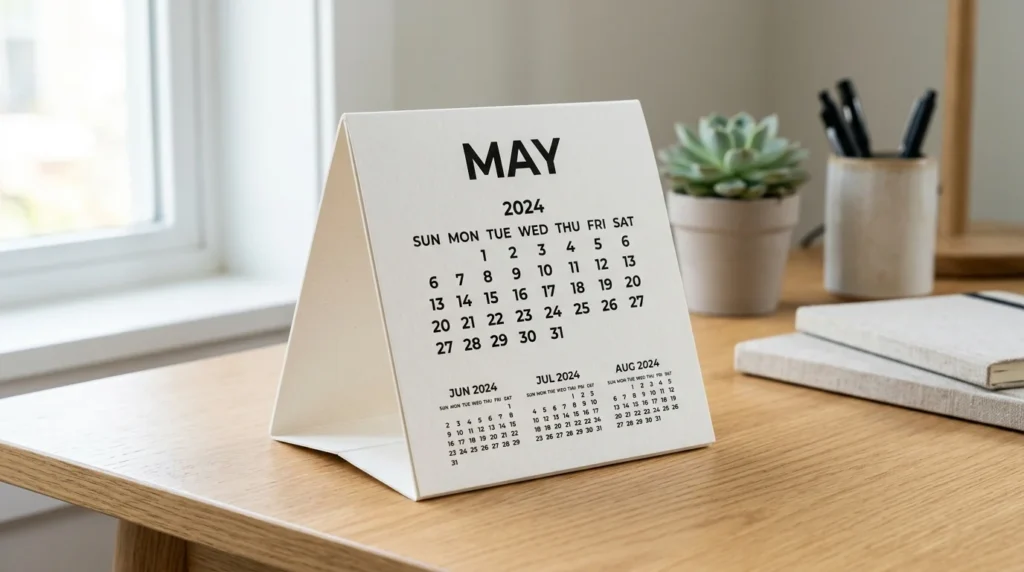
Nature has been proven to reduce stress and increase productivity. A plant-integrated calendar combines the benefits of greenery with the necessity of scheduling. Every time you check your deadlines, you are greeted by a living plant, making the act of “checking the schedule” feel significantly more pleasant and less clinical.
22. Modular Cubes
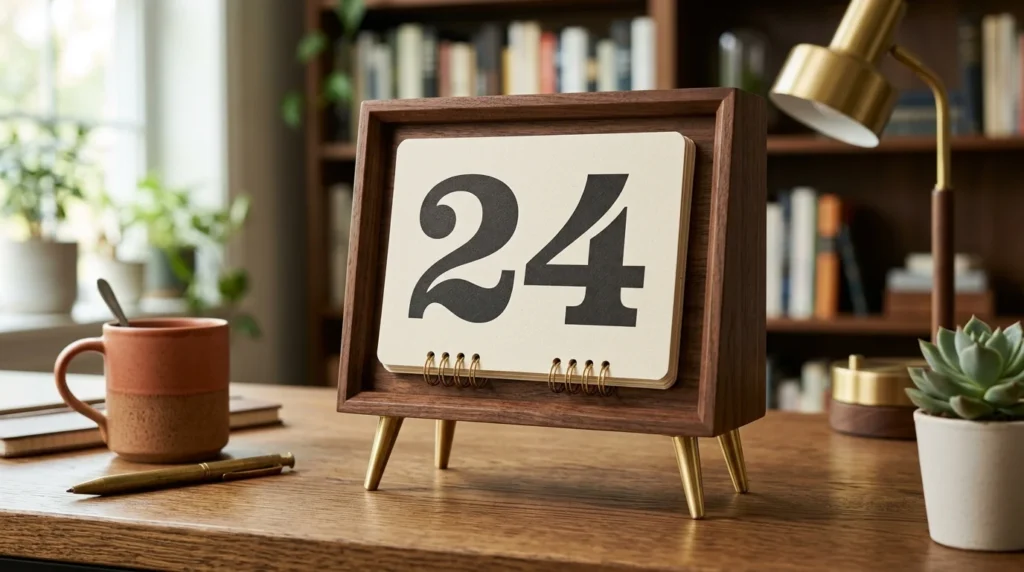
Modular cubes are for the builders and the tinkerers. You can arrange your calendar in a long line, a tall tower, or a wide grid depending on your mood or desk space. This gamified version of time management is excellent for students or creative professionals who enjoy a hands-on approach to organizing their lives.