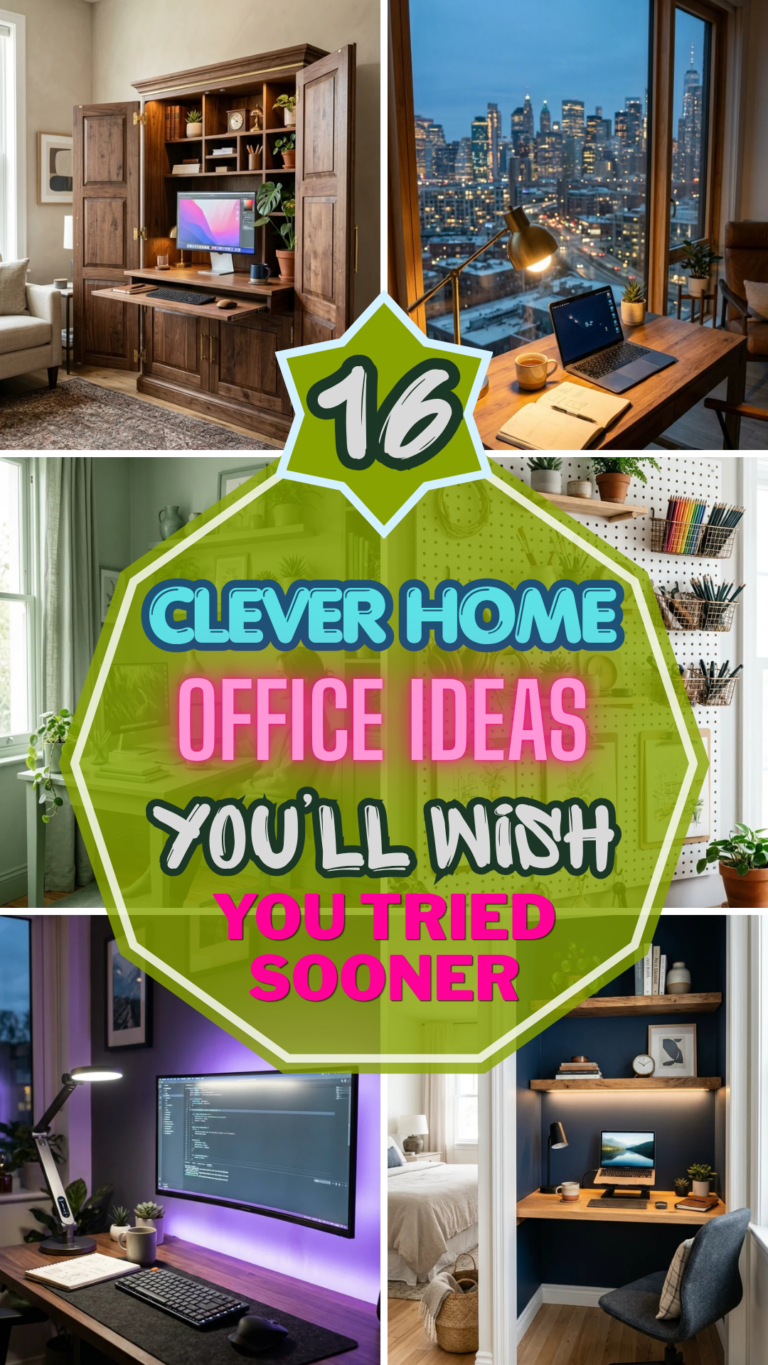

The traditional cubicle is a thing of the past. As the world shifts toward flexible work arrangements, the home office has transformed from a temporary kitchen-table setup into a vital sanctuary of productivity and personal expression. However, creating a space that balances professional efficiency with homey comfort can be a challenge, especially when dealing with limited square footage or distracting surroundings. Whether you are working from a dedicated room or a tiny corner of your bedroom, these 16 clever home office ideas will help you maximize your space, boost your focus, and create a workspace you actually enjoy spending time in.
1. Floating Desks
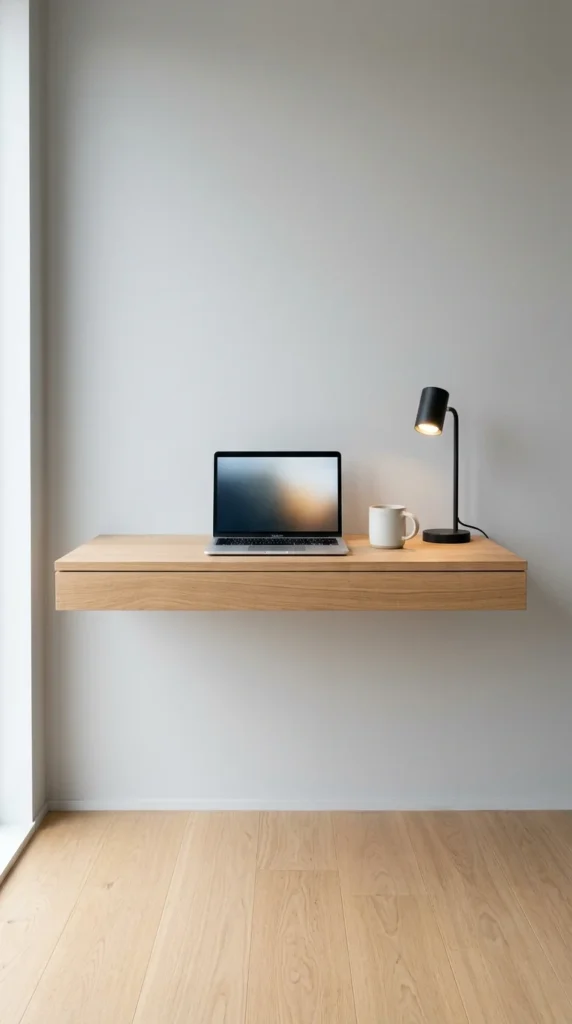
When floor space is at a premium, look to the walls. Floating desks are a game-changer for small apartments or multi-purpose rooms. By eliminating the legs of a traditional desk, you create a sense of openness and make the room feel larger than it actually is. These wall-mounted surfaces can be installed at any height, making them customizable for your specific ergonomic needs. They are particularly effective in hallways or narrow guest rooms where a bulky furniture piece would obstruct the flow of traffic. To complete the look, pair a floating desk with a slender chair that can be tucked away when not in use.
2. Closet Offices
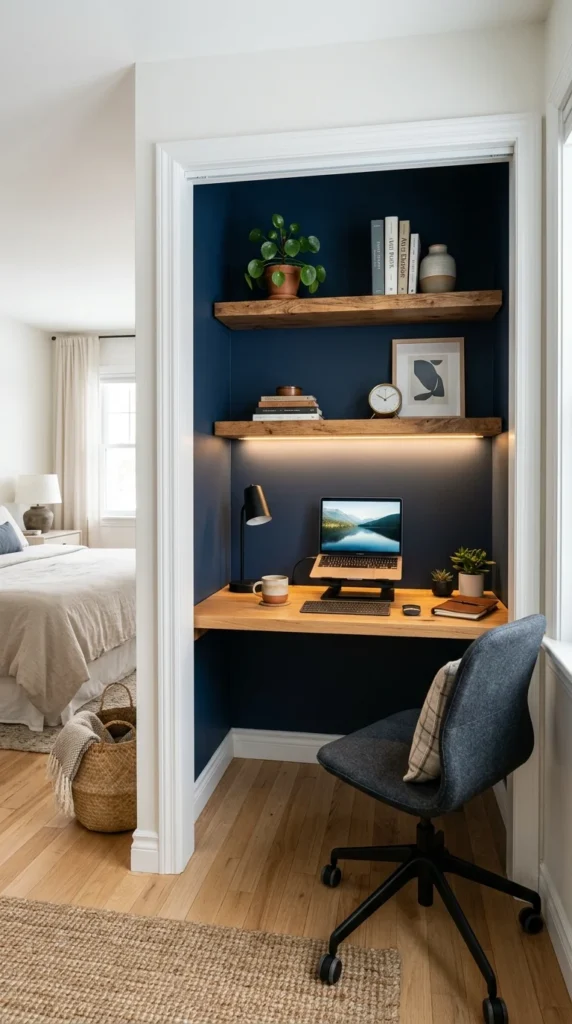
The “cloffice” (closet-office) is the ultimate solution for those who need a dedicated workspace but lack an extra room. By removing the hanging rods and adding a sturdy work surface, even a standard-sized reach-in closet can become a functional headquarters. This setup allows you to “close the door” on your work at the end of the day—literally, if you keep the doors attached. Use vertical shelving within the closet to store office supplies and files, keeping the main living area clutter-free. It is an ingenious way to reclaim underutilized square footage.
3. Vertical Pegboards
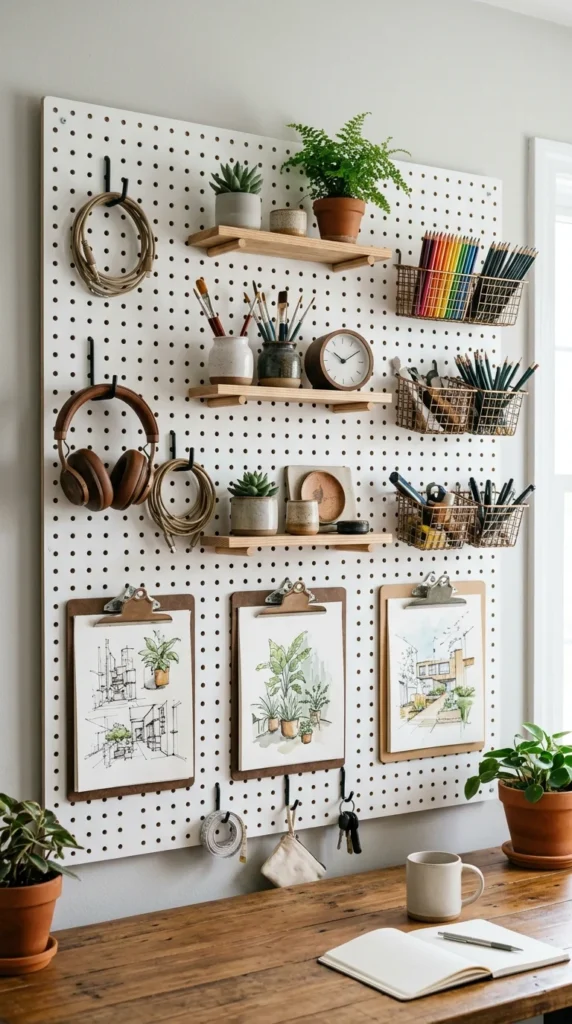
Desktop clutter is the enemy of concentration. A vertical pegboard allows you to move your supplies off your desk and onto the wall, turning your tools into a functional art piece. Pegboards are incredibly versatile; you can rearrange hooks, shelves, and bins as your needs change. This keeps essentials like scissors, charging cables, and notebooks within arm’s reach without sacrificing precious desk real estate. It also provides a great opportunity to add a pop of color or texture to your office wall.
4. Biophilic Design
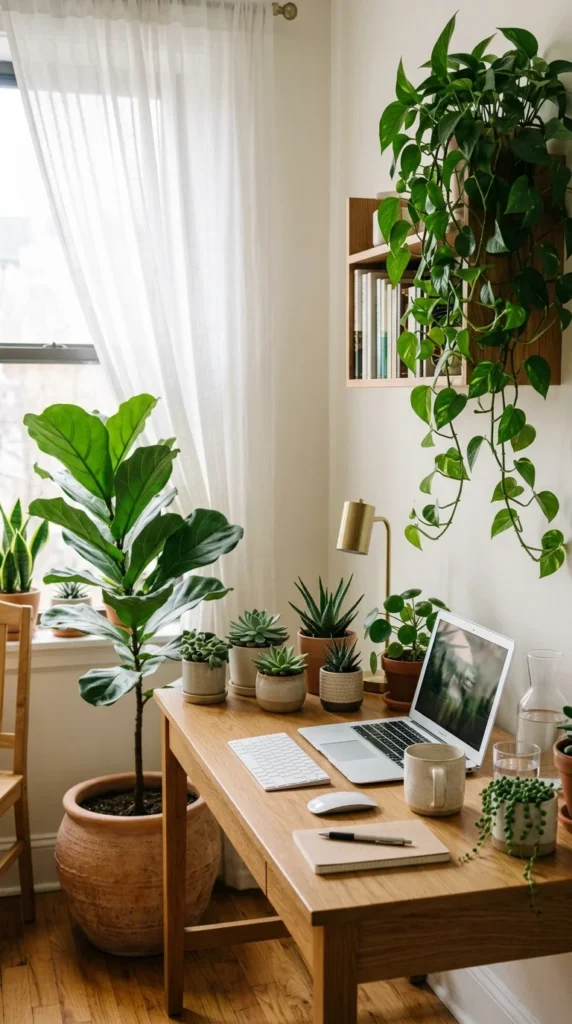
Bringing the outdoors in isn’t just about aesthetics; it’s about well-being. Biophilic design—the practice of connecting humans with nature—has been shown to reduce stress and increase productivity by up to 15%. Integrating plants into your home office cleans the air and provides a visual break from the digital screen. Try a mix of floor plants, hanging planters, and small desktop greenery to create a layered, jungle-like sanctuary. If you lack a green thumb, even high-quality artificial plants or nature-inspired artwork can evoke a similar sense of calm.
5. Under-Stair Nooks
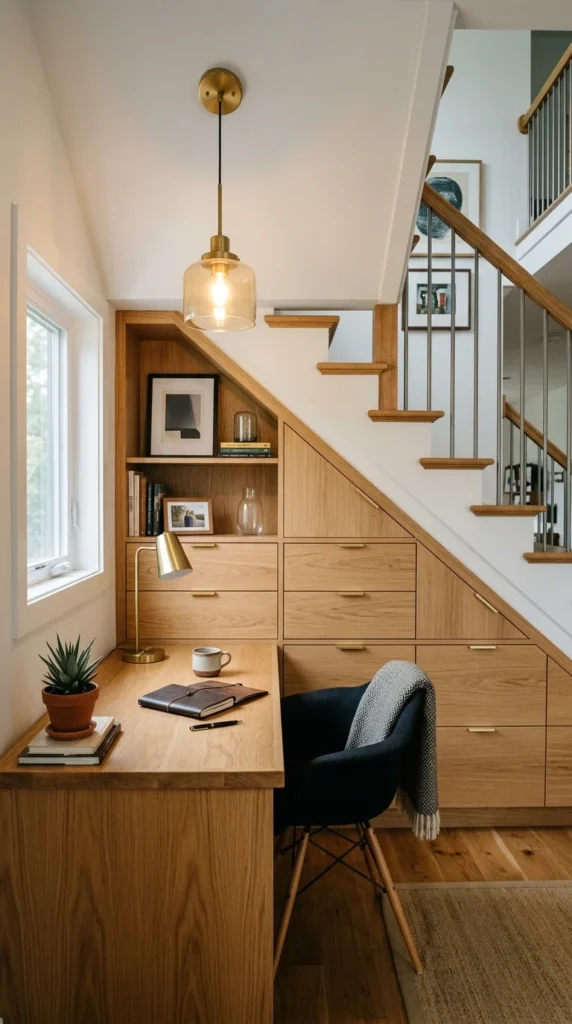
The space under the stairs is often neglected or used as a dumping ground for vacuum cleaners and old boxes. However, with a little creativity, it can be transformed into a secluded and architectural home office. This “dead space” is naturally tucked away from the main traffic of the home, providing a sense of privacy. Custom-built shelving that follows the incline of the stairs can provide ample storage for books and equipment, making the most of every square inch.
6. Cable Management
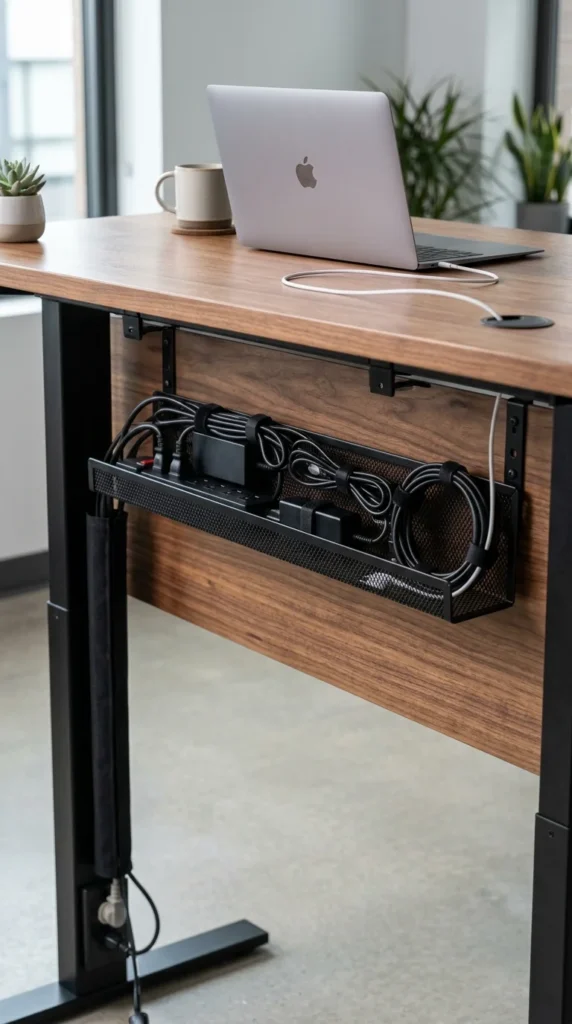
Nothing ruins the aesthetic of a beautiful home office faster than a “spaghetti” mess of tangled power cords and USB cables. Investing in clever cable management solutions is a small step that yields massive visual rewards. Use under-desk cable trays, adhesive cord clips, and decorative cable boxes to hide power strips. For a truly high-end look, choose a desk with built-in wire management grommets. A clean, wire-free environment reduces visual noise and helps you stay focused on the task at hand.
7. Standing Desks
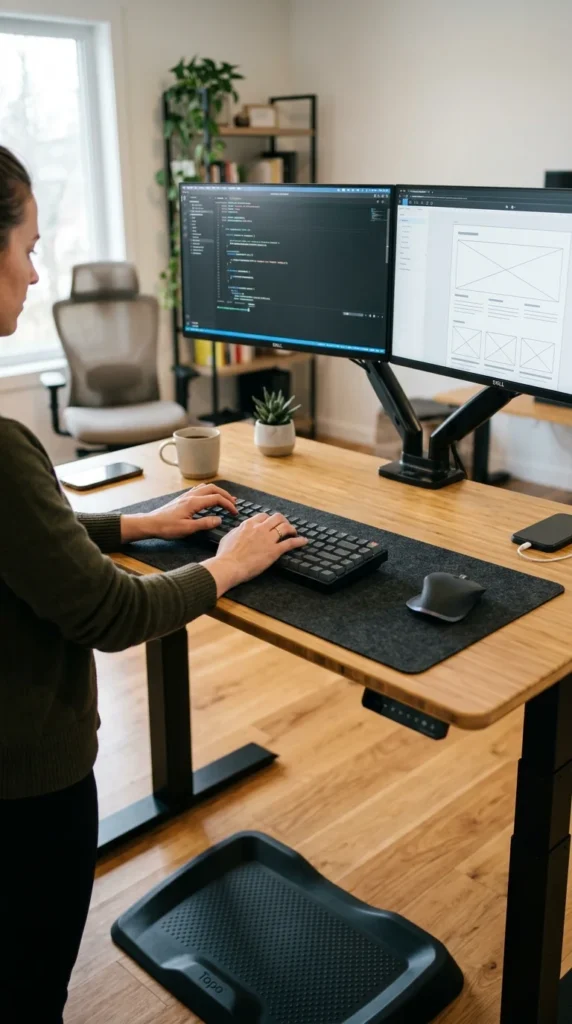
Sedentary work habits can lead to fatigue and back pain. Incorporating a standing desk—or an adjustable sit-stand converter—allows you to change positions throughout the day, boosting energy levels and improving posture. Modern standing desks come in various styles, from sleek electric models to manual hand-crank versions. To make this setup even more effective, place an anti-fatigue mat under your feet to cushion your joints and encourage subtle movement while you work.
8. Room Dividers
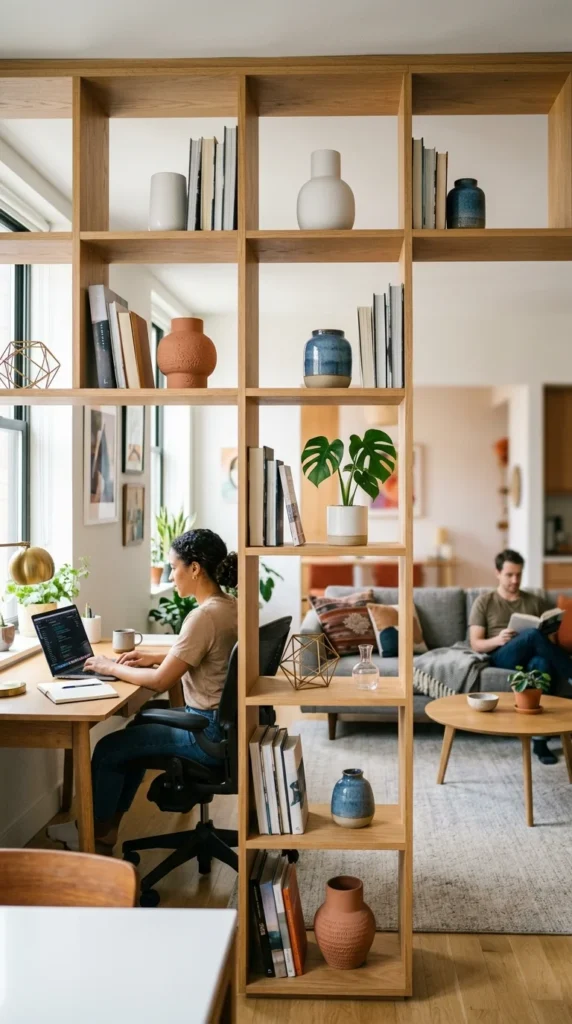
If your office is located in a larger communal room, such as the living room or bedroom, creating a physical boundary is essential for mental “zoning.” A room divider acts as a psychological signal that you are now in “work mode.” You can use folding screens, hanging fabric panels, or even open bookshelves to create this separation. Open shelving is particularly effective as it provides storage and allows light to filter through, preventing the office nook from feeling dark or cramped.
9. Window Views
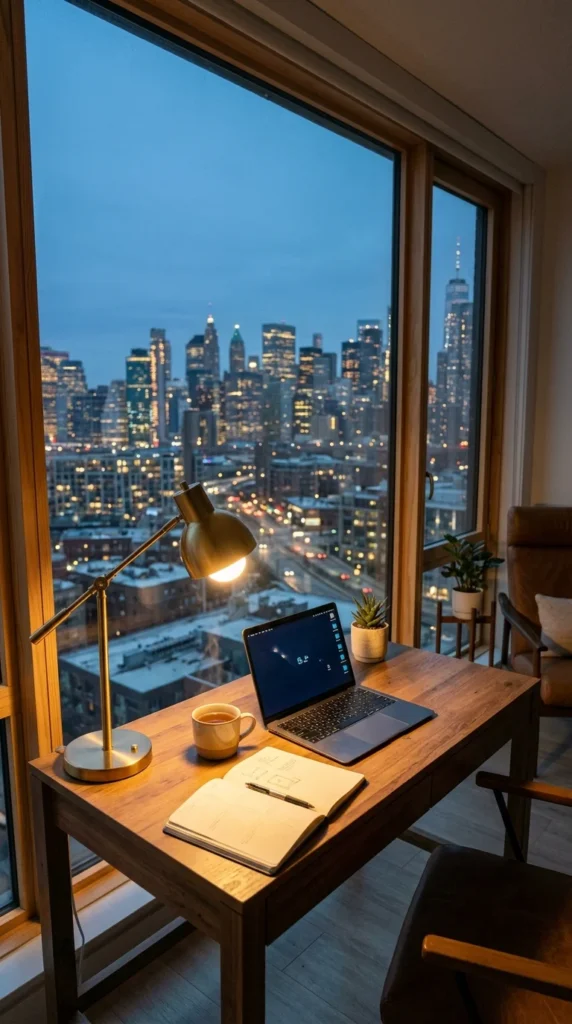
Whenever possible, position your desk to face a window. Natural light is a powerful mood booster and helps regulate your circadian rhythm, keeping you alert during the day and helping you sleep better at night. Facing a window also provides a “long-distance view,” which allows your eye muscles to relax by focusing on something far away—a crucial practice for preventing digital eye strain. If glare is an issue, use sheer curtains or solar shades to diffuse the light without blocking the view.
10. Gallery Walls
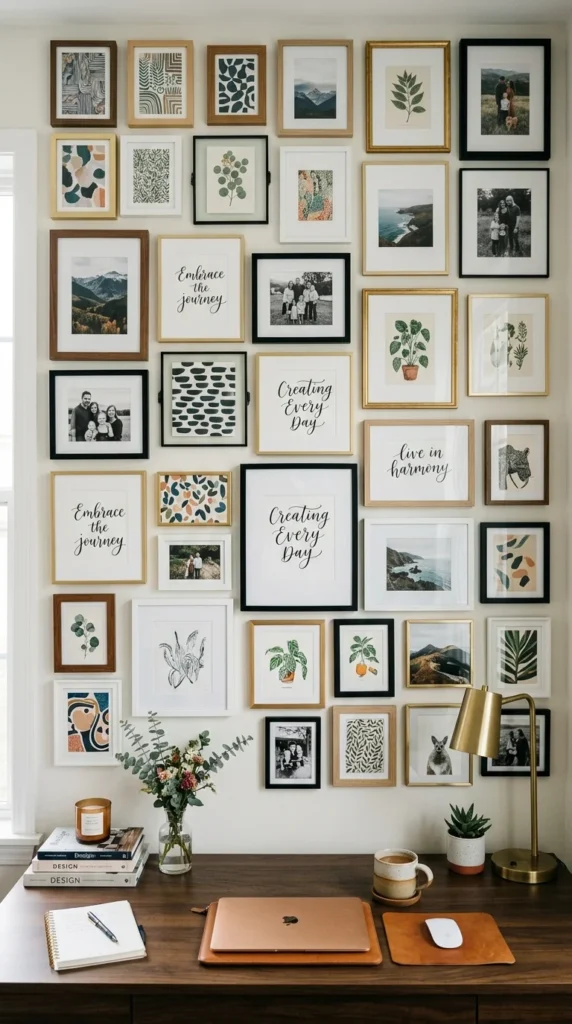
A home office should be more than just a place to work; it should be a place that inspires you. A gallery wall allows you to surround yourself with images, quotes, and memories that spark creativity. Mix professional achievements, such as diplomas or awards, with abstract art and personal photos. This not only personalizes the space but also provides a professional and visually interesting background for video calls.
11. Monochromatic Themes
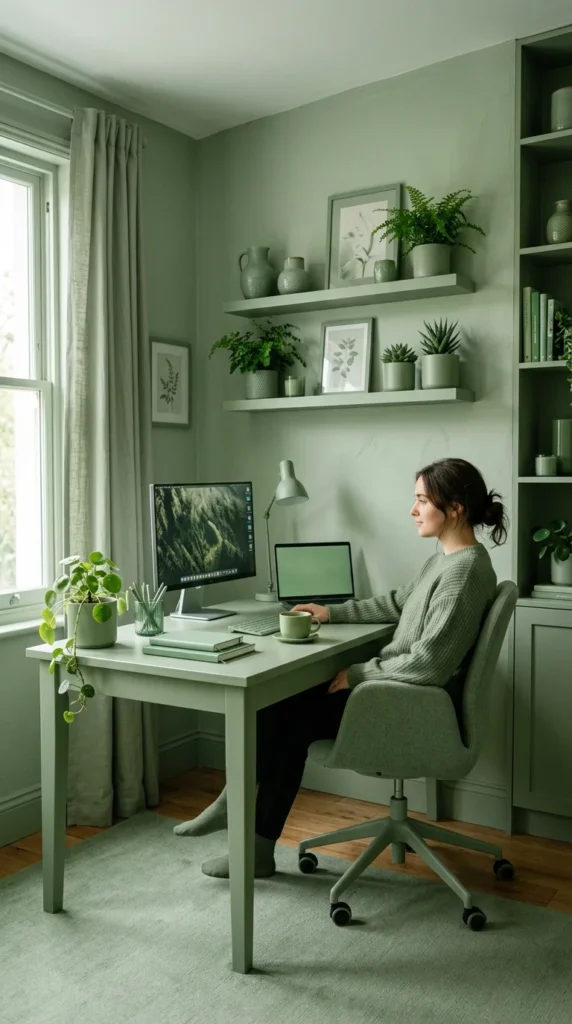
To create a space that feels sophisticated and distraction-free, try a monochromatic color palette. Choosing different shades, tints, and textures of a single color can make a room feel incredibly cohesive and calm. For instance, an all-grey office with charcoal accents and light silver textiles feels modern and professional. A monochromatic theme also makes a small space feel more expansive because there are no harsh visual breaks between the walls and the furniture.
12. Utility Carts
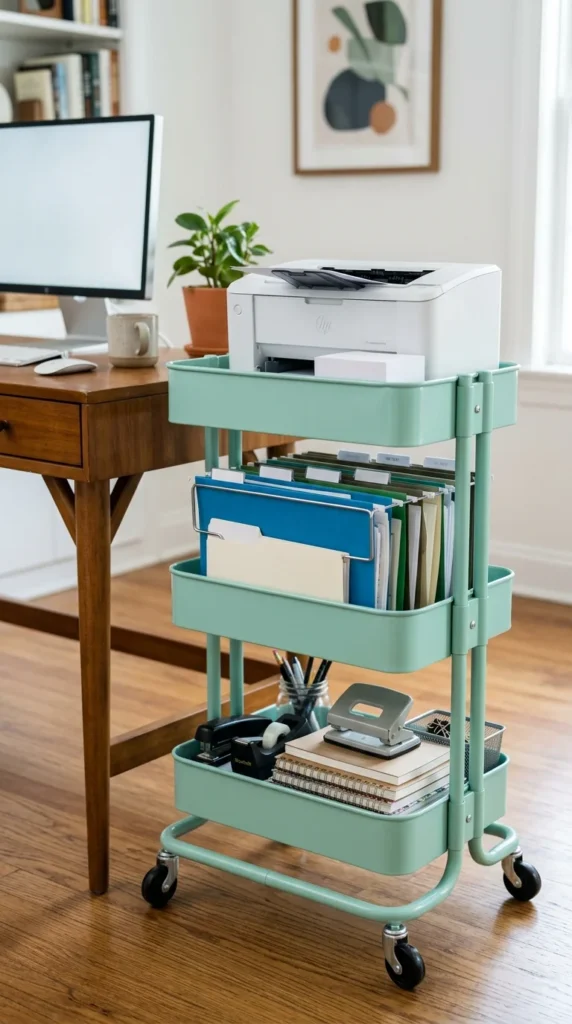
Flexibility is key in a modern home. A mobile utility cart provides extra storage that can be moved wherever you need it. If you move your laptop from the desk to the dining table for a change of scenery, your cart can follow you with all your essential supplies. It’s also an excellent way to house bulky equipment like printers or scanners that might otherwise take up valuable desk space. When work is over, simply wheel the cart into a corner or a closet to clear the room.
13. Built-in Shelving
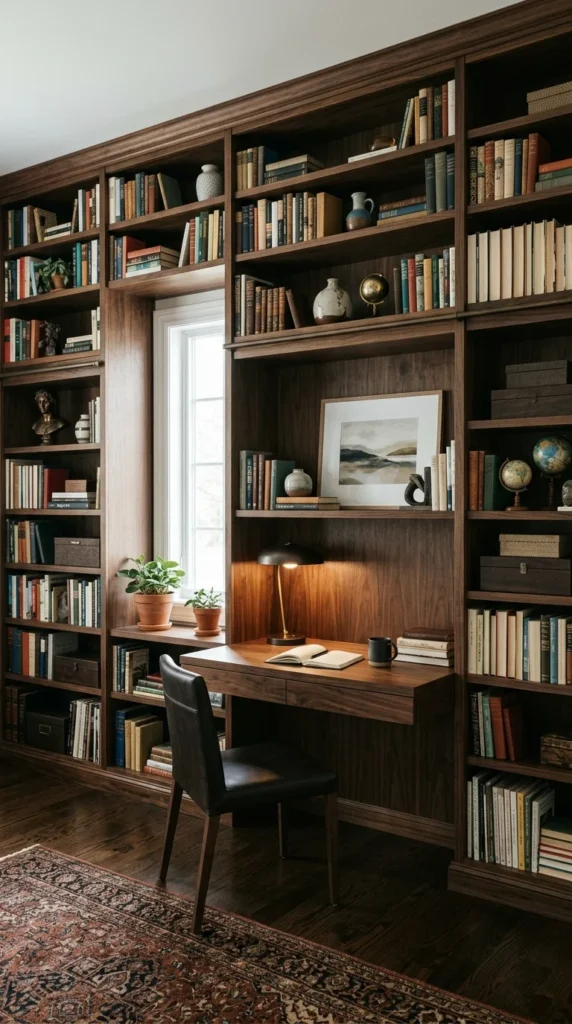
For the ultimate “executive” feel, nothing beats built-in shelving. This approach treats the office as a permanent architectural feature of the home. Built-ins provide a massive amount of storage and display space while making the room feel polished and intentional. By integrating the desk directly into the shelving unit, you create a seamless look that maximizes every inch of wall space. This is an investment that adds significant value to your home.
14. Smart Lighting
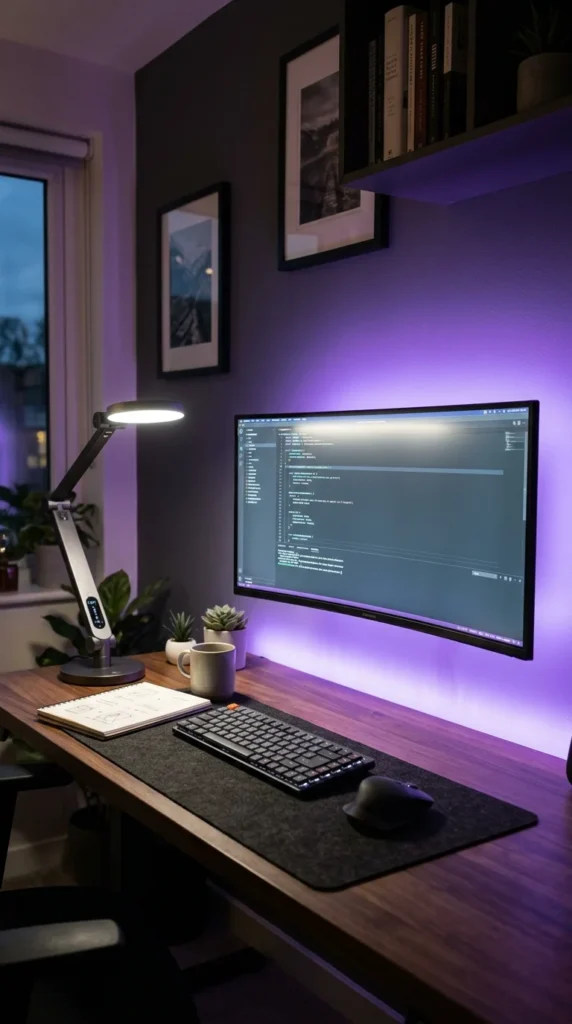
Lighting can make or break your productivity. Smart lighting systems allow you to adjust the color temperature of your office throughout the day. In the morning, you can use “cool white” light to mimic daylight and boost alertness. In the late afternoon, you can transition to “warm” tones to reduce eye strain and prepare your body for the evening. Additionally, adding “bias lighting” (LED strips behind your monitor) can reduce the contrast between the bright screen and the dark wall, significantly decreasing headaches and eye fatigue.
15. Texture and Rugs
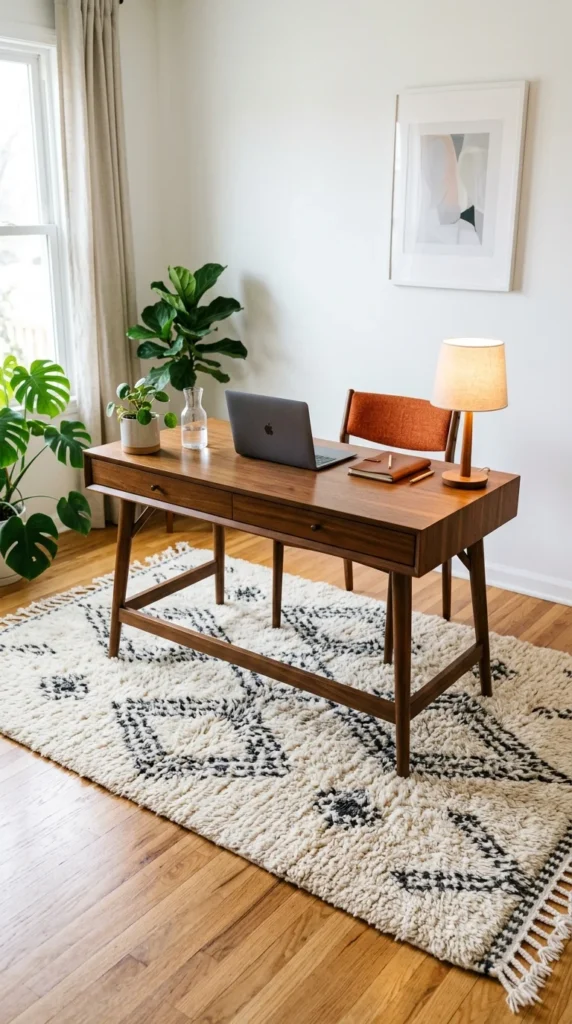
An office can often feel “cold” or “sterile” due to the hard surfaces of desks and technology. Introducing textiles is the best way to add warmth and improve acoustics. A high-quality area rug not only anchors the furniture and defines the workspace but also helps dampen sound, which is essential for clear audio during virtual meetings. Consider adding a soft throw blanket over your chair or linen curtains to soften the lines of the room and make it a place you enjoy staying in for hours.
16. Hidden Offices
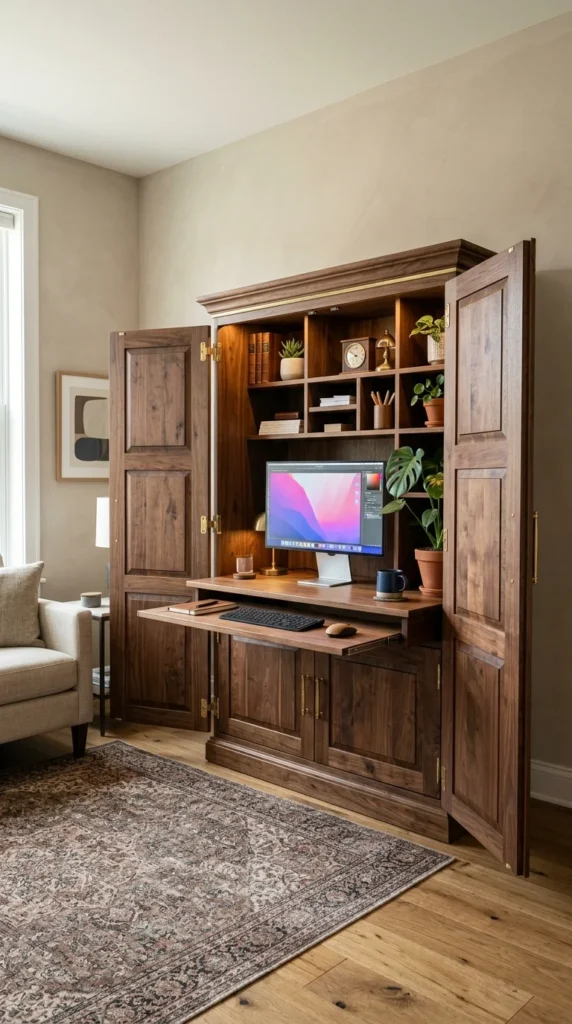
If you live in a studio apartment or a home where you truly want to separate work from life, a hidden office is the answer. Using a “Cozier” or a secretary desk allows you to hide your entire workspace behind beautiful cabinet doors. This is perfect for those who don’t want to look at their computer or stacks of paper while they are trying to relax in the evening. It’s the ultimate way to maintain a work-life balance in a shared space.