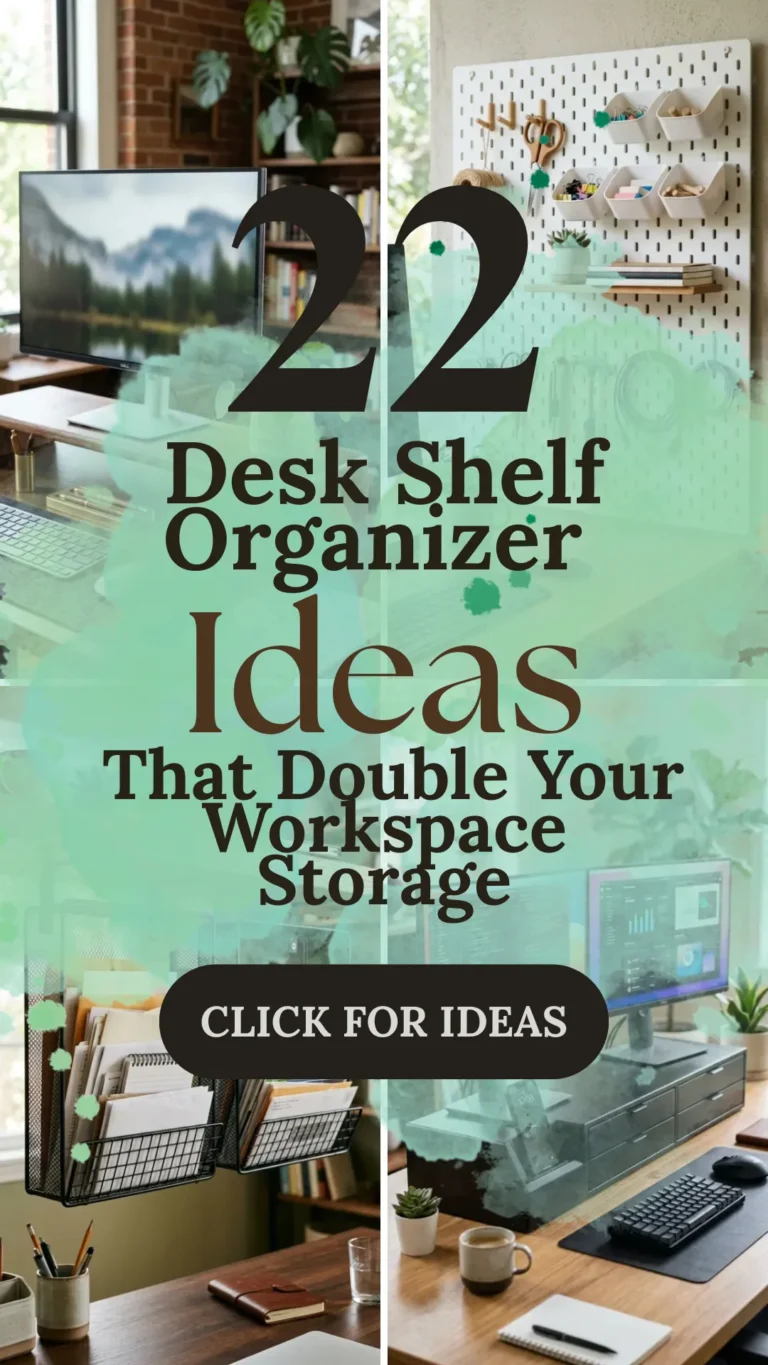

In the era of remote work and creative side hustles, the desk has become the command center of our lives. However, as our responsibilities grow, so does the clutter. A cramped workspace isn’t just an eyesore; it’s a productivity killer. The secret to reclaiming your square footage lies not in getting a bigger desk, but in mastering vertical space. By implementing strategic shelf organizers, you can effectively double your storage capacity while keeping your essential tools within arm’s reach.
Whether you are a minimalist looking for sleek acrylic solutions or a crafter needing heavy-duty modular bins, these 22 desk shelf organizer ideas will transform your cluttered tabletop into a streamlined powerhouse of efficiency.
1. Wooden Risers
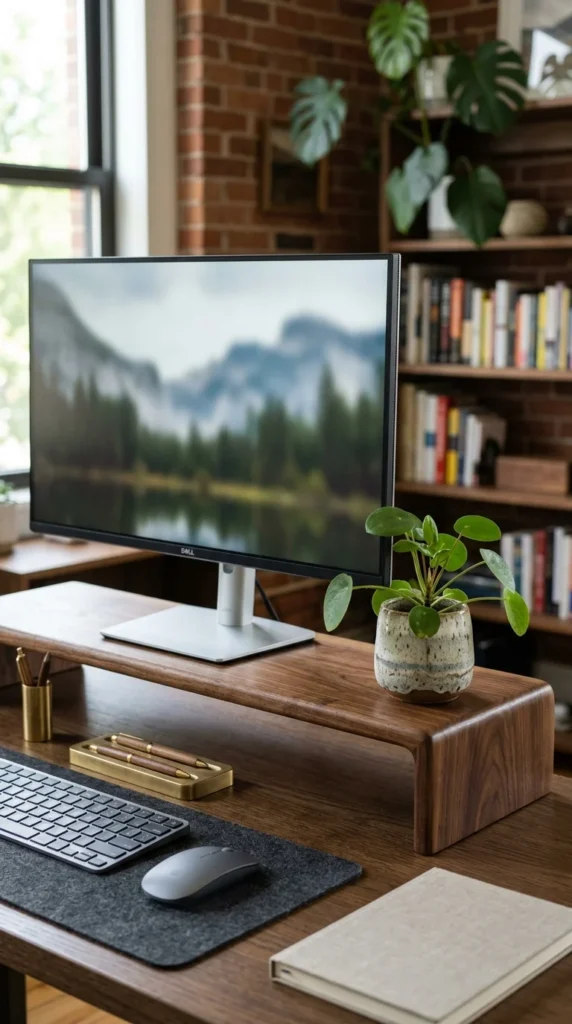
Wooden risers are the gold standard for adding a touch of warmth and sophistication to your setup. By elevating your monitor or laptop, you create a “basement” level on your desk. This hidden cavity is perfect for tucking away your keyboard when it’s not in use, storing your external hard drives, or keeping a slim notebook handy for quick jottings.
2. Clamped Shelves

If you are hesitant to drill holes into your furniture or walls, clamp-on shelves are your best friend. These versatile units attach to the edge of your desk using a C-clamp mechanism. They extend your horizontal surface area outward or upward, providing a sturdy platform for speakers, printers, or your morning coffee mug without taking up a single inch of the main desk surface.
3. Pegboard Add-ons
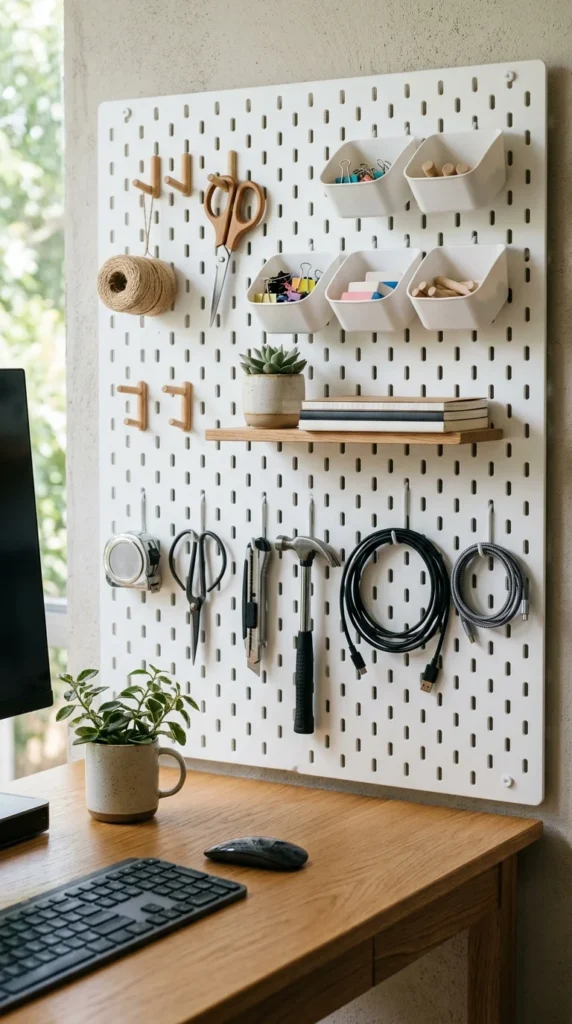
Pegboards are the ultimate customizable storage solution. By installing a pegboard shelf system, you turn your wall into a dynamic storage grid. You can move shelves, hooks, and bins around as your needs change. It’s particularly effective for those who use many small tools, such as pens, USB drives, or crafting supplies, keeping them visible and accessible.
4. Monitor Stands
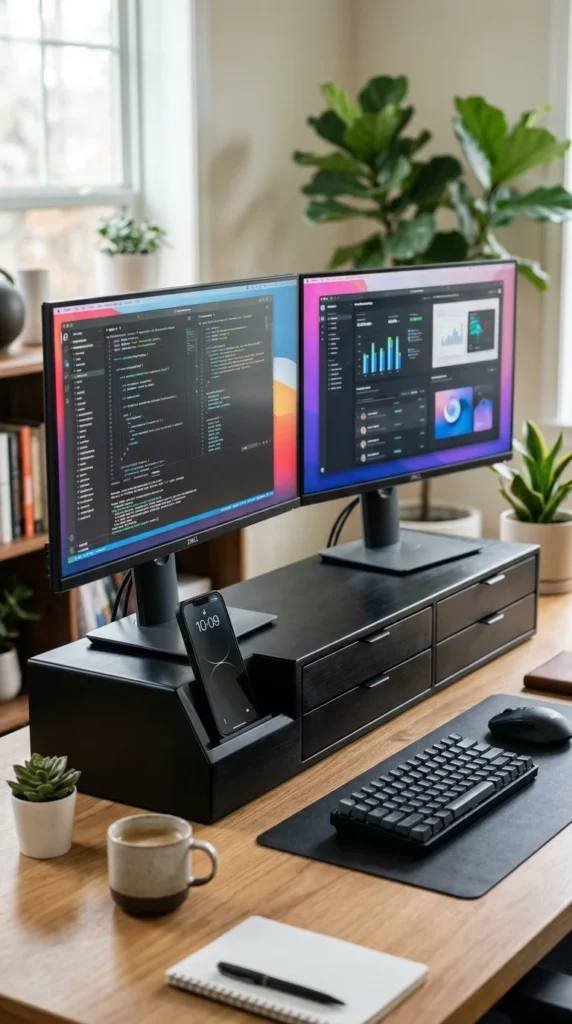
A dedicated monitor stand does more than just save your neck from strain; it acts as a multi-story storage unit. Modern designs often include built-in drawers, cable management slots, and even specialized notches to hold your phone or tablet. This keeps your most-used gadgets in a fixed, organized location.
5. Hanging Baskets

Under-shelf hanging baskets utilize the “dead air” beneath your existing shelves. These wire bins slide onto the shelf board and provide a perfect cubby for items that usually clutter the desk, like reams of paper, mail, or even your laptop charger. They provide easy visibility, so you never lose track of your documents.
6. Acrylic Organizers
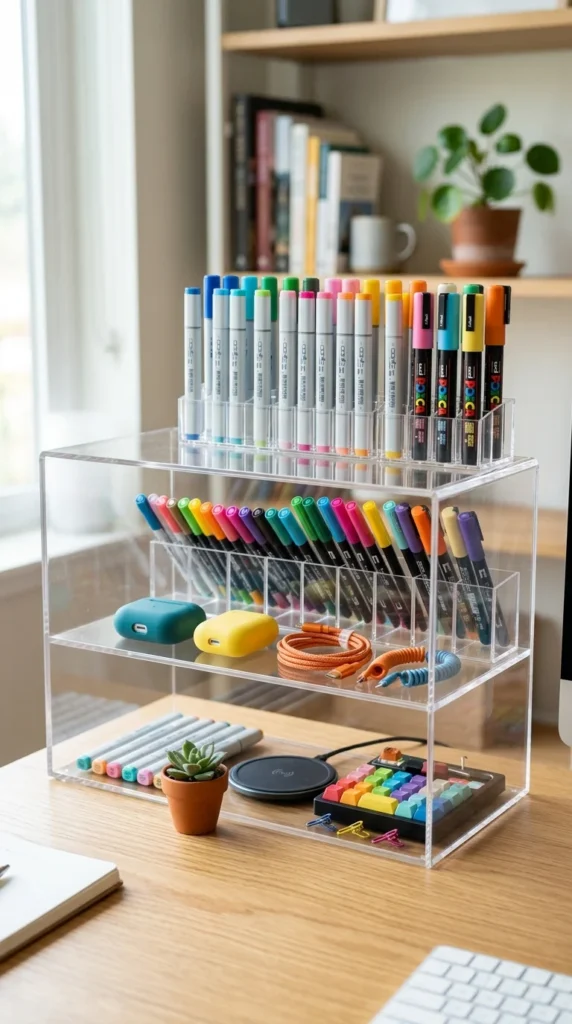
For the minimalist who hates visual clutter, acrylic is the way to go. Because these organizers are transparent, they don’t “shrink” the room visually. They provide structure for your items without adding the weight of a solid material. Clear tiered shelves are especially great for displaying aesthetic items or organizing small tech components like adapters and SD cards.
7. Tiered Trays
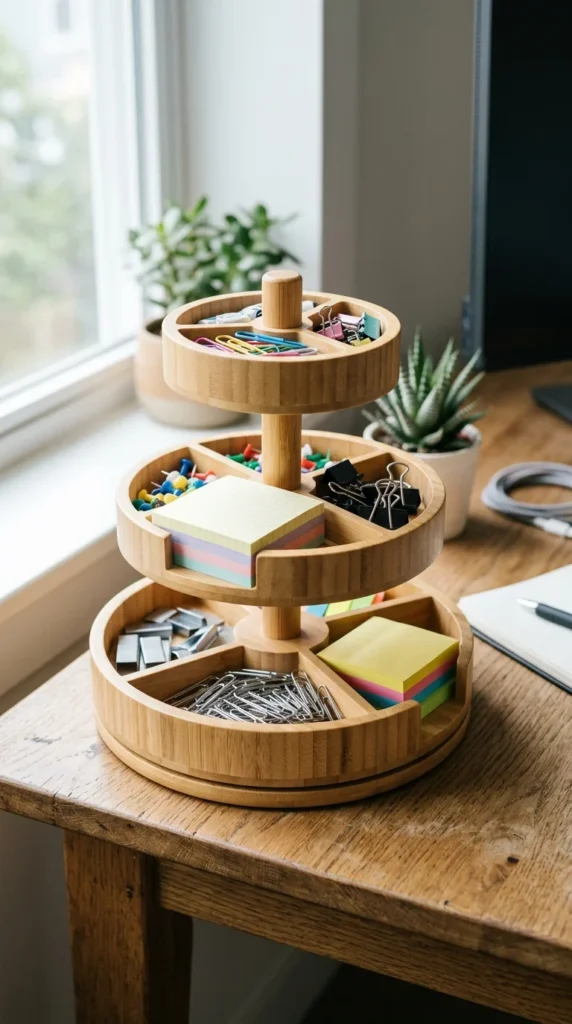
Think of tiered trays as the “lazy Susans” of the office world. By stacking storage vertically in two or three levels, you occupy a small footprint while tripling your capacity. These are ideal for the “stationery addict” who needs quick access to various small items like washi tape, stamps, and paperclips.
8. Floating Shelves
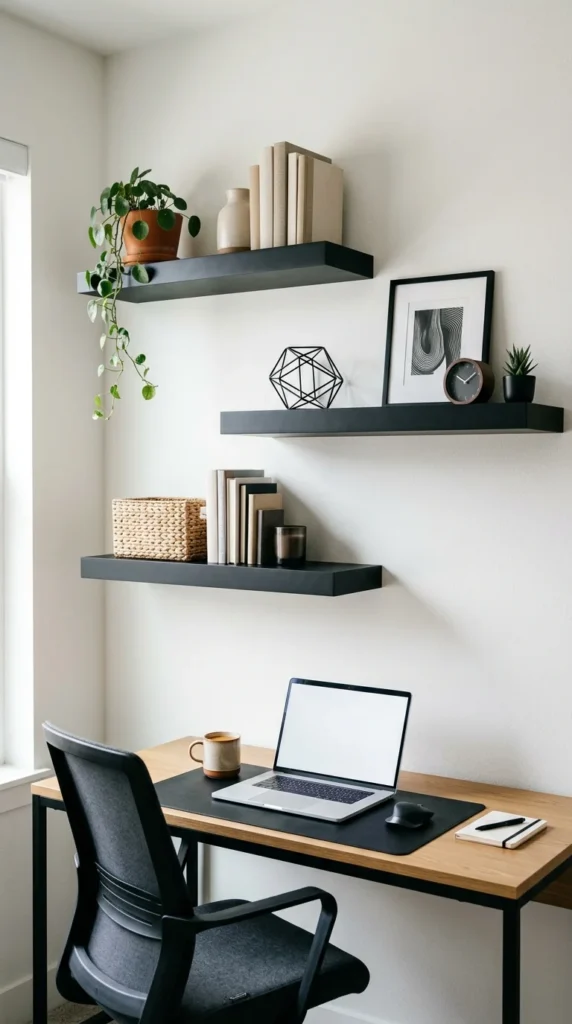
When you run out of room on the desk, look up. Floating shelves provide a clean, modern look and can be installed at any height. Use the lower shelf for items you reach for daily, like reference books, and the higher shelves for decorative items or archives that you only need occasionally.
9. Slatwall Systems
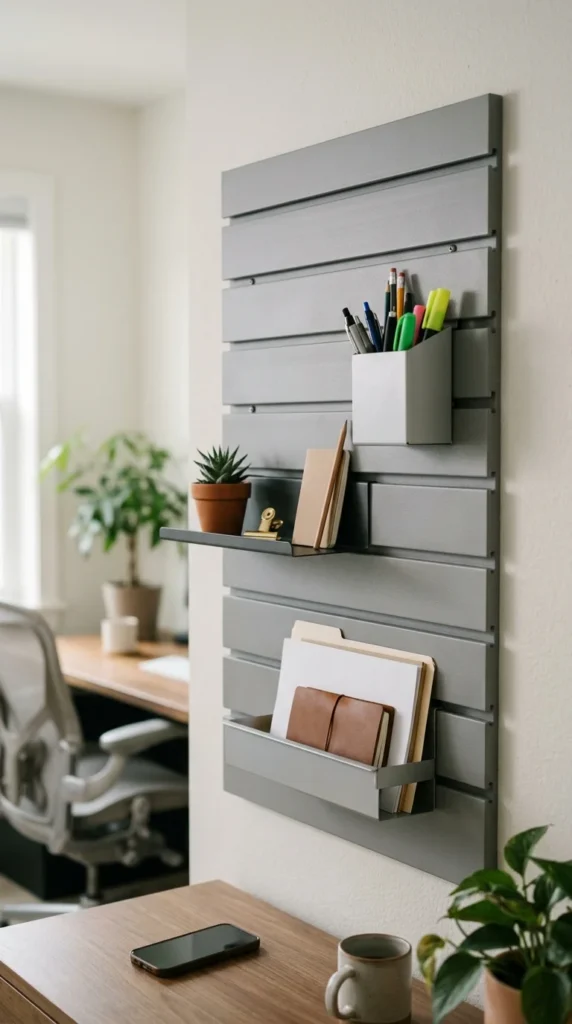
Commonly seen in retail environments, slatwalls are becoming a favorite for home offices. They offer a more industrial, heavy-duty alternative to pegboards. The horizontal grooves allow you to slide in various shelving attachments that are incredibly secure, making them perfect for holding heavier items like reference manuals or audio interfaces.
10. Corkboard Shelves
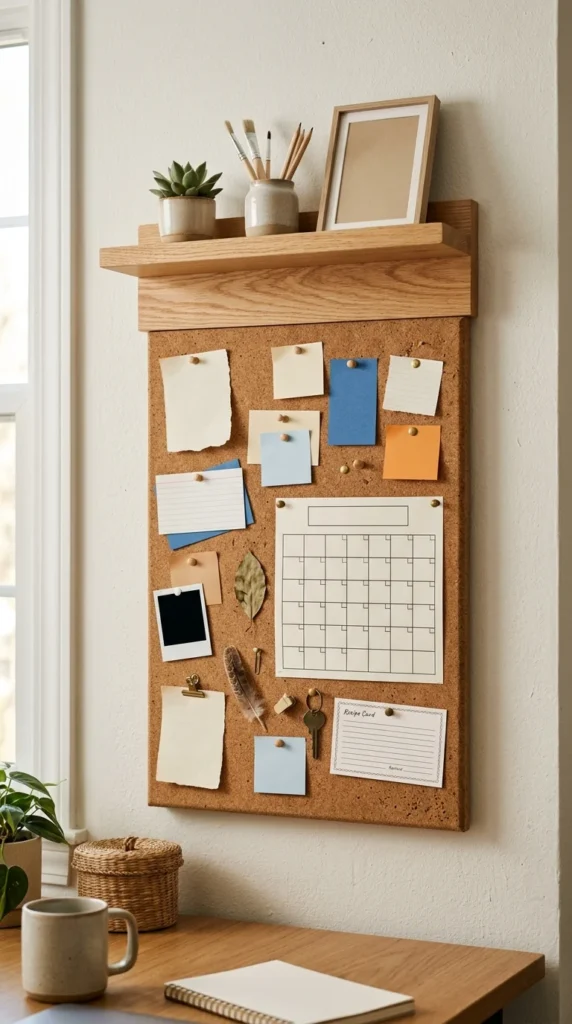
Maximize your productivity by combining storage with a command center. A corkboard with an integrated shelf allows you to pin up your to-do lists and calendars while the shelf above holds your pencil cup and a clock. It turns a flat wall into a functional 3D workstation.
11. Wire Grids
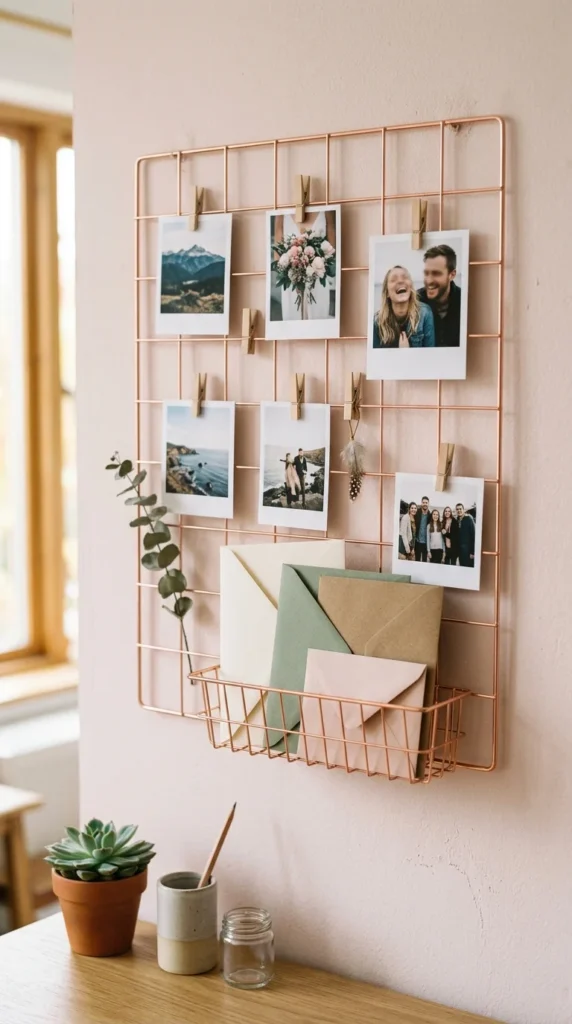
Wire grid panels offer a lighter, more “airy” aesthetic than pegboards. They are perfect for a mood board or a light-duty storage system. You can easily clip on small wire baskets or “S” hooks to hold lightweight items, ensuring your desk remains clear of loose papers and mementos.
12. Corner Units
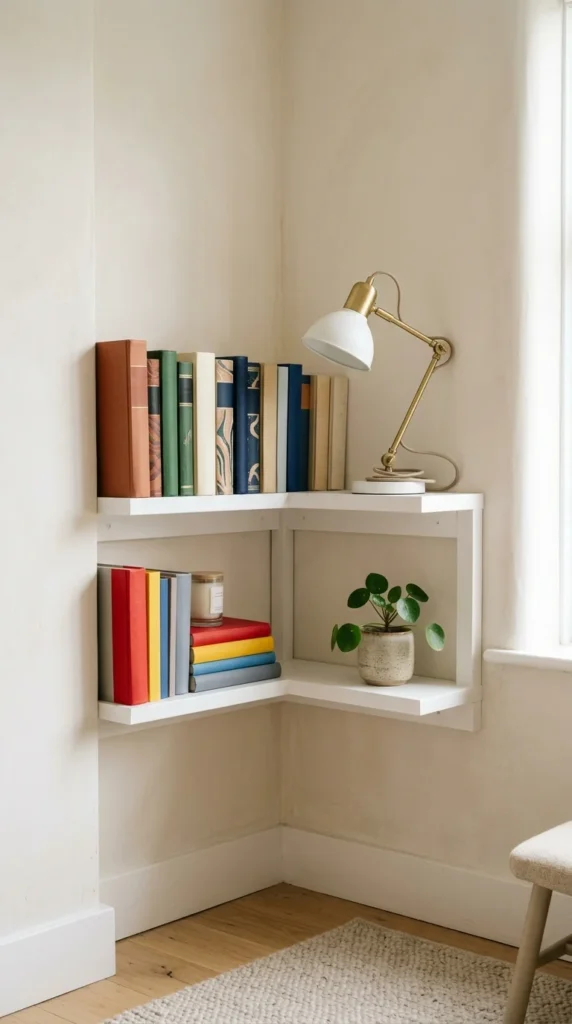
The corners of a desk are often wasted space. A dedicated corner shelf unit wraps around the angle, providing deep storage for items that are usually awkward to place. These are excellent for housing larger peripherals or creating a dedicated “reading nook” within your workspace.
13. Desk Hutches
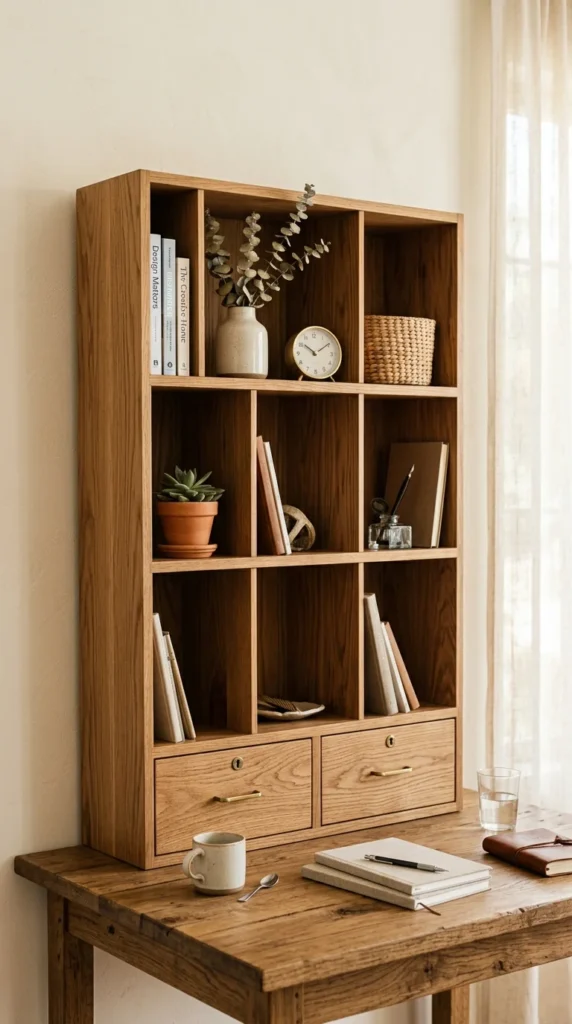
A hutch is the traditional way to double your storage. By sitting a shelving unit directly on the back of your desk, you create a wall of organized cubbies. This is the best solution for students or professionals who have a high volume of books, binders, and vertical files.
14. Rolling Carts
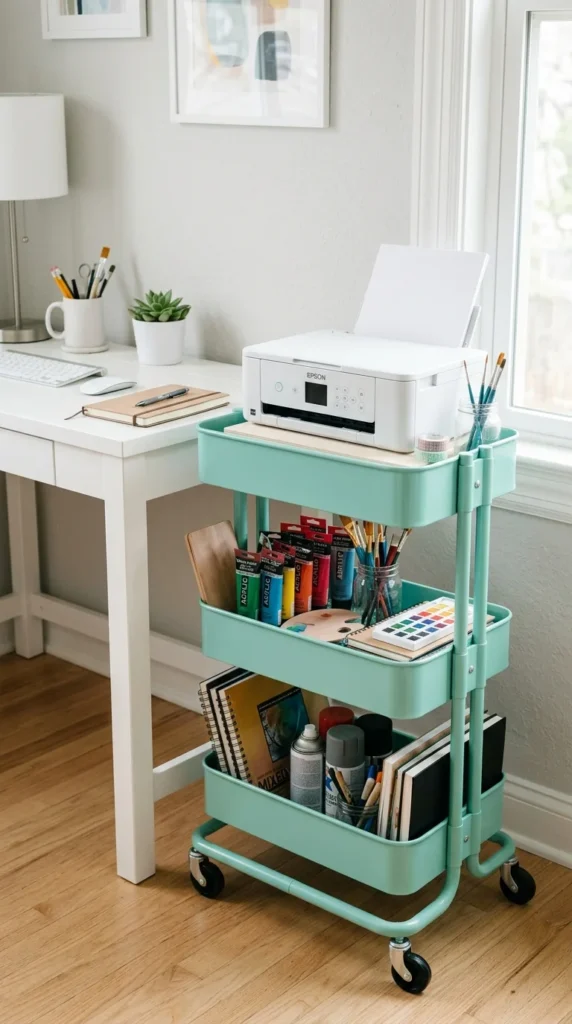
While technically not “on” the desk, a rolling cart acts as a mobile shelf extension. It’s perfect for equipment that you don’t need every second, like a printer or a bulky scanner. When you need it, roll it over; when you’re done, tuck it away under the desk or in a corner to keep your main workspace open.
15. Magnetic Strips
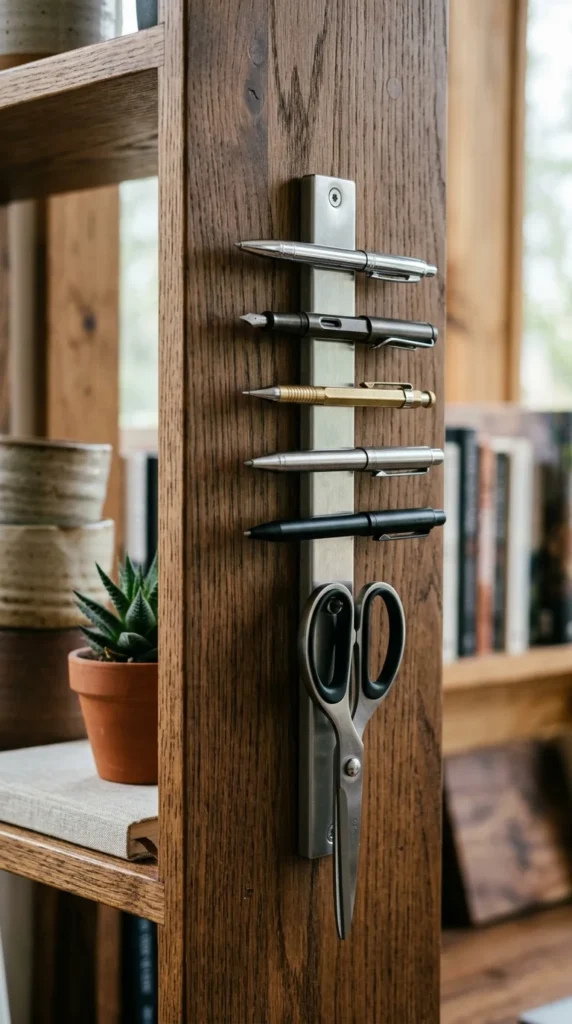
Magnetic strips aren’t just for kitchens. Mounting a magnetic strip to the side of your desk shelf provides a clever home for metal items that usually get lost in drawers. Scissors, paperclips, and even certain types of pens can be “stored” on the wall, freeing up drawer space for non-magnetic items.
16. Hidden Drawers
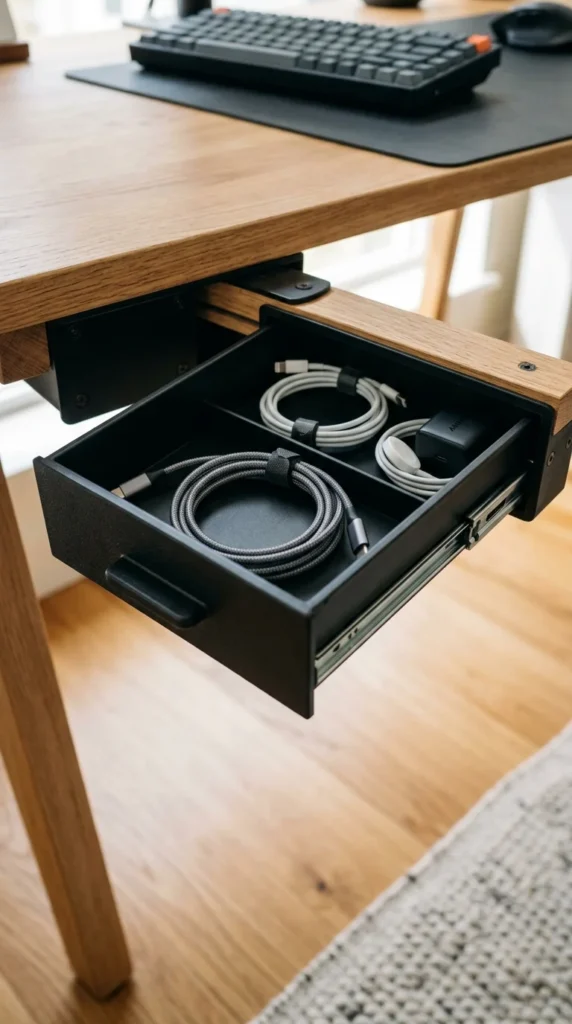
Under-desk drawers are the ultimate “stealth” storage. These low-profile shelves stick to the bottom of your desk using heavy-duty adhesive or screws. They are perfect for storing things you want out of sight but within reach, like your wallet, keys, or extra charging cables.
17. Folder Racks
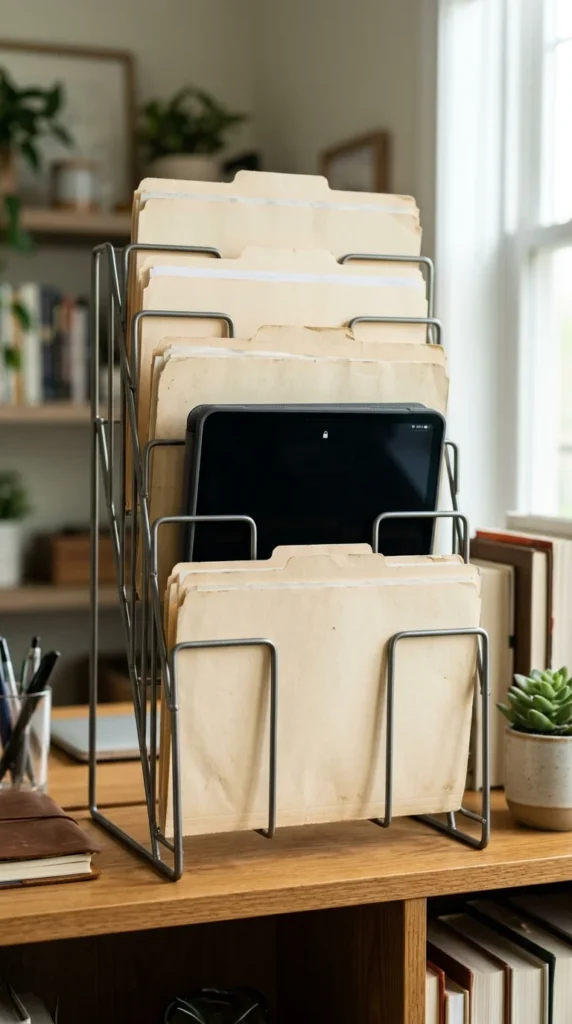
Horizontal stacks of paper are the enemy of organization. Vertical folder racks turn those stacks on their side, using height instead of width. Placing these on a shelf allows you to see every project title at a glance, preventing the “bottom of the pile” syndrome where important tasks go to die.
18. Phone Docks

A dedicated docking shelf for your electronics prevents the “cable nest” that often plagues desks. These organizers usually have hidden channels to route charging cables, keeping your devices upright and visible so you can see notifications without having to pick them up.
19. Headset Mounts
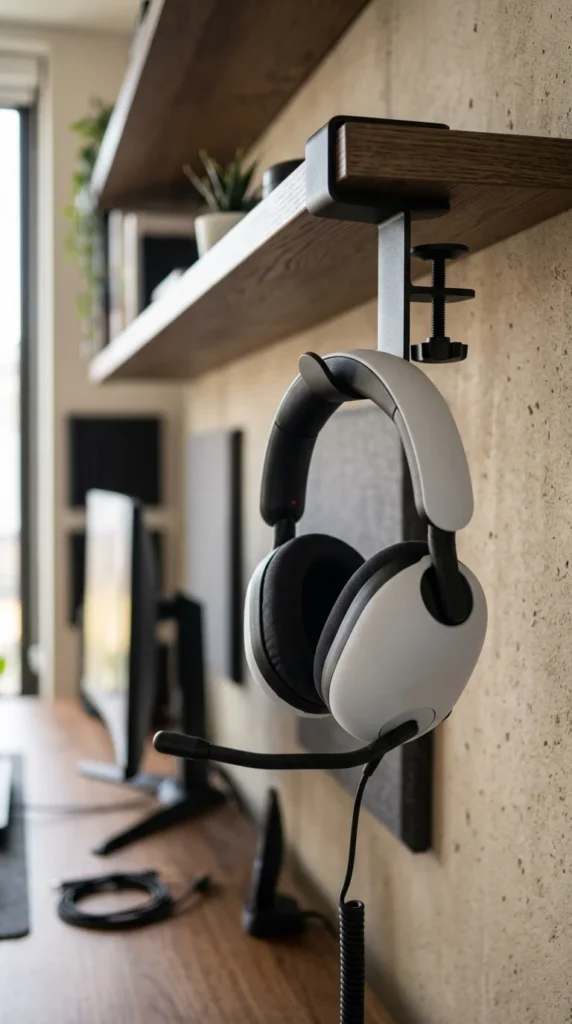
Large over-ear headphones take up a massive amount of desk real estate. A simple hook or specialized shelf mount keeps them off the table. This not only saves space but also protects the ear cups from getting scuffed or having coffee spilled on them.
20. Plant Stands
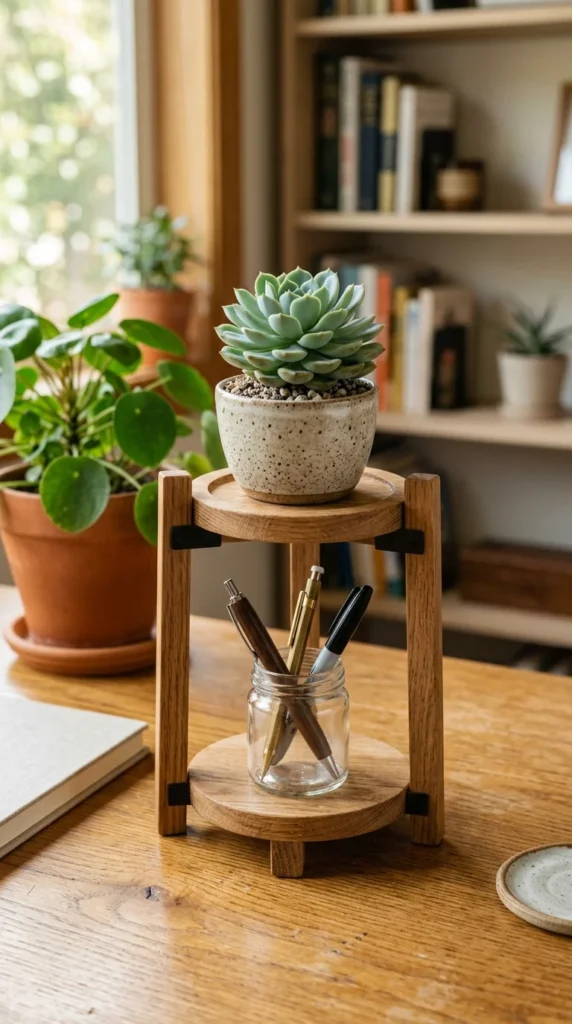
Who says organizers can’t be beautiful? A small tiered plant stand can serve a dual purpose. Use the top tier for a bit of greenery to boost your mood, and the bottom tier for functional items like your stapler or tape dispenser. It integrates nature into your workflow without sacrificing utility.
21. Bookends
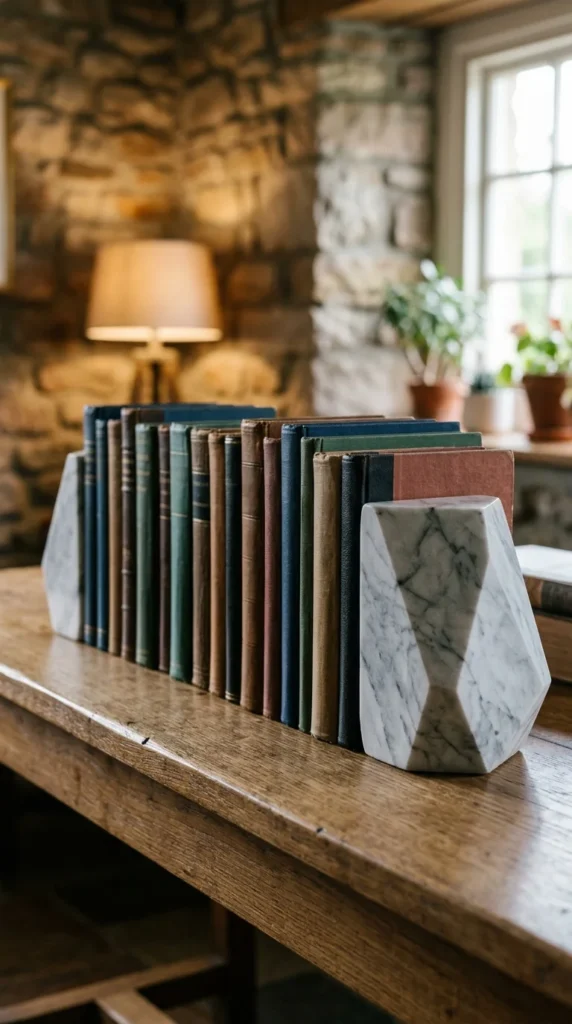
If you have a long shelf, items tend to lean and fall over. High-quality bookends act as adjustable “walls” for your storage. They allow you to compress your books and files into a tight, vertical space, preventing them from sprawling across the shelf and taking up more room than necessary.
22. Modular Cubes
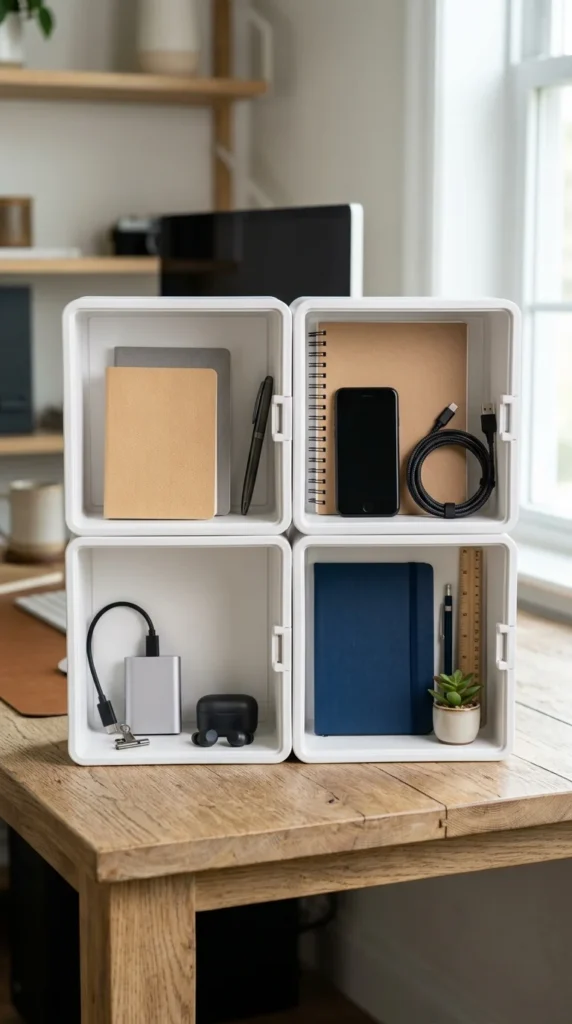
Modular cubes are the Lego of office organization. You can stack them vertically, line them up horizontally, or create a staircase effect. This flexibility allows you to build a storage system that fits the exact dimensions of your desk and the specific items you need to house.