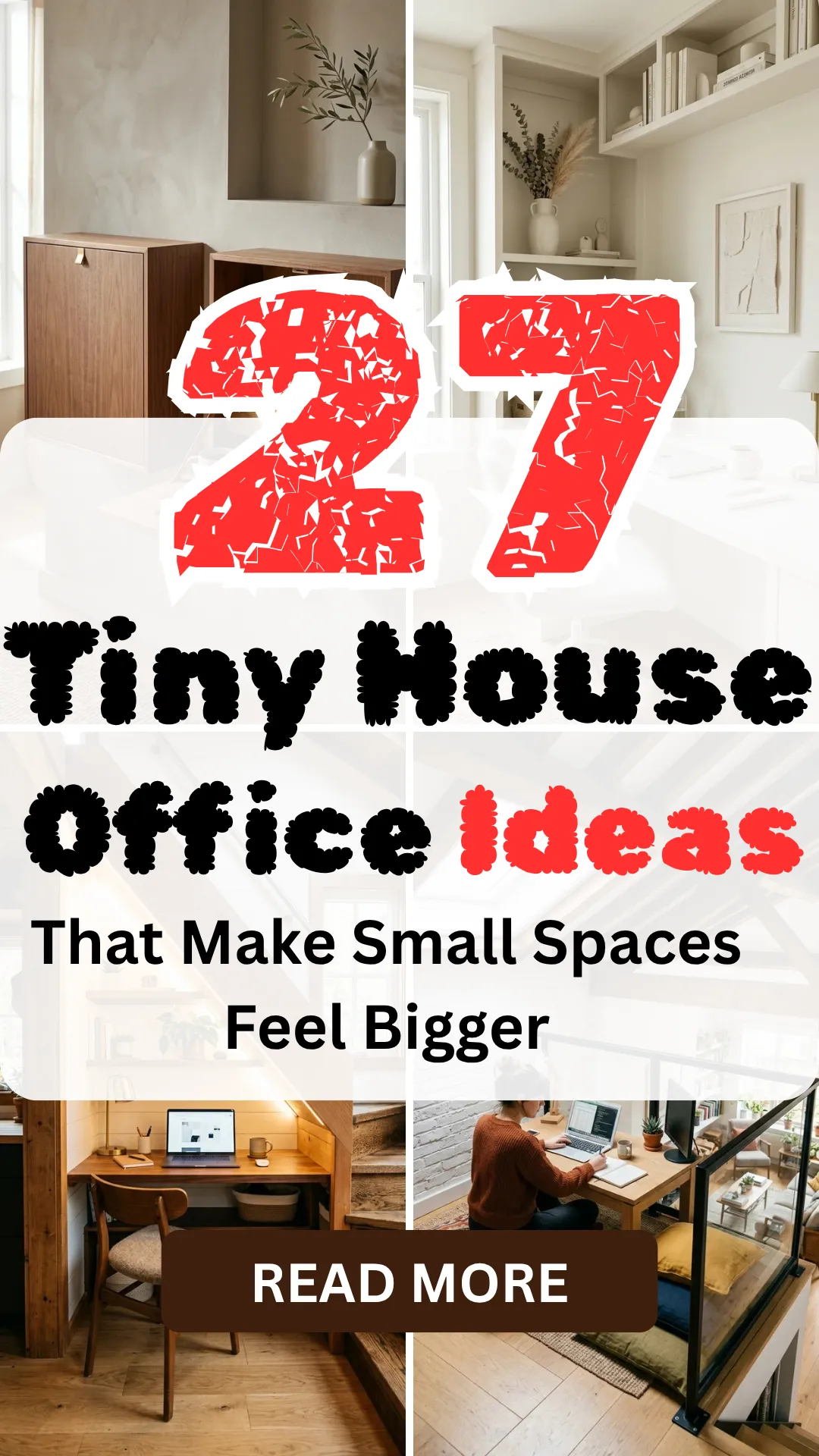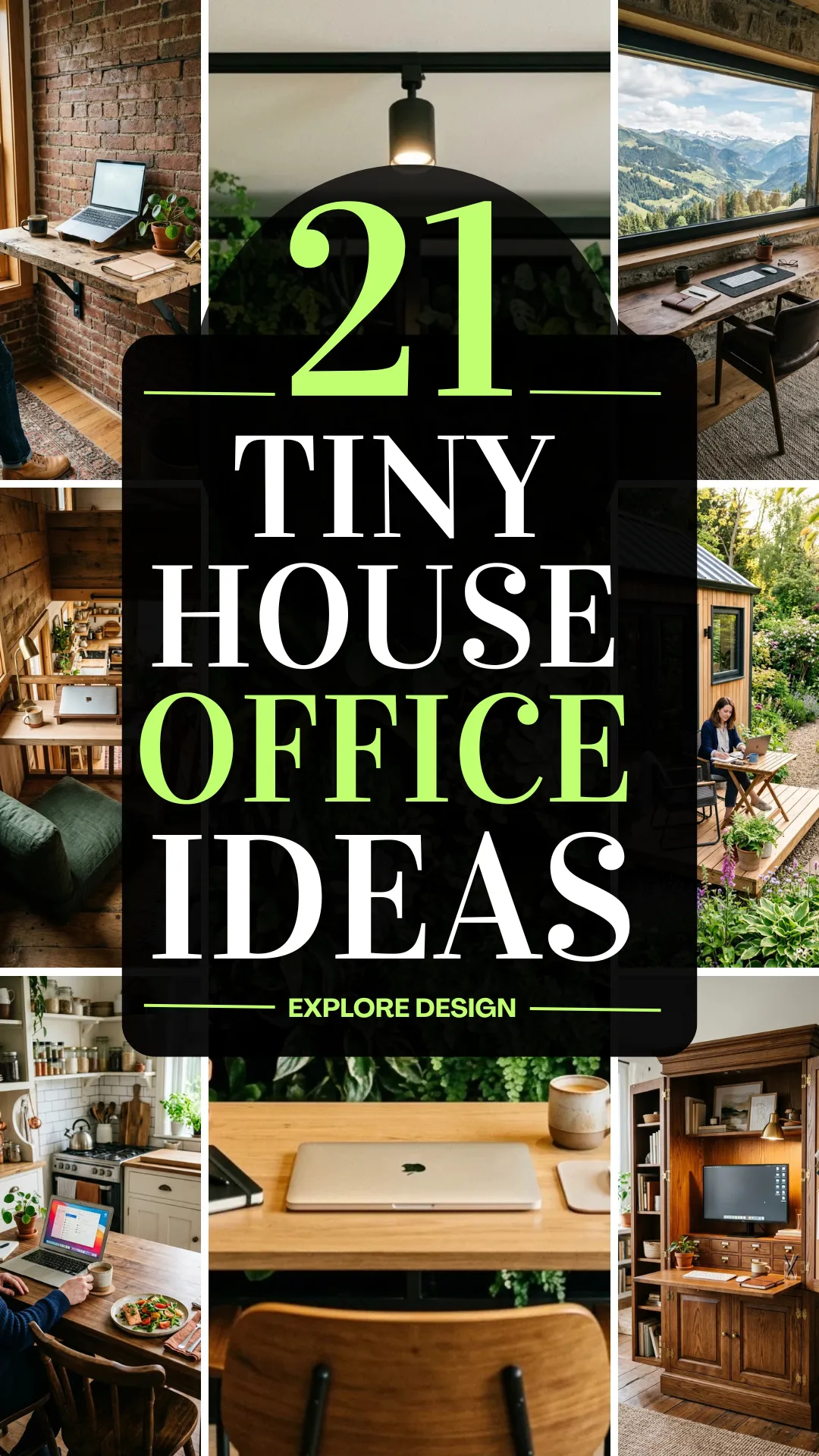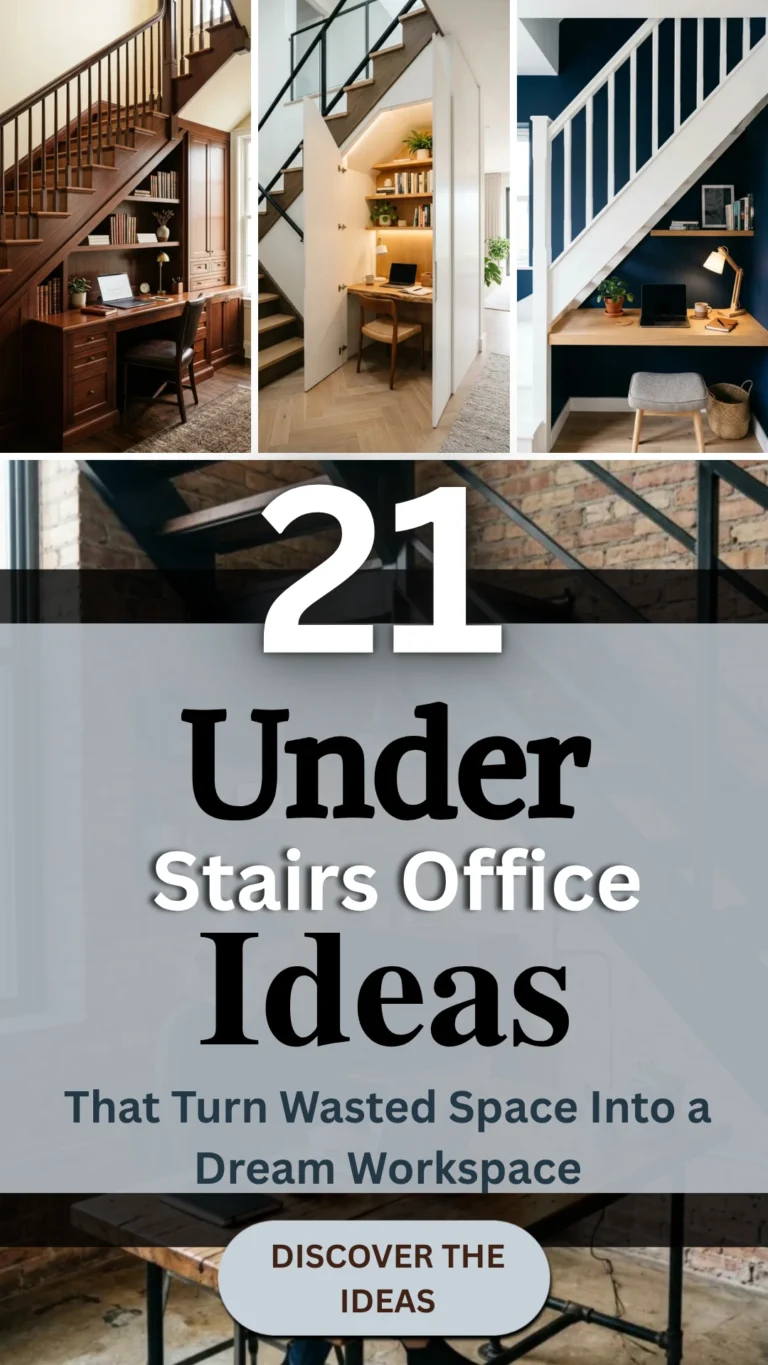

The space beneath the stairs is often relegated to a dark storage closet for vacuum cleaners and holiday decorations. However, as remote work becomes the norm, homeowners are looking for creative ways to carve out a productive sanctuary without sacrificing an entire bedroom. The “spandrel”—the triangular space under a staircase—is the perfect candidate for a high-functioning, stylish home office. Whether you have a grand foyer or a narrow hallway, these 21 ideas will help you transform that neglected nook into a powerhouse of productivity.
1. Floating Desks
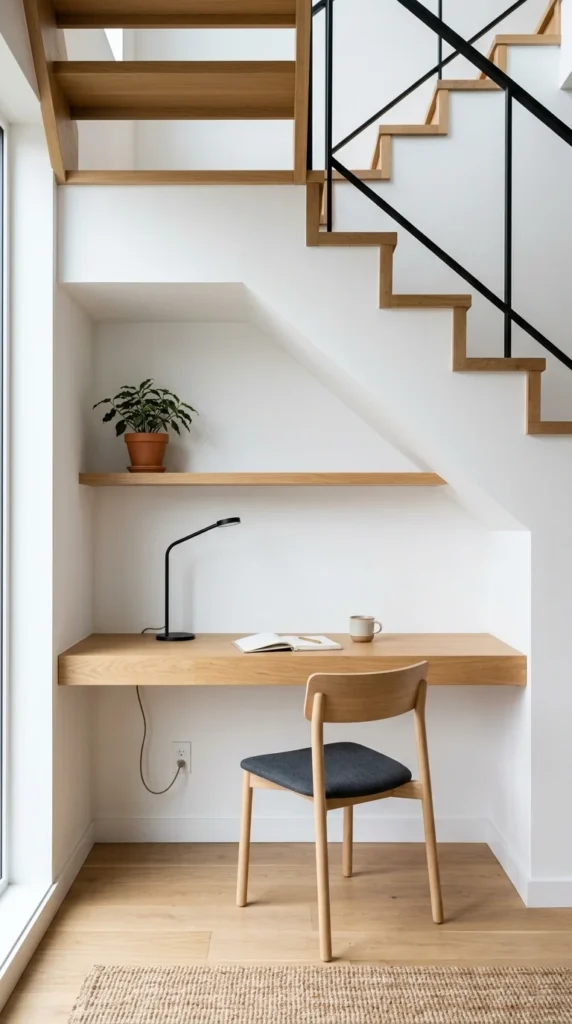
A floating desk is the ultimate solution for small under-stairs areas. By eliminating the legs of a traditional desk, you open up floor space, making the area feel larger and less cluttered. This architectural approach creates a clean, streamlined look that blends perfectly with modern or minimalist interior designs. Use a thick slab of oak or walnut for a touch of warmth against a neutral wall.
2. Custom Built-ins
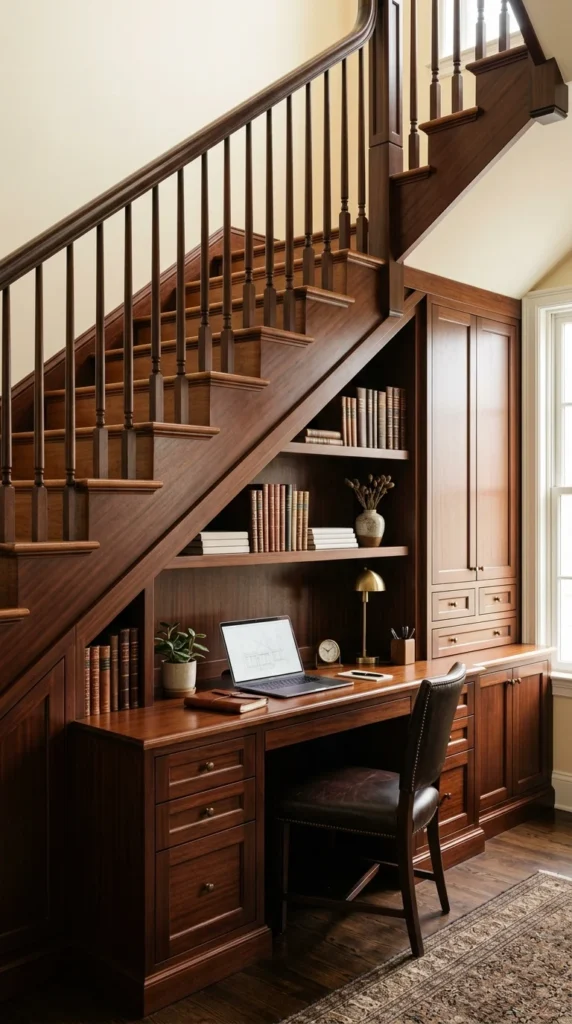
When dealing with the awkward angles of a staircase, custom cabinetry is your best friend. Tailoring the furniture to the exact dimensions of the space ensures that every square inch is utilized. You can incorporate deep drawers for filing, overhead cubbies for stationary, and a recessed desk area that feels like an intentional part of the home’s architecture rather than an afterthought.
3. Industrial Accents
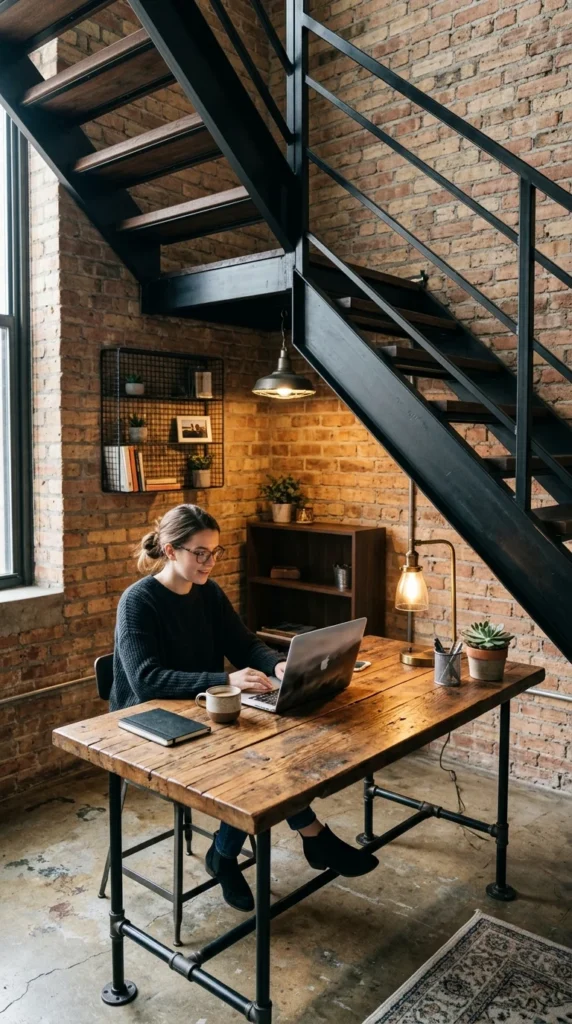
If your home has a loft or industrial vibe, lean into it. Use black iron piping for shelving supports and a rugged, reclaimed wood plank for the desktop. This style works exceptionally well under open-tread stairs, where the structural elements of the staircase itself become part of the office’s aesthetic.
4. Glass Enclosures
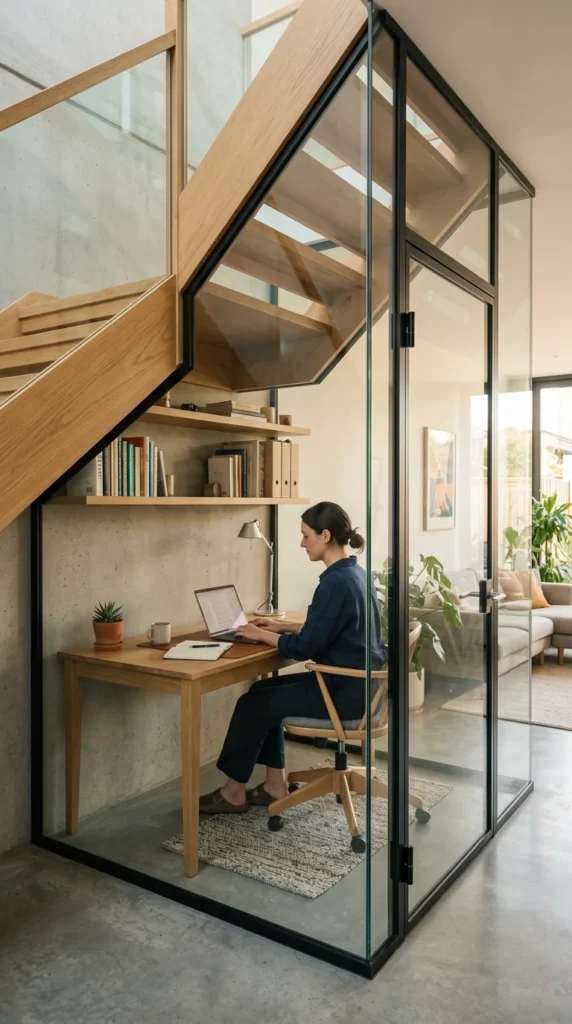
For those who need quiet but don’t want to feel claustrophobic, a glass enclosure is a game-changer. It provides a physical sound barrier—perfect for Zoom calls—while maintaining an open, airy feel. The transparency ensures the hallway doesn’t feel blocked off, and the glass adds a touch of high-end, contemporary luxury.
5. Scandinavian Simplicity
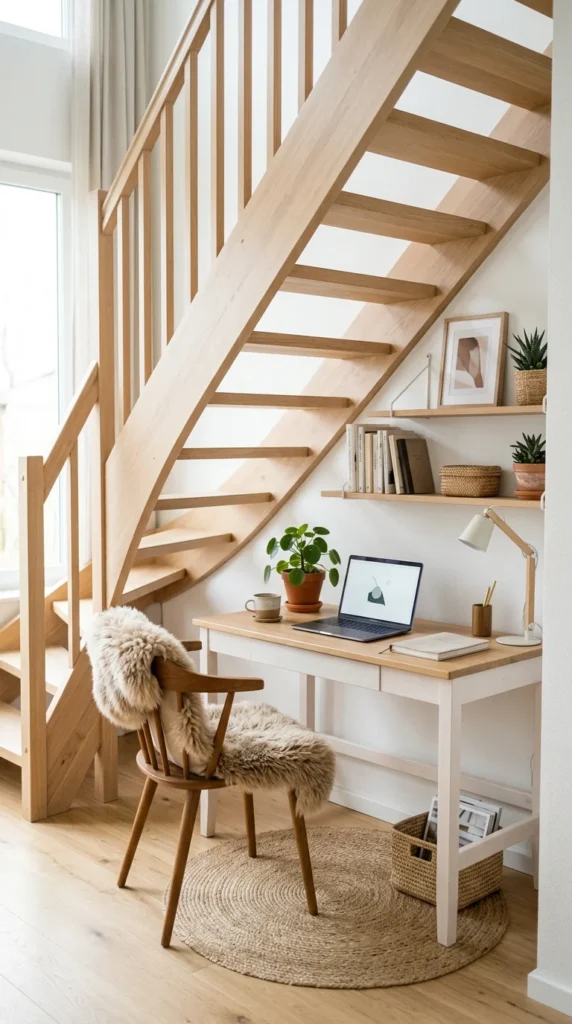
Scandinavian design is all about functionality and light. Use a palette of whites, light greys, and pale woods like birch or pine. This approach is particularly effective in dark hallways where you want to bounce as much light as possible. Keep the decor minimal—a single plant, a functional lamp, and an organized desk.
6. Bold Contrast
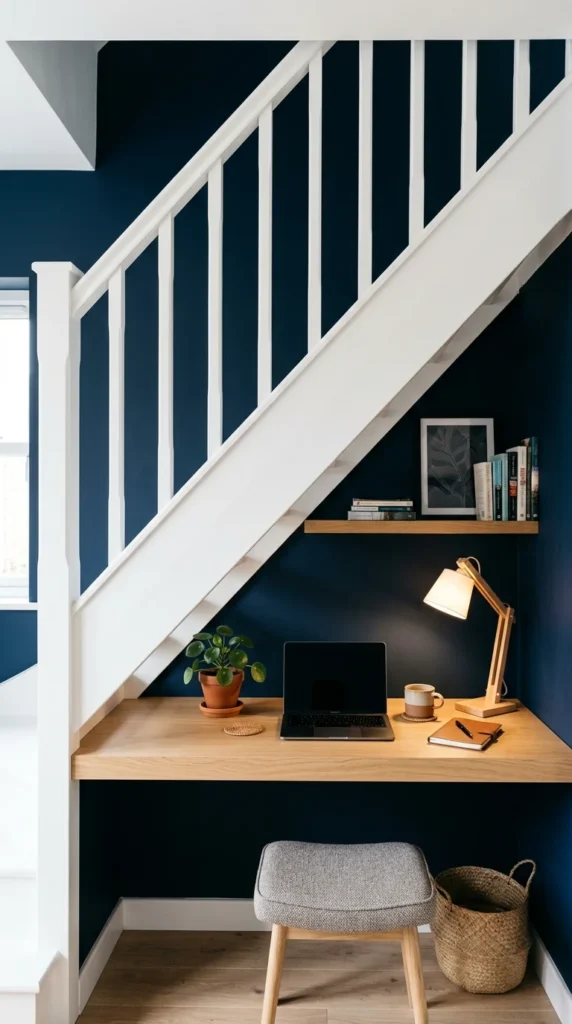
Don’t be afraid to go dark. Painting the “nook” a bold, contrasting color like charcoal, emerald green, or navy blue creates a sense of depth and separates the workspace from the rest of the room. It defines the office as its own “zone,” making it feel like a destination rather than just a corner of a hallway.
7. Two-Person Station
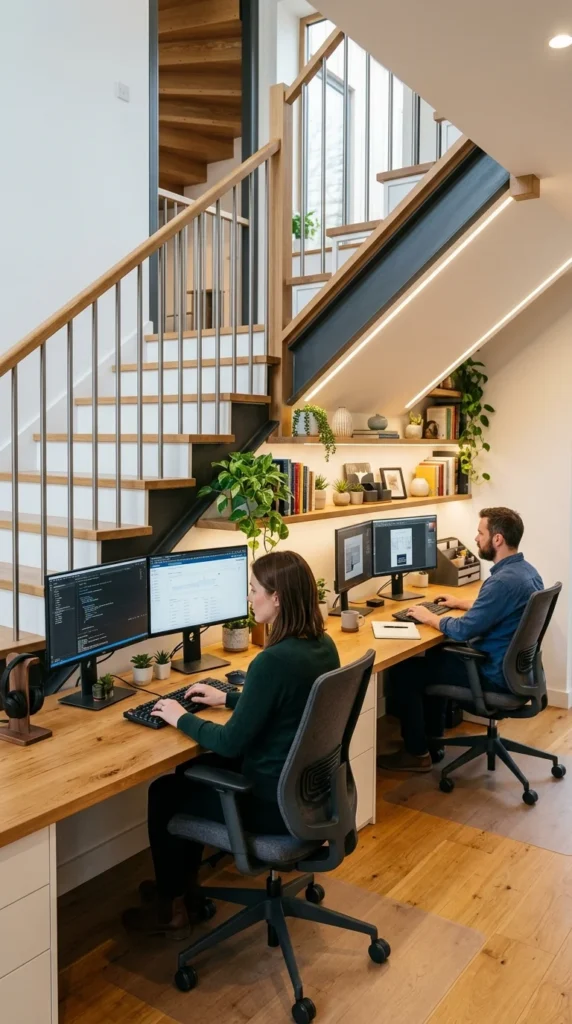
If the run of your stairs is long enough, you can easily accommodate two people. A long, linear desk allows for side-by-side working. This is an excellent solution for couples who both work from home or for a dedicated homework station for children. Use shared central storage to keep the middle ground tidy.
8. Hidden Closets
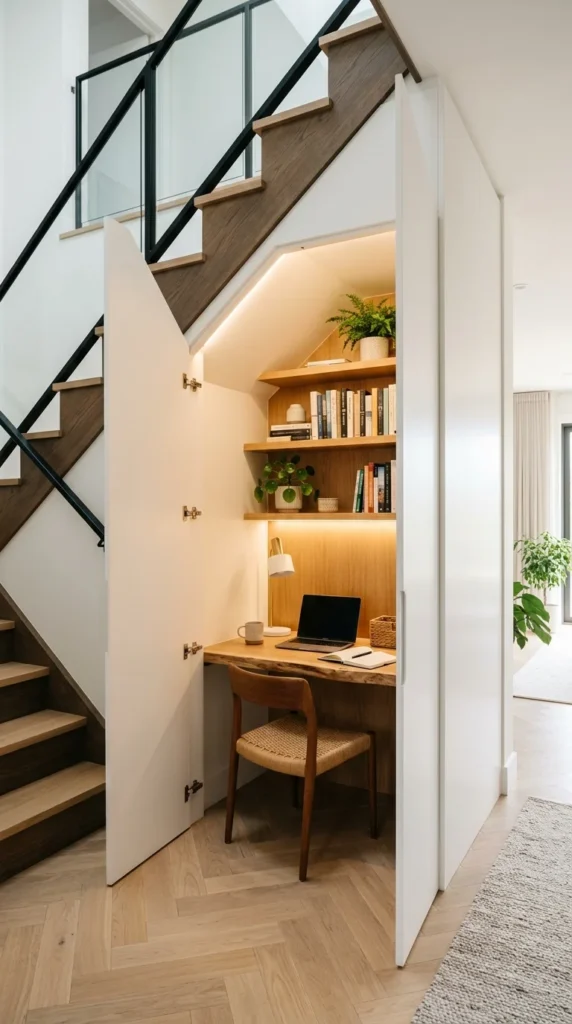
If you prefer to “close the door” on work at the end of the day, a “cloffice” (closet office) is the way to go. By installing bi-fold or pocket doors, you can hide your computer, monitors, and messy paperwork in seconds. This is ideal for offices located in high-traffic areas like the living room or kitchen.
9. Vertical Shelving
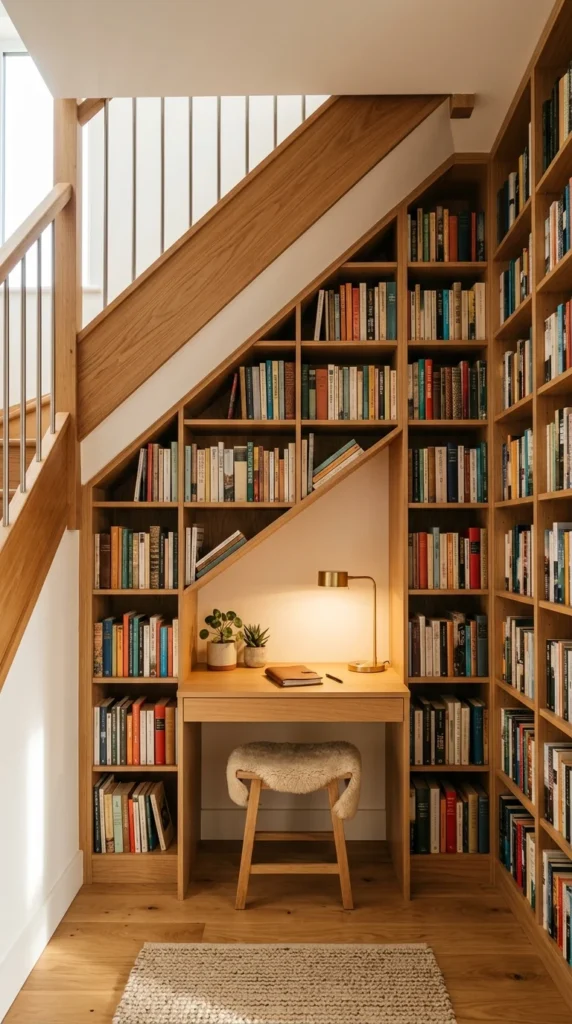
When floor space is limited, look up. Use the tallest part of the under-stairs void to install high shelving. This is perfect for storing reference books, decorative items, or printer equipment. Use a rolling library ladder if the stairs are particularly high, adding a touch of classic charm to the setup.
10. Rustic Farmhouse
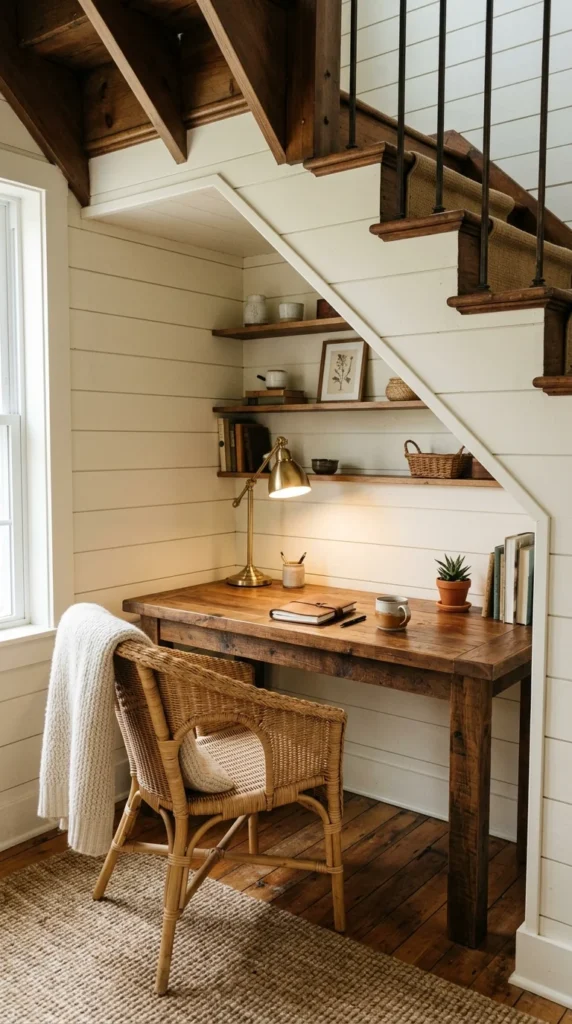
To achieve a cozy, farmhouse feel, use textures like shiplap, woven baskets, and distressed wood. This style makes the under-stairs office feel warm and inviting. It’s a great way to soften the hard angles of the staircase and create a “den” atmosphere that encourages focus.
11. Wrap-around Desks
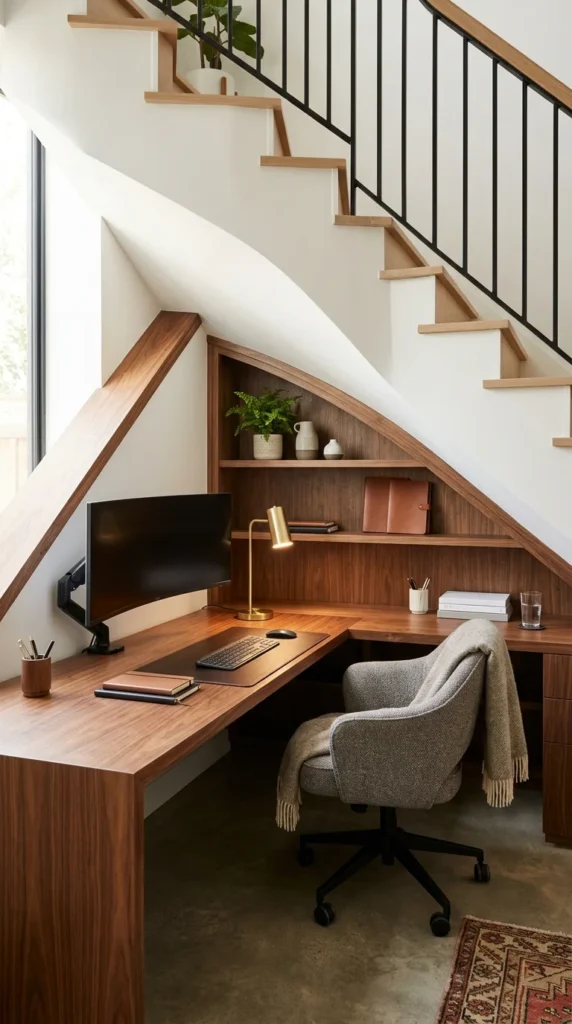
An L-shaped or wrap-around desk maximizes the corner of the spandrel. This provides significantly more surface area for those who use multiple monitors or need space for sketching and physical paperwork. It also creates a more immersive “cockpit” feel for the user.
12. Monochromatic Themes
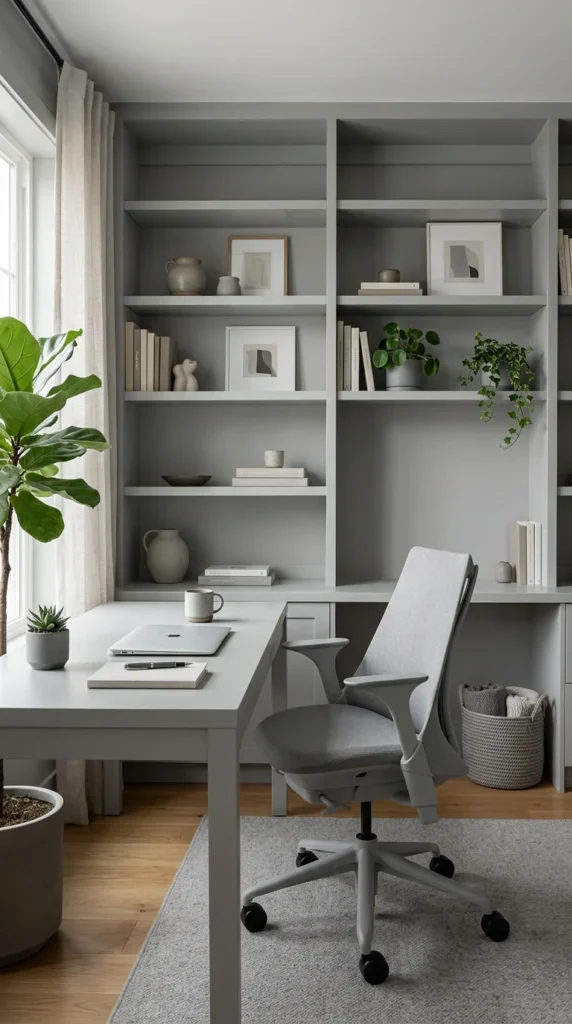
For a high-fashion, architectural look, go monochromatic. When the desk, the wall, and the shelving are all the same color, the office appears to be carved out of the house itself. This reduces visual noise and creates a calm, focused environment for deep work.
13. Integrated Lighting
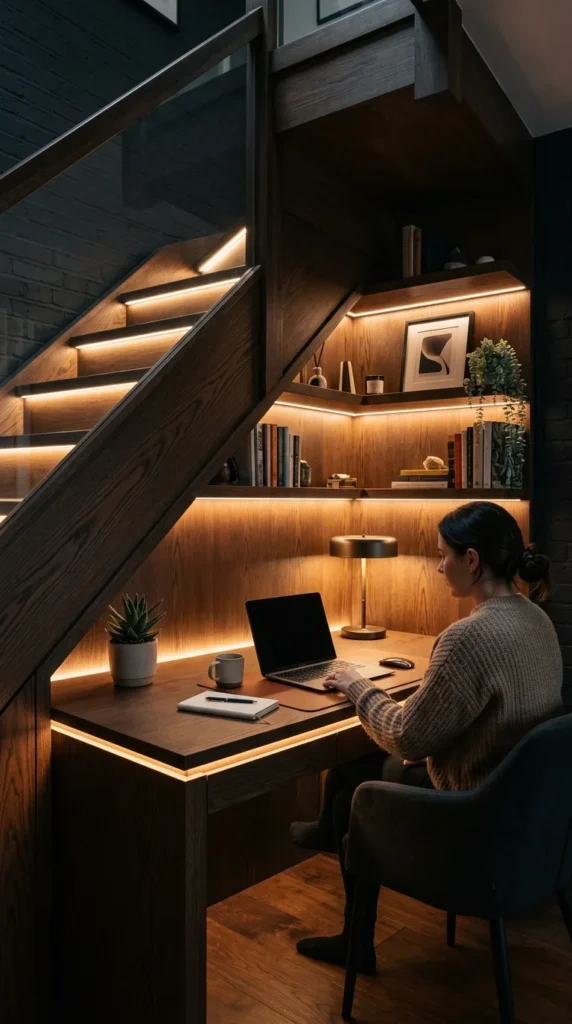
Lighting is often the biggest challenge in under-stairs spaces. Since you are tucked away from windows, integrated LED strips are essential. Place them under shelves to illuminate the desktop and along the “ceiling” of the stairs to eliminate shadows. Layer this with a stylish task lamp for a professional look.
14. Pull-out Solutions
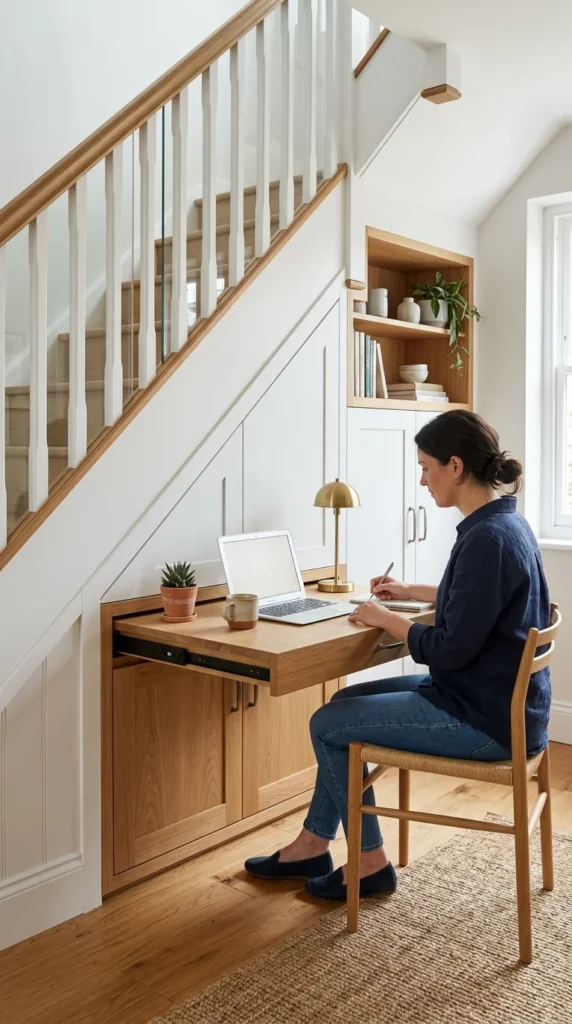
If your under-stairs space is very shallow, consider a pull-out desk. The desk can live inside a cabinet and be extended only when you are working. This keeps the walkway clear when the office isn’t in use and is a brilliant engineering solution for tiny homes or narrow corridors.
15. Botanical Nook
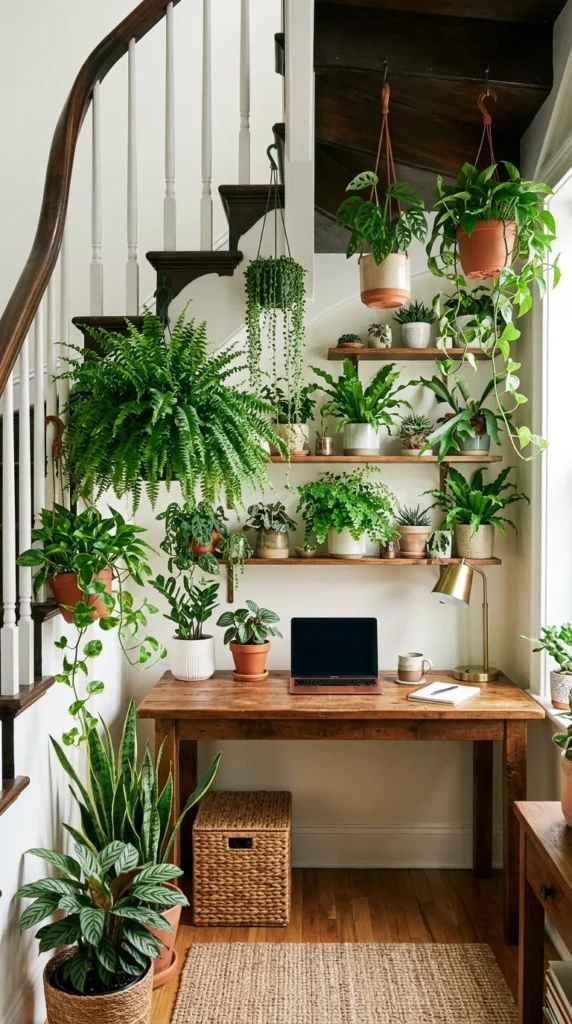
Bring the outdoors in. Since many under-stairs offices lack a view, creating your own “jungle” can boost your mood and air quality. Use the varying heights of the staircase to hang trailing plants like Pothos, and place larger leafy plants on the floor to soften the edges of the desk.
16. The Library Look
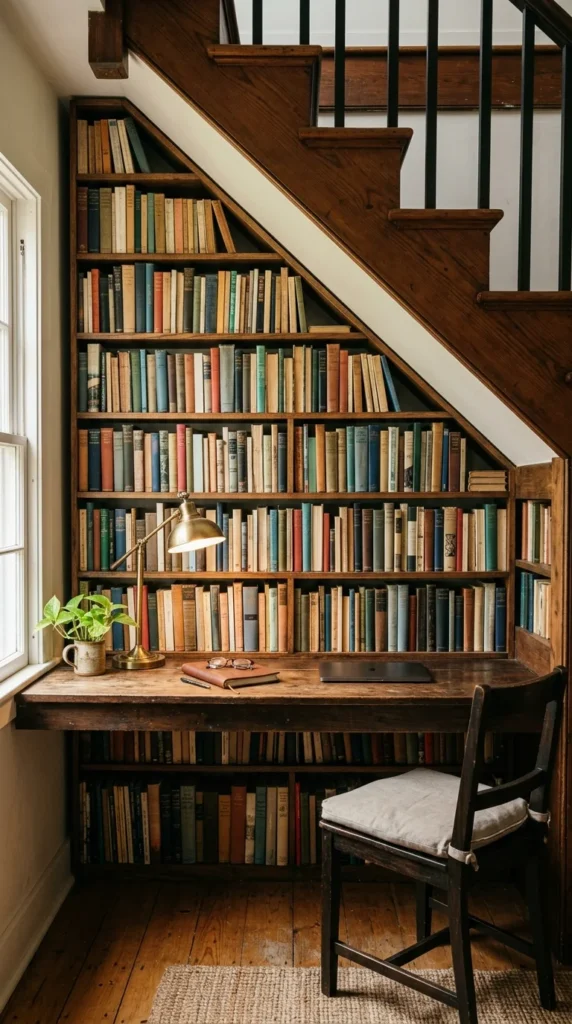
the bibliophile, the under-stairs area is the perfect place for a compact library. By surrounding your desk with books, you create a quiet, scholarly atmosphere. Use the varying depths of the staircase to house different sizes of books, from tall art volumes to small paperbacks.
17. Tech-Focused Setup
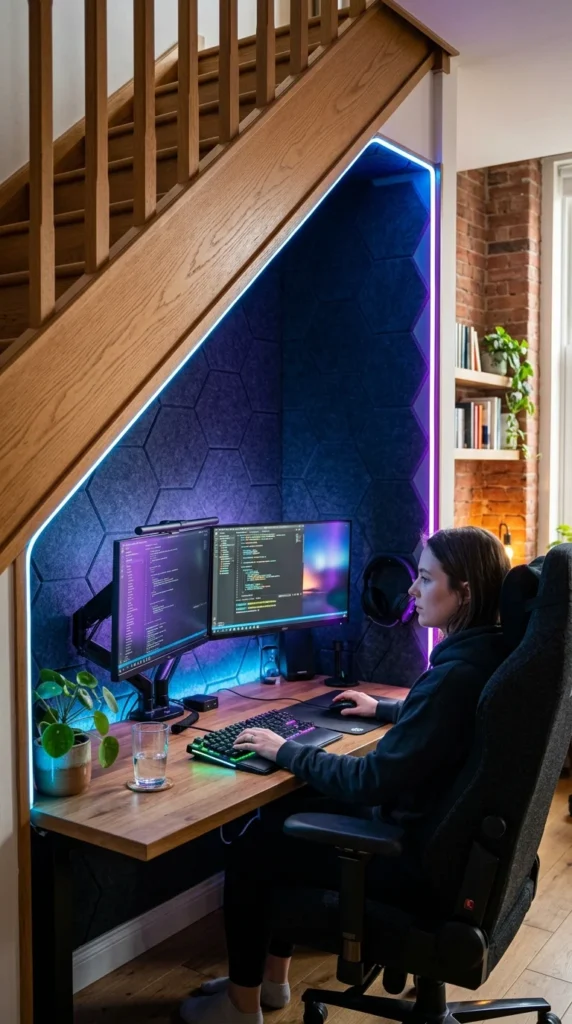
If you are a gamer or a software developer, your under-stairs office can become a high-tech hub. Focus on cable management systems to hide wires and use the enclosed nature of the space to create a dedicated “station.” Adding some acoustic panels can also improve audio quality for streamers or podcasters.
18. Wallpaper Accents
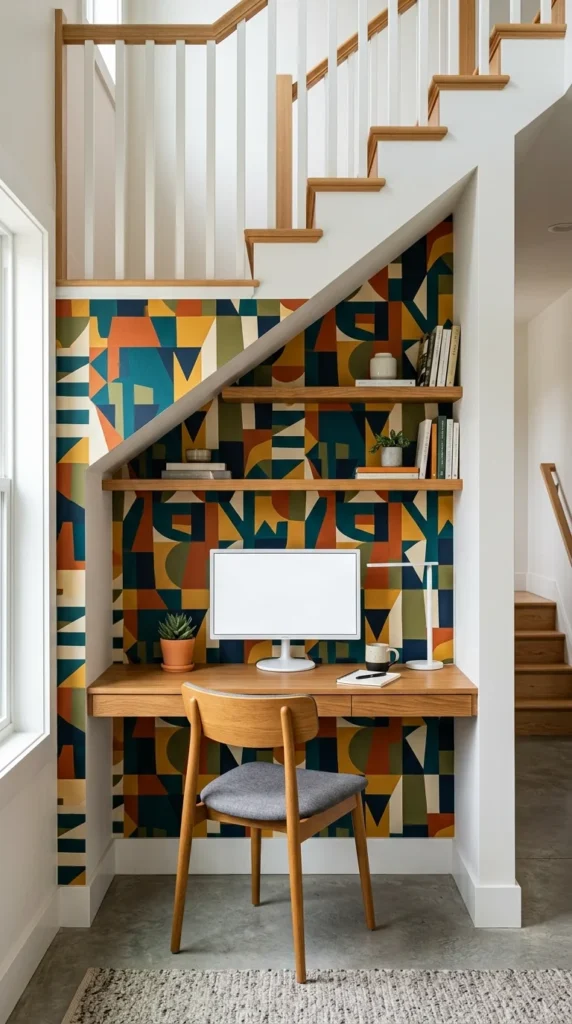
Wallpaper is a fantastic way to add personality to a small space without taking up any physical room. A bold pattern or a textured grasscloth can define the office area and add a layer of sophistication. It turns the “awkward nook” into a curated design feature of the home.
19. Art Gallery Wall
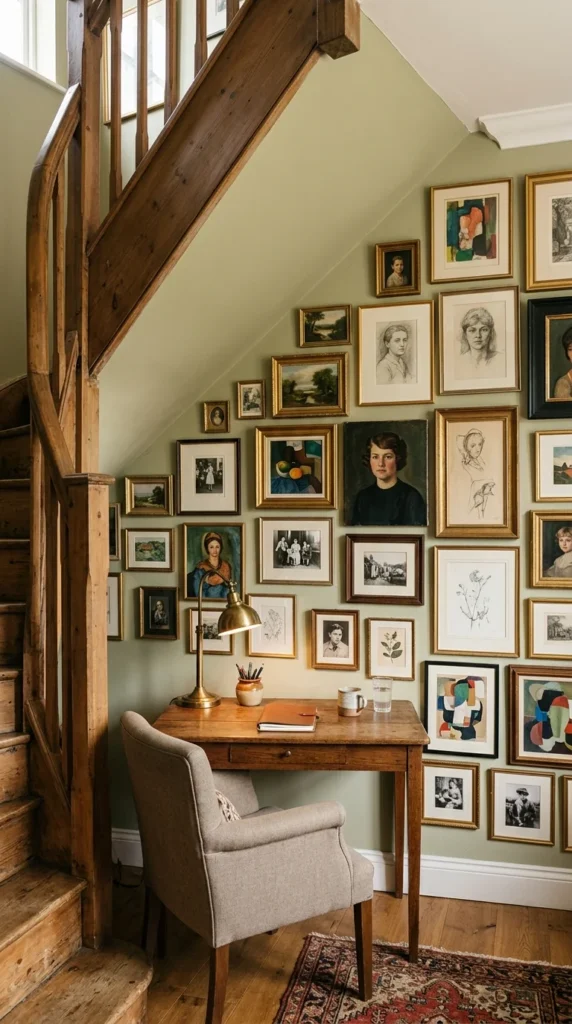
urn your workspace into an inspiration board. Use the wall space above and around the desk to hang art that inspires you. Because the space is contained, you can go floor-to-ceiling with frames, creating a dense, curated look that makes the office feel like a creative studio.
20. Cozy Textures
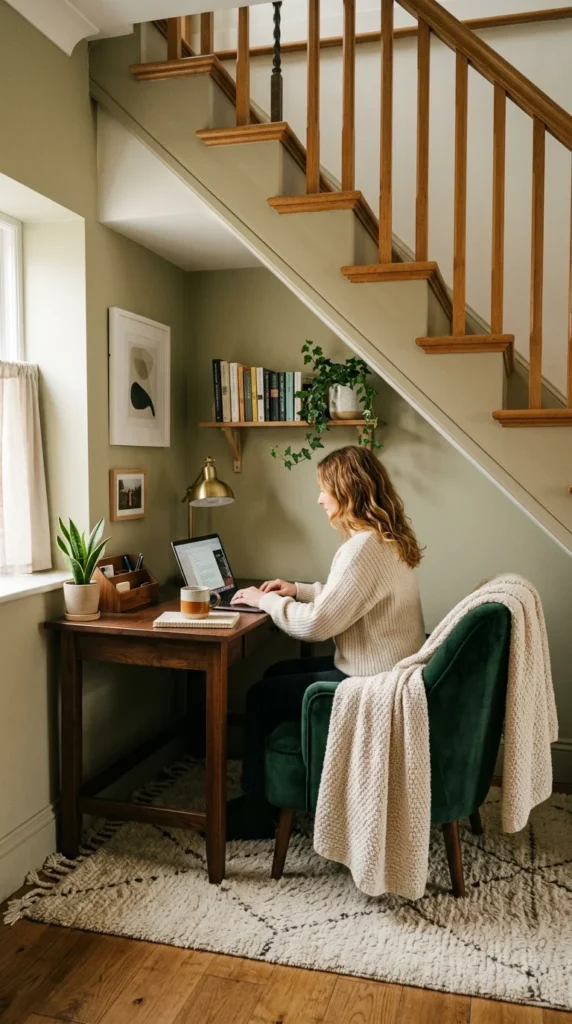
To combat the “closet” feel that some under-stairs offices can have, prioritize comfort. A high-quality rug and an upholstered chair make the space feel like a legitimate room. Soft textures dampen sound and make the hours spent at the desk much more pleasant.
21. Modular Mobility
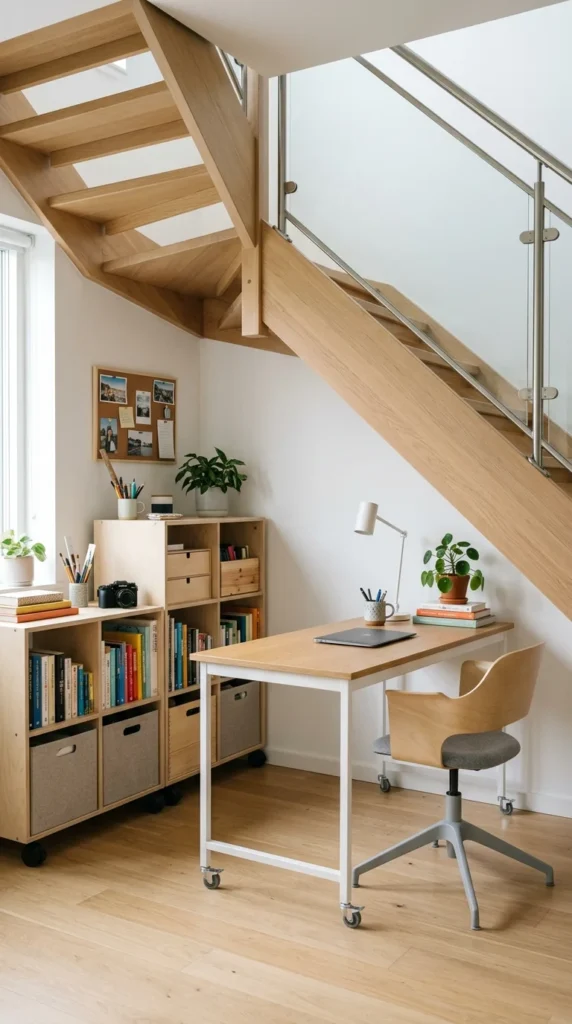
Flexibility is key for many homeowners. Using modular furniture allows you to change the layout as your needs evolve. Rolling file cabinets and modular shelving units that fit into the “steps” of the staircase allow you to reconfigure the space for different projects or to move things out of the way for deep cleaning.