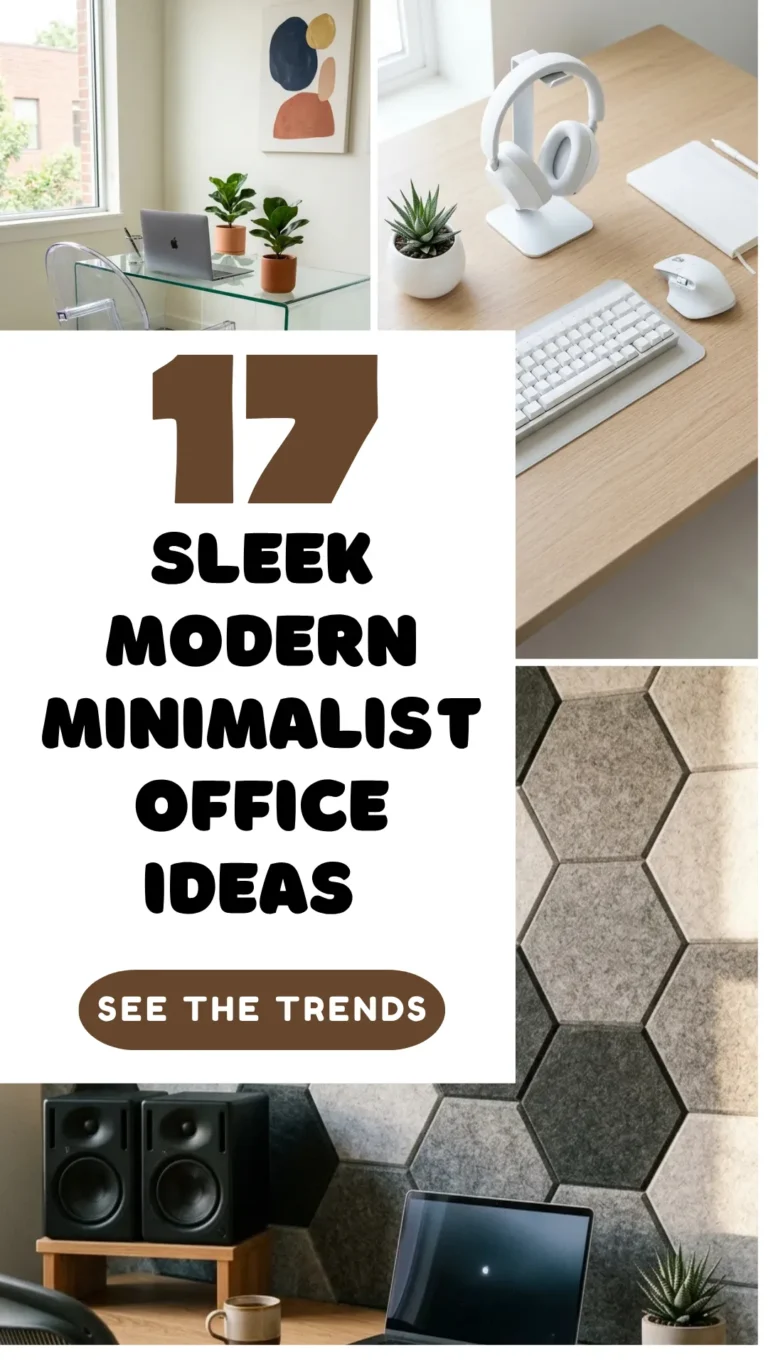

The modern workspace is no longer just a place to respond to emails; it is a sanctuary for focus, a theater for creativity, and a testament to the “less is more” philosophy. As the boundaries between home and work continue to blur, the need for a clutter-free, aesthetically pleasing environment has never been more critical. A minimalist office doesn’t mean a cold or empty room; it means a space where every item serves a purpose and every design choice promotes mental clarity.
In this guide, we explore 17 sleek modern minimalist office ideas that will transform your workspace into a bastion of productivity. By stripping away the visual noise, you can rediscover the flow state and elevate your professional life.
1. Monochromatic Palettes
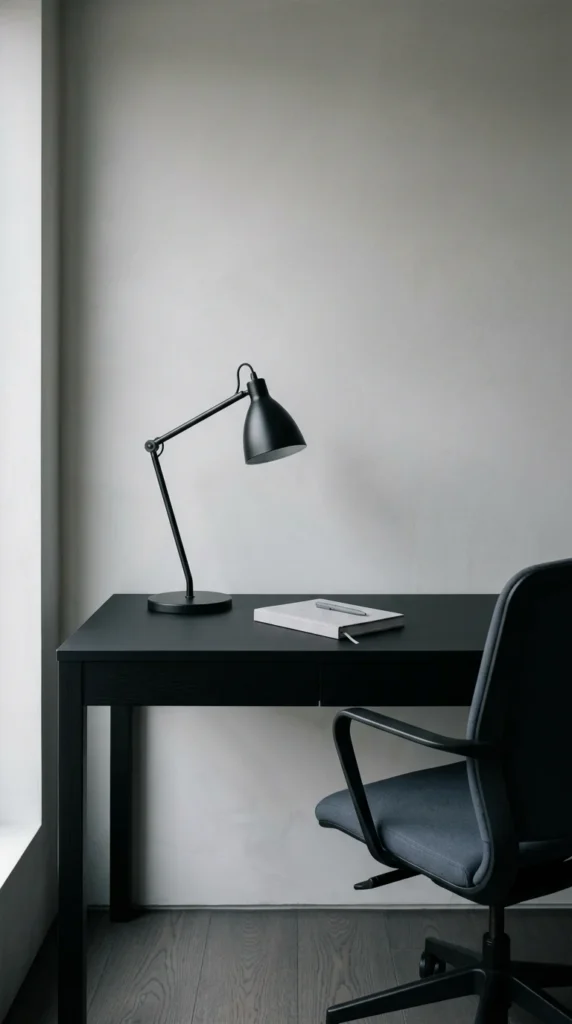
The foundation of any minimalist space is its color story. A monochromatic palette—whether it’s varying shades of white, soft greys, or deep charcoals—creates an immediate sense of visual harmony. By limiting the number of colors in the room, you reduce the “visual friction” that can distract the brain. Whites make a small room feel expansive and airy, while darker tones can create a “cocoon” effect that aids deep concentration.
2. Floating Desks
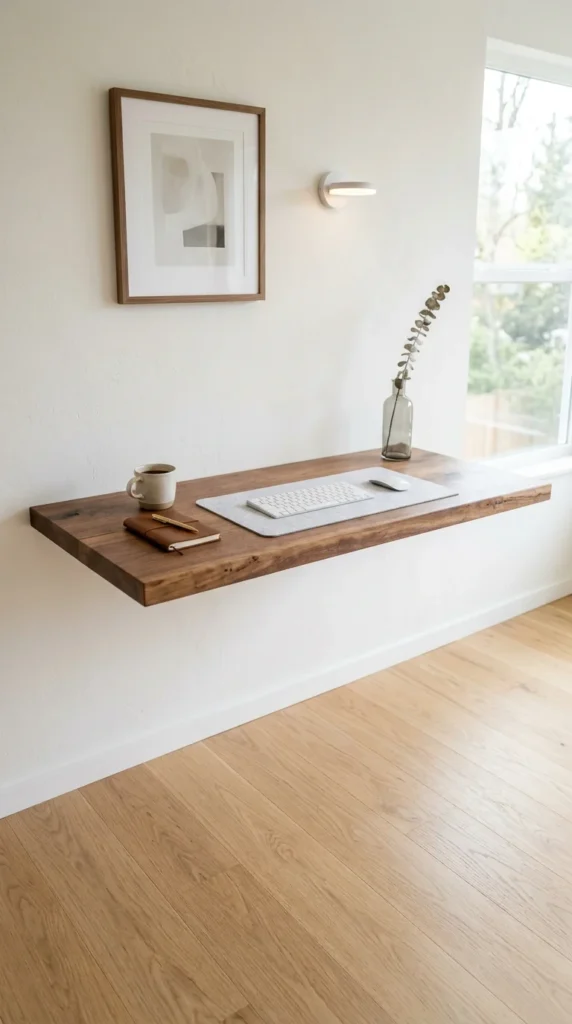
To achieve a truly sleek look, you must conquer the floor. Floating desks are wall-mounted units that eliminate the need for bulky legs, instantly making the room feel larger and more open. This architectural choice forces you to be intentional about what you keep on your desk, as there is often no built-in drawer to hide junk. It’s a clean, futuristic approach that turns your workstation into a structural element of the room.
3. Hidden Cables
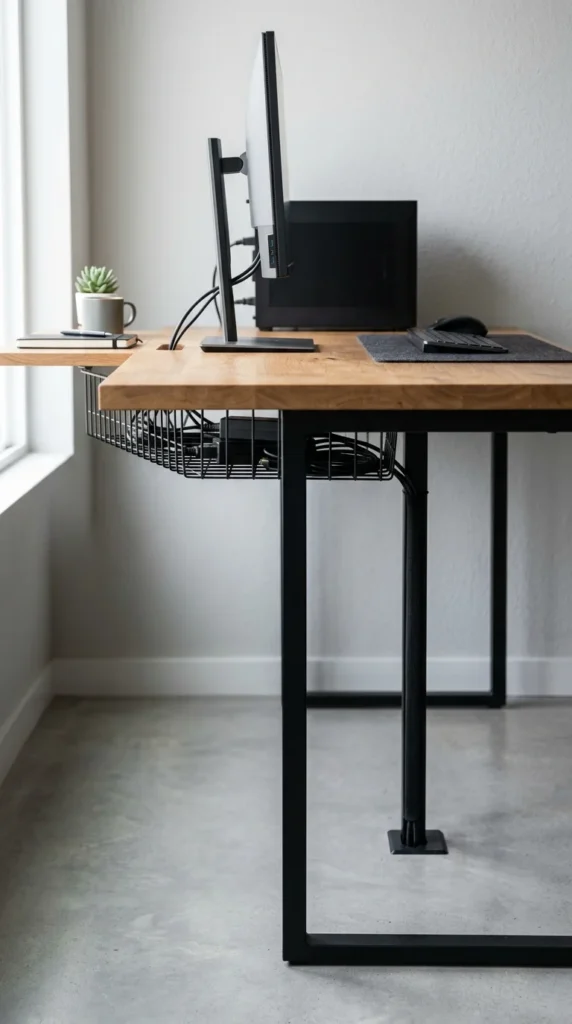
Nothing kills a minimalist vibe faster than a “spaghetti” of tangled wires. Professional minimalist offices utilize under-desk cable management trays, wireless peripherals, and even “desk grommets” that allow cables to disappear directly into the furniture. For the ultimate clean look, consider a desk with integrated power strips, ensuring that only one cord ever reaches the wall outlet.
4. Invisible Storage
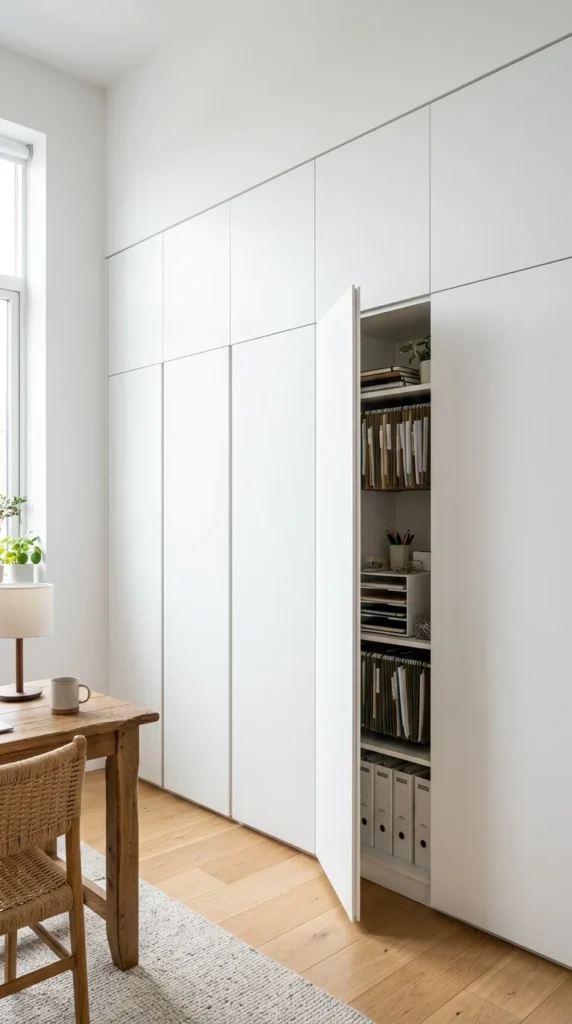
Storage is the secret weapon of minimalism. Instead of open bookshelves that gather dust and visual clutter, opt for invisible storage. This includes floor-to-ceiling cabinets with “push-to-open” mechanisms and no hardware. When closed, these units look like part of the wall, hiding away printers, paper, and supplies, and leaving only the clean lines of the room visible.
5. Natural Light
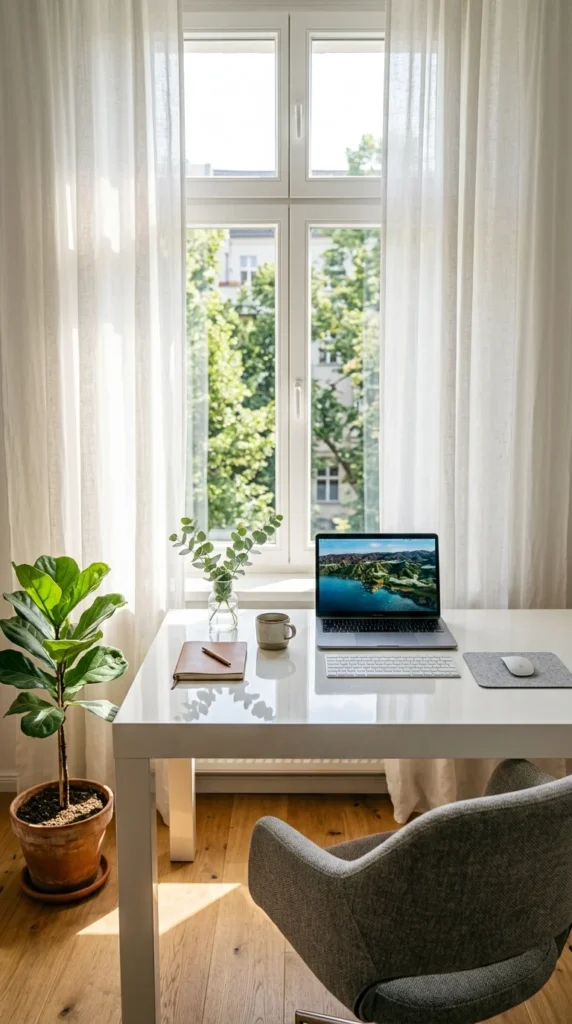
Light is a design element in its own right. A modern minimalist office should prioritize natural light above all else. Position your desk near a window to take advantage of the circadian benefits of sunlight. To maintain the minimalist aesthetic, avoid heavy drapes. Instead, use sheer panels or recessed motorized blinds that disappear into the ceiling when not in use.
6. Ergonomic Seating
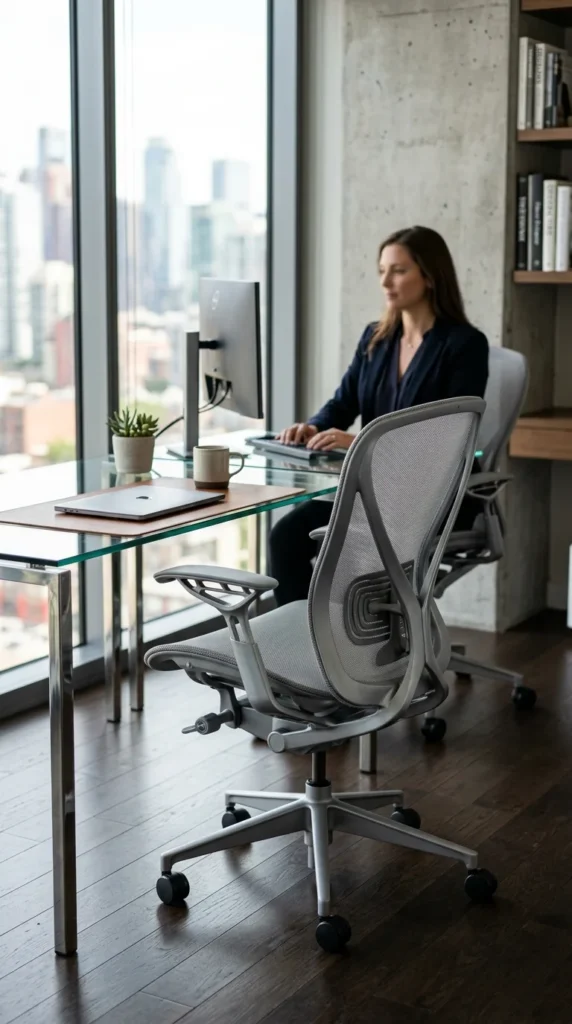
In a minimalist space, the chair is often the focal point. Move away from the bulky, overstuffed “boss” chairs of the past. Modern ergonomic chairs offer superior support with a much slimmer profile. Look for designs featuring mesh, polished aluminum, or molded plywood. These chairs provide the necessary support for long hours while maintaining the light, “barely-there” aesthetic of the room.
7. Statement Art
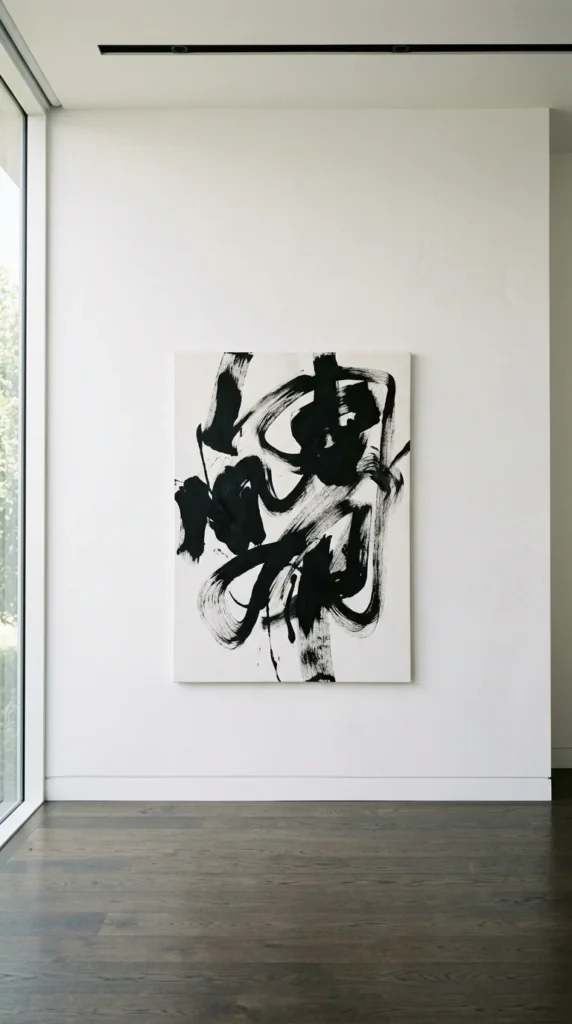
Minimalism doesn’t mean a lack of personality; it means curated personality. Instead of a gallery wall of ten small pictures, choose one single, large-scale piece of art. A large abstract canvas or a high-quality architectural photograph creates a sophisticated focal point. This “one-and-done” approach provides a sense of luxury and prevents the walls from feeling cluttered or busy.
8. Biophilic Accents

To prevent a minimalist office from feeling too sterile, incorporate “biophilic” design—the practice of bringing the outdoors in. However, keep it controlled. Instead of many small succulents, choose one or two “sculptural” plants, like a Monstera or a Fiddle-Leaf Fig. The organic shapes of the leaves provide a beautiful contrast to the sharp, straight lines of modern furniture.
9. Integrated Lighting
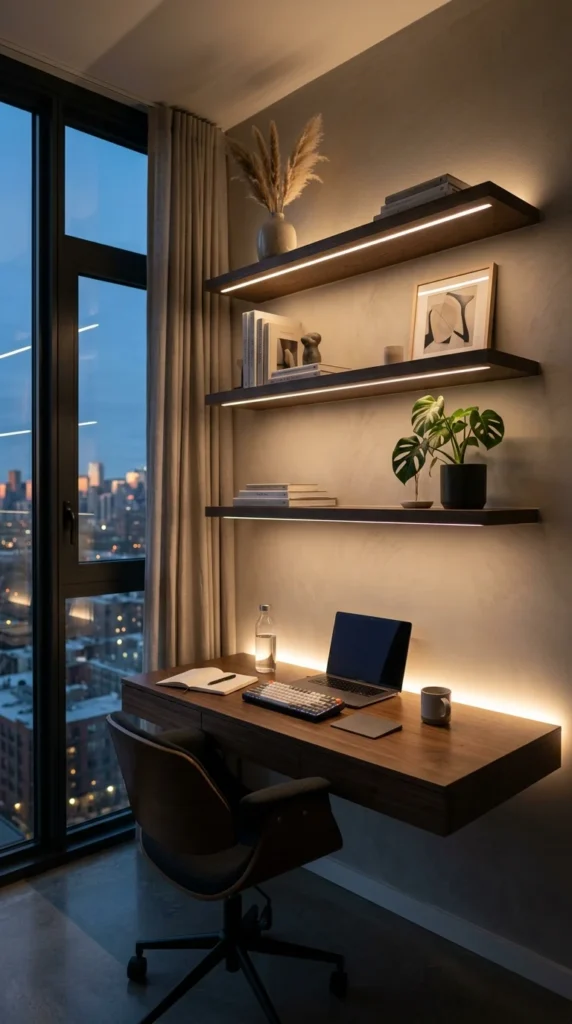
Ditch the bulky desk lamps for integrated LED solutions. Under-shelf lighting or “halo” lighting behind a monitor provides excellent task illumination without taking up precious desk real estate. This creates a futuristic, high-end hotel vibe and ensures that the light source itself remains nearly invisible, focusing the eye on the work at hand rather than the fixture.
10. Vertical Shelving
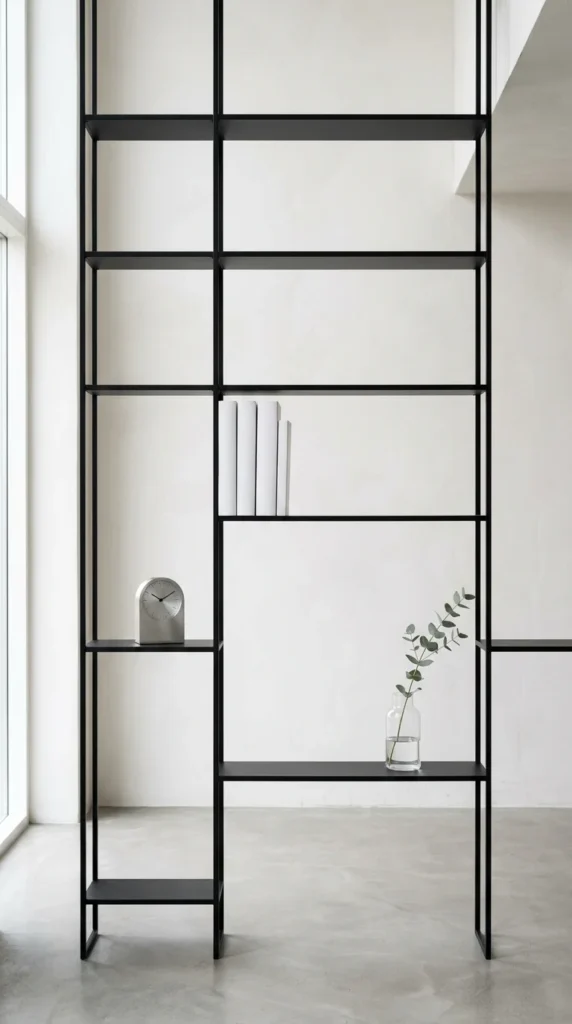
When space is at a premium, go up. Vertical shelving units that use thin metal frames or “invisible” brackets allow you to store essential items while maintaining an airy feel. The key to minimalist shelving is the “70/30 rule”: leave 70% of the shelf space empty. This “white space” is what gives the room its premium, uncluttered feel.
11. Acrylic Furniture
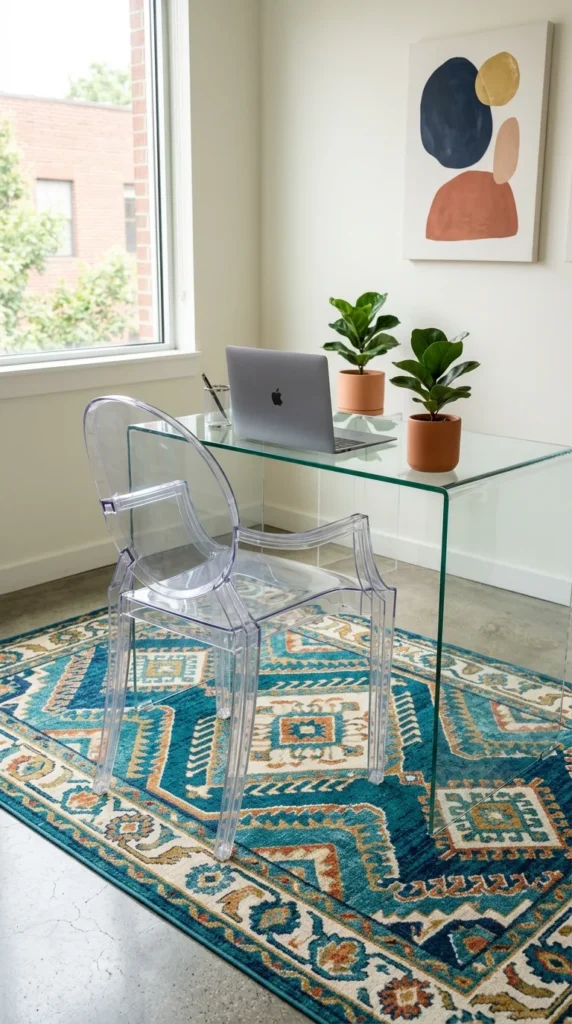
For small home offices, acrylic or glass furniture is a game-changer. These pieces possess “visual transparency,” meaning they occupy physical space but do not block the eye. An acrylic chair or a glass-top desk allows the room’s boundaries to remain visible, preventing that cramped, boxed-in feeling that often plagues smaller workspaces.
12. Digital Decluttering
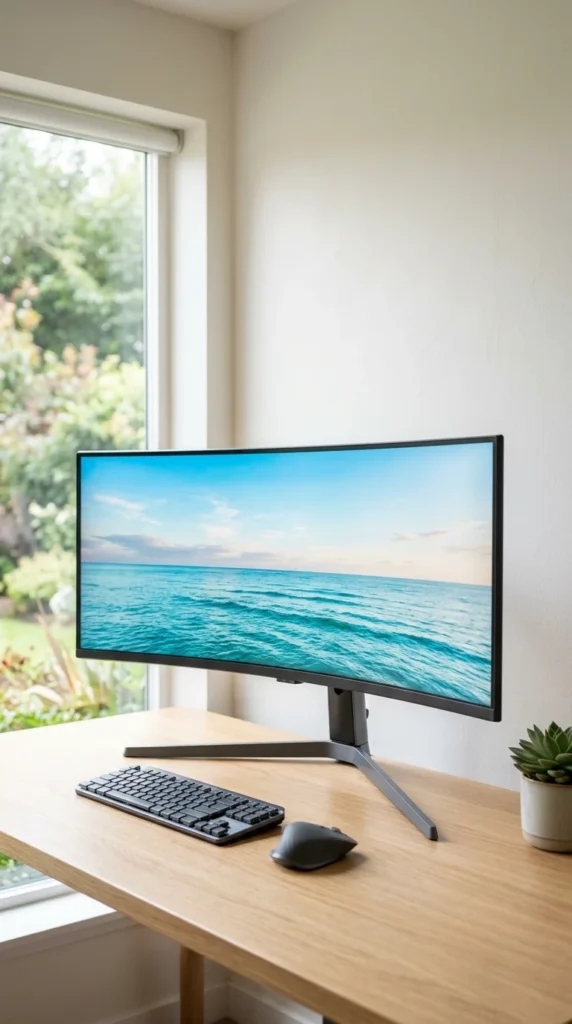
A modern office is a paperless office. Embracing a digital-first workflow allows you to remove the need for filing cabinets and paper trays. Use a single, large ultrawide monitor instead of a cluttered dual-monitor setup to streamline your field of vision. When the “physical” clutter is gone, ensuring your “digital” clutter is also managed—through clean desktop backgrounds and organized folders—completes the minimalist experience.
13. Glass Partitions
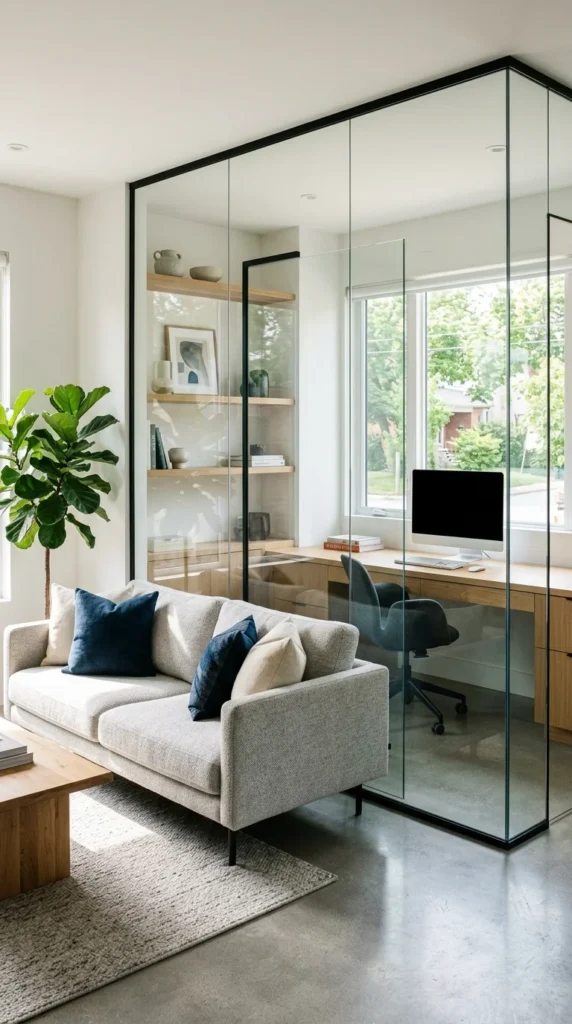
If your office is part of a larger room, use glass partitions instead of solid walls. Glass with thin black steel frames (Crittall style) provides an industrial, modern look that defines the workspace without closing it off. This maintains the flow of the home while signaling a clear boundary for “work mode.”
14. Matte Finishes

Glossy surfaces can be distracting due to reflections and are notorious for showing fingerprints. Modern minimalist design favors matte finishes. Whether it’s a “soft-touch” laminate desk or matte-painted walls, these surfaces absorb light rather than reflecting it, creating a softer, more sophisticated environment that is easier on the eyes during long work sessions.
15. Modular Workstations
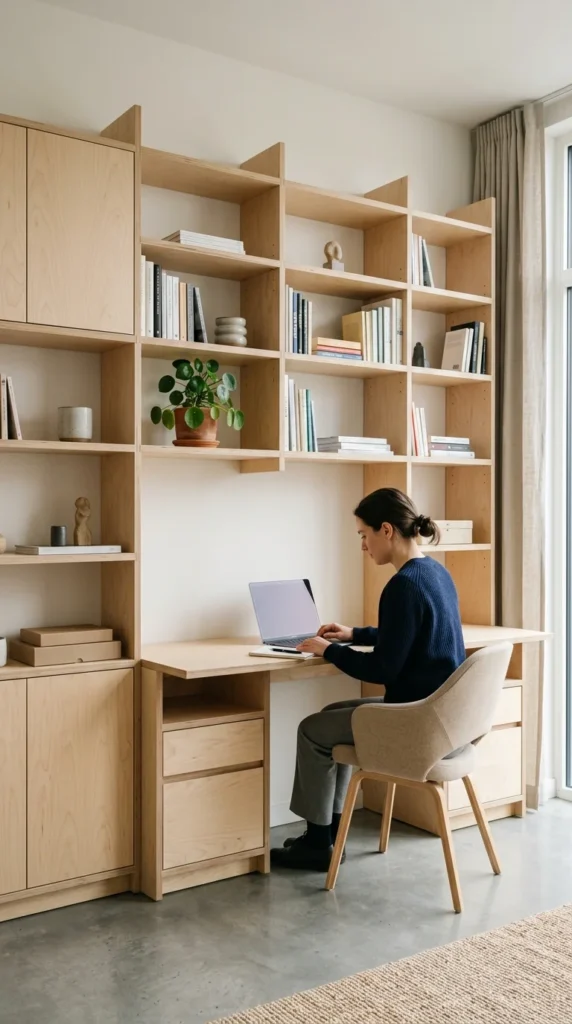
Modular furniture allows you to customize your space to your specific needs without adding unnecessary bulk. These systems are designed to fit together perfectly, ensuring there are no awkward gaps or mismatched styles. As your needs grow, you can add components that maintain the exact same aesthetic, keeping the space cohesive and intentional.
16. Acoustic Panels
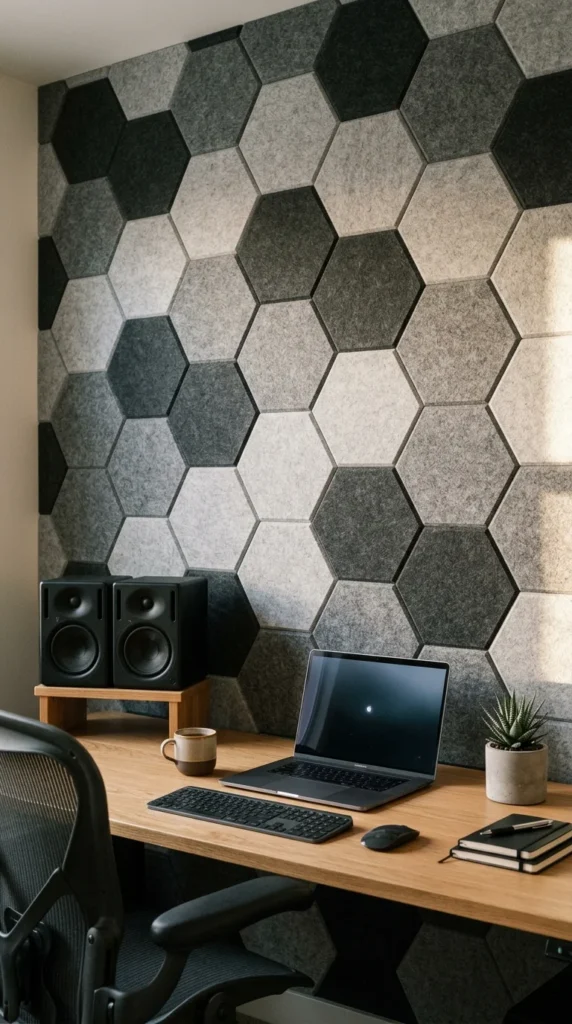
Minimalism can sometimes lead to an “echoey” room due to the hard surfaces and lack of fabric. Modern acoustic panels are the solution. Available in beautiful geometric shapes and felt textures, these panels act as functional art. They dampen sound—perfect for video calls—while adding a layer of tactile warmth to the room’s design.
17. Wireless Tech
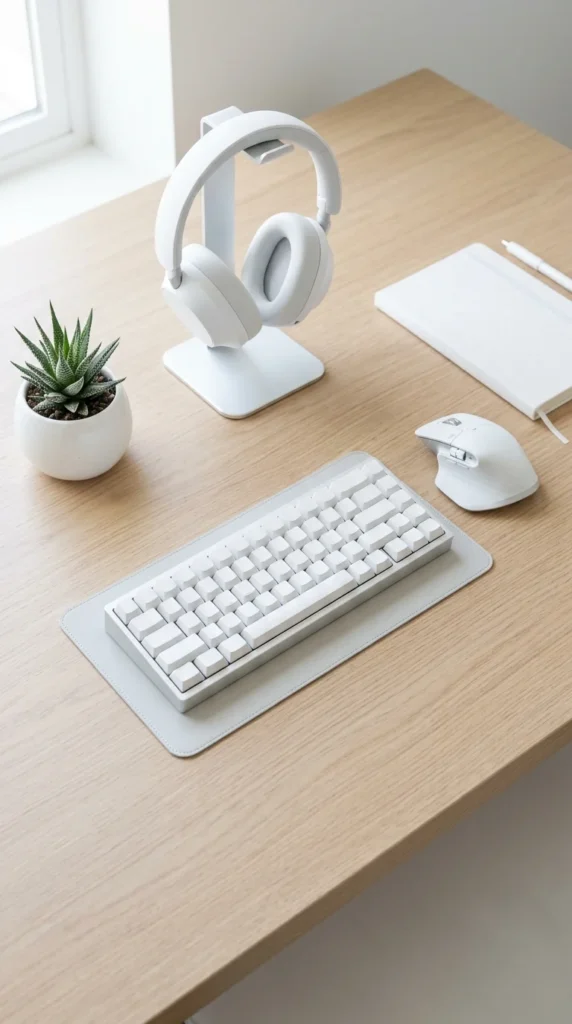
The ultimate goal of the modern minimalist is a completely wireless desktop. With the advancement of Bluetooth and high-speed wireless charging, there is no longer a need for peripheral cables. Use a wireless keyboard, mouse, and headphones. Combine this with a hidden wireless charging pad mounted under the desk surface, and you have a workspace that looks like it belongs in a sci-fi film—completely clean, highly functional, and entirely focused.
By implementing these ideas, you create more than just a place to work; you create a destination that inspires your best output. Minimalism is not about removing things you love; it’s about removing the things that get in the way of your vision. Start with one change today, and watch your clarity and productivity soar.