In an era of constant digital pings and domestic interruptions, your workspace is either your greatest ally or your biggest obstacle. A focus-friendly office isn’t just about aesthetics; it’s about cognitive ergonomics—designing an environment that minimizes “visual noise” and sensory overload. By intentionally curating your surroundings, you can prime your brain for deep work and sustain productivity for hours. Here are 20 smart office setup ideas to help you reclaim your concentration.
1. Minimalist Desk
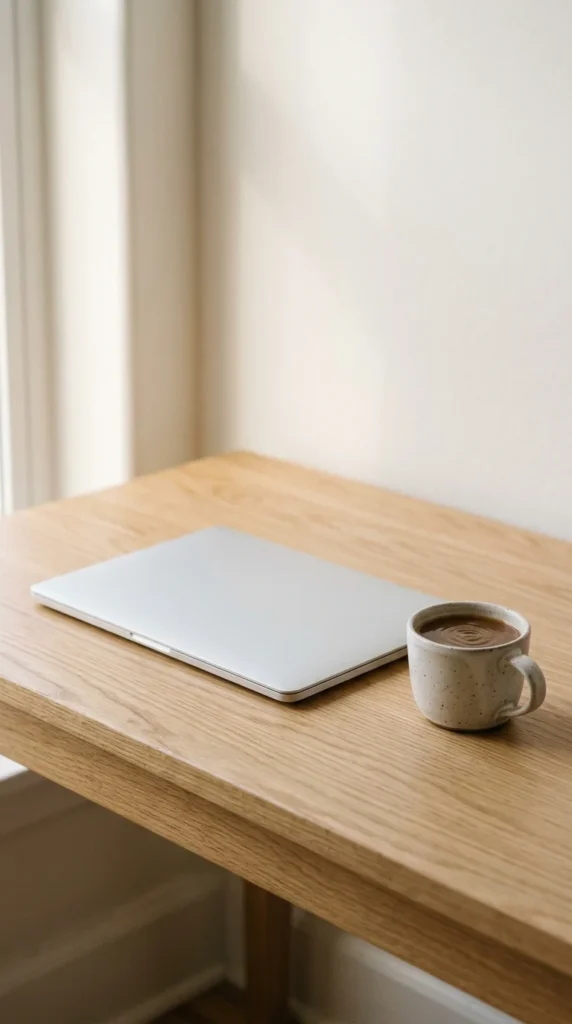
The foundation of a focused mind is a clear surface. A minimalist desk setup reduces the number of visual stimuli competing for your brain’s attention. When you sit down to work, the only thing in your field of vision should be the task at hand. Choose a desk with a slim profile and integrated storage to tuck away items like staplers, notebooks, and loose pens when they aren’t in immediate use.
2. Noise-Canceling Technology
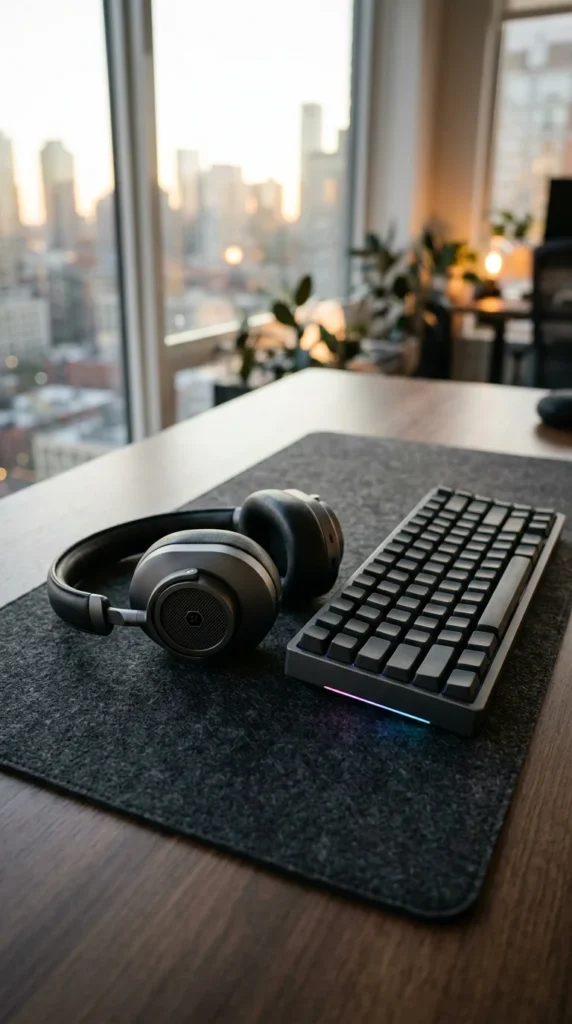
Auditory distractions are the leading cause of broken focus. Investing in high-quality active noise-canceling (ANC) headphones creates an immediate “portable sanctuary.” Whether it’s the hum of an air conditioner or distant traffic, ANC technology uses anti-noise waves to silence the world. Pair this with a dedicated “Deep Work” playlist of lo-fi beats or brown noise to signal to your brain that it’s time to concentrate.
3. Ergonomic Seating
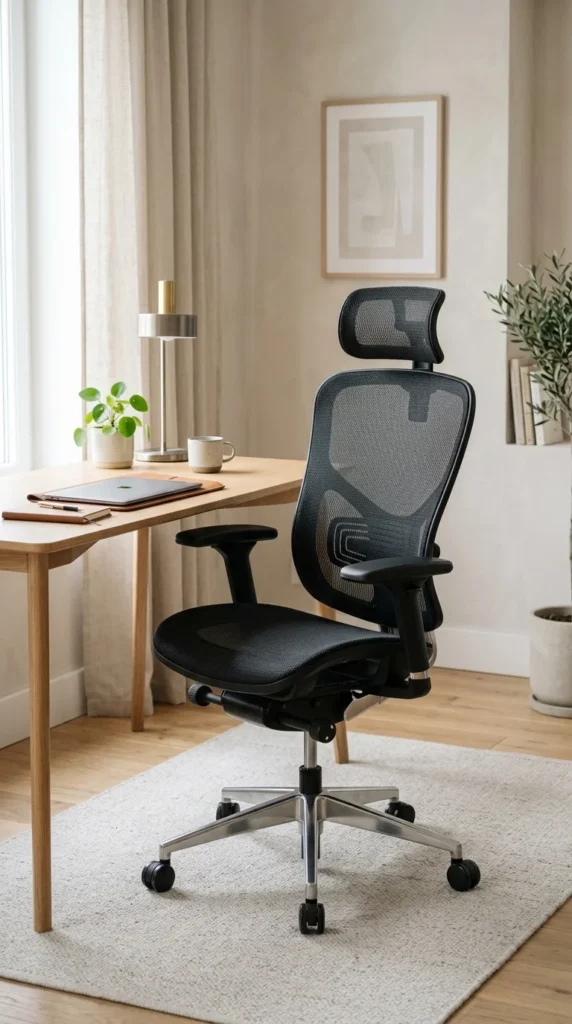
Physical discomfort is a major distraction. If your back aches or your neck is strained, your brain will prioritize that pain over your work. An ergonomic chair supports the natural S-curve of your spine, promotes better circulation, and allows you to sit for longer periods without fatigue. Look for models with adjustable lumbar support, seat depth, and tilt tension to customize the fit to your body.
4. Natural Lighting
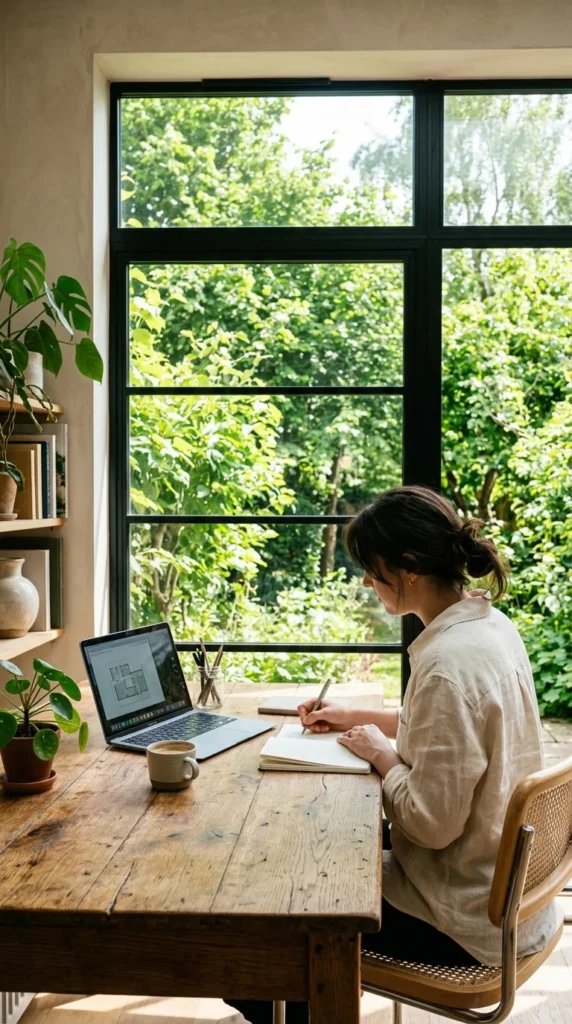
Positioning your desk near a window provides a vital connection to the outside world, which can boost mood and alertness. Natural light helps regulate your circadian rhythm, preventing the mid-afternoon slump. Use sheer curtains to diffuse harsh direct sunlight, preventing glare on your monitor which can cause eye strain and headaches.
5. Smart Lighting
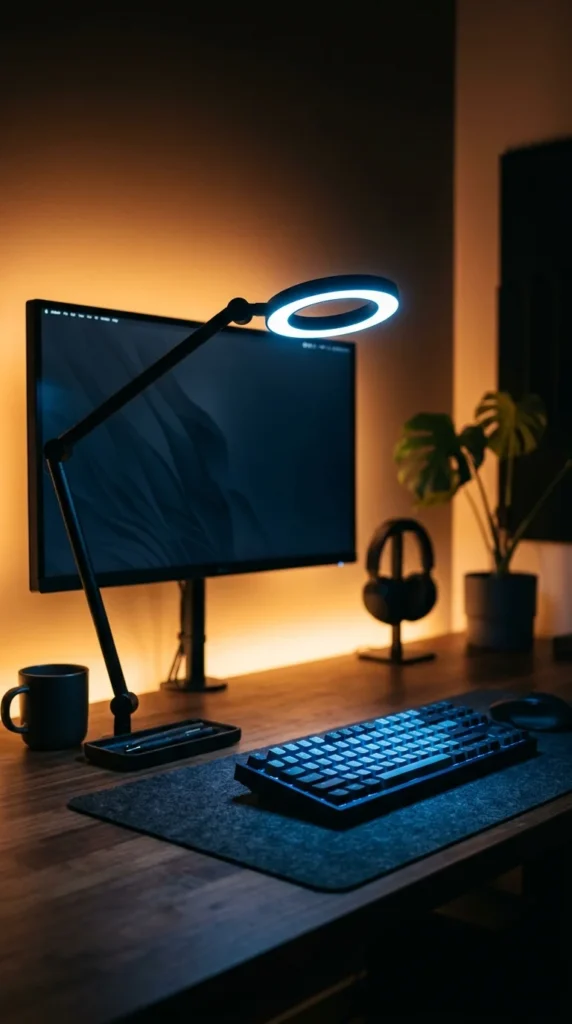
When natural light fades, smart lighting takes over. Use bulbs that allow you to adjust the color temperature. Cool, bluish light (5000K-6500K) is excellent for morning productivity as it mimics daylight and suppresses melatonin. As evening approaches, transition to warmer, amber tones to reduce eye strain and prepare your body for rest, ensuring your workspace doesn’t disrupt your sleep cycle.
6. Acoustic Panels
Generating Image…
In rooms with hard floors and bare walls, sound bounces around, creating an echo that can be subtly distracting during calls or while listening to audio. Acoustic panels, often made of felt or foam, absorb these sound waves. Beyond their functional benefit, they add a layer of soft texture to the room, making the space feel more “tucked in” and quiet.
7. Cable Management
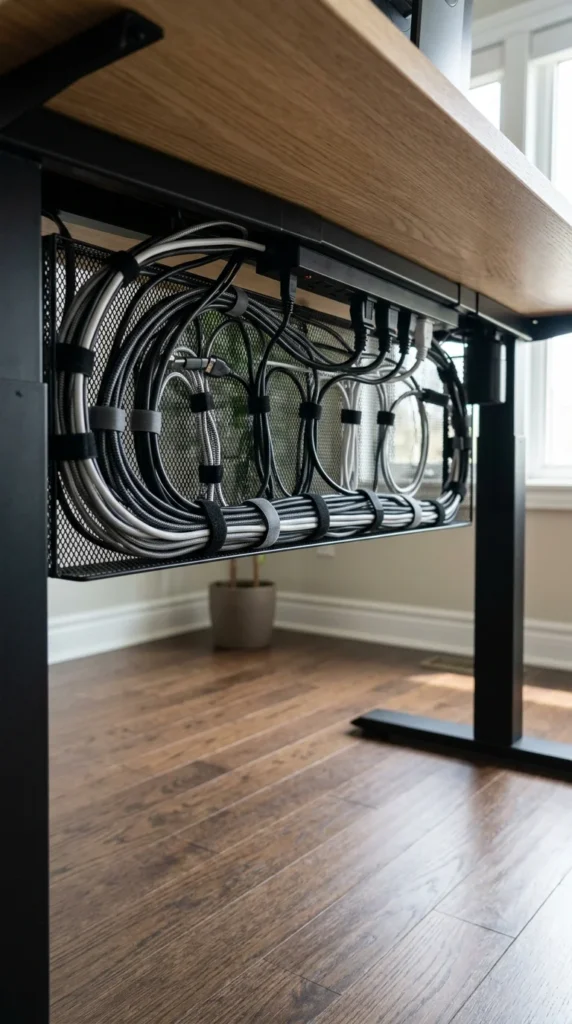
“Cable spaghetti” is a form of visual clutter that creates a subconscious sense of chaos. Use under-desk cable trays, magnetic cord clips, and cable sleeves to hide the web of power cords and USB cables. A “wireless” look on the desk surface provides a sense of calm and makes the workspace much easier to clean.
8. Scent Diffusers

Scent is a powerful tool for cognitive association. Using an essential oil diffuser with specific scents like peppermint (for alertness), lemon (for clarity), or rosemary (for memory) can prime your brain for work. By only using a specific scent during work hours, you create an olfactory “anchor” that tells your brain exactly what state of mind it should be in.
9. Task Lighting
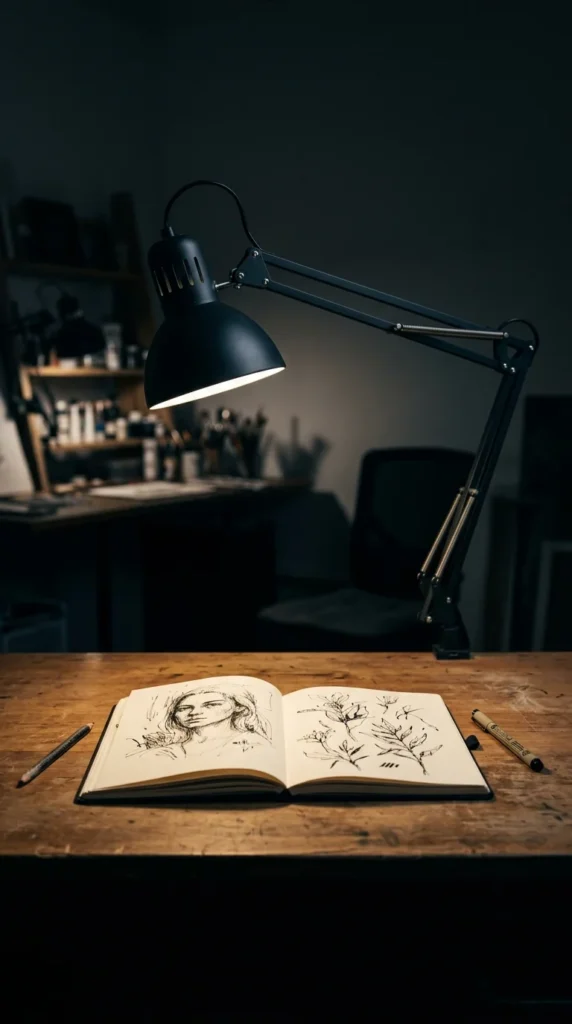
General overhead lighting is often too bright or too dim for specific tasks. A dedicated task lamp with an adjustable arm allows you to direct light exactly where you need it—on a document you’re reading or a notebook you’re writing in. This “spotlighting” effect helps tunnel your vision onto the task, physically narrowing your focus.
10. Biophilic Design
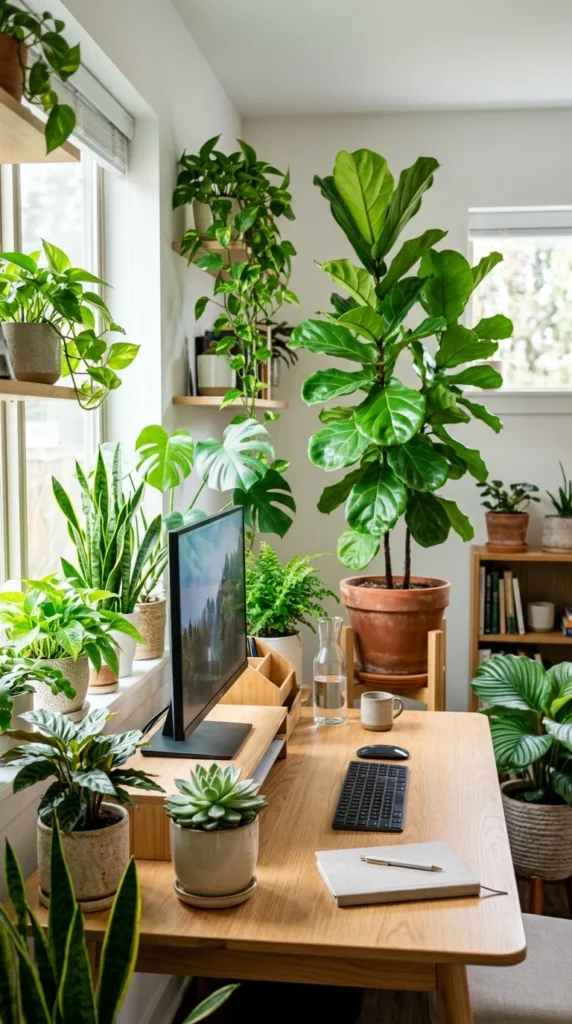
Integrating nature into your office through plants—known as biophilic design—has been shown to reduce stress and increase productivity. Plants act as natural air purifiers and provide a “soft fascination” for the eyes during breaks, which helps restore mental energy. Low-maintenance options like snake plants or pothos are ideal for a focus-oriented workspace.
11. Physical Zoning

If your office is part of a larger room, physical zoning is crucial. Use a bookshelf, a room divider, or even a different colored rug to create a clear boundary between “work” and “life.” When you step into the work zone, your brain recognizes the shift in environment, making it easier to leave household distractions behind.
12. Monitor Arms
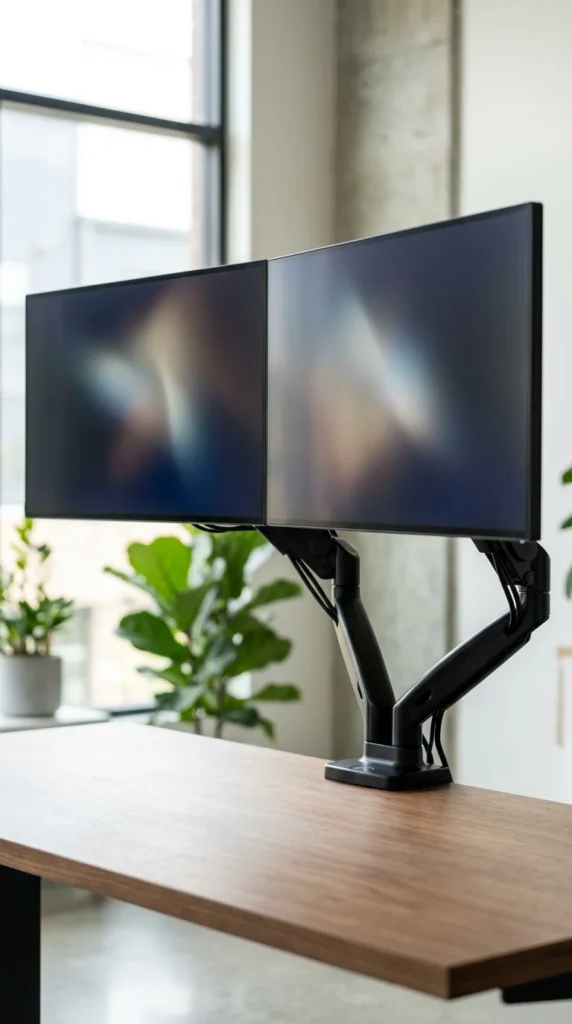
A monitor arm clears up valuable desk real estate and allows for perfect ergonomic alignment. By lifting your screen to eye level, you prevent the “tech neck” slouch that leads to physical fatigue. The extra space beneath the monitor can be used for a keyboard or simply left empty to maintain a sense of openness and order.
13. Analog Tools

Sometimes the best way to eliminate digital distractions is to go analog. Keeping a physical notebook or a “distraction pad” allows you to jot down random thoughts or to-dos that pop into your head without opening a new tab on your computer. This keeps you in the flow of your primary task while ensuring your secondary ideas are captured.
14. Vertical Storage
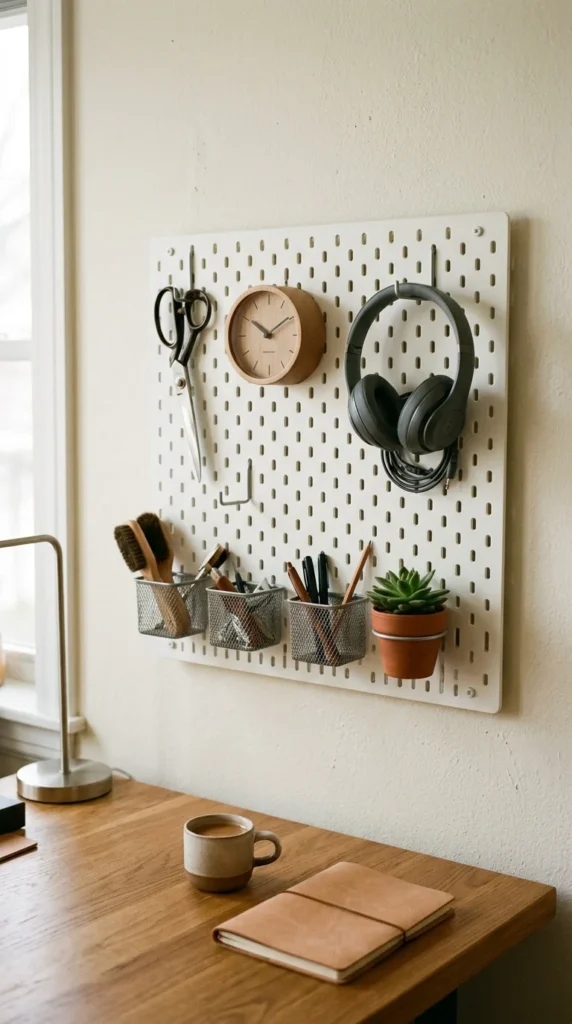
To keep your desk clear, utilize the walls. Vertical storage solutions like pegboards or floating shelves keep essential tools close at hand but off the main work surface. This maintains the “clean desk” policy while ensuring you don’t have to get up and search for items, which is a common way to lose focus.
15. Standing Desks
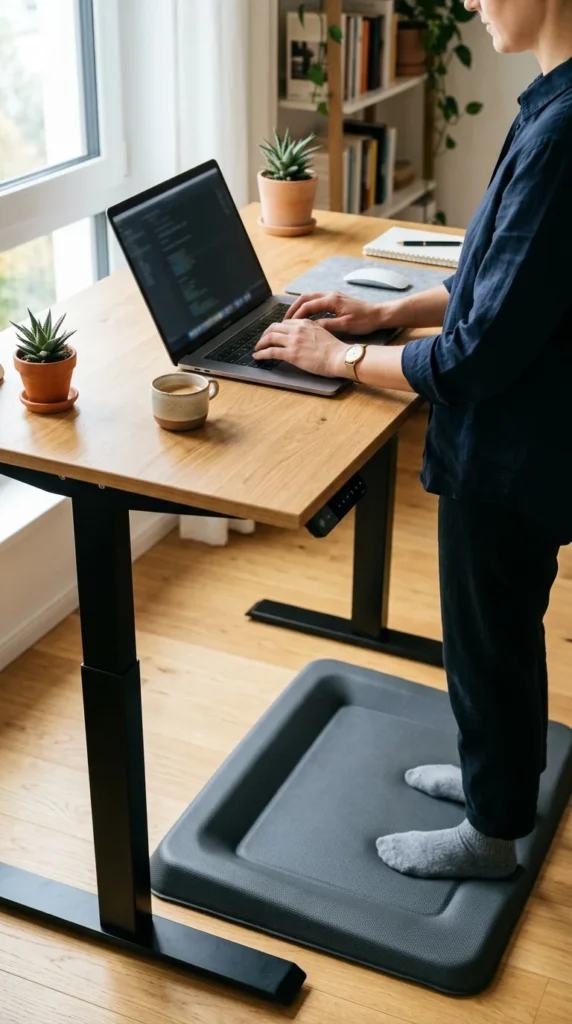
Sedentary behavior can lead to brain fog. An electric sit-stand desk allows you to change your posture throughout the day. Switching to a standing position for 20-30 minutes can boost blood flow to the brain, providing a natural energy kick when you feel your concentration wavering.
16. Clutter-Free Walls
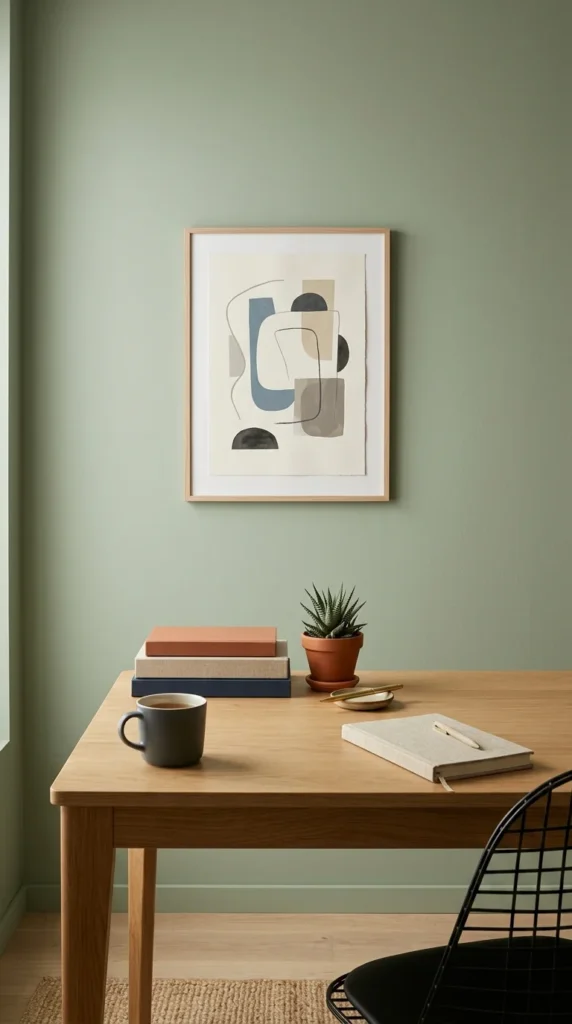
While some people enjoy a “mood board” approach, highly focused environments often benefit from visual simplicity. Avoid covering the wall directly in front of your desk with busy calendars, photos, or sticky notes. A clean wall—or one with a single, calming piece of art—prevents your eyes from wandering and getting stuck on unrelated information.
17. Desk Partition
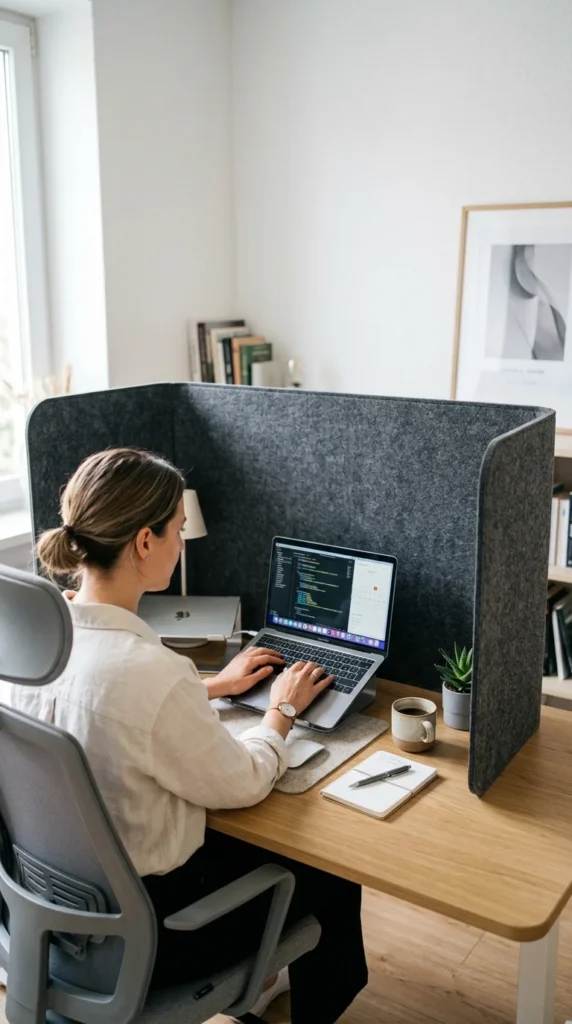
If you share a space or work in an open-plan area, a desk partition or “privacy wrap” is a game-changer. These fabric or felt screens wrap around the back and sides of your desk, creating a visual “cockpit” that blocks out peripheral movement. This psychological enclosure helps you feel more “dialed in” to your screen.
18. Hidden Tech
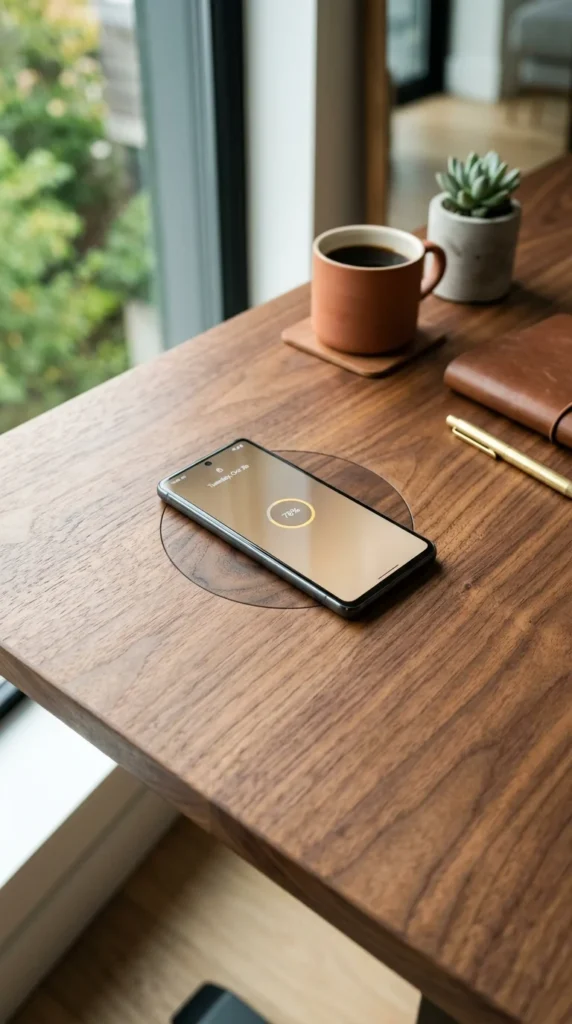
Technology is a double-edged sword. To minimize its distracting potential, look for “hidden” tech solutions. This includes under-desk mounting for CPUs, wireless charging spots integrated into the desk surface, and drawers with built-in power strips. When the “guts” of your technology are hidden, the workspace feels less like a machine and more like a creative sanctuary.
19. Hydration Station

Dehydration is a subtle but effective focus-killer. Instead of getting up every 30 minutes to go to the kitchen—where you might get distracted by the fridge or a conversation—keep a dedicated hydration station at your desk. A stylish carafe or a large insulated water bottle ensures you stay fueled without breaking your workflow.
20. Focus Timer

Finally, use a physical focus timer to implement techniques like the Pomodoro method. Unlike a phone app, which invites you to check notifications, a dedicated physical timer is a single-purpose tool. Setting the timer creates a “contract” with yourself: for the next 25 or 50 minutes, the only thing that exists is the work. It provides a visual representation of your commitment to focus.