As the summer heat begins to fade and the crisp air of autumn approaches, the “Back to School” season brings a sense of renewal and focus. Whether you are a student gearing up for a heavy semester or a professional balancing remote work with continuing education, your environment plays a pivotal role in your success. A cluttered, uninspiring space leads to a cluttered, uninspired mind. To help you transition into a season of peak productivity, we have curated 21 essential home office ideas designed to transform any corner of your home into a powerhouse of focus and creativity.
1. Ergonomic Desk
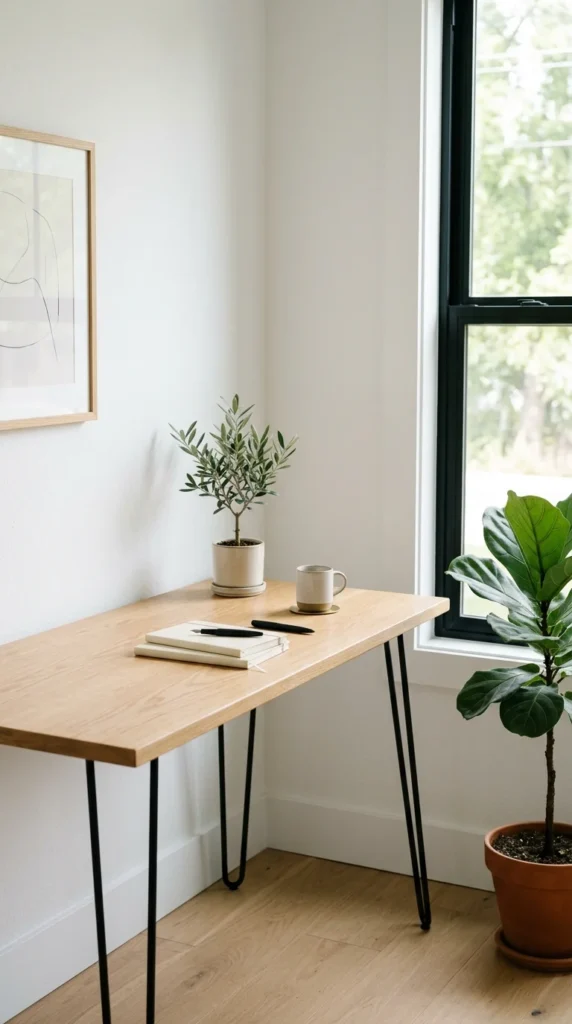
The foundation of any productive workspace is the desk. For the back-to-school season, prioritize a surface that offers enough room for both your computer and your physical notebooks. An ergonomic desk should be at a height that allows your elbows to rest at a 90-degree angle while typing. Consider a depth of at least 24 inches to ensure your monitor is at a comfortable distance from your eyes, reducing strain during those late-night study sessions.
2. Adjustable Chair

You cannot focus on calculus or report writing if your back is aching. Investing in a high-quality adjustable chair is the most significant favor you can do for your body. Look for features like lumbar support, breathable mesh material, and seat height adjustment. A chair that moves with you allows for “active sitting,” which can improve circulation and keep you more alert throughout the day.
3. Natural Lighting

Positioning your desk near a window is a game-changer for mental health and productivity. Natural light helps regulate your circadian rhythm, keeping you awake during the day and helping you sleep better at night. If possible, place your desk perpendicular to the window to minimize glare on your screen while still reaping the benefits of the view and the Vitamin D.
4. Wall Organizers
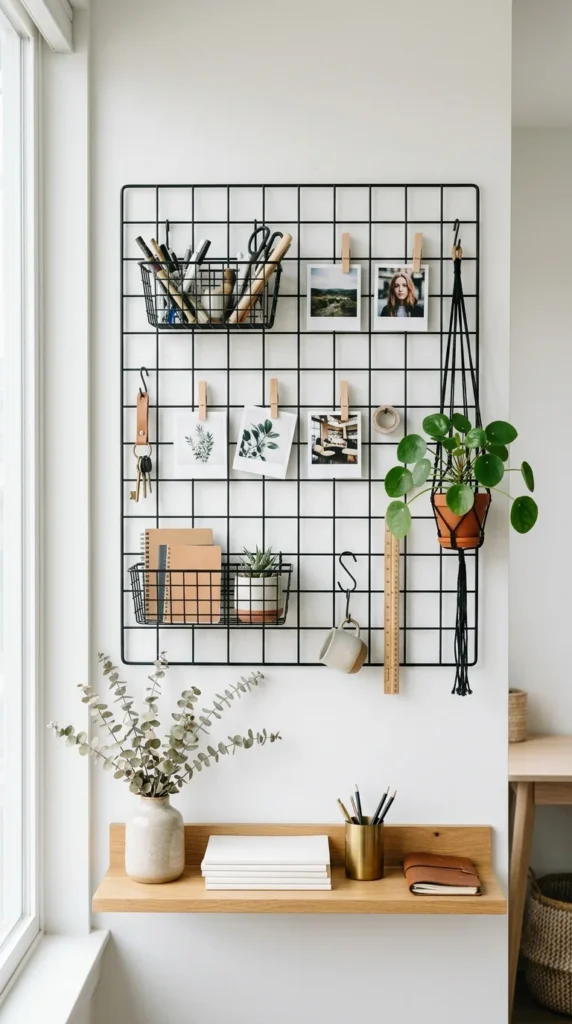
When desk real estate is limited, look to the walls. Wall organizers—such as pegboards, grid panels, or floating shelves—keep your essentials within arm’s reach without cluttering your workspace. Use them to store pens, scissors, and reference materials. This vertical approach not only saves space but also acts as a visual “command center” for your daily tasks.
5. Cable Management
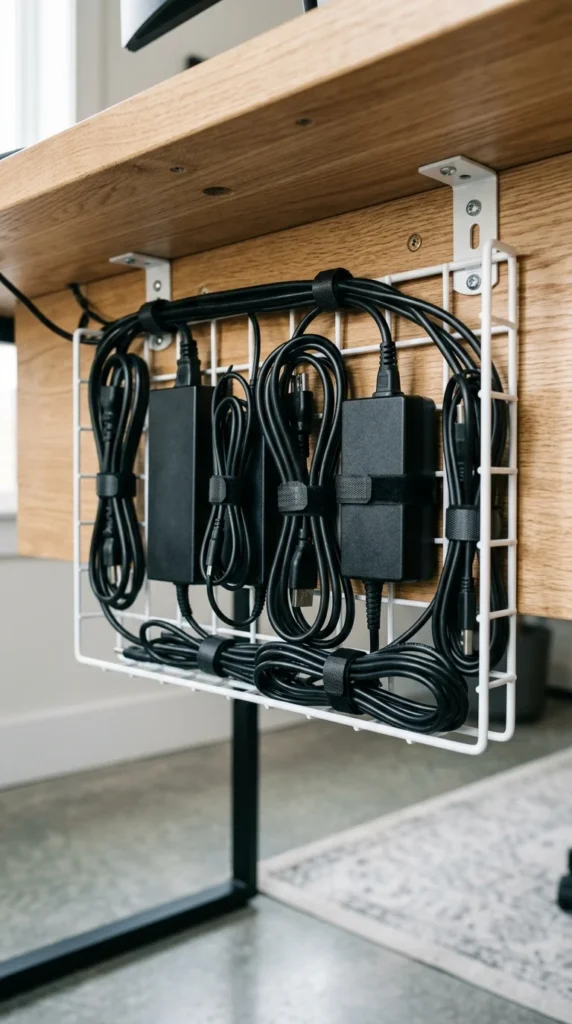
Nothing kills a focused vibe faster than a “spaghetti mess” of wires under your feet. Use cable sleeves, under-desk trays, or even simple zip ties to bundle your chargers and power cords. A clean visual field beneath and behind your desk reduces “visual noise,” allowing your brain to focus entirely on the task at hand rather than the cluttered floor.
6. Dual Monitors
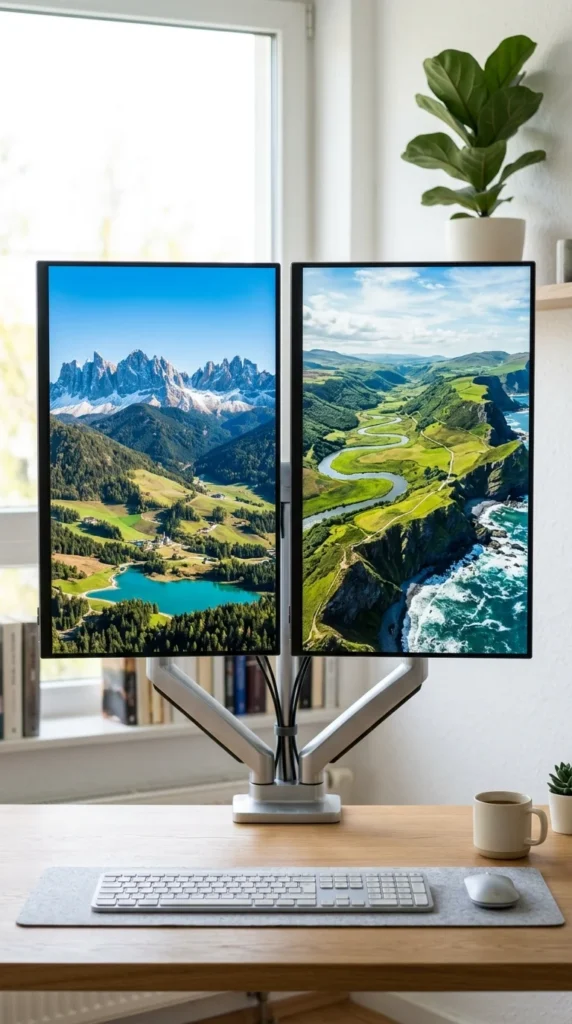
If your studies involve research, coding, or graphic design, a single laptop screen often isn’t enough. Adding a second monitor significantly increases productivity by allowing you to view reference materials on one screen while typing on the other. It eliminates the need for constant tab-switching, which can break your “flow state.”
7. Personal Touches
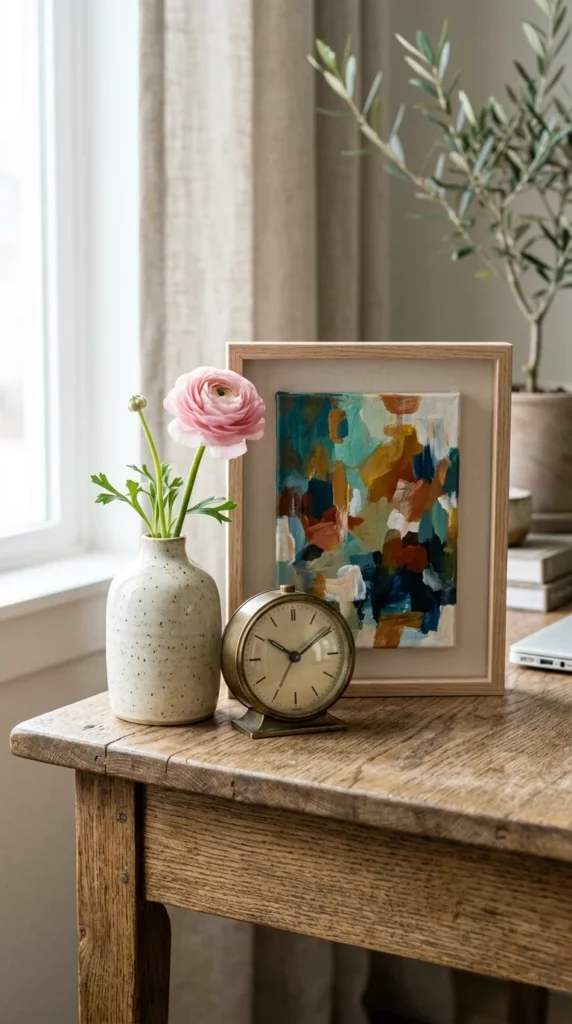
While functionality is key, your home office shouldn’t feel like a sterile cubicle. Add elements that spark joy—a favorite framed photograph, a souvenir from a summer trip, or a piece of art. These personal touches make the space inviting, making you more likely to actually want to spend time there working.
8. Greenery
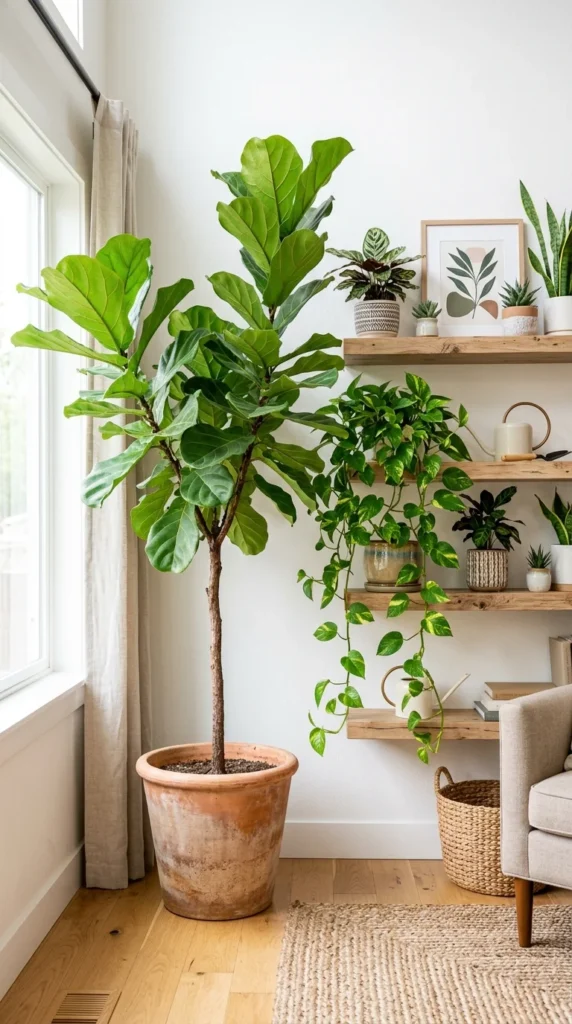
Integrating plants into your workspace is known as biophilic design. Studies show that having greenery in your line of sight can reduce stress and improve air quality. Low-maintenance plants like snake plants, succulents, or pothos are perfect for busy students who might forget a watering session or two during finals week.
9. Task Lighting
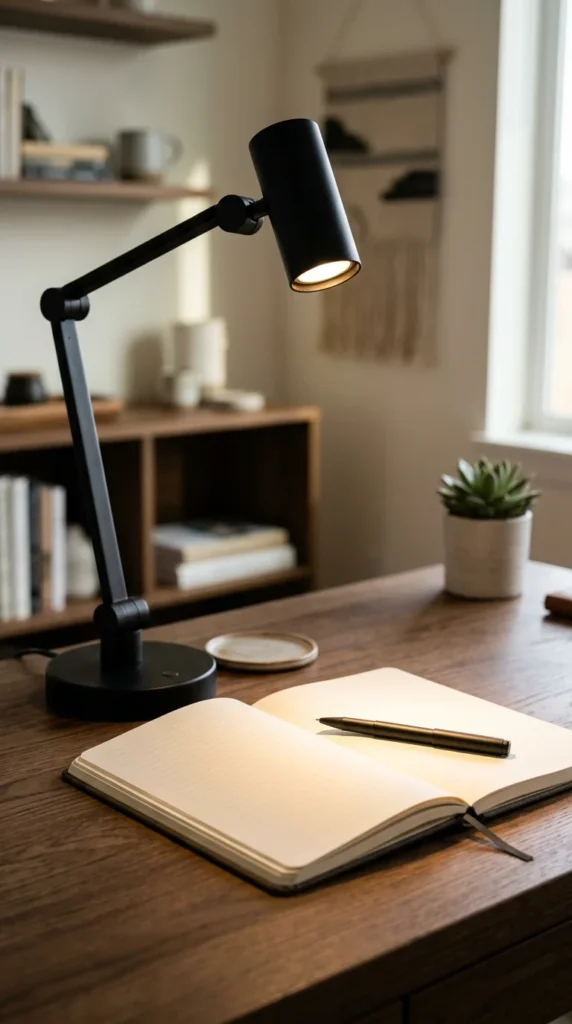
When the sun goes down, your overhead light might not be enough to prevent eye strain. A dedicated task lamp allows you to direct light exactly where you need it—on your textbook or keyboard. Look for lamps with adjustable brightness levels and color temperatures (cool light for focus, warm light for evening reading).
10. Noise-Canceling Gear
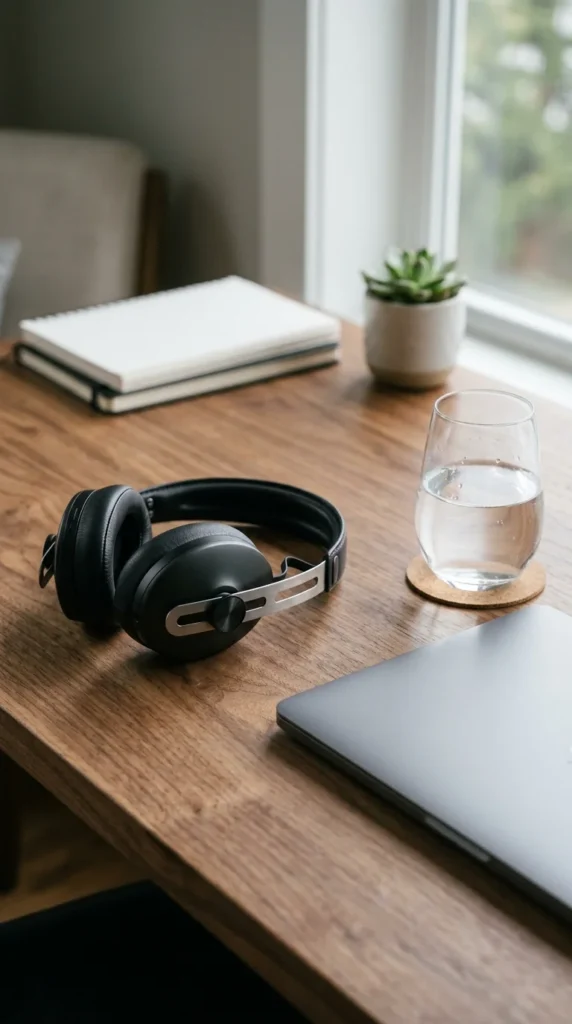
Whether it’s noisy roommates, family members, or neighborhood traffic, distractions are the enemy of study. A good pair of noise-canceling headphones is a must-have for any back-to-school kit. Whether you prefer silence or a “Lo-Fi Beats” playlist, these headphones create an auditory bubble that signals to your brain that it is time to work.
11. Standing Desk
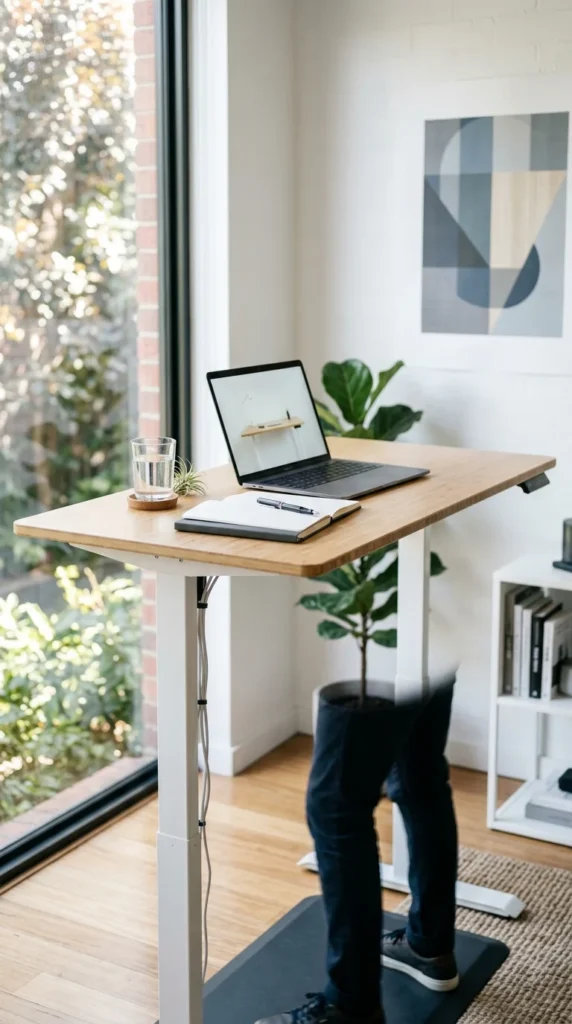
Sitting for eight hours straight is detrimental to your energy levels. A sit-stand desk (or a standing desk converter) allows you to change positions throughout the day. Alternating between sitting and standing can boost your metabolism, improve your posture, and provide a much-needed energy spike when you hit the afternoon slump.
12. Minimalist Aesthetic
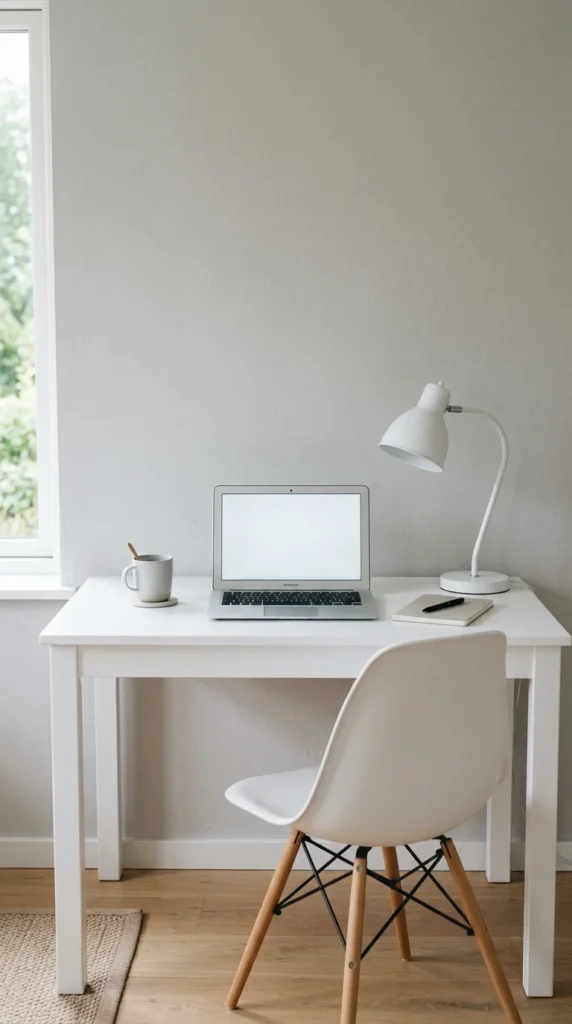
A “less is more” approach can significantly reduce mental fatigue. By keeping only the absolute essentials on your desk, you remove potential distractions. Use a neutral color palette like whites, grays, and light woods to create a calm, serene environment that facilitates deep concentration.
13. Color Palette
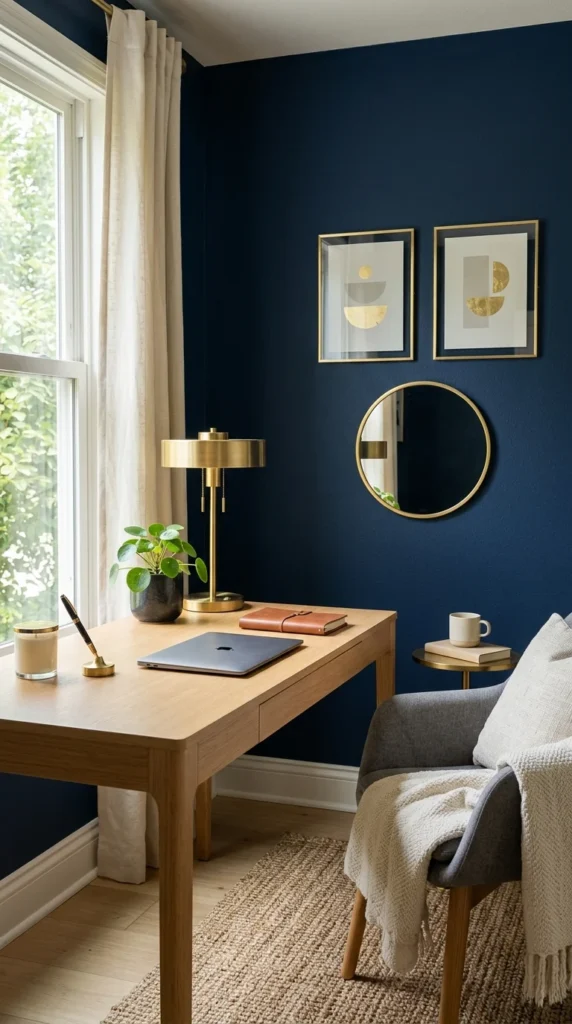
Color psychology plays a huge role in productivity. Blue is often associated with calm and focus, making it a great choice for a study space. Green can reduce eye strain, while yellow can spark creativity. If you can’t paint the walls, introduce these colors through desk accessories, rugs, or wall art to set the right psychological tone.
14. Vertical Storage
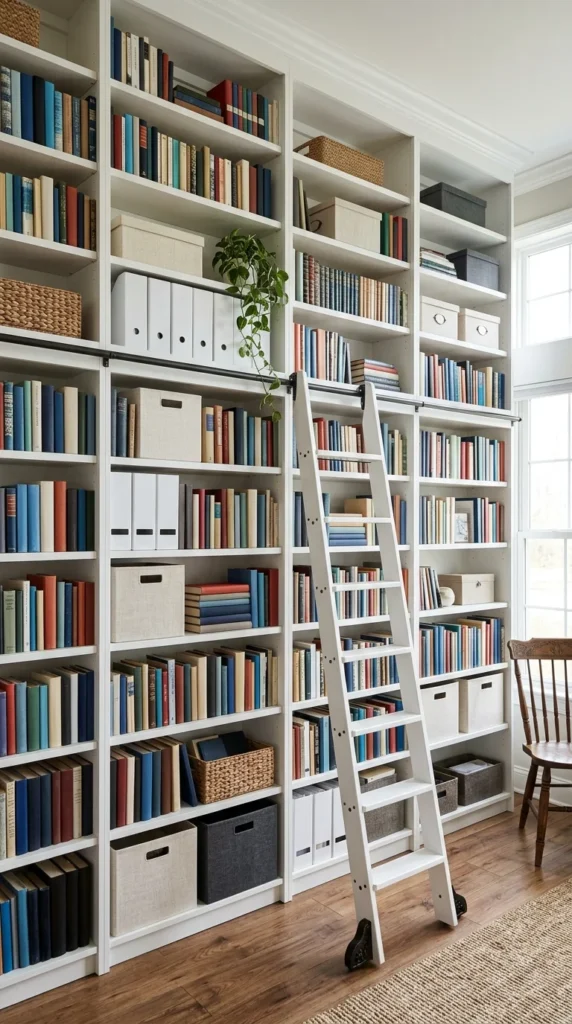
If you have a large collection of textbooks or reference materials, vertical storage is your best friend. Utilize high shelving to keep items you don’t use daily out of the way, while keeping current semester materials at eye level. This keeps your immediate workspace clear while ensuring you never have to hunt for a book.
15. Smart Storage
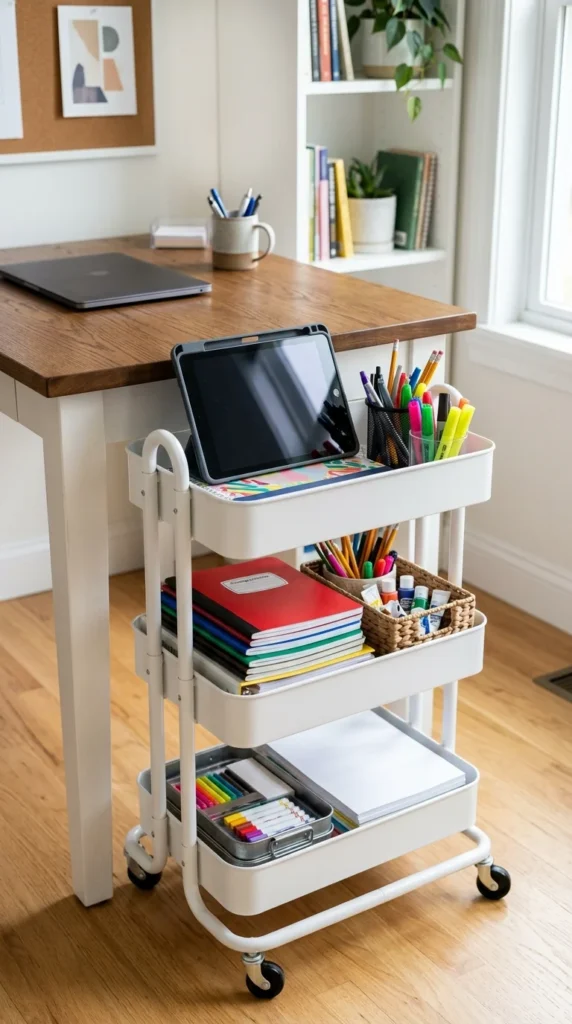
For those with small apartments or shared rooms, smart storage like rolling carts can be a lifesaver. You can keep all your school supplies in the cart and roll it away when you’re done for the day, effectively “closing” your office and reclaiming your living space.
16. Scent Scaping

The sense of smell is powerfully linked to memory and focus. Using an essential oil diffuser with scents like peppermint (for alertness), rosemary (for memory), or lemon (for energy) can help prime your brain for study. Eventually, your brain will associate that specific scent with work time, making it easier to get into the zone.
17. Command Center
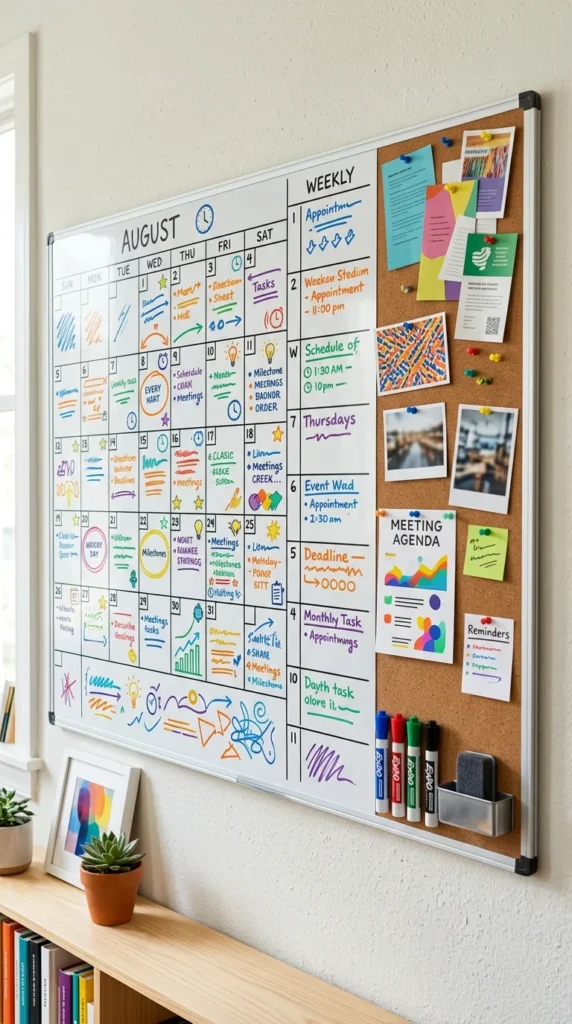
A visual “command center” featuring a large calendar or whiteboard helps you stay ahead of deadlines. Seeing your entire month or week at a glance prevents “deadline blindness” and allows you to plan your study sessions more effectively. Use different colored markers for different subjects or projects to keep things organized.
18. Reading Nook
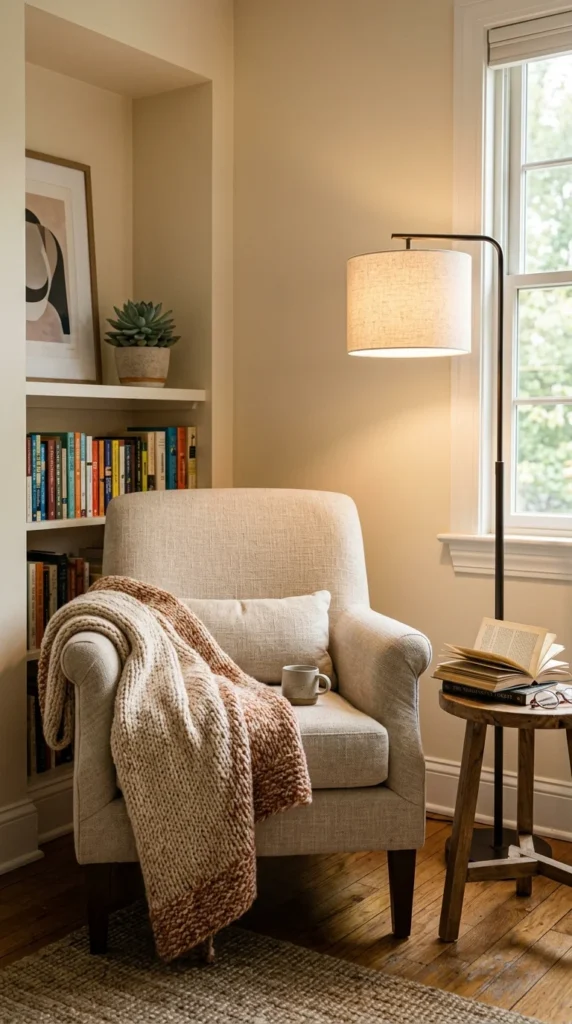
Not all work happens at a desk. Sometimes, you need to get through 50 pages of reading. Creating a dedicated “reading nook” with a comfortable chair and good lighting provides a change of scenery within the same room. This mental shift can make heavy reading assignments feel less like a chore and more like a relaxing activity.
19. Tech Station
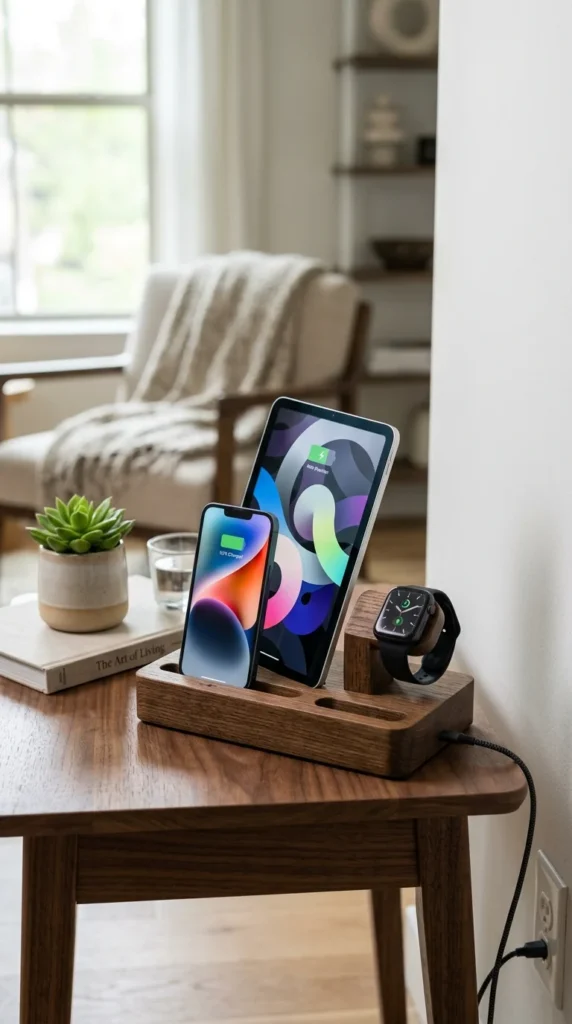
Designate a specific spot for charging all your devices. By having a “tech station” slightly away from your main desk, you can keep your phone out of sight (and out of mind) while you work, reducing the temptation to mindlessly scroll through social media while you should be studying.
20. Area Rug
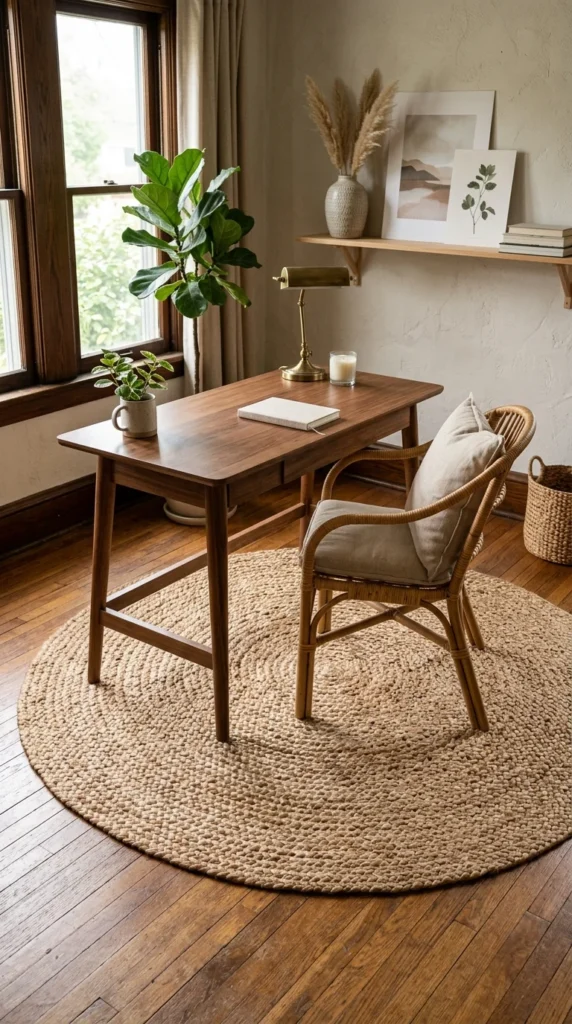
A rug does more than just decorate; it “zones” the space. In an open-concept room or a bedroom, an area rug physically defines where the “office” begins and the “living” or “sleeping” space ends. It also provides sound dampening, which is essential if you have hard floors and need to keep noise down for neighbors or housemates.
21. Motivation Board

Finally, remind yourself why you are working so hard. A motivation board (or vision board) filled with images of your goals—whether it’s a dream job, a travel destination, or a graduation gown—can provide that extra push on days when motivation is low. Looking up and seeing your “why” can be the most productive tool in your entire home office.