
The start of a new year brings a psychological “fresh start” effect that is perfect for overhauling your workspace. Whether you are working from a high-rise corporate office or a cozy corner in your guest bedroom, clutter is the silent killer of productivity. It distracts the eye, cramps the mind, and makes simple tasks feel like monumental chores. To help you kick off the year with maximum efficiency, we have curated 22 smart office organization ideas that blend aesthetics with high-level functionality.
1. Desk Trays
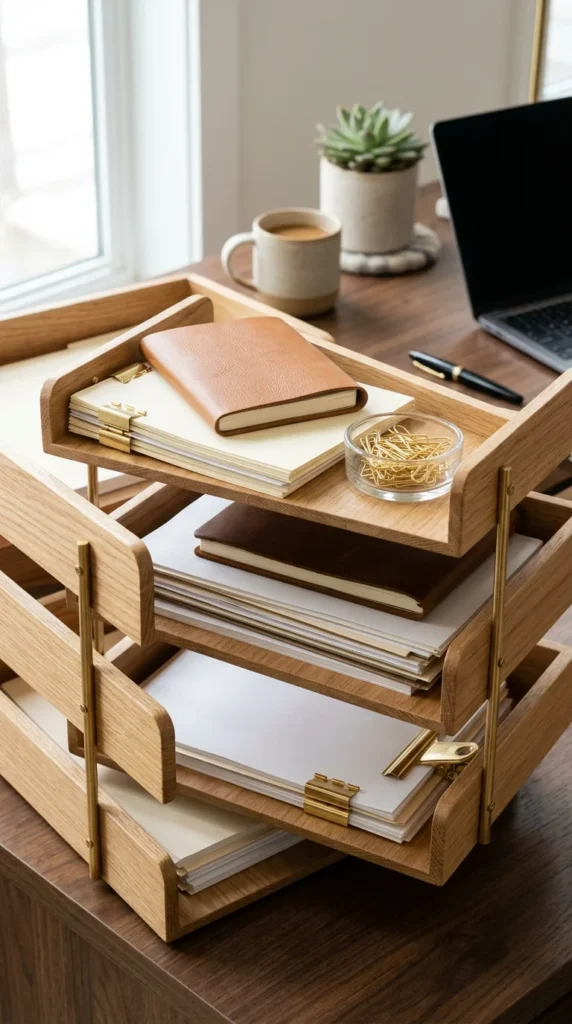
The horizontal surfaces of your desk are prime real estate. When papers pile up haphazardly, they create visual noise. Desk trays allow you to utilize vertical space while keeping your “active” projects within arm’s reach. Use a tiered system to categorize your workflow: the top tray for “To-Do,” the middle for “In Progress,” and the bottom for “To File.” Choosing materials like bamboo, acrylic, or brushed metal can also elevate the style of your workstation.
2. Cable Clips
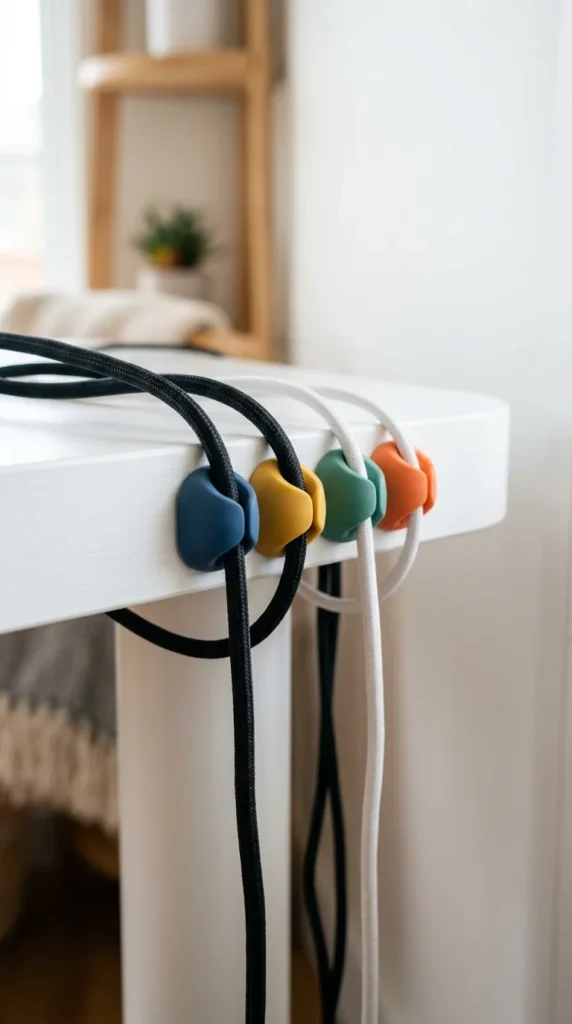
Nothing ruins a clean aesthetic faster than a “cable nest” under or behind your desk. Cable clips are inexpensive, adhesive tools that keep your charging cables, HDMI cords, and mouse wires exactly where you need them. By securing these cords to the edge of your desk or the side of a leg, you prevent them from tangling or sliding onto the floor, making it much easier to plug in your devices at the start of the day.
3. Drawer Dividers
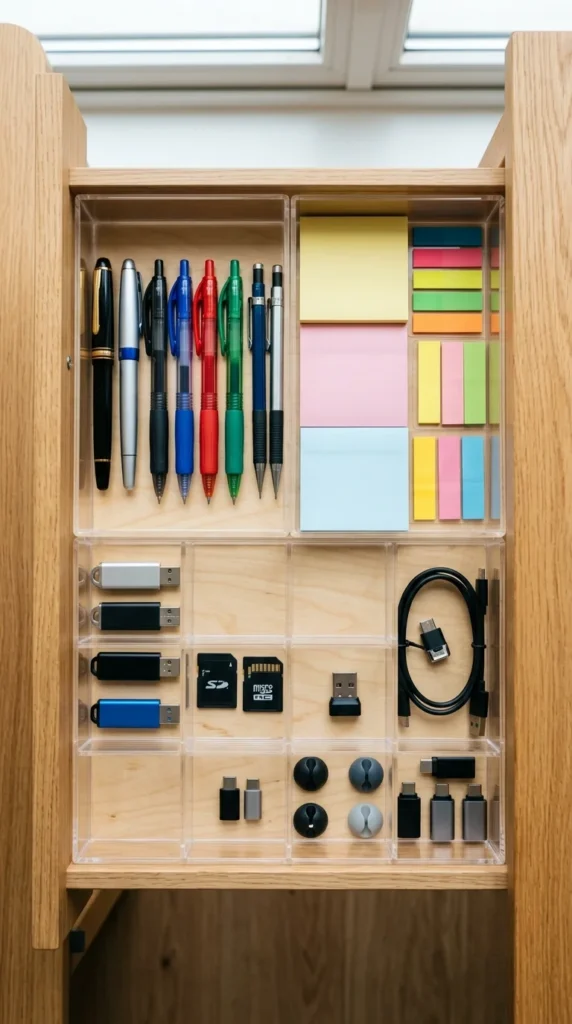
The “junk drawer” is the enemy of a peaceful office. By installing adjustable drawer dividers, you give every small item a designated home. Instead of digging through a heap of paperclips and dried-out highlighters, you can find what you need in seconds. Clear acrylic dividers offer a modern, invisible look, while felt-lined dividers add a touch of luxury and dampen the sound of items sliding around.
4. Vertical Shelving
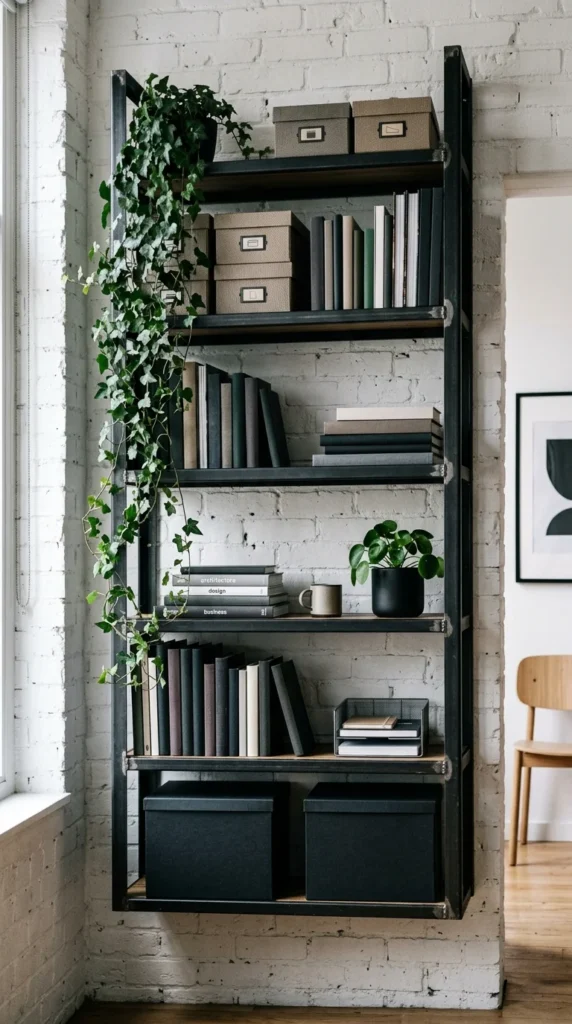
If you find yourself running out of room, look up. Vertical shelving transforms unused wall space into a storage powerhouse. Use the higher shelves for items you rarely need, such as tax records or reference books from years past. The lower shelves should be reserved for daily essentials. This keeps your physical desktop clear for actual work while ensuring everything you own is still accessible.
5. Monitor Stands
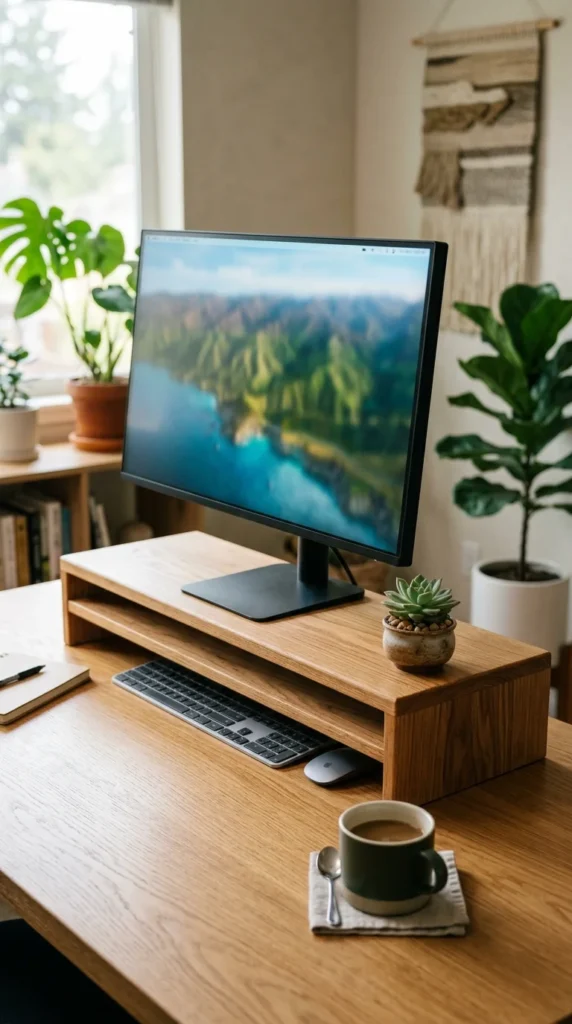
A monitor stand serves a dual purpose: it improves your ergonomics by raising your screen to eye level, and it creates a “garage” for your keyboard and mouse. When you finish your workday, sliding your peripherals under the stand instantly clears your desk, signaling to your brain that it’s time to clock out. Many modern stands even come with built-in USB hubs for extra connectivity.
6. Label Makers
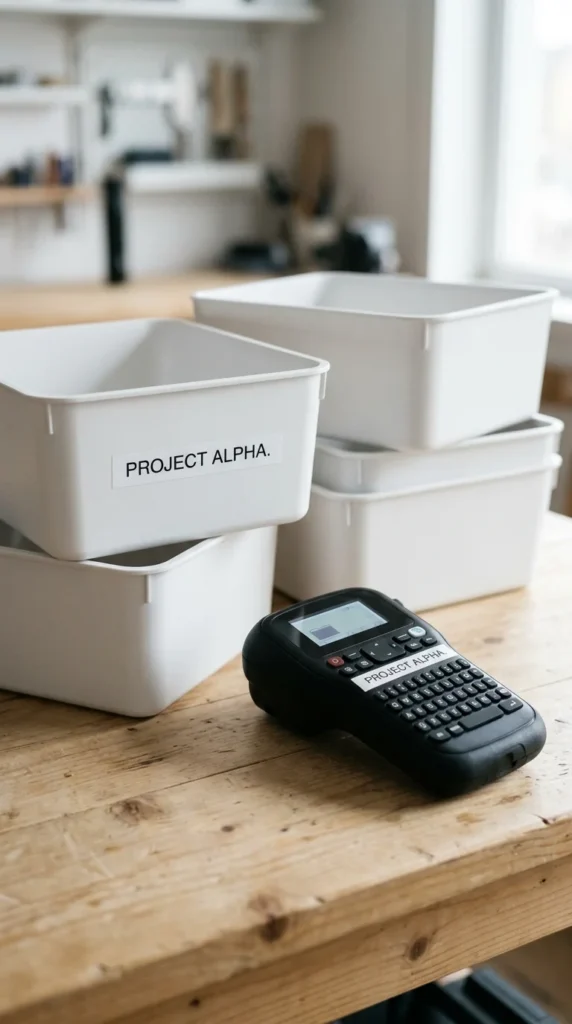
Ambiguity is the father of clutter. If you don’t know what’s in a box, you’re likely to buy duplicates or lose important items. A label maker is a small investment that pays massive dividends in organization. Label your file folders, storage bins, and even your power adapters. Having a clear, printed label creates a psychological barrier against putting the “wrong” item in the “wrong” place.
7. Pegboards
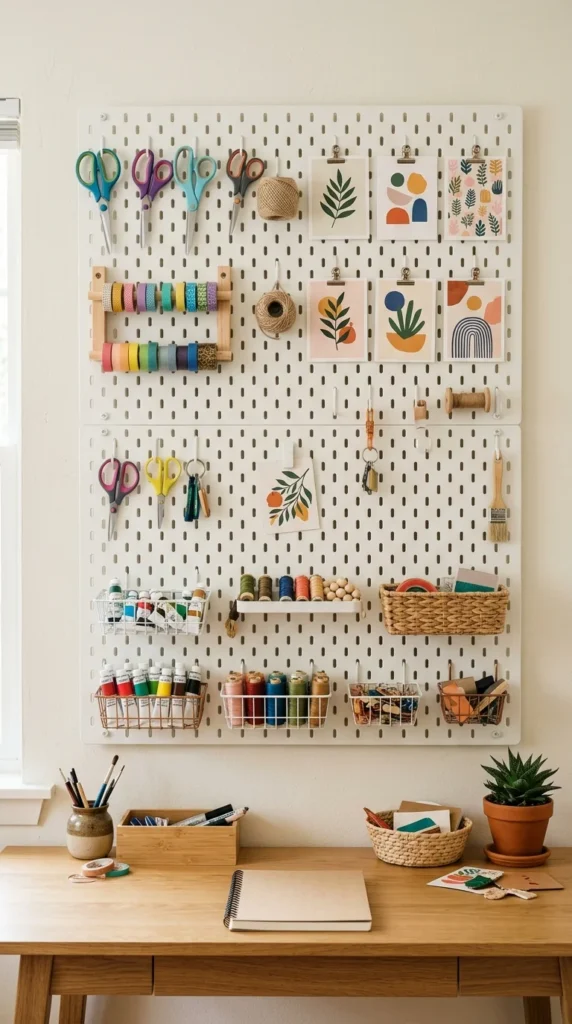
Originally popular in workshops, pegboards have moved into the modern office as a highly customizable organizational tool. You can rearrange hooks, shelves, and bins as your needs change throughout the year. It’s an excellent way to keep tools like scissors, headphones, and rulers off your desk surface while keeping them visible and within reach.
8. Floating Shelves
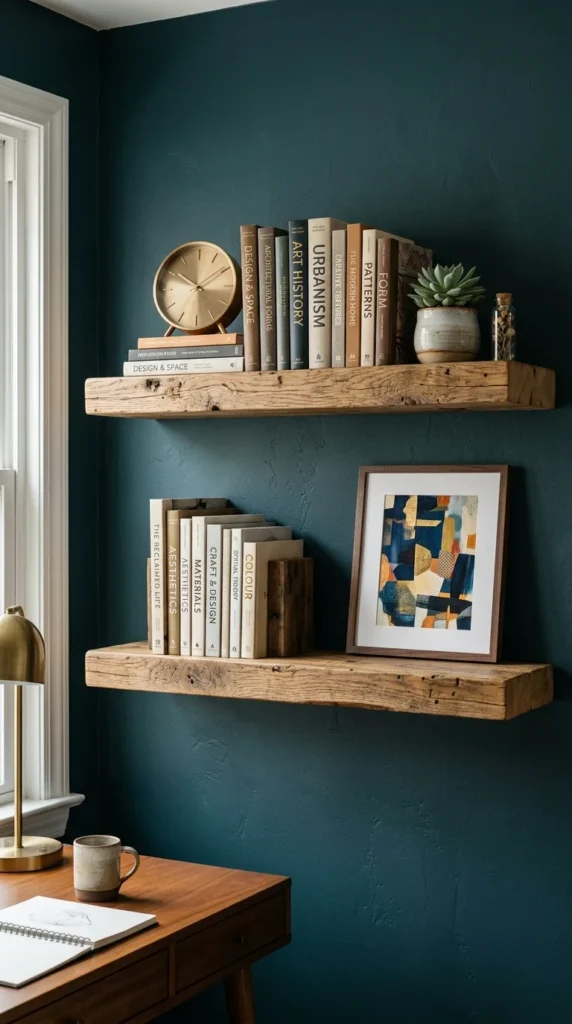
Floating shelves provide a cleaner, more modern look than traditional bookcases. They are perfect for displaying “passive” items—things that inspire you but don’t need to be touched every day. By moving your decor, awards, and plants to floating shelves, you free up the corners of your desk for more functional equipment.
9. Digital Filing
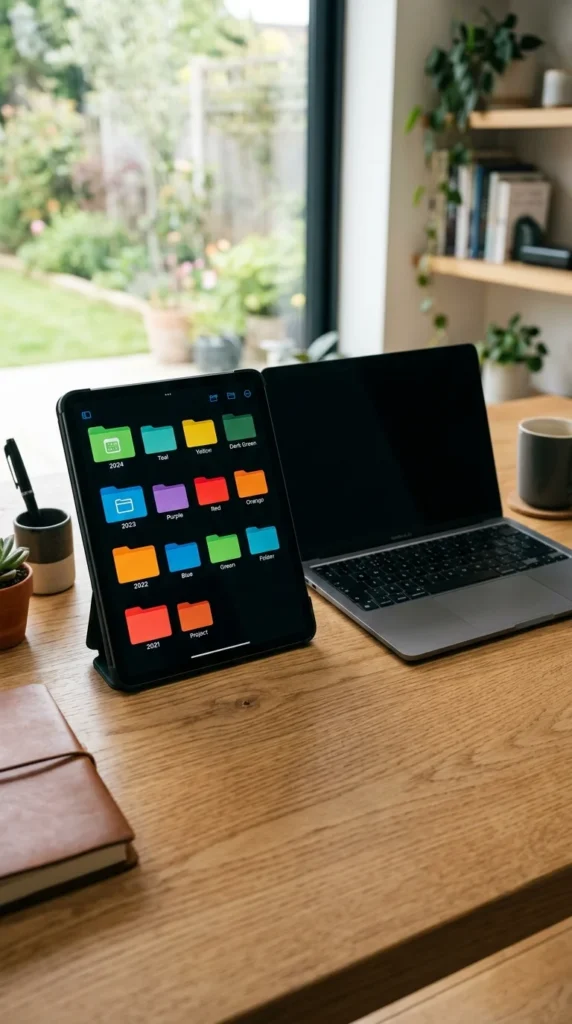
The best way to organize paper is to get rid of it. This year, commit to a “paper-light” office. Invest in a high-speed scanner or use a mobile scanning app to digitize receipts, contracts, and notes. Store them in a cloud-based filing system with a consistent naming convention (e.g., YYYY-MM-DD_DocumentName). This not only clears physical space but makes your documents searchable from anywhere.
10. Rolling Carts
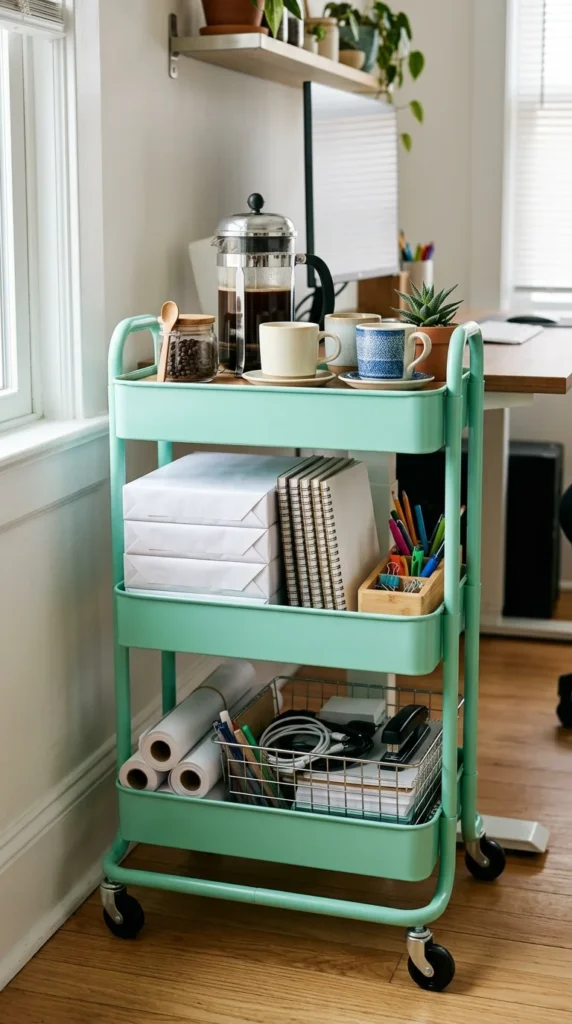
A rolling cart provides “mobile storage” that can follow you around or be tucked away in a closet when guests come over. It is particularly useful for shared offices or small apartments. You can use it as a dedicated printing station, a craft supplies hub, or even a mobile “hydration and snack” station to keep your main desk food-free.
11. Under-Desk Storage
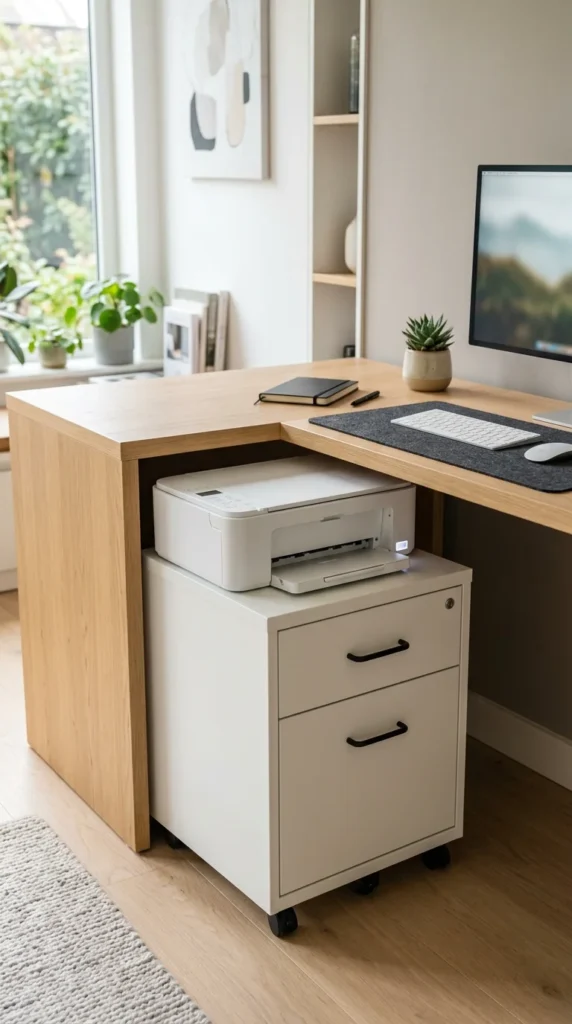
The area beneath your desk is often wasted. A small filing cabinet or a set of drawers designed to fit under your desk can house heavy items like reams of paper, extra hardware, or bulky manuals. If you prefer a more open look, use a mesh basket to hold your power strip and excess cords, keeping them off the floor and away from your feet.
12. Desk Mats
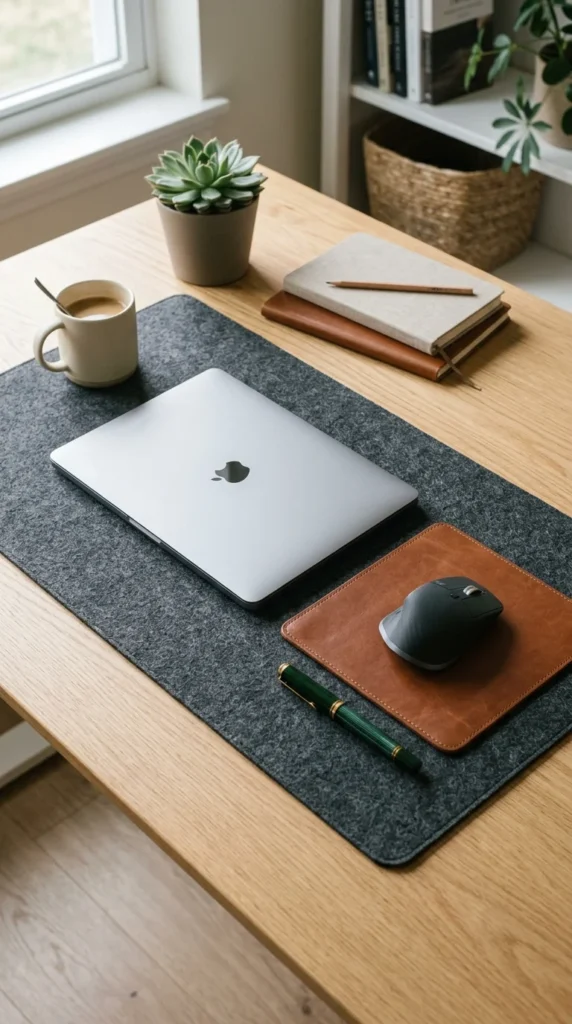
A desk mat does more than protect your furniture; it creates a “designated work zone.” By visually framing your computer and peripherals, it encourages you to keep items that don’t belong (like mail or snacks) outside that boundary. Felt or leather mats also provide a comfortable surface for your wrists and improve mouse tracking.
13. Charging Stations
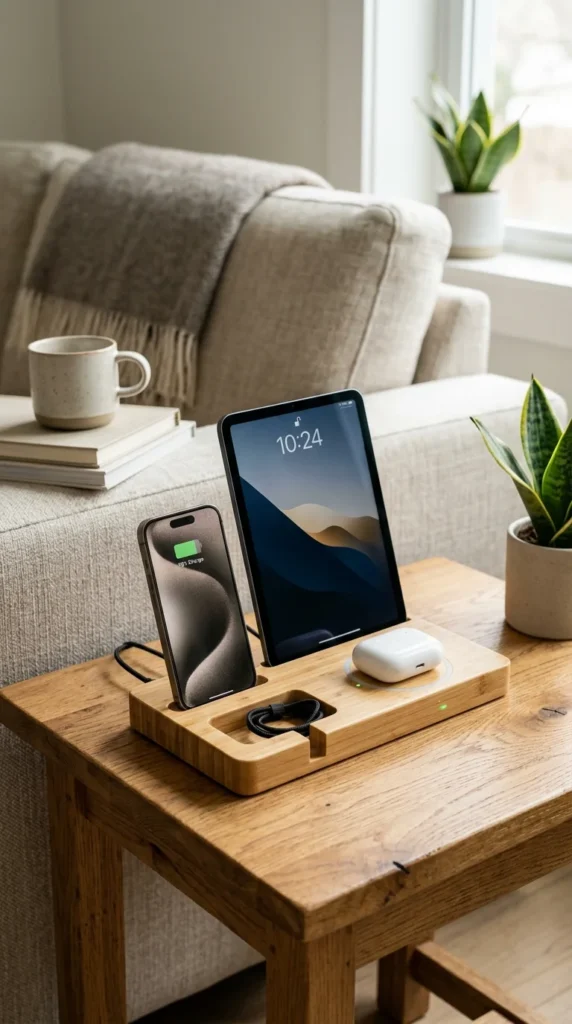
Stop searching for outlets and hunting for different cables. A dedicated charging station centralizes all your tech power needs in one spot. Choose a dock that can accommodate your phone, tablet, and smartwatch. This prevents your desk from becoming a tangled mess of various charging blocks and ensures all your tools are powered up for the next day.
14. Magnetic Strips

Magnetic strips are a clever way to store small metal items that usually clutter up drawers. Mounted on a wall or the side of a desk, they can hold scissors, paperclips, or even keys. It’s a minimalist solution that looks industrial and keeps your most-used metal tools instantly accessible.
15. Color-Coding
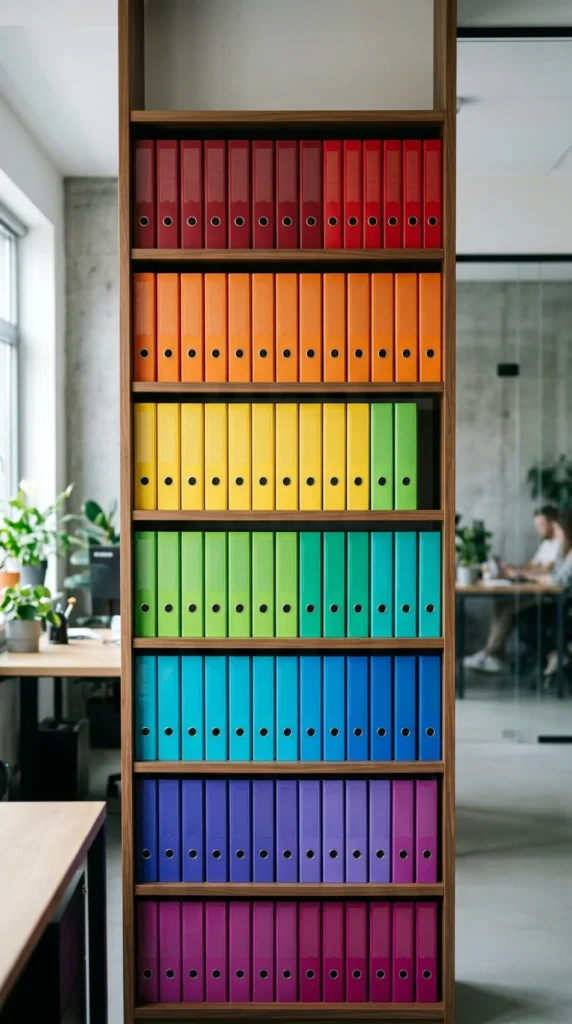
Our brains process color much faster than text. By implementing a color-coding system for your files, notebooks, or digital calendars, you reduce the cognitive load of finding information. For example, use red for urgent tasks, blue for administrative work, and green for financial matters. This visual shorthand makes your organizational system much more intuitive.
16. Shredder Station
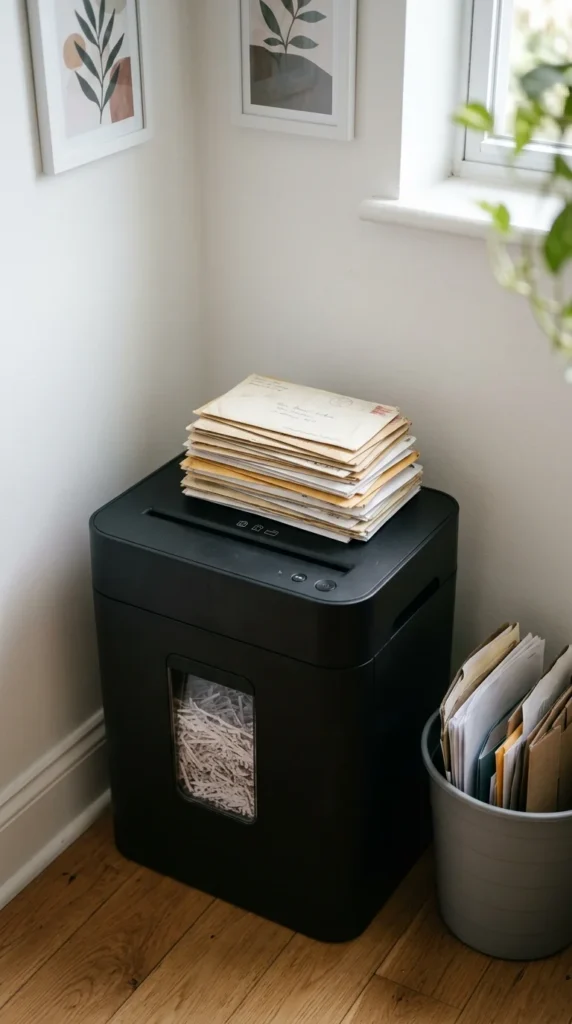
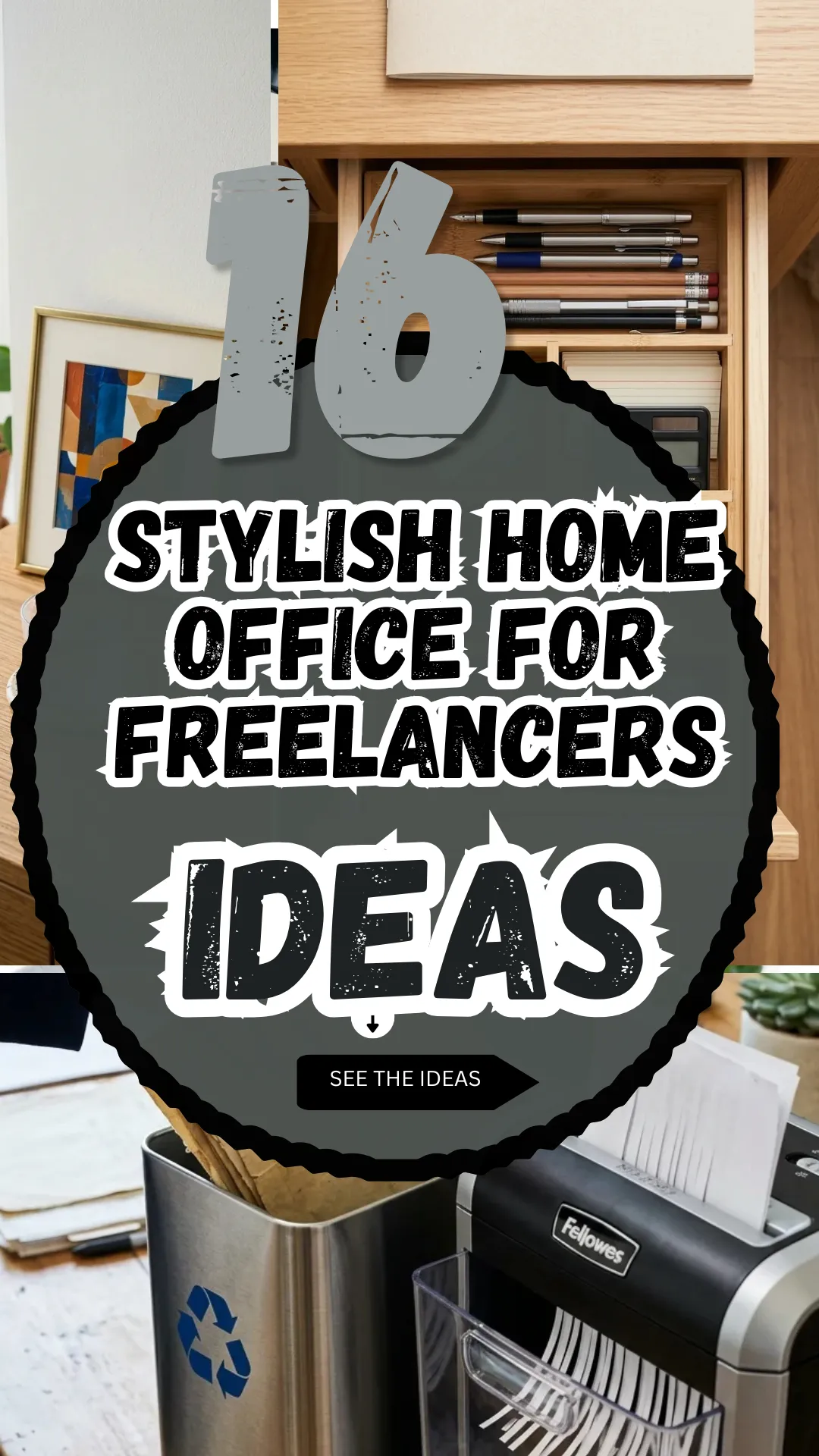
Clutter often accumulates because we don’t have an immediate “exit strategy” for it. Setting up a dedicated shredding and recycling station near your desk ensures that junk mail and sensitive documents are destroyed immediately rather than piling up in a “to-be-sorted” stack. This one habit can eliminate 50% of office paper clutter.
17. Tech Pouches

If you frequently move between a home office and a corporate office, tech pouches are essential. Instead of tossing your chargers and adapters into your bag, keep them in a dedicated organizer. When you arrive at your desk, you can simply pull out the pouch, and everything you need is ready to go. This “kit” approach prevents “bag clutter” from migrating onto your desk.
18. Wall Calendars
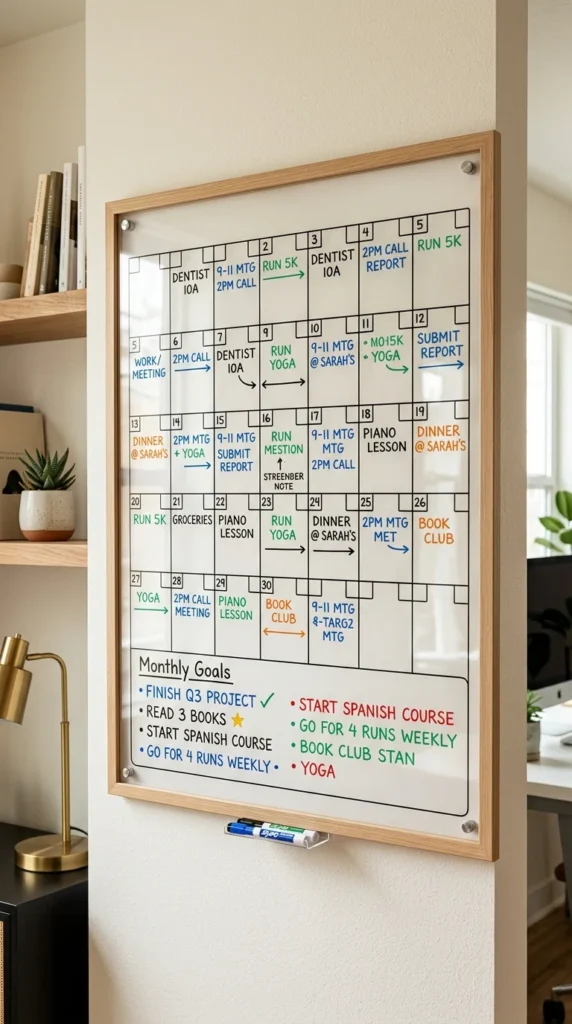
Digital calendars are great for reminders, but a physical wall calendar provides a “big picture” view of your month. An acrylic or glass dry-erase board looks professional and modern. It allows you to track major deadlines, holidays, and milestones at a glance without having to open a single tab on your computer.
19. Hidden Trash
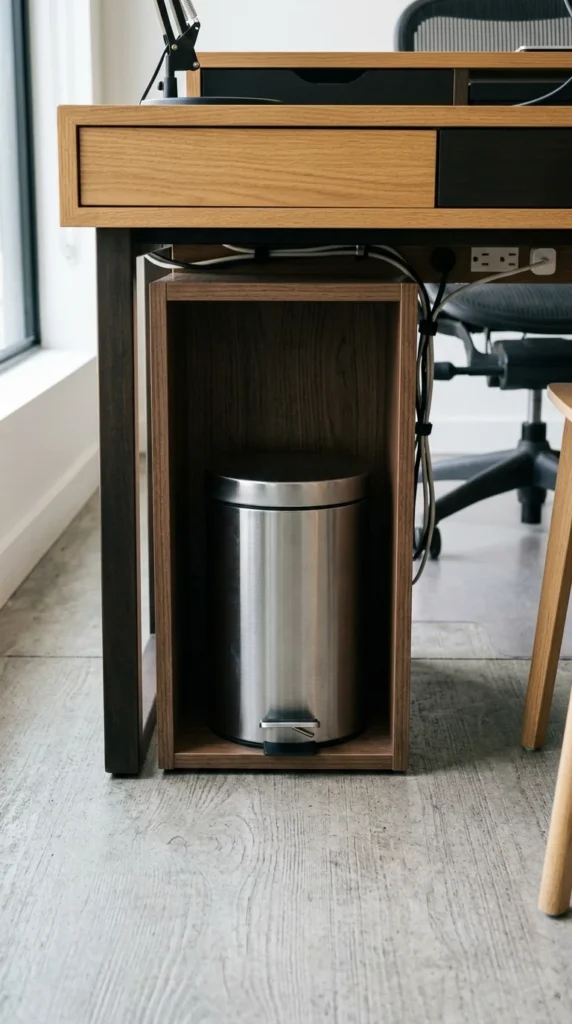
A visible, overflowing trash can is an instant mood-killer. Invest in a small, stylish bin with a lid to keep your waste out of sight. Better yet, find a desk with built-in cabinetry that can hide a wastebasket entirely. Keeping your “outputs” hidden makes the “inputs” of your work feel much cleaner.
20. Laptop Docks
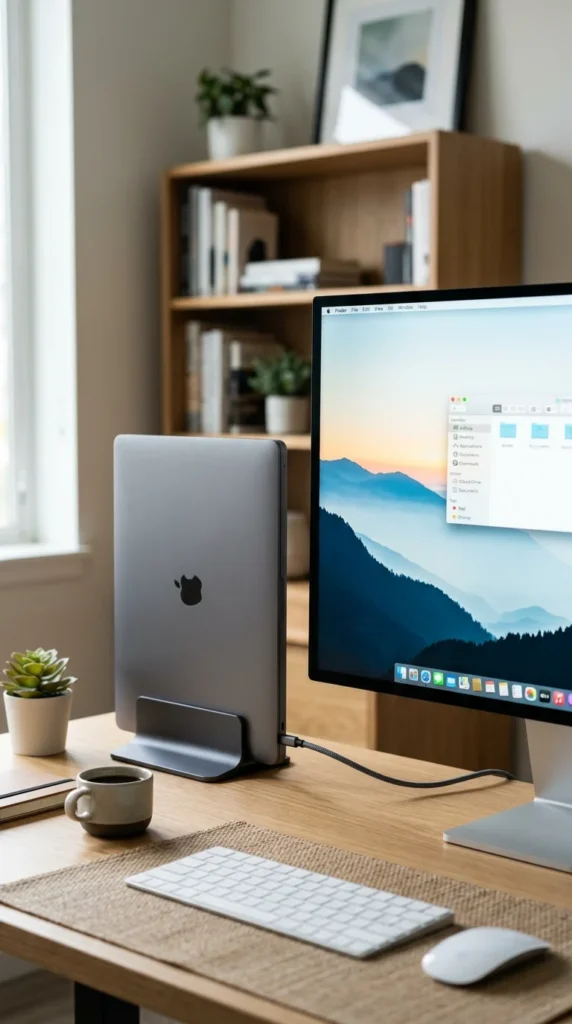
If you use a laptop with an external monitor, don’t let the laptop take up half your desk. A vertical laptop dock allows you to stand your computer up vertically while it’s plugged in. This “clamshell mode” drastically reduces the footprint of your hardware, giving you more room for a notebook or a larger mousepad.
21. Corner Shelves

Corners are often dead space in an office layout. Corner shelving units are specifically designed to hug these angles, providing a spot for items that otherwise wouldn’t have a home. They are perfect for small speakers, essential oils, or reference books that you want to keep close but not on your primary work surface.
22. Ritual Maintenance
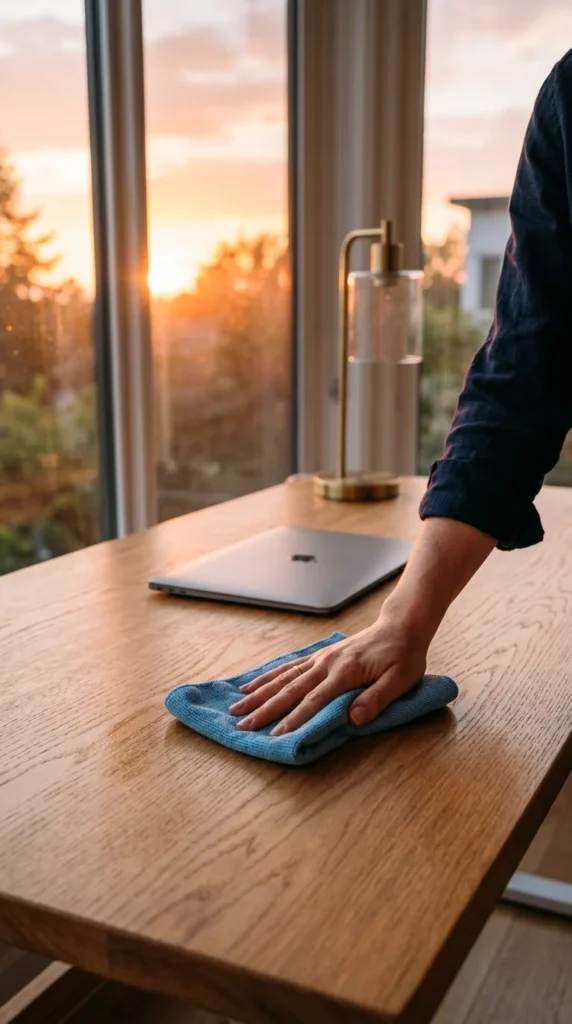
The most important organization idea isn’t a product; it’s a habit. Dedicate the last five minutes of every workday to a “reset ritual.” Clear your desk, file any loose papers, and wipe down the surface. Starting your morning with a clean slate is the most effective way to ensure your office stays clutter-free all year long. Consistency is what transforms a “clean desk” into a “productive lifestyle.”