The environment in which you work dictates your focus, your mood, and ultimately, your output. In the modern era of remote work, the home office has transitioned from a temporary corner to a sanctuary of productivity. One of the most effective—and often overlooked—ways to transform this space is through the strategic use of LED lighting. Unlike traditional bulbs, LEDs offer unparalleled flexibility in color temperature, brightness, and placement. From reducing eye strain to creating a “cyberpunk” aesthetic or a professional corporate vibe, here are 24 inspiring ways to use LED lighting to elevate your workspace.
1. Monitor Backlighting
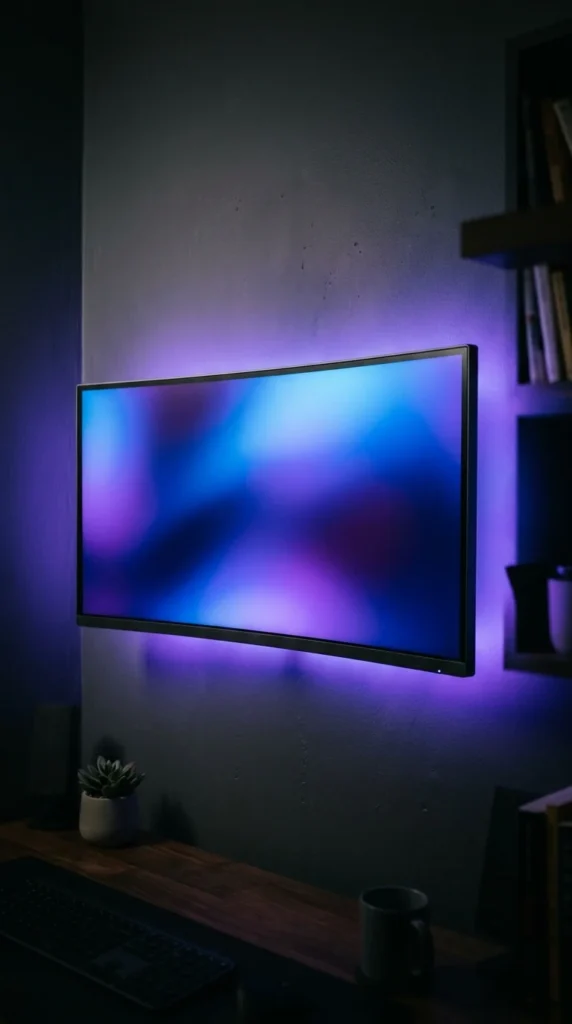
Commonly known as bias lighting, placing LED strips behind your monitor is a game-changer for long work sessions. By illuminating the wall behind your screen, you reduce the contrast between the bright display and the dark room, significantly lowering eye fatigue. It also creates a stunning depth effect that makes your workstation look like a high-end tech hub.
2. Under-Shelf Strips
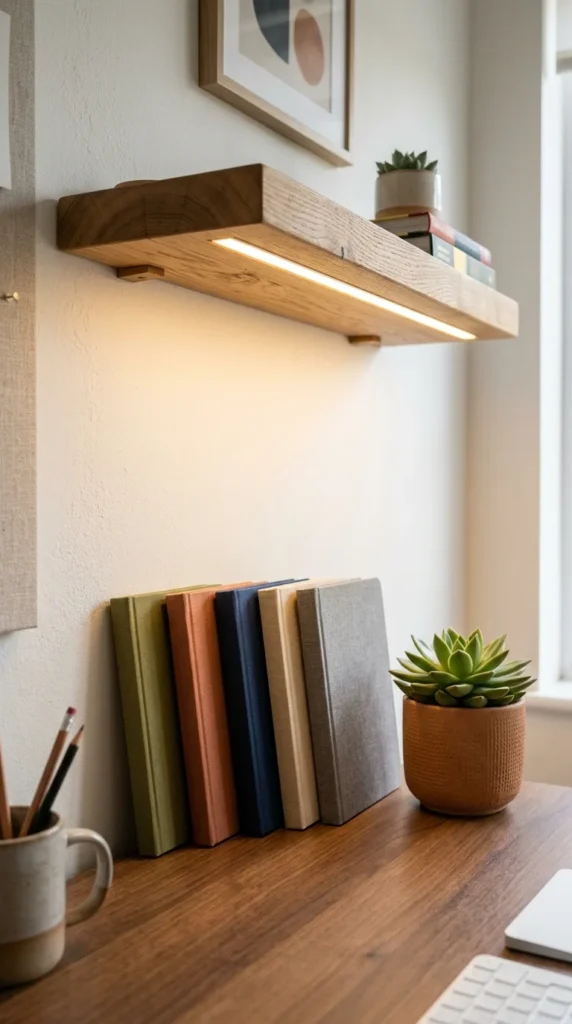
If your home office features shelving above the desk, under-shelf LED strips are a must. These provide direct task lighting for your desktop without taking up any precious surface area. Use aluminum channels with diffusers to ensure the light is soft and even, avoiding harsh reflections on your keyboard or documents.
3. Floating Desks
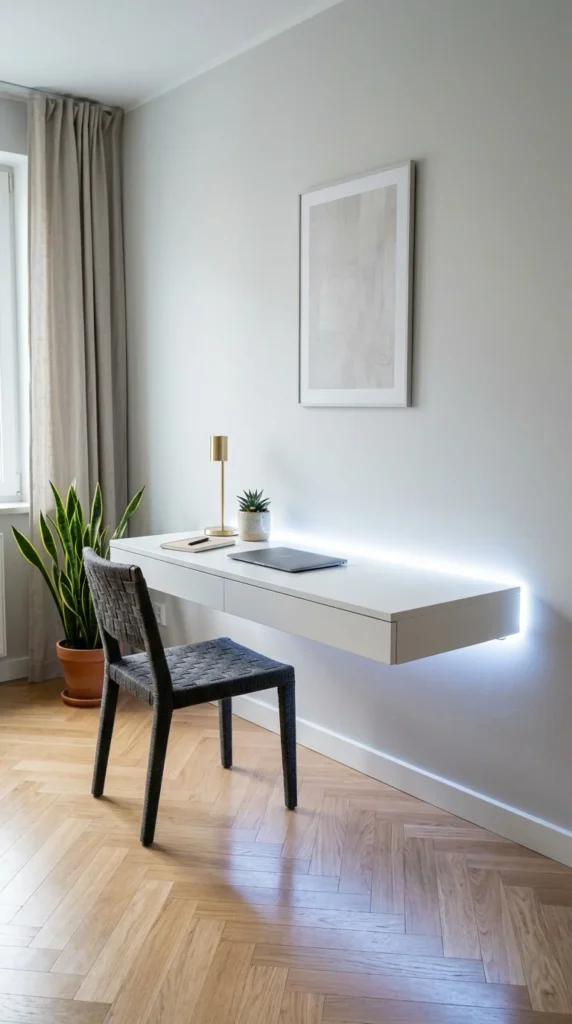
To create a futuristic and airy feel, install LED strips along the bottom perimeter of a wall-mounted desk. This “floating” effect adds a sense of weightlessness to the room and provides excellent ambient lighting that keeps the floor area visible without being overly bright.
4. Hexagon Panels
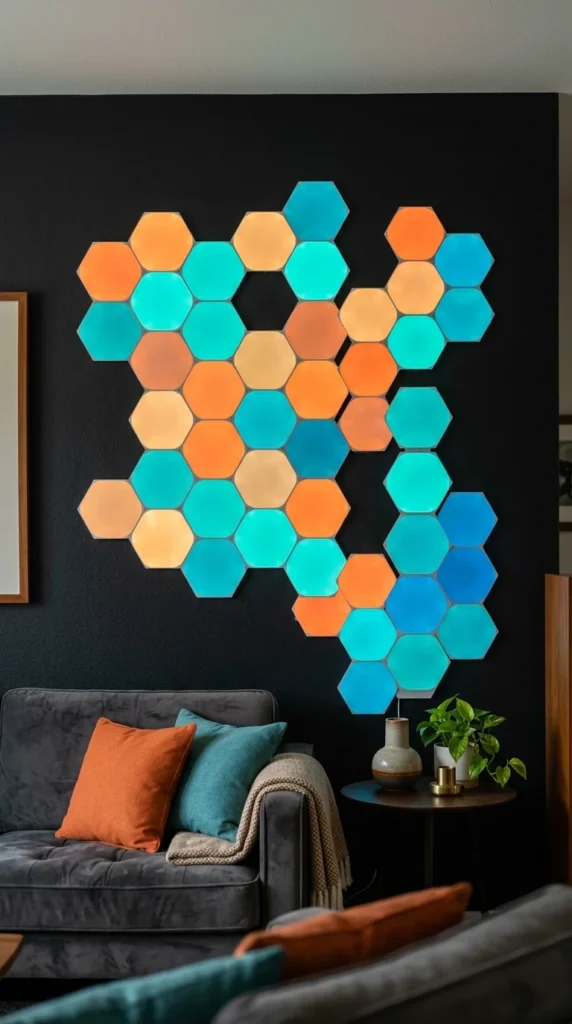
Modular LED panels, like the popular hexagon shapes, allow you to turn your lighting into a piece of interactive art. These panels can be configured in any pattern and often sync with your computer’s audio or screen colors, providing an immersive experience that keeps you energized during creative tasks.
5. Smart Bulbs
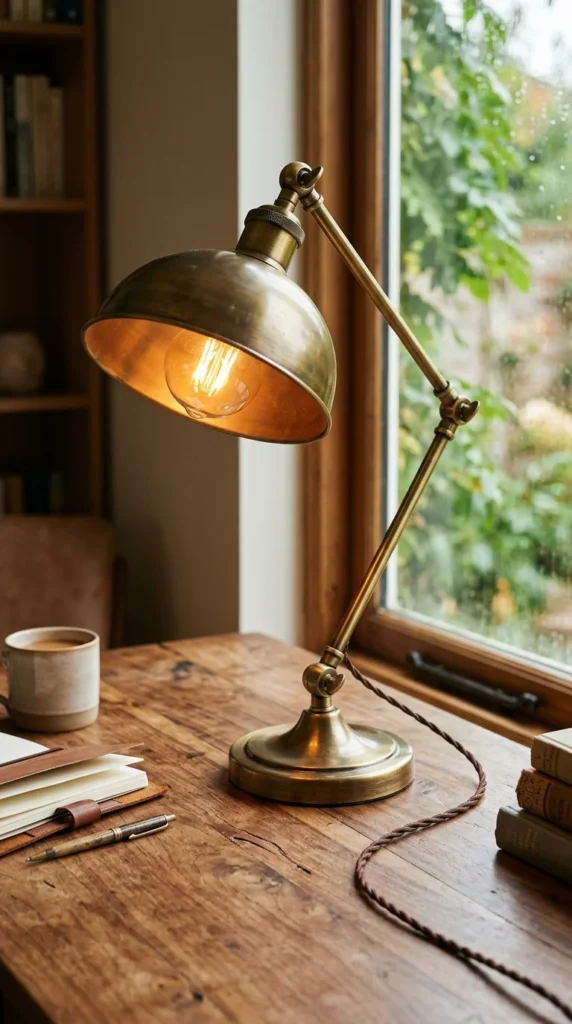
The simplest upgrade is replacing standard bulbs in your existing fixtures with smart LED bulbs. This allows you to control your lighting via smartphone or voice commands. More importantly, it lets you shift the color temperature: use cool, blue-toned light in the morning to boost alertness and switch to warm, golden tones in the evening to wind down.
6. Cove Lighting
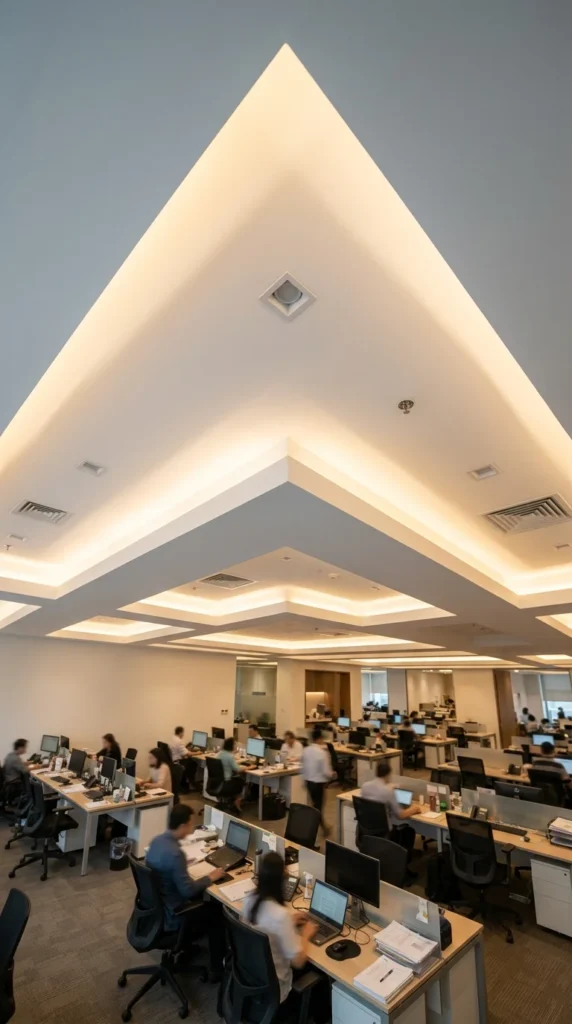
If you have a tray ceiling or a drop ceiling, cove lighting is the pinnacle of professional office design. By hiding the LEDs within the architectural folds of the ceiling, you get a beautiful, shadow-free glow that mimics natural daylight, making the room feel larger and more open.
7. Accent Signage
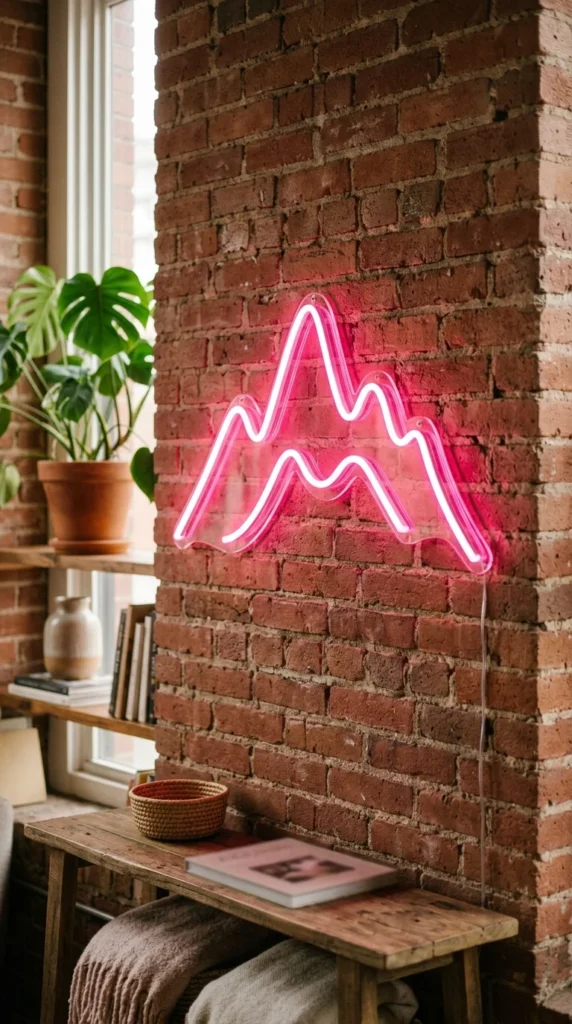
While neon signs used to be expensive and hot, modern LED “neon” is affordable, cool to the touch, and energy-efficient. Adding an LED sign with a shape that inspires you—like a lightning bolt, a cloud, or an abstract geometric form—adds a personal touch that makes the workspace feel uniquely yours.
8. Floor Lamps
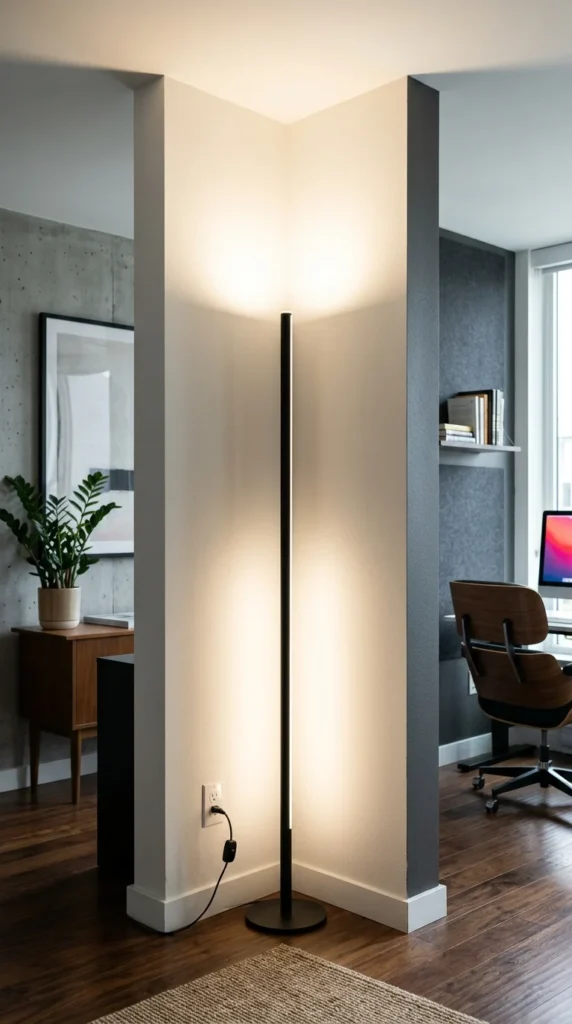
Corner floor lamps with upward-facing LEDs are perfect for bouncing light off the ceiling. This indirect lighting method prevents glare on your screens while ensuring the room doesn’t feel like a cave. Look for slim, minimalist designs that take up very little floor space.
9. Task Lamps
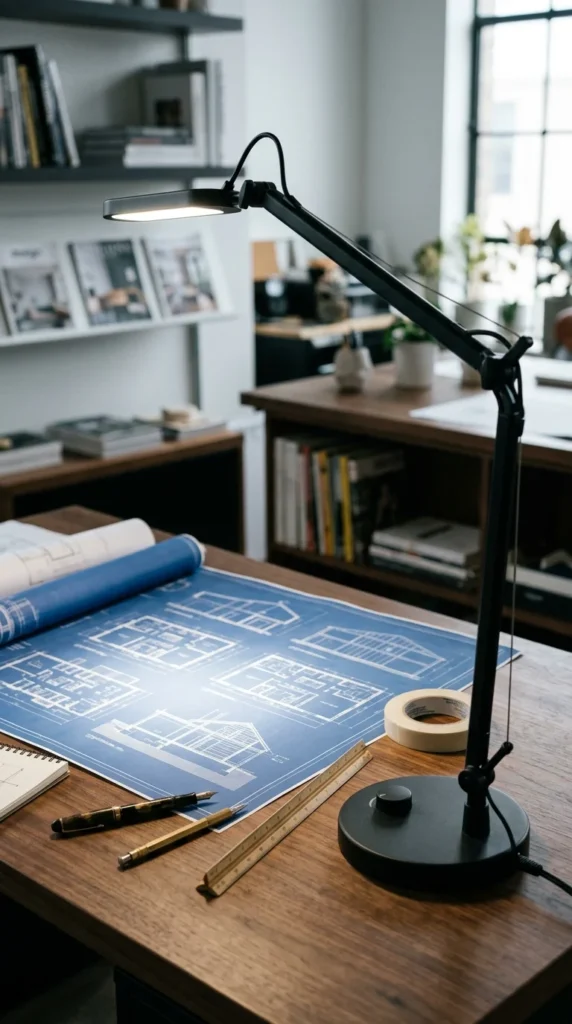
Even with great ambient light, a dedicated LED task lamp is essential for paperwork or hands-on projects. Modern LED task lamps often come with touch-sensitive dimmers and adjustable color temperatures, allowing you to fine-tune the light for the specific job at hand.
10. Bookcase Accents
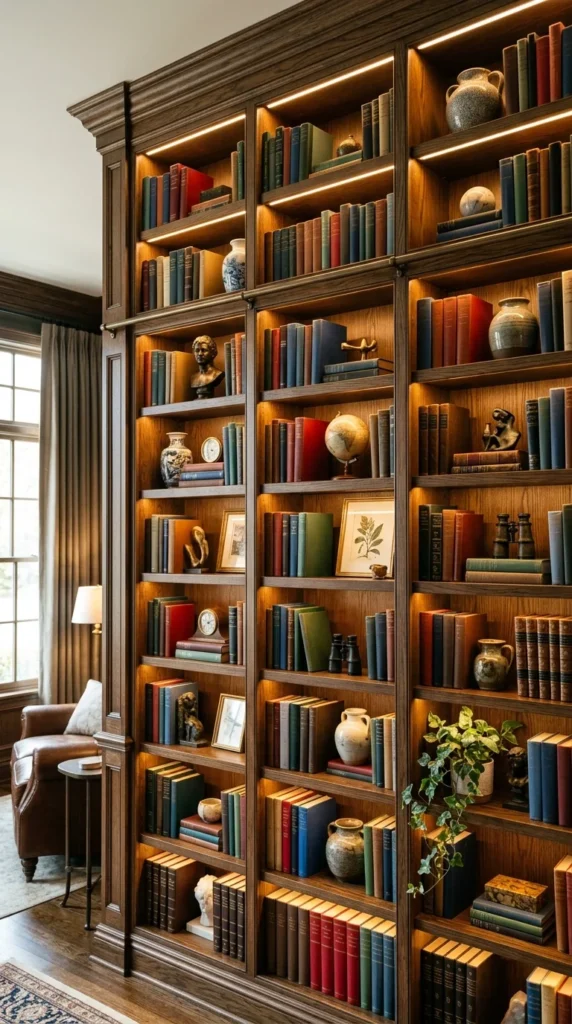
Bring your storage to life by adding LED accents to your bookcases. This not only makes it easier to find specific titles but also turns a functional piece of furniture into a dramatic focal point. Highlighting collectibles or awards on your shelves adds a layer of professional prestige to your background during video calls.
11. Toe-Kick Lighting
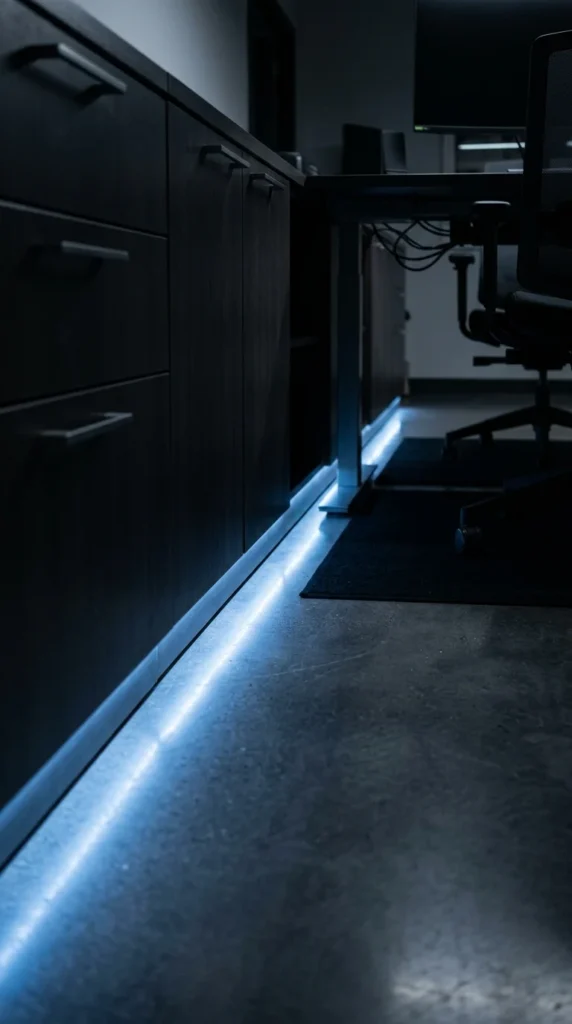
Borrowing a trick from high-end kitchen design, toe-kick lighting involves placing LED strips at the very bottom of your desk or cabinets. This creates a subtle “grounding” effect for the room and serves as an excellent nightlight if you find yourself working late into the evening.
12. Acoustic Panels
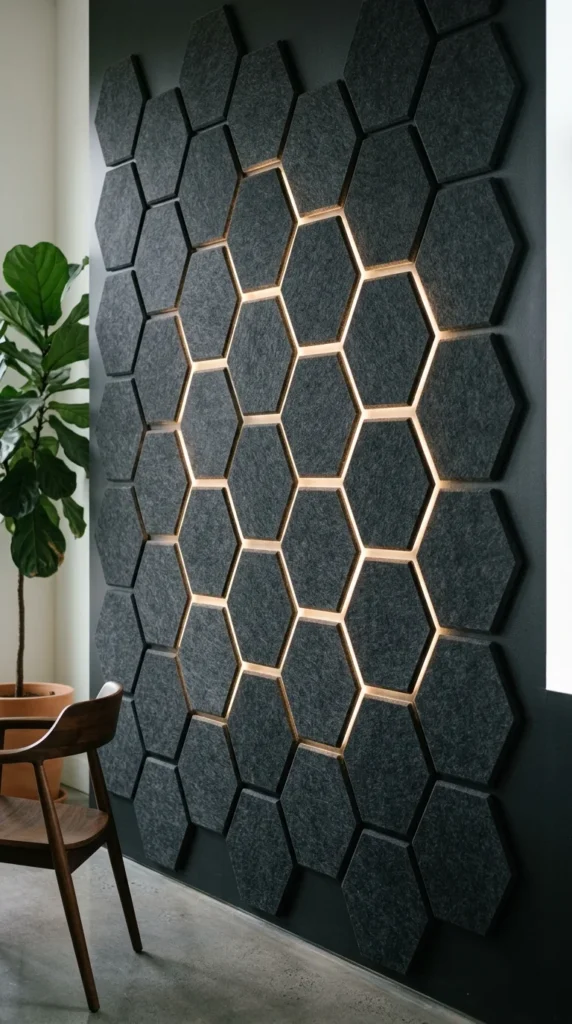
If your office is echoey, you likely need acoustic panels. You can elevate these functional items by installing LED strips behind them. The light peeks out from the sides of the foam or felt, turning a utilitarian sound-dampening tool into a glowing architectural feature.
13. Monitor Bars
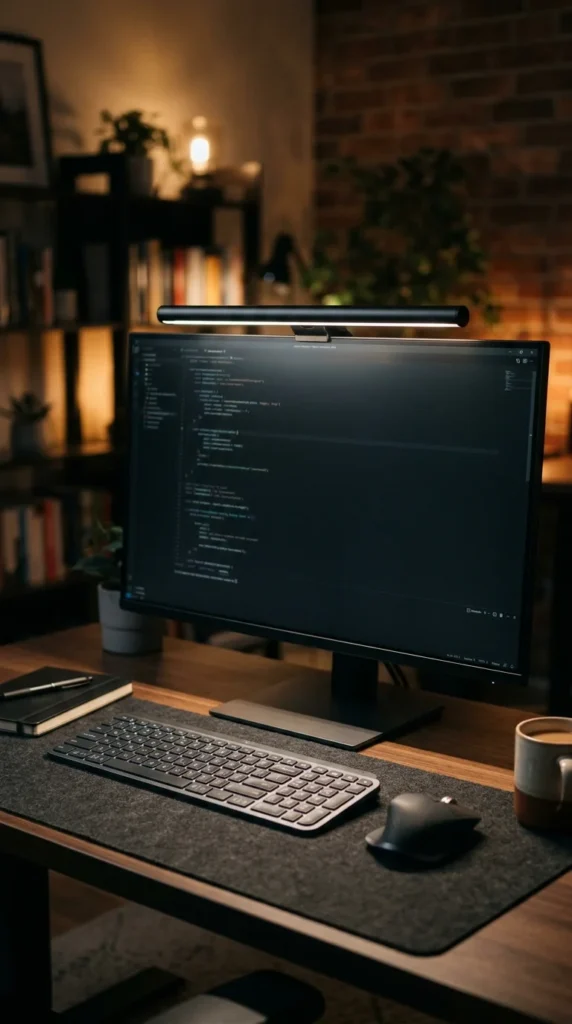
Screen bars (or monitor lamps) are perfect for those with limited desk space. They clip to the top of your monitor and cast light downward across your workspace. Because of their precise optical design, they don’t cause screen glare, making them one of the most ergonomic lighting choices available.
14. Circular Mirrors
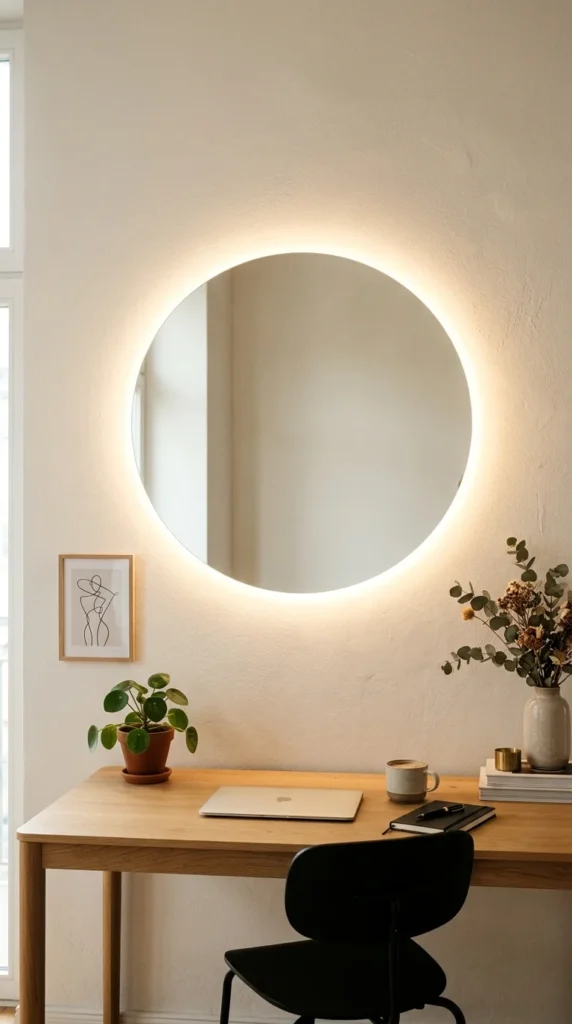
A mirror can make a small office feel much larger. By choosing a mirror with built-in LED backlighting, you get the benefit of reflected space along with a soft, diffused light source that is particularly flattering for your face during Zoom meetings.
15. Translucent Panels
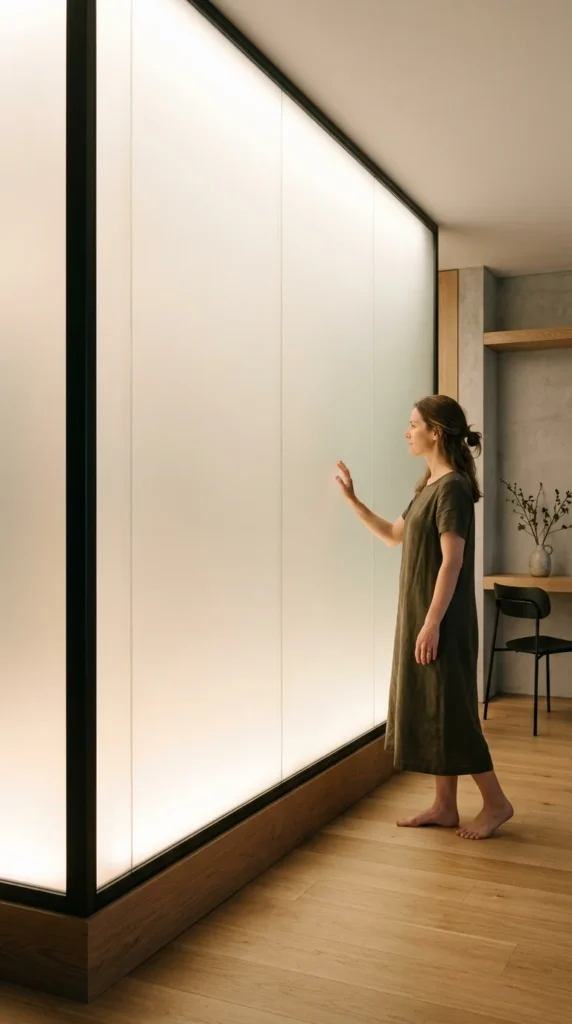
For a truly high-end, “spaceship” feel, you can install translucent acrylic panels with LED backlighting. This creates a large-surface-area light source that mimics the effect of a window or a professional photography softbox, ensuring your office is always perfectly lit.
16. Plant Uplighting
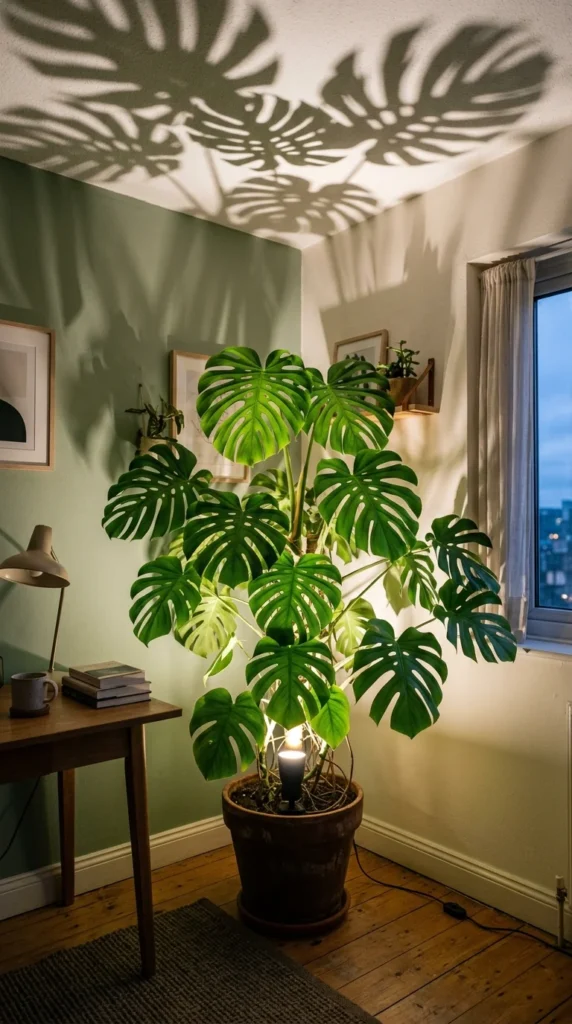
Integrating nature into your office is great for mental health. By placing a small LED “uplight” at the base of a large indoor plant, you create dramatic shadows and highlights that bring a touch of the outdoors into your evening work environment.
17. Pegboard Lighting

Pegboards are the ultimate organization tool. To make yours a feature, add LED strips behind the outer frame. This creates a shadow-gap effect that highlights your organization’s skills and makes the wall feel more three-dimensional.
18. Recessed Cans
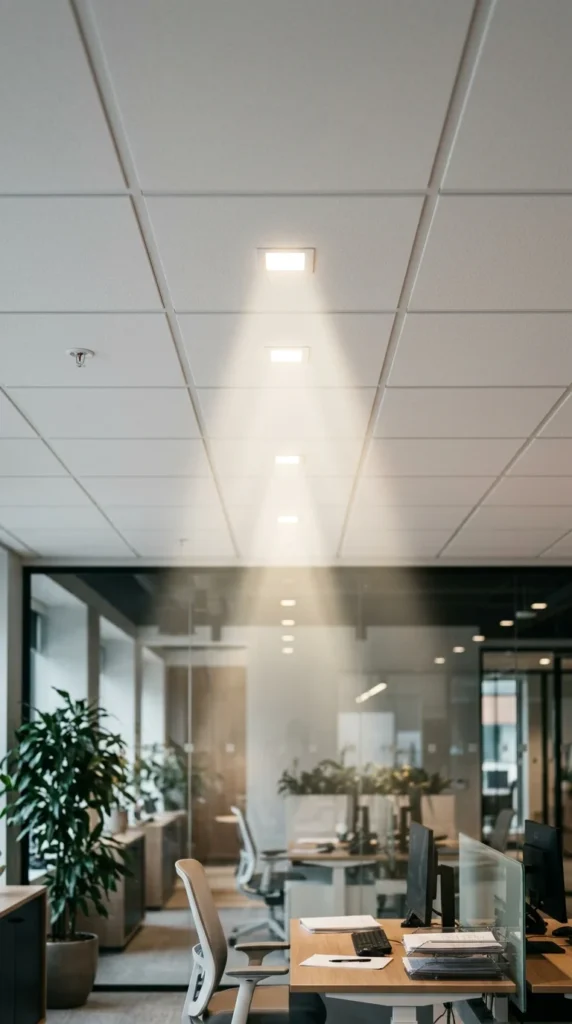
If you are doing a full room renovation, recessed LED “cans” or “wafers” are the best choice for general illumination. They are incredibly energy-efficient and provide a clean, uncluttered look that suits a modern professional environment.
19. Cable Management
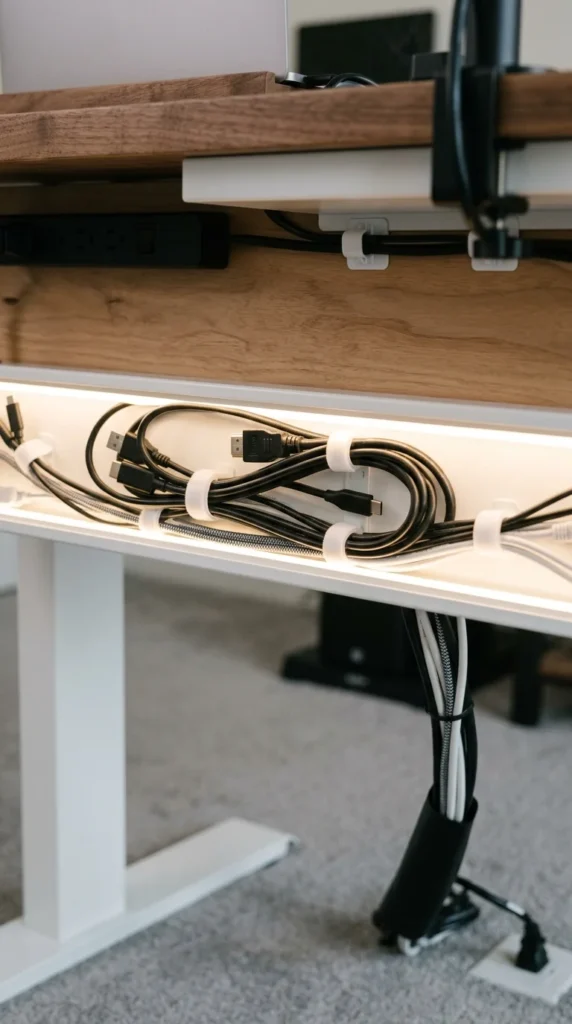
Cable management doesn’t have to be boring. By adding a small LED strip inside your cable management tray, you turn a functional necessity into a glowing accent. This also makes it much easier to see what you’re doing when you need to plug in a new device.
20. Glass Desks
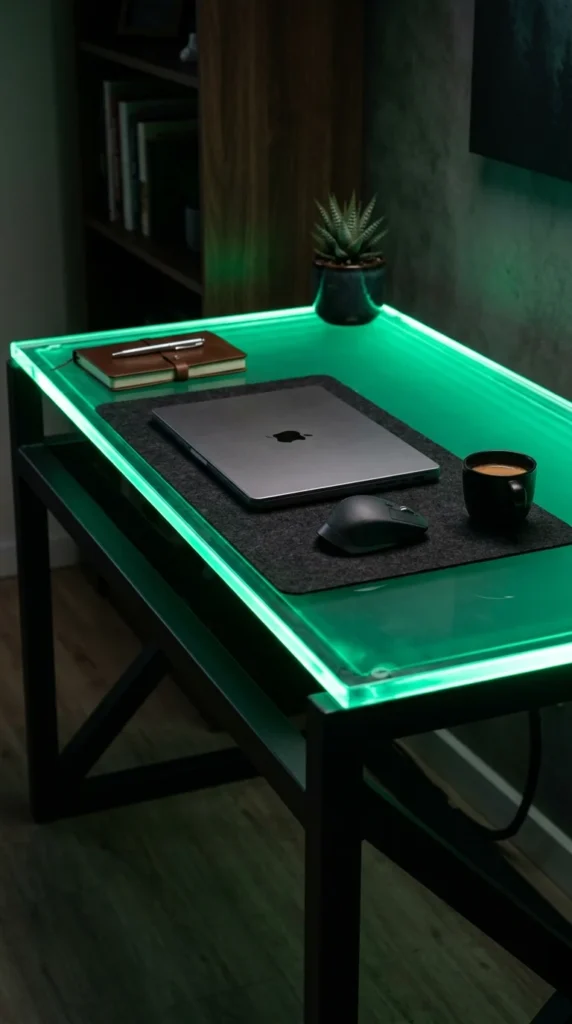
Glass has a unique property called “total internal reflection.” If you attach LED strips to the edge of a glass desk, the light will travel through the glass and illuminate the entire surface. This results in a stunning, sci-fi look that is sure to impress anyone who enters your office.
21. Drawer Lighting
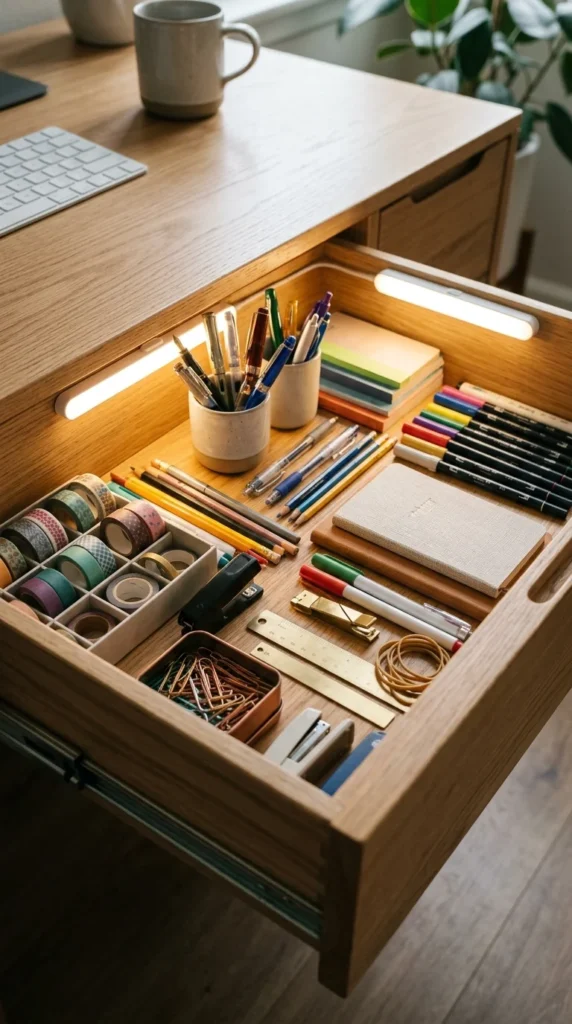
Never hunt for a pen in the dark again. Small, motion-activated LED bars can be stuck to the inside of your desk drawers. They turn on only when the drawer is opened, providing a luxurious touch that is both practical and unexpected.
22. Corner Profiles
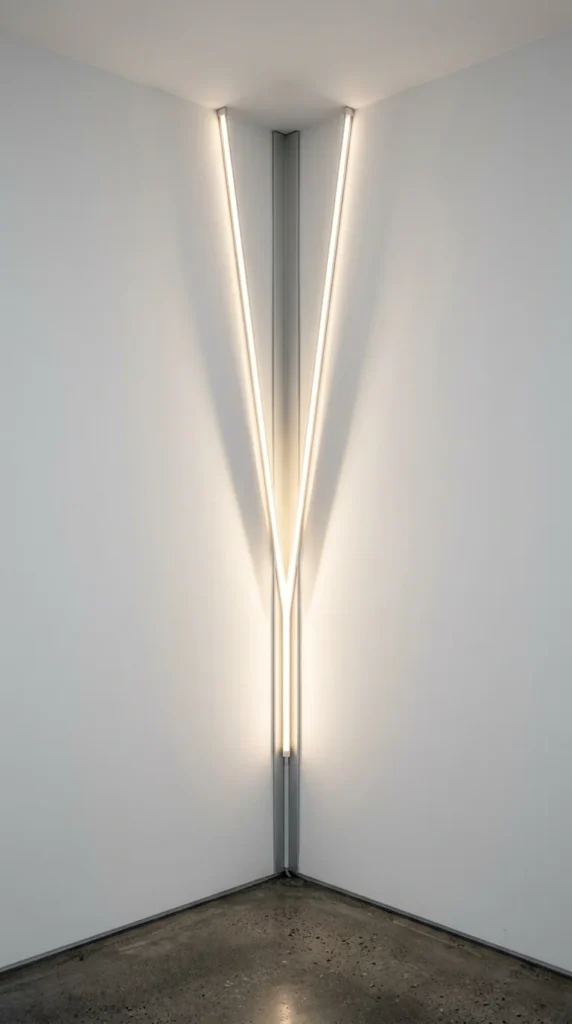
Using V-shaped aluminum profiles, you can install LEDs directly into the corners of your room. This creates “pillars” of light that can frame your desk or provide a dramatic architectural accent that replaces traditional, bulky floor lamps.
23. Color Zones
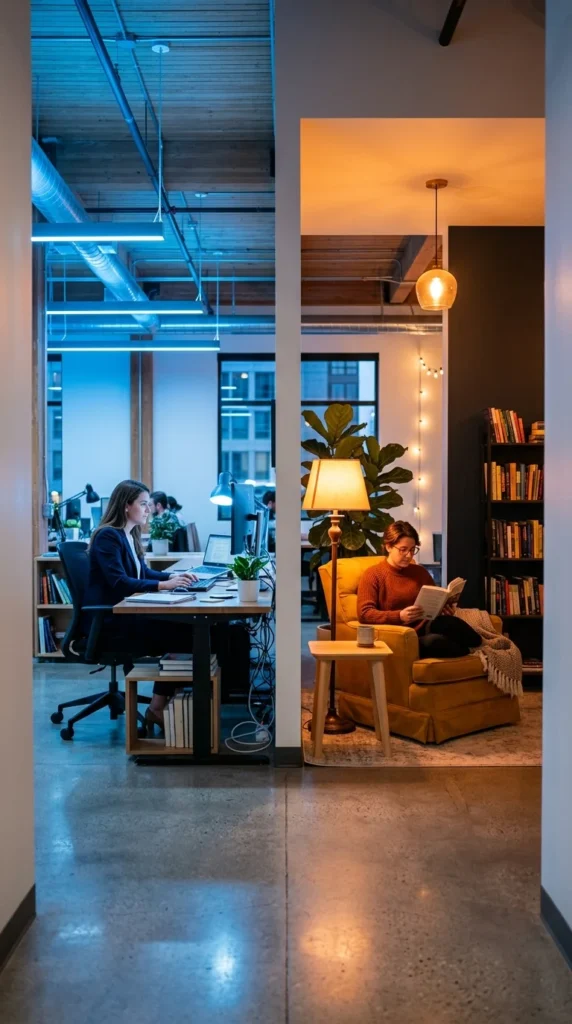
If your office is a multi-purpose space, use LEDs to create “zones.” Use a bright, 5000K white LED for your primary work area to keep your brain sharp, and a warmer, dimmable LED in a separate corner with a comfortable chair for reading or brainstorming.
24. Portable Lanterns
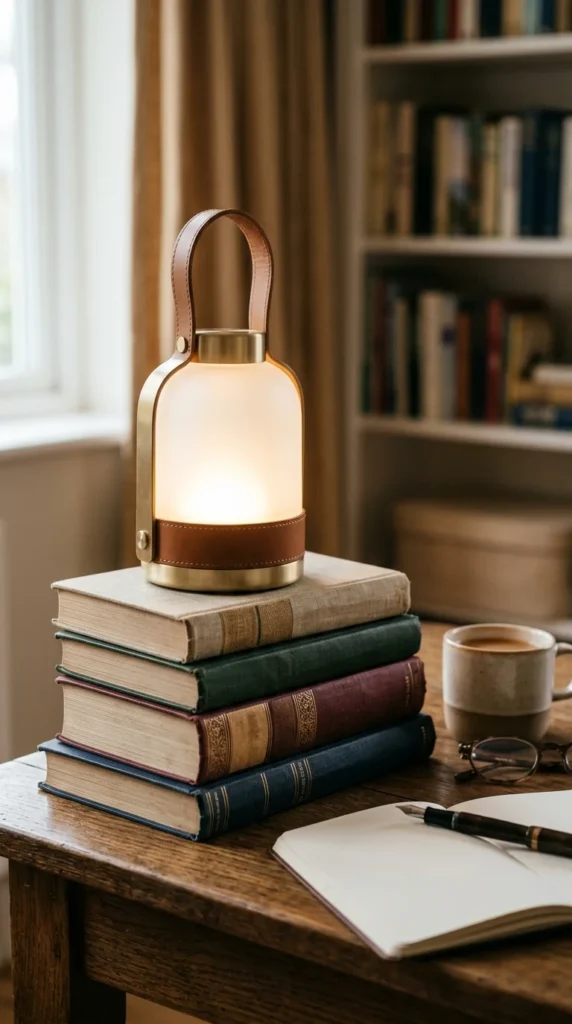
Finally, don’t overlook the power of portable LED lamps. These rechargeable units can be moved wherever you need a little extra light—whether it’s for a quick note-taking session on the sofa or as an extra “fill light” for an impromptu video call. They offer flexibility that hard-wired lights simply cannot match.