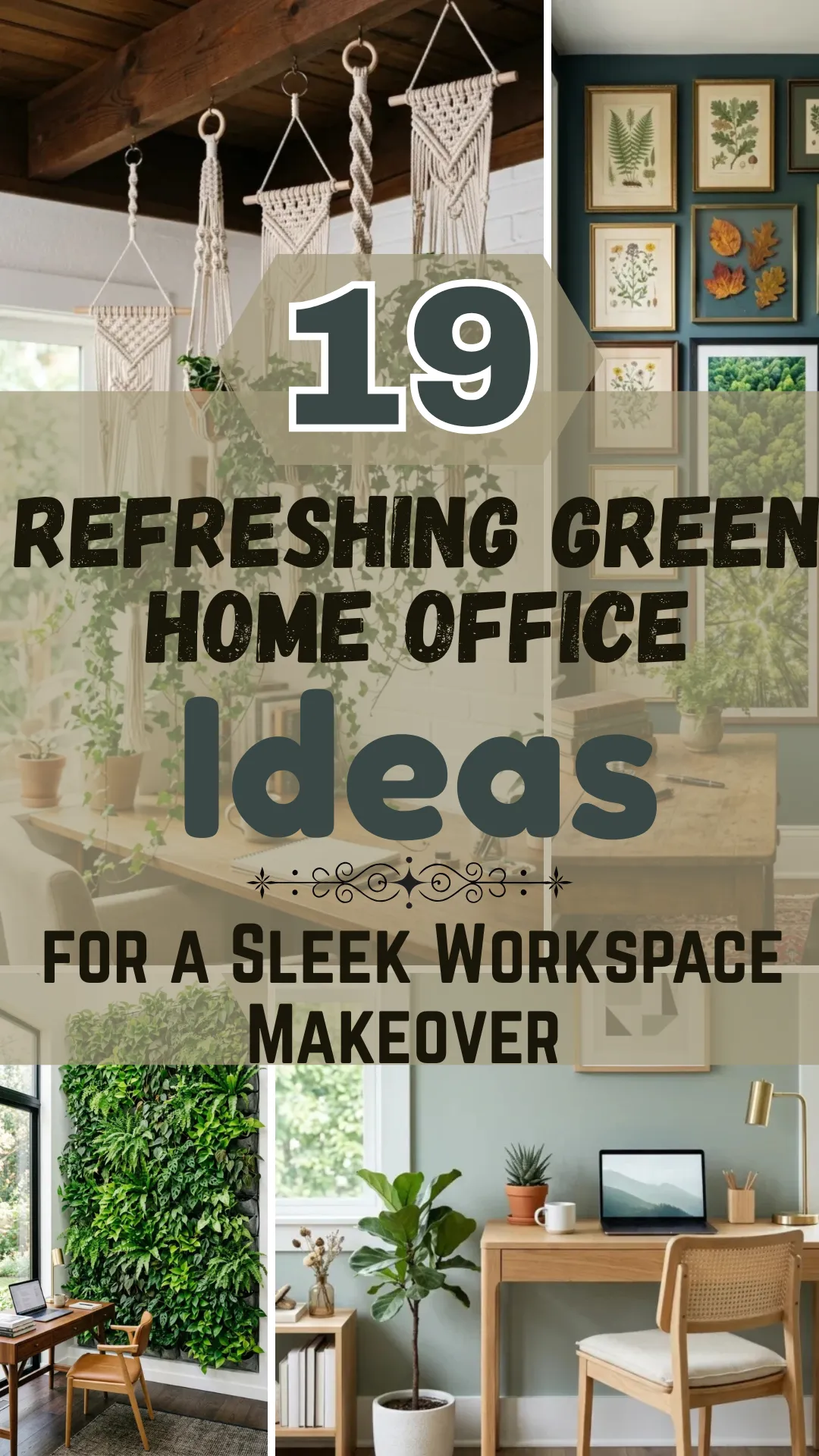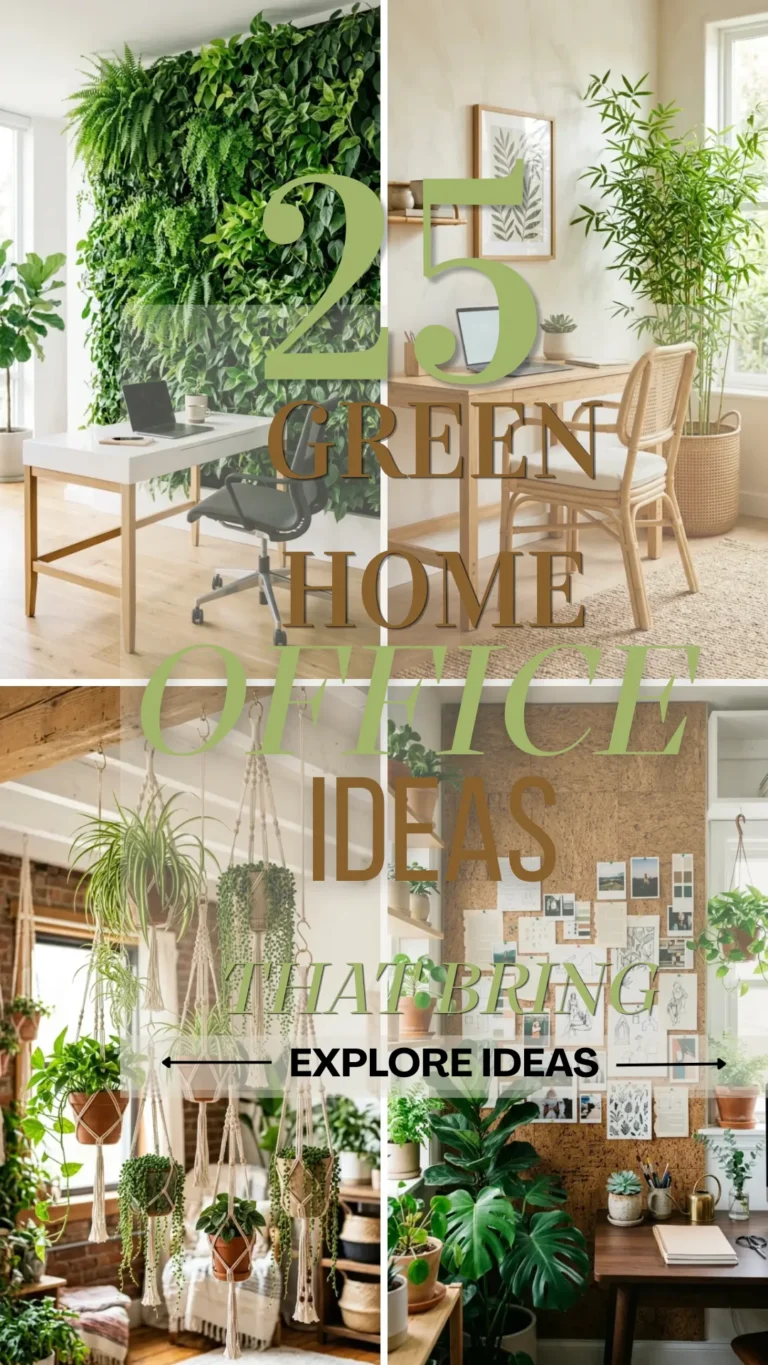

In an era where the lines between professional life and personal space have blurred, the home office has become a sanctuary for productivity. However, staring at four white walls and a glowing screen for eight hours a day can lead to “nature deficit disorder.” The solution? Biophilic design. By integrating greenery and natural elements into your workspace, you can reduce stress, boost creativity, and improve air quality. Here are 25 inspiring green home office ideas to transform your workspace into a thriving indoor jungle.
1. Vertical Gardens
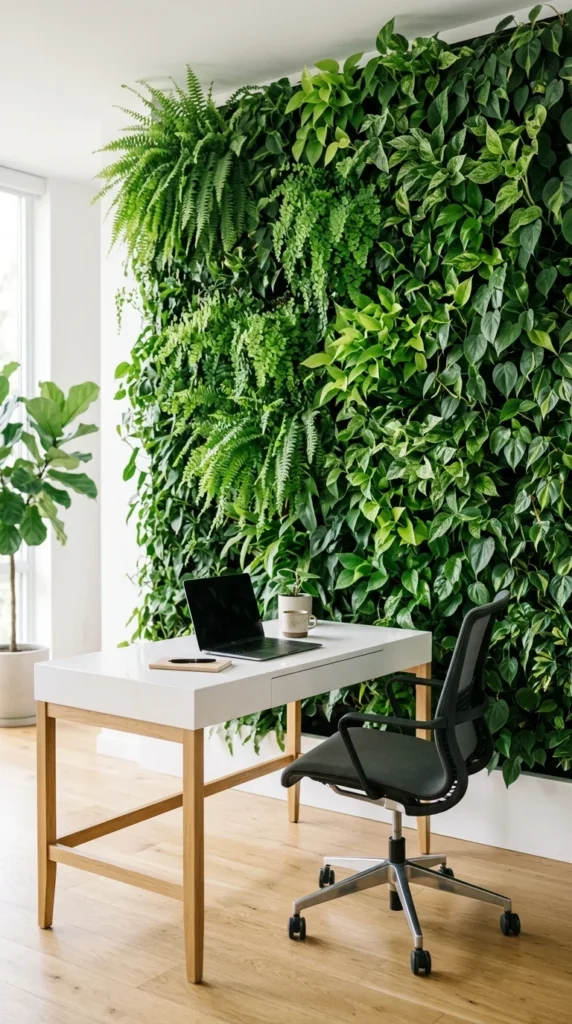
When floor space is at a premium, look to your walls. A vertical garden, or living wall, is a stunning way to incorporate hundreds of plants into a small footprint. Not only does it serve as a breathtaking visual focal point, but it also acts as a natural sound insulator, dampening the echoes of video calls and keyboard clicking. You can use modular pocket systems or hydroponic setups to keep your greenery thriving.
2. Succulent Arrangements
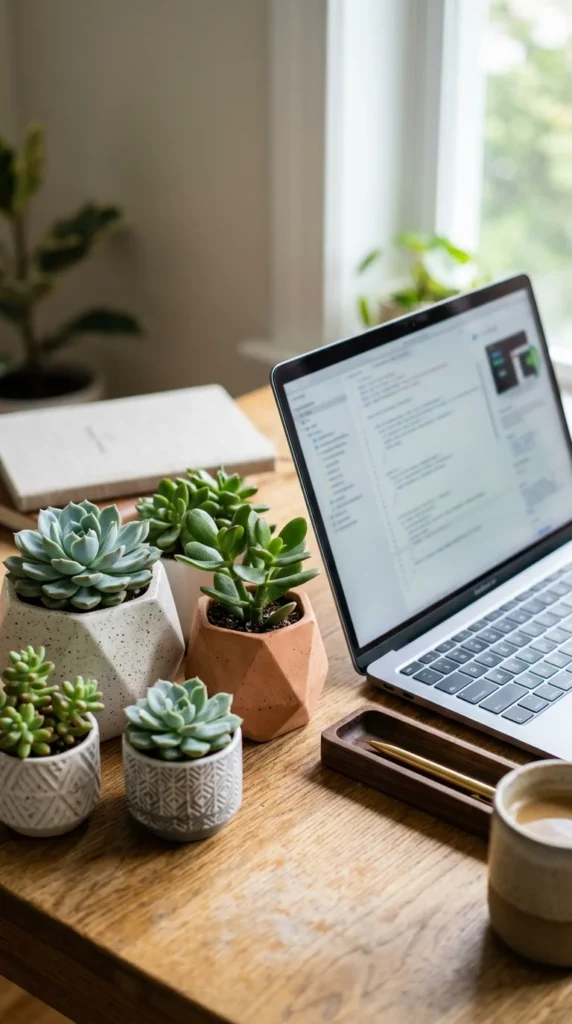
If you lack a green thumb, succulents are your best friends. These resilient plants store water in their fleshy leaves, requiring minimal attention. A collection of succulents in varying shapes, colors, and textures can add a sophisticated touch to your desk. Try grouping them in geometric terrariums or mismatched ceramic pots for an eclectic, modern look.
3. Earthy Palette
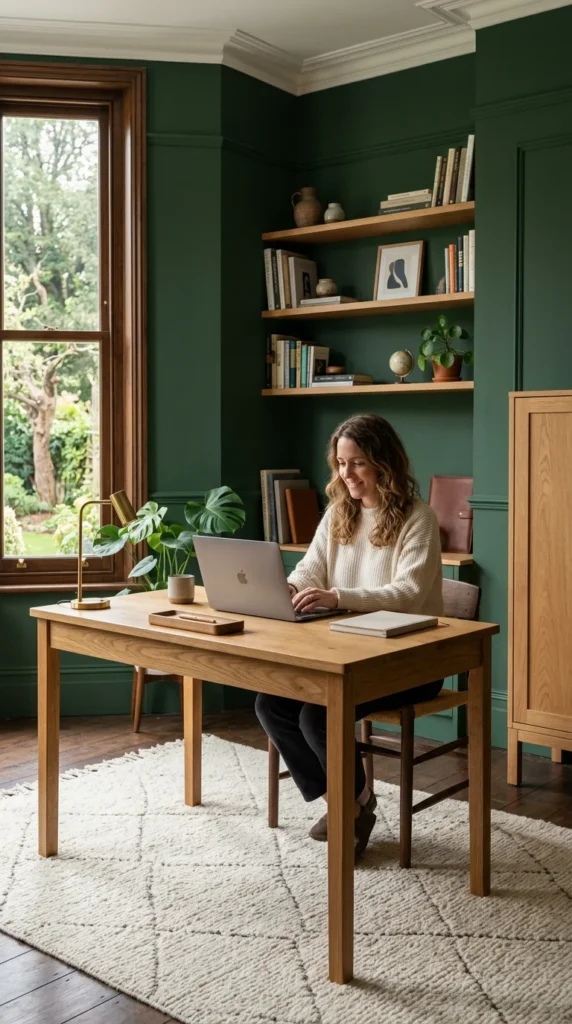
Bringing nature inside isn’t just about the plants; it’s about the colors. An earthy palette consisting of sage green, terracotta, ochre, and mossy tones creates a grounding environment. These colors are known to lower heart rates and foster a sense of tranquility. Pair these wall colors with natural wood finishes to complete the organic aesthetic.
4. Natural Lighting
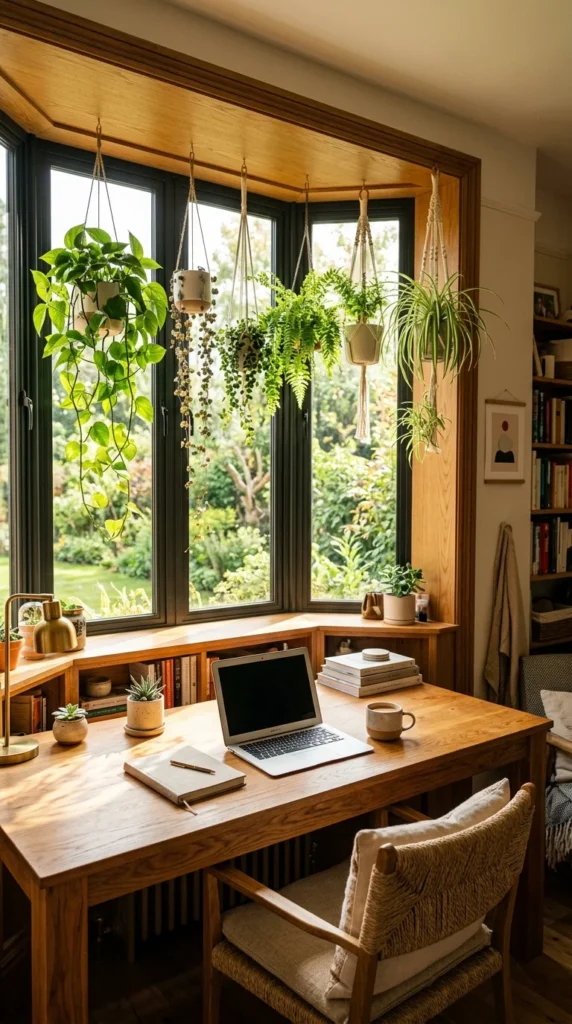
Nothing beats the power of the sun. Positioning your desk near a window allows for maximum natural light, which regulates your circadian rhythm and boosts Vitamin D levels. To enhance the “green” feel, frame your windows with climbing plants like English Ivy or Hoya, which will naturally filter the sunlight as they grow.
5. Cork Walls
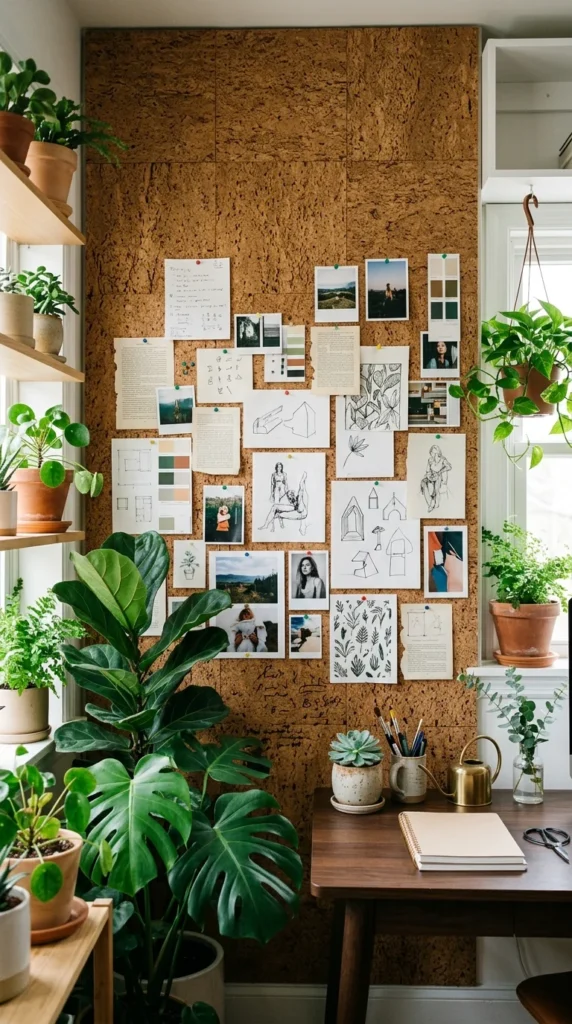
Cork is a sustainable, renewable material that brings a warm, earthy texture to any office. A cork accent wall serves a dual purpose: it’s a giant mood board for your ideas and a natural acoustic buffer. Its neutral, sandy tone provides the perfect backdrop for vibrant green leaves, making your plants “pop” visually.
6. Indoor Trees
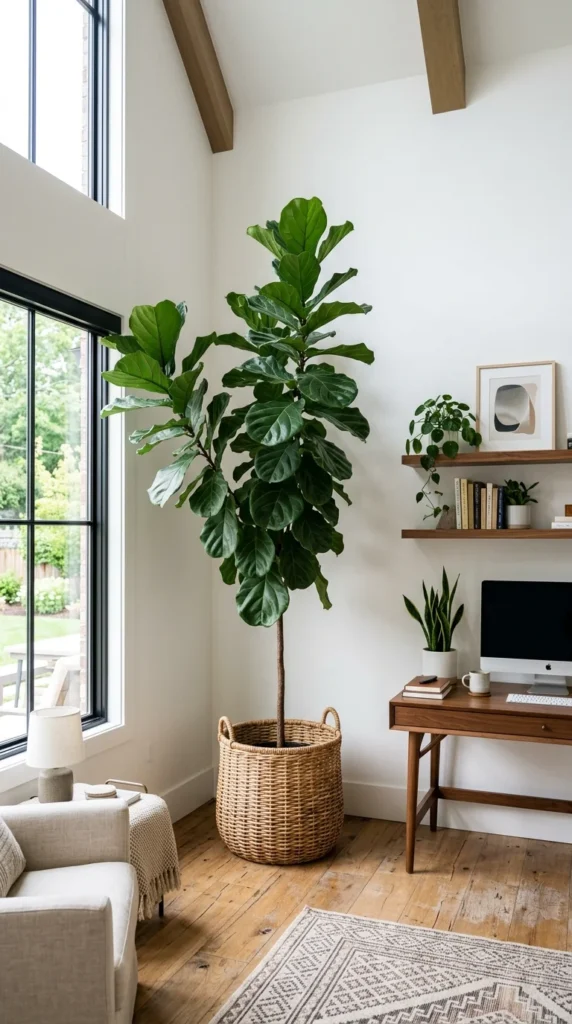
If you have the vertical space, go big. An indoor tree, such as a Fiddle Leaf Fig, a Rubber Plant, or a Money Tree, adds architectural height and a sense of grandeur to your office. A single large tree can make a room feel more established and “alive” than a dozen small pots ever could.
7. Terrarium Desks
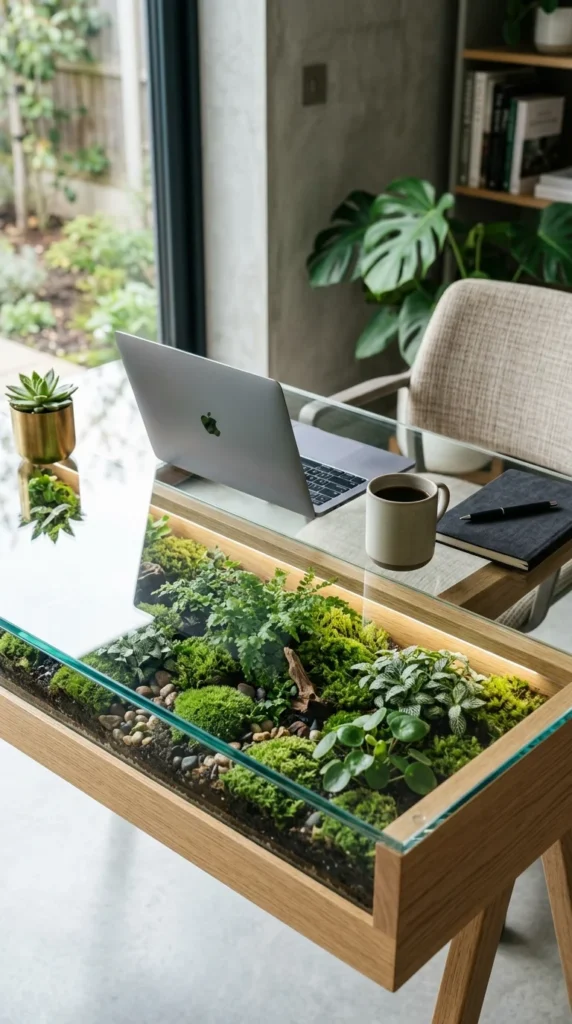
Why settle for a plant on your desk when your desk can be a garden? A glass-topped desk with a built-in planter compartment allows you to work directly over a miniature landscape. This provides a constant, calming view of nature throughout your workday, helping you stay grounded during high-stress tasks.
8. Hanging Planters
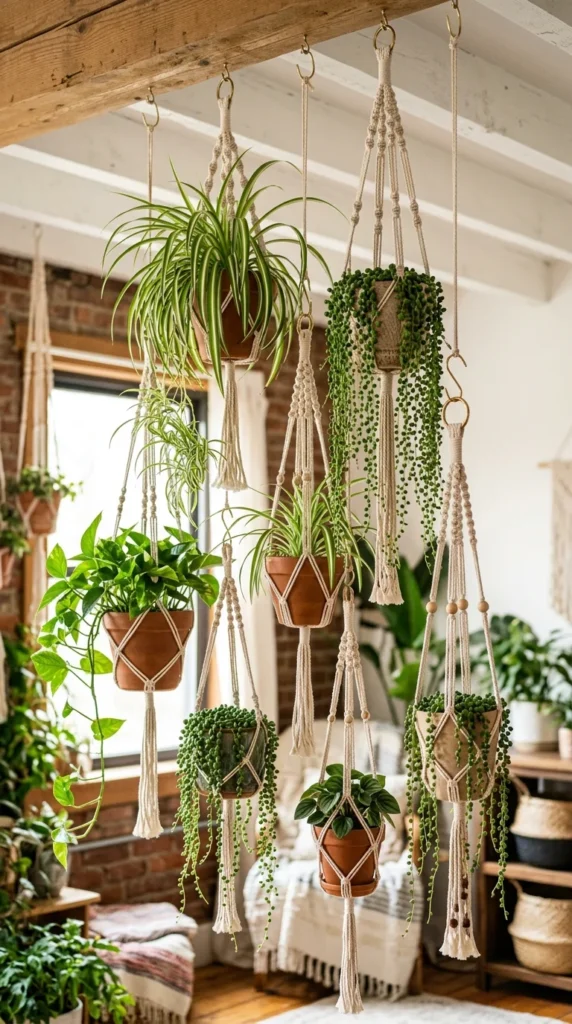
Utilizing the “fifth wall” (the ceiling) is a fantastic way to surround yourself with nature. Hanging planters create a lush canopy effect. Choose trailing varieties like Pothos, String of Hearts, or Spider Plants. As they grow, their cascading vines will create a natural curtain that softens the hard edges of office furniture.
9. Moss Walls
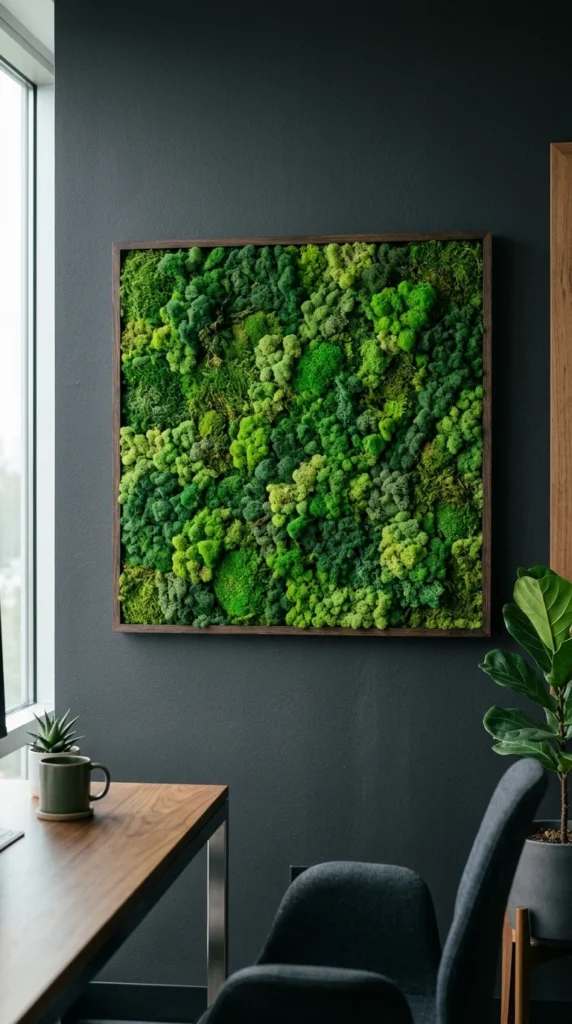
For those who want the look of a living wall without the maintenance of irrigation and light, preserved moss walls are the answer. These installations use real moss that has been treated to maintain its color and texture indefinitely. They are soft to the touch and add an incredible 3D organic element to your workspace.
10. Bamboo Furniture
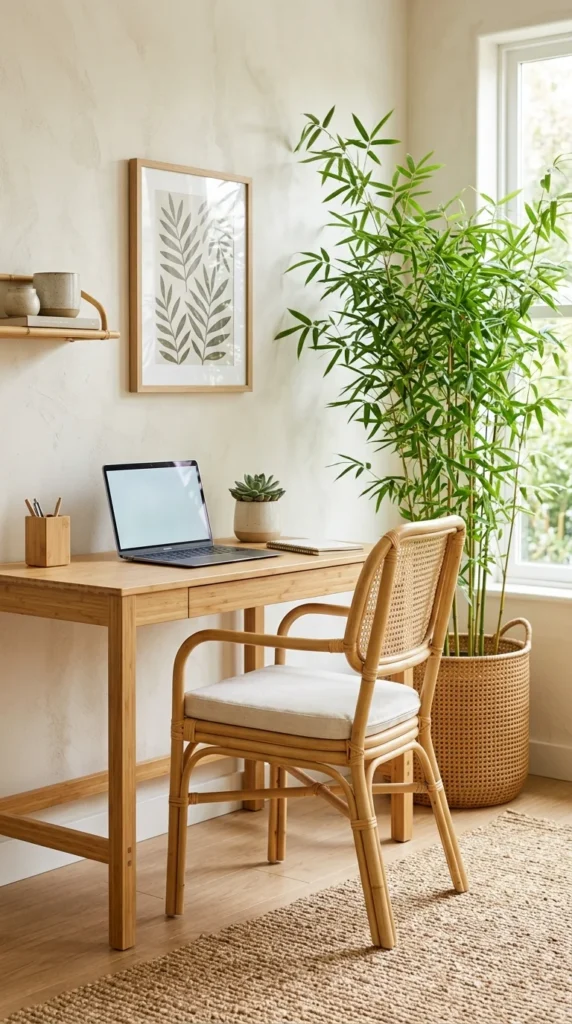
Bamboo is one of the most sustainable materials on the planet. Its light grain and warm color bring an instant Zen-like quality to a room. Incorporating a bamboo desk or shelving unit aligns your workspace with eco-friendly values while providing a sturdy, natural surface for your daily tasks.
11. Stone Accents
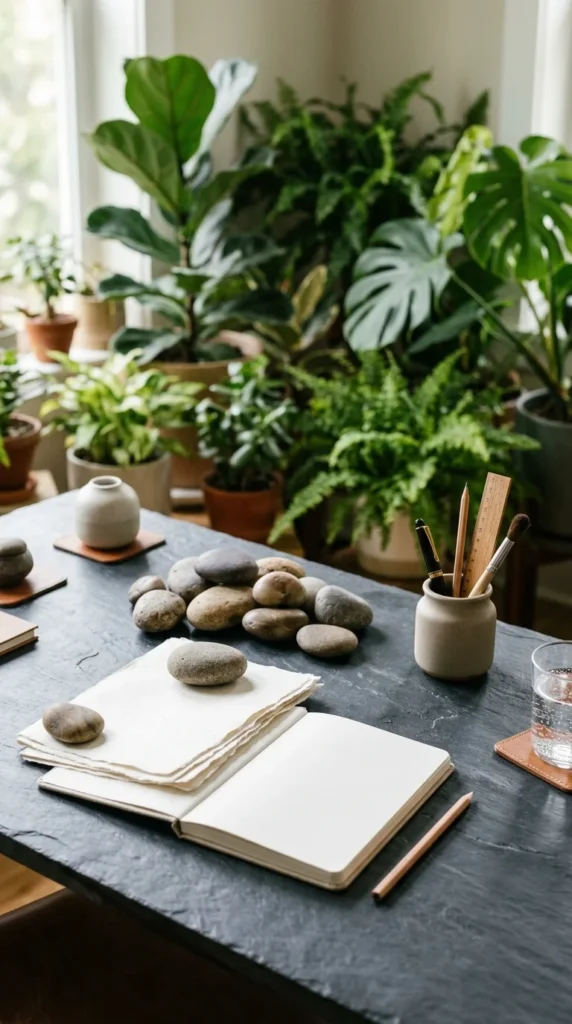
Incorporate the element of earth through stone. Whether it’s a slate desk organizer, a marble lamp base, or simply a collection of smooth river stones in a bowl, the weight and coolness of stone provide a tactile connection to the outdoors. These elements contrast beautifully with the softness of plant foliage.
12. Water Features
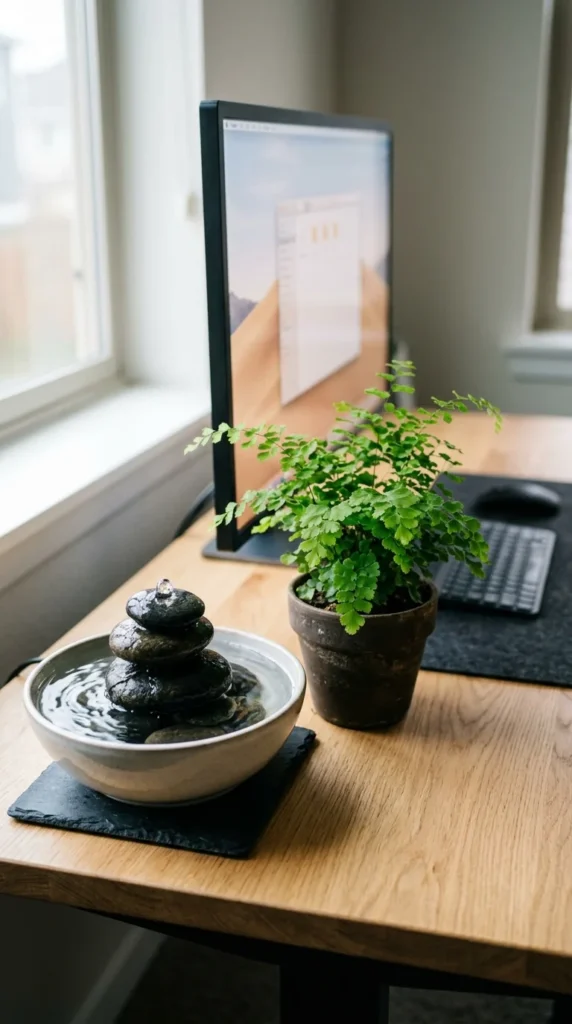
he sound of flowing water is one of the most effective natural stress-relievers. A small tabletop fountain can mask distracting household noises while providing a rhythmic, soothing background sound. The added humidity is also beneficial for many tropical houseplants, helping them thrive in an indoor environment.
13. Botanical Prints
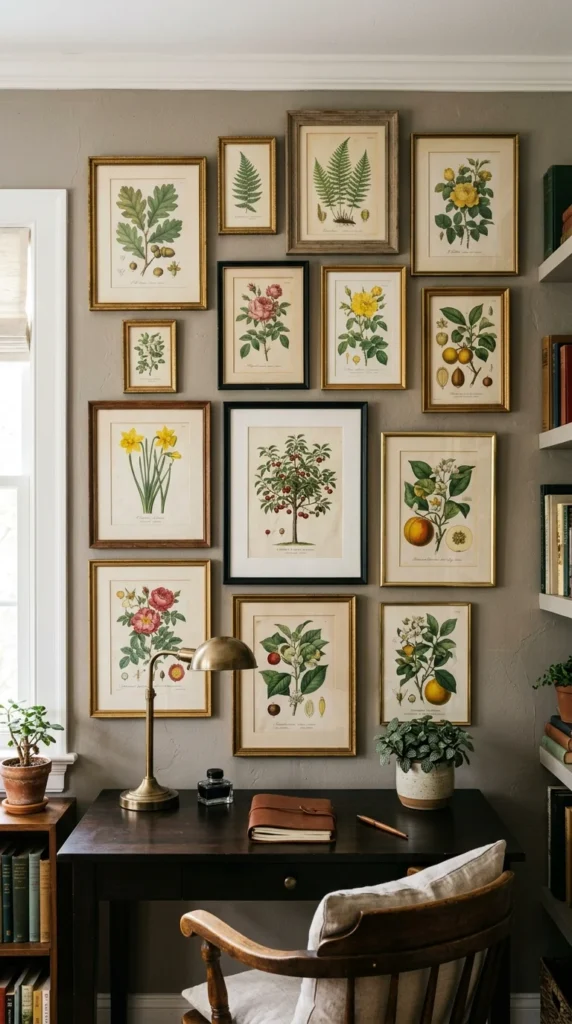
If you can’t fill every corner with real plants, use art to bridge the gap. A gallery wall of vintage botanical prints or high-quality photographs of forests creates a visual connection to nature. This “biophilic art” has been shown to provide many of the same psychological benefits as looking at real greenery.
14. Reclaimed Wood
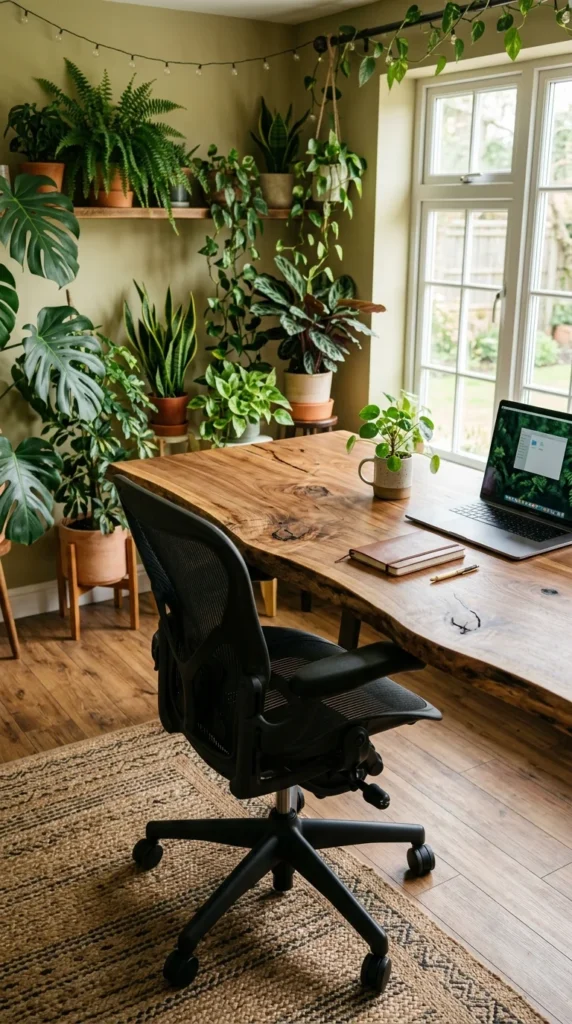
Reclaimed wood tells a story. A desk made from salvaged timber or old barn doors brings warmth, history, and a rugged natural beauty to your office. The imperfections in the wood—cracks, knots, and grain patterns—remind us of the organic world outside our digital screens.
15. Jute Rugs
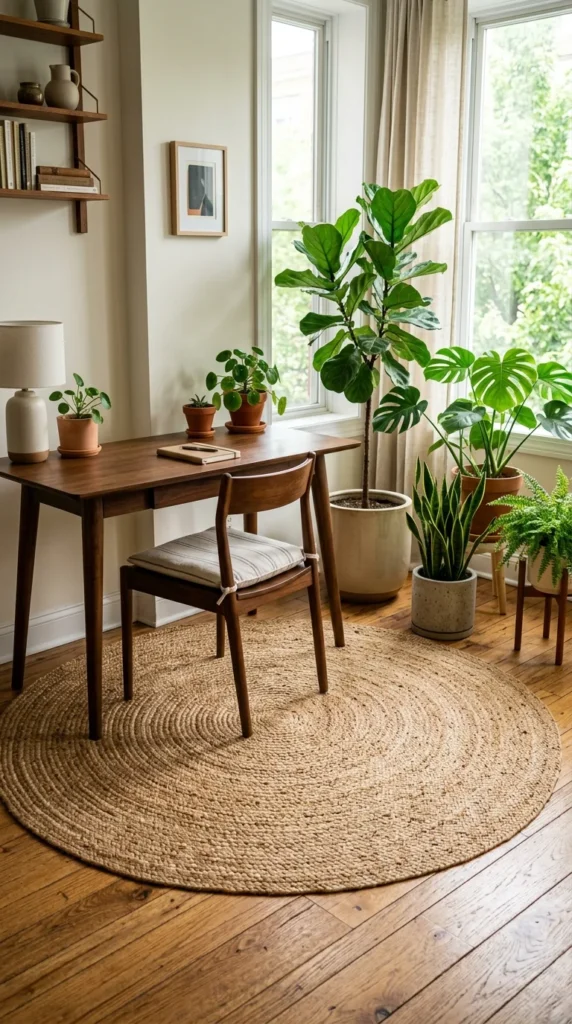
Nature starts from the ground up. A jute or sisal rug provides a coarse, organic texture that feels wonderful underfoot. These natural fiber rugs are durable, sustainable, and their sandy color coordinates perfectly with green foliage and wooden furniture.
16. Window Nooks
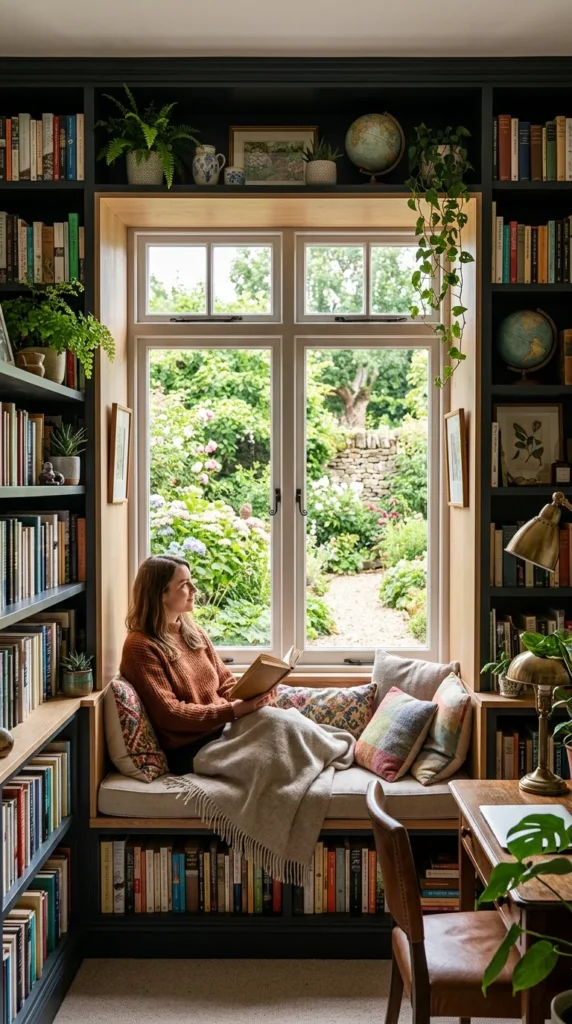
f your office has a window, turn it into a destination. A built-in bench or a cozy chair placed right in the window nook allows you to take “nature breaks” throughout the day. Surrounding this nook with plants creates a seamless transition between your indoor space and the outdoor garden.
17. Floating Shelves
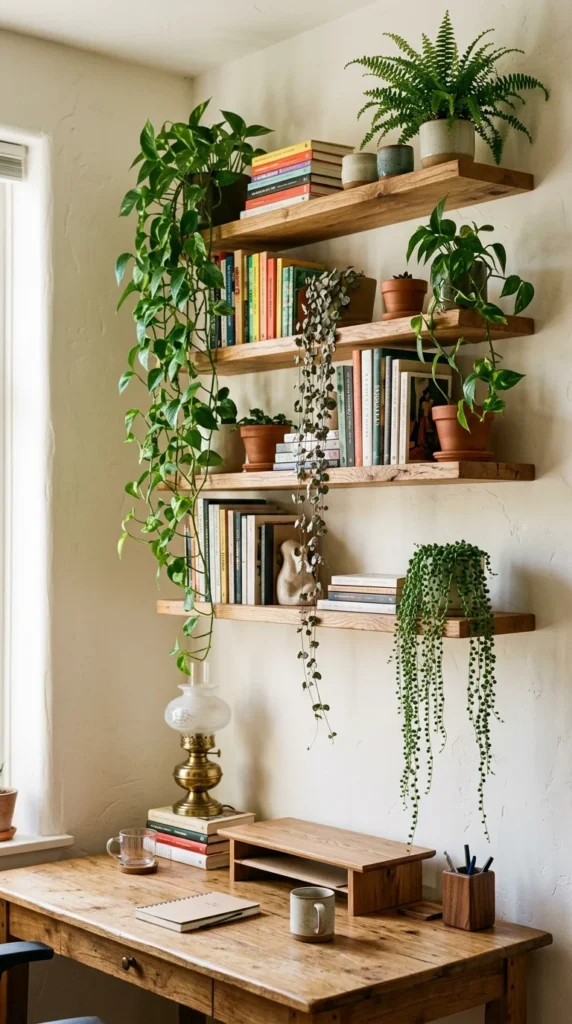
oating shelves are perfect for creating “plant libraries.” By staggering shelves at different heights, you can create a dynamic wall of greenery that doesn’t take up any valuable floor or desk space. Mix in books and personal mementos to create a space that feels curated and alive.
18. Linen Drapes
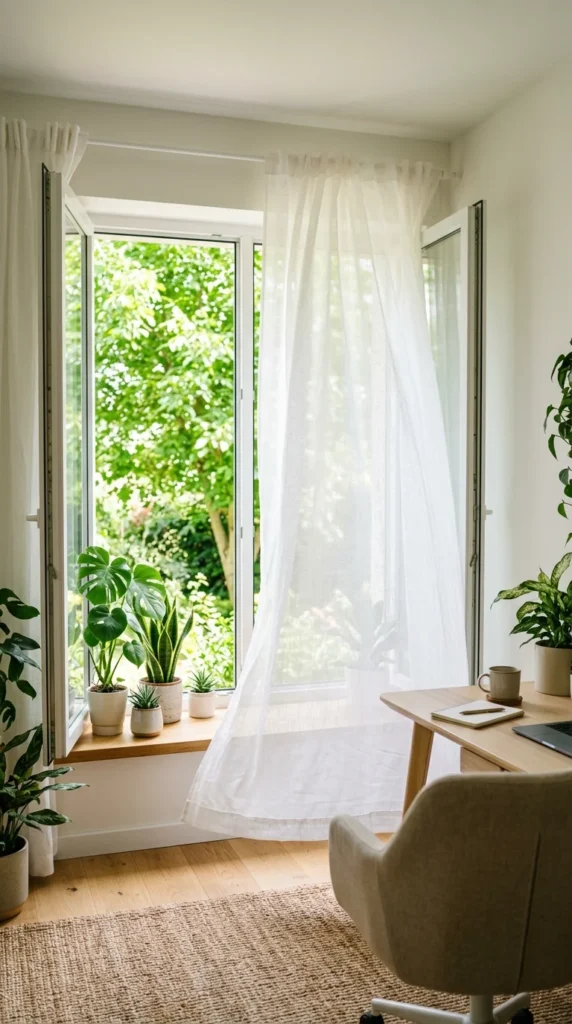
Heavy, synthetic drapes can make an office feel closed off. Instead, opt for lightweight linen curtains. They allow soft, diffused light to enter the room and move beautifully with the air, adding a sense of breathability and lightness to your workspace.
19. Clay Pots
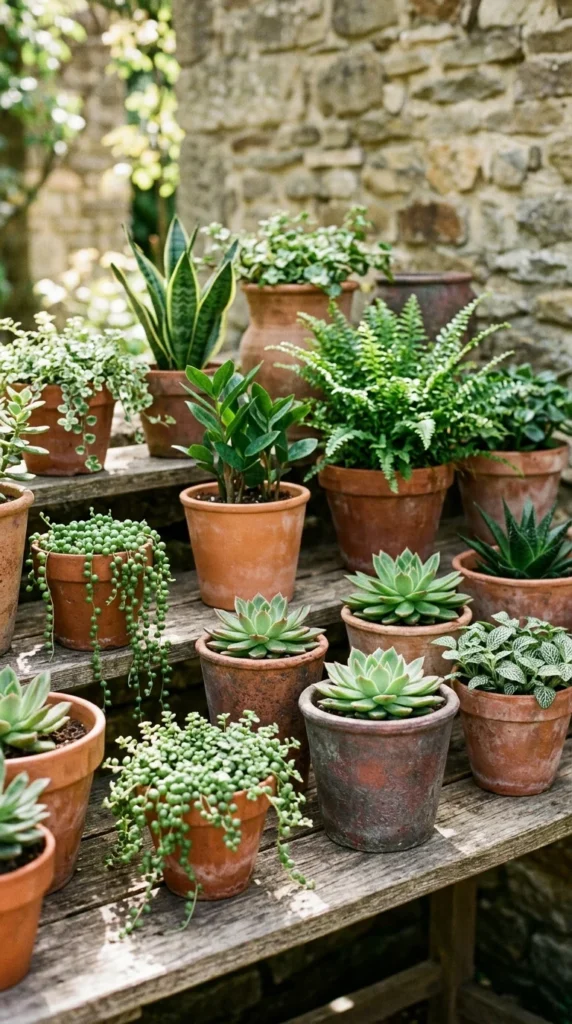
There is something timeless and honest about clay. Using terracotta or handmade ceramic pots instead of plastic ones adds an artisanal, earthy feel to your plant collection. The porous nature of clay also helps regulate soil moisture, making it a healthier choice for your plants.
20. Rattan Storage
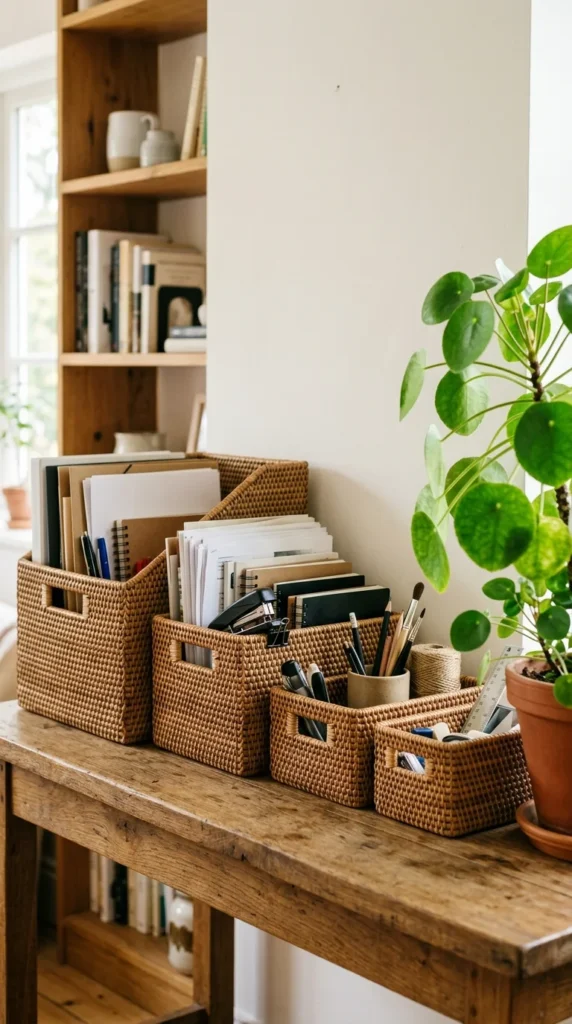
Swap out plastic bins for rattan or wicker baskets. These woven materials add a rich texture and a “handmade” quality to your office organization. They are perfect for hiding unsightly cables, storing extra paper, or even acting as stylish covers for standard nursery plant pots.
21. Leafy Wallpaper
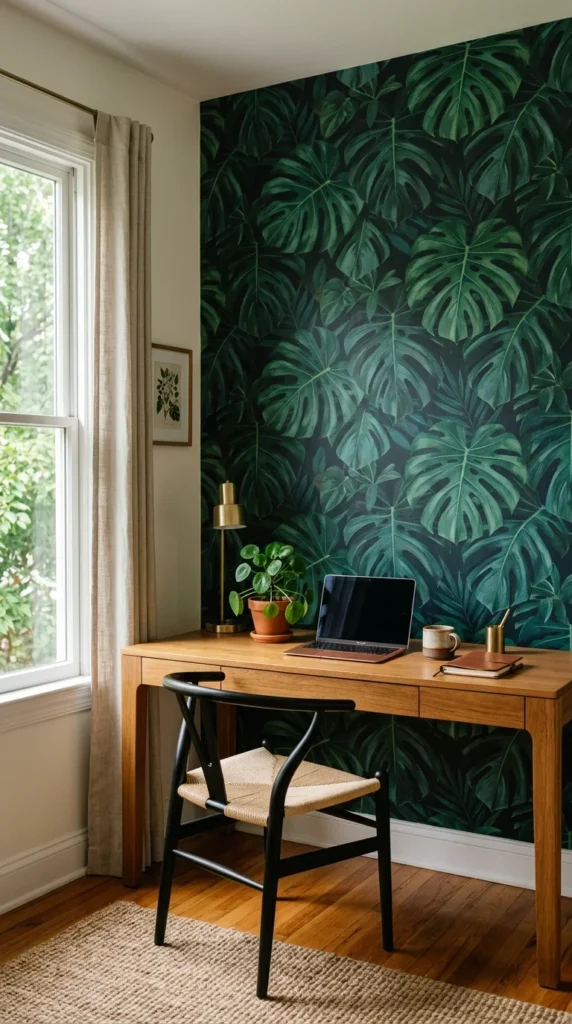
For a high-impact transformation, consider a botanical wallpaper. A feature wall with a large-scale leaf print can make you feel as though you are working in the middle of a jungle. When paired with real plants in the foreground, the wallpaper adds depth and creates an immersive green environment.
22. Skylight Views
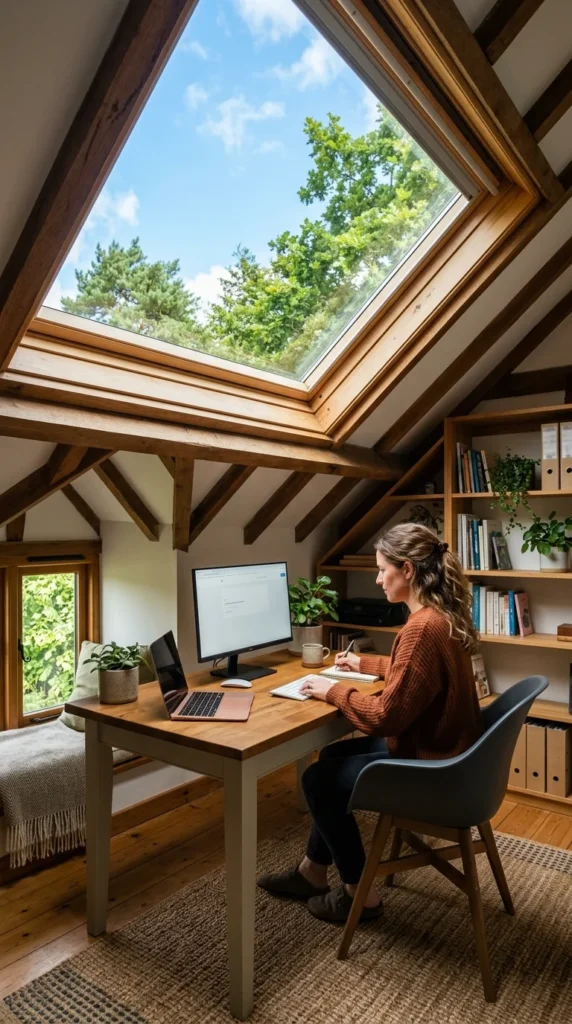
If your office is in an attic or a top-floor room, a skylight is the ultimate green upgrade. It provides an ever-changing view of the sky, clouds, and overhanging tree branches. This vertical connection to the outdoors can make even the smallest office feel expansive and airy.
23. Herb Windowsills
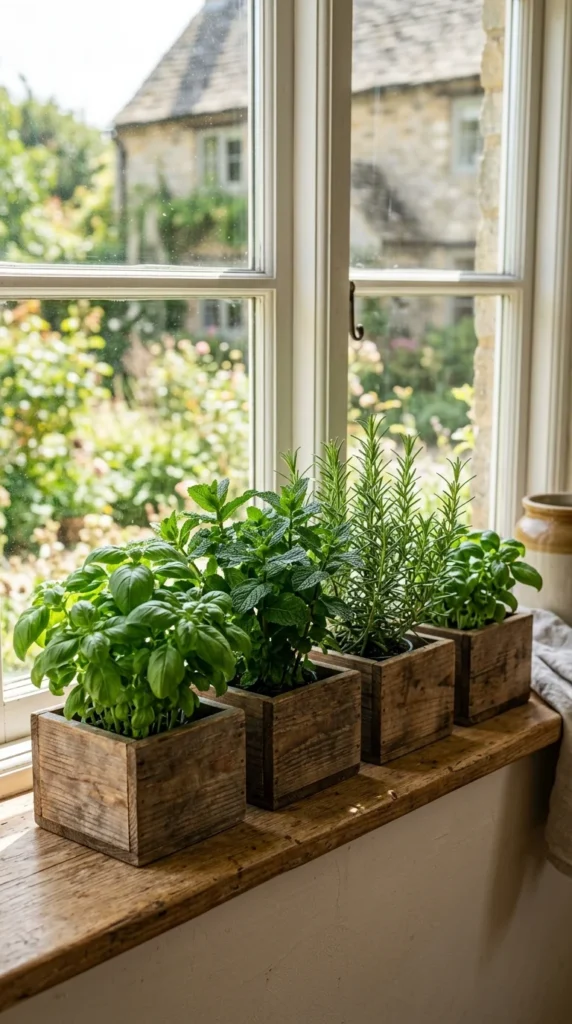
Why not make your office greenery functional? A windowsill herb garden provides a wonderful scent—rosemary and mint are known to aid concentration—and gives you fresh ingredients for your lunch. The tactile experience of rubbing a leaf to release its fragrance is a great way to ground yourself during a busy day.
24. Glass Partitions
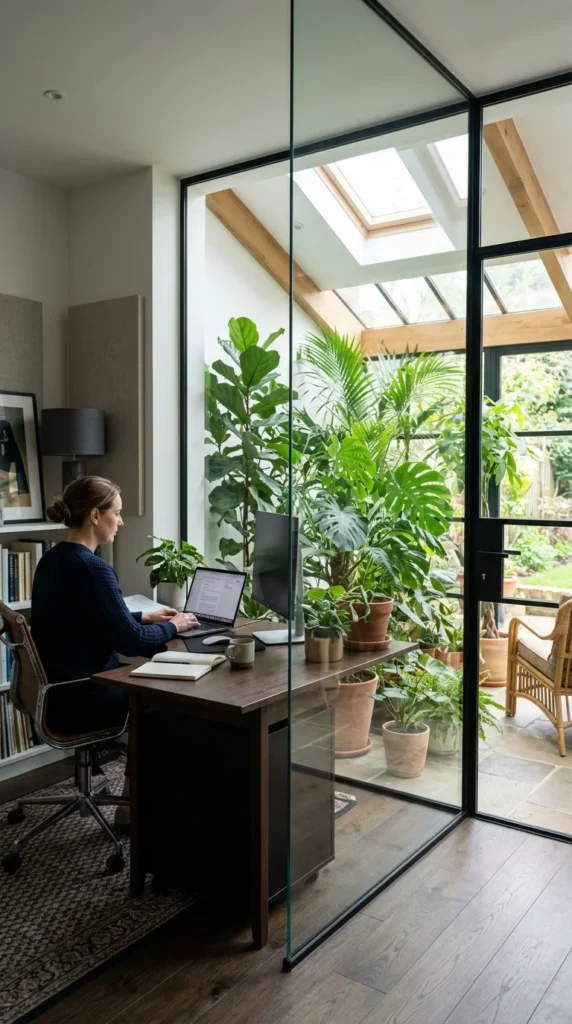
If you have a larger space, use glass partitions instead of solid walls. This allows light to flow through the entire area and keeps you visually connected to plants in adjacent rooms. It maintains the “open” feel of nature while providing the acoustic privacy needed for deep work.
25. Bonsai Trees
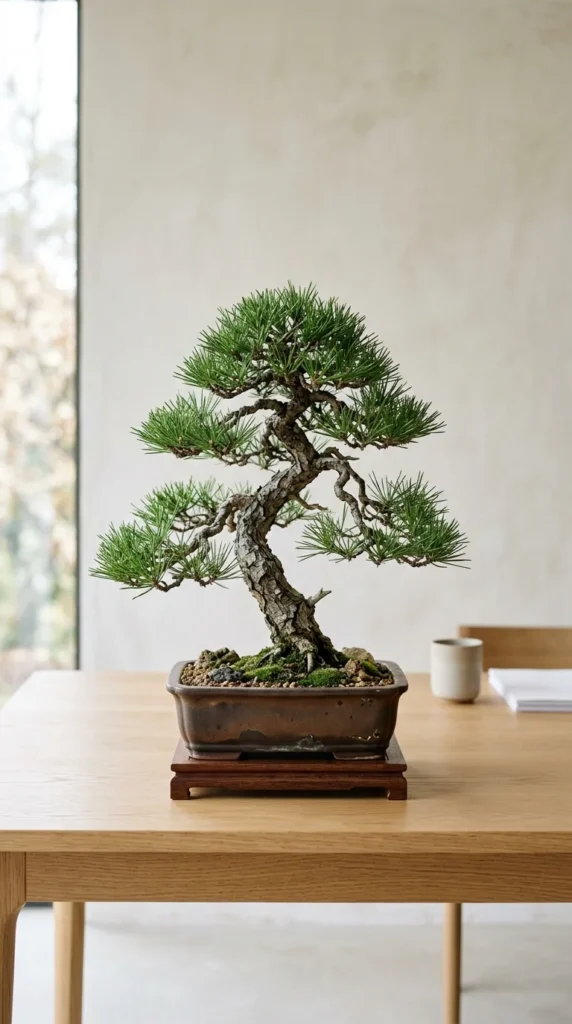
Bonsai is the art of nature in miniature. A single bonsai tree on your desk serves as a living sculpture. The practice of caring for a bonsai—careful pruning and watering—can become a meditative ritual that helps you start or end your workday with intention and calm.