The modern professional spends an average of eight to ten hours a day seated. Without the right support, this sedentary lifestyle can lead to chronic back pain, neck strain, and decreased productivity. Investing in an ergonomic office chair isn’t just about luxury; it’s about health and longevity. From active seating that engages your core to high-tech mesh designs that keep you cool, the right chair can transform your workday experience. Here are 23 innovative ergonomic chair ideas to help you stay comfortable and focused.
1. Mesh Back
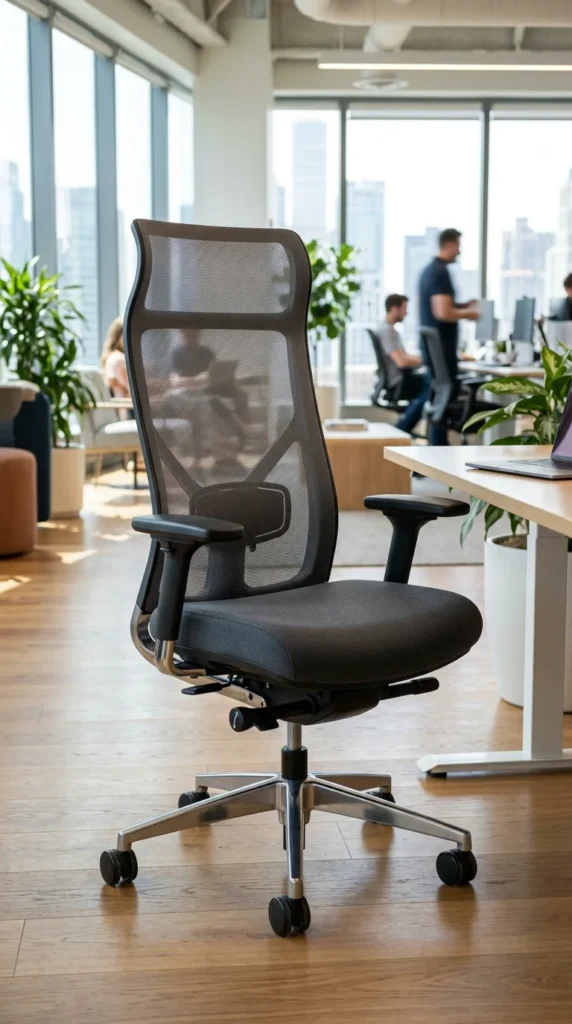
The mesh back chair is a staple for a reason. Its primary benefit is breathability. Traditional leather or fabric chairs can trap heat, leading to discomfort during long afternoons. The mesh material allows for constant airflow, keeping your back cool while providing a flexible, body-contouring support system that adapts to your spine’s natural curve.
2. Kneeling Chair

Kneeling chairs are designed to tilt the pelvis forward and encourage a more upright posture. By shifting some of your weight to your shins, these chairs reduce the pressure on your lower back. They are excellent for short bursts of deep work or for individuals looking to correct a chronic slouching habit.
3. Ball Chair
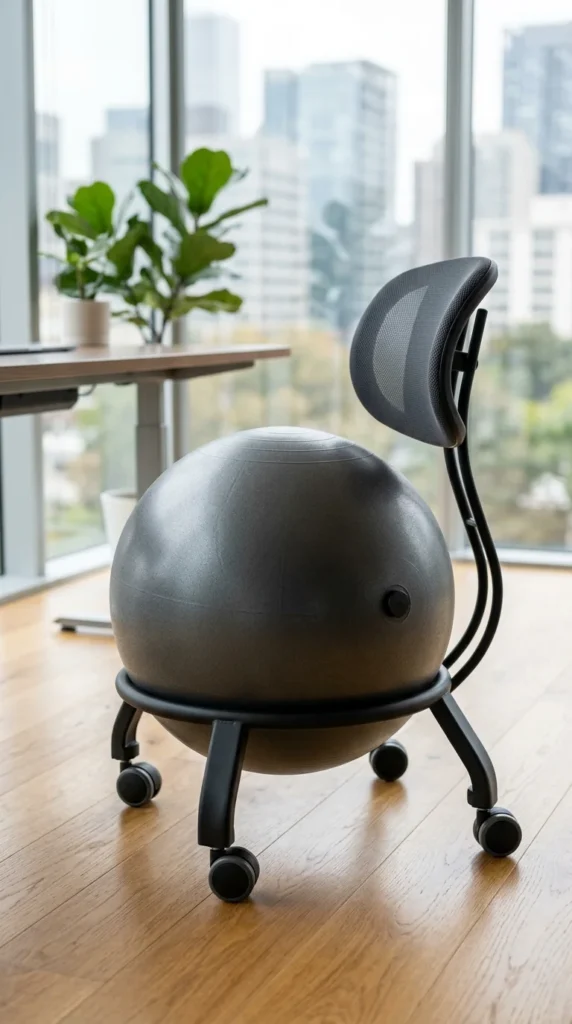
Often called a stability ball chair, this option turns sitting into a subtle workout. Because the ball is inherently unstable, your core muscles must remain engaged to keep you upright. This constant micro-movement improves circulation and prevents the stiffness often associated with traditional seating.
4. High-Back Executive
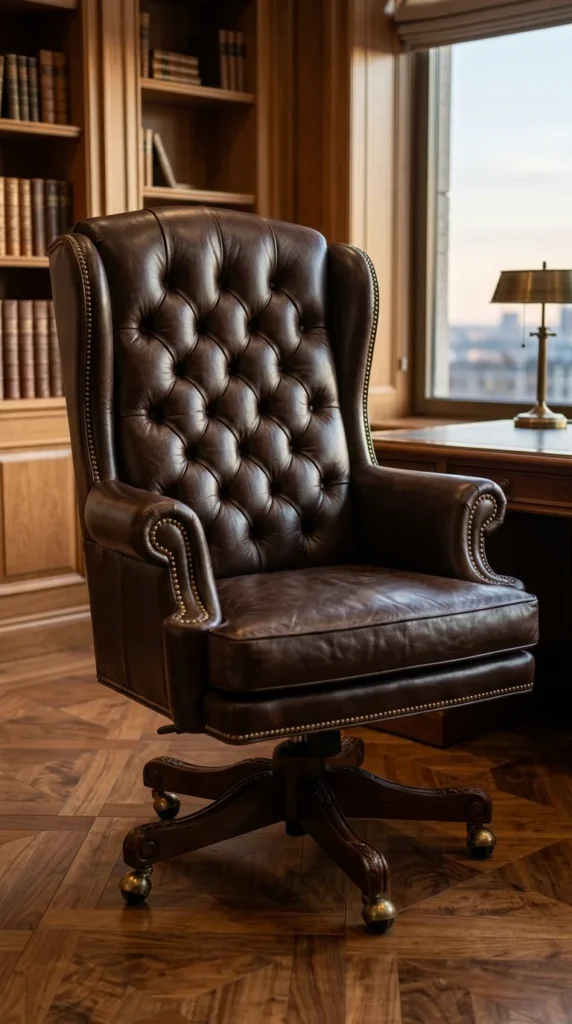
For those who require full-body support, the high-back executive chair is the gold standard. These chairs typically feature an integrated headrest and support for the entire length of the spine. They are ideal for taller individuals who find standard chairs lacking in shoulder and neck support.
5. Gaming Chair
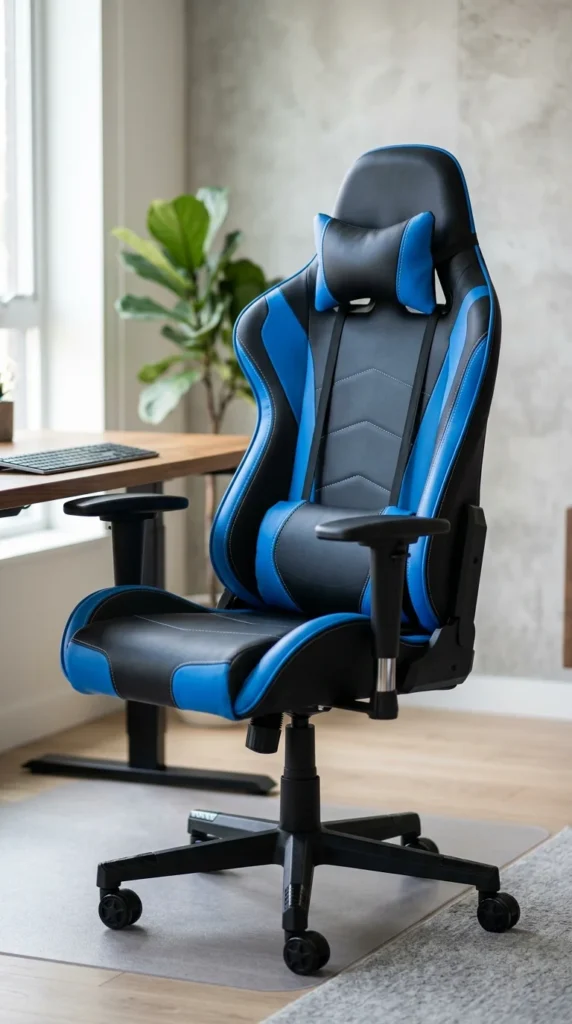
While originally designed for e-sports, gaming chairs have moved into the office space due to their extreme adjustability. They often feature 4D armrests (which move in four directions), significant reclining capabilities, and side bolsters that “hug” the user, providing a sense of security and stability during long sessions.
6. Saddle Chair
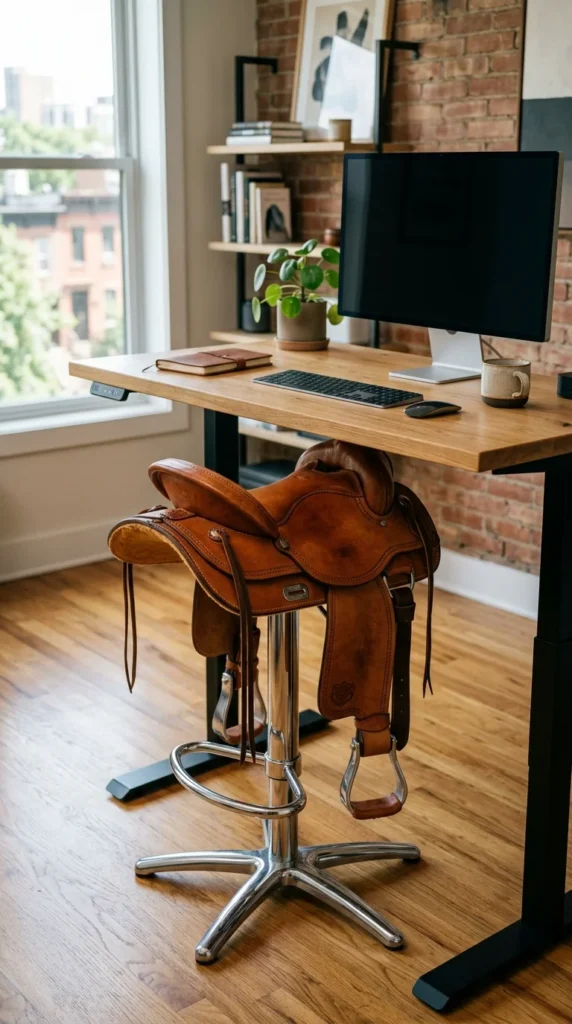
Saddle chairs are inspired by equestrian design. They force the legs into a wide, dropped position, which opens up the hips and keeps the spine in an optimal neutral curve. These are particularly popular among healthcare professionals and artists who need to remain mobile while seated.
7. Active Stool
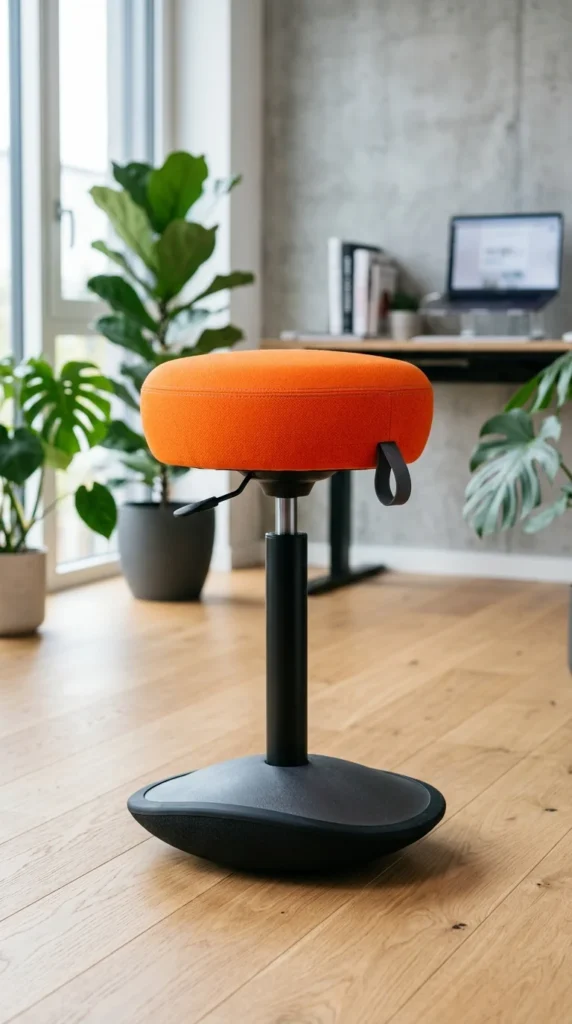
Active stools are built for the “sitter who can’t stay still.” Featuring a weighted, rounded base, these stools allow you to lean, swivel, and rock in every direction. They are perfect companions for standing desks, allowing you to take a “perch” break without fully committing to a seated position.
8. Lumbar Support Focus
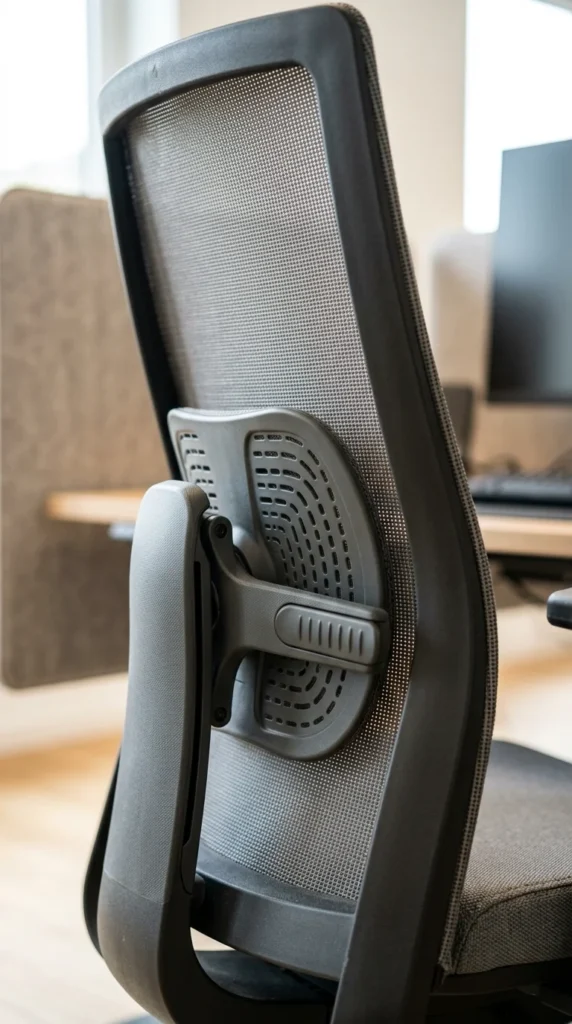
If lower back pain is your primary concern, look for a chair where the lumbar support is the star feature. Many modern chairs offer depth-adjustable lumbar modules that can be moved up, down, in, and out to fit the exact “S” curve of your lower spine, preventing the dreaded mid-day ache.
9. Leather Ergonomic
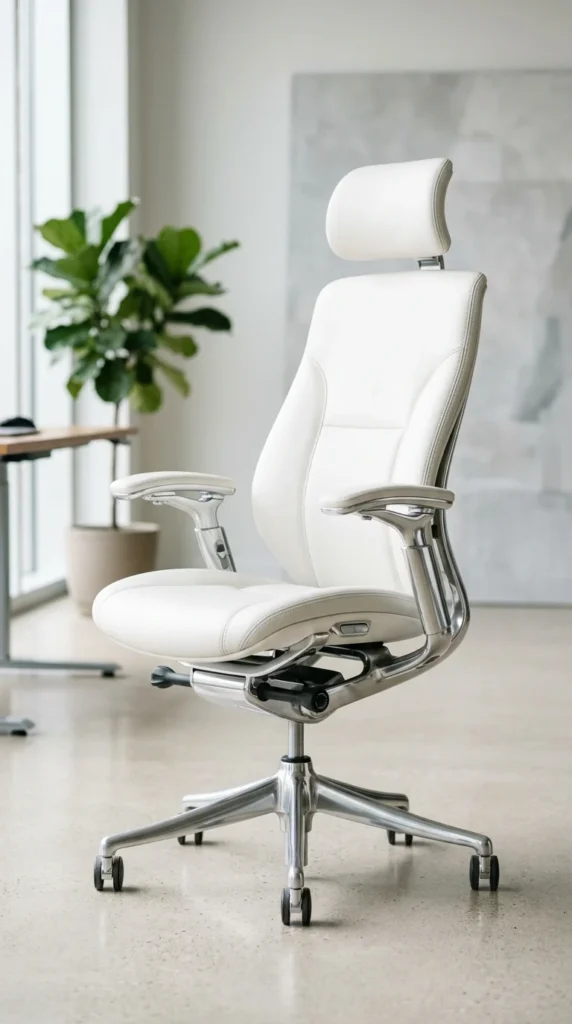
You don’t have to sacrifice style for ergonomics. High-end leather ergonomic chairs combine the aesthetic of a boardroom with the science of physical support. Look for “top-grain” or “nappa” leather options that offer durability and a soft touch, paired with internal synchronous tilt mechanisms.
10. Standing Desk Stool
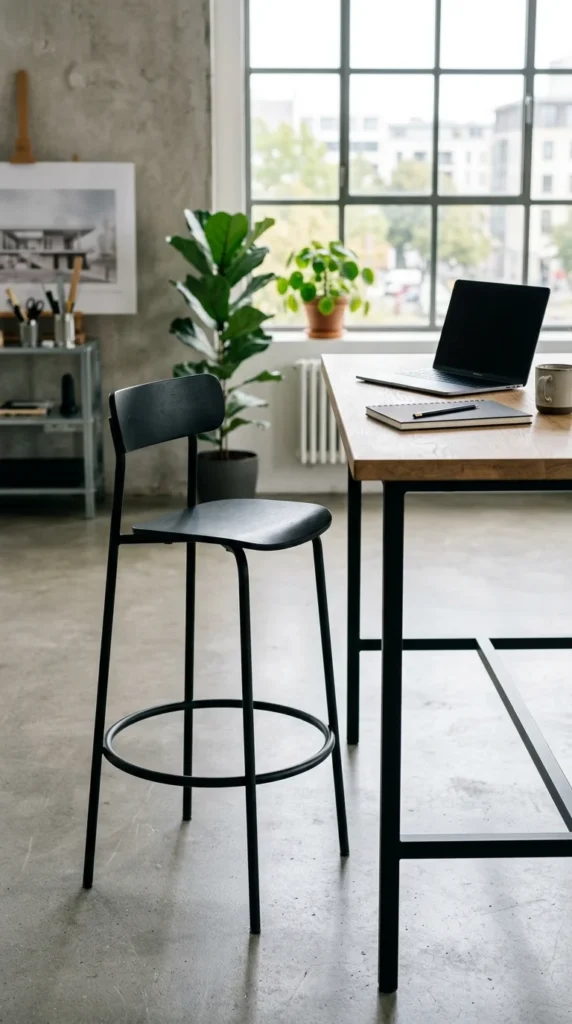
As standing desks become more common, the standing desk stool has emerged as a hybrid solution. These are typically taller than average chairs and feature a “perch” design. They allow you to rest your weight while maintaining a near-standing posture, making the transition between sitting and standing seamless.
11. Reclining Office Chair
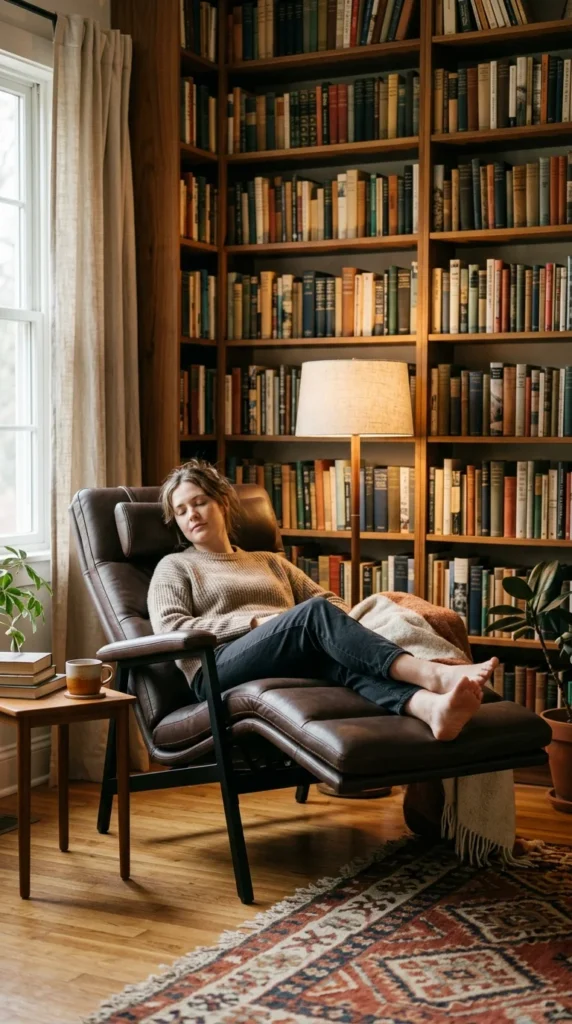
Sometimes, the best way to relieve spinal pressure is to change the angle of gravity. Reclining office chairs often come with an extendable footrest, allowing you to take “power naps” or work in a reclined position that mimics the “zero-gravity” posture used by astronauts to reduce physical stress.
12. Breathable Fabric
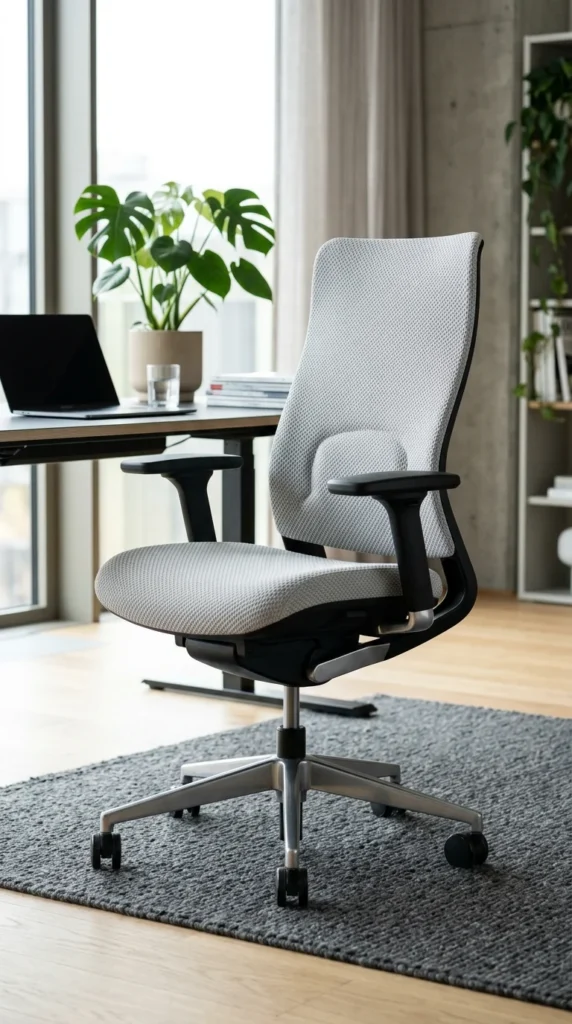
For those who find mesh too firm and leather too hot, breathable fabric chairs offer a middle ground. Advanced 3D-knit fabrics provide a soft, sofa-like feel while maintaining the structural integrity needed to support your weight throughout a long day.
13. Petite Ergonomic
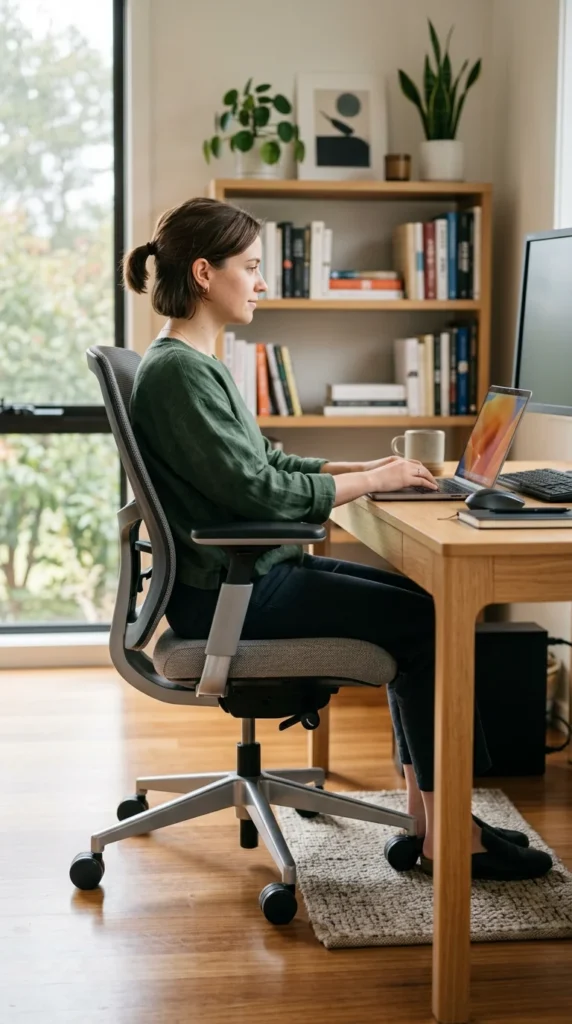
Standard chairs are often too deep for shorter individuals, leading to a loss of back support. Petite ergonomic chairs feature shorter seat pans and narrower armrest widths, ensuring that smaller users can sit all the way back against the lumbar support while keeping their feet flat on the floor.
14. Big and Tall
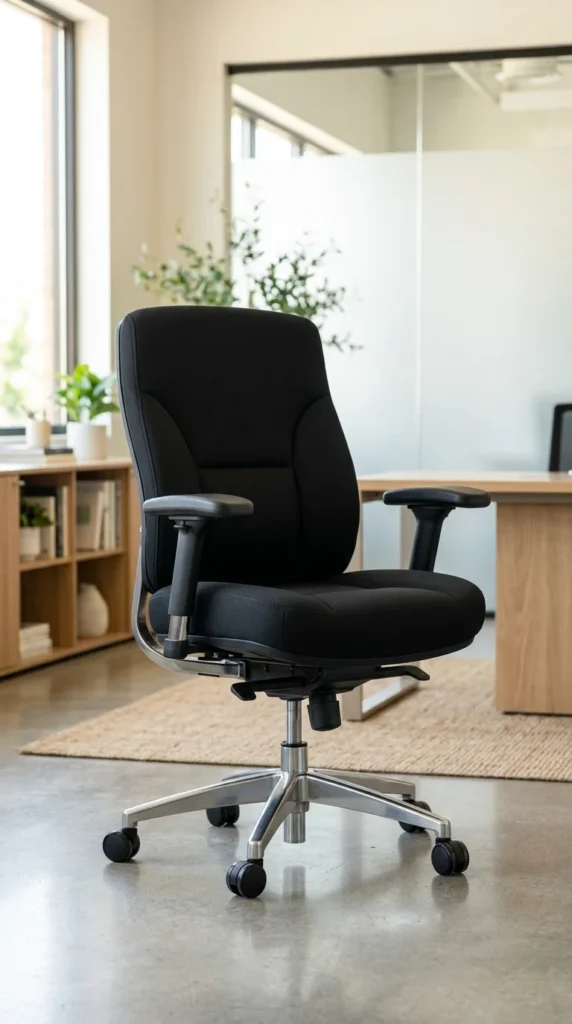
Standard office chairs are usually rated for up to 250 pounds. “Big and Tall” chairs are engineered with reinforced gas lifts, wider seat bases, and heavy-duty frames to support 350 to 500 pounds comfortably. They provide the necessary room and structural integrity for larger body types without compromising on ergonomic features.
15. Drafting Chair
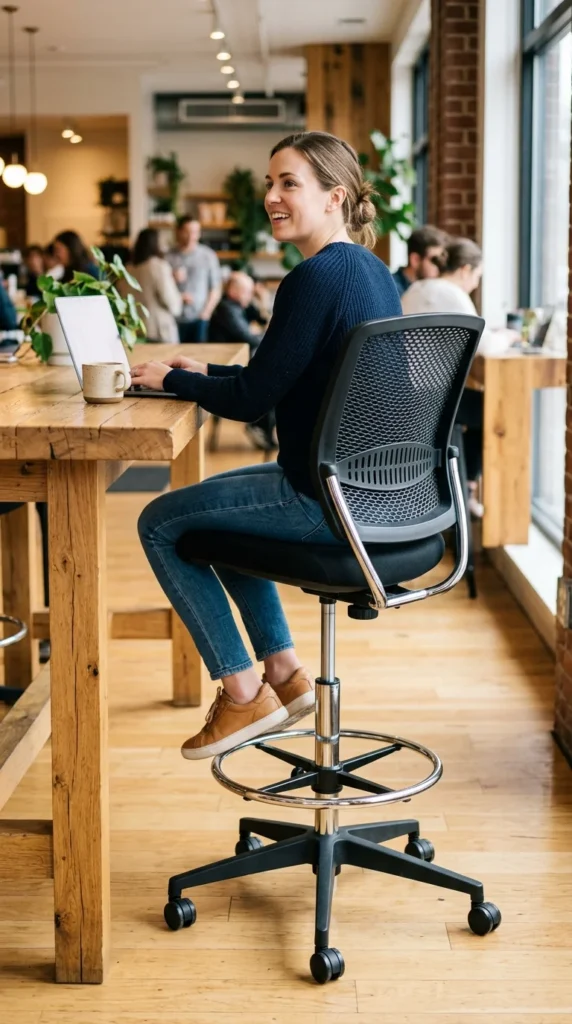
Drafting chairs are essential for architects, engineers, or anyone working at high surfaces. The key feature is the adjustable foot ring, which provides a place for your feet to rest when the chair is raised too high for them to touch the ground, preventing circulation issues in the legs.
16. Swivel Task Chair
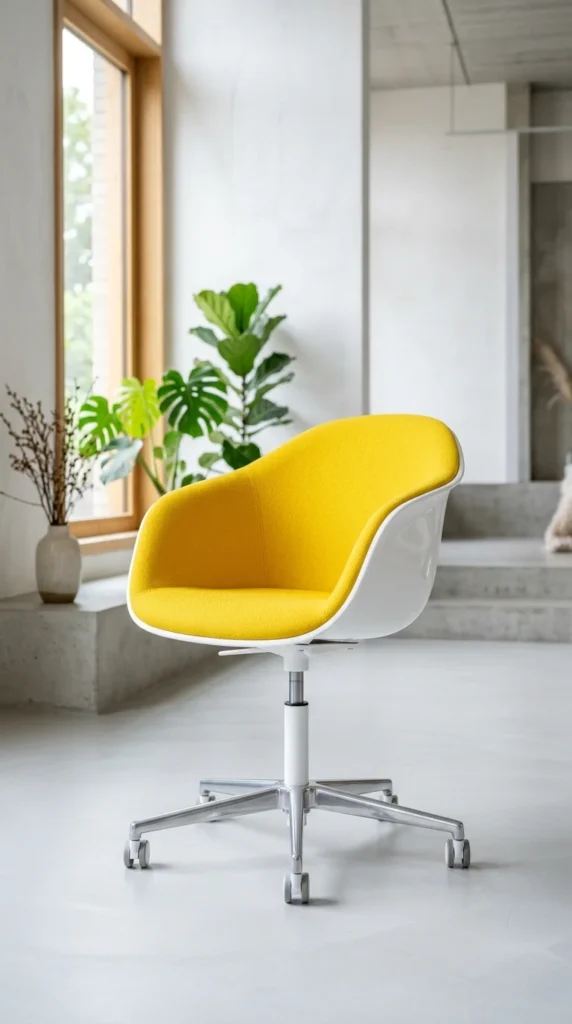
A swivel task chair is designed for agility. If your job requires you to move between different monitors, printers, or filing cabinets, a 360-degree swivel mechanism ensures you don’t have to twist your spine awkwardly. These chairs are generally lightweight and have a smaller footprint, making them ideal for tight spaces.
17. Eco-Friendly Chair
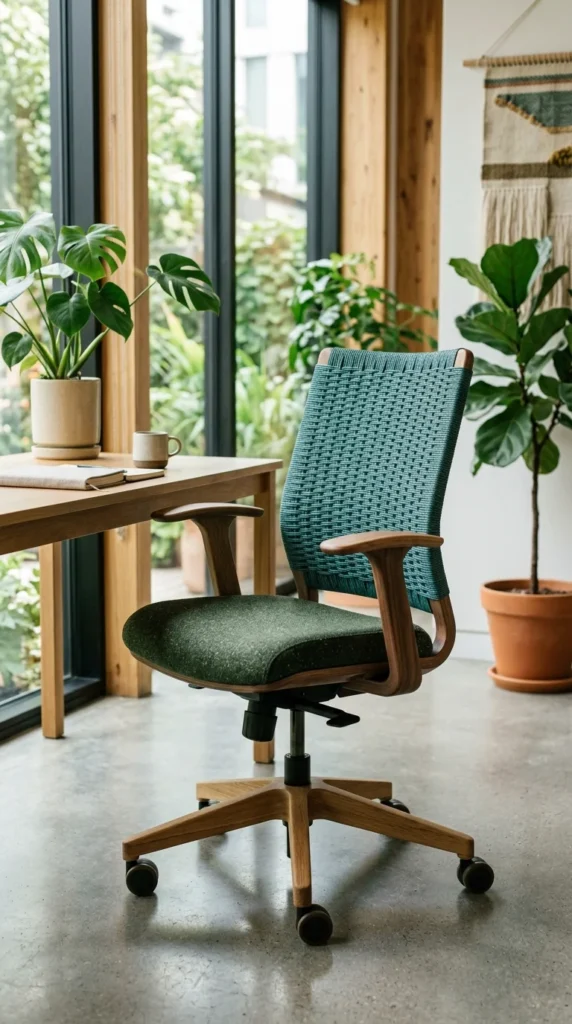
Sustainability meets comfort in the eco-friendly chair category. These chairs are often made from recycled plastics, sustainable wood, or biodegradable fabrics. Choosing one reduces your environmental footprint while providing a high-performance seating solution that is free from harmful chemicals or off-gassing.
18. Memory Foam Seat
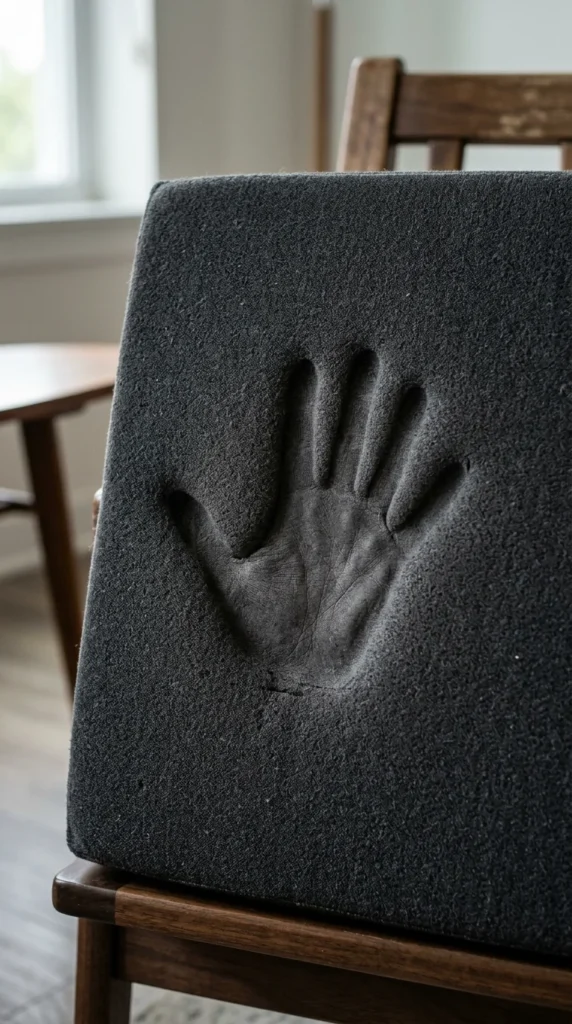
The seat pan is where you feel the most pressure. Chairs equipped with high-density memory foam distribute weight evenly across the sit bones. This material contours to your specific shape and regains its form after use, preventing the “bottoming out” feeling common in cheaper foam chairs.
19. Synchro-Tilt Chair
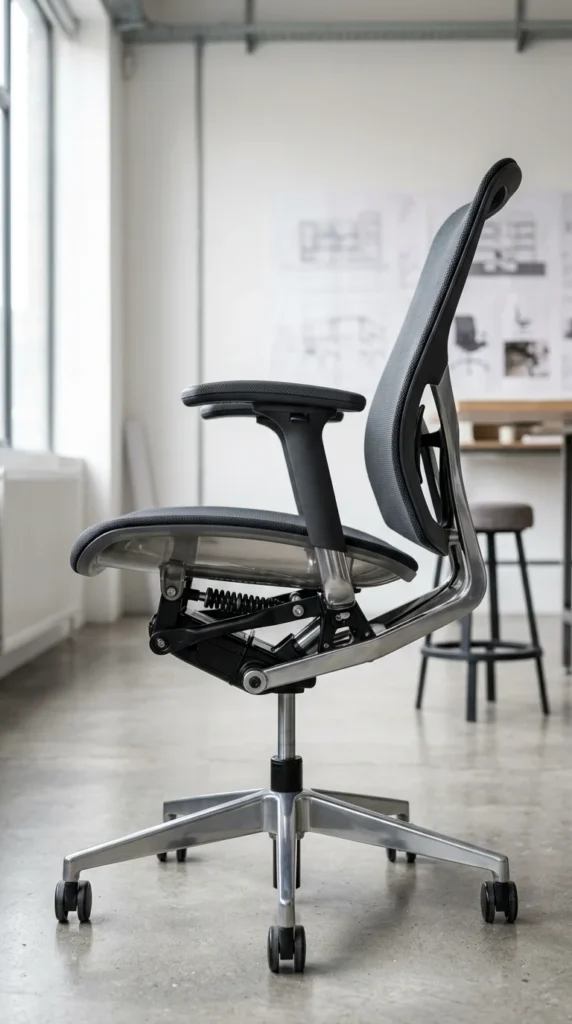
Synchro-tilt is a premium ergonomic feature where the backrest and the seat move in a fixed ratio (usually 2:1). As you lean back, the seat tilts only slightly, keeping your feet on the floor and your torso open. This maintains proper posture throughout the entire range of motion.
20. Armless Task Chair
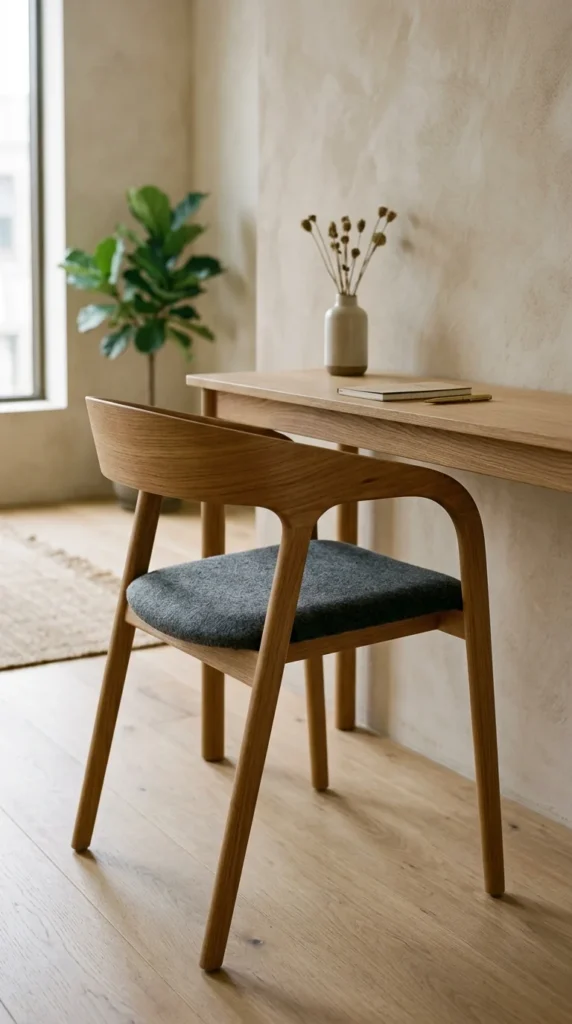
Armrests can sometimes get in the way, especially if you need to sit very close to your desk or if you use a keyboard tray. Armless chairs offer total freedom of movement for your upper body and allow the chair to be tucked completely under the desk when not in use, saving valuable floor space.
21. Multi-Functional Hybrid
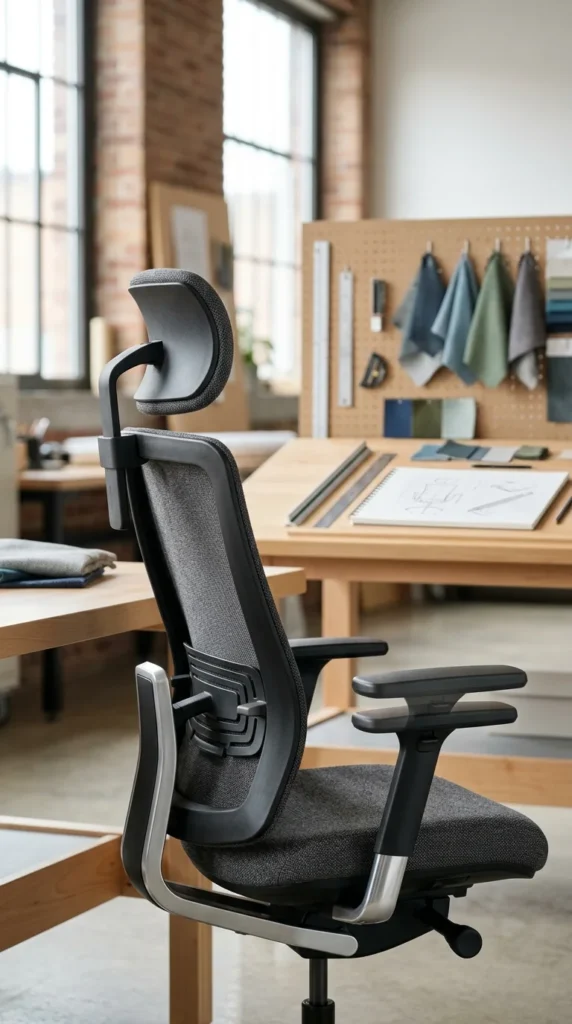
Multi-functional chairs are designed to be “one size fits all” through extreme customization. Every part—from the headrest to the seat depth to the armrest width—is adjustable. These are the best options for shared workspaces where different people use the same chair throughout the week.
22. Waterfall Seat Edge
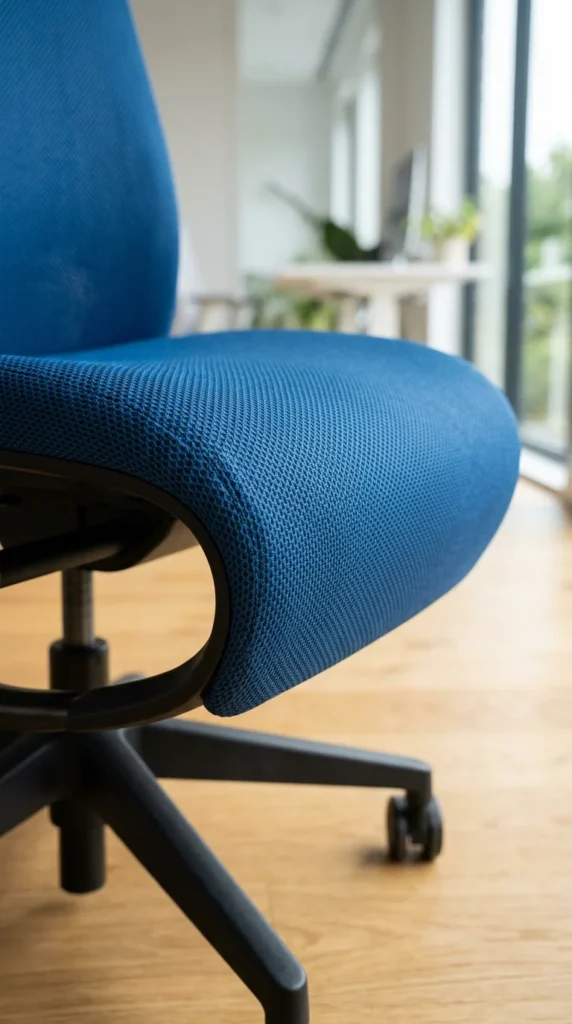
The “waterfall” edge refers to the front of the seat pan being rounded downward. This design choice is crucial for circulation. It prevents the edge of the chair from pressing into the back of your knees, which can lead to leg numbness and long-term vein issues.
23. Headrest Integrated
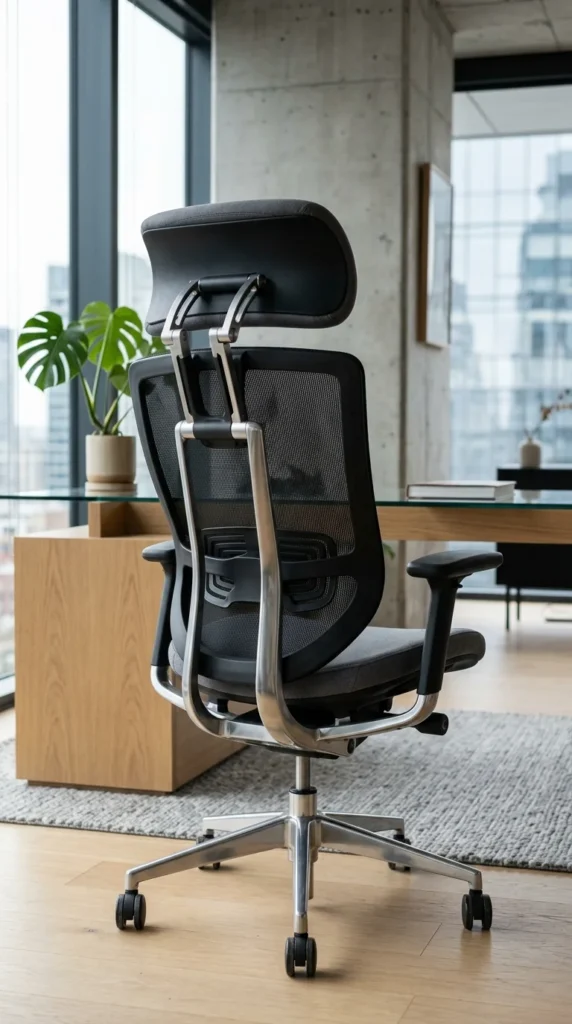
An integrated headrest provides vital support for the cervical spine. It allows you to rest your head while reading or during phone calls, taking the weight off your neck muscles. Look for headrests that are adjustable in both height and angle to ensure they hit the base of your skull perfectly.