
A cluttered desk is more than just an eyesore; it is a productivity killer. When your physical space is chaotic, your mental space often follows suit. Whether you are working from a corporate office or a cozy home setup, the way you organize your surface can dictate your focus, creativity, and overall stress levels. Transitioning from a messy “catch-all” surface to a streamlined workstation doesn’t require a total office renovation. Often, it is the small, strategic additions that make the biggest impact.
Here are 25 desk organization ideas designed to reclaim your workspace and boost your efficiency.
1. Monitor Stands
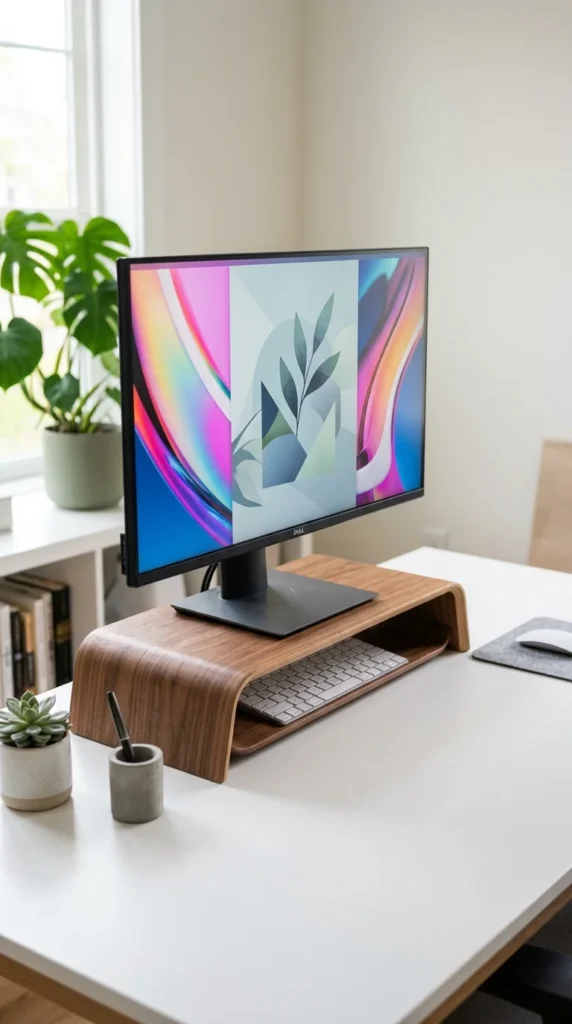
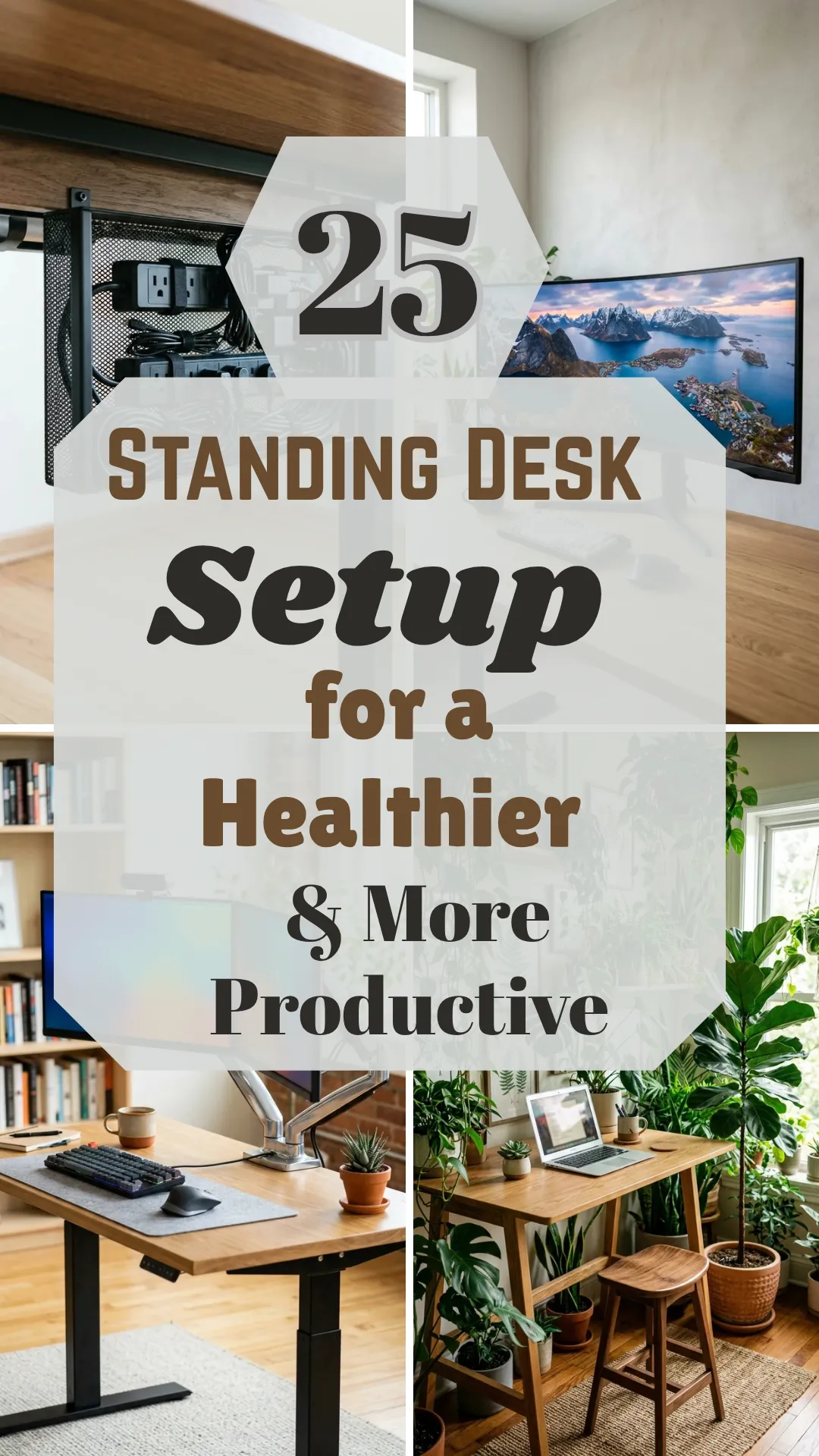
One of the easiest ways to gain real estate on your desk is to go vertical. A monitor stand raises your screen to a healthier ergonomic height while creating a “garage” underneath. This hidden space is perfect for stashing your keyboard, mouse, or notebook when you need clear surface area for non-computer tasks.
2. Cable Sleeves
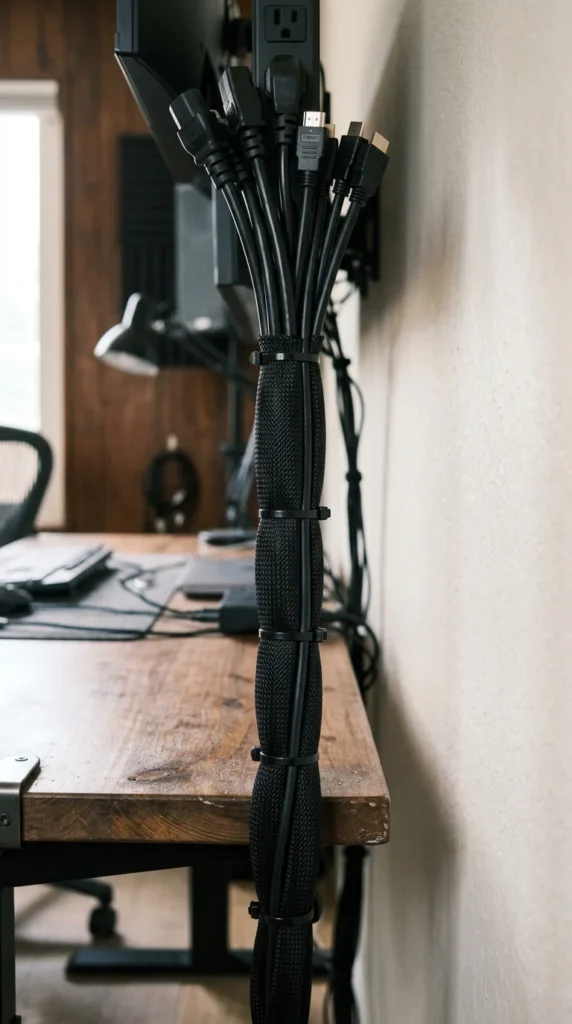
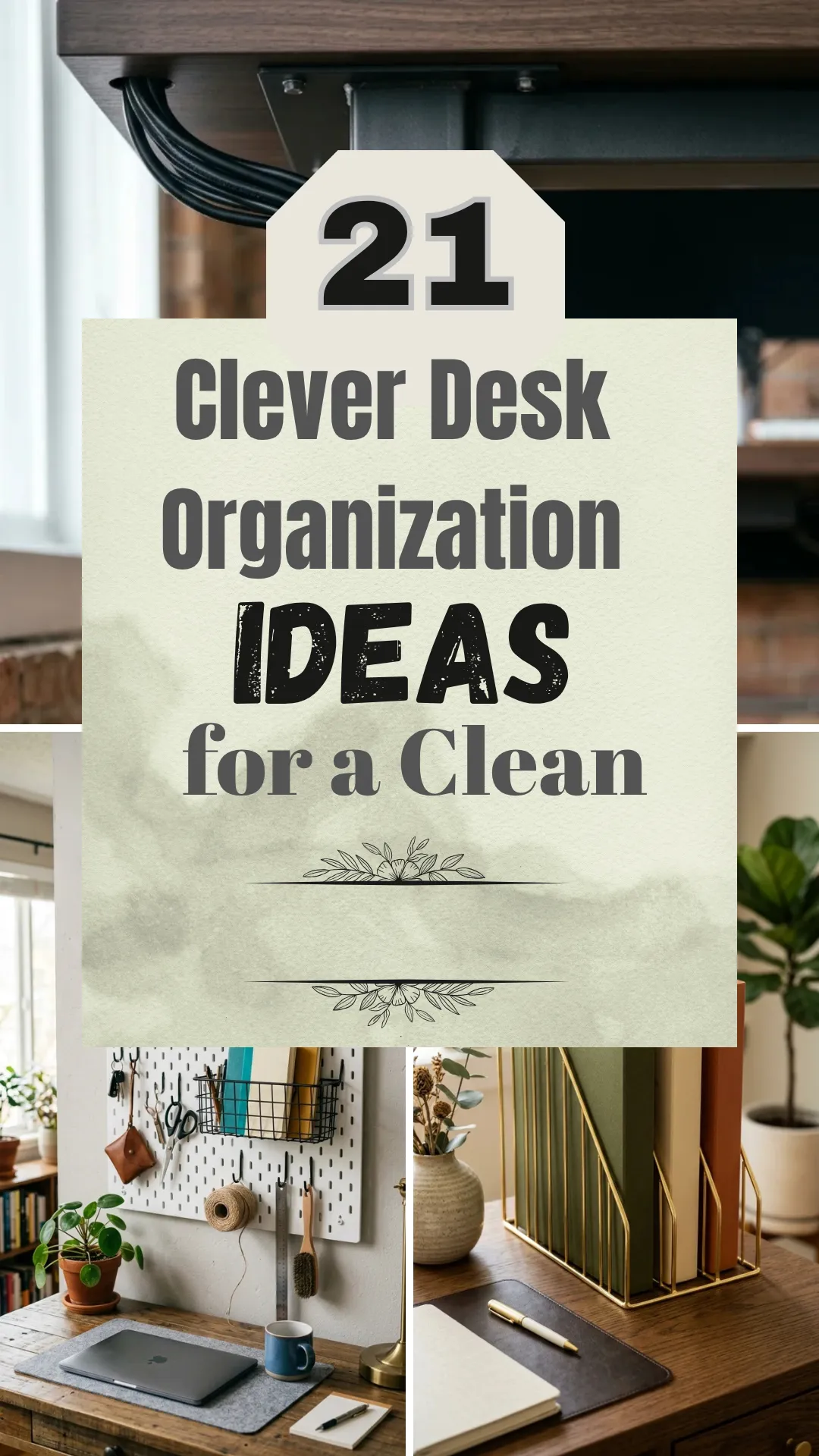
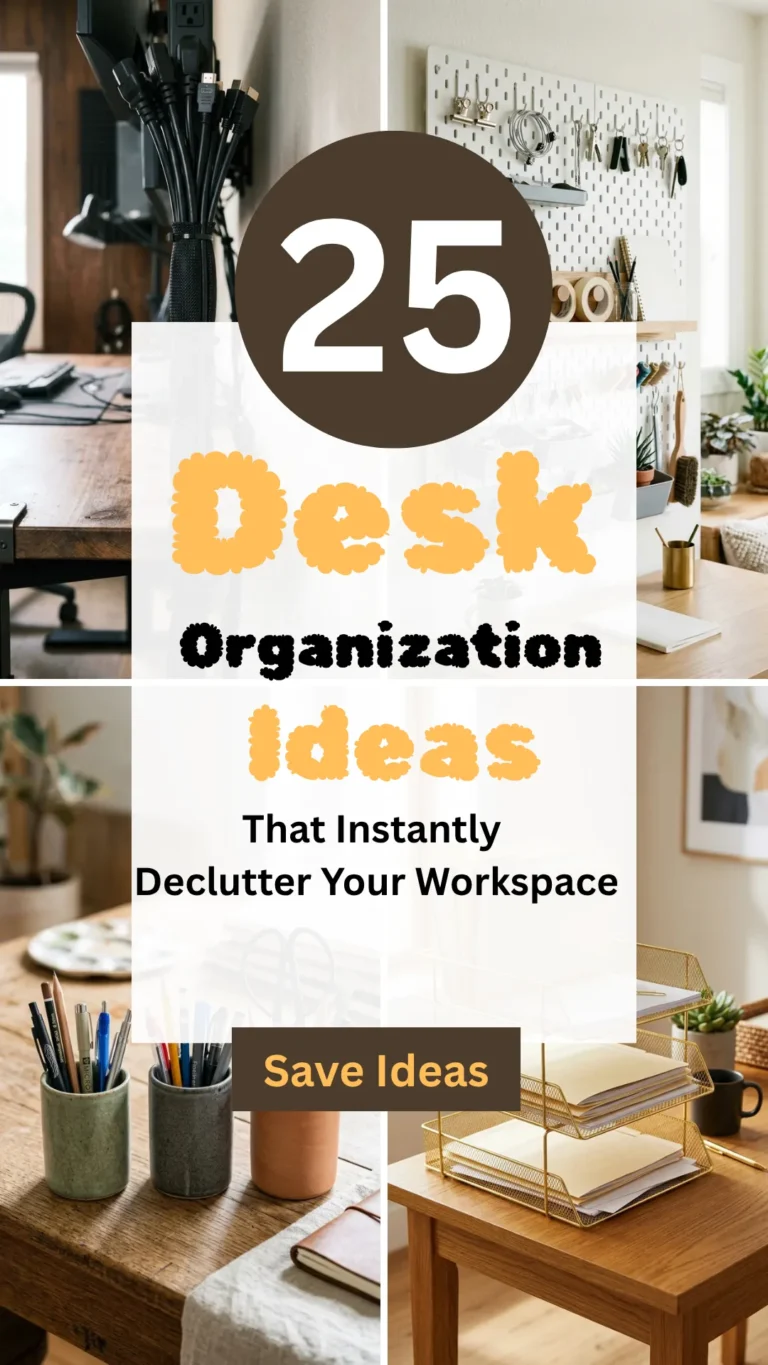
Nothing ruins the aesthetic of a clean desk like a “spaghetti” mess of wires hanging off the back. Cable sleeves allow you to bundle multiple cords into one sleek tube. This not only looks better but also prevents dust buildup and accidental unplugging when you move your feet.
3. Pegboards
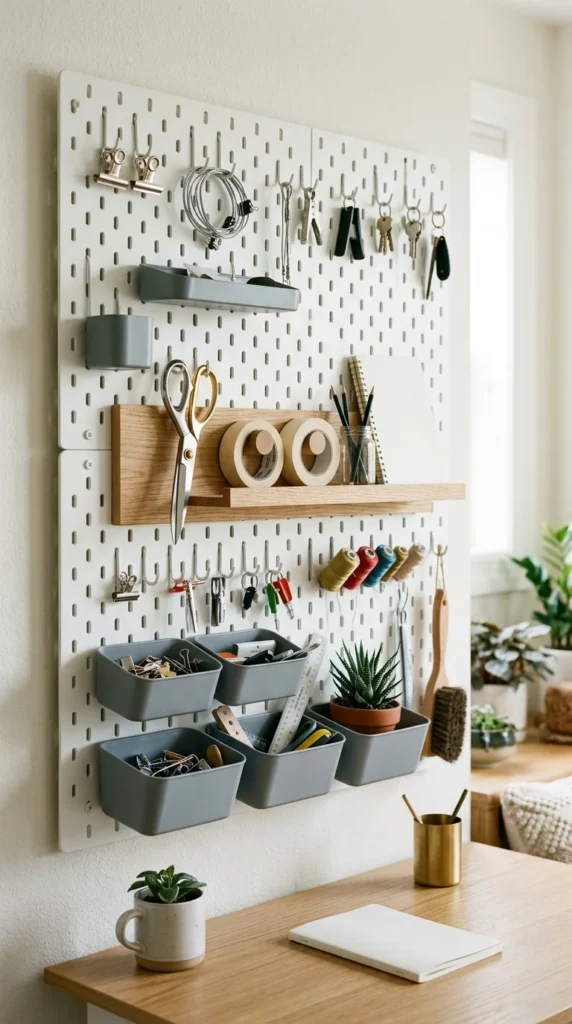
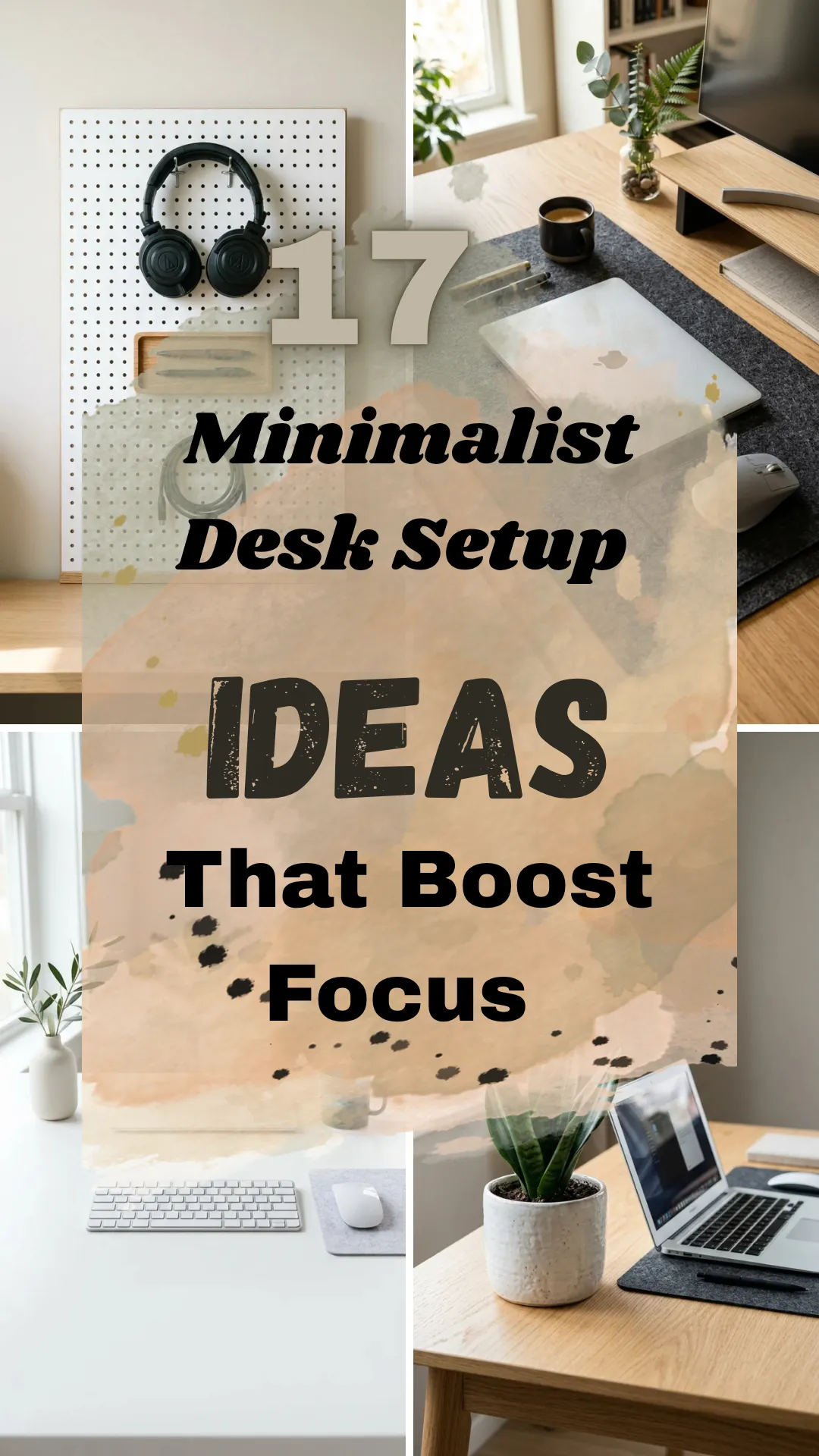
Pegboards are the ultimate modular solution. By moving your supplies to the wall, you keep your desk surface completely clear. You can rearrange hooks, shelves, and baskets as your needs change, making it a living organization system that grows with your workflow.
4. Drawer Dividers
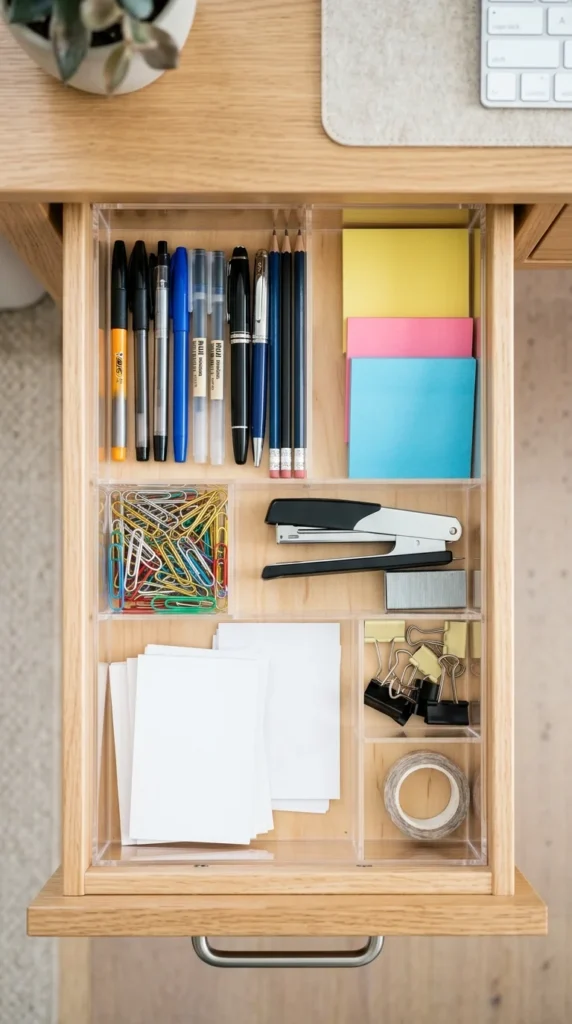
If your desk drawer has become a “junk drawer,” dividers are the cure. Instead of digging through a pile of loose items, use adjustable partitions to give every tool a home. This ensures that even the smallest paperclip has a designated spot, preventing the chaotic shift of items every time you open the drawer.
5. Desktop Trays
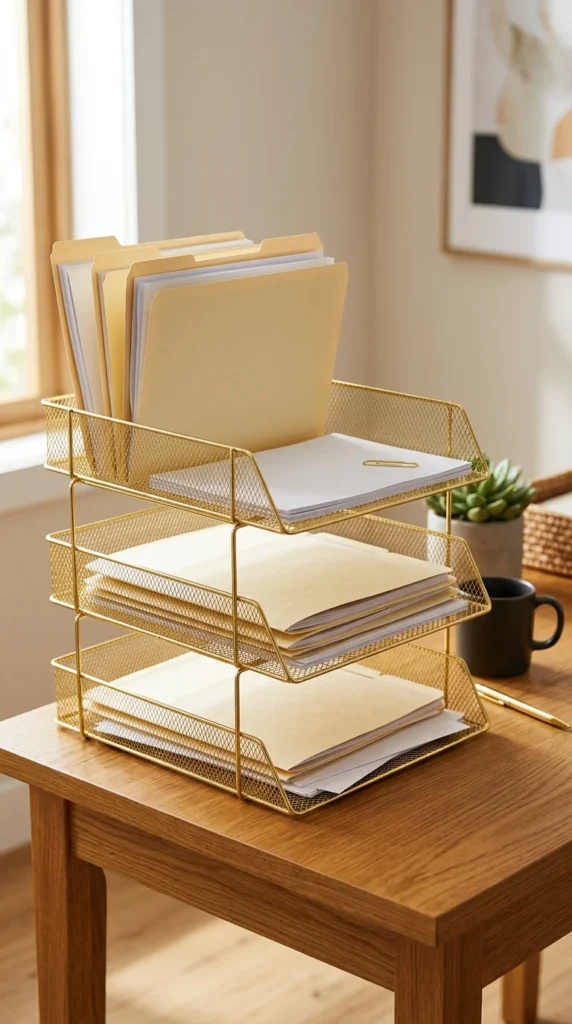
Paperwork is often the primary source of desk clutter. Horizontal or vertical trays allow you to categorize incoming mail, active projects, and “to-be-filed” documents. By siloing your papers, you prevent the dreaded “mountain of sheets” that usually hides your desk’s surface.
6. Headphone Stands
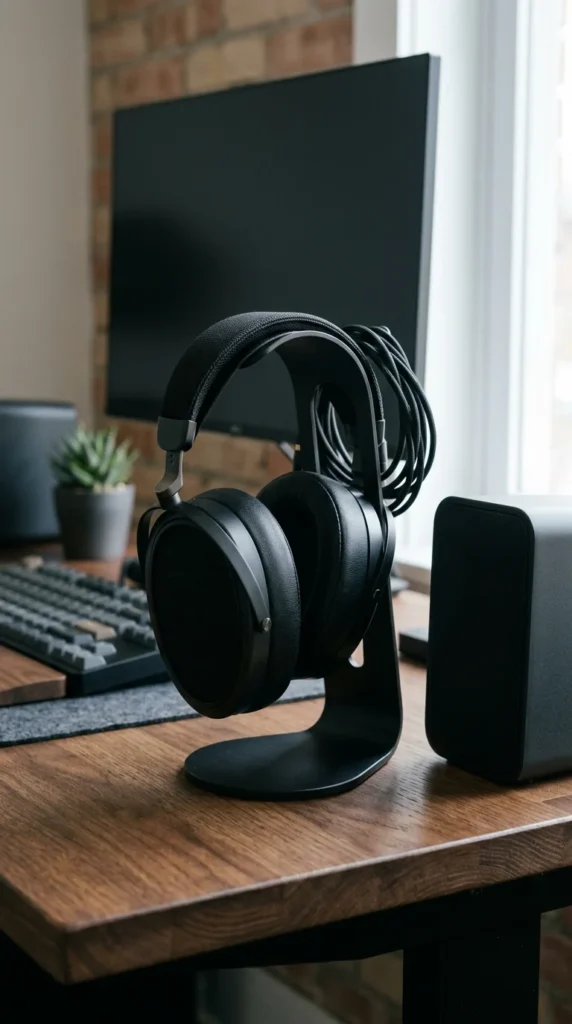
Headphones are bulky and take up significant space when laid flat. A dedicated stand keeps them accessible and protected while maintaining a slim profile on your desk. Some stands even come with built-in USB hubs for extra charging utility.
7. Keyboard Trays
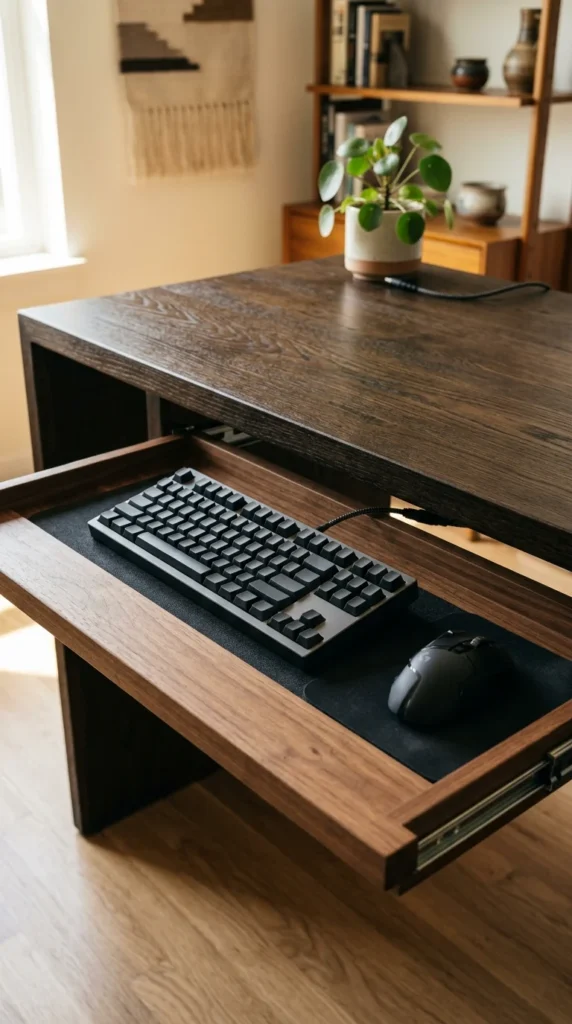
For those with smaller desks, an under-desk keyboard tray is a game-changer. It frees up the entire main surface for writing or sketching and improves ergonomics by keeping your elbows at a 90-degree angle. When work is over, you simply slide it out of sight.
8. Wall Shelves
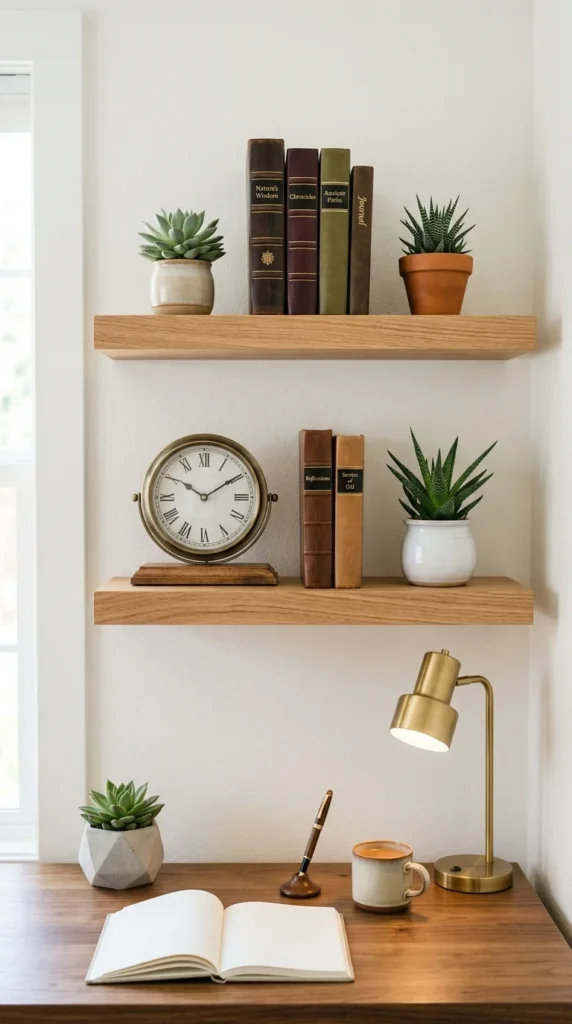
If you have items that you don’t use every hour but still want nearby, look up. Floating shelves provide a place for reference books, speakers, or decor that would otherwise take up valuable surface area. It also adds a vertical design element to your room.
9. Laptop Docks
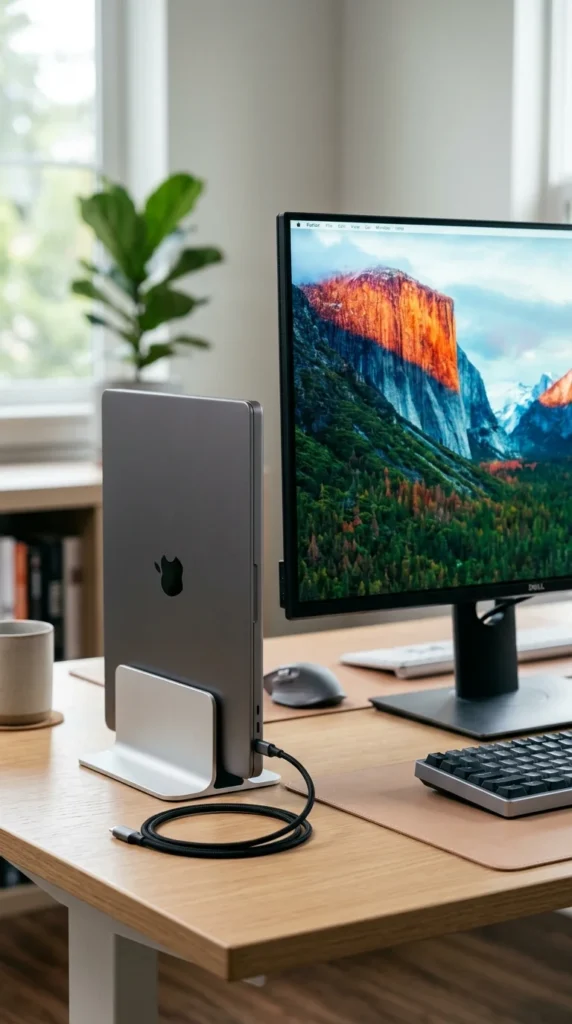
If you use your laptop with an external monitor, don’t let it take up half your desk in “clamshell” mode. A vertical dock holds the laptop upright like a book, reducing its footprint by nearly 80%. It’s a sleek, modern way to keep your tech organized and ventilated.
10. Tech Organizers
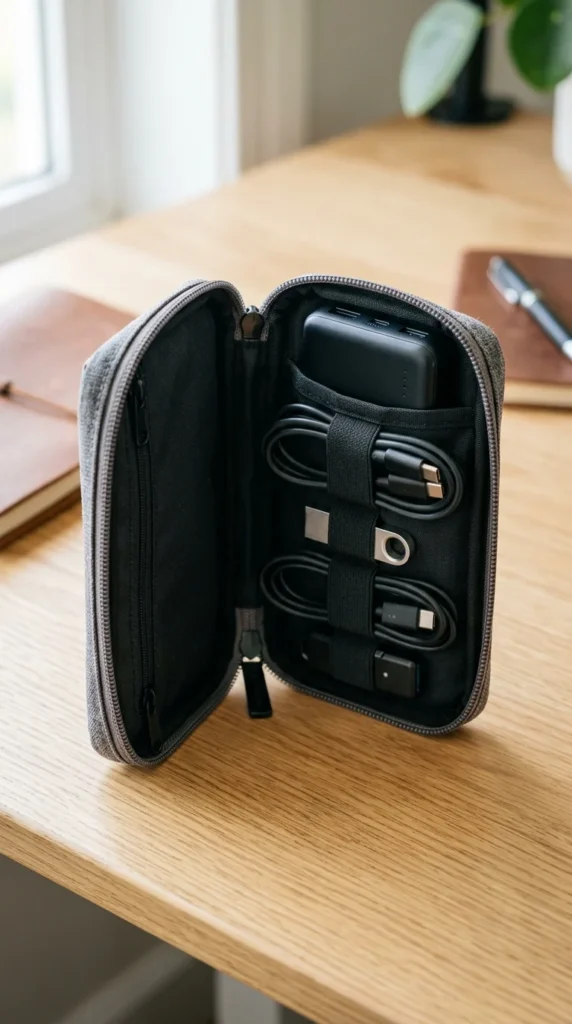
Avoid the “cable graveyard” in your drawers. A dedicated tech pouch or organizer box keeps chargers, dongles, and adapters in one place. This is especially useful for hybrid workers who need to pack their essentials quickly to move between home and the office.
11. Desk Mats
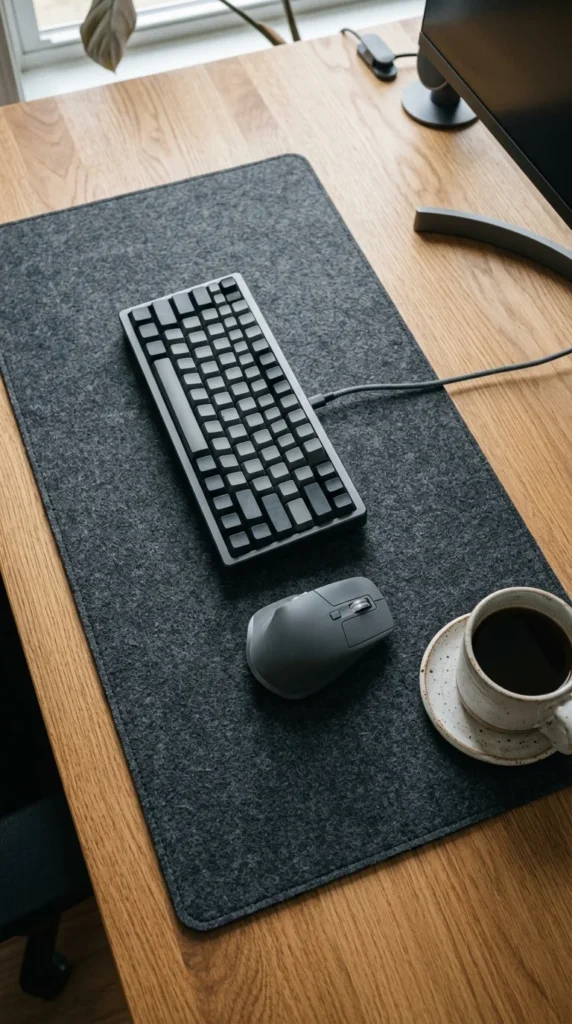
A desk mat does more than protect your furniture; it creates a “zone.” Psychologically, the mat defines your work area. Anything outside the mat is extra space, helping you subconsciously keep your most-used items within the borders of the felt or leather surface.
12. Pencil Cups
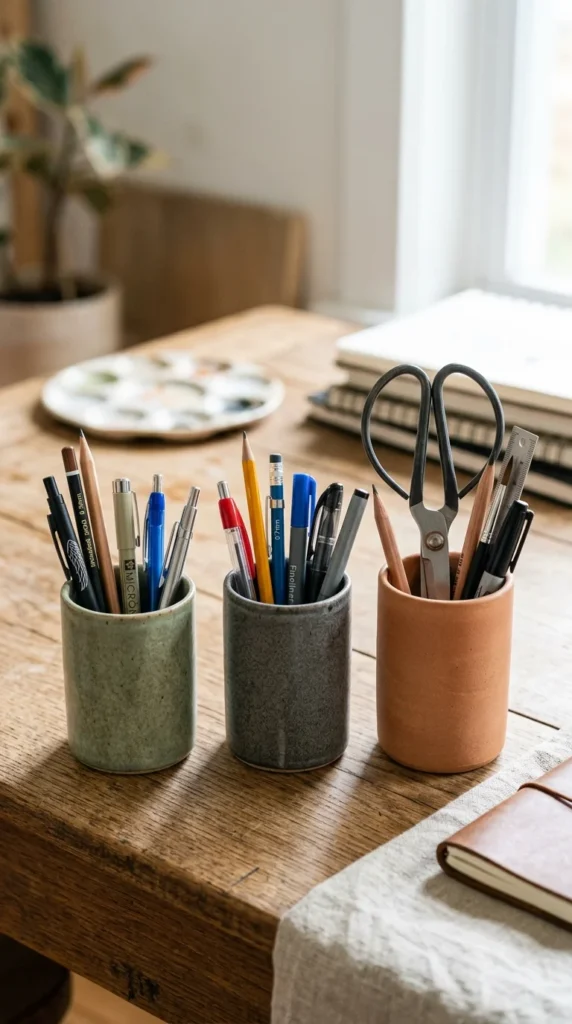
While simple, the classic pencil cup remains a staple for a reason. To make it more effective, choose a weighted version that won’t tip over. Grouping your writing utensils vertically prevents them from rolling around and getting lost under papers.
13. Under-Desk Drawers
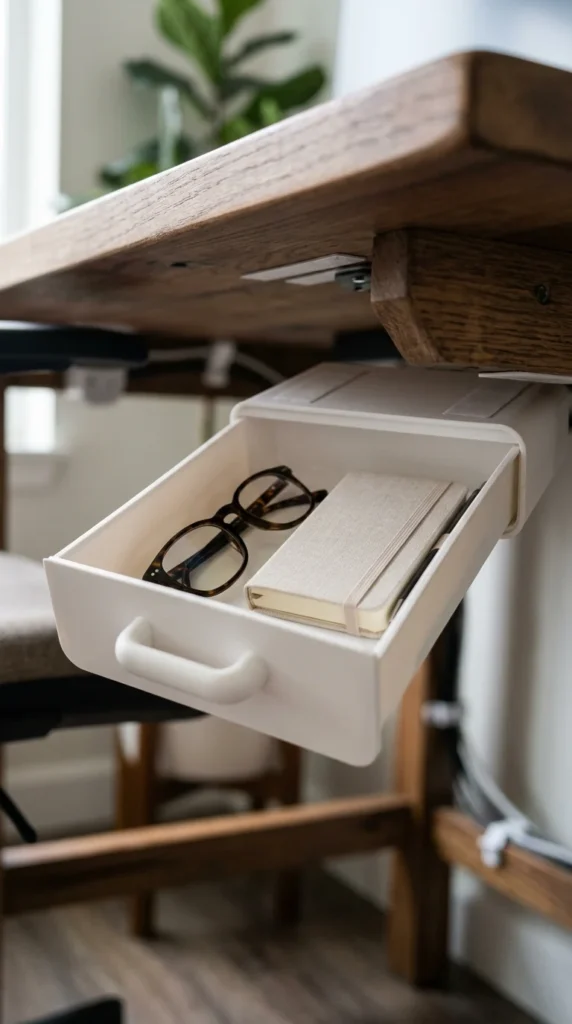
Many modern desks (especially standing desks) lack built-in storage. Adhesive under-desk drawers can be added to any flat surface to hold small essentials like lip balm, USB drives, or extra pens, keeping the top of the desk looking pristine.
14. Magnetic Strips
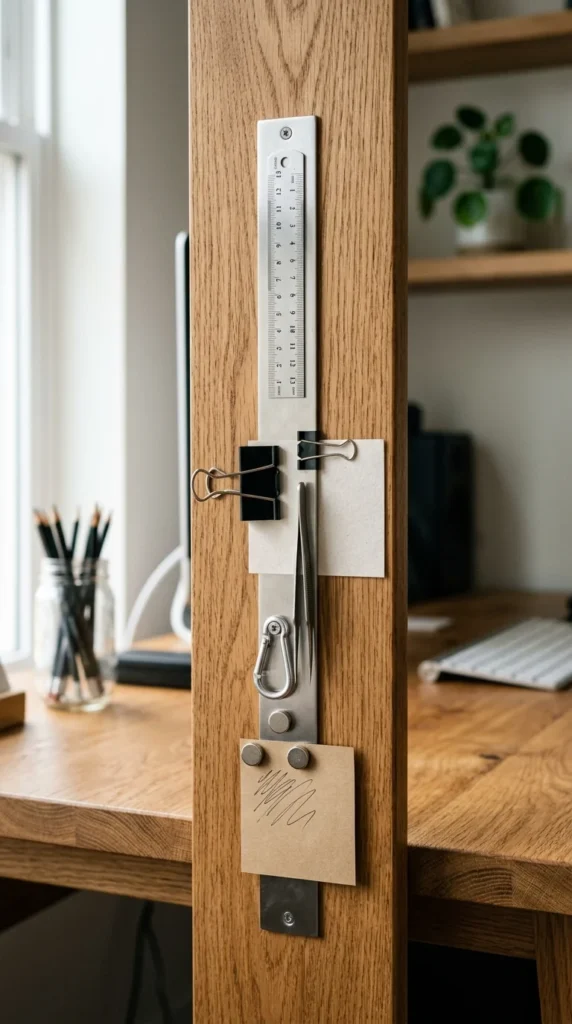
Small metal items like paperclips, bobby pins, and scissors are notorious for disappearing. A magnetic strip—either on the wall or the side of the desk—provides a “gravity-defying” storage solution that keeps these items visible and within reach.
15. Desktop Bookcases
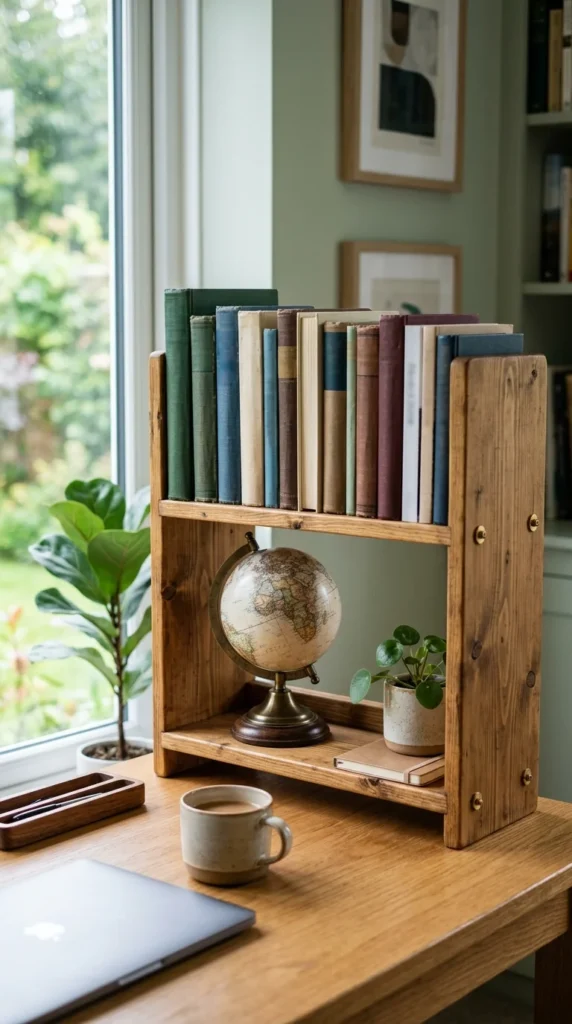
If you are a heavy researcher or student, you likely have books scattered everywhere. A mini desktop bookcase keeps your current reads upright and organized without requiring you to get up and walk to a large bookshelf across the room.
16. Cable Clips
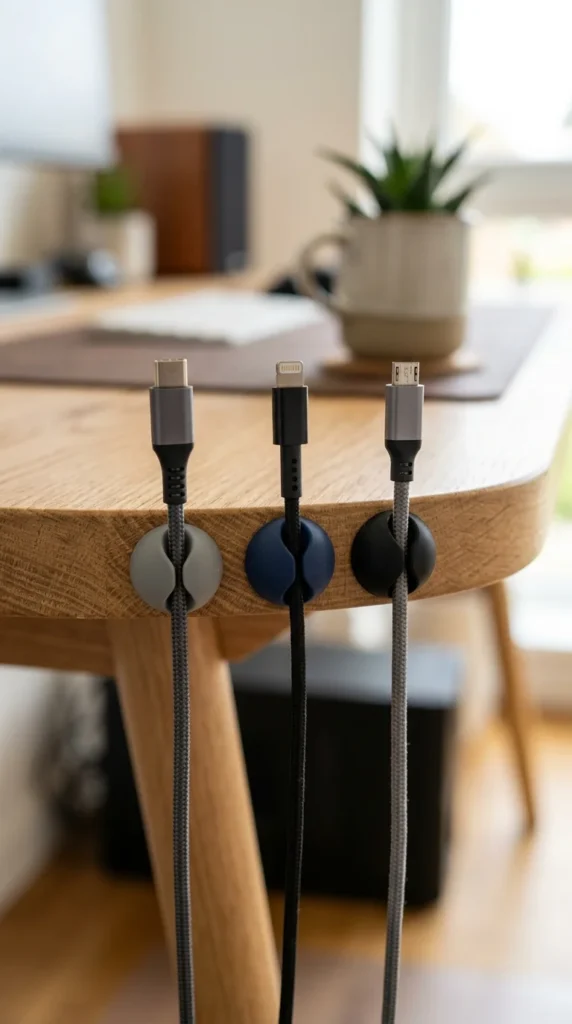
Stop diving under your desk to find your phone charger. Small adhesive cable clips hold the ends of your cords at the edge of the desk. When you unplug your device, the cord stays right where you left it, ready for the next use.
17. File Folders
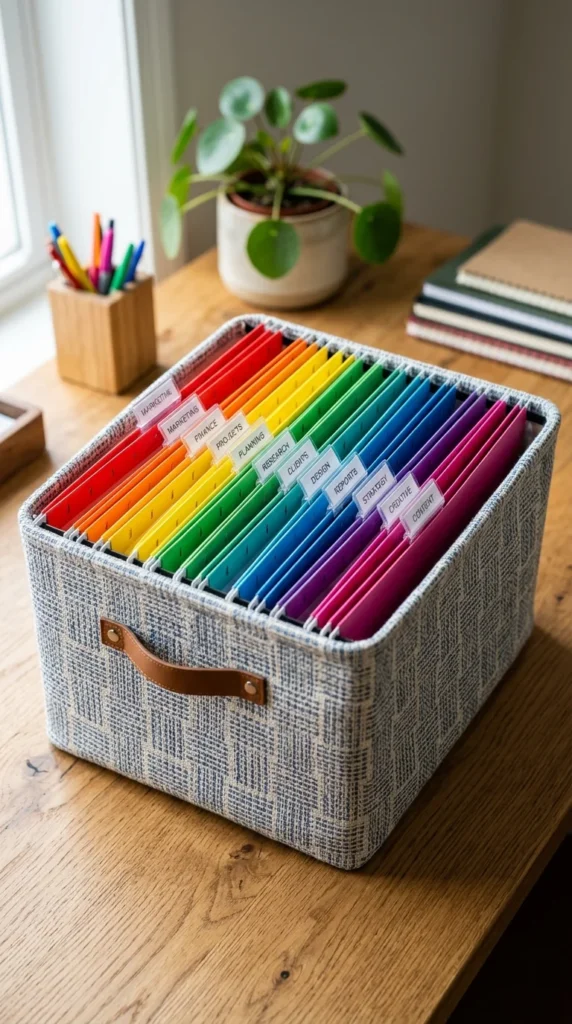
Even in a digital world, physical files exist. Using a color-coded filing system allows you to find important documents in seconds. Whether it’s tax forms, contracts, or inspiration clippings, keep them vertical and labeled to avoid the “horizontal stack” trap.
18. Sticky Note Holders
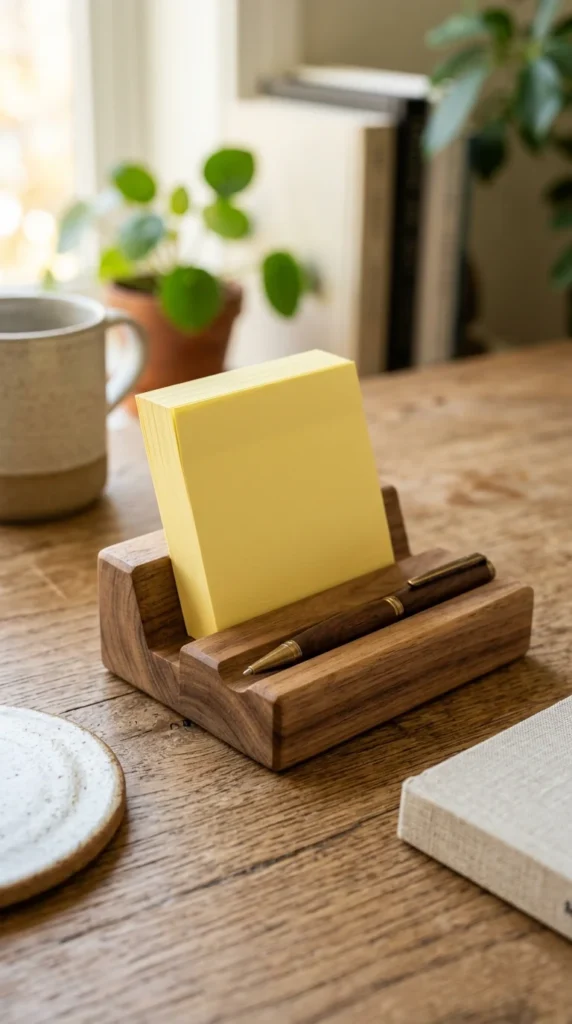
Sticky notes are great for reminders but messy when they are stuck all over your monitor frame. A dedicated holder gives you a centralized place to keep your pads, making it easier to jot down a quick thought without hunting for a blank sheet.
19. Cord Boxes
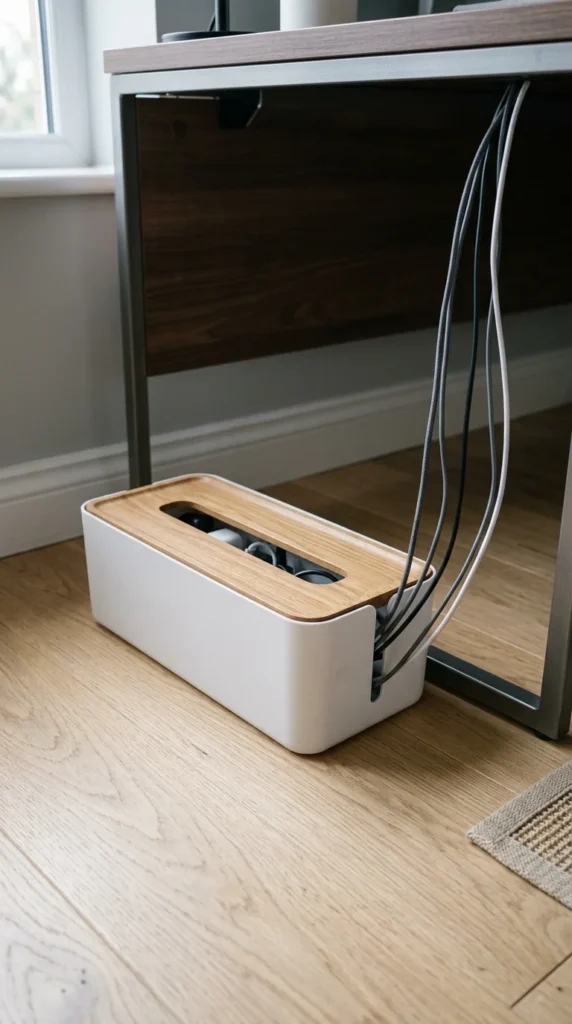
Power strips are ugly and attract dust bunnies. A cord management box hides the entire strip and the bulky “bricks” of your chargers. The result is a clean look at floor level that makes the entire room feel more organized.
20. Task Lighting
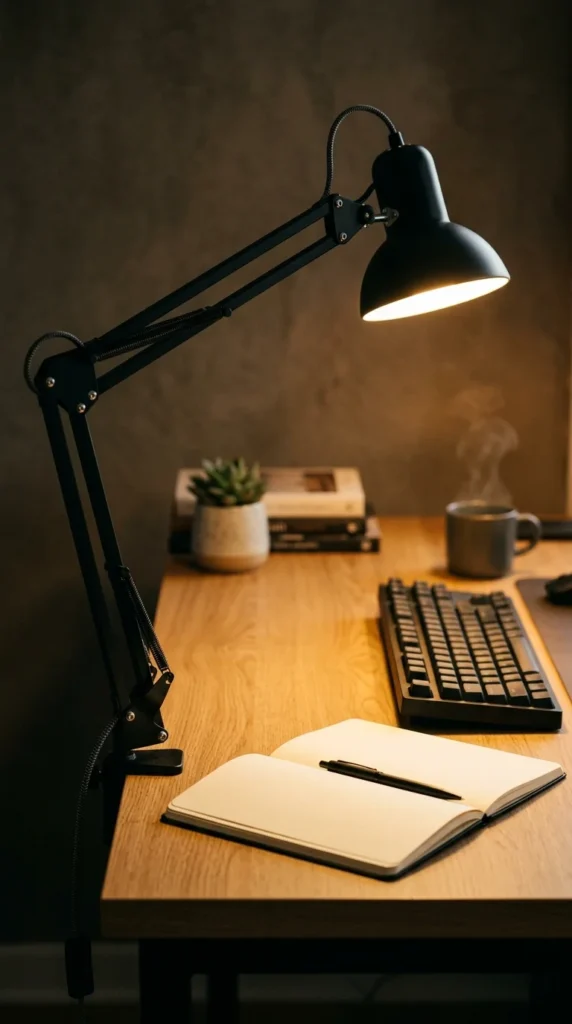
Good lighting is an organizational tool. A dedicated task lamp helps define your workspace and reduces eye strain. By choosing a lamp with a small base or one that clamps to the side of the desk, you save space while improving the functionality of your area.
21. Desk Plants
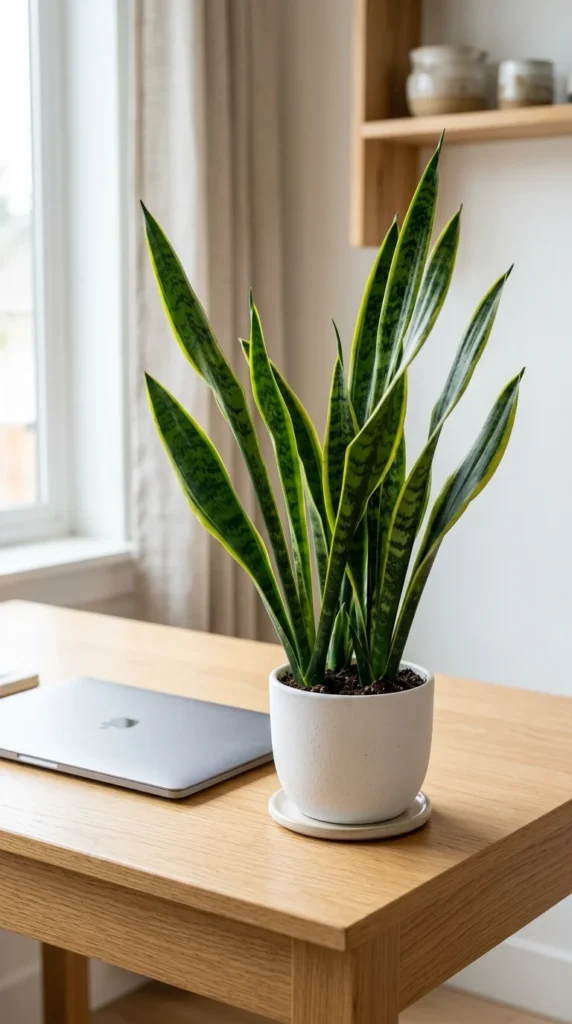
While not “storage,” plants are essential for a healthy workspace. They provide a visual break from the sea of plastic and metal. A small succulent or low-maintenance plant can boost your mood and make your organized space feel more inviting and less like a sterile cubicle.
22. Rolling Carts
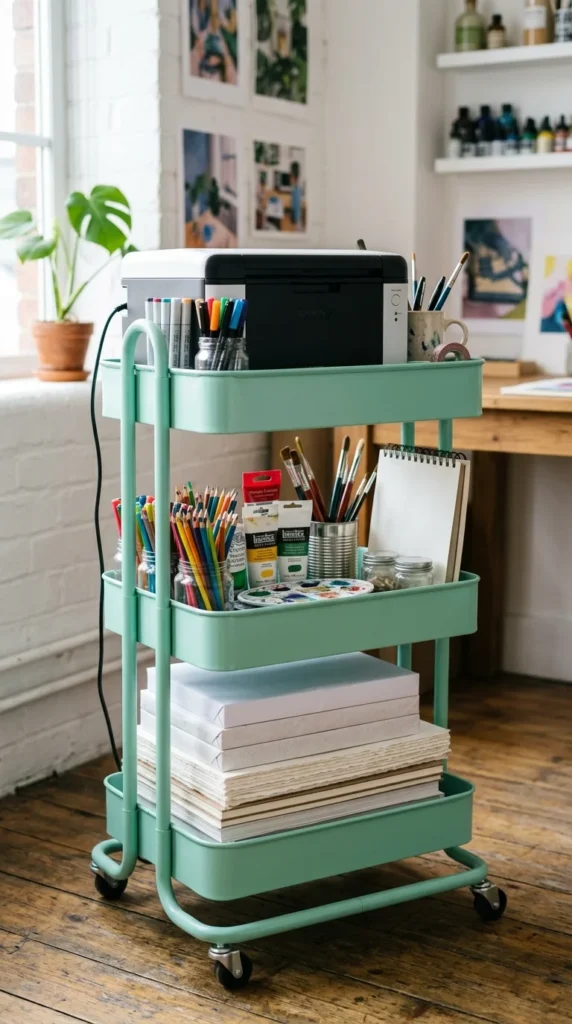
If your desk is simply too small for everything you need, a rolling cart is the perfect “sidekick.” You can keep your printer, heavy books, or craft supplies on the cart and wheel it over when needed, then tuck it into a corner or closet when your workday is done.
23. Labeling
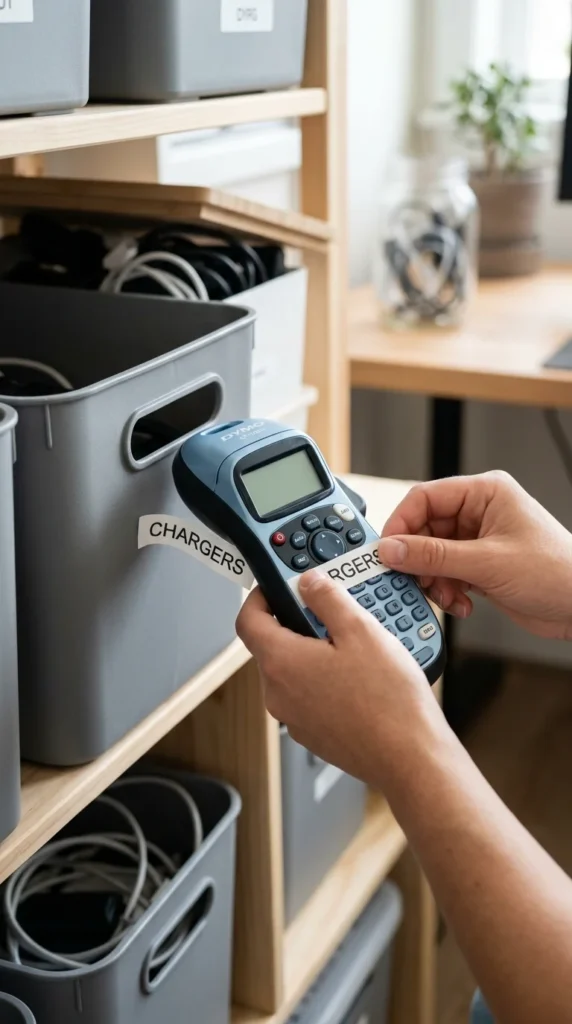
Labeling is the “glue” that holds an organization system together. When you label your bins, drawers, and folders, you remove the guesswork. This is especially helpful in shared workspaces or for those who struggle to remember where they put “the important stuff.”
24. Small Trash Cans
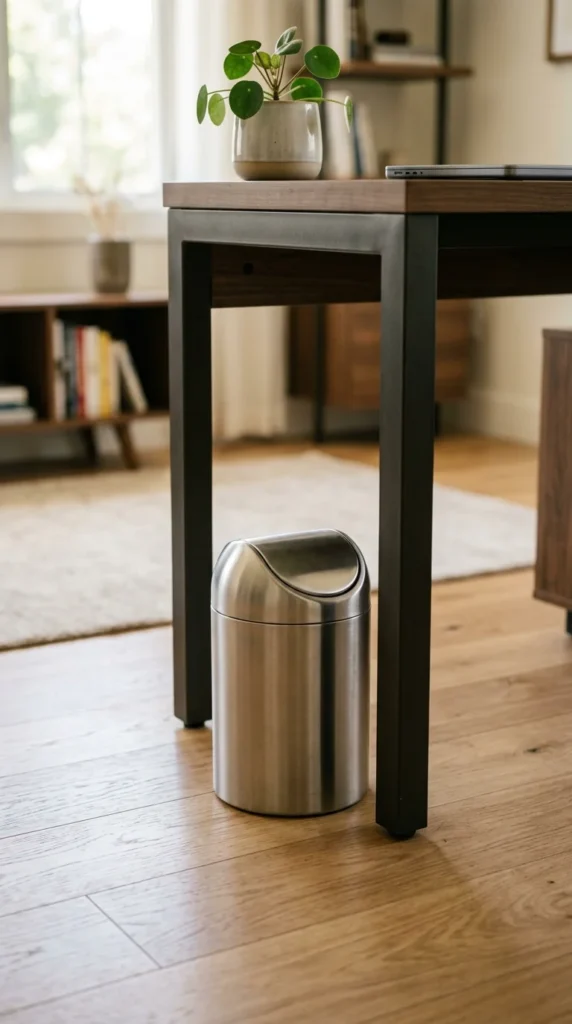
Clutter often starts with trash—snack wrappers, used tissues, or scrapped notes. Having a small, dedicated bin within arm’s reach ensures that waste never even touches your desk surface. Emptying it daily becomes a satisfying ritual to close out your workday.
25. The “One-In, One-Out” Rule

The best organization idea isn’t a product; it’s a habit. For every new item you bring onto your desk—whether it’s a new pen, a gadget, or a decorative item—try to remove one that you no longer use. This prevents “clutter creep” and ensures that your carefully organized desk stays that way for the long haul.