

We live in a wireless world that is, ironically, full of wires. From chargers and lamp cords to monitor cables and power strips, the “rat’s nest” under your desk or behind your TV is more than just an eyesore—it’s a dust magnet and a potential tripping hazard. The solution isn’t just to bundle them up; it’s to hide them in plain sight.
Cable management boxes are the ultimate “out of sight, out of mind” home hack. They transform a chaotic tangle of plastic into a sleek design element. Whether you are looking for a DIY project or a high-end designer piece, here are 20 clever cable management box ideas to reclaim your space.
1. Minimalist Plastic
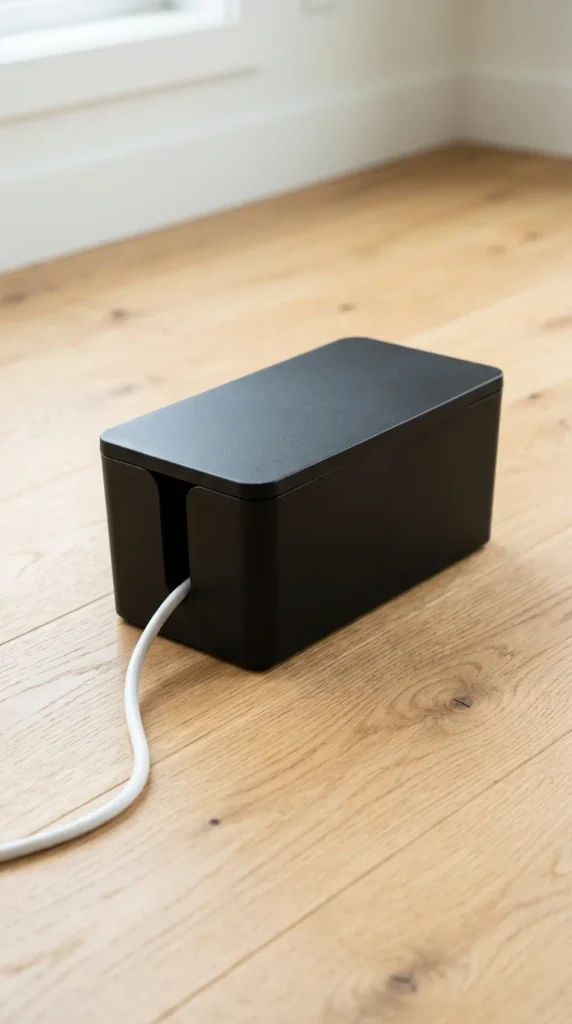
The classic minimalist plastic box is the gold standard for home offices. Usually available in stark white or matte black, these boxes feature ventilated lids and side slits. They are designed to house a standard power strip and all the bulky adapters that come with it. Because they are made of fire-retardant ABS plastic, they offer a safe, sleek, and affordable way to disappear your desk clutter.
2. Bamboo Zen

For those who prefer natural materials over plastic, bamboo cable boxes add a touch of warmth and “Zen” to a room. Bamboo is naturally durable and eco-friendly. These boxes often feature a lid that doubles as a phone or tablet stand, allowing you to charge your devices while keeping the actual charging bricks hidden inside the wooden shell.
3. Rustic Wood
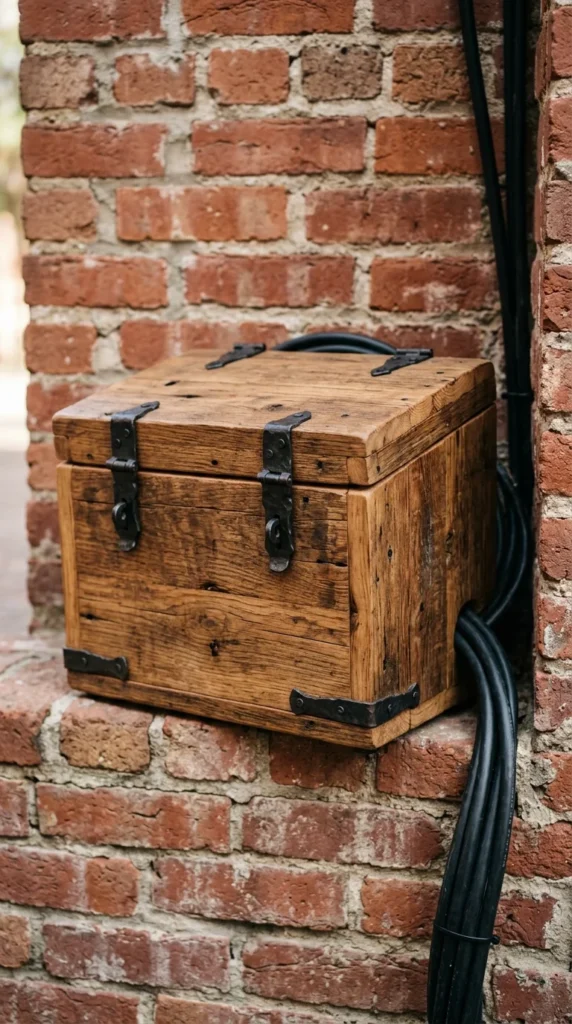
If your home leans toward farmhouse or industrial decor, a rustic wood box is the perfect disguise. You can find these made from reclaimed barn wood or dark-stained pine. They look less like a piece of tech equipment and more like a decorative storage chest, making them ideal for living rooms where a plastic box might look out of place.
4. DIY Shoebox

You don’t need to spend money to stay organized. A sturdy shoebox can be upcycled into a cable organizer with just a pair of scissors. By cutting holes in the sides for cables to enter and exit, and perhaps wrapping the box in stylish contact paper or fabric, you create a custom solution that fits your exact aesthetic for the cost of zero dollars.
5. Under-Desk Tray

Sometimes the best box is one you can’t see at all. Under-desk cable trays act like an open-air box, suspended beneath your desktop. This keeps the floor completely clear, making it easier to vacuum or move your chair. It’s the professional’s choice for standing desks where cables need to move up and down.
6. Book Disguise

For a truly “hidden in plain sight” approach, use a hollowed-out book box. These are designed to look like a set of encyclopedias or a vintage leather-bound novel. Inside, there is enough room for a small power strip. This is the perfect solution for a nightstand or a bookshelf where you need to charge a phone but want to maintain a classic library aesthetic.
7. Charging Station

A charging station is a cable box with a specific job. It features several dividers on the lid to hold devices upright. Inside, a multi-port USB hub stays hidden, so only the tiny ends of the charging cables are visible. This prevents your kitchen counter from becoming a graveyard of tangled cords.
8. Fabric Sleeves
Soft-sided cable boxes made of felt or heavy-duty fabric offer a softer look. They are flexible, which means they can be squeezed into tighter corners than rigid plastic boxes. The texture of felt adds a cozy, high-end “Scandinavian” feel to your cable management strategy.
9. Metallic Industrial

For the tech enthusiast with a “space-age” or industrial setup, metallic boxes are the way to go. Usually made from aluminum or powder-coated steel, these boxes are incredibly durable and help dissipate heat from power adapters better than plastic or wood. They look right at home next to a Mac Studio or high-end gaming PC.
10. Woven Basket
In a boho-chic or coastal home, a woven seagrass or wicker basket can easily be converted into a cable box. The natural gaps in the weave of the basket provide built-in ventilation, which is crucial for preventing power strips from overheating. It adds a soft, organic texture to the room.
11. Ventilated Mesh

Heat is the enemy of electronics. A fully ventilated mesh box ensures that your power bricks stay cool while remaining hidden. These boxes are often used in high-power setups, such as gaming rigs or home theater systems, where several large power adapters are working simultaneously.
12. Magnetic Box
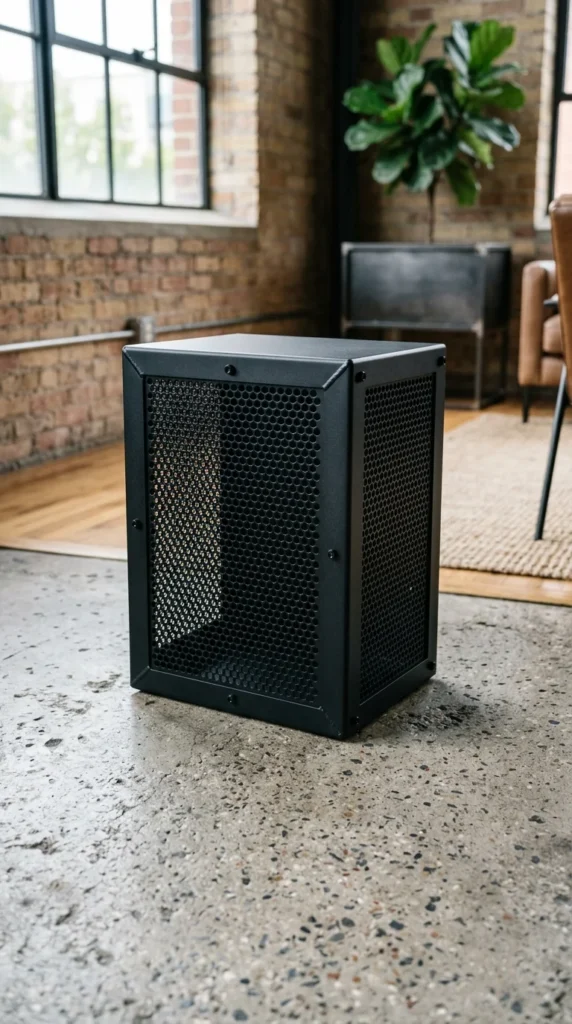
If you have a desk with metal legs, magnetic cable boxes are a game-changer. They snap directly onto the frame of the desk, keeping the box off the floor and off the desktop. This utilizes the “dead space” around the desk legs and keeps your cables running in a straight, hidden line down to the outlet.
13. Wall-Mounted Hideaway

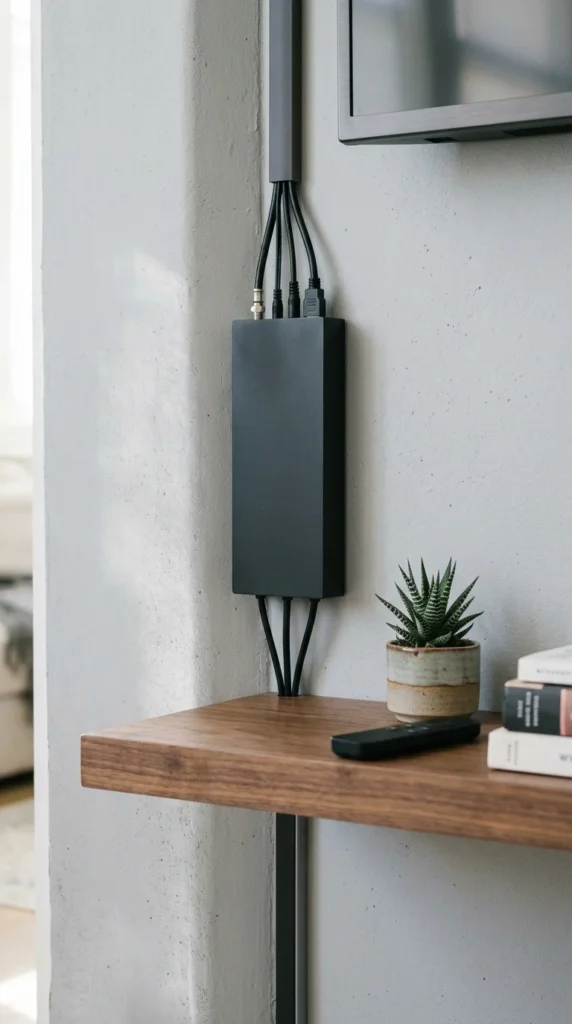
Tangled cords hanging from a wall-mounted TV can ruin the aesthetic of a room. A wall-mounted cable box sits directly over the outlet or right below the TV, acting as a hub for all your streaming devices and gaming console wires. It creates a clean, “floating” look for your entertainment center.
14. Stackable Units
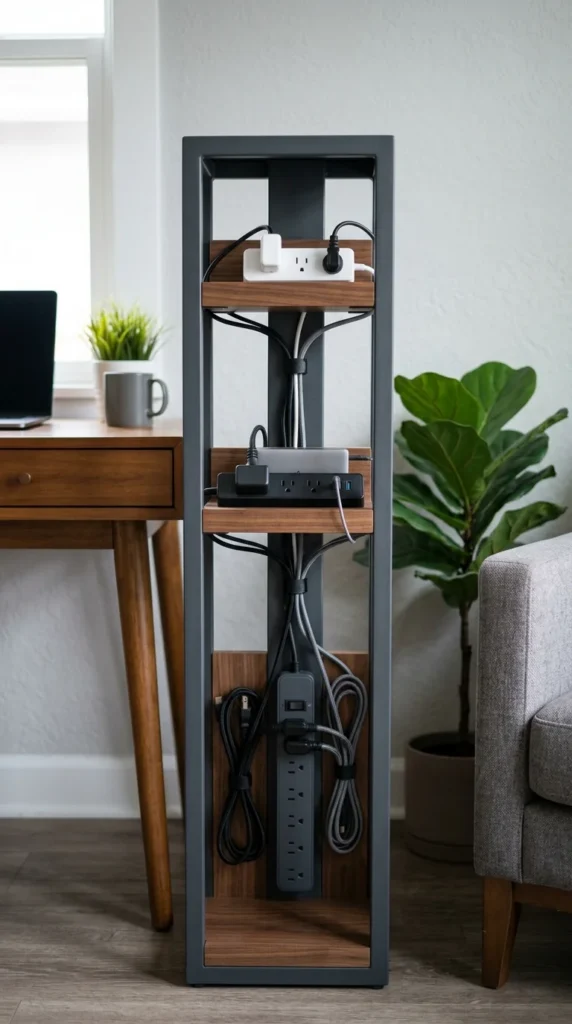
Modular or stackable cable boxes allow you to expand your storage as your tech collection grows. You can have one level for your main power strip and a second level for your external hard drives or smaller hubs. This vertical organization saves precious desk real estate.
15. Transparent Acrylic

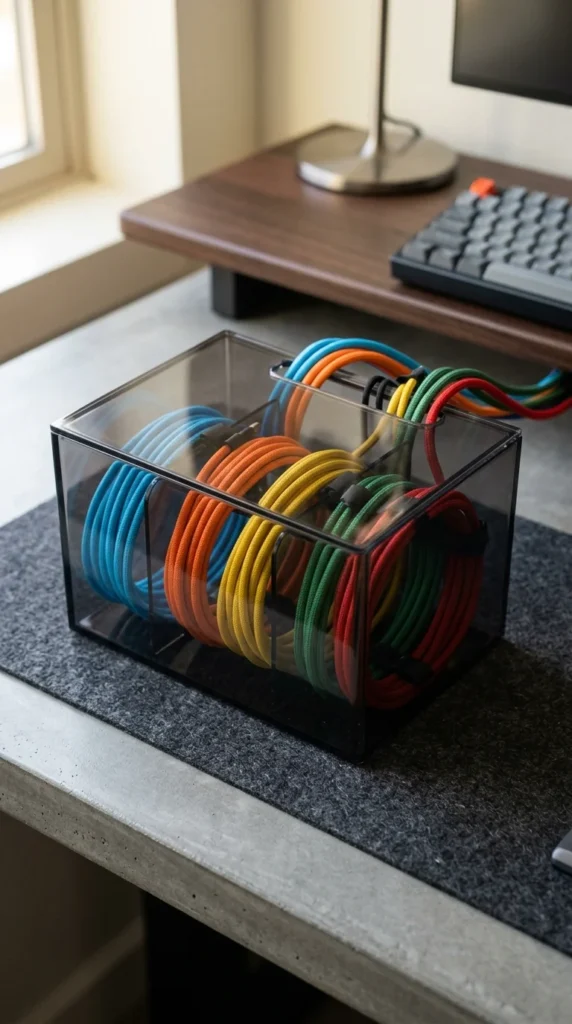
While most people want to hide cables, some want to turn them into an art piece. A transparent acrylic box keeps the dust off and the cables contained while showing off the organized “guts” of your setup. This works particularly well if you use color-coded or braided cables.
16. Leather Wrapped
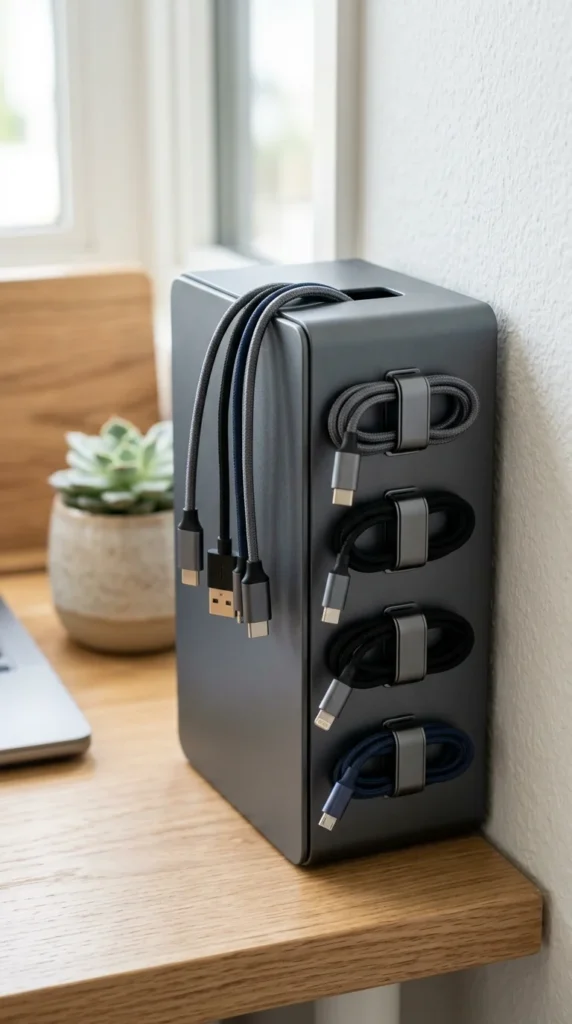
In a professional executive office, a plastic box won’t cut it. A leather-wrapped cable management box provides the ultimate luxury feel. It matches leather desk pads and stationary sets, ensuring that even your cable management reflects a high level of sophistication and professionalism.
17. Drawer Insert
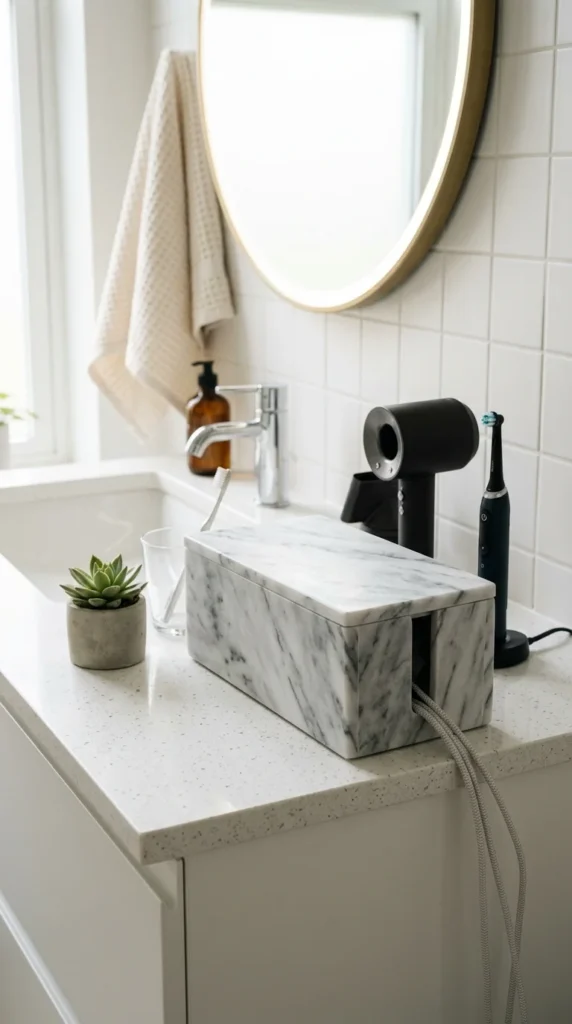
The cleanest cable box is the one that is built into your furniture. Many modern desks come with a “cable drawer” or a recessed compartment. If yours doesn’t, you can create a DIY version by placing a low-profile cable box inside a shallow desk drawer and drilling a small hole in the back of the drawer for the main power cord.
18. Cable Trunking Box
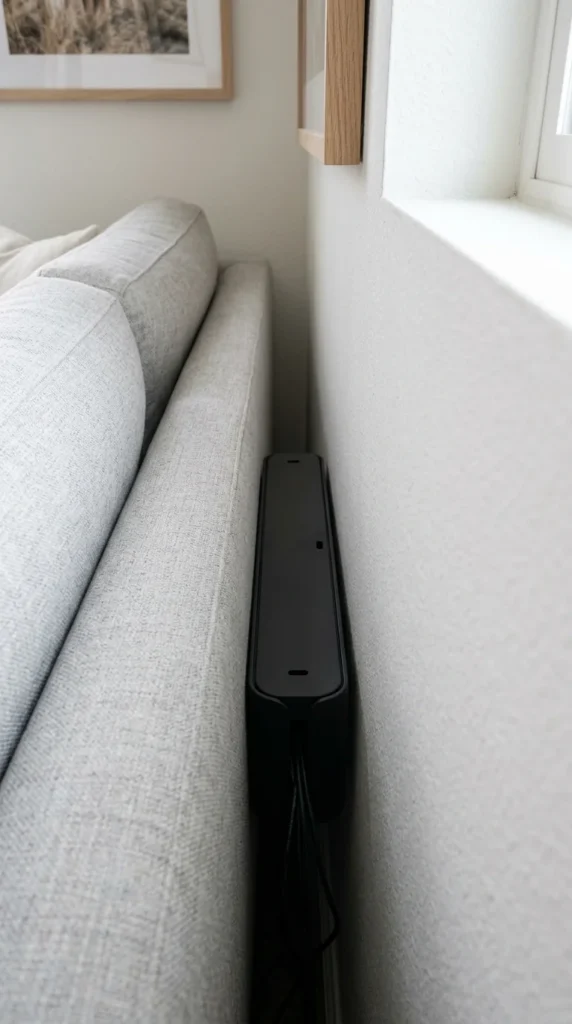
Sometimes you need to hide cables that are traveling across a room. A trunking box is a long, narrow enclosure that sits against your baseboards. It looks like architectural molding but is actually hollow, allowing you to run Ethernet or speaker cables from one side of the room to the other without them being visible.
19. Perforated Designer Box
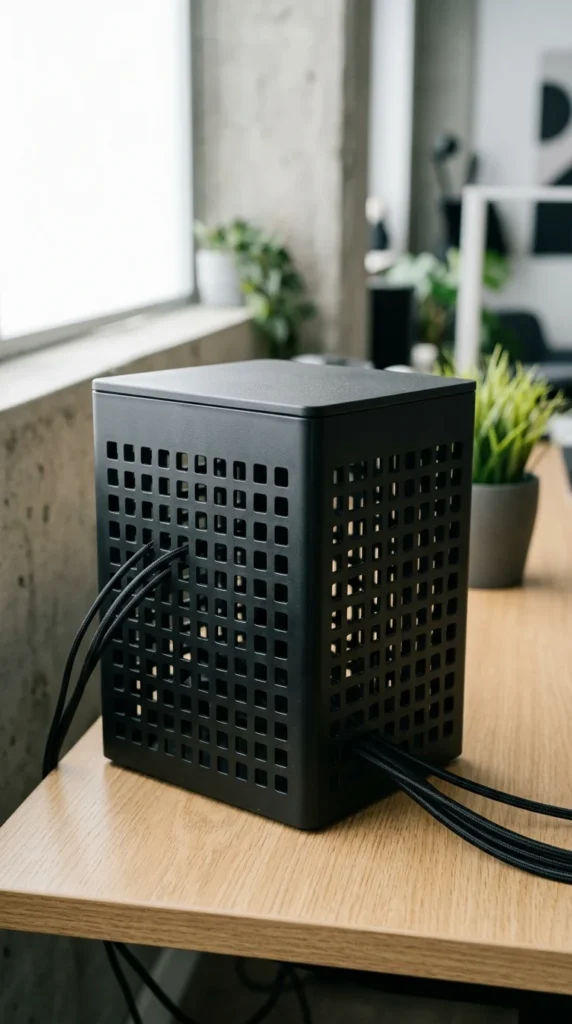
Some cable boxes are designed by furniture houses to be art pieces. These often feature intricate laser-cut patterns on the lid or sides. The perforations serve two purposes: they allow for airflow to cool the electronics, and they create beautiful light patterns if the box is placed near a window or lamp.
20. Corner Wedge

Corners are where cable messes go to thrive. A triangular-shaped cable box is designed to fit perfectly into a 90-degree corner. This utilizes space that is usually wasted and provides a neat “cap” to the corner of a room where several lamp or speaker wires might converge.