
In the modern era of remote work and urban living, space has become one of our most precious commodities. Whether you are living in a compact studio apartment or trying to carve out a productive nook in a busy family home, the “desk against the wall” configuration is the ultimate secret weapon. By anchoring your workspace to the perimeter of a room, you open up the floor plan, reduce visual clutter, and create a focused environment where deep work can actually happen.
Maximizing your square footage isn’t just about fitting things in; it’s about doing so with intention and style. From floating surfaces that disappear into the architecture to clever “cloffices” hidden behind folding doors, here are 19 transformative ideas to help you make every single inch of your wall space count.
1. Floating Desks
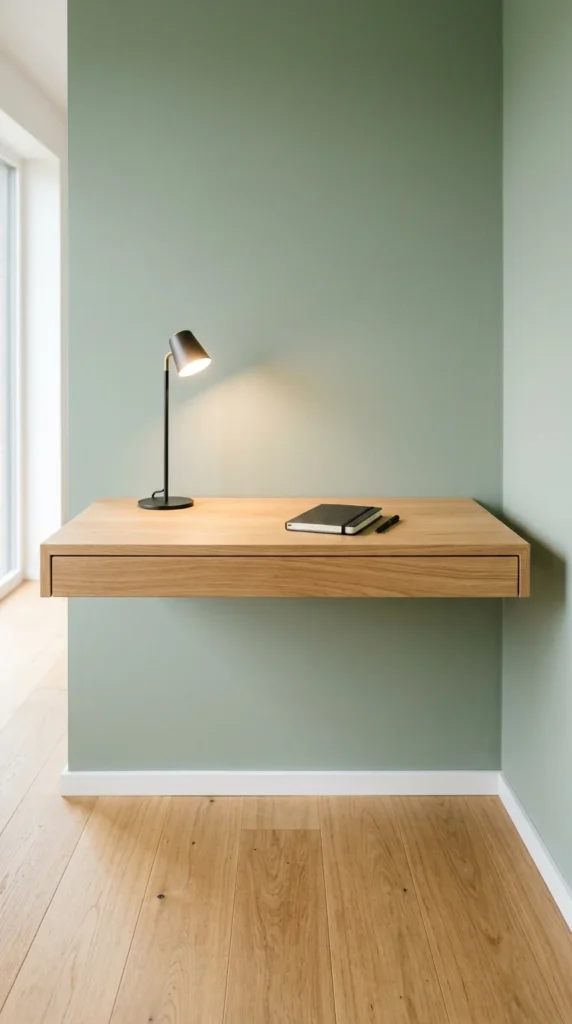
Floating desks are the undisputed kings of small-space design. By removing the need for legs, these wall-mounted surfaces create an illusion of more floor space, making even the tiniest room feel airy and open. They are perfect for hallways, bedroom corners, or any area where a traditional bulky desk would feel like an obstacle. To maximize this look, pair it with a wall-mounted monitor arm to keep the desk surface entirely clear for writing and typing.
2. Ladder Desks

If you need vertical storage but don’t want to commit to permanent wall drilling, the ladder desk is your best friend. This “lean-to” style uses the height of your wall to provide multiple tiers of storage without taking up a large footprint. The graduated shelves naturally draw the eye upward, making the ceiling feel higher while providing a home for your printer, books, and decorative accents.
3. Corner Desks
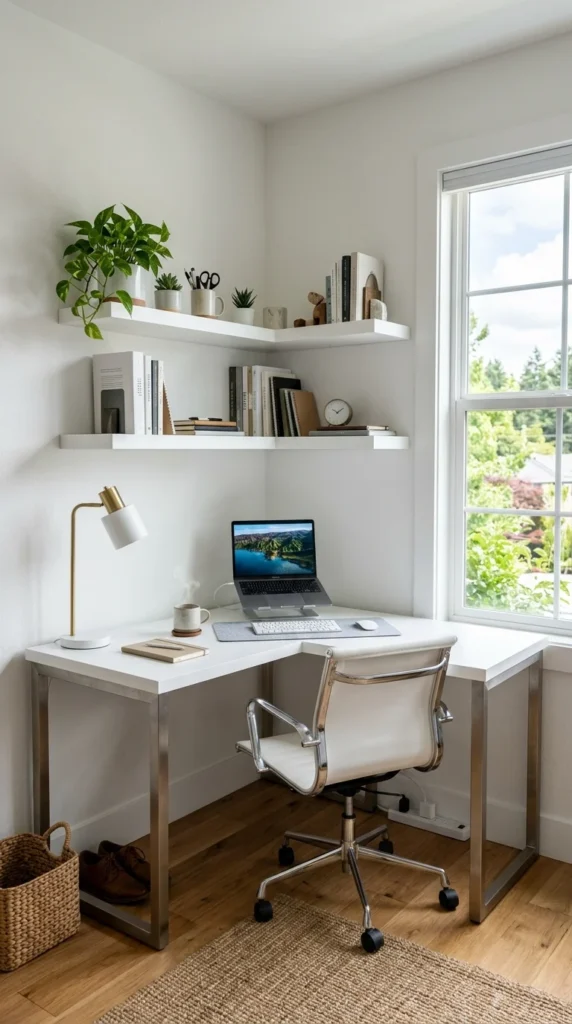
Corners are often the most underutilized areas in a home. A dedicated corner desk allows you to reclaim this “dead space” and turn it into a high-functioning command center. This layout provides a surprisingly large amount of surface area, allowing you to spread out your documents on one side while keeping your computer on the other. It’s an ergonomic dream that keeps everything within arm’s reach.
4. Built-in Nooks
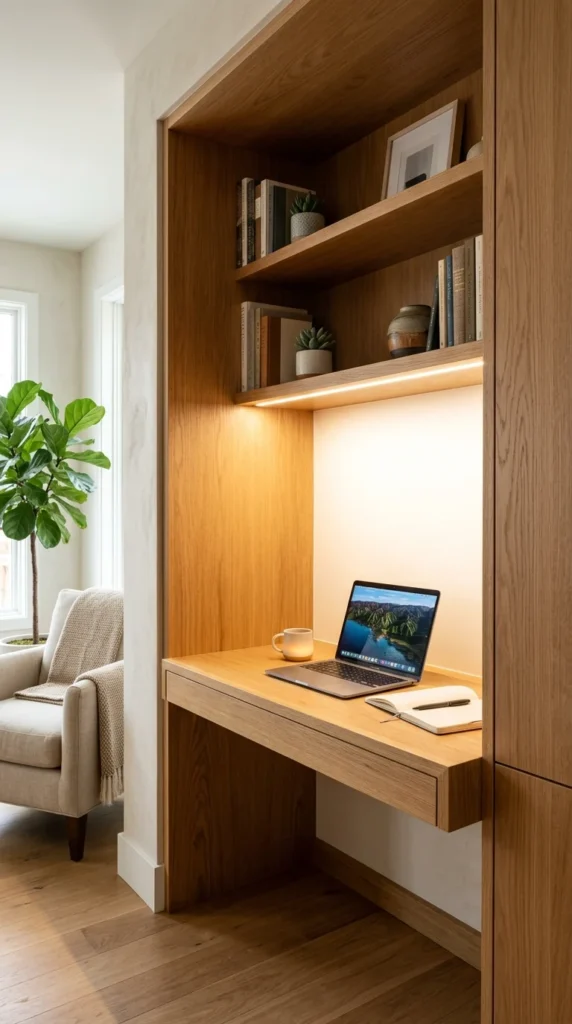
Many older homes feature awkward alcoves or recessed walls that seem useless. By installing a custom-cut piece of timber or stone across these gaps, you create a built-in nook that looks like a high-end architectural feature. This seamless integration makes the desk feel like a part of the house rather than an afterthought, significantly increasing your home’s aesthetic value.
5. Fold-down Desks
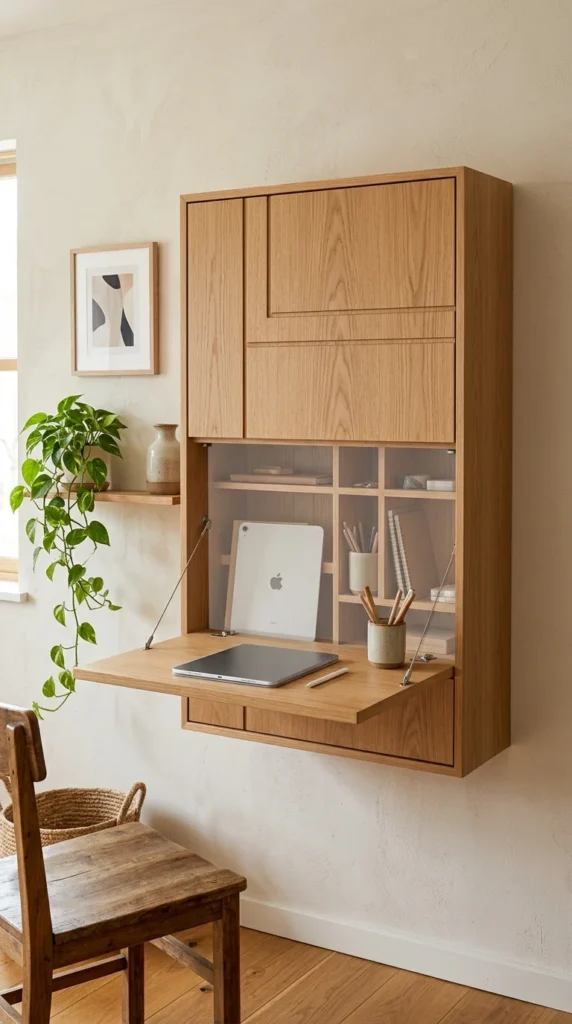
For those who live in truly multipurpose spaces, the fold-down desk (or “murphy desk”) is a game-changer. During the day, it provides a sturdy platform for work; at night, it folds up flat against the wall, effectively “hiding” your office so you can relax. This is the ideal solution for guest rooms or living areas where you don’t want to be reminded of work during your downtime.
6. Long Wall Desks
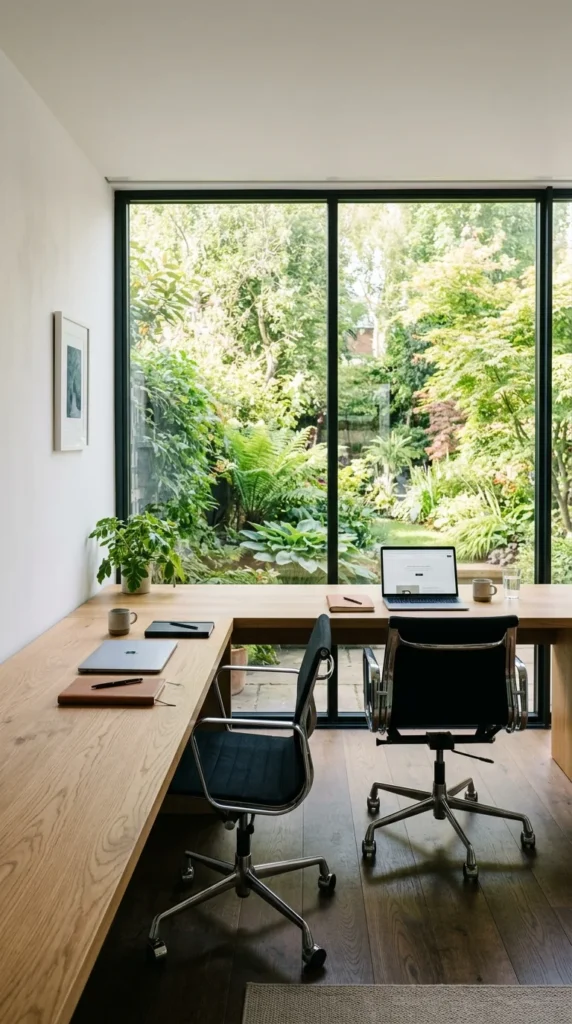
When you have a long, empty wall, don’t just put a small desk in the middle. Run a continuous surface from one end to the other. This “galley” style workspace is perfect for couples who both work from home or for individuals who need separate zones for different tasks—like a computer zone and a crafting or drawing zone. It creates a sleek, library-like atmosphere that is both professional and expansive.
7. Bookshelf Integration
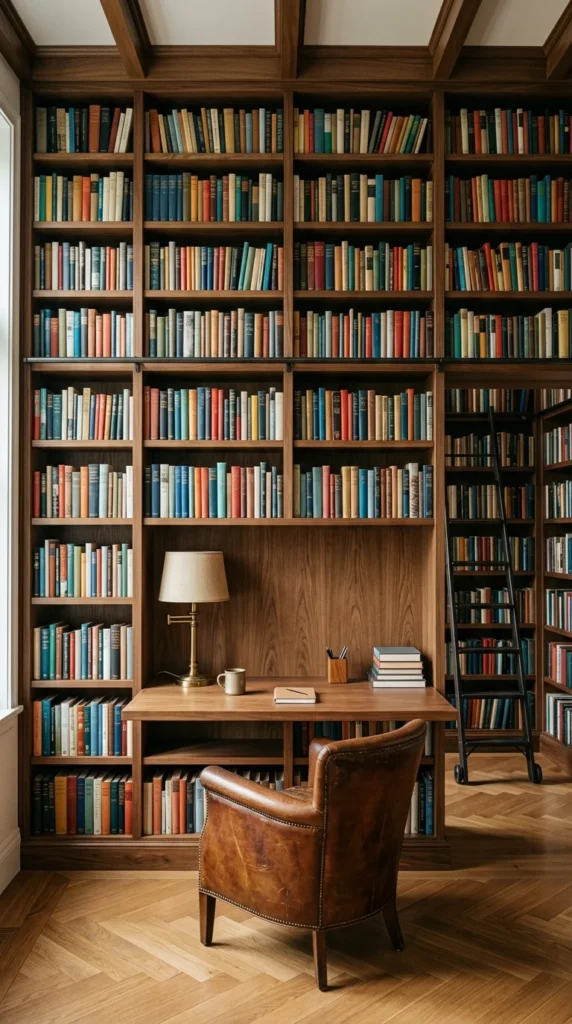
Why separate your library from your office? Integrating your desk into a wall-to-wall bookshelf system creates a “scholar’s sanctuary” feel. By replacing one of the lower shelves with a deeper surface, you create a workspace that is literally surrounded by inspiration and resources. This setup is excellent for organizing reference materials and keeping your most-used books within easy reach.
8. Minimalist Consoles
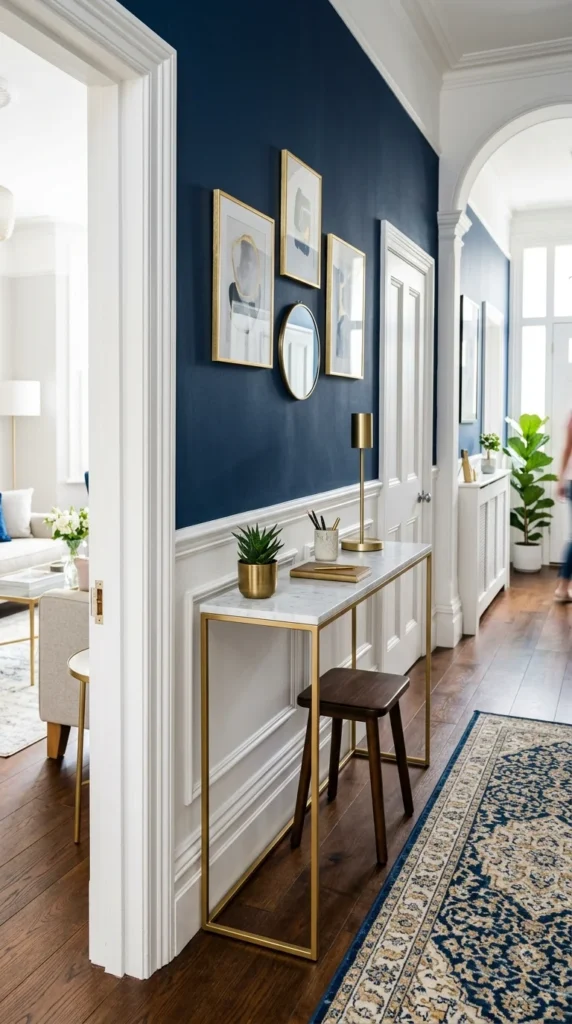
Sometimes you don’t need a heavy-duty workstation; you just need a place to perch with a laptop. Minimalist console desks are characterized by their slim profiles and elegant legs. They work beautifully in entryways or behind sofas, providing a sophisticated spot to check emails without dominating the room’s decor.
9. Window Placement
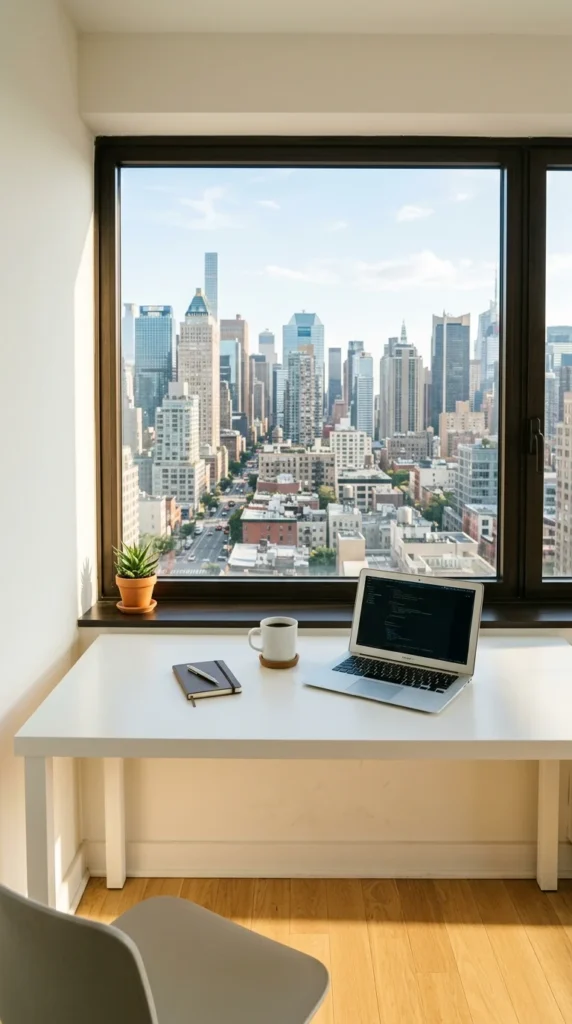
Placing your desk against a wall that features a window is the ultimate productivity hack. Natural light reduces eye strain and boosts mood, while the view provides necessary “micro-breaks” for your brain. By aligning the desk surface with the window sill, you can even extend your usable area, using the sill as a shelf for plants or speakers.
10. Gallery Wall Surround
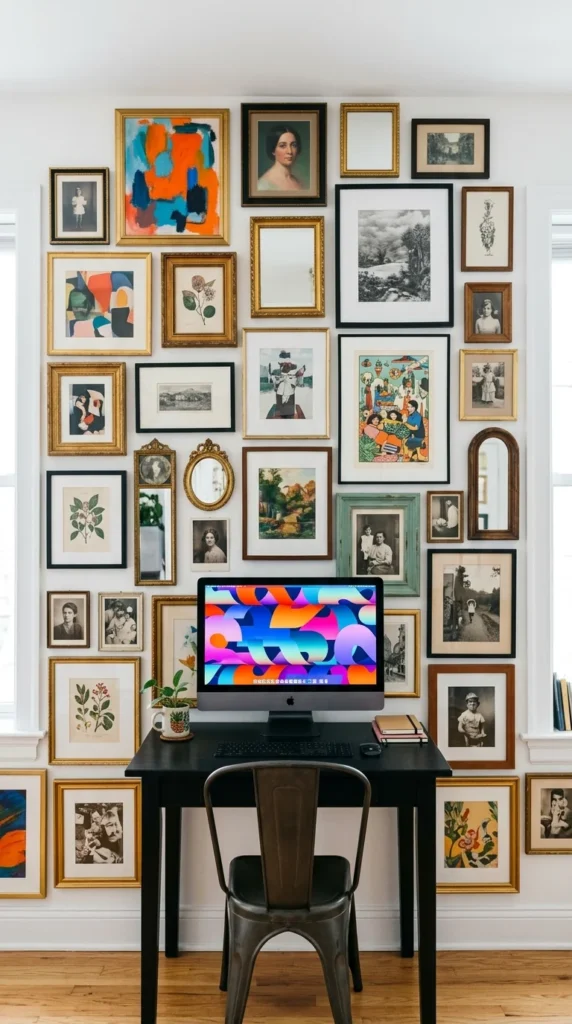
If you’re worried that a desk against a wall looks too “stark,” surround it with a gallery wall. By hanging art and photos all around your workspace, you visually anchor the desk into the room’s design. This turns a functional furniture piece into a curated vignette, blending your professional life with your personal style.
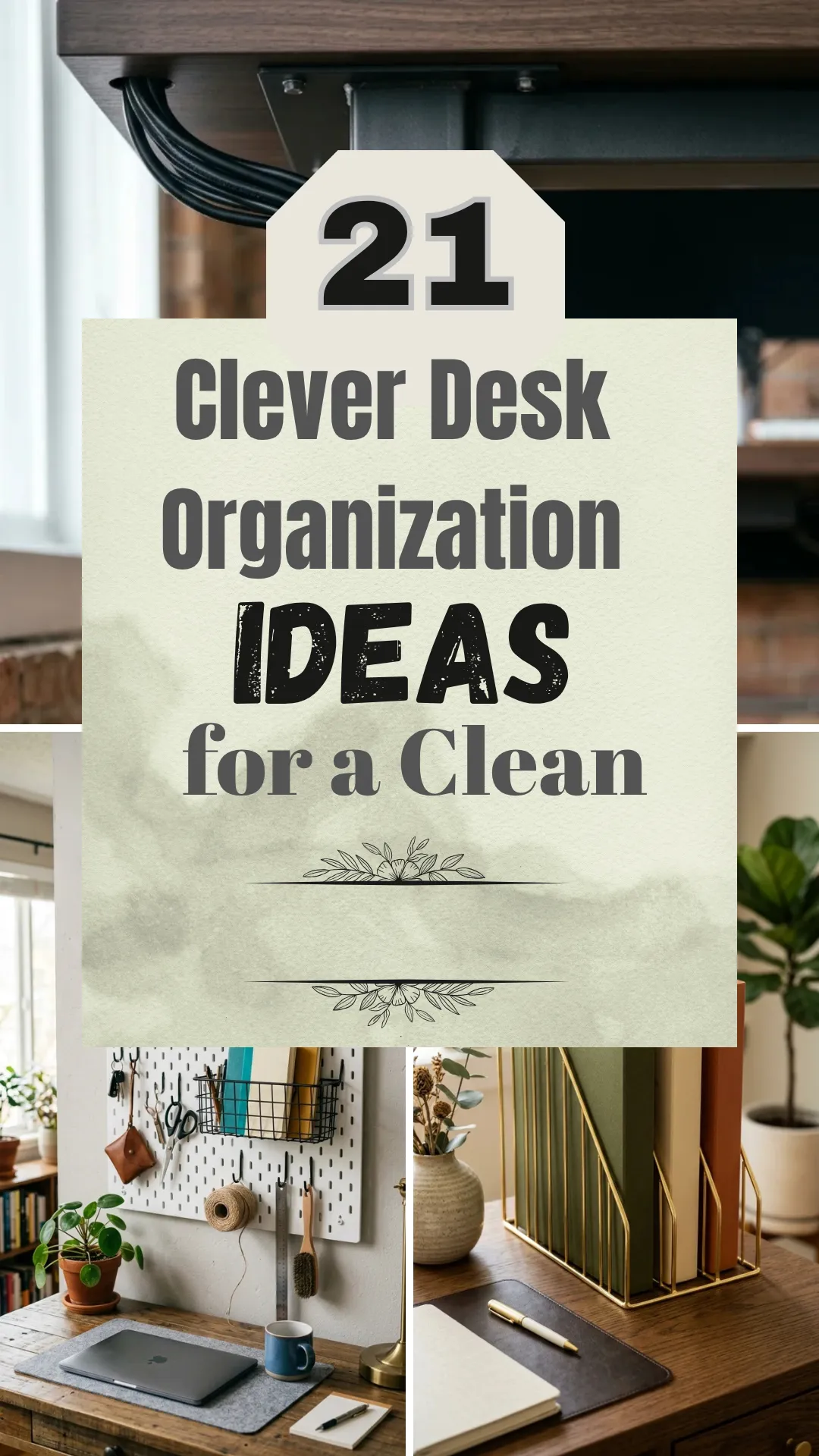
11. Pegboard Organization
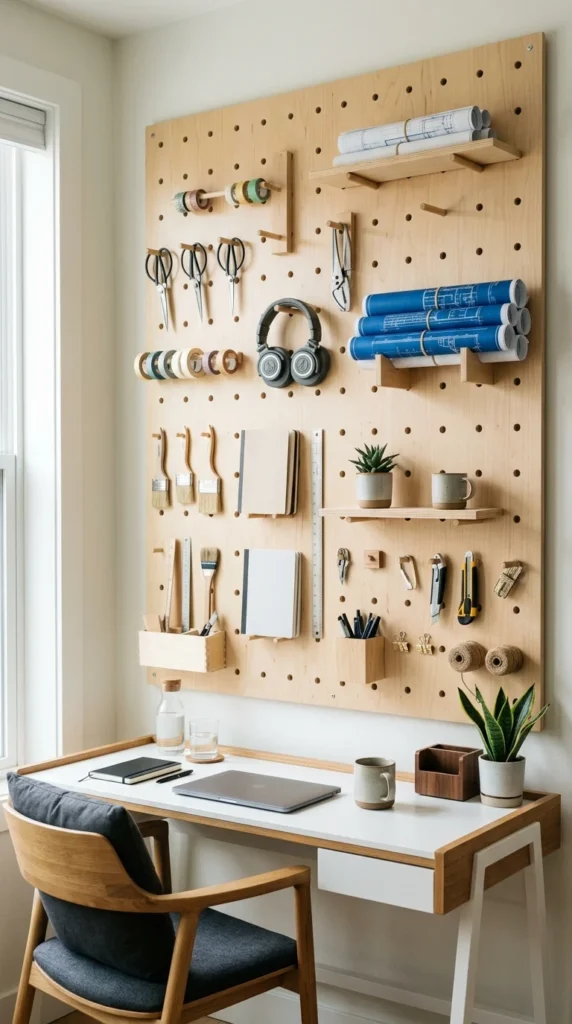
When you put a desk against a wall, you gain a massive vertical canvas for organization. A full-wall pegboard allows you to move your storage off the desk and onto the wall. This is particularly useful for creatives, crafters, or anyone with a lot of small tools. It’s a flexible system that can evolve as your needs change, ensuring that your desk surface remains an empty, productive plane.
12. Under-Stairs Setup
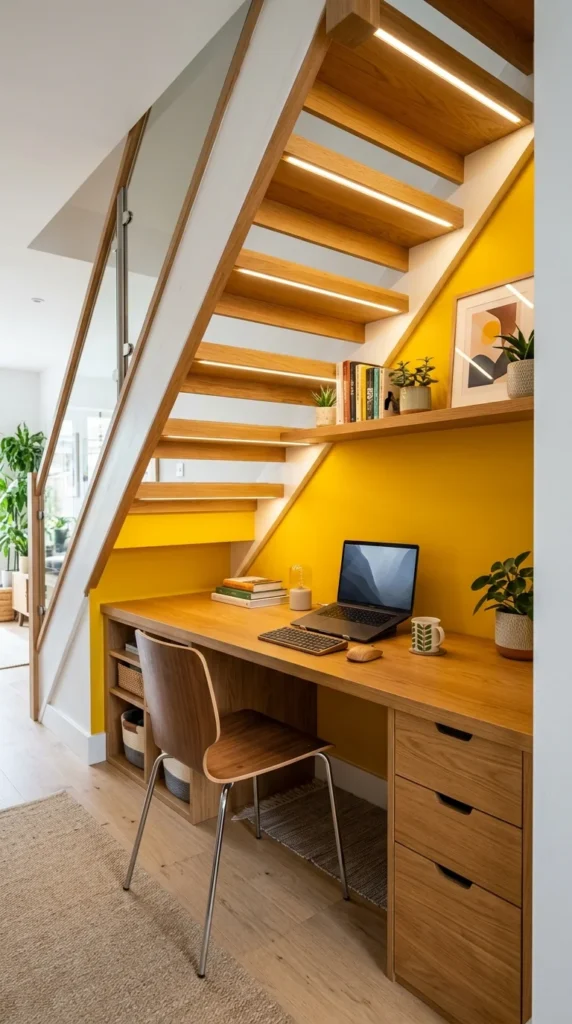
The space under the stairs is often a dark, forgotten closet. By removing the door and finishing the interior, you can create a cozy, “secret” office. This uses space that would otherwise be wasted and keeps your work area tucked away from the main flow of the house, providing a quiet enclave for concentration.
13. Closet Offices (Cloffices)

The “Cloffice” trend has taken the design world by storm for a reason. By converting a standard reach-in closet into a desk area, you save significant floor space in the rest of the room. You can even keep the doors on, allowing you to literally “close the office” at the end of the workday, helping maintain a healthy work-life balance in small apartments.
14. Mid-Century Modern
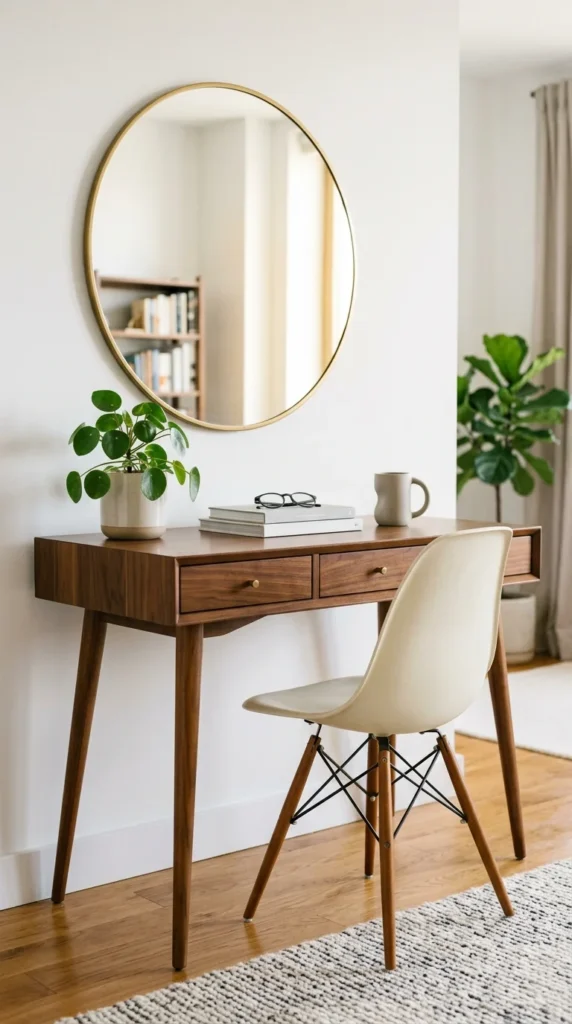
For those who value aesthetics as much as function, a mid-century modern desk offers timeless appeal. These desks usually have thin, tapered legs and a light visual weight, which prevents them from feeling cramped when pushed against a wall. The warm wood tones and clean lines add a sense of sophistication to any bedroom or living room corner.
15. Industrial Pipes
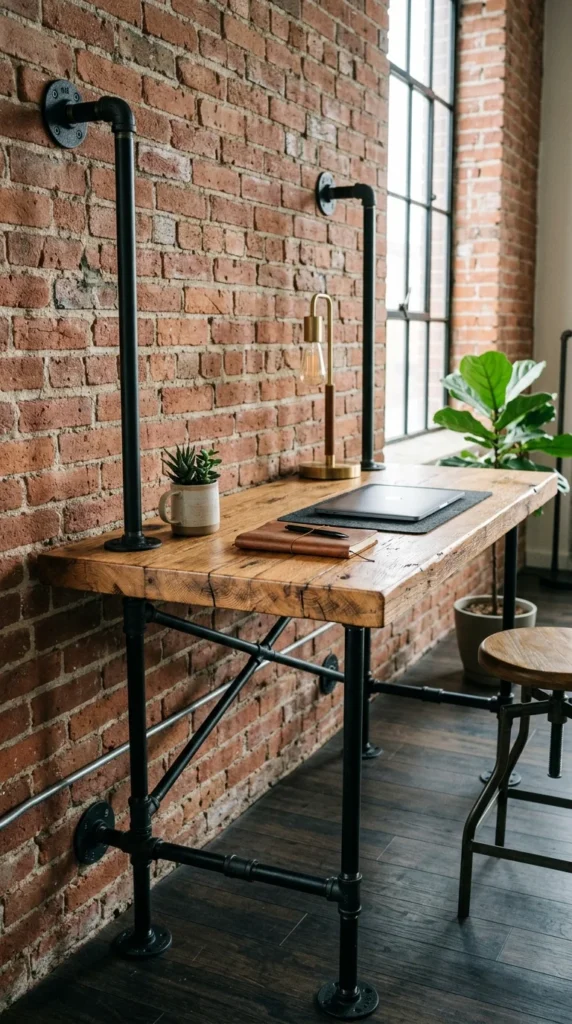
Industrial-style desks are rugged, durable, and highly customizable. By using iron pipes and flanges, you can bolt your desk directly into the wall studs, creating a rock-solid workspace that can handle heavy equipment like multiple monitors or gaming towers. The raw materials add a cool, edgy vibe to the room.
16. Mirrored Desks
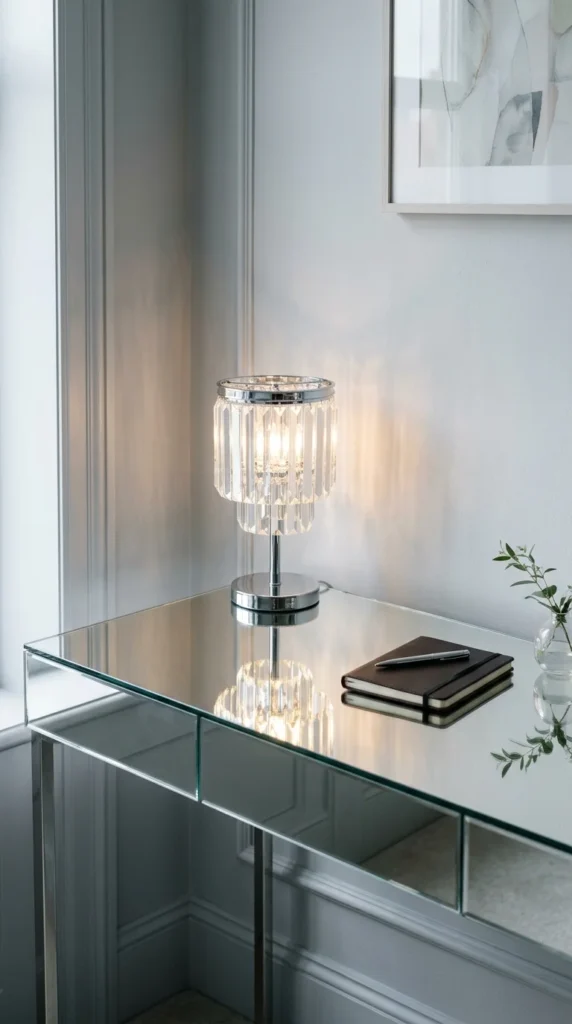
If you want your workspace to practically disappear, go for a mirrored finish. Mirrored desks reflect the floor and the surrounding decor, which tricks the eye into thinking the room continues right through the furniture. This is an excellent choice for glamorous bedrooms or small, dark corners that need an extra boost of reflected light.
17. Color Blocking
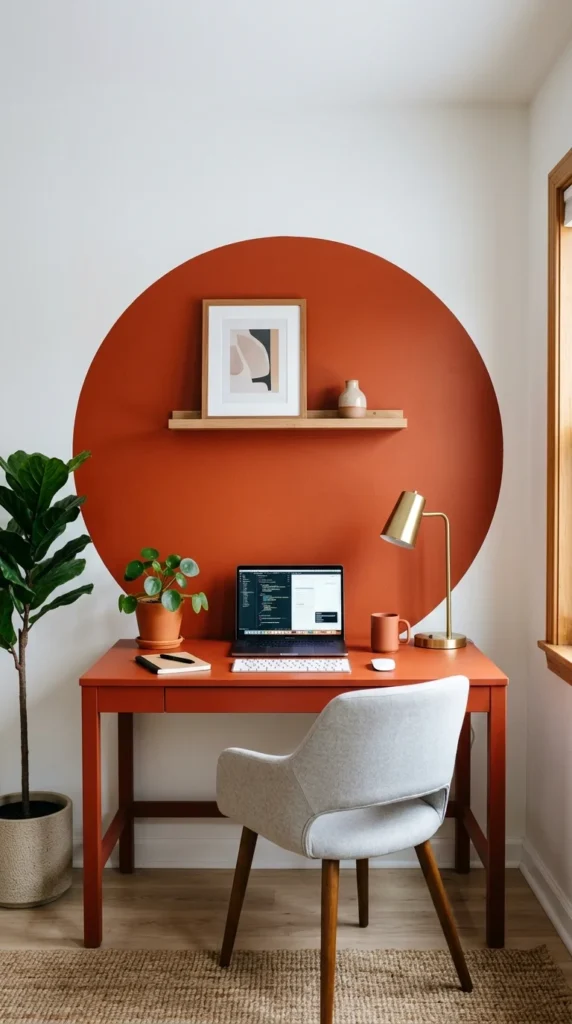
Color blocking is a clever way to define a workspace without using physical dividers. By painting a specific shape or a full floor-to-ceiling stripe on the wall behind your desk, you create a visual “zone.” This helps psychologically separate your “work mode” from your “home mode,” even if the desk is just a few feet from your bed.
18. Wraparound Desks
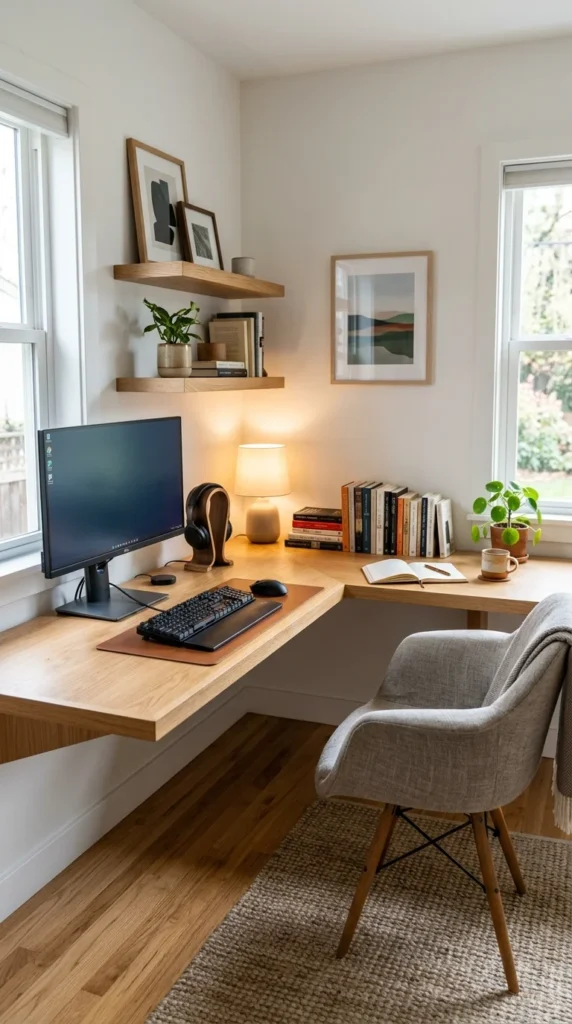
A wraparound desk is the ultimate way to maximize every inch of a room’s perimeter. By hugging two walls, you create a cockpit-like environment where everything is at your fingertips. This setup is particularly effective in small square rooms, as it leaves the entire center of the room open for movement or a comfortable rug.
19. High-Gloss Finishes
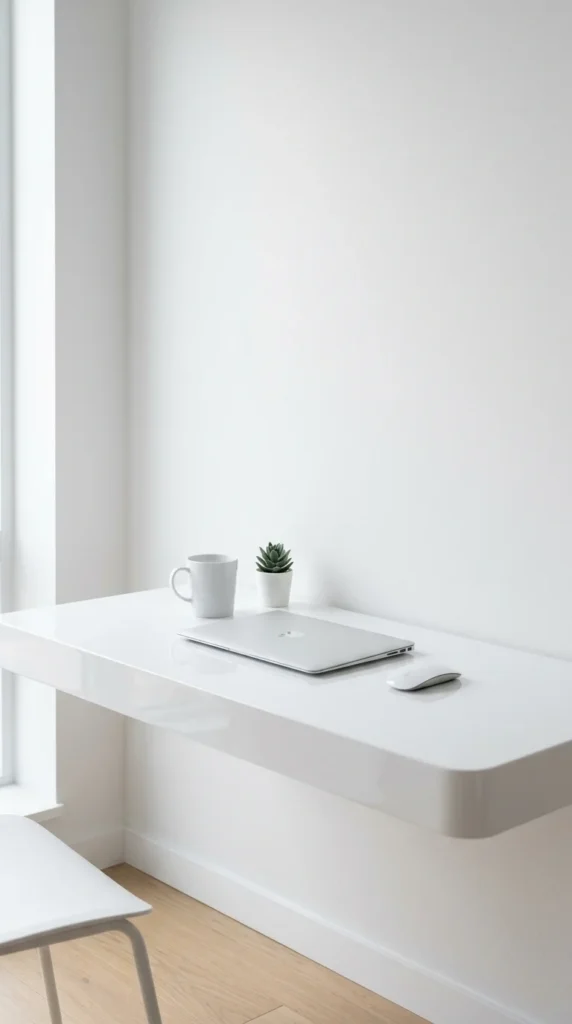
For a futuristic, ultra-clean look, choose a high-gloss finish. When a high-gloss desk is placed against a wall of the same color, the boundaries between the furniture and the architecture begin to blur. This creates a streamlined, “space-age” aesthetic that feels incredibly organized and efficient, perfect for the modern professional.