
A cluttered workspace is more than just an eyesore; it is a significant drain on your mental energy and daily productivity. When your desk is buried under a mountain of papers and your drawers are a chaotic mess of tangled cables and dried-out pens, your brain struggles to focus on the task at hand. Transitioning from a state of chaos to a professional-grade organized office isn’t just about aesthetics—it’s about creating an environment that fosters deep work, creativity, and peace of mind.
To truly organize like a pro, you need to think beyond just “cleaning up.” You need systems that are sustainable, intuitive, and tailored to your specific workflow. Whether you are working from a dedicated home office or a small corner of your living room, these 19 organization ideas will help you reclaim your space and simplify your life.
1. Vertical Shelving
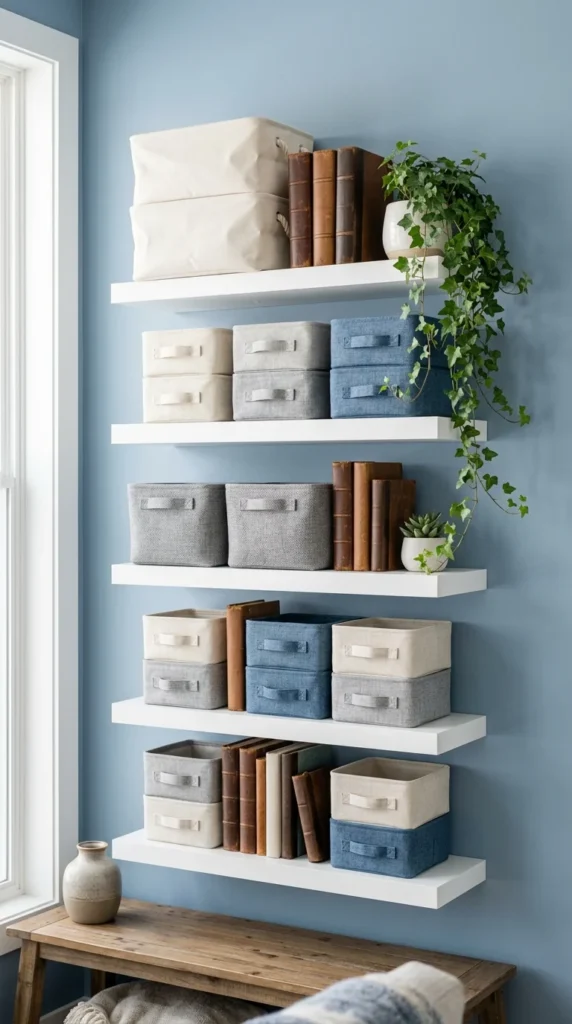
When floor space is limited, the only way to go is up. Vertical shelving utilizes the unused real estate on your walls, allowing you to move items off your primary work surface while keeping them within arm’s reach. By installing floating shelves or tall bookcases, you create designated zones for different categories of items—reference books on one level, decorative inspiration on another, and frequently used supplies on the lowest tier. This keeps the desk surface clear for active projects, which is the hallmark of a professional setup.
2. Cable Management
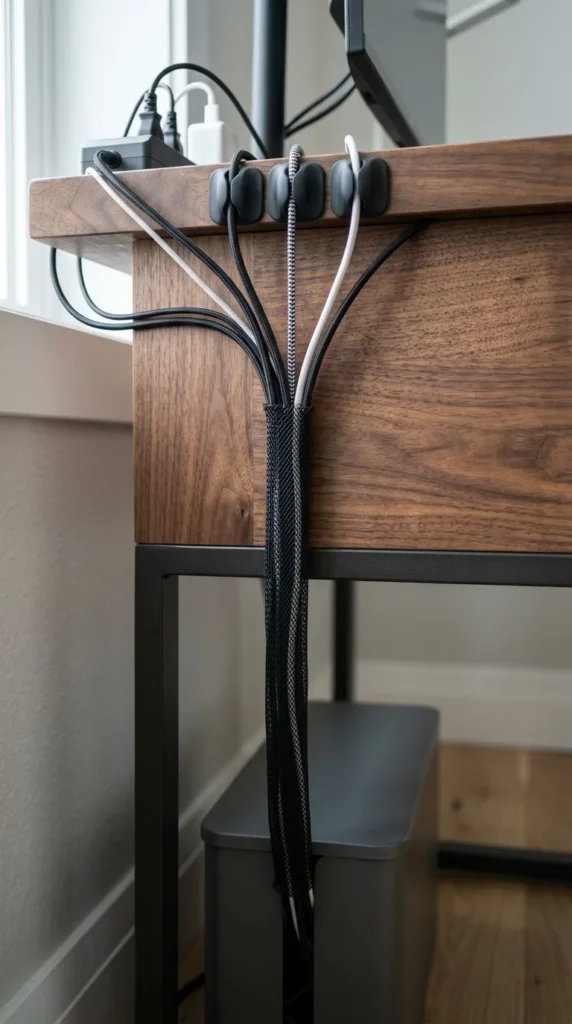
Tangled cords are the visual equivalent of white noise—distracting and stressful. Professionals use cable management sleeves, clips, and under-desk trays to hide the “spaghetti” of wires that power our modern lives. By grouping cables together and routing them along the legs of your furniture, you eliminate the trip hazards and the unsightly clutter. A clean cable setup not only looks better but also makes it significantly easier to clean under and behind your desk.
3. Clear Bins
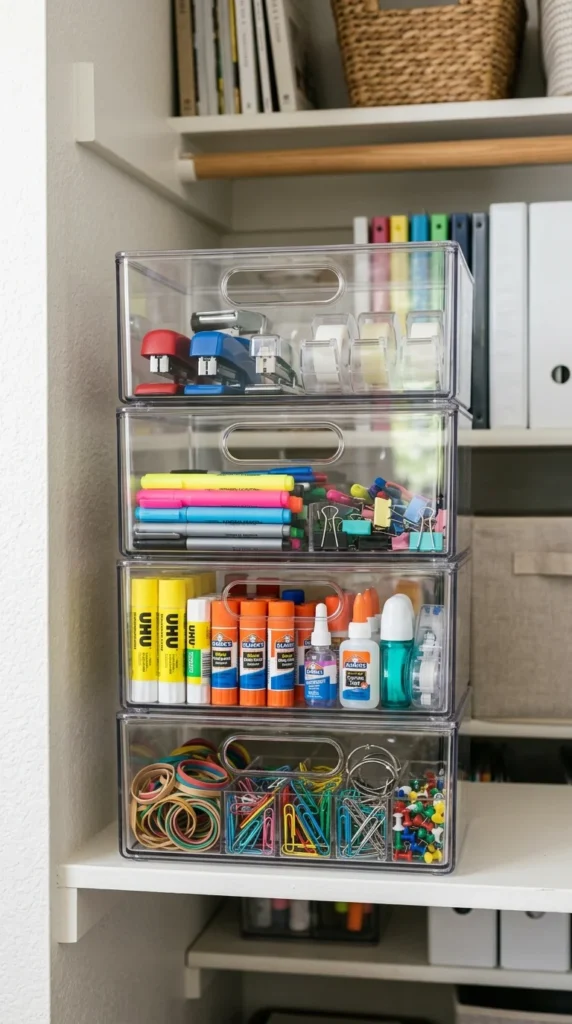
The biggest enemy of organization is the “out of sight, out of mind” trap. When you store items in opaque boxes, you often forget what you have, leading to overbuying and frustration. Clear acrylic or plastic bins solve this by making your inventory visible at a glance. They work perfectly in cabinets or on open shelving, allowing you to find exactly what you need in seconds. Pro tip: use uniform-sized bins to create a cohesive, high-end look.
4. Drawer Dividers
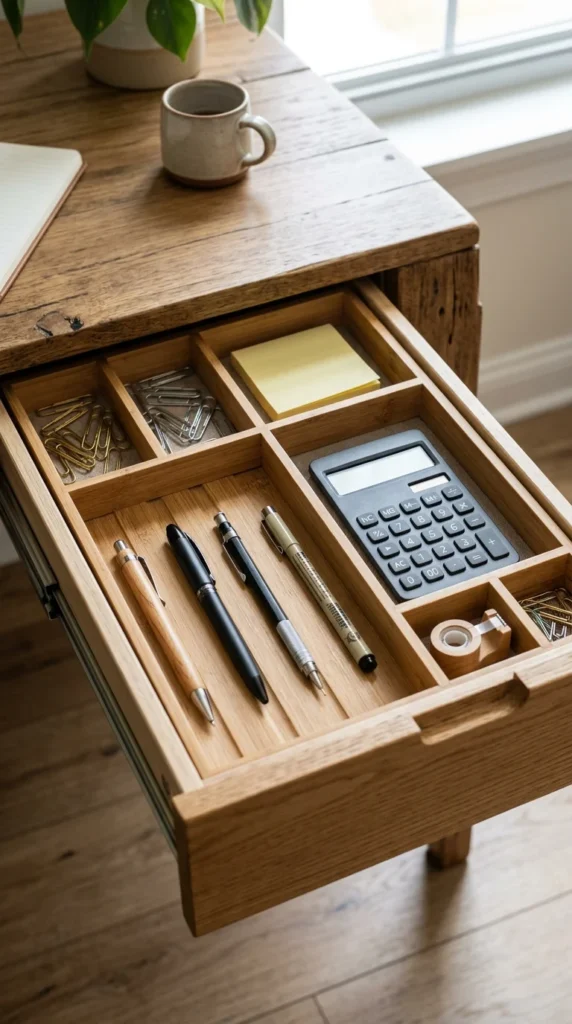
The “junk drawer” is the natural enemy of productivity. Desk drawers often become a catch-all for random items that don’t have a home. Using adjustable drawer dividers allows you to create a “parking spot” for every small item. When every pen, charger, and paperclip has a specific home, you stop digging and start working. This level of granular organization ensures that even your hidden spaces remain as functional as your desktop.
5. Pegboards
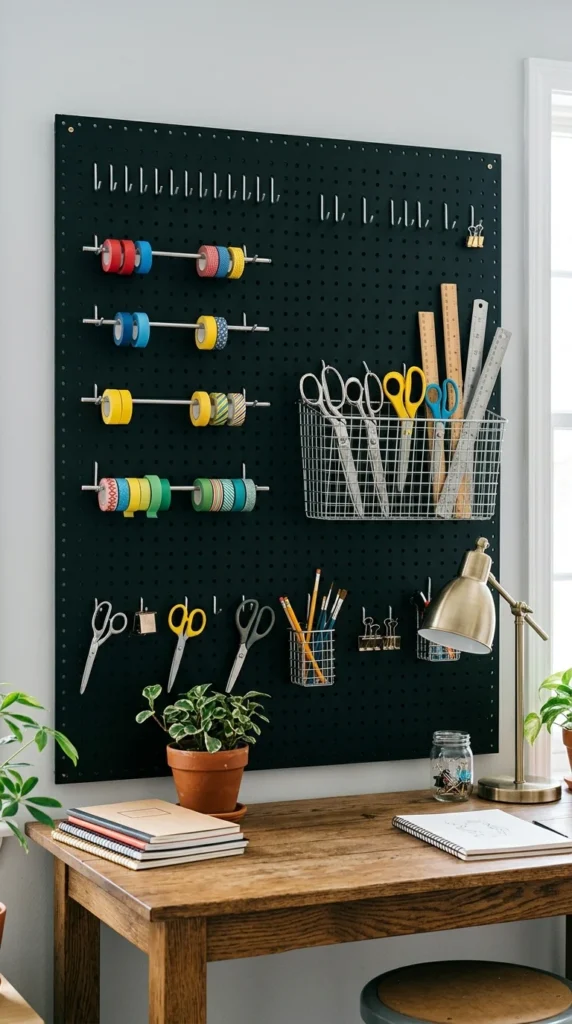
Pegboards are the ultimate versatile organization tool. Originally found in workshops, they have made their way into the modern office because of their incredible flexibility. You can rearrange hooks, shelves, and baskets as your needs change. A pegboard keeps your most-used tools at eye level and off your desk, creating a functional wall of art that reflects your personal style and professional requirements.
6. Monitor Risers
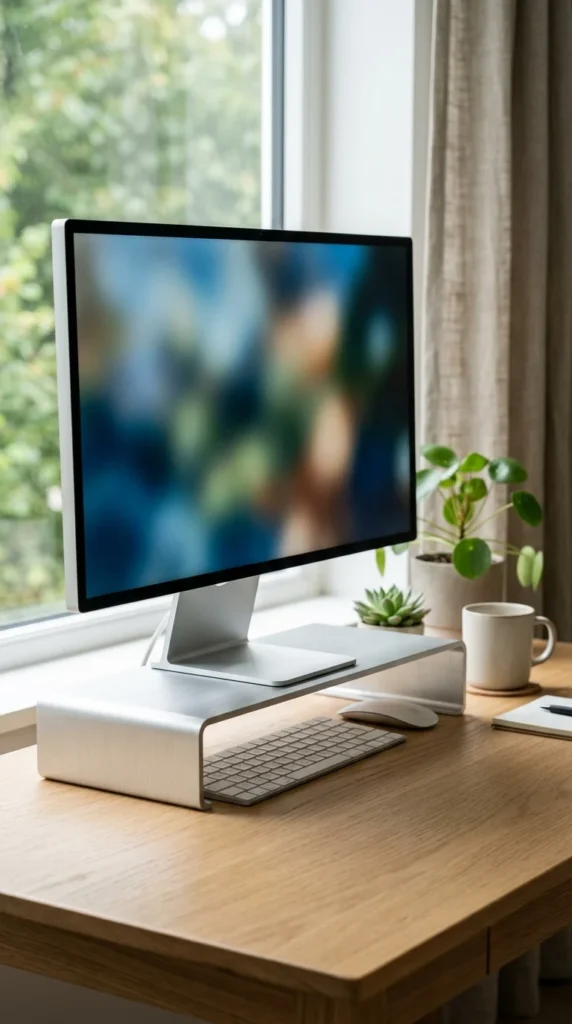
Ergonomics and organization go hand-in-hand. A monitor riser lifts your screen to the correct ergonomic height to prevent neck strain, but it also provides a valuable secondary benefit: extra storage space. The “tunnel” created beneath the riser is the perfect place to slide your keyboard when it’s not in use or to store a slim notebook. It’s a simple way to maximize the square footage of a small desk.
7. Rolling Carts
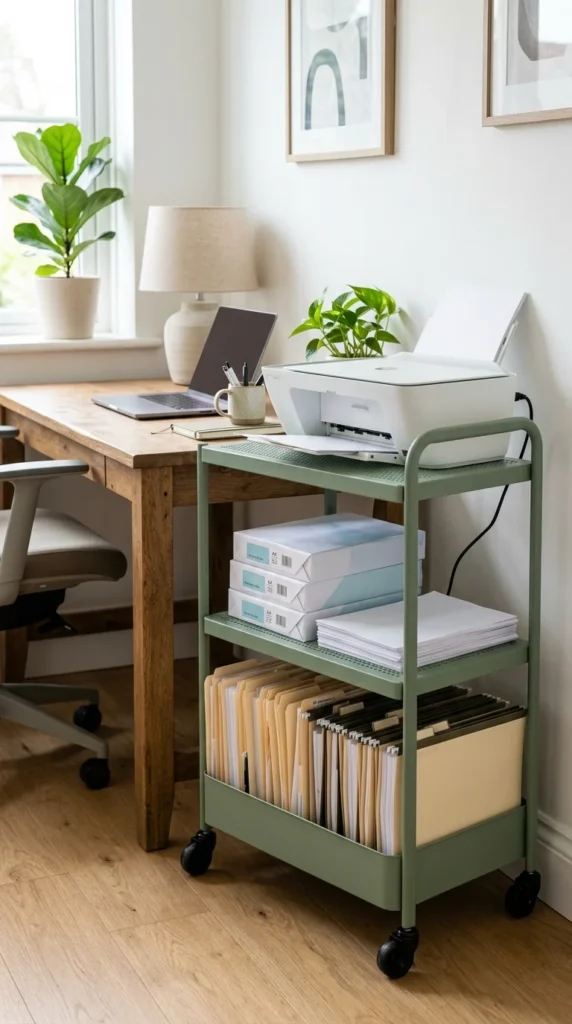
A rolling cart provides mobile storage that can move with you. If you switch between different tasks—such as administrative work and creative crafting—a cart allows you to keep specific supplies together and roll them into place only when you need them. When you’re finished, the cart can be tucked into a corner or a closet, keeping your main workspace minimalist and focused.
8. Label Makers
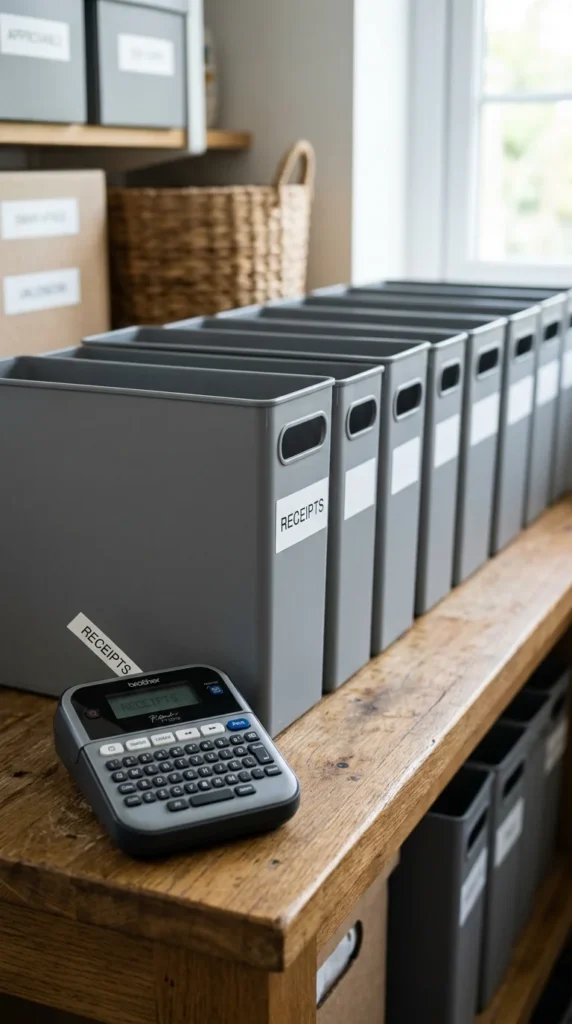
Professional organizers swear by labels. Labels take the guesswork out of where things belong, making it much easier to maintain your system over time. When a bin is labeled, you are far more likely to return an item to its proper home rather than tossing it onto the nearest flat surface. It also helps other members of the household or office find what they need without having to ask you.
9. Desktop Trays
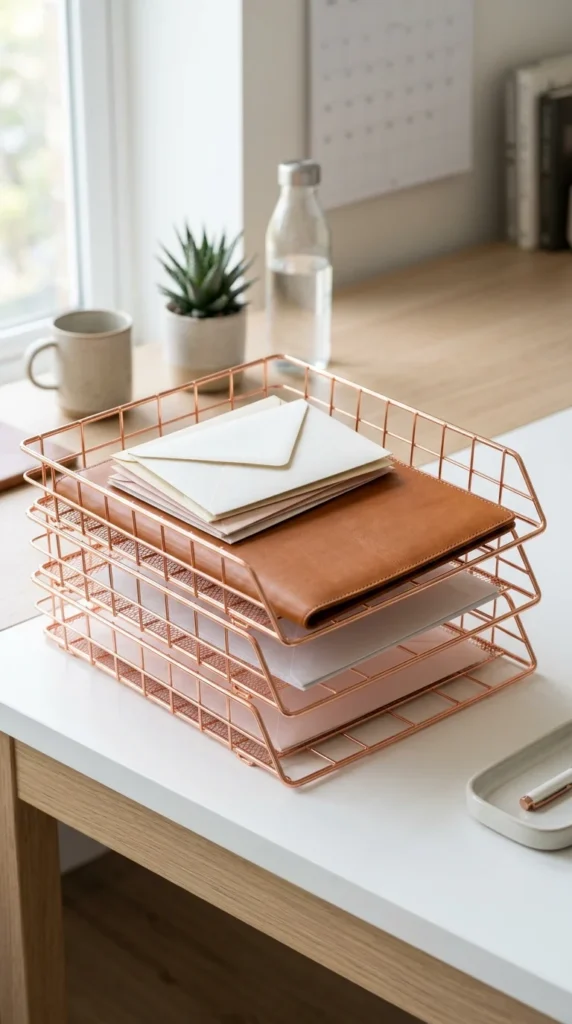
Paper clutter is often the hardest type of mess to manage. Desktop trays provide a landing zone for incoming documents, preventing them from spreading across your desk. By using a tiered system—such as “Inbound,” “To Action,” and “To File”—you create a physical workflow for your paperwork. This ensures that important documents don’t get lost in the shuffle and that your desk remains clear for your computer work.
10. Wall Calendars
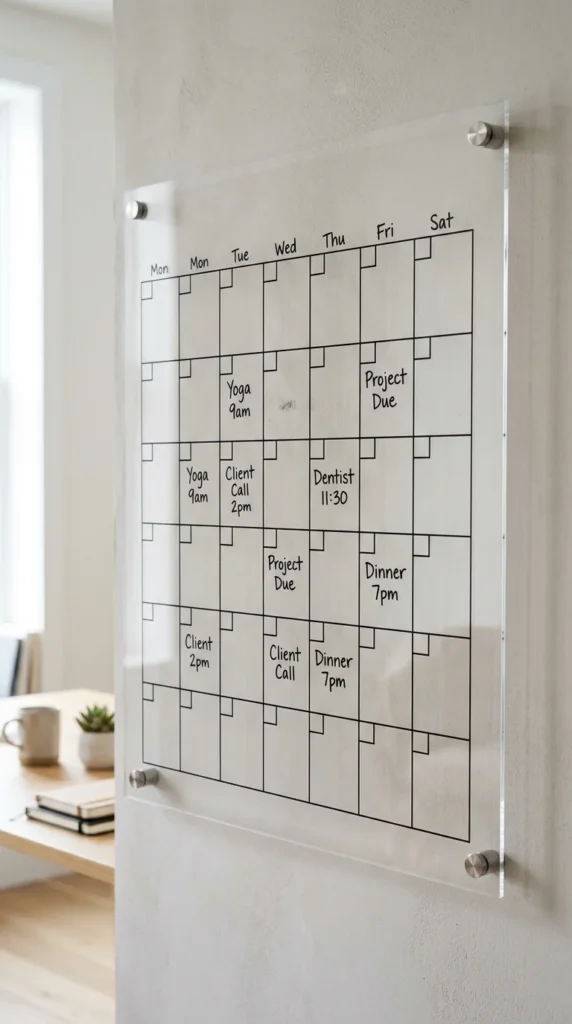
While digital calendars are essential, a large physical wall calendar provides a macro view of your month that is incredibly helpful for long-term planning. It acts as a visual anchor for your office, reminding you of upcoming deadlines and milestones at a glance. Choosing a stylish acrylic or framed version turns a functional tool into a sophisticated piece of wall decor.
11. Hidden Storage
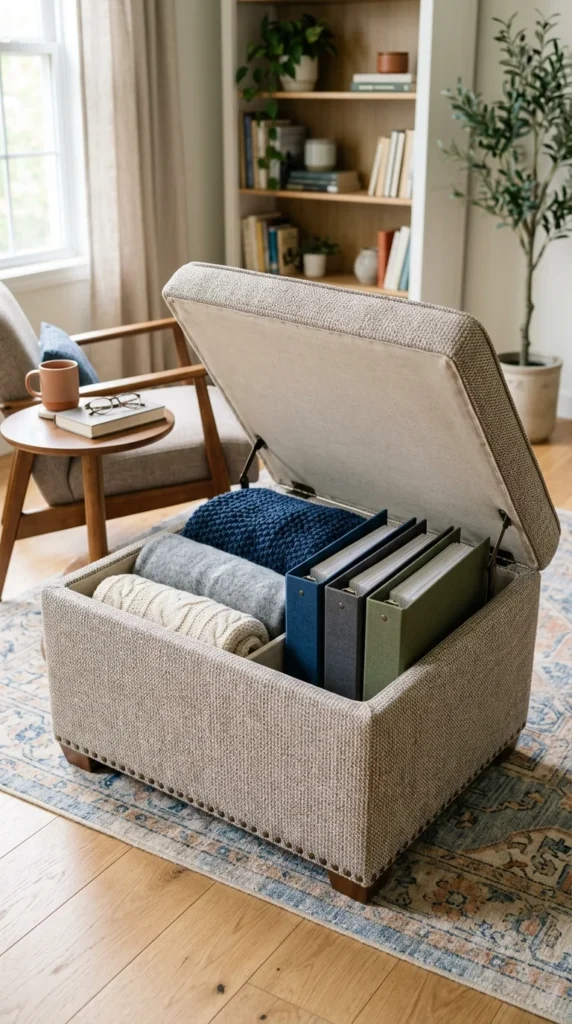
In a multi-purpose room, hiding your office supplies is key to maintaining a relaxing environment. Furniture with hidden storage, like ottomans, storage benches, or desks with built-in “modesty panels” that hide wires, allows you to store bulky items out of sight. This is particularly useful for items you use frequently but don’t want to look at all day, such as extra printer paper or backup hard drives.
12. Cord Wraps

For the cables that travel with you or sit on top of your desk, cord wraps are a life-saver. These small ties or wraps prevent chargers and headphones from becoming a knotted mess in your bag or drawer. By keeping your portable tech tidy, you reduce the frustration of untangling wires every time you need to charge your phone or join a video call.
13. Mail Organizers
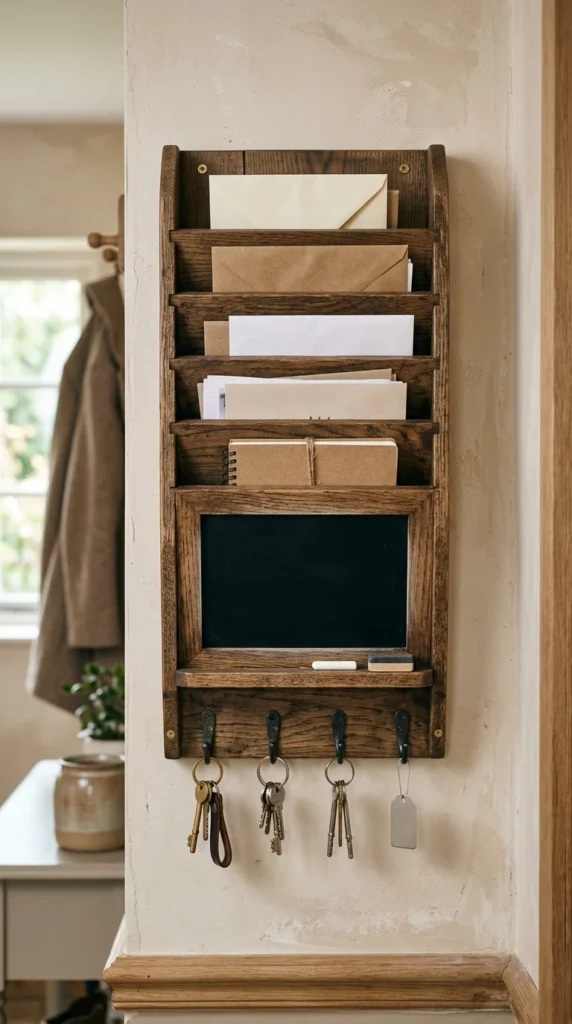
Mail has a habit of piling up near the entryway or on the corner of the desk. A dedicated mail organizer creates a filter for your home. As soon as mail enters the house, it can be sorted into “Bills,” “Personal,” or “Toss/Recycle.” This prevents the “paper pile-up” before it even starts, ensuring that your desk remains a zone for work, not for processing household administrative tasks.
14. Tech Stations

Designating a specific area for charging your devices prevents them from being scattered across your workspace. A tech station consolidates your chargers into one hub, reducing the number of outlets you need and keeping your devices organized while they juice up. This also creates a “home” for your tech at night, helping you disconnect from work and improve your sleep hygiene.
15. File Cabinets
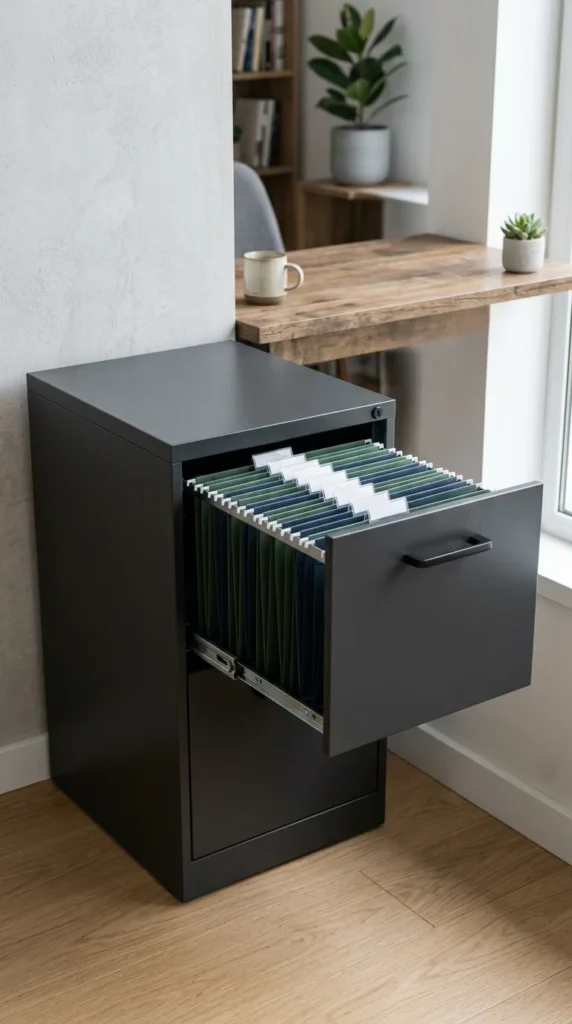
Even in a digital world, some physical documents are unavoidable. A sleek, modern file cabinet is the pro’s choice for long-term document storage. Rather than the industrial-looking metal bins of the past, contemporary file cabinets often double as side tables or printer stands. Use hanging folders with clear labels to categorize your taxes, contracts, and medical records, making retrieval effortless.
16. Under-Desk Mounts
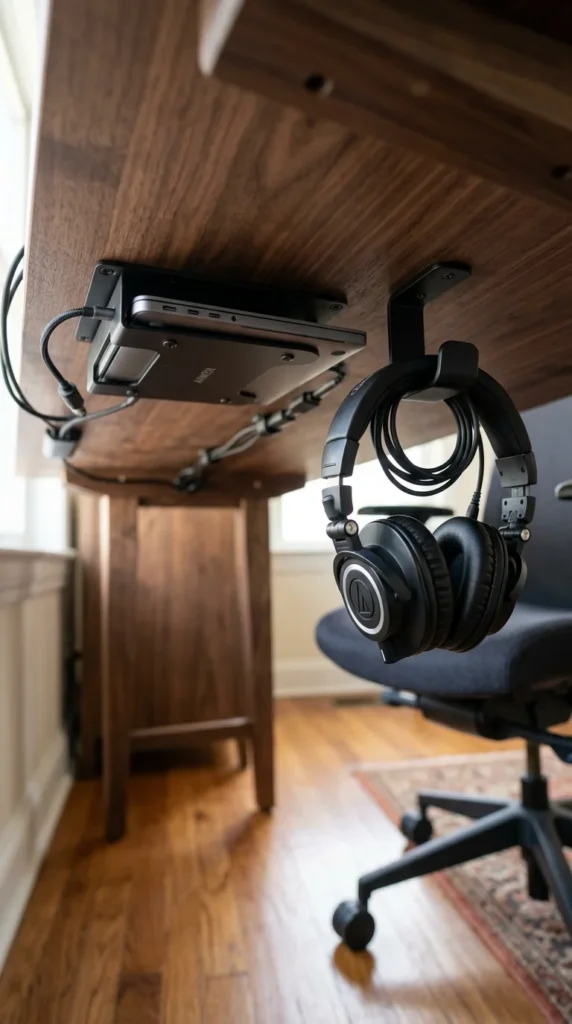
The underside of your desk is a goldmine of unused space. Under-desk mounts can hold everything from your laptop and docking station to your headphones and power strips. This “stealth storage” keeps your desktop completely clear of peripherals, giving you a vast, open space to work. It is the ultimate secret of the professional minimalist.
17. Corner Shelves
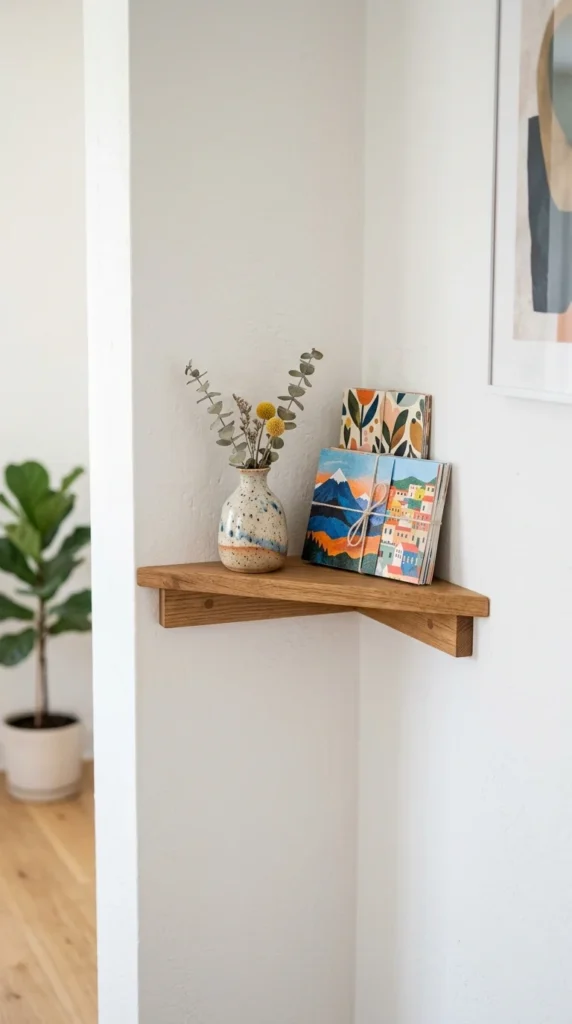
Corners are often wasted space in an office. Installing specialized corner shelves allows you to utilize these awkward angles for storage or display. Whether you use them for small office supplies or a bit of greenery to brighten the mood, corner shelves add depth to the room and ensure that every inch of your office is working for you.
18. Supply Jars

For a touch of classic organization, glass jars are hard to beat. They are inexpensive, eco-friendly, and provide instant visual clarity. By grouping similar items in jars—like binder clips, rubber bands, or stamps—you turn mundane office supplies into an attractive display. The transparency ensures you never run out of supplies unexpectedly, as you can always see your stock levels.
19. Minimalist Desk Mats
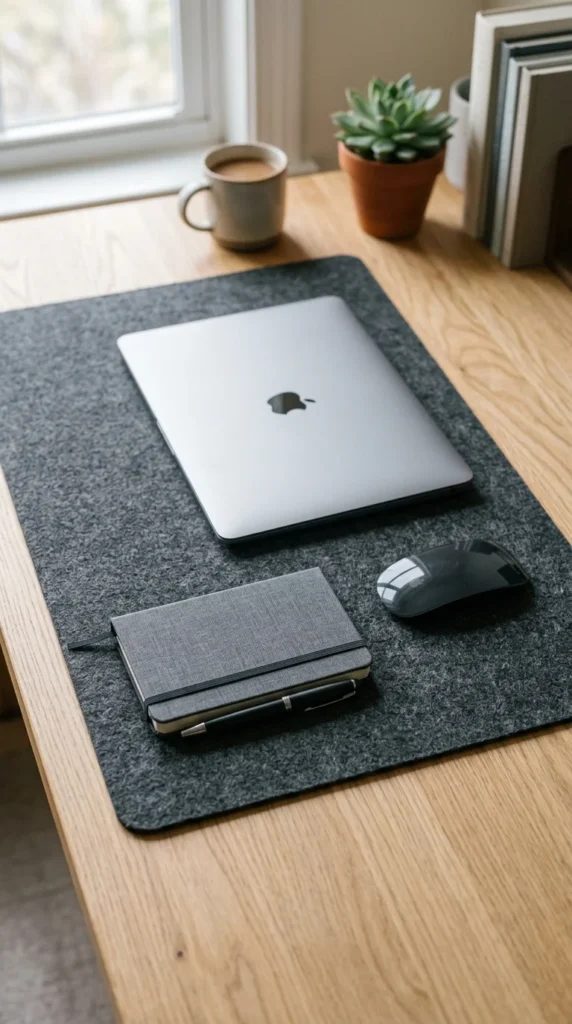
A desk mat serves as a “zone” for your primary work. It defines your workspace and protects your desk surface, but it also serves a psychological purpose. When you place your equipment on the mat, it signals to your brain that it is time to focus. It provides a tactile, comfortable surface and naturally encourages you to keep your items centered and organized within its borders, preventing “desk creep” where items slowly migrate across the entire table.