The modern home has become a multifunctional hub where professional deadlines and childhood imagination often collide in the same square footage. Balancing a productive workspace with a stimulating play area requires more than just pushing a desk against a wall. It requires a strategic blend of organization, design, and psychology. Here are 23 innovative ideas to create a playroom office combo that serves both the CEO and the toddler of the house.
1. Zoned Layouts

Zoning is the foundation of any successful shared space. By visually and physically dividing the room, you create mental cues for when it is time to work and when it is time to play. Use furniture placement, such as the back of a sofa or a long bookshelf, to create a corridor that separates the “work zone” from the “play zone.” This helps reduce distractions and gives children a clear understanding of where their domain ends and the professional world begins.
2. Clear Boundaries
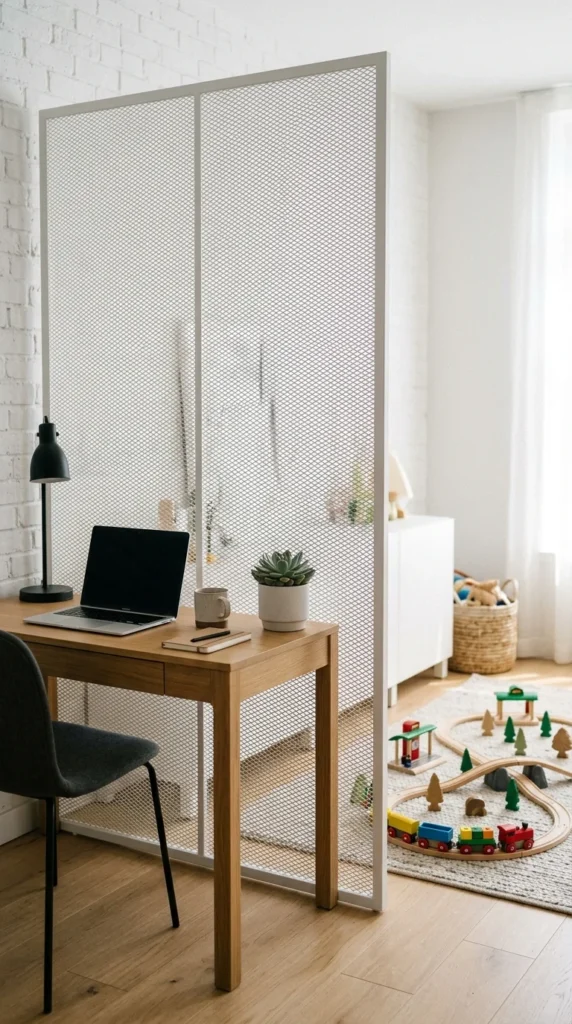
Boundaries don’t always have to be walls. Use open-back shelving units or decorative screens to create a physical barrier that doesn’t close off the room. This allows for supervision—you can see what the kids are doing—while providing enough of a shield to keep your workspace feeling private. It also prevents toys from “migrating” into your legroom during the day.
3. Storage Benches

Multi-purpose furniture is the secret weapon of small spaces. A storage bench provides extra seating for you or a spot for a child to read, while the hollow interior hides the clutter of toys. Choosing a bench with a high-weight capacity ensures it can transition from a toy chest to a functional seat for adult meetings if necessary.
4. Wall-to-Wall Desks

A long, shared surface creates a sense of unity and “parallel play.” While you are answering emails, your child can be “working” on their art project right next to you. This setup minimizes the feeling of isolation for both parties and allows the desk to serve as a massive craft station during the weekends.
5. Vertical Storage
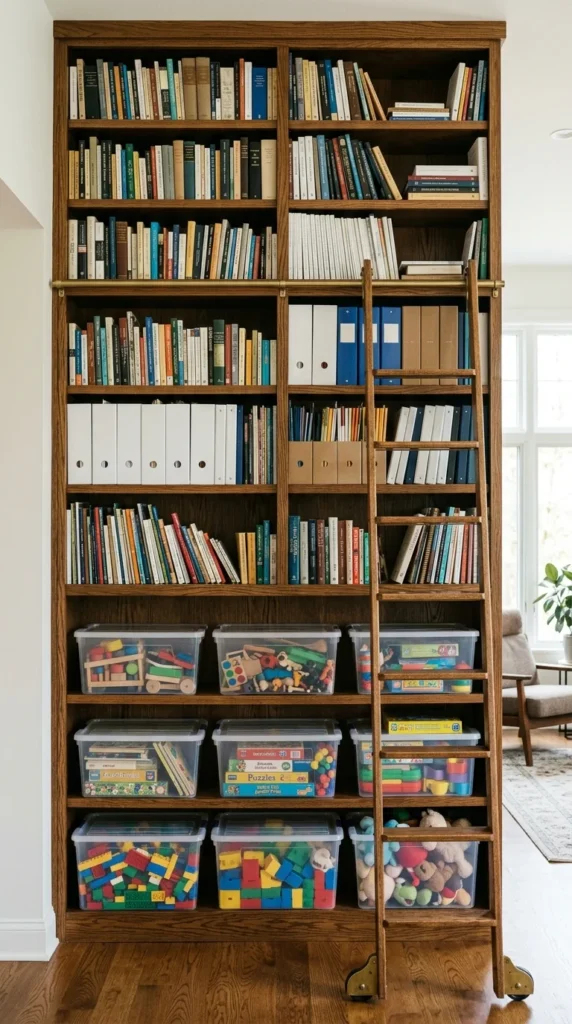
When floor space is at a premium, look up. Use the higher reaches of your walls for office supplies, expensive tech, and documents that need to stay out of tiny hands. Reserve the lower shelves for kid-friendly items. This hierarchical organization keeps the room tidy and ensures that “adult things” remain safe from accidental crayon marks.
6. Chalkboard Walls
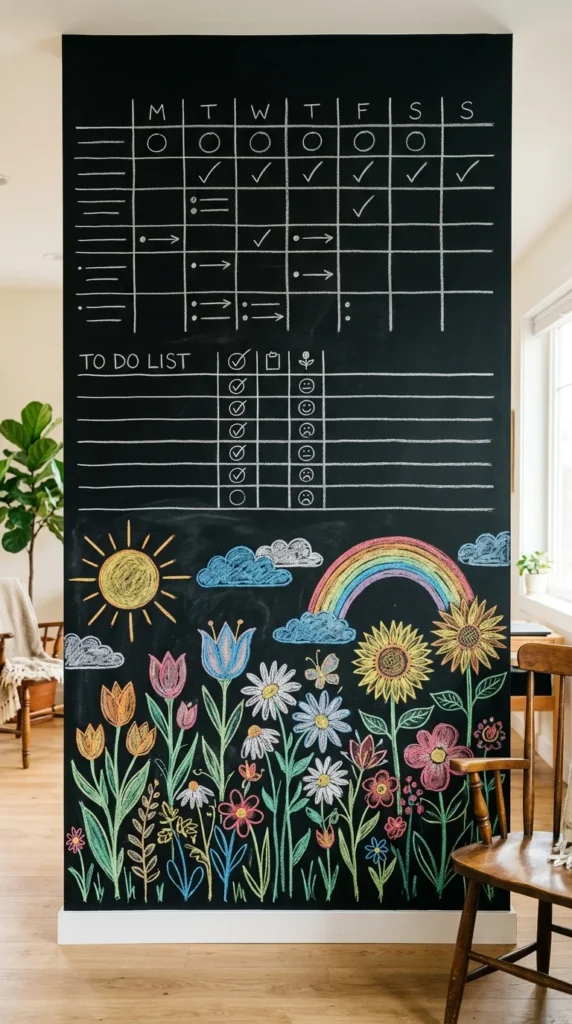
A chalkboard wall is a creative way to merge the needs of both worlds. You can use the upper portion for brainstorming, project timelines, or reminders, while the lower portion serves as an infinite canvas for your children. It’s a low-tech, high-impact feature that turns a plain wall into a functional tool.
7. Rolling Furniture
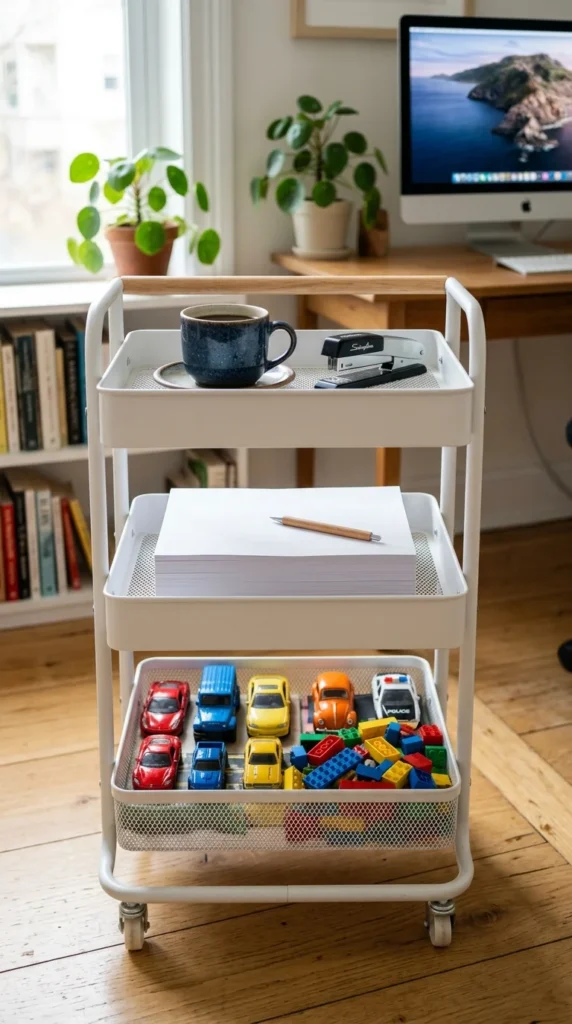
Flexibility is key in a dual-purpose room. Desks on casters, rolling storage carts, and mobile chairs allow you to reconfigure the room in seconds. If you need more floor space for a big play project, you can wheel your desk to the corner. If you need a quiet corner for a video call, you can shift the play bins out of the camera’s frame.
8. Loft Beds

If your office-playroom combo is in a bedroom, a loft bed is a game-changer. By elevating the “sleep” or “play” area, you free up the entire footprint underneath for a dedicated office. This creates a cozy, secluded feel for your desk, making it easier to focus while the “fun” happens above you.
9. Built-in Nooks
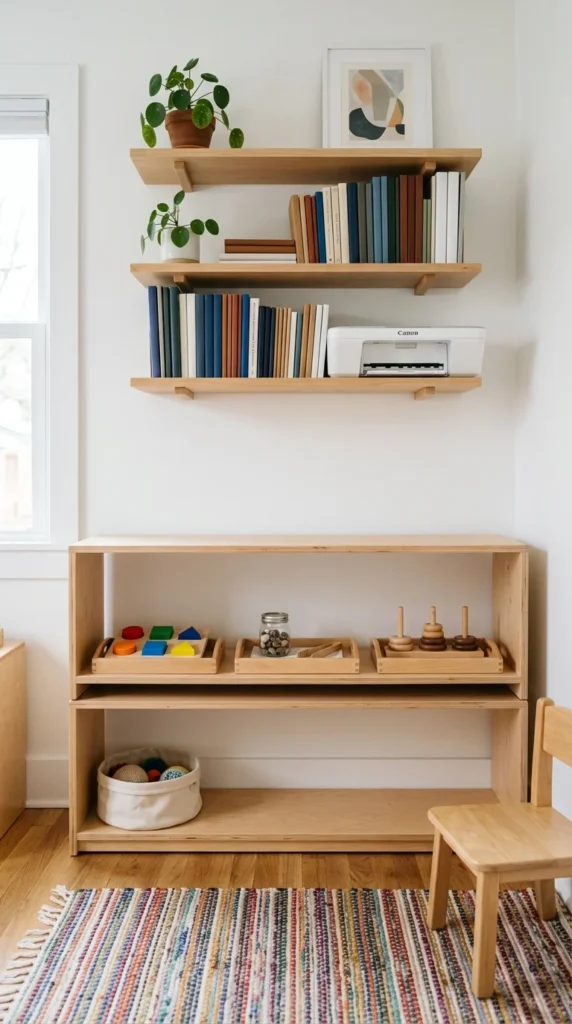
Utilizing architectural quirks like alcoves or closets can provide a “built-in” feel that saves space. A closet-turned-office (or “cloffice”) allows you to literally close the door on your work at the end of the day, returning the room entirely to the children. Conversely, a small nook can be turned into a “reading cave” for kids, keeping them tucked away and occupied.
10. Color Coding
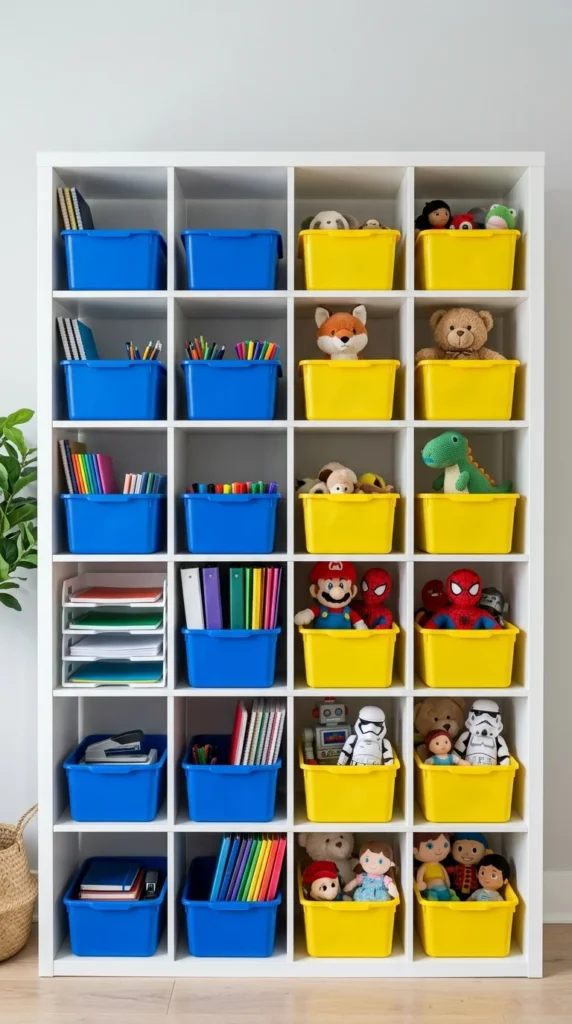
Visual organization helps children understand ownership and responsibility. Assign a specific color to “work items” and another to “play items.” This makes cleanup much faster and helps you quickly scan the room to see if any office supplies have wandered into the toy bins.
11. Soundproofing Rugs
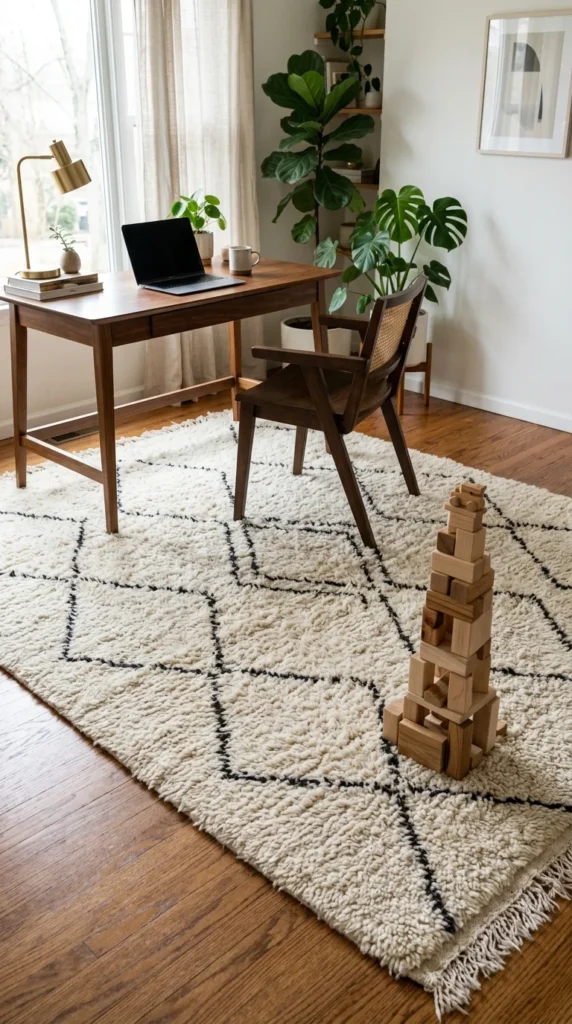
Offices need quiet, and playrooms are notoriously loud. Thick rugs and acoustic wall panels can help dampen the sound of crashing blocks or high-pitched laughter. Choose a rug that is durable and easy to clean, as it will likely see both coffee spills and juice box accidents.
12. Hideaway Closets
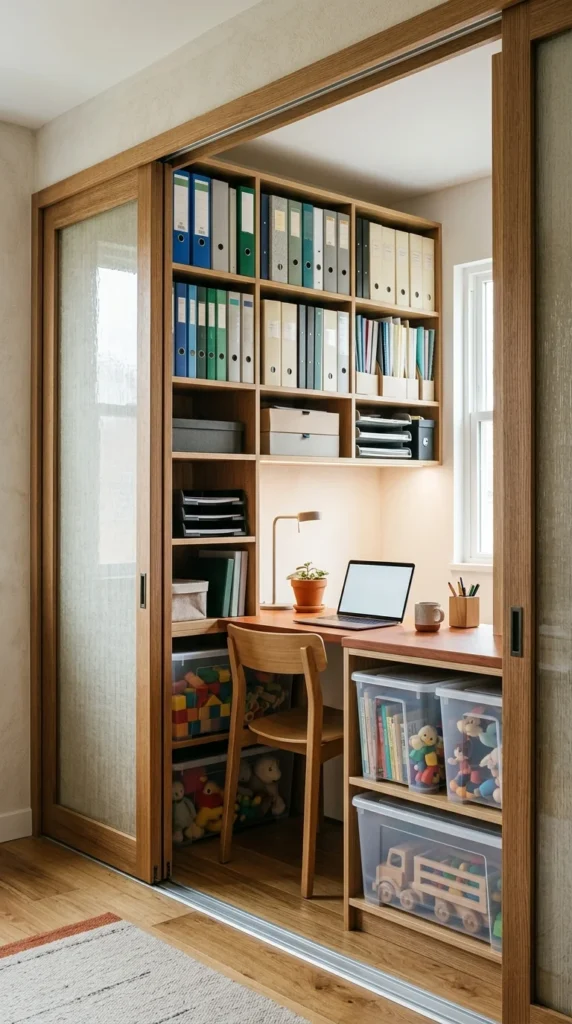
If you want the room to look like a professional office during your 9-to-5, use closets to hide the “play” element. When the doors are closed, the toys are invisible. When work is over, open the doors and let the playroom spill out. This is ideal for those who frequently host clients or need a “clean” background for professional video calls.
13. Modular Shelving
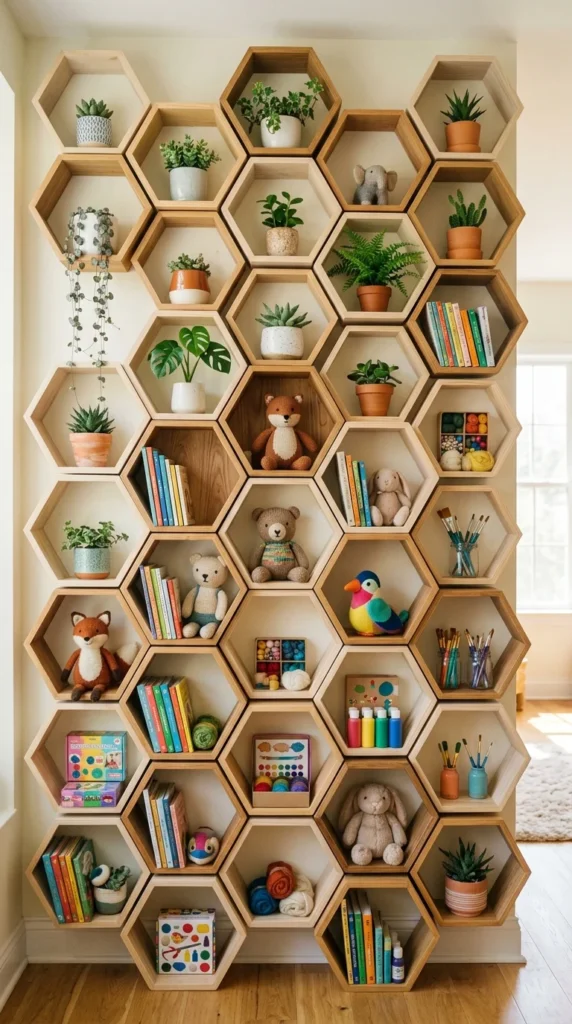
Modular shelving systems allow you to adapt the room as your children grow. What starts as a shelf for diaper supplies and soft toys can eventually transition into a space for school books and art portfolios. These systems are aesthetically pleasing and offer endless customization for a shared space.
14. Double-Sided Desks
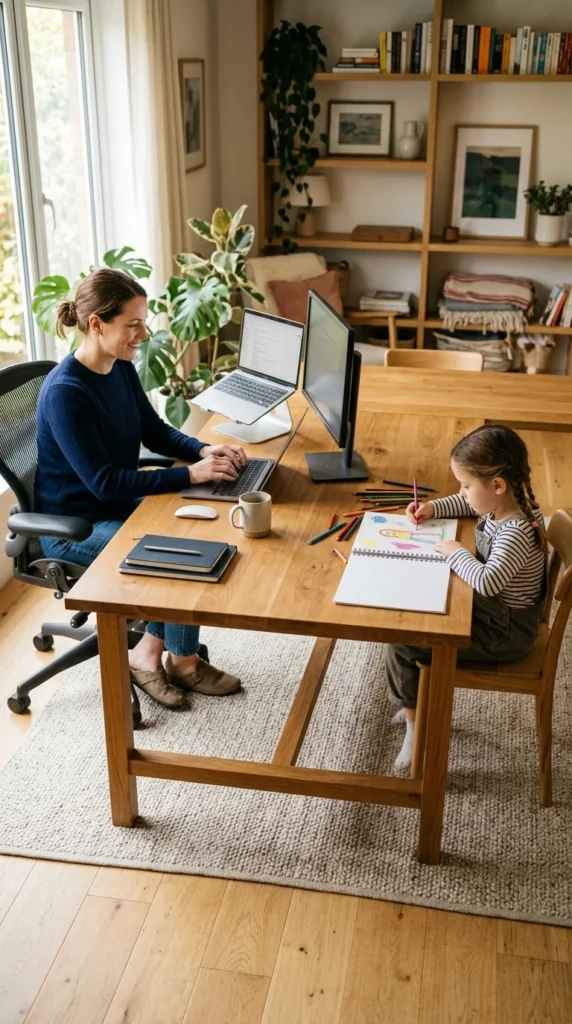
A double-sided desk promotes a “work together” atmosphere. It allows for a shared central hub where power outlets and lighting can be concentrated. This setup is particularly effective for parents of older children who have homework to complete while the parent is finishing up their workday.
15. Sensory Corners
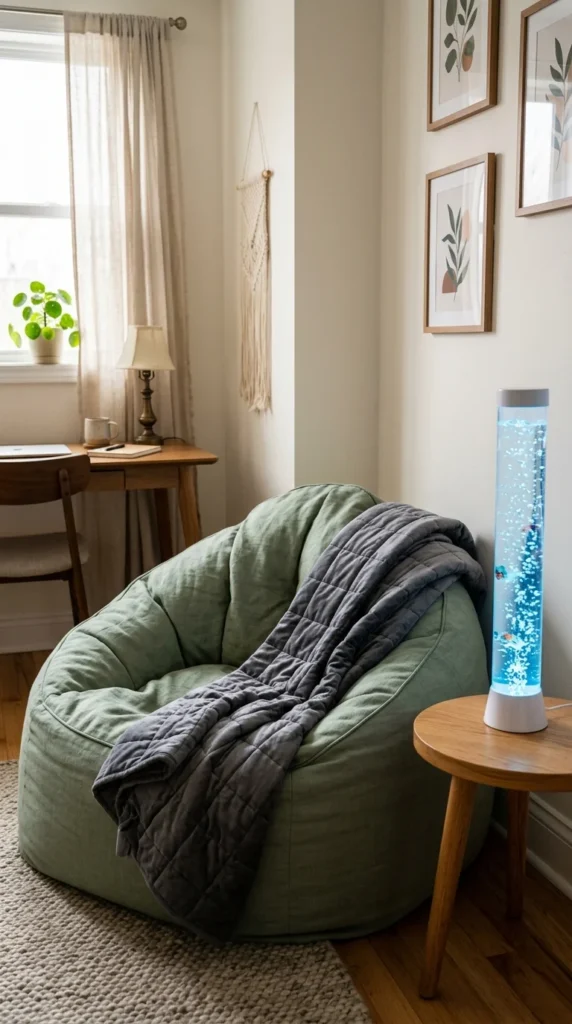
A playroom isn’t just about loud toys; it can also be a place for calm. Incorporating a sensory corner with soft lighting and textures can provide a quiet space for a child to decompress. This is beneficial for the office side of the room, as it encourages quieter play while you are on important calls.
16. Pegboard Systems

Pegboards are the ultimate versatile organizers. You can easily swap out components as your needs change. Use them to hang your office essentials—like scissors, tape, and headphones—out of reach, while lower pegs can hold the kids’ backpacks, art smocks, or toy bags.
17. Floating Shelves
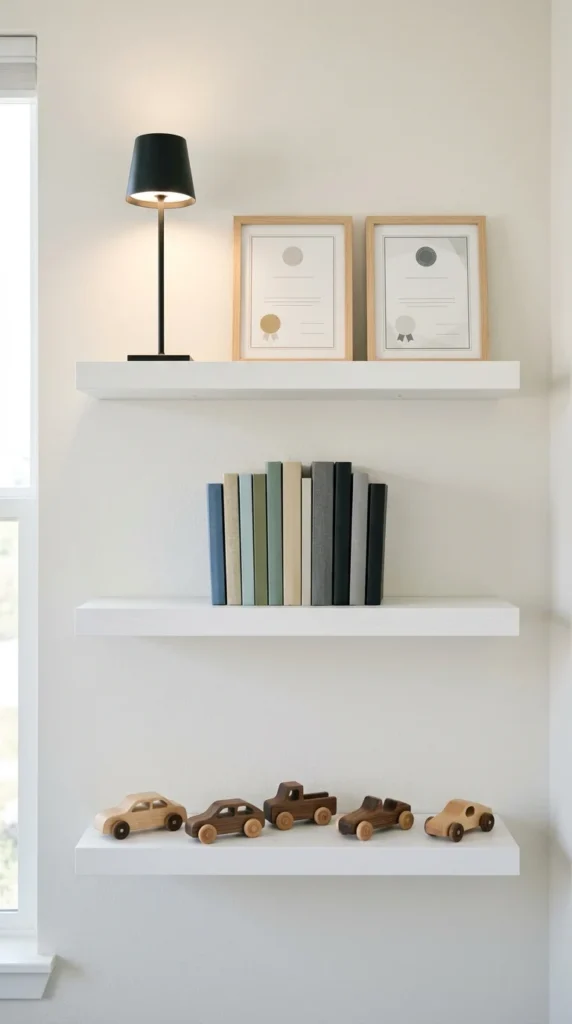
Floating shelves keep the floor clear, making the room feel larger and easier to vacuum (a necessity in a playroom). They offer a clean, modern aesthetic that blends well with professional decor while providing a place to display both your accolades and your child’s favorite creations.
18. Cozy Seating

Adding a comfortable armchair or a small loveseat provides a bridge between work and play. It’s a spot for you to take a break or read a document, and it’s a spot for your child to curl up with a book. Choosing a fabric that is stain-resistant is a must for this shared environment.
19. Tech Management
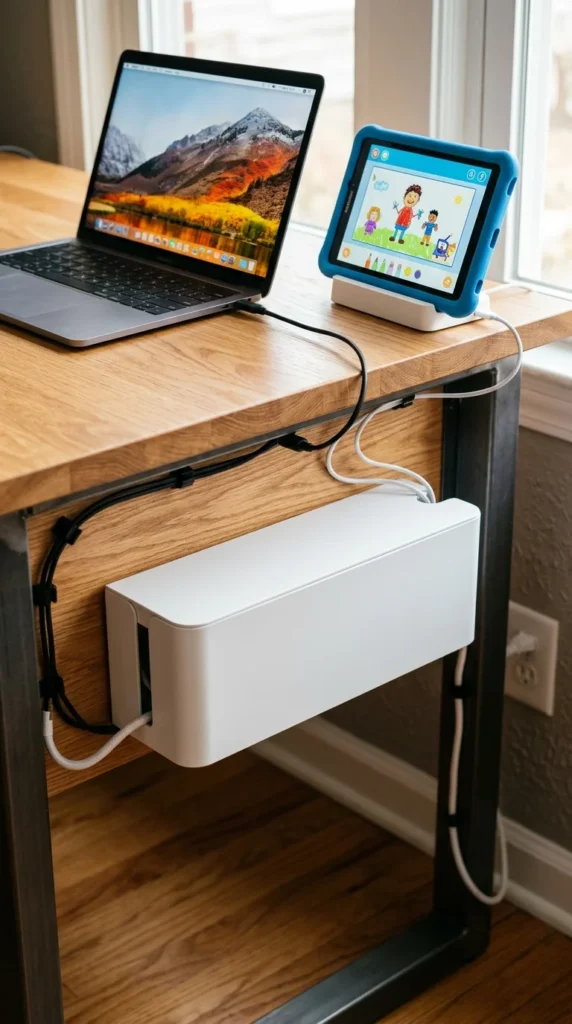
Tangled cords are a safety hazard for kids and a visual eyesore for an office. Use cable management boxes, clips, and cord covers to keep all electronics out of sight and out of reach. A dedicated charging station for both adult “tools” and kids’ tablets keeps the tech organized and prevents the “where is my charger?” morning scramble.
20. Natural Light

Maximizing natural light boosts productivity for the office worker and mood for the playing child. Position the desk near the window for the best light for video calls, but ensure there is a play area in the sun as well. Use sheer curtains to manage glare on computer screens without blocking the daylight.
21. Display Galleries
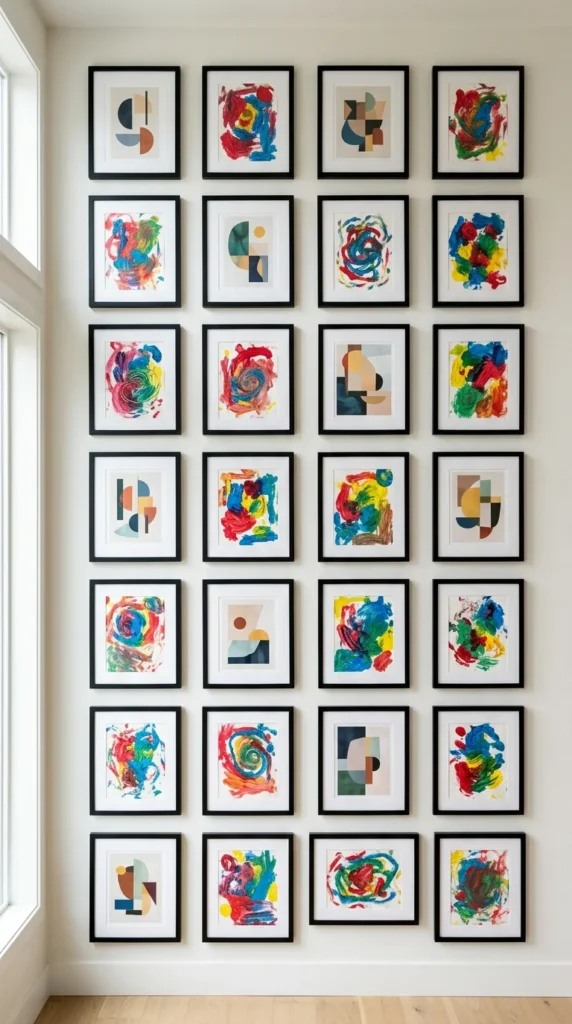
Celebrate the “play” part of the room by creating a dedicated art gallery. Framing your children’s artwork makes it feel like intentional decor rather than clutter. It bridges the gap between a sterile office and a chaotic playroom, creating a space that feels lived-in and loved.
22. Soft Flooring

If you have hardwood or tile, adding soft flooring is essential. Interlocking foam mats come in sophisticated colors and patterns that look like high-end rugs but provide a soft landing for kids. They also help with sound insulation and are incredibly easy to wipe clean after a spill.
23. Multipurpose Tables
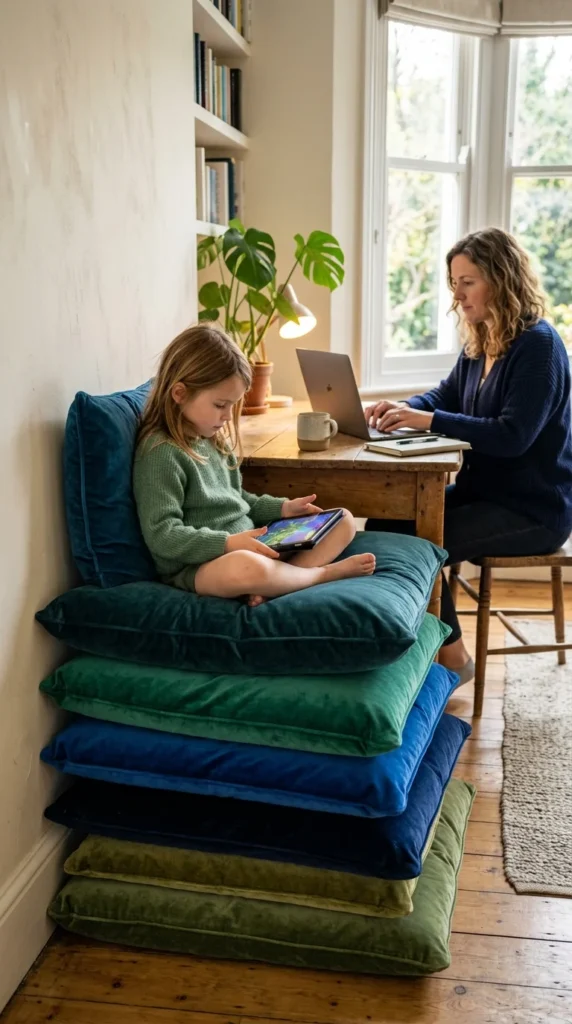
Sometimes the best “office” or “playroom” furniture is a simple, large table. A sturdy table can host a morning board meeting and an afternoon LEGO session. Because it’s a single large surface, it’s easy to clear off and transition from one use to the other, making it the ultimate functional centerpiece for a combo room.