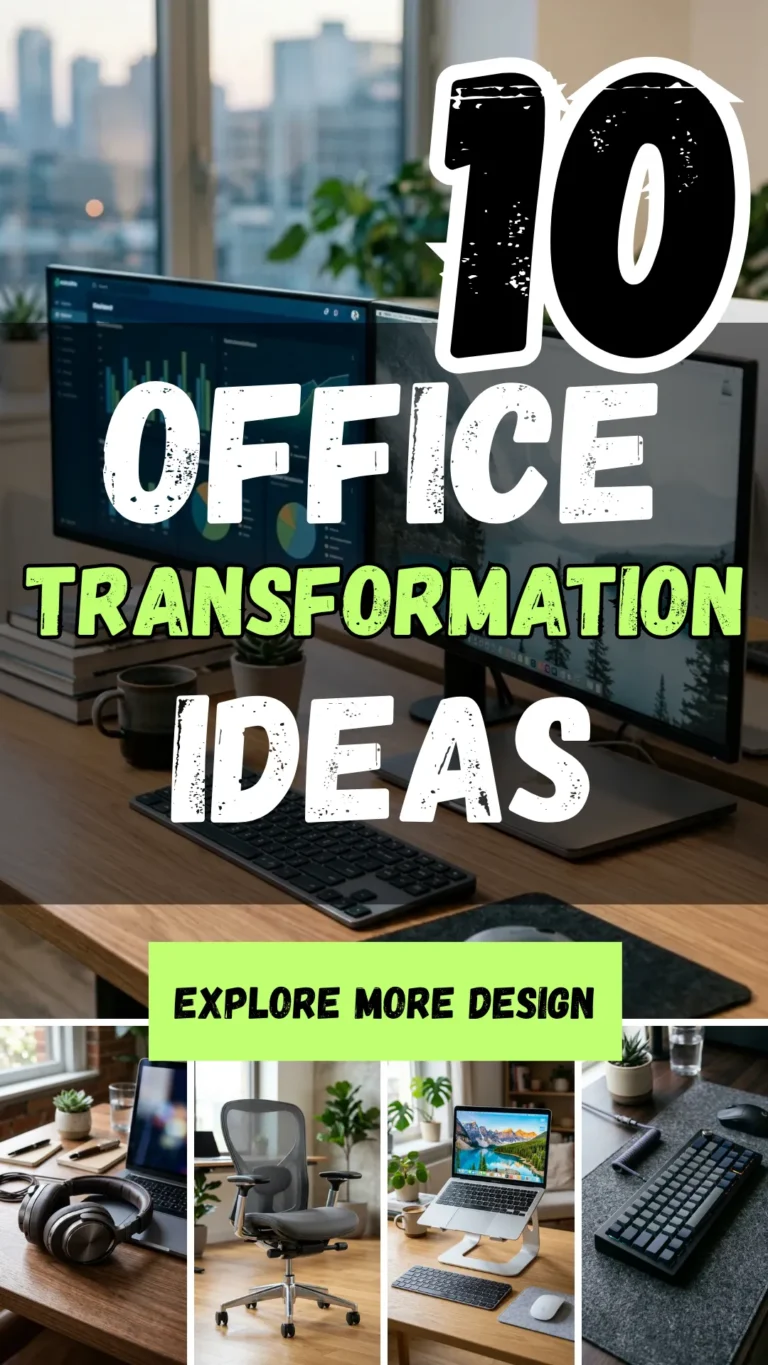

The environment in which we work dictates the quality of the work we produce. In an era where the boundary between “home” and “office” has blurred, the need for a curated, inspiring workspace has never been more critical. Whether you are battling a mid-afternoon slump or struggling to find creative sparks, your physical surroundings are often the silent culprit—or the secret solution.
Transforming an office isn’t just about buying a new desk; it’s about engineering an atmosphere that promotes focus, reduces stress, and reflects your personal identity. From the psychological impact of color to the physiological benefits of ergonomics, every small adjustment ripples into your productivity. Here are 15 transformative ideas to turn your workspace into a powerhouse of inspiration.
1. Ergonomic Seating
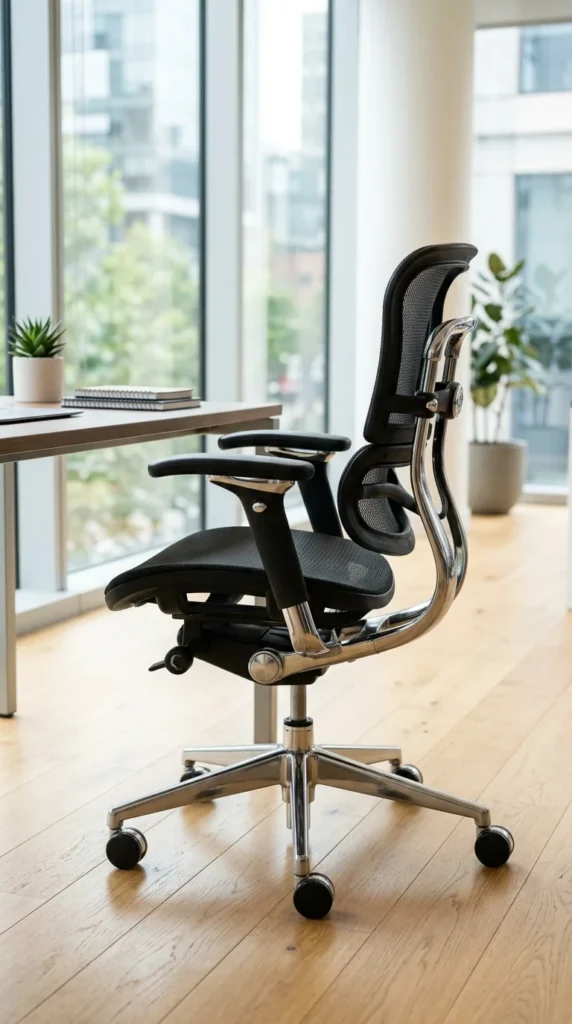
The foundation of any great office is a chair that supports the human form. Traditional chairs often lead to “computer hunch,” causing long-term back and neck issues. An ergonomic transformation involves investing in a chair with 4D armrests, dynamic lumbar support, and breathable mesh. When your body is comfortable, your brain can dedicate 100% of its energy to the task at hand rather than managing physical discomfort.
- Adjustability is Key: Ensure the chair allows your feet to rest flat on the floor with knees at a 90-degree angle.
- Material Matters: Choose mesh for breathability in warmer climates or high-quality leather for a classic, firm feel.
2. Natural Light
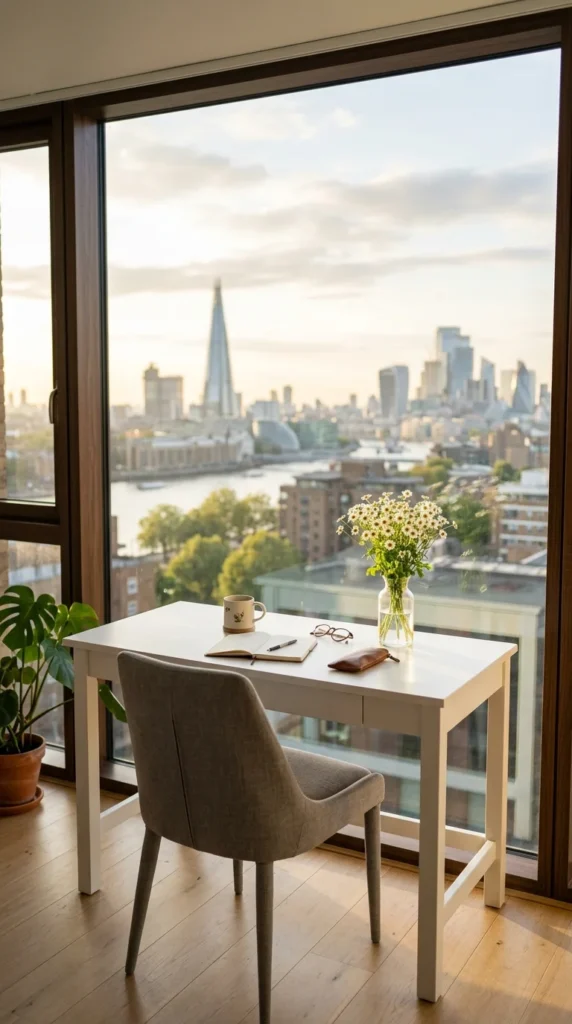
othing kills productivity faster than the flickering hum of overhead fluorescent lights. Natural light is a powerful regulator of the circadian rhythm, helping you stay alert during the day and sleep better at night. To transform your space, position your desk near a window—ideally perpendicular to it to avoid screen glare.
- Mirror Magic: If you have limited windows, place a large mirror on the opposite wall to bounce natural light into the darker corners of the room.
- Sheer Transitions: Use sheer curtains to diffuse harsh direct sunlight while still keeping the room bright and airy.
3. Indoor Greenery
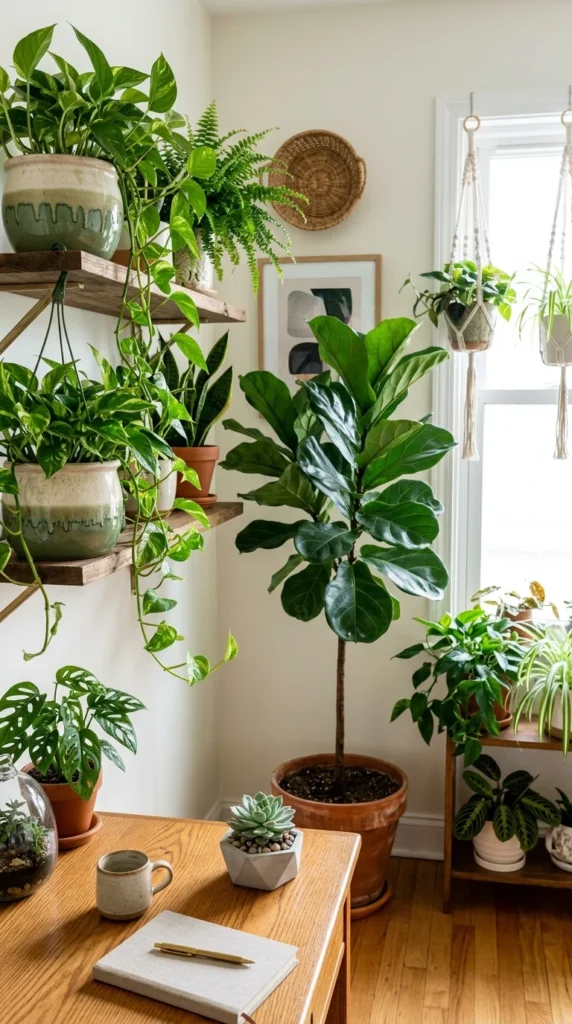
Biophilic design—the practice of connecting human spaces to the natural world—is a game-changer for office morale. Adding plants like Snake Plants, Monsteras, or Peace Lilies doesn’t just improve air quality by filtering toxins; it significantly reduces stress levels and boosts creativity.
- Vertical Gardens: If desk space is at a premium, use wall-mounted planters or hanging pots to bring the greenery upward.
- Low Maintenance: For those without a green thumb, ZZ plants and Pothos are incredibly resilient and thrive in low-light office conditions.
4. Standing Desks
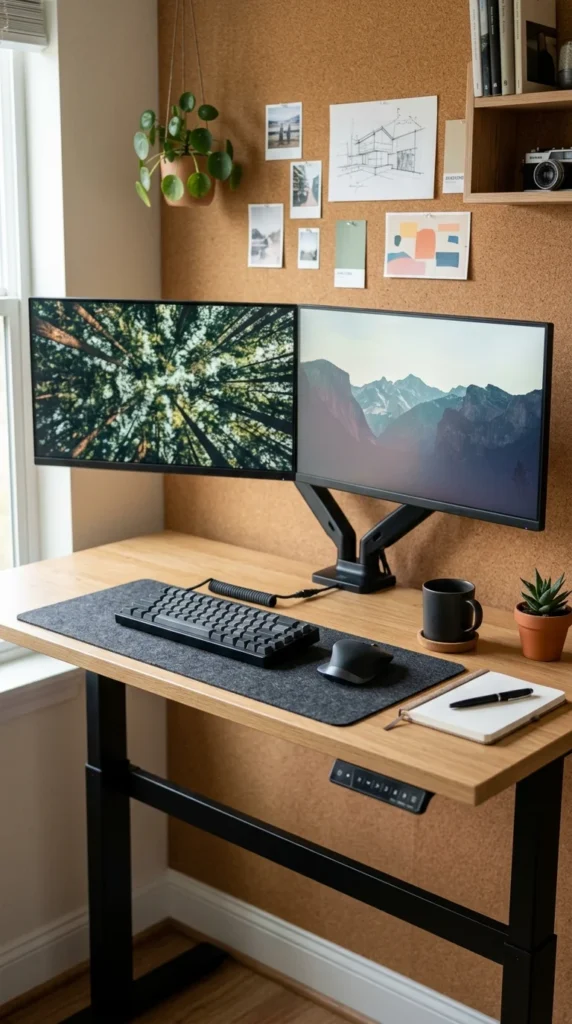
Sitting is the new smoking, or so the saying goes. A height-adjustable standing desk allows you to transition between sitting and standing throughout the day, improving circulation and keeping your energy levels high. The transformation here is about movement; it encourages you to shift your posture, which can prevent the dreaded afternoon brain fog.
- Anti-Fatigue Mats: If you switch to a standing desk, pair it with a cushioned mat to protect your joints.
- Electric vs. Manual: Electric desks offer preset heights for easy transitions, making it more likely that you’ll actually use the standing feature.
5. Minimalist Organization
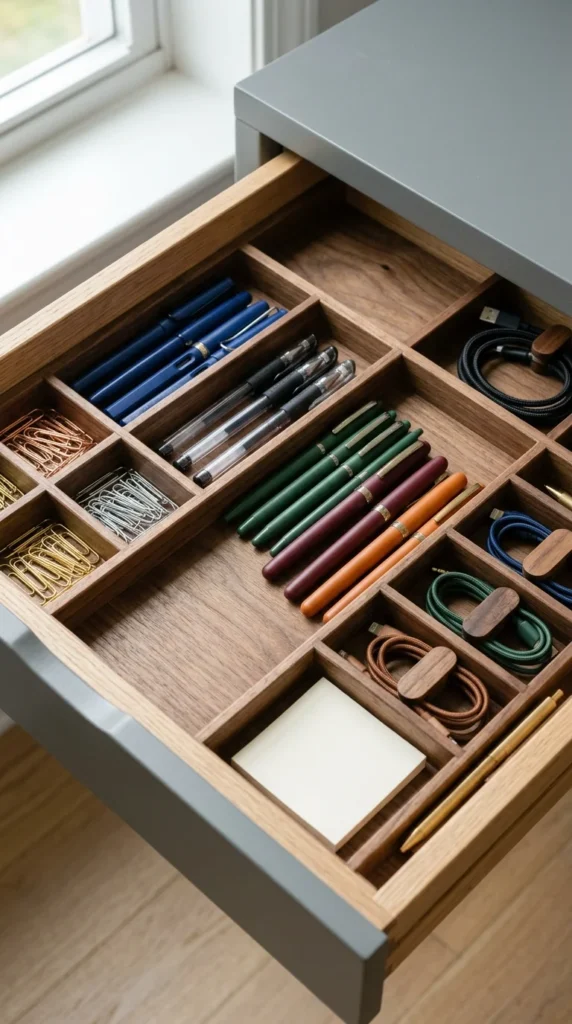
Visual clutter leads to mental clutter. A minimalist transformation involves clearing every surface and only returning the absolute essentials. Use hidden storage solutions, like under-desk drawers or sleek filing cabinets, to keep the “noise” out of sight.
- The “One-Touch” Rule: If you pick up a piece of paper or a tool, don’t put it down until you’ve either used it, filed it, or tossed it.
- Uniformity: Use matching storage bins and folders to create a cohesive, calming visual field.
6. Accent Walls
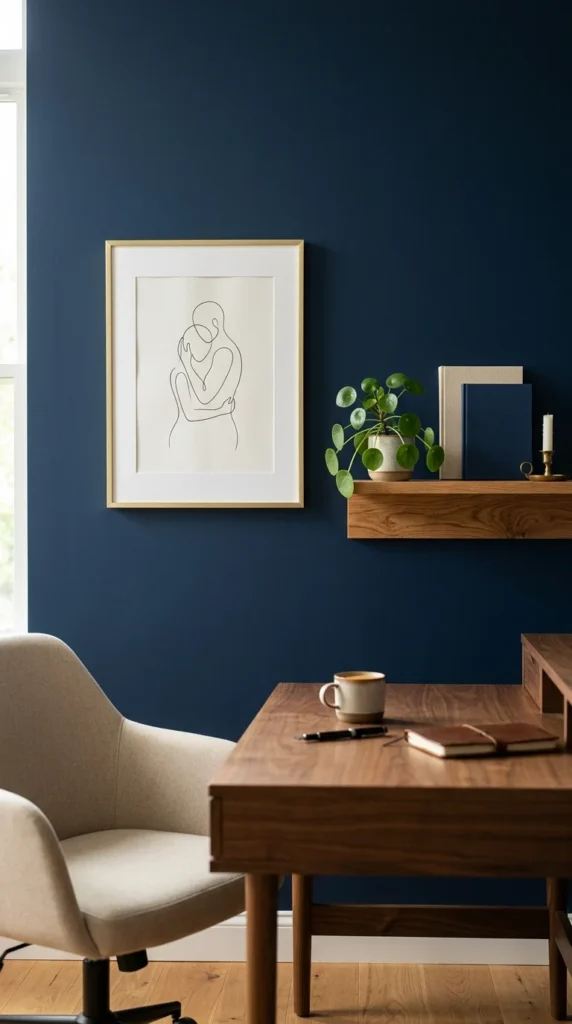
Color psychology plays a massive role in how we feel. A transformation can be as simple as a gallon of paint. Deep blues promote focus and stability, while sage greens offer a sense of calm. If you want energy, a muted terracotta or yellow can provide a boost without being overwhelming.
- Texture Over Color: Consider removable wallpaper with a subtle linen texture or a geometric pattern to add depth without the commitment of paint.
- The Feature Wall: Paint only the wall you face while working to create a “focus zone” that separates your work area from the rest of the room.
7. Acoustic Panels
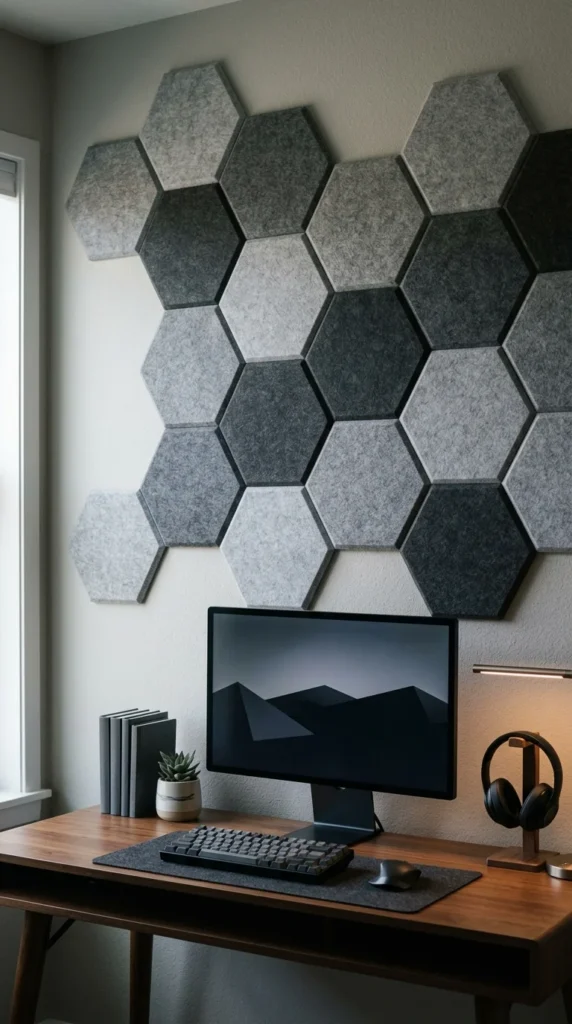
In a world of Zoom calls and open-concept homes, sound management is vital. Acoustic panels have evolved from ugly foam wedges into beautiful design elements. Felt panels or wood-slat walls can absorb echoes, making your voice sound richer on calls and blocking out the hum of the rest of the house.
- Artistic Absorption: Many companies now create acoustic panels that look like high-end canvas art.
- Rug Integration: Don’t forget the floor; a thick rug is one of the best acoustic treatments for a room with hard floors.
8. Personal Gallery
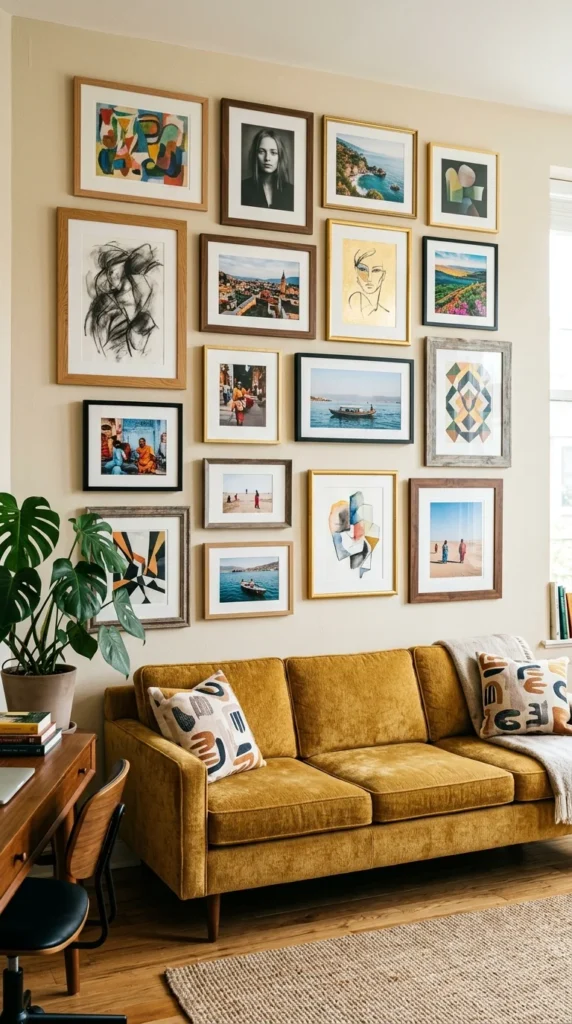
While minimalism is great for focus, a sterile environment can feel uninspiring. Create a “vision board” or a curated gallery wall that reminds you why you do what you do. This could include awards, photos of loved ones, or art that moves you.
- Rotation: Swap out the art every few months to keep the environment feeling fresh and new.
- Cohesive Framing: Use different styles of art but keep the frames in the same color family (e.g., all black or all light wood) to maintain a professional look.
9. Smart Lighting
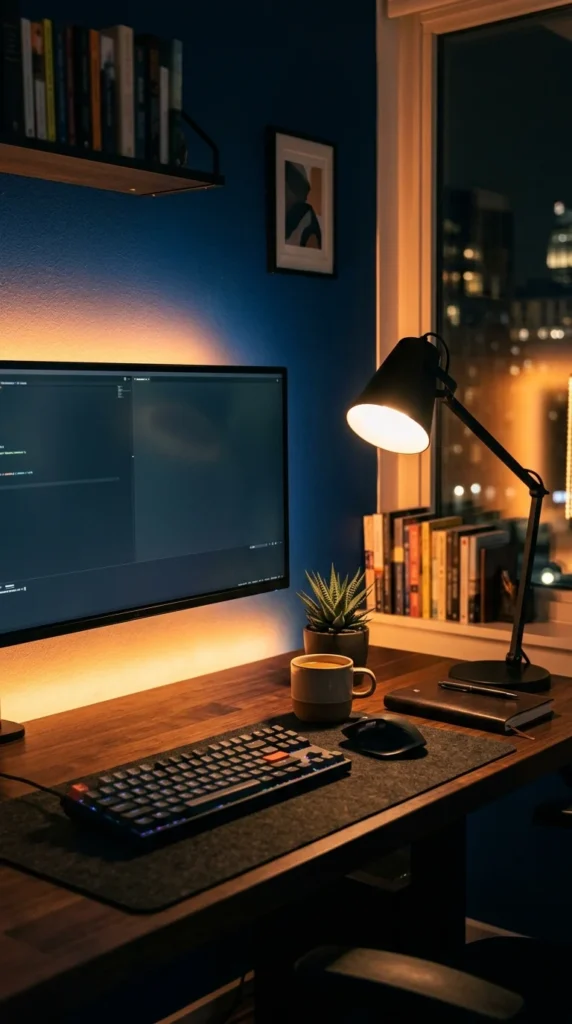
The lighting you need at 9:00 AM is different from what you need at 6:00 PM. Smart lighting systems allow you to adjust the color temperature of your room. Cool, blue-toned light mimics daylight and keeps you focused, while warm, amber tones in the evening signal to your brain that it’s time to wind down.
- Bias Lighting: Add an LED strip to the back of your monitor to reduce eye strain when working in the evening.
- Voice Control: Integrate your lights with a smart home system to change the “scene” from “Concentrate” to “Relax” with a simple voice command.
10. Coffee Station
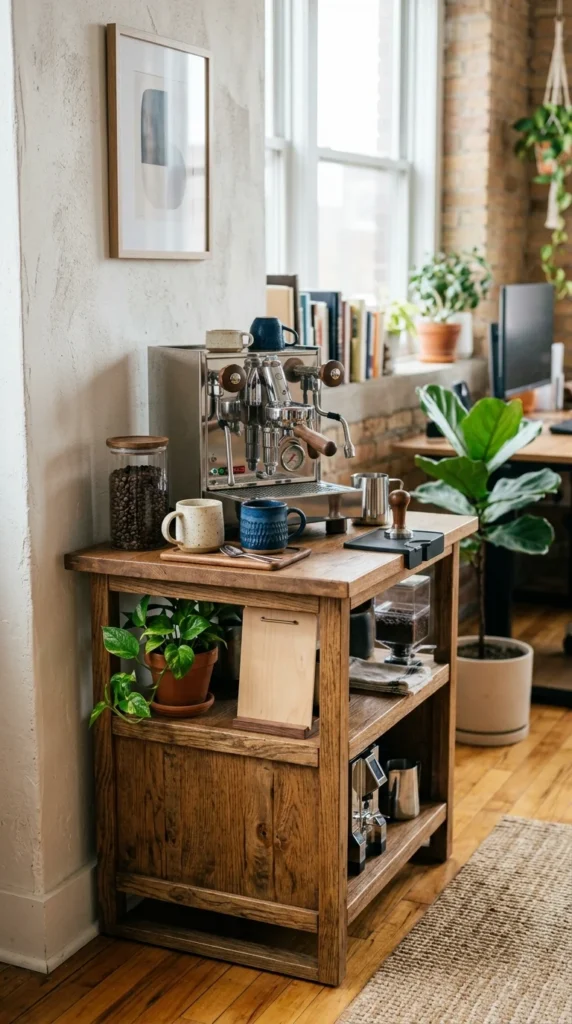
Transforming your office into a place you want to be involves adding perks. A dedicated coffee or tea station prevents you from getting distracted by household chores every time you head to the kitchen. It creates a ritualistic “break zone” within your professional space.
- Hydration Station: Include a stylish glass carafe of water to ensure you stay hydrated throughout the day.
- The Ritual: The act of grinding beans or steeping tea serves as a perfect 5-minute mental reset between deep-work sessions.
11. Cable Management
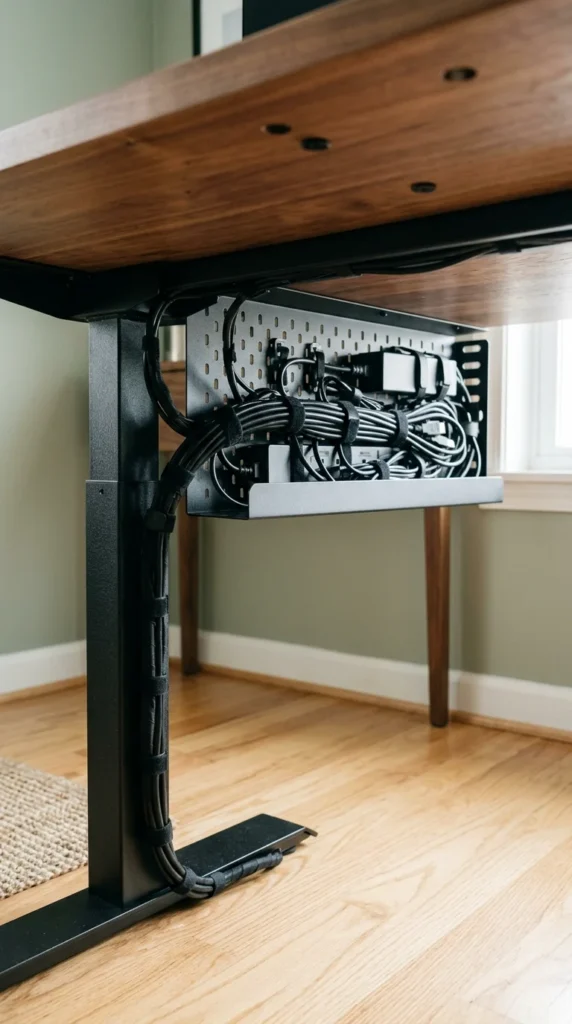
Nothing ruins a high-end office aesthetic like a “cable nest” under the desk. A transformation isn’t complete until your tech is tamed. Use cable sleeves, under-desk trays, and wireless charging pads to create a seamless, futuristic look.
- Wireless Transitions: Whenever possible, opt for wireless keyboards and mice to reduce the number of physical tethers on your desk.
- Labeling: Label both ends of your cables so that when you do need to unplug something, you aren’t playing a guessing game.
12. Scent Scaping
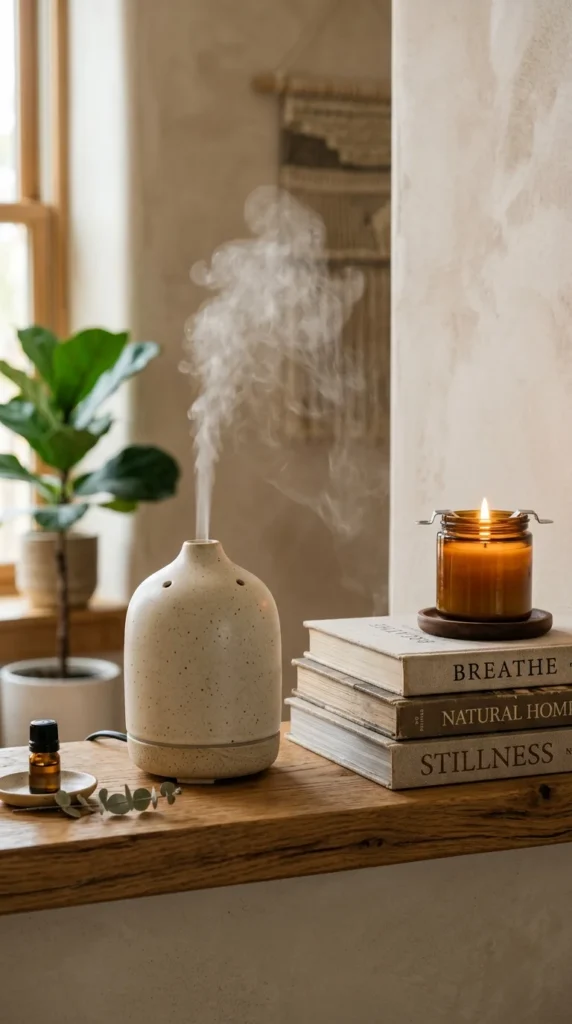
We often forget the power of smell. Scent scaping is the art of using fragrance to trigger specific mental states. Peppermint and lemon are scientifically shown to increase alertness and reduce typing errors, while lavender can help lower cortisol during high-stress deadlines.
- Ultrasonic Diffusers: These are safer than candles for an office environment and provide a consistent, subtle scent.
- Quality Matters: Use 100% pure essential oils rather than synthetic fragrances to avoid headaches.
13. Rugs and Textures
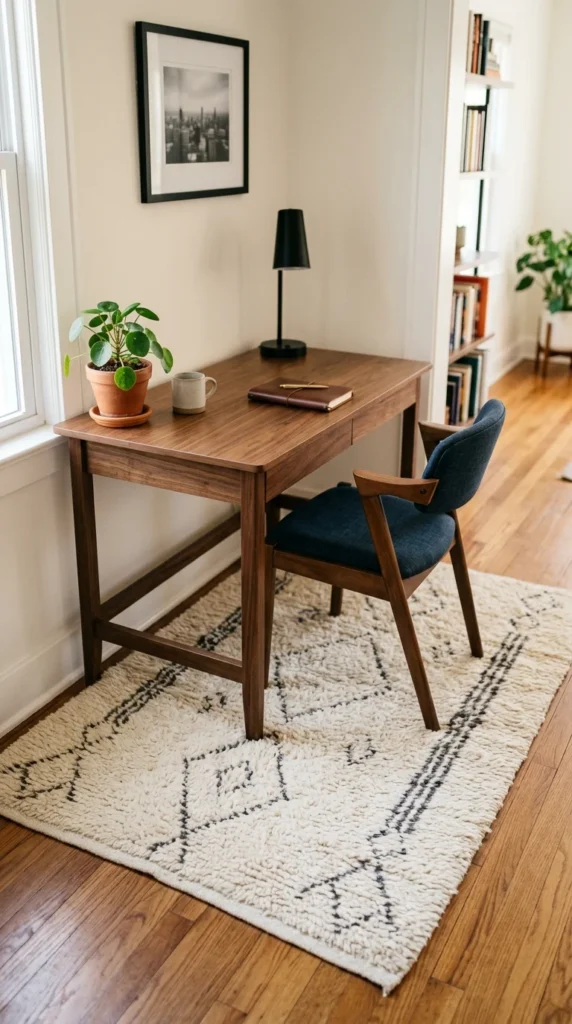
Hard surfaces can feel cold and institutional. Adding a rug “grounds” the furniture and defines the workspace as a specific zone. Textures like wool, jute, or faux fur add a layer of coziness that makes the office feel like a sanctuary rather than a cubicle.
- Zoning: If your office is part of a larger room (like a bedroom), a rug is the best way to visually separate the “work” zone from the “rest” zone.
- Low Pile: Choose a low-pile rug so your office chair can still roll easily, or use a transparent chair mat over a thicker rug.
14. Collaborative Zones
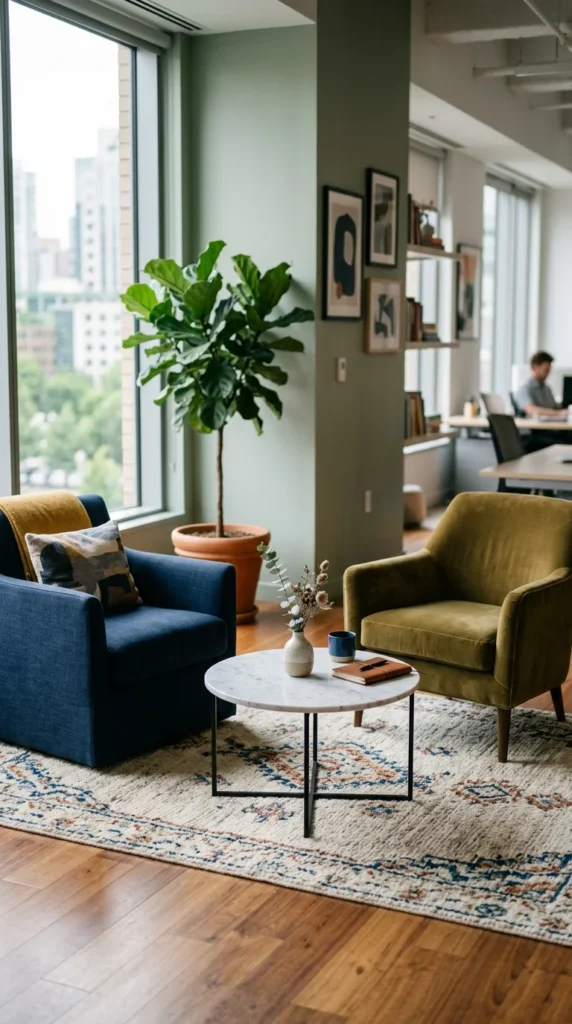
Even if you work alone, having a secondary seating area can transform your productivity. Moving from your desk to a comfortable armchair for reading or brainstorming can provide a “mental shift” that sparks new ideas.
- The “Library” Nook: A bean bag or a lounge chair paired with a small bookshelf creates the perfect space for professional development and reading.
- Guest Ready: If you host clients, this zone provides a more relaxed, conversational atmosphere than sitting across a desk.
15. Mood Lighting
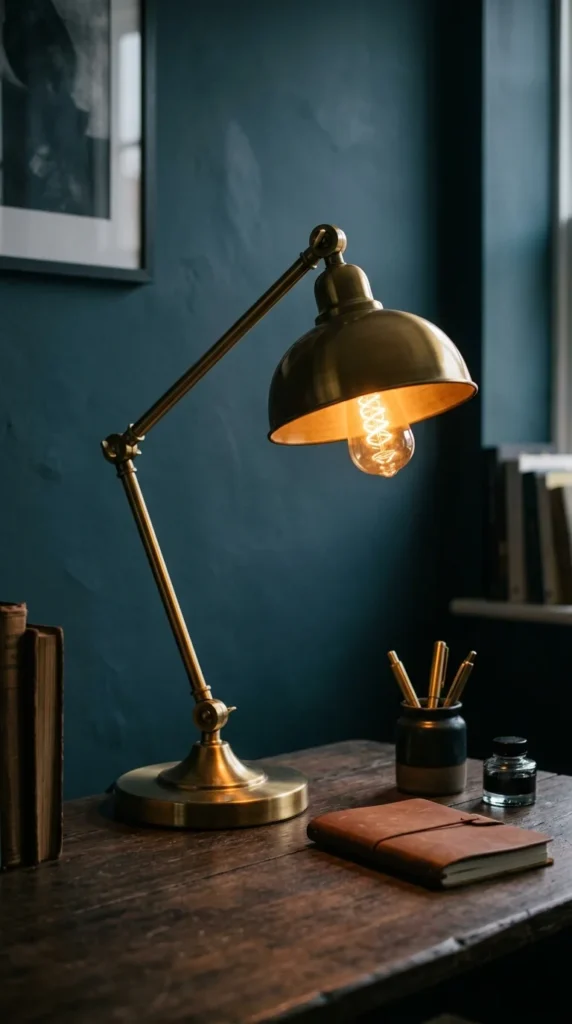
While natural light is for the morning, mood lighting is for the “deep work” hours. A high-quality desk lamp with a dimmable feature allows you to create a “puddle of light” over your work, which naturally draws your focus inward and minimizes distractions from the rest of the room.
- Design Statement: Choose a lamp that acts as a piece of sculpture. Whether it’s mid-century modern or industrial, it should be a joy to look at even when it’s turned off.
- Warmth: Aim for bulbs in the 2700K to 3000K range for a cozy, inviting glow that makes the office feel premium.
A successful office transformation is never truly finished; it evolves as your needs change. By focusing on these 15 elements, you create a space that doesn’t just house your computer, but actively supports your health, your mood, and your professional legacy. Stop working in a space that drains you—start building one that fuels you.